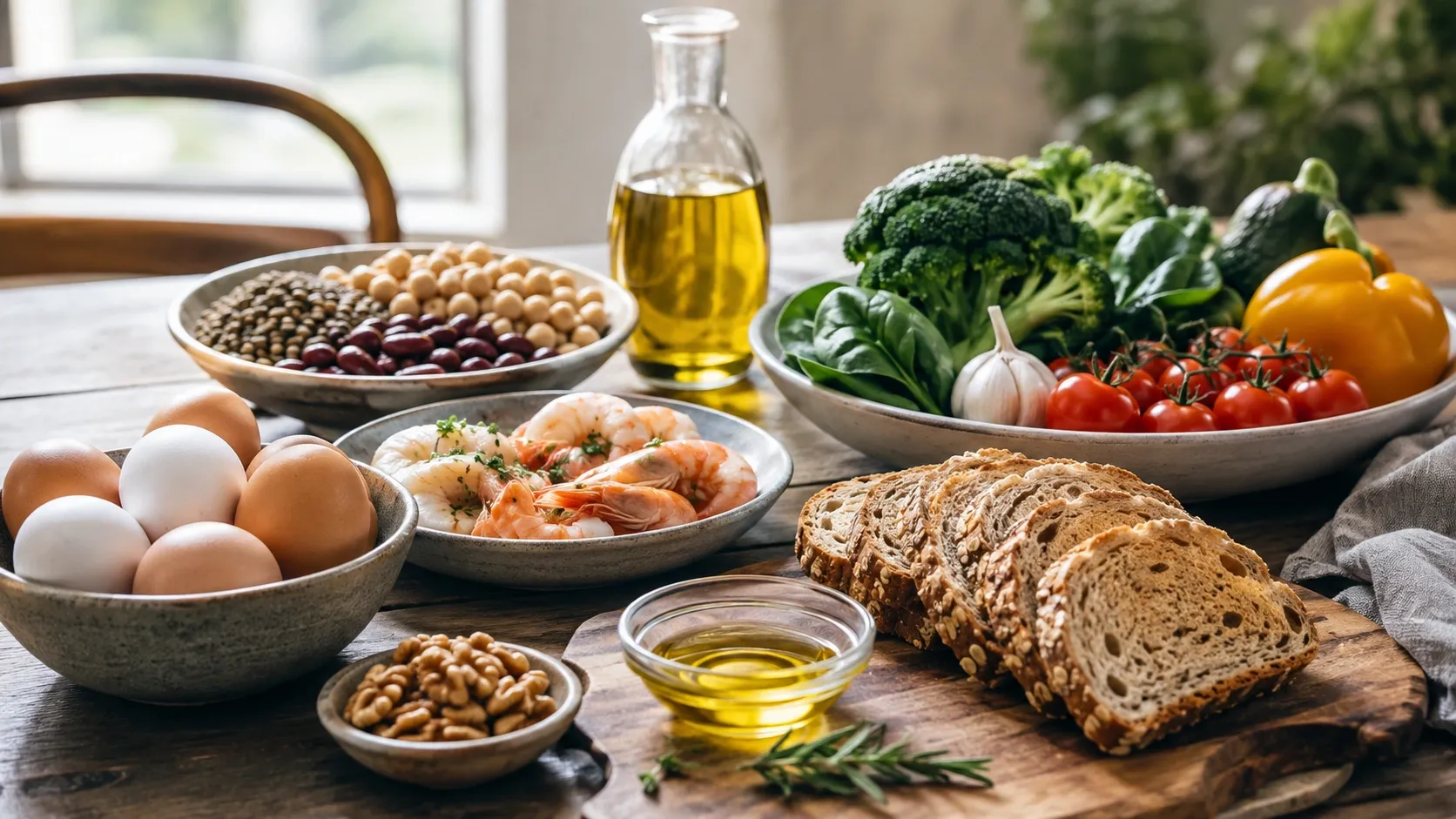
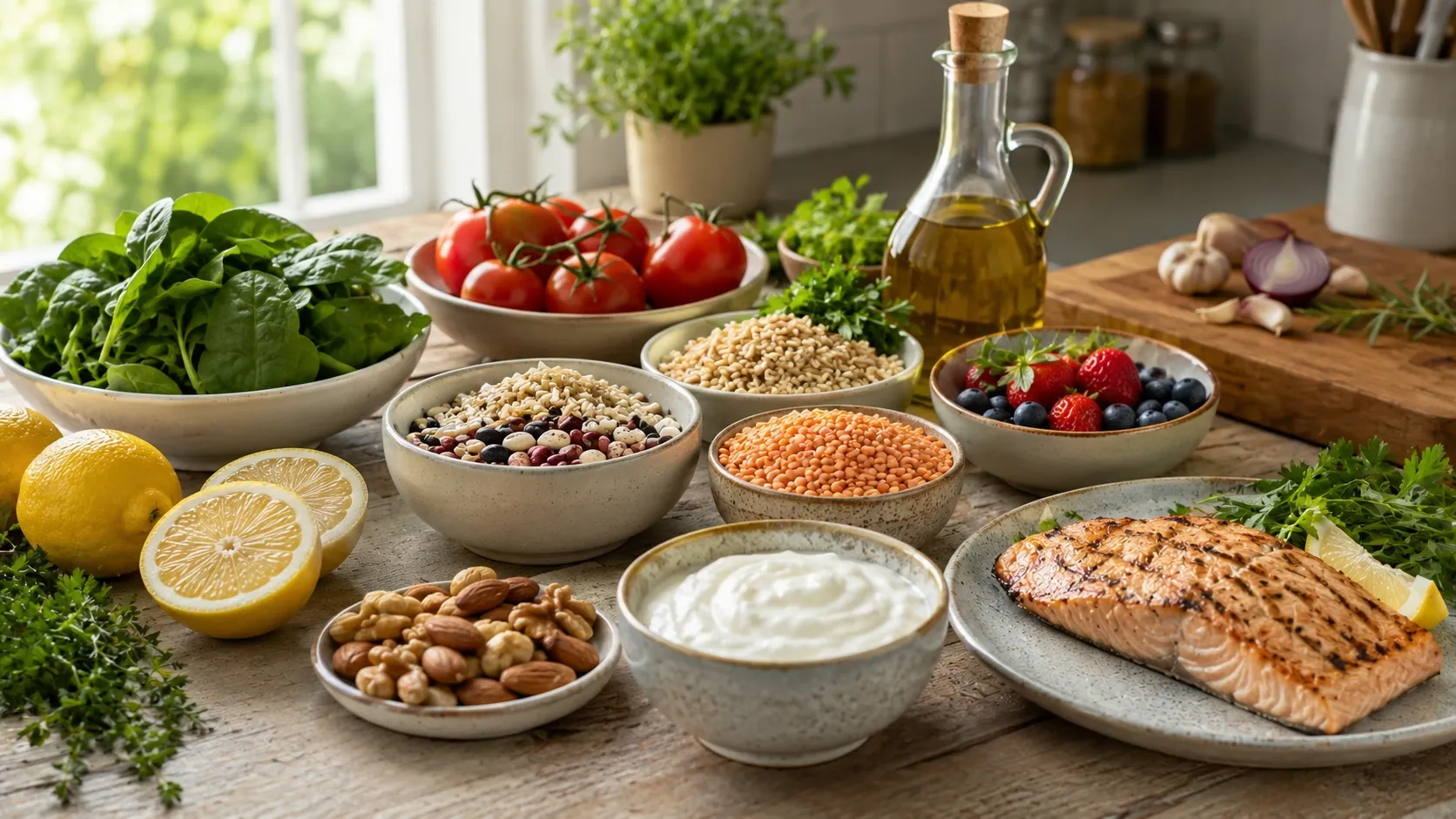
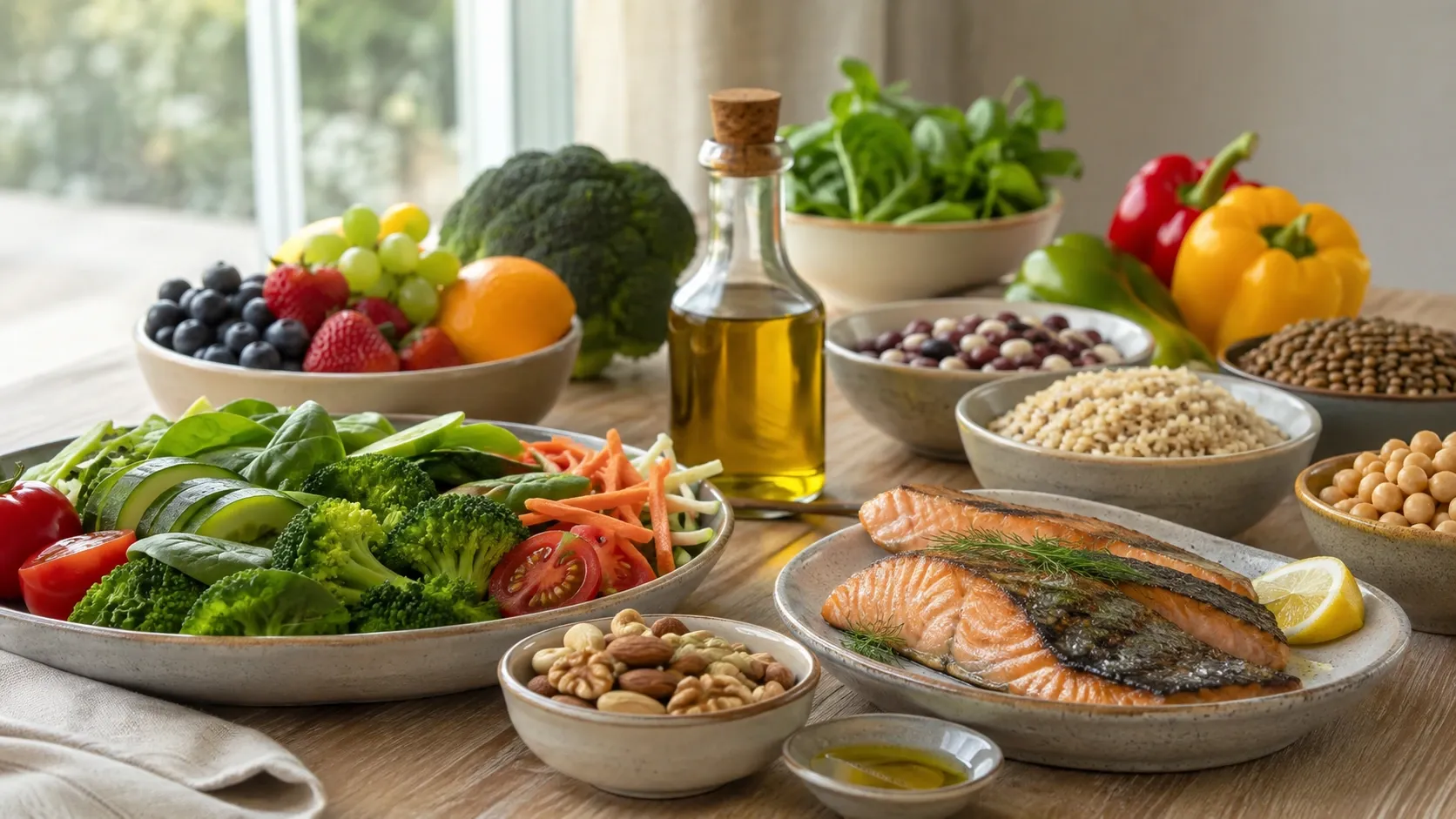
How Diet Affects LDL Cholesterol and Heart Health
Learn how saturated and trans fats, soluble fiber and unsaturated fats can influence LDL cholesterol and which dietary changes support cardiovascular health.
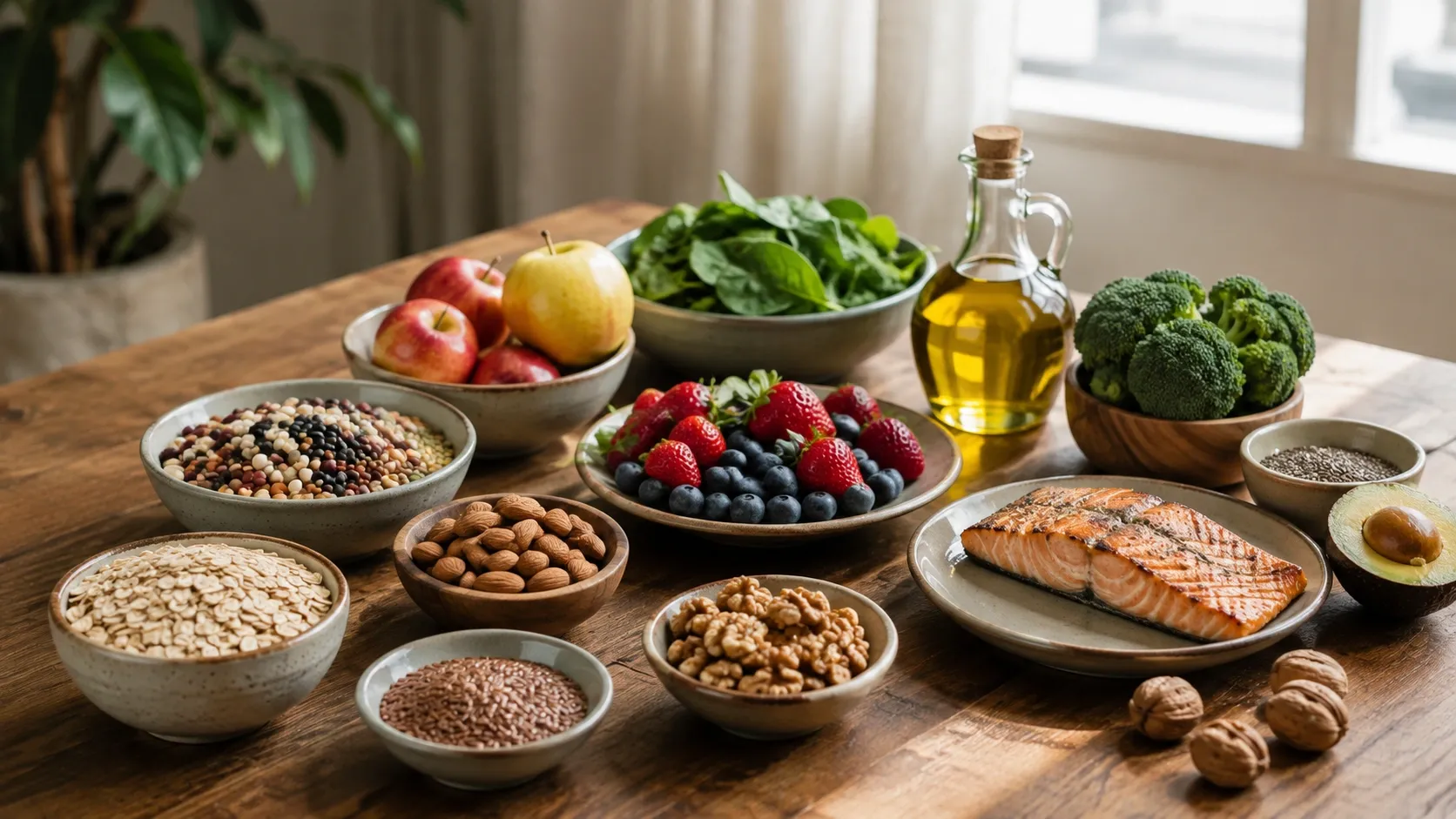
Diet can meaningfully influence LDL cholesterol, but the effect does not come from one “good” or “bad” food. The most important factors include the type of dietary fat, fiber intake, carbohydrate quality and the overall dietary pattern maintained over time.
One of the best-supported changes is replacing foods rich in saturated fat with foods providing unsaturated fats. Increasing soluble fiber can also contribute to lower LDL levels.
Still, diet is only one part of the picture. Genetics, age, metabolic conditions and overall cardiovascular risk can strongly influence LDL levels and determine whether lifestyle changes alone are enough. (Brazilian Ministry of Health)
Why LDL cholesterol matters
LDL particles transport cholesterol through the bloodstream. When LDL remains elevated over time, it contributes to the development of atherosclerosis, the buildup of plaque within arterial walls, and increases cardiovascular risk. (Brazilian Ministry of Health)
There is no single LDL target that is appropriate for everyone. People with established cardiovascular disease or other major risk factors generally require lower targets than people at lower risk. (Brazilian Ministry of Health)
Saturated fat is a major dietary factor
A high intake of saturated fat can raise LDL cholesterol.
Common sources include:
- butter;
- cream;
- cheese;
- fatty meats;
- poultry skin;
- certain baked and fried foods;
- coconut oil;
- palm oil.
The American Heart Association recommends replacing saturated-fat sources with foods providing mono- and polyunsaturated fats. (American Heart Association)
For people being treated for dyslipidemia, the 2025 Brazilian guideline recommends keeping saturated fat below 7% of total energy intake.
WHO guidance for the broader population recommends keeping saturated fat below 10% of total energy, while emphasizing that dietary fat should come primarily from unsaturated fatty acids. (WHO)
What replaces saturated fat matters
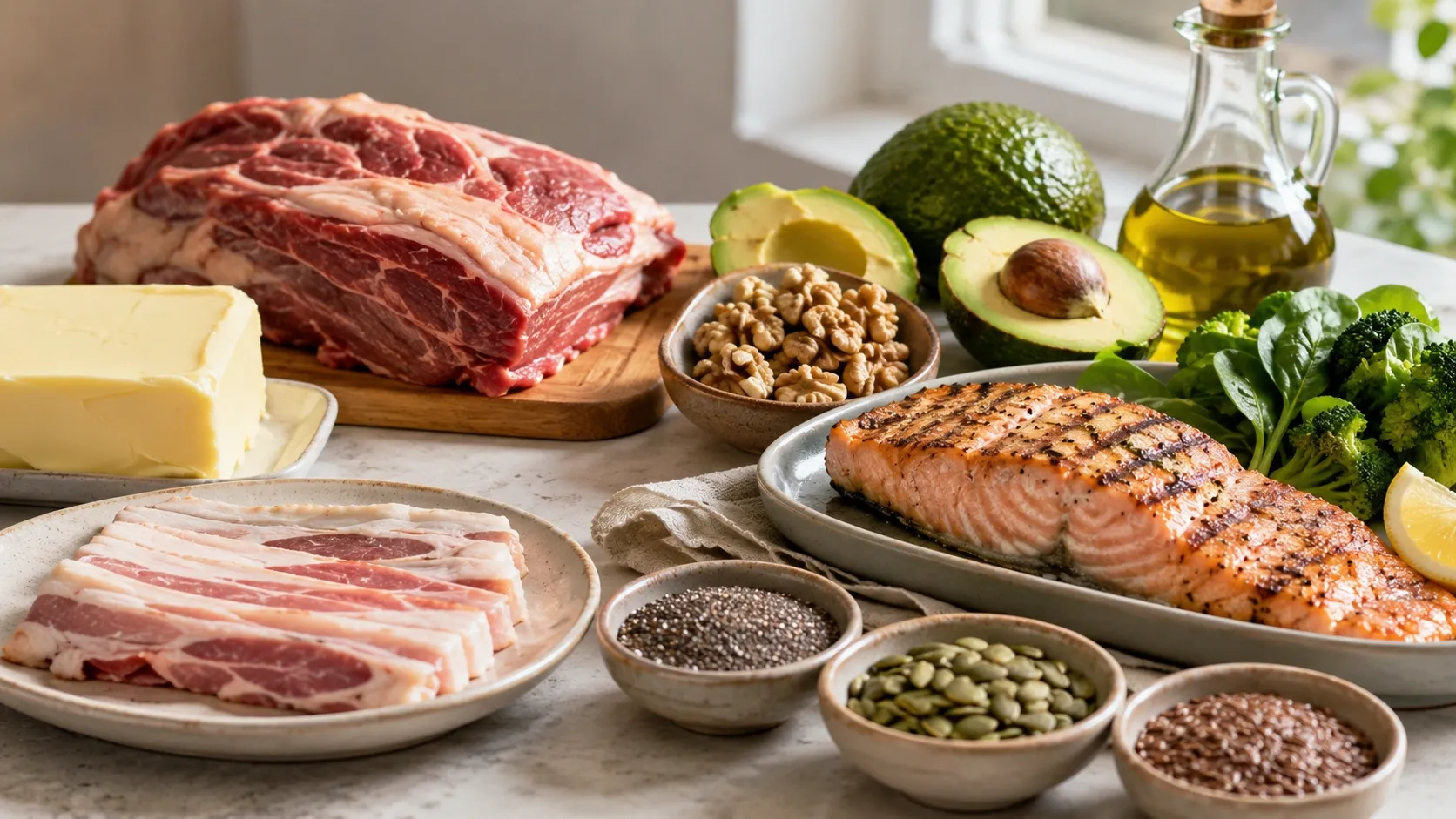
Simply cutting saturated fat does not tell the whole story.
The 2025 Brazilian dyslipidemia guideline reports that replacing saturated fats with mono- and polyunsaturated fats can reduce LDL, whereas replacing saturated fat with refined carbohydrates can increase triglycerides and lower HDL.
Useful swaps may include:
| Instead of frequently choosing | Consider |
|---|---|
| Butter as the main cooking fat | Olive oil or other non-tropical liquid plant oils |
| Fatty meats | Fish, legumes, skinless poultry or leaner cuts |
| Frequent full-fat dairy | Lower-fat options when appropriate |
| Snacks rich in saturated fat | Fruit, nuts or seeds |
| Coconut oil as the primary fat | Olive, canola, soybean or other mostly unsaturated oils |
The key concept is replacement, not simply adding healthy fats to a diet that remains high in saturated fat. (American Heart Association)
Trans fats are particularly unfavorable
Trans fats adversely affect blood lipids and cardiovascular health. WHO recommends keeping trans-fat intake below 1% of total energy and states that industrially produced trans fats are not part of a healthy diet. (WHO)
Historically, partially hydrogenated oils were a major source. Some fried and commercially baked products may also contribute depending on the food supply and regulations in a particular country.
A dietary pattern centered on whole or minimally processed foods can help reduce reliance on these products. (WHO)
Soluble fiber can help lower LDL
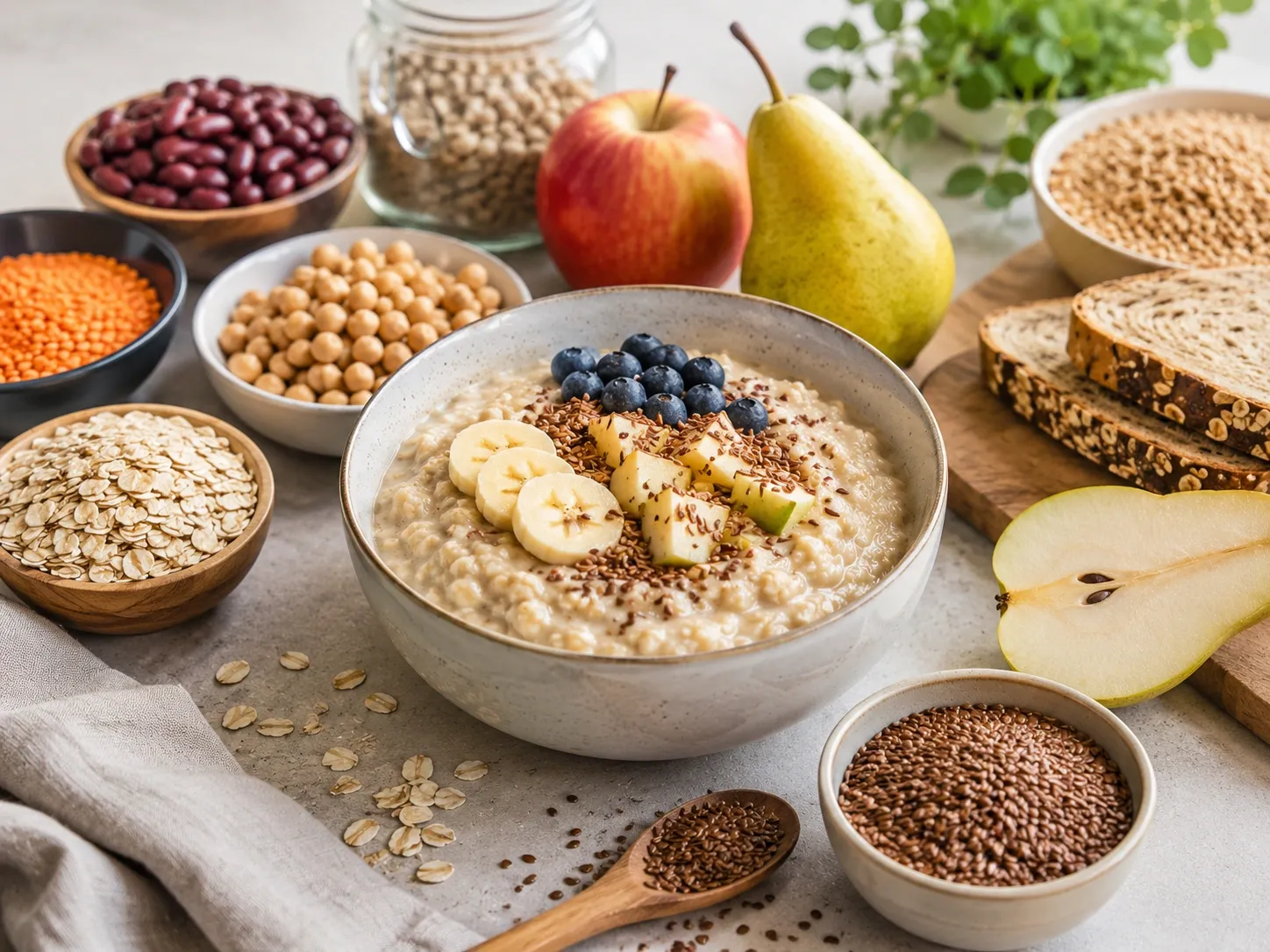
Soluble, viscous fibers absorb water in the gastrointestinal tract. They can interfere with cholesterol absorption and increase bile acid excretion, mechanisms that help explain their LDL-lowering effect.
Useful fiber-rich foods include:
- oats;
- beans, lentils, peas and chickpeas;
- fruit;
- vegetables;
- whole grains;
- seeds.
The 2025 Brazilian guideline recommends at least 25 g of total fiber per day for dyslipidemia management and specifically mentions beta-glucan from oats, psyllium, legumes and fruit with the skin.
A 2023 dose-response meta-analysis of randomized controlled trials found that each additional 5 g/day of soluble-fiber supplementation was associated with an average LDL reduction of approximately 5.57 mg/dL. Individual responses vary, and this average should not be interpreted as a guaranteed reduction from a specific food. (PubMed)
Why unsaturated fats are useful
Monounsaturated and polyunsaturated fats are found in foods such as olive oil, liquid plant oils, nuts, seeds, avocado and fish.
Their role is not to “clean” cholesterol from the arteries. The practical advantage comes from using these foods instead of major saturated-fat sources.
WHO similarly recommends replacing saturated and trans fats with polyunsaturated fats, plant-derived monounsaturated fats or carbohydrates from naturally fiber-rich foods. (WHO)
Carbohydrate quality matters too
LDL-focused nutrition is not only about fat.
Whole grains, fruit, vegetables and legumes provide fiber and other nutrients, whereas simply replacing saturated fat with refined starches or added sugars does not represent the type of substitution recommended for cardiovascular health.
In other words, replacing butter or fatty meats with low-fiber cookies, sweets or refined bread is not the intended strategy.
What about cholesterol in food?
Dietary cholesterol and LDL cholesterol measured in blood are not the same thing.
Dietary cholesterol can influence blood lipids, but individual responses vary, and its effects are difficult to separate from the rest of the dietary pattern. The American Heart Association therefore emphasizes the overall eating pattern rather than treating one cholesterol-containing food as the single determinant of cardiovascular risk. (PubMed)
This distinction is particularly relevant when discussing foods such as eggs.
Is there one food that lowers cholesterol?
No single food acts as a cholesterol antidote.
Oats, legumes, nuts, seeds, olive oil and other foods can all contribute to a favorable dietary pattern, but the accumulated evidence indicates that different foods influence LDL to different degrees and work within the context of the total diet. (PubMed)
Consistency matters more than relying on one “superfood.”
A practical LDL-friendly eating pattern
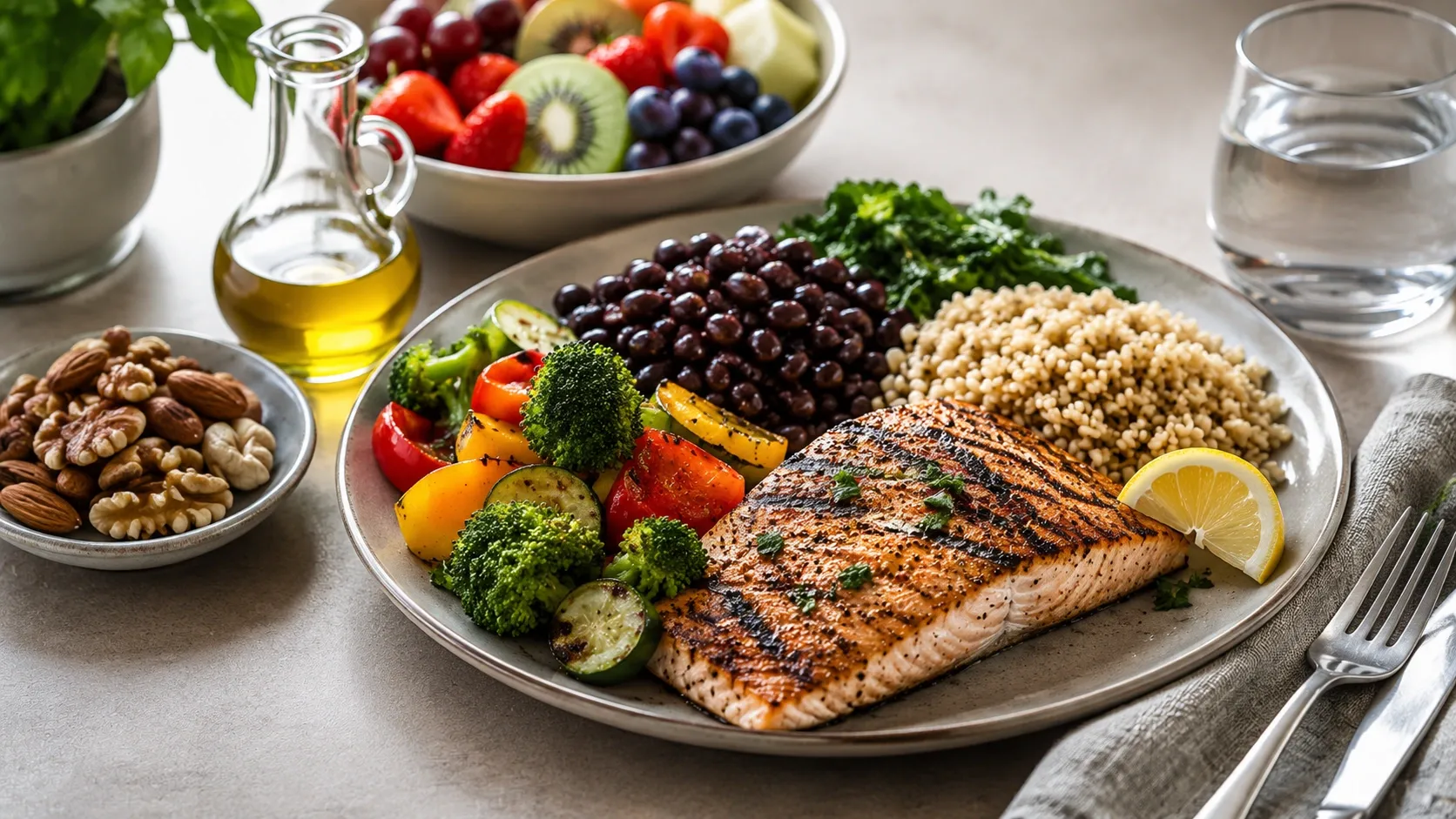
A useful approach is to focus on several repeatable habits:
- Replace some saturated fats with unsaturated fats. Favor liquid plant oils, nuts and seeds in place of major saturated-fat sources. (American Heart Association)
- Increase fiber-rich foods gradually. Beans, lentils, oats, fruit, vegetables and whole grains can increase daily fiber intake.
- Choose protein sources with a more favorable fat profile. Legumes, fish and leaner options can replace some fatty or processed meats. (American Heart Association)
- Do not replace saturated fat primarily with refined carbohydrates. The nutritional quality of the replacement matters.
- Focus on a sustainable dietary pattern rather than rigid lists of forbidden foods. (Brazilian Ministry of Health)
When diet is not enough
People can follow similar diets and still have very different LDL levels.
Genetics, metabolism, age and clinical conditions can account for part of this variation. Familial hypercholesterolemia, for example, can produce high LDL from an early age and often requires specific medical treatment. (Brazilian Ministry of Health)
Medication decisions also depend on a person’s overall cardiovascular risk rather than LDL alone. A history of cardiovascular disease, diabetes and other conditions can substantially change the treatment strategy. (Brazilian Ministry of Health)
Conclusion
Diet influences LDL cholesterol primarily through fat quality, fiber intake and the overall quality of the dietary pattern.
The best-supported strategies include reducing frequent sources of saturated and trans fats, replacing them with unsaturated fats and eating more naturally fiber-rich foods such as legumes, fruit, vegetables, oats and other whole grains.
Rather than searching for one food that “lowers cholesterol,” aim to improve the pattern as a whole. If LDL remains elevated, an individualized cardiovascular assessment can determine whether lifestyle measures are sufficient or whether additional treatment is appropriate. (Brazilian Ministry of Health)