High Blood Pressure: Which Diet Changes Have the Best Evidence?
Reducing sodium, following a DASH-style diet, getting enough potassium when safe, and cutting alcohol are among the best-supported dietary changes for high blood pressure.
When it comes to high blood pressure, some dietary changes have substantially better scientific support than others. Reducing sodium, following a DASH-style eating pattern, eating potassium-rich foods when appropriate, and reducing alcohol are among the best-supported strategies. For people who also have excess weight, sustainable weight loss may provide an additional benefit. (professional.heart.org)
That does not mean there is a single food capable of “lowering blood pressure.” The strongest evidence supports changing the overall dietary pattern rather than relying on a particular ingredient or supplement.
1. Sodium reduction is a major priority
Sodium is an essential nutrient, but excessive intake contributes to higher blood pressure. In its May 2026 update, the World Health Organization continued to recommend less than 2,000 mg of sodium per day for adults, equivalent to less than 5 g of salt. (WHO)
Salt and sodium are not exactly the same thing. Table salt consists mainly of sodium chloride, while sodium is also present in processed foods, breads, processed meats, savory snacks, sauces, and seasoning products. WHO notes that the main sources vary across populations and dietary cultures. (WHO)
The blood pressure evidence is strong. A 2021 dose-response meta-analysis included 85 clinical trials lasting at least four weeks and found an approximately linear relationship between sodium intake and both systolic and diastolic blood pressure. The reduction was steeper among participants who already had higher blood pressure. (PubMed)
An earlier longer-term review found that modest salt reduction in participants with hypertension lowered systolic blood pressure by about 5.4 mmHg and diastolic pressure by about 2.8 mmHg on average. Individual responses vary, but these findings show that reducing sodium can have a meaningful effect. (WHO)
How to reduce sodium in everyday life
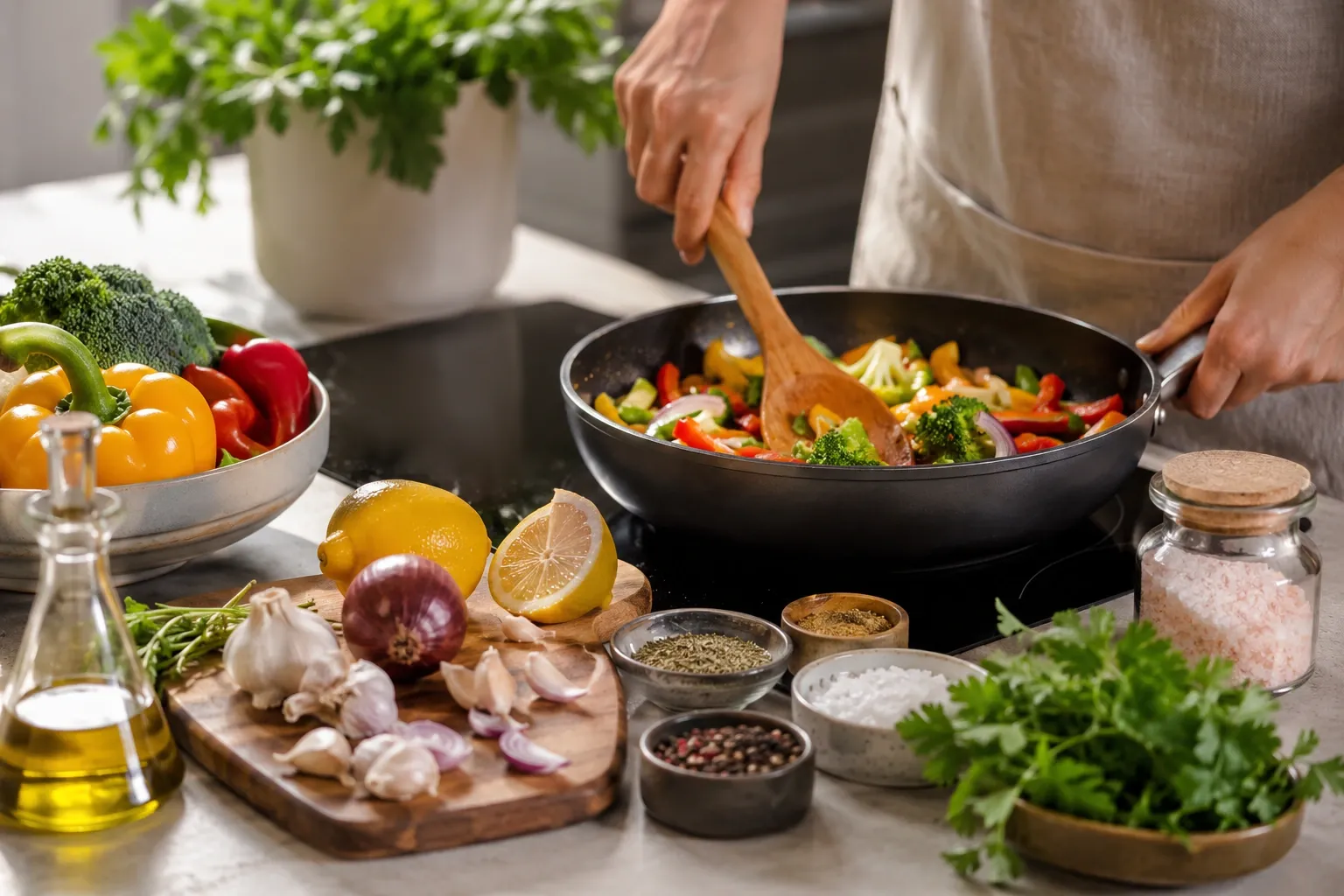
Removing the salt shaker is only one part of the strategy. Comparing labels, eating processed meats less frequently, limiting salty sauces and instant seasoning products, and cooking more often from fresh or minimally processed ingredients can make a substantial difference.
Herbs, garlic, onion, citrus, pepper, paprika, turmeric, and other seasonings can add flavor while reducing reliance on salt. WHO also recommends selecting lower-sodium products when available. (WHO)
2. DASH is one of the best-studied dietary patterns
DASH stands for Dietary Approaches to Stop Hypertension. Rather than focusing on one food or nutrient, it combines several dietary characteristics associated with better cardiovascular health.
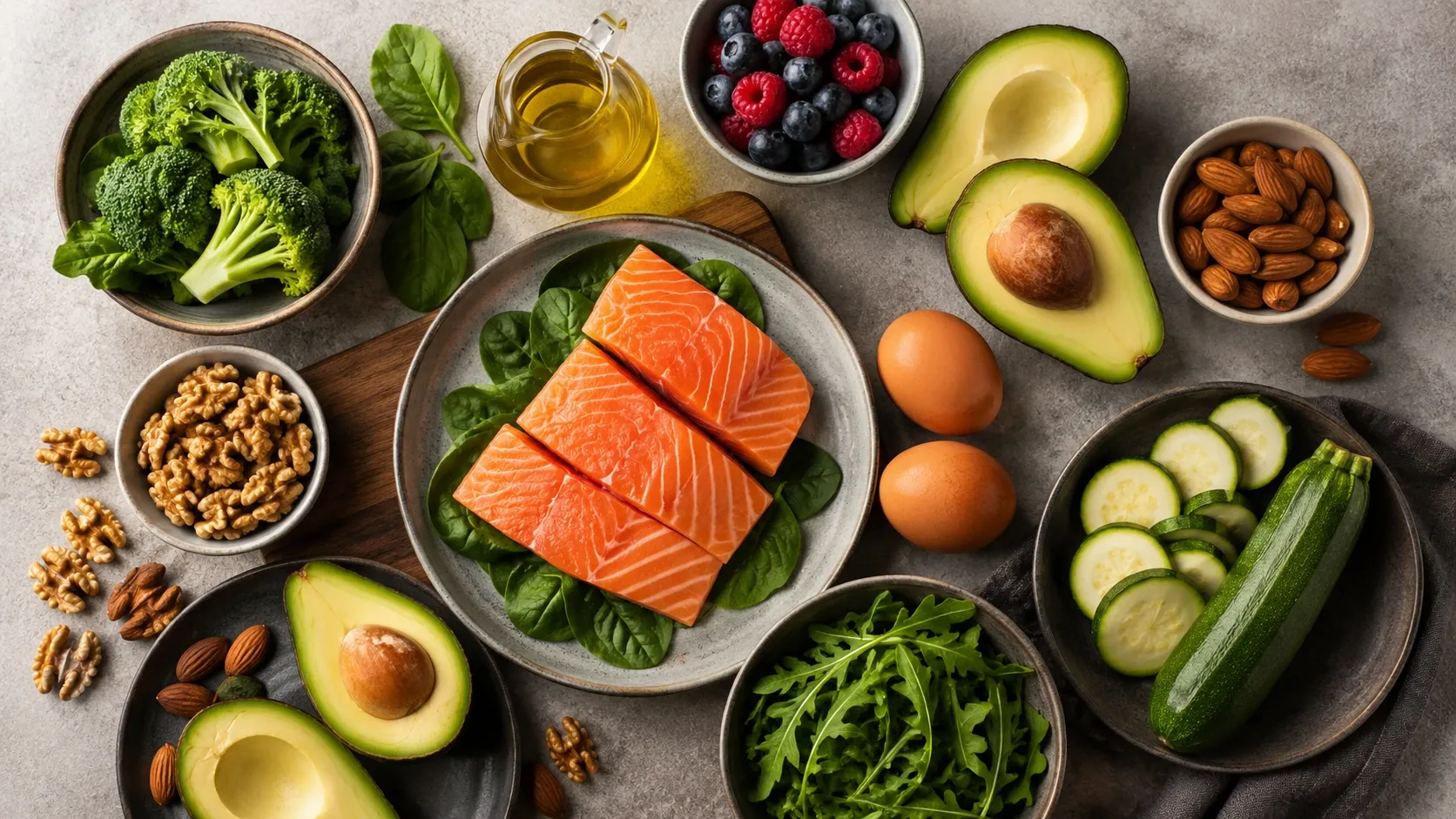
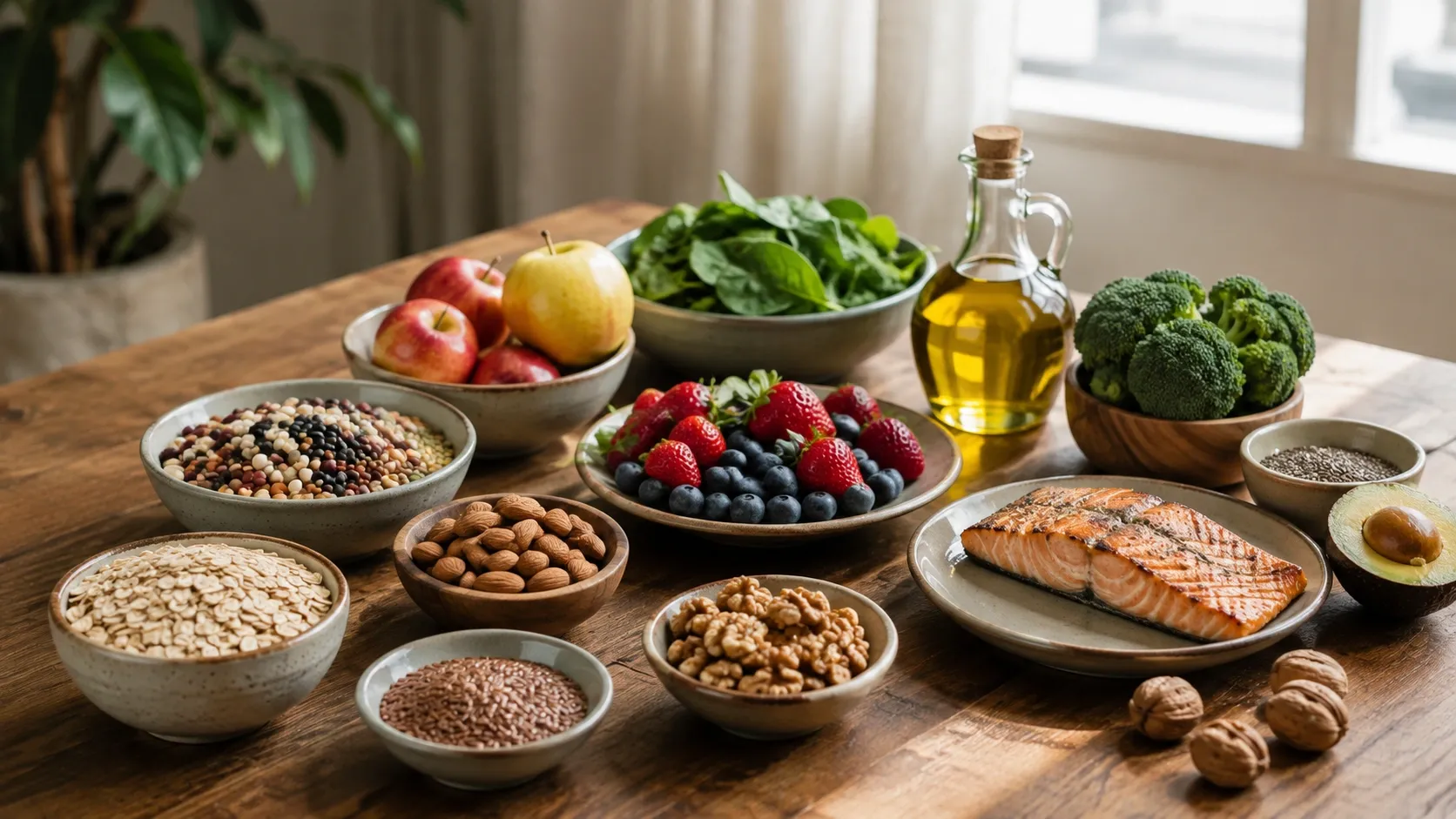
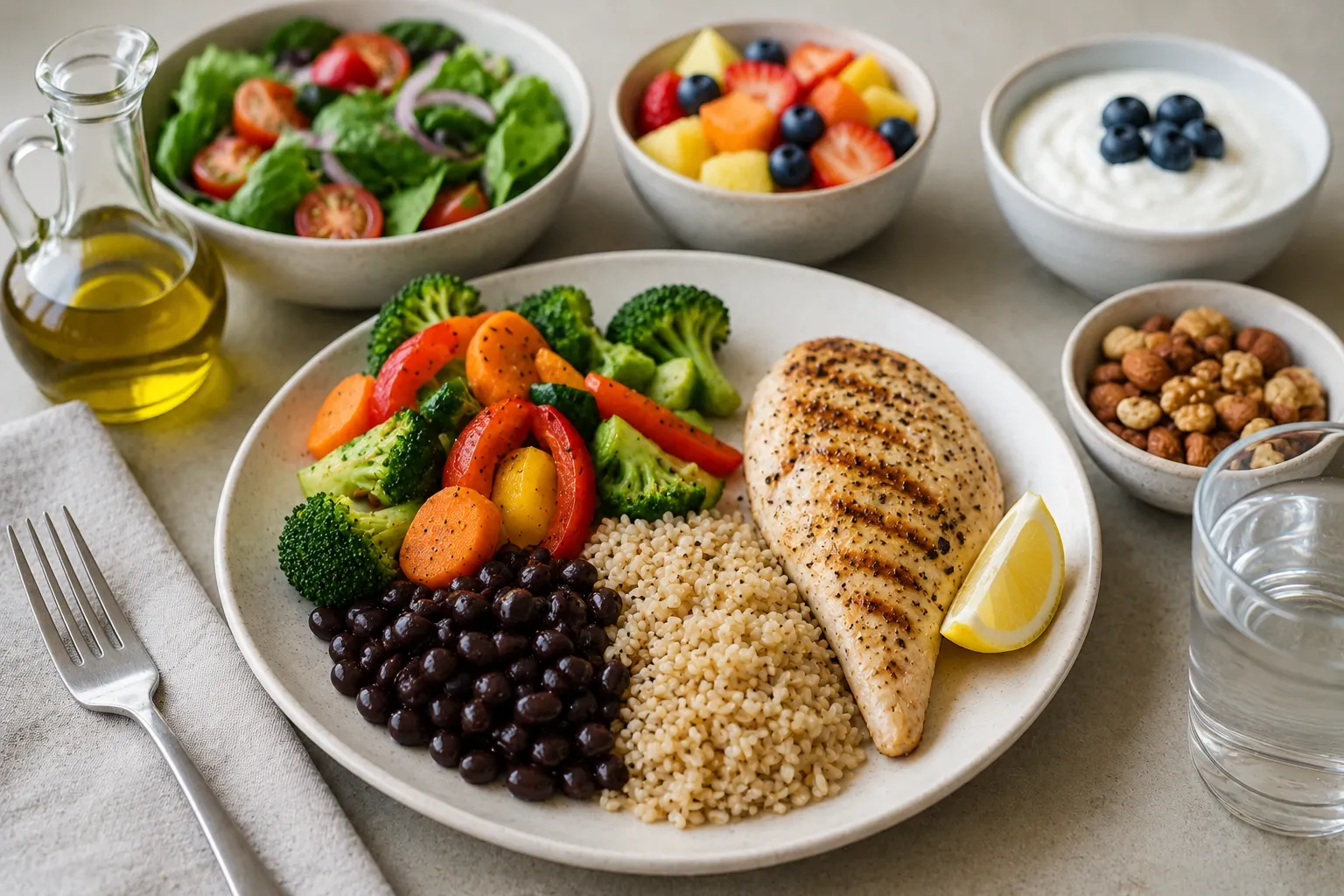
The pattern emphasizes vegetables, fruit, whole grains, beans and other legumes, nuts, and low-fat dairy. It also limits sodium, processed meat, excessive red meat, sweets, and sugar-sweetened beverages. The 2025 AHA/ACC guideline explicitly recommends a heart-healthy pattern such as DASH for adults with elevated blood pressure or hypertension. (professional.heart.org)
A meta-analysis of randomized trials reported average reductions of approximately 5.2 mmHg systolic and 2.6 mmHg diastolic with DASH. A later systematic review of randomized controlled trials also confirmed significant blood pressure reductions, although the magnitude varied according to factors such as baseline blood pressure and sodium intake. (PubMed Central (PMC))
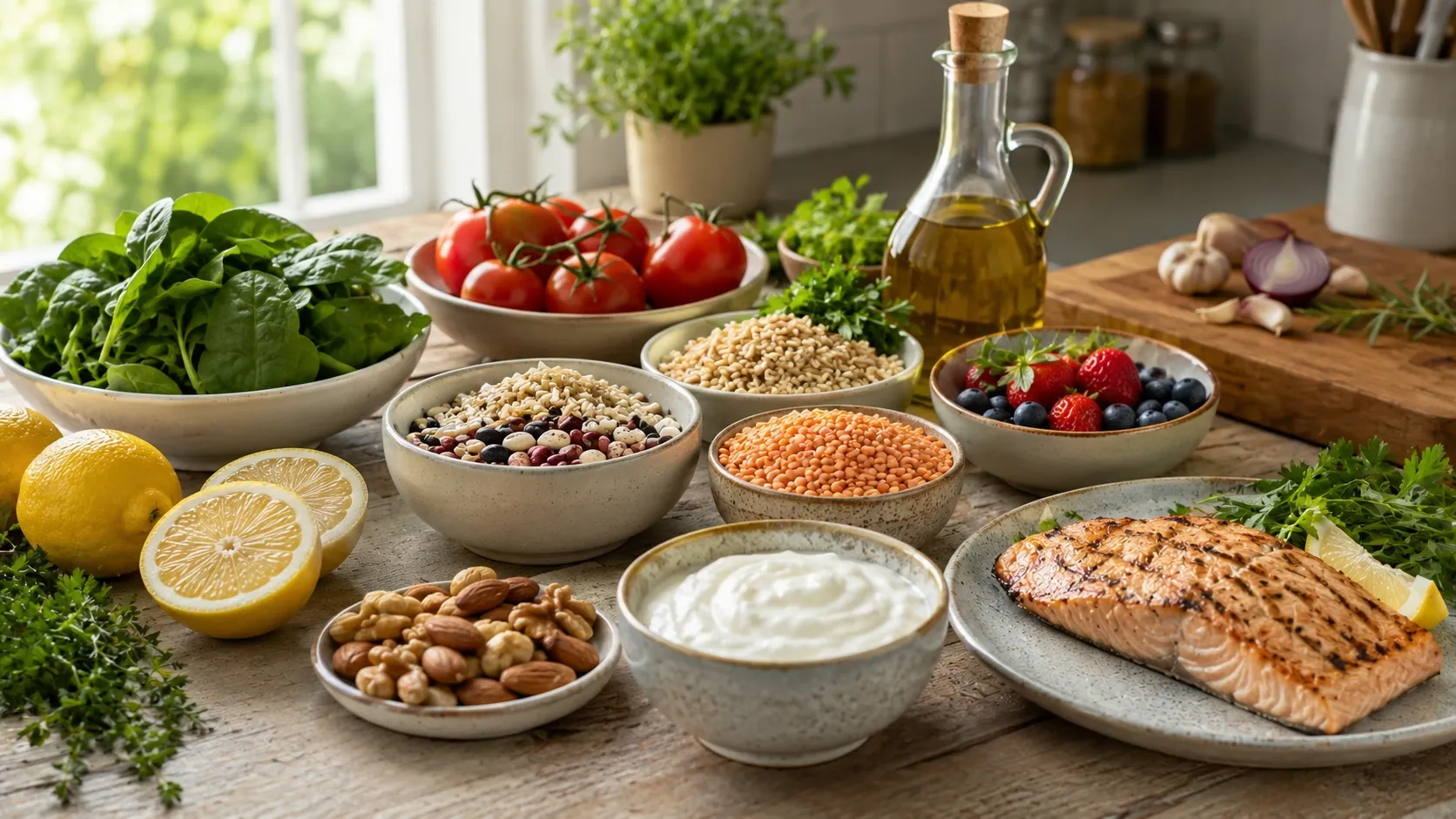
DASH does not require specialty foods. Beans, whole grains, vegetables, fruits, plain yogurt, unsalted nuts, and fish can all fit the pattern.
3. More dietary potassium can help — when it is safe
Sodium and potassium both play roles in fluid balance, vascular function, and blood pressure regulation. For this reason, current hypertension guidelines recommend not only reducing sodium but also increasing dietary potassium for appropriate adults. (professional.heart.org)
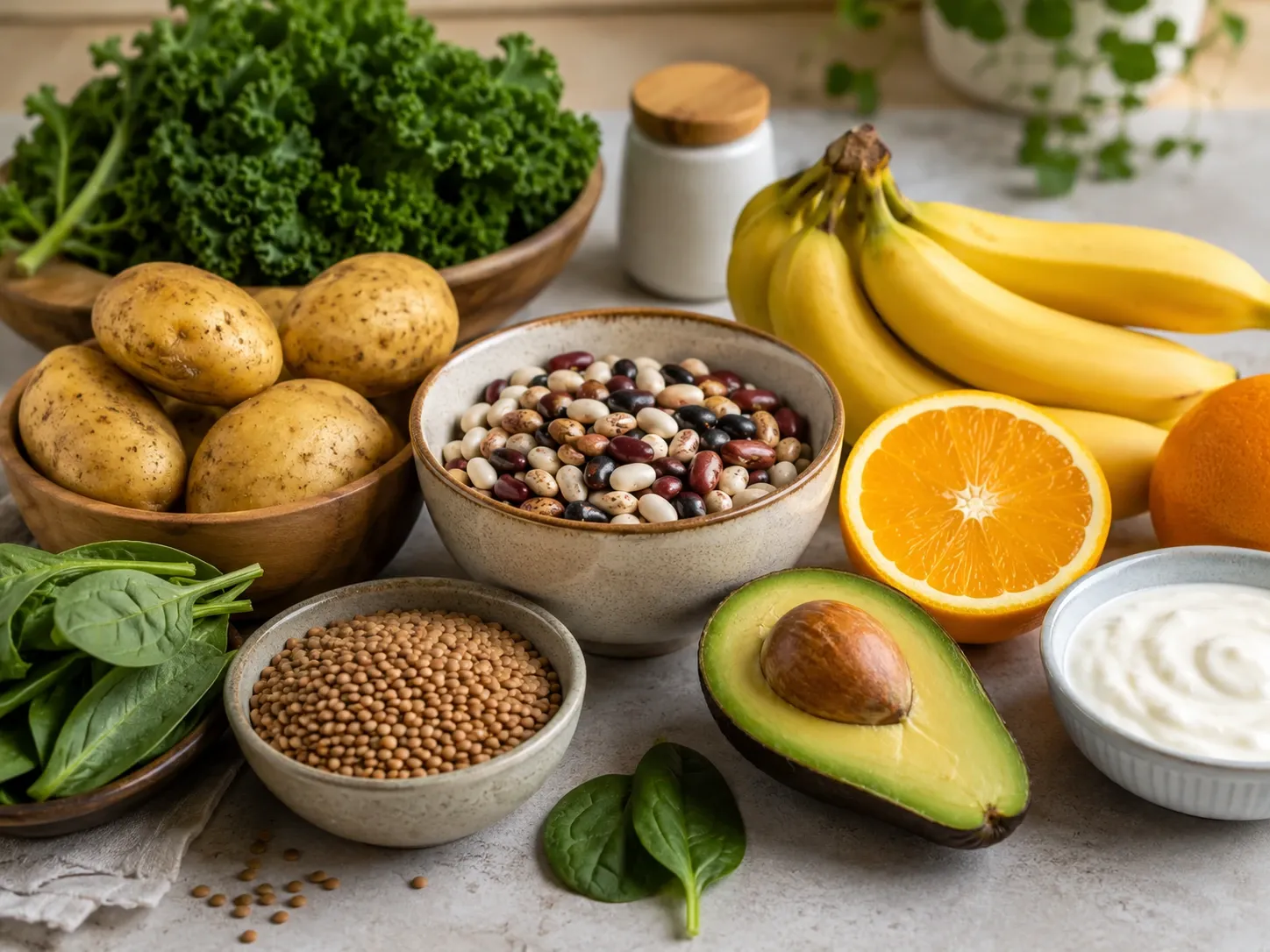
Potassium-rich choices include vegetables, fruit, beans, lentils, potatoes, dairy foods, and other minimally processed foods. The American Heart Association states that adults trying to prevent or manage hypertension may benefit from roughly 3,500 to 5,000 mg of potassium per day, ideally from food. (www.heart.org)
Potassium supplements are not automatically safer or better. People with kidney disease, impaired potassium handling, or certain medications may develop dangerously high blood potassium levels.
4. Potassium-containing salt substitutes may help selected adults
In 2025, WHO issued a dedicated guideline on lower-sodium salt substitutes. These products typically replace some sodium chloride with potassium chloride. (WHO)
WHO’s recommendation is conditional: when adults choose to use table salt, replacing regular salt with a lower-sodium alternative containing potassium may be beneficial. It should still be part of an overall sodium-reduction strategy rather than an excuse to use more salt. (WHO)
The recommendation excludes children, pregnant women, people with kidney impairment, and others whose ability to excrete potassium may be compromised. (WHO)
5. Alcohol reduction matters most at higher intake levels
Alcohol can also influence blood pressure. The 2025 AHA/ACC guideline recommends reducing or eliminating alcohol as part of preventing and treating elevated blood pressure and hypertension. (professional.heart.org)
A systematic review and meta-analysis of 36 trials involving 2,865 participants found a dose-response relationship: the greater the baseline consumption, the larger the potential blood pressure reduction from cutting back. Among participants drinking six or more drinks per day, roughly halving intake was associated with average reductions of about 5.5 mmHg systolic and 4.0 mmHg diastolic. (PubMed)
These findings should not be interpreted as defining a level of alcohol that people should aim to consume. Someone who does not drink does not need to start for cardiovascular or blood pressure benefits.
6. Sustainable weight loss can help when excess weight is present
Weight loss is not an appropriate goal for every person with hypertension. When overweight or obesity is present, however, a sustainable dietary strategy that produces weight loss can provide an additional blood pressure benefit.
A Cochrane review found reductions in both body weight and blood pressure with weight-reducing diets among people with hypertension. In the studies available for blood pressure outcomes, the average differences were about 4.5 mmHg systolic and 3.2 mmHg diastolic, although the certainty of these estimates was considered low because of limitations in the evidence base. (PubMed)
The practical goal is therefore not a crash diet. It is a dietary pattern that can be sustained while also improving food quality and sodium intake.
Which dietary changes have the strongest evidence?
| Change | Evidence for blood pressure | Practical priority |
|---|---|---|
| Reduce sodium | Strong and consistent | Very high |
| Follow a DASH-style pattern | Strong and consistent | Very high |
| Increase dietary potassium when safe | Consistent | High |
| Reduce high alcohol intake | Consistent, especially at higher intake | High |
| Lose weight when excess weight is present | Favorable, with variable effect size | Individualized |
| Rely on one food or supplement | Less consistent than the strategies above | Low |
This practical ranking is a synthesis of the guidelines and systematic reviews used for this article rather than an official single grading system. (professional.heart.org)
What can a blood-pressure-friendly diet look like?
A useful starting point is to focus on the overall pattern. Vegetables can make up a substantial part of meals; beans and other legumes can be eaten regularly; fruit can be distributed throughout the day; and whole grains, unsalted nuts, fish, and suitable dairy foods can help move the diet closer to a DASH-style pattern. (www.heart.org)
At the same time, reducing processed meats, instant noodles, salty snacks, concentrated sauces, heavily salted ready meals, and other high-sodium products can substantially lower sodium exposure.
In practice, several small substitutions are usually more useful than searching for a single “blood pressure lowering food.”
Diet helps, but it does not replace medical care
Hypertension is an important risk factor for cardiovascular disease, stroke, and chronic kidney disease. Lifestyle changes are recommended broadly, but many people also require blood-pressure-lowering medication. (professional.heart.org)
Do not stop or reduce prescribed medication simply because blood pressure improves after a dietary change. Treatment decisions should consider repeated blood pressure measurements, cardiovascular risk, other medical conditions, and professional assessment.
Conclusion
For someone trying to improve their diet because of high blood pressure, the priorities are relatively clear: reduce sodium, adopt a DASH-style eating pattern, increase potassium-rich foods when safe, reduce alcohol — particularly if intake is high — and pursue sustainable weight loss when clinically appropriate.
The effect varies from person to person, but these strategies have substantially stronger evidence than fashionable supplements, isolated foods, or claims that a particular ingredient can “cure” hypertension.
A blood-pressure-friendly diet does not need to be exotic. In most cases, it looks like a minimally processed, plant-rich eating pattern designed to keep sodium intake within current recommendations. (WHO)