
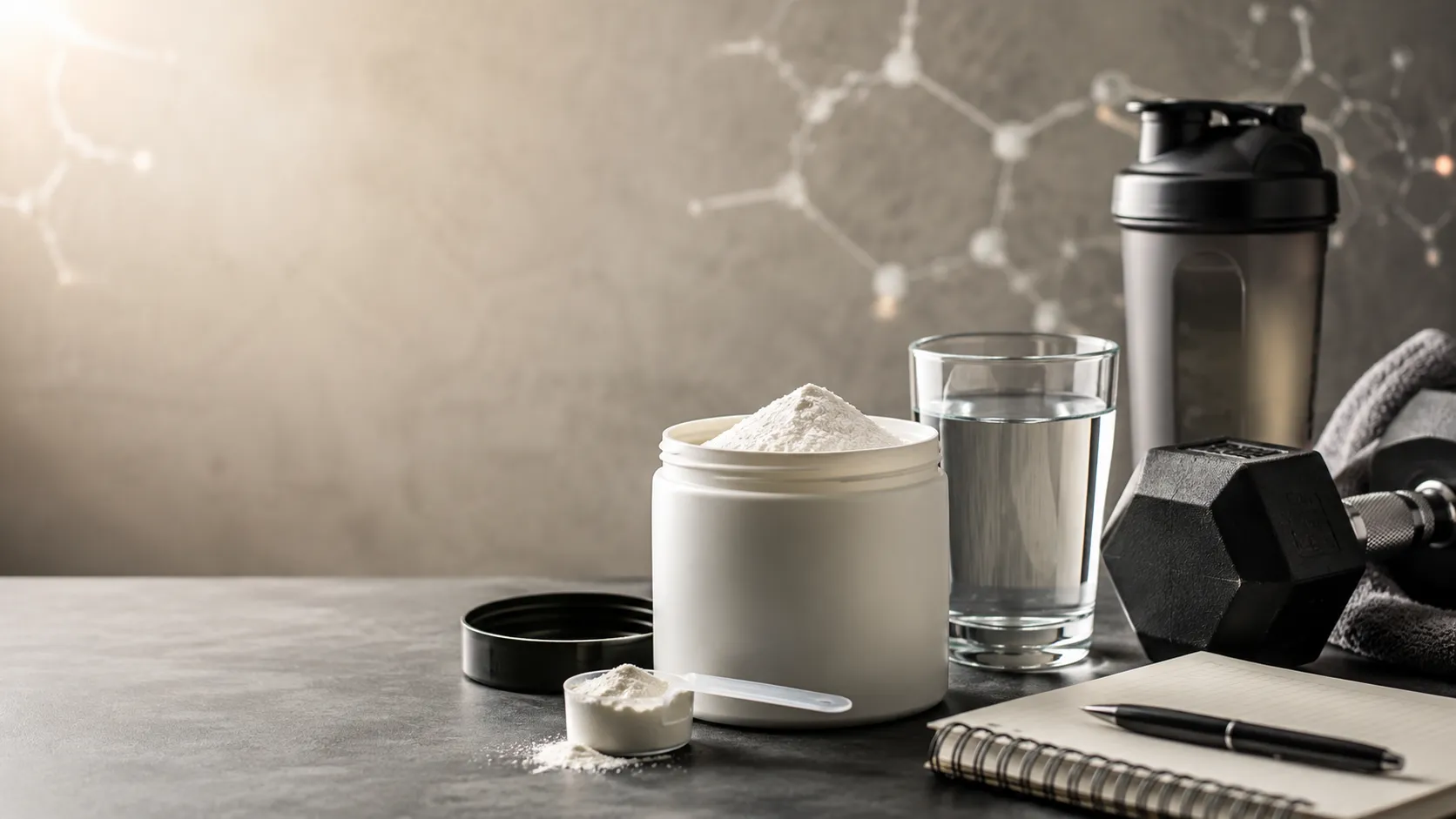
Creatine: what does the science really say?
One of the most studied supplements in the world, with solid evidence for strength and performance — and a list of myths that should have been retired years ago.
Featured
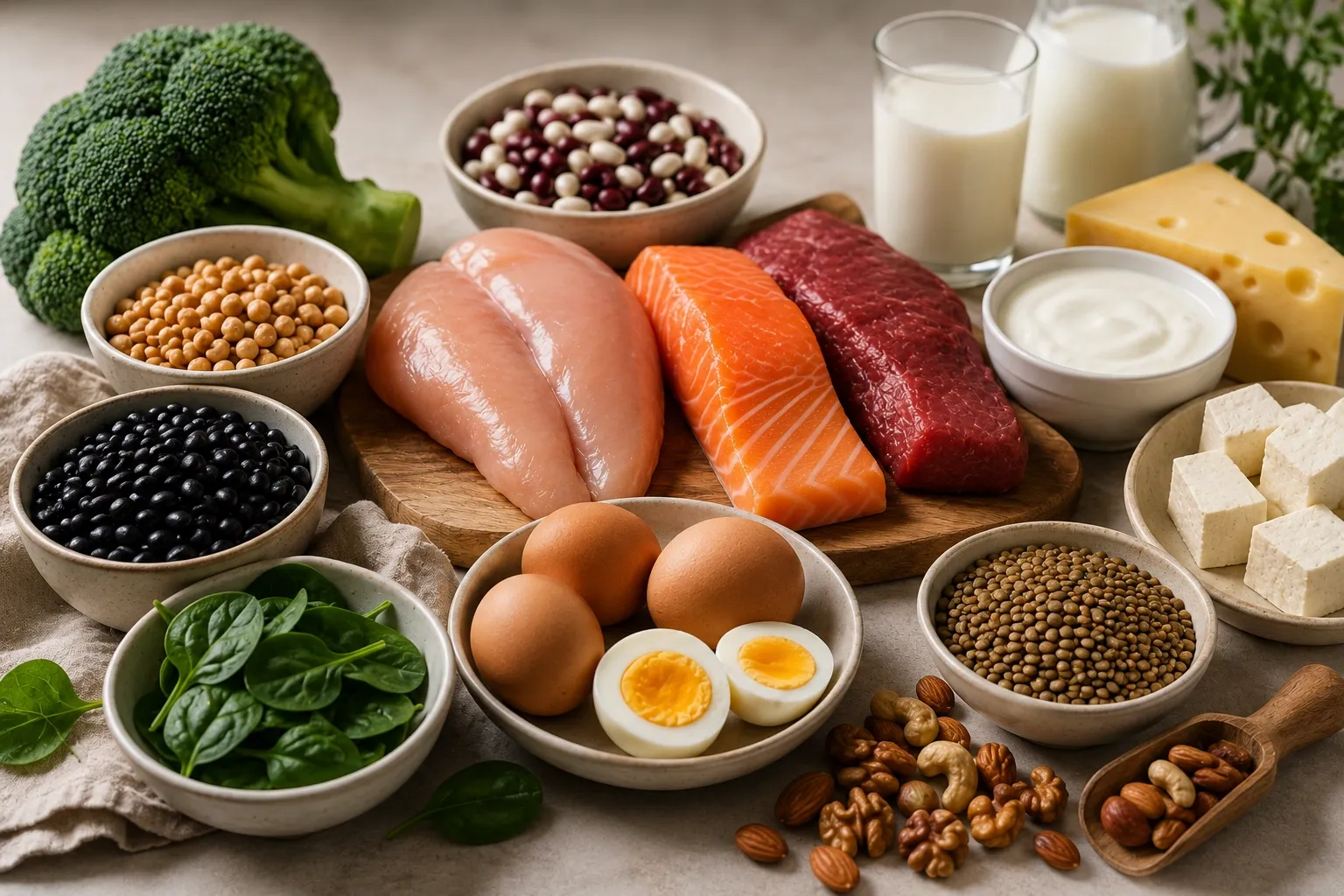
Find out how much protein the body actually requires, which sources are worth building meals around, and where the benefit of eating more stops.
One of the most studied supplements in the world, with solid evidence for strength and performance — and a list of myths that should have been retired years ago.
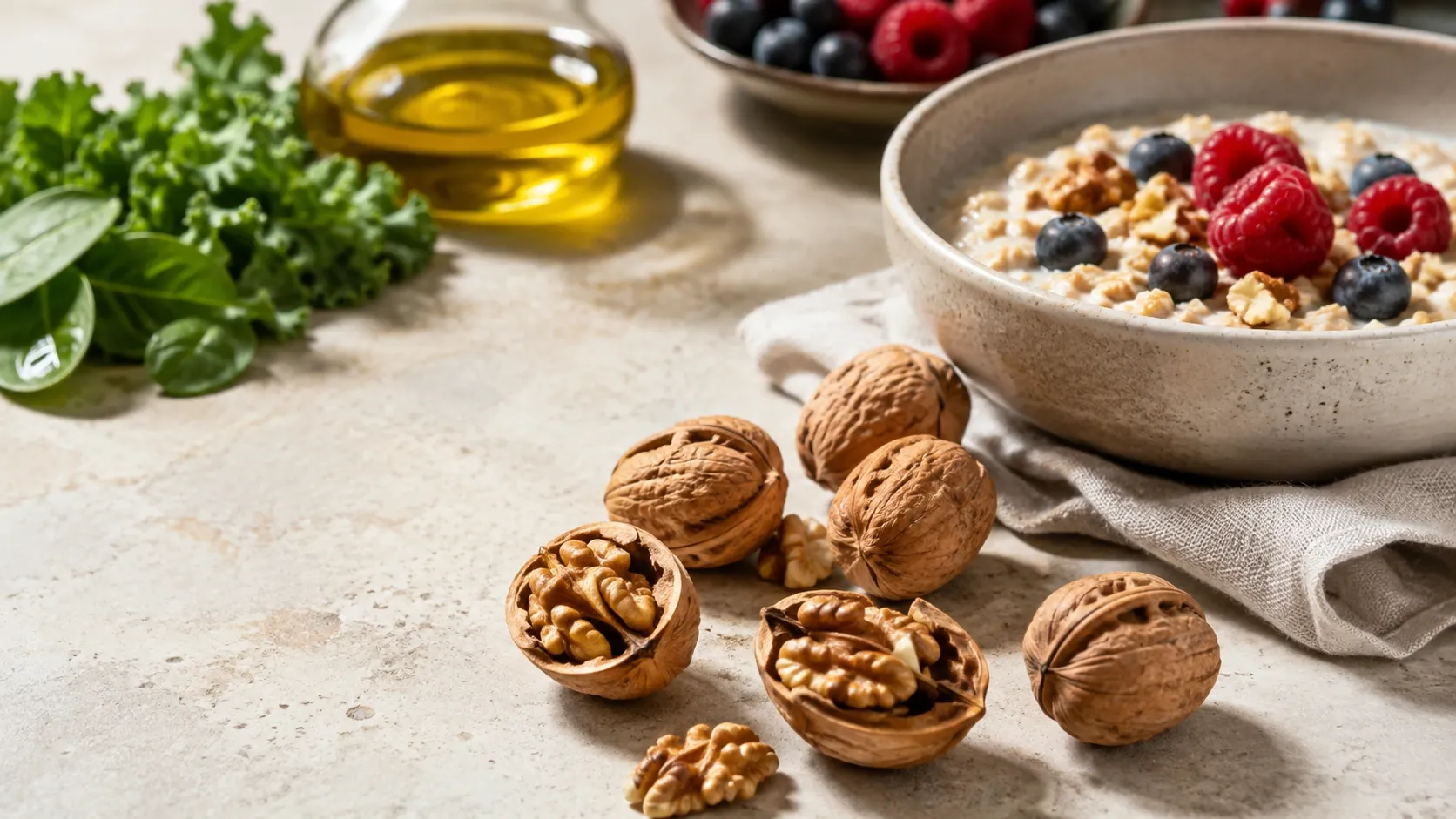
Walnuts provide unsaturated fats, ALA, fiber, and minerals. Learn what research shows about cholesterol, blood vessel function, and cardiovascular health.
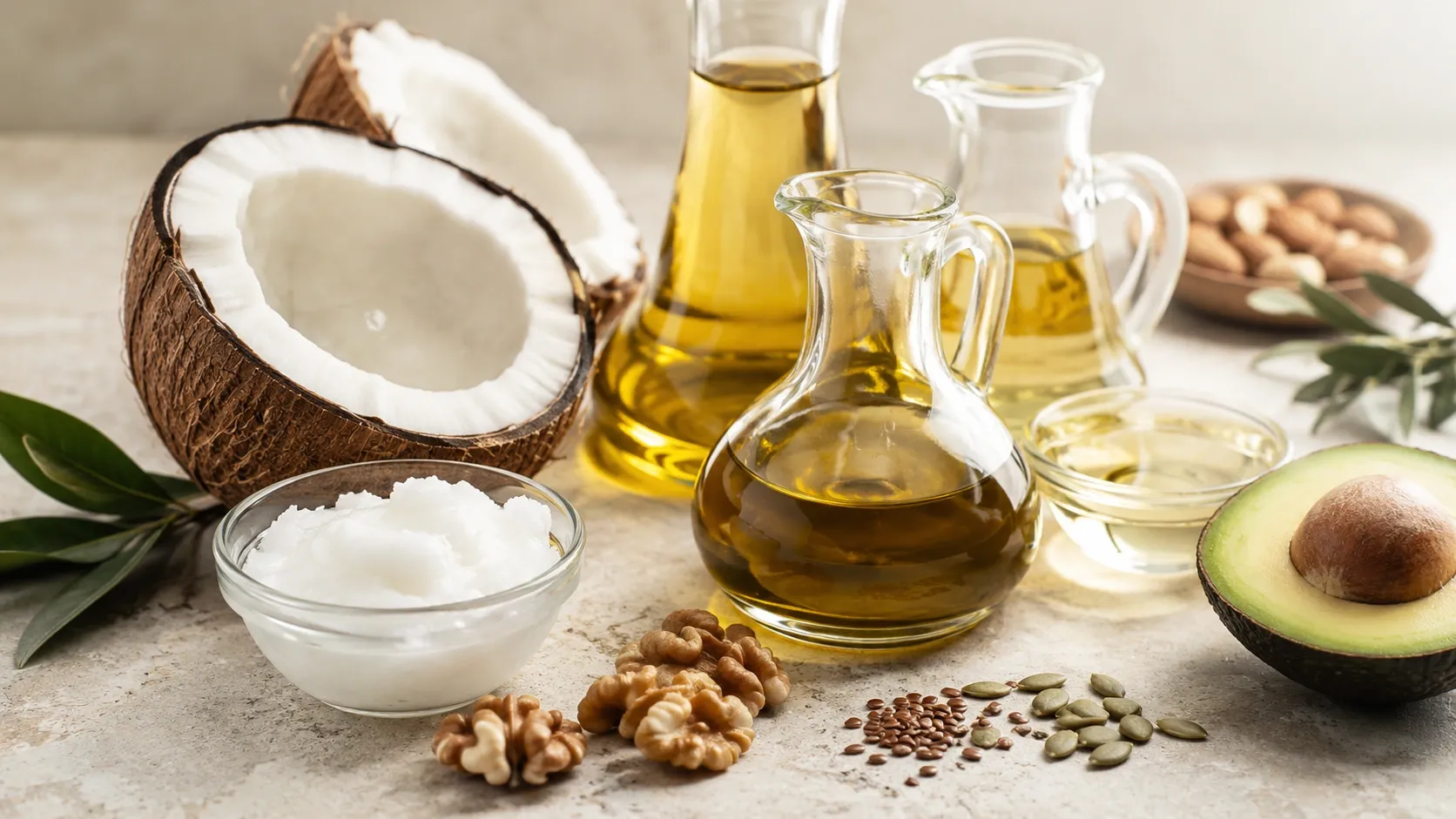
Coconut oil is high in saturated fat and can raise both LDL and HDL. Learn what the evidence actually shows and which dietary fats experts recommend prioritizing.
Browse the topics that matter most to you.
 NutritionInformation about nutrients, diet and science.
 FoodsBenefits, nutrients and characteristics of key foods.
 HealthHow diet and lifestyle influence the body.
 FitnessNutrition related to exercise and body composition.
 RecipesSimple, nutritious and balanced recipes.
 ScienceResearch, studies and discoveries related to nutrition.
Fresh, evidence-based content, published regularly.
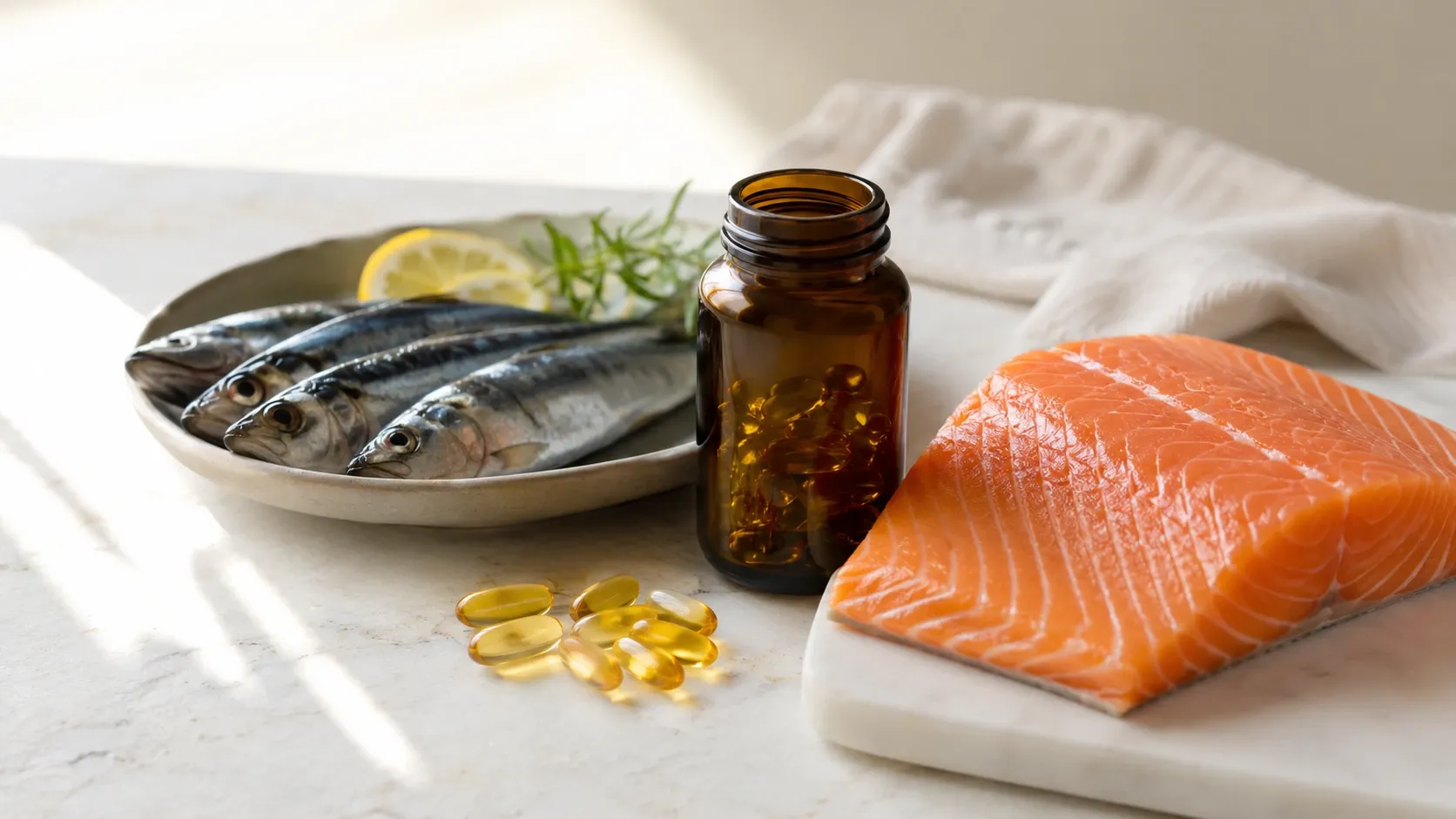
Fish oil provides EPA and DHA, but its benefits depend on the dose, formulation and purpose. Learn what the evidence shows and what to check on the label.
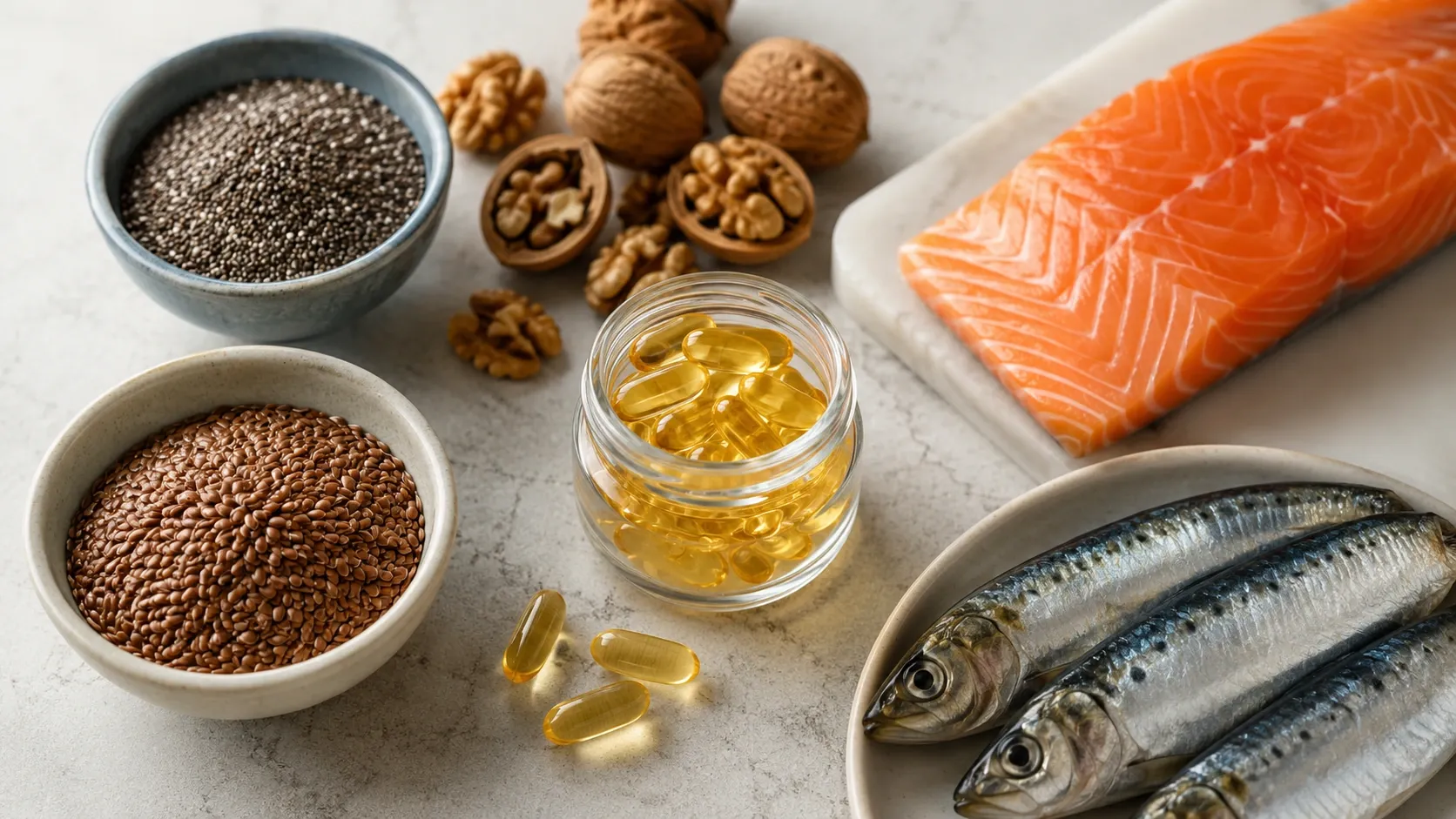
Learn the evidence-based benefits of omega-3s, how ALA, EPA, and DHA differ, their best food sources, and when supplementation may actually be useful.
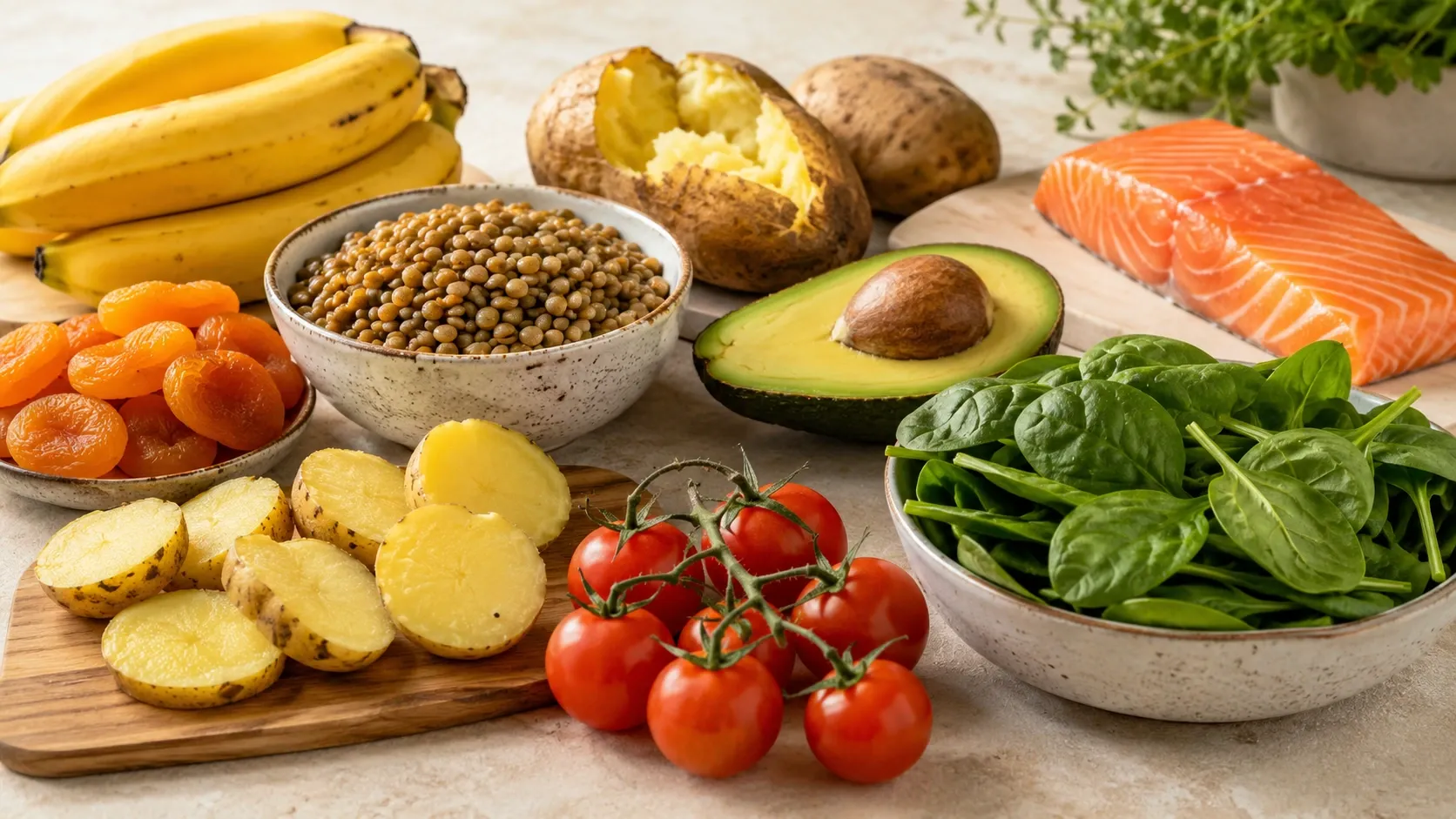
Potassium supports normal muscle, nerve and cardiovascular function. Learn how much you need, which foods provide it and when extra potassium may be unsafe.

Does pre-workout work? It can, depending on its ingredients and doses. Learn what research says about caffeine, creatine, beta-alanine, citrulline, benefits and risks.
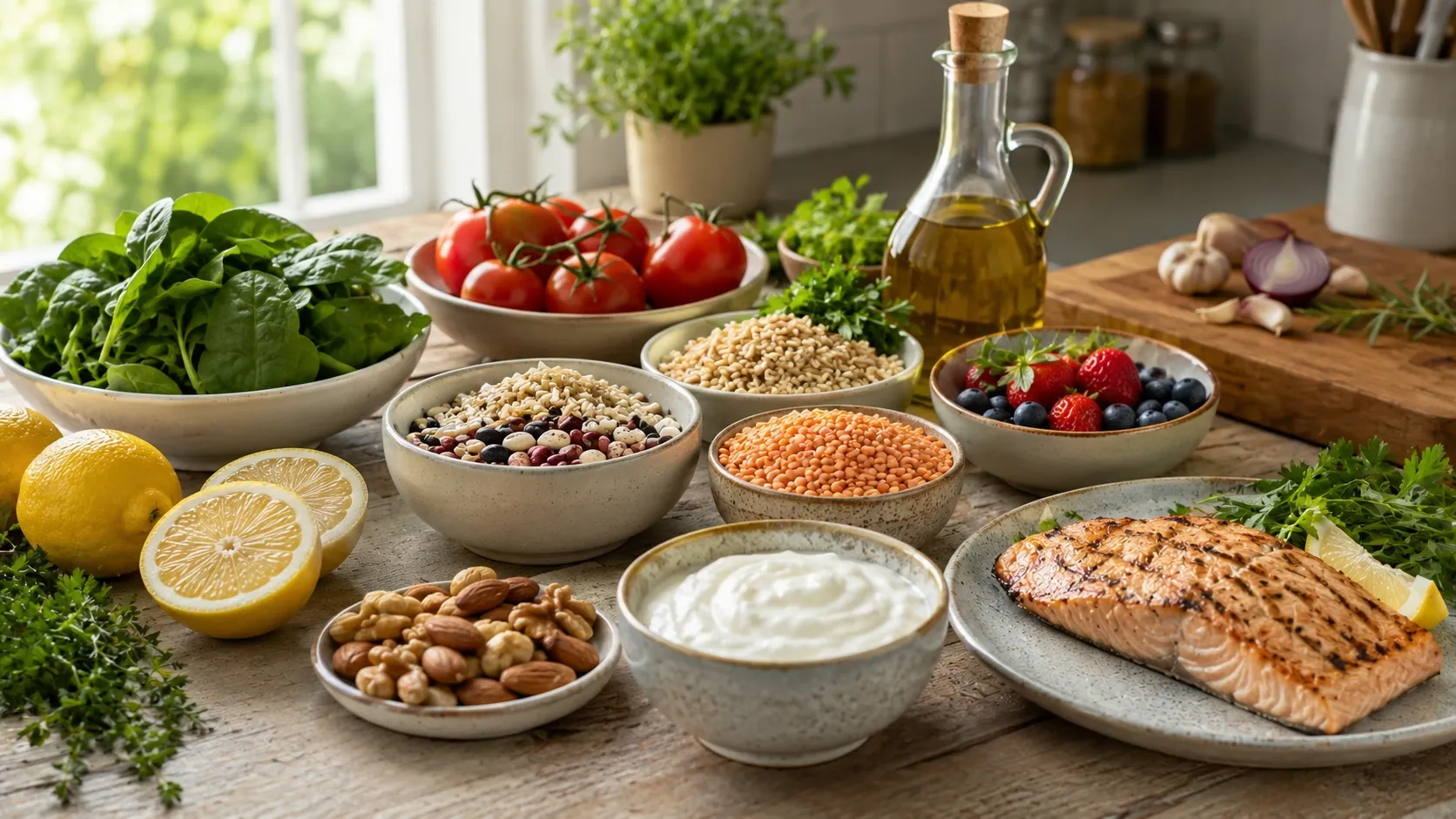
Reducing sodium, following a DASH-style diet, getting enough potassium when safe, and cutting alcohol are among the best-supported dietary changes for high blood pressure.

You don't necessarily need 10,000 steps a day. Learn what research says about 4,000, 7,000 and 10,000 daily steps and how to choose a realistic target.
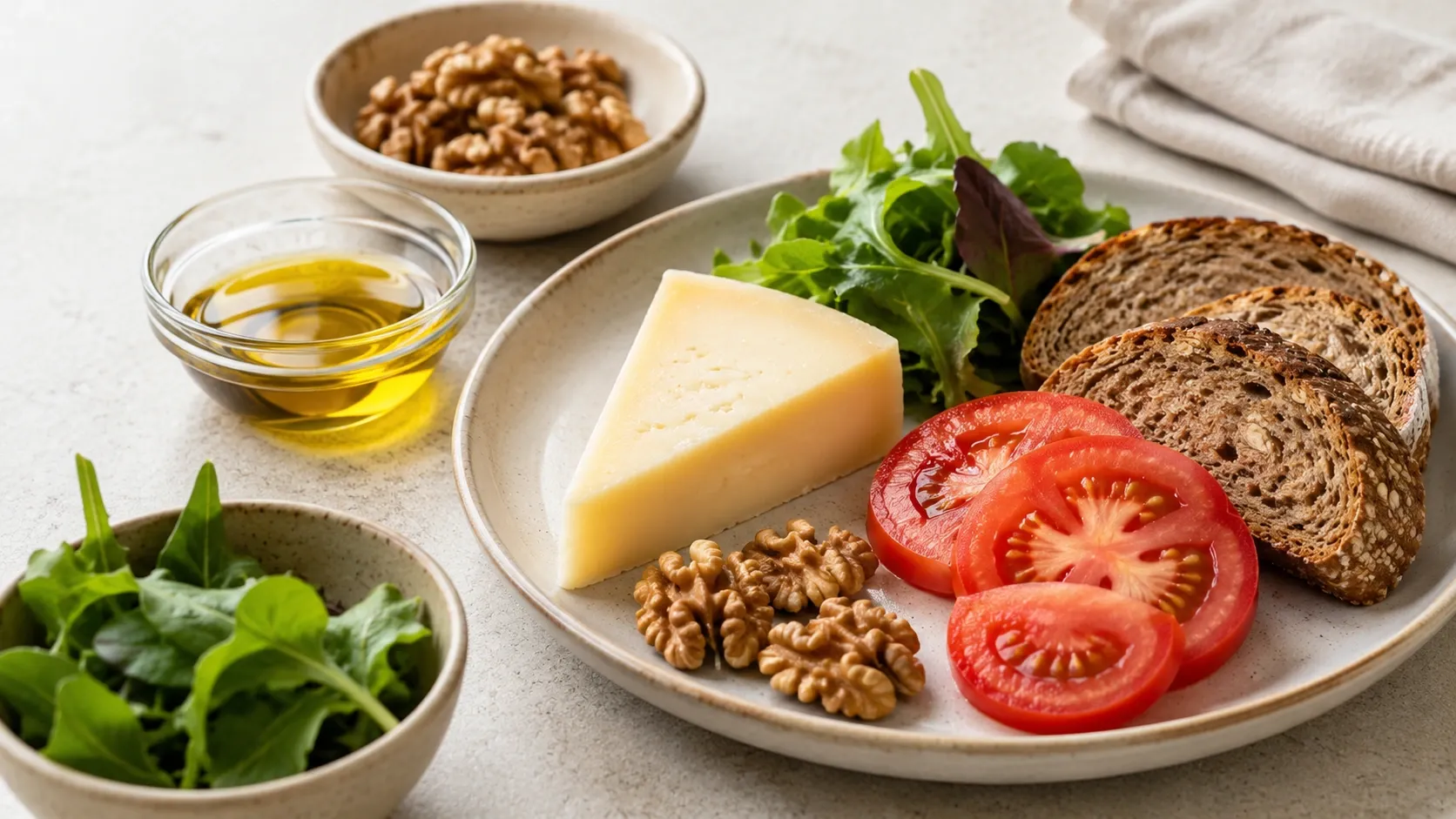
Cheese does not necessarily need to be avoided with high cholesterol. Saturated fat, cheese type, portion size, and the overall dietary pattern all matter.
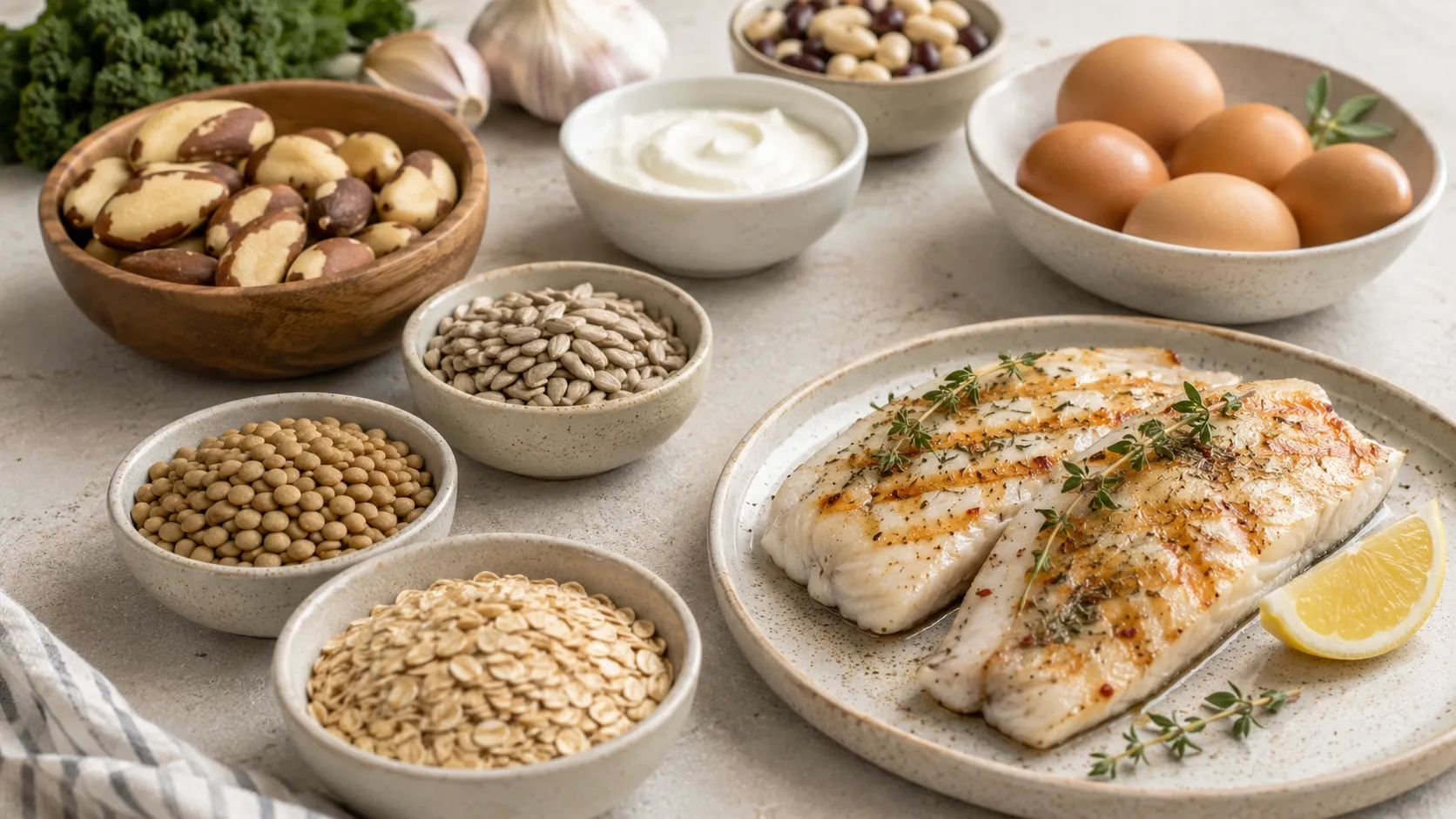
Selenium is essential for thyroid function and other processes, but more is not always better. Learn how much we need, where to get it and why excess intake matters.