Selenium: How Much Do We Need and When Is It Too Much?
Selenium is essential for thyroid function and other processes, but more is not always better. Learn how much we need, where to get it and why excess intake matters.
Selenium is required in tiny amounts, yet it performs essential jobs throughout the body. It is incorporated into proteins involved in thyroid hormone metabolism, reproduction, DNA synthesis and systems that help protect cells from oxidative damage. (ODS)
But the fact that selenium is essential does not mean that more is better. With this trace mineral, the gap between getting enough and habitually getting too much becomes especially important when high-dose supplements or selenium-rich Brazil nuts are involved.
What does selenium do?
Selenium is incorporated into 25 human selenoproteins, including glutathione peroxidases, thioredoxin reductases and selenoprotein P. Together, these proteins contribute to antioxidant systems, thyroid hormone metabolism and other physiological processes. (ODS)
Adequate selenium intake therefore matters. However, once nutritional needs are met, progressively increasing the dose does not automatically produce progressively greater health benefits.
This is particularly relevant because human selenium requirements are measured in tens of micrograms, while some supplements provide hundreds of micrograms in a single serving. (ODS)
How much selenium do we need?
There is no single worldwide selenium recommendation.
Under U.S. Dietary Reference Intakes, the Recommended Dietary Allowance is 55 µg/day for adults. It rises to 60 µg/day during pregnancy and 70 µg/day during lactation. The RDA is designed to meet the needs of nearly all healthy individuals in a particular group. (ODS)
| Group | U.S. selenium reference |
|---|---|
| Ages 1–3 | 20 µg/day |
| Ages 4–8 | 30 µg/day |
| Ages 9–13 | 40 µg/day |
| Ages 14+ | 55 µg/day |
| Pregnancy | 60 µg/day |
| Lactation | 70 µg/day |
(ODS)
EFSA, meanwhile, has established an Adequate Intake of 70 µg/day for adults. The difference between 55 and 70 µg does not mean the two authorities fundamentally disagree about selenium nutrition. The values belong to different dietary-reference frameworks and were derived using different methodologies. (AESA)
Which foods provide selenium?
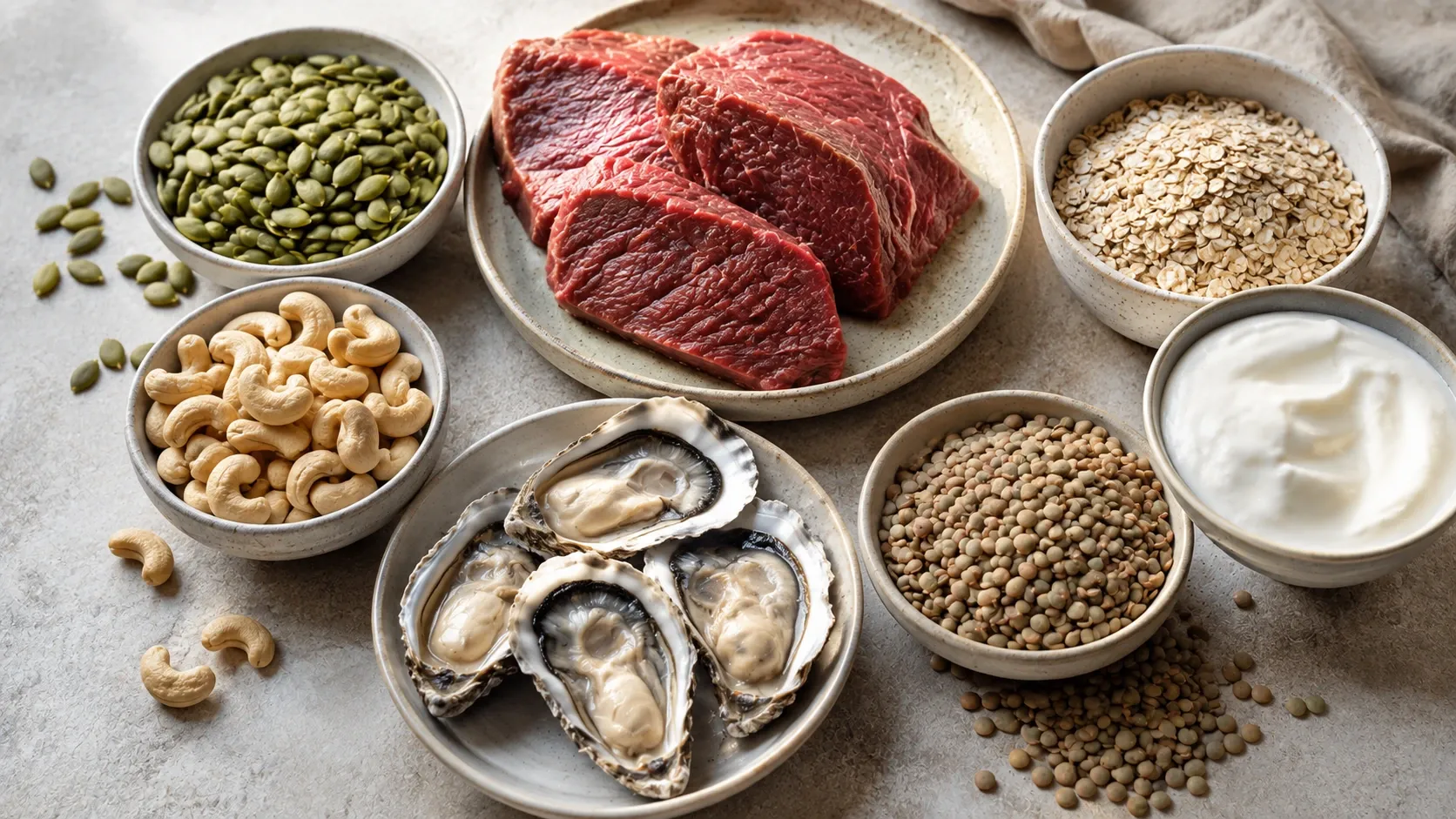
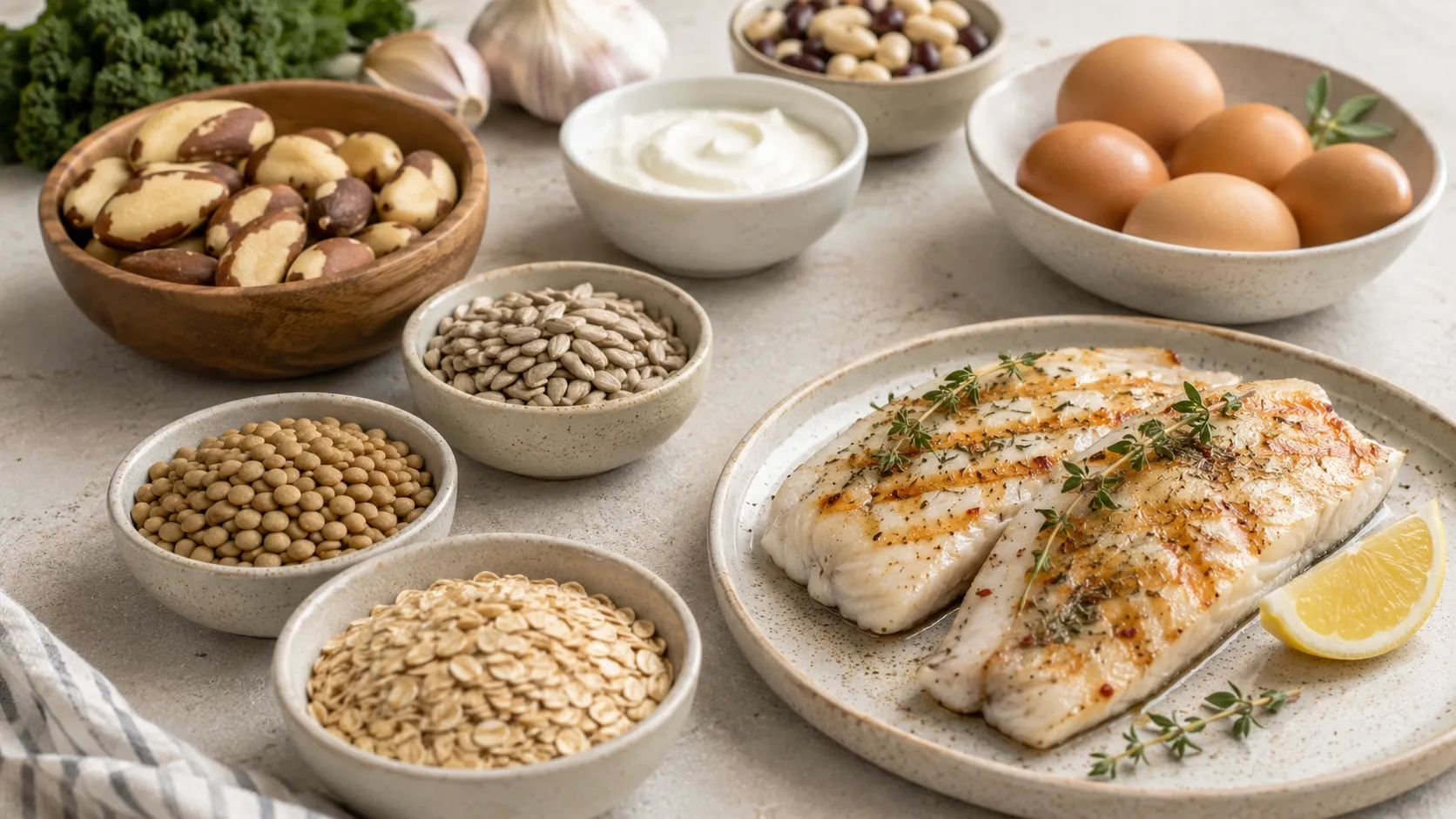
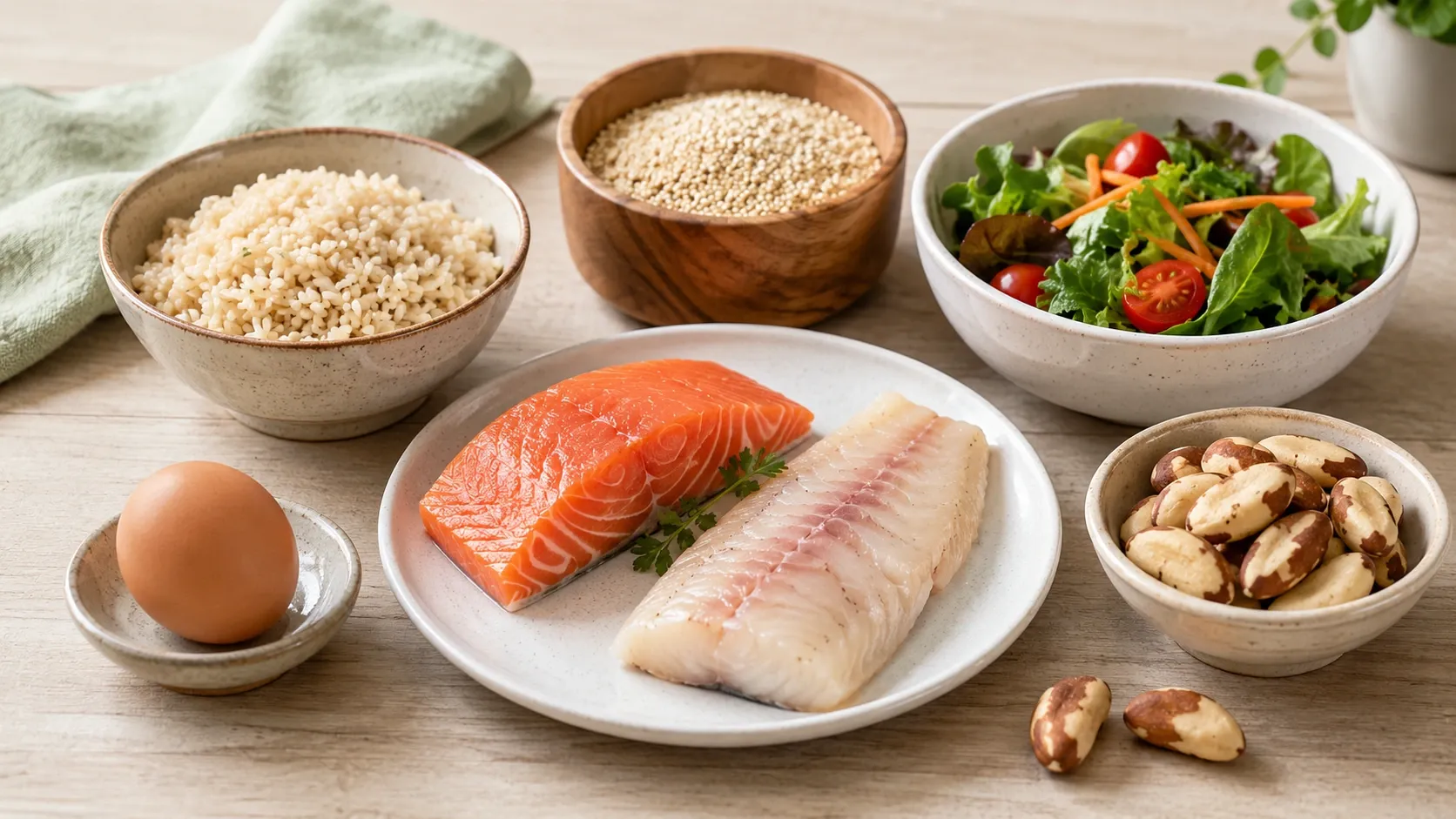
Seafood, meat, poultry, eggs, some dairy foods and grains can all contribute selenium to the diet. In plant foods, selenium content is strongly influenced by the concentration and chemical form of the mineral in the soil. (ODS)
Examples listed by the NIH include:
| Food | Serving | Approximate selenium |
|---|---|---|
| Cooked yellowfin tuna | 3 oz / 85 g | 92 µg |
| Canned sardines | 3 oz / 85 g | 45 µg |
| Cooked shrimp | 3 oz / 85 g | 42 µg |
| Roasted beef | 3 oz / 85 g | 37 µg |
| Roasted light-meat chicken | 3 oz / 85 g | 22 µg |
| Hard-boiled egg | 1 large | 15 µg |
| Cooked oatmeal | 1 cup | 13 µg |
Actual amounts can vary with food source and preparation. (ODS)
What about Brazil nuts?
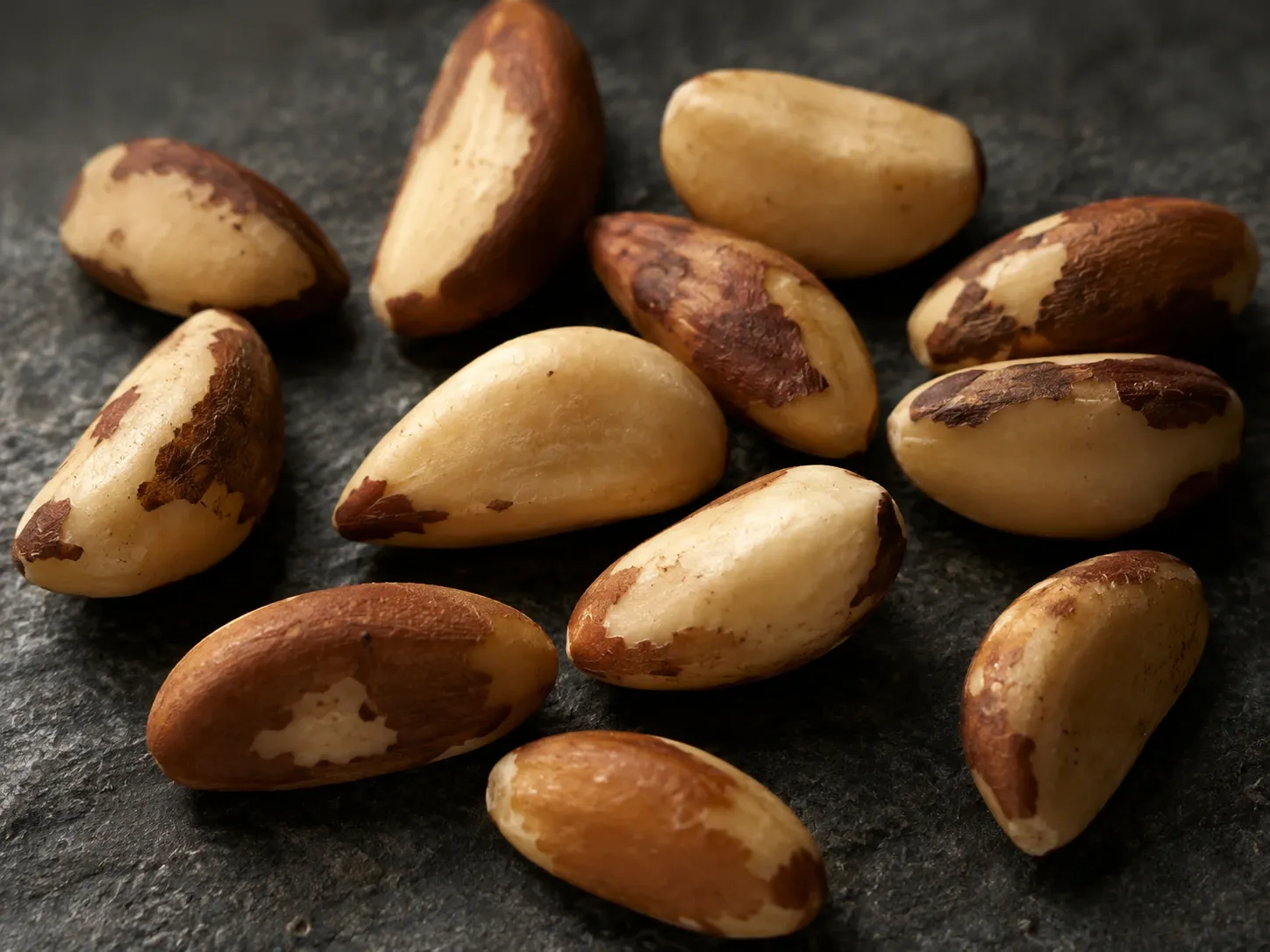
Brazil nuts deserve special attention because they can contain unusually large amounts of selenium.
The NIH lists an average of 544 µg in 1 ounce, or roughly six to eight nuts, and cites estimates of about 68–91 µg per nut. It also emphasizes that analyses have found substantial variability. (ODS)
Research in Amazonian populations illustrates how dramatic this variation can be. Selenium concentration in Brazil nuts differs according to factors including geographic origin and soil conditions, so two similar-looking nuts do not necessarily contain the same amount. (PubMed)
That is why rigid recommendations such as “eat exactly two Brazil nuts every day” should not be treated as a precise dosing strategy. The issue becomes even more relevant for someone who also takes a selenium-containing multivitamin or standalone supplement.
When does selenium become too much?
A Tolerable Upper Intake Level, or UL, is different from a recommended intake.
The UL is intended to represent a level of habitual intake unlikely to cause harm in most people. It should not be interpreted as an intake target.
Current reference values illustrate the difference:
| Authority | Adult intake reference | Adult upper limit |
|---|---|---|
| U.S. FNB | RDA: 55 µg/day | 400 µg/day |
| EFSA | AI: 70 µg/day | 255 µg/day |
(ODS)
In 2023, EFSA revised its UL and established 255 µg/day for adult men and women, including pregnancy and lactation, based particularly on evidence relating excessive selenium exposure to adverse effects such as alopecia. (PubMed)
The difference between the U.S. and European limits should not be interpreted as a guaranteed “safe supplementation zone.” The more useful takeaway is that normal nutritional requirements are far below either upper limit.
What happens if selenium intake is too high?
Chronically excessive intake can cause selenosis, or selenium toxicity.
Recognized signs and symptoms include:
- hair loss;
- brittle or lost nails;
- metallic taste;
- garlic-like breath odor;
- skin rash;
- nausea and diarrhea;
- fatigue and irritability;
- nervous-system abnormalities. (ODS)
Severe acute toxicity from extremely high exposure has also been documented, including cases involving incorrectly formulated dietary supplements. Serious gastrointestinal, neurological, renal, respiratory and cardiovascular complications can occur. (ODS)
Do we need selenium supplements?
Not everyone does.
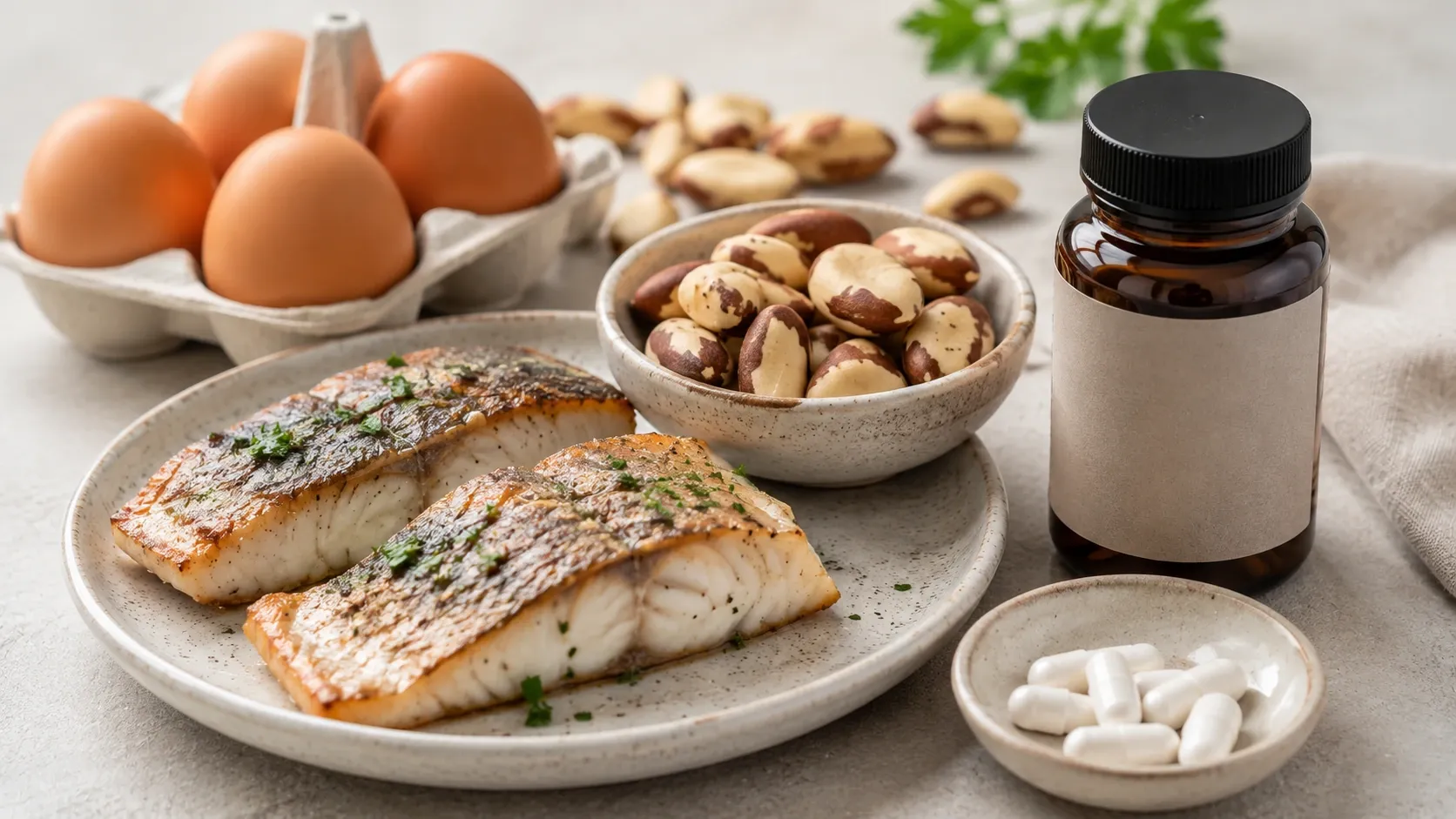
NIH data indicate that multivitamin/mineral products often contain around 55 µg of selenium, combination supplements may provide 50–200 µg, and selenium-only products commonly provide 100–400 µg. A standalone supplement can therefore contribute several times the basic adult dietary requirement before food intake is counted. (ODS)
Certain groups may be more vulnerable to inadequate selenium status, including people living in very low-selenium regions, some people undergoing kidney dialysis and people living with HIV. Even in these groups, whether supplementation improves meaningful clinical outcomes depends on the individual context. (ODS)
Selenium and thyroid health
The thyroid is one reason selenium receives so much attention.
There is a strong biological basis for the connection: selenium-containing proteins are involved in thyroid hormone metabolism. But an essential physiological function does not prove that extra selenium will improve thyroid health in someone who already has adequate selenium status. (ODS)
Trials of selenium supplementation in thyroid disorders have produced findings that vary with baseline selenium status, population, formulation and outcome. NIH concludes that more research is needed to understand the role of selenium supplementation in thyroid disease. (ODS)
People with hypothyroidism, Hashimoto’s disease, Graves’ disease or other thyroid conditions should not replace prescribed treatment with selenium supplements.
What about antioxidant and cancer-prevention claims?
Because selenium is incorporated into proteins with antioxidant functions, researchers have long investigated whether supplements could prevent diseases linked to oxidative stress.
Biological plausibility, however, is not the same as demonstrated clinical benefit.
A Cochrane review of selenium and cancer prevention found that well-conducted randomized trials did not show an overall cancer-prevention benefit from selenium supplementation. Some trials also generated concerns about potential adverse outcomes. (PubMed)
The SELECT trial, which enrolled more than 35,000 men, tested 200 µg/day of selenium as L-selenomethionine and found no reduction in prostate cancer risk. (PubMed)
The important distinction is between correcting inadequate selenium status and giving additional selenium to someone who is already replete.
A practical approach to selenium intake
For many people, a varied diet can provide adequate selenium without the need to chase a specific food every day.
A few practical safeguards are useful:
- consider your overall diet rather than a single selenium-rich food;
- check multivitamin and supplement labels for selenium;
- avoid stacking several selenium-containing products without guidance;
- remember that Brazil nut selenium content can vary substantially;
- do not treat the UL as a daily goal;
- seek professional advice before using high-dose or long-term supplementation.
The principle is straightforward: enough selenium is essential, while excessive selenium may be harmful. (ODS)
Conclusion
Selenium is a good example of why nutrient recommendations are about balance rather than maximizing intake.
Adult dietary reference values are measured in tens of micrograms per day — 55 µg/day under the U.S. RDA and 70 µg/day under EFSA’s Adequate Intake. Upper limits are much higher because they serve as safety ceilings, not nutritional targets. (ODS)
A varied diet can meet selenium requirements for many people. Greater caution is warranted when very concentrated foods such as Brazil nuts are combined with supplements, or when high-dose products are used every day without a clear indication.
With selenium, as with many micronutrients, the goal is not to maximize intake. It is to achieve adequacy without excess.