Zinc: Functions, Food Sources, and Deficiency
Learn what zinc does in the body, how much you need, the best food sources, who is at greater risk of deficiency, and why excessive supplementation can be harmful.
Zinc is required in relatively small amounts, yet it is involved in a wide range of biological processes. It contributes to protein and DNA synthesis, cell growth and division, wound healing, and normal immune function. (ODS)
Because the body requires a regular dietary supply of zinc, understanding its major food sources and the circumstances that increase the risk of inadequate intake can help prevent both deficiency and unnecessary supplementation. One principle is especially important: more zinc does not automatically mean better health. (ODS)
What does zinc do in the body?
Zinc has structural and functional roles in numerous proteins and is involved in essential cellular processes. Well-established functions include DNA and protein synthesis, cell division, growth and development, and tissue repair. (ODS)
It is also required for normal immune function. Scientific reviews describe zinc’s involvement in the development, differentiation, and activity of multiple cells of both the innate and adaptive immune systems. This helps explain why significant zinc deficiency can compromise immune responses. (PubMed)
Zinc also contributes to normal taste and smell. Changes in these senses can occur with deficiency, although they have many other possible causes and cannot diagnose zinc deficiency on their own. (Harvard Health)
Zinc and immunity: an important distinction
Saying that zinc is essential for immune function is not the same as saying that taking additional zinc will “boost” immunity in everyone.
Maintaining adequate nutritional status is important, but the effects of supplementation depend on factors such as baseline zinc status, population, dose, duration, and the health outcome being studied. (PubMed)
An umbrella review covering dozens of systematic reviews and meta-analyses identified associations and potential effects across several outcomes, while also showing substantial variation in the strength and quality of the evidence. Zinc supplements therefore should not be viewed as universal disease-prevention tools or substitutes for an adequate diet. (PubMed)
How much zinc do you need?
Zinc requirements vary with age, sex, and life stage. According to U.S. reference values used by the NIH:
| Group | Recommended daily intake |
|---|---|
| Adult men | 11 mg |
| Adult women | 8 mg |
| Pregnant adult women | 11 mg |
| Lactating adult women | 12 mg |
These figures are nutritional reference values for healthy people rather than treatment doses for zinc deficiency. (ODS)
Recommendations are not identical worldwide. EFSA uses a model that accounts for dietary phytate intake because phytate reduces intestinal zinc absorption. Consequently, its estimated zinc requirements for adults vary according to sex and the phytate content of the diet. (AESA)
Which foods contain zinc?
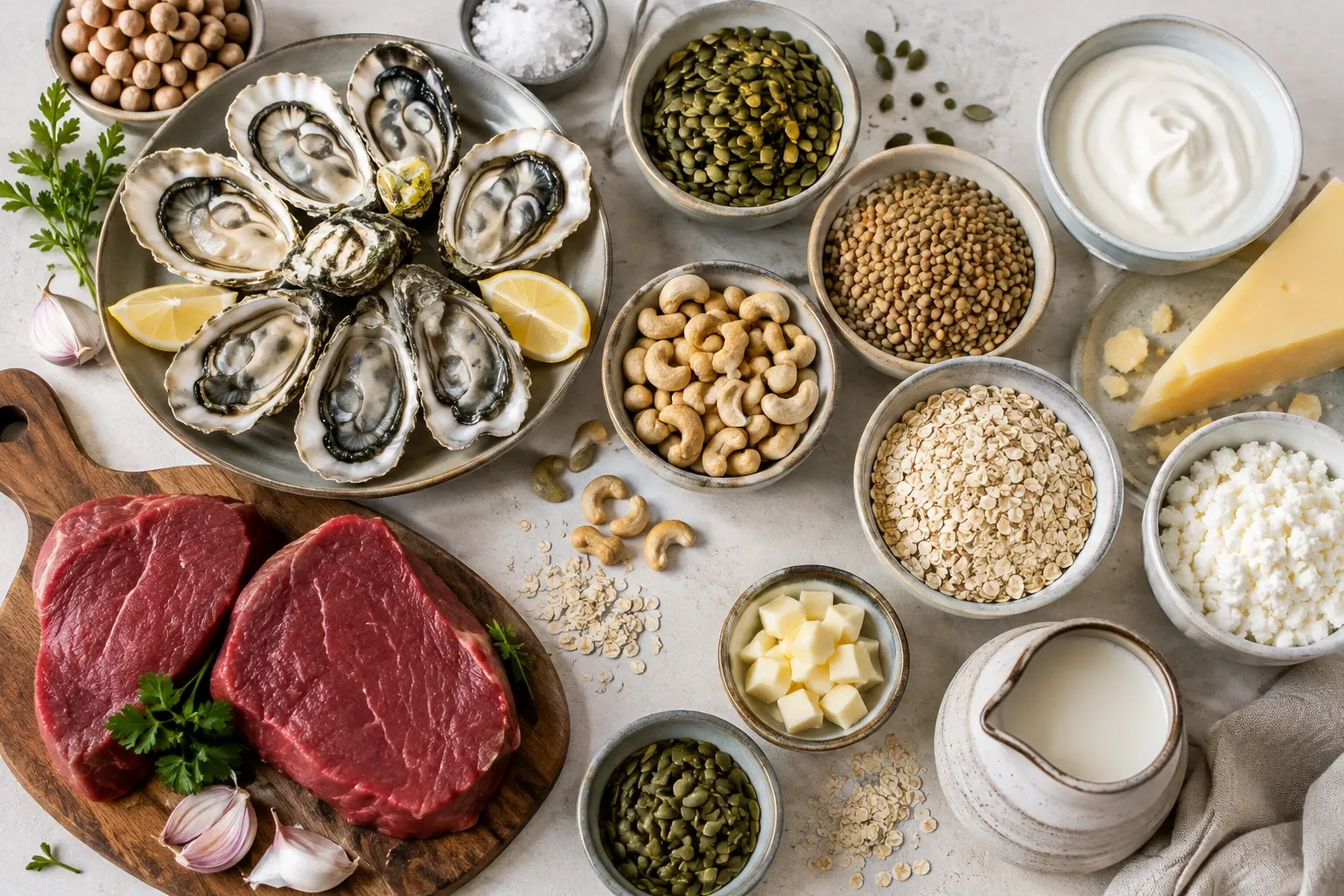
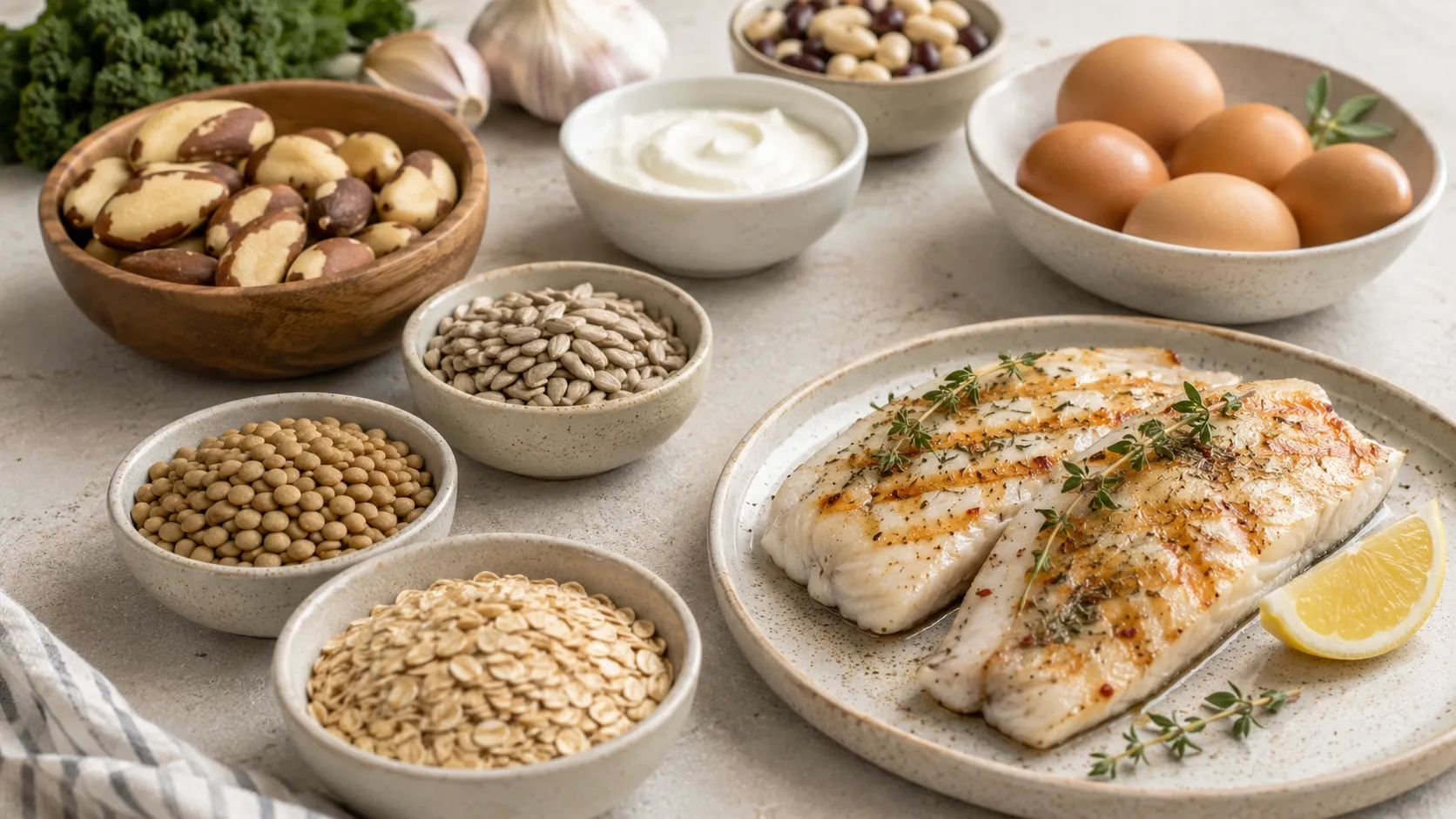
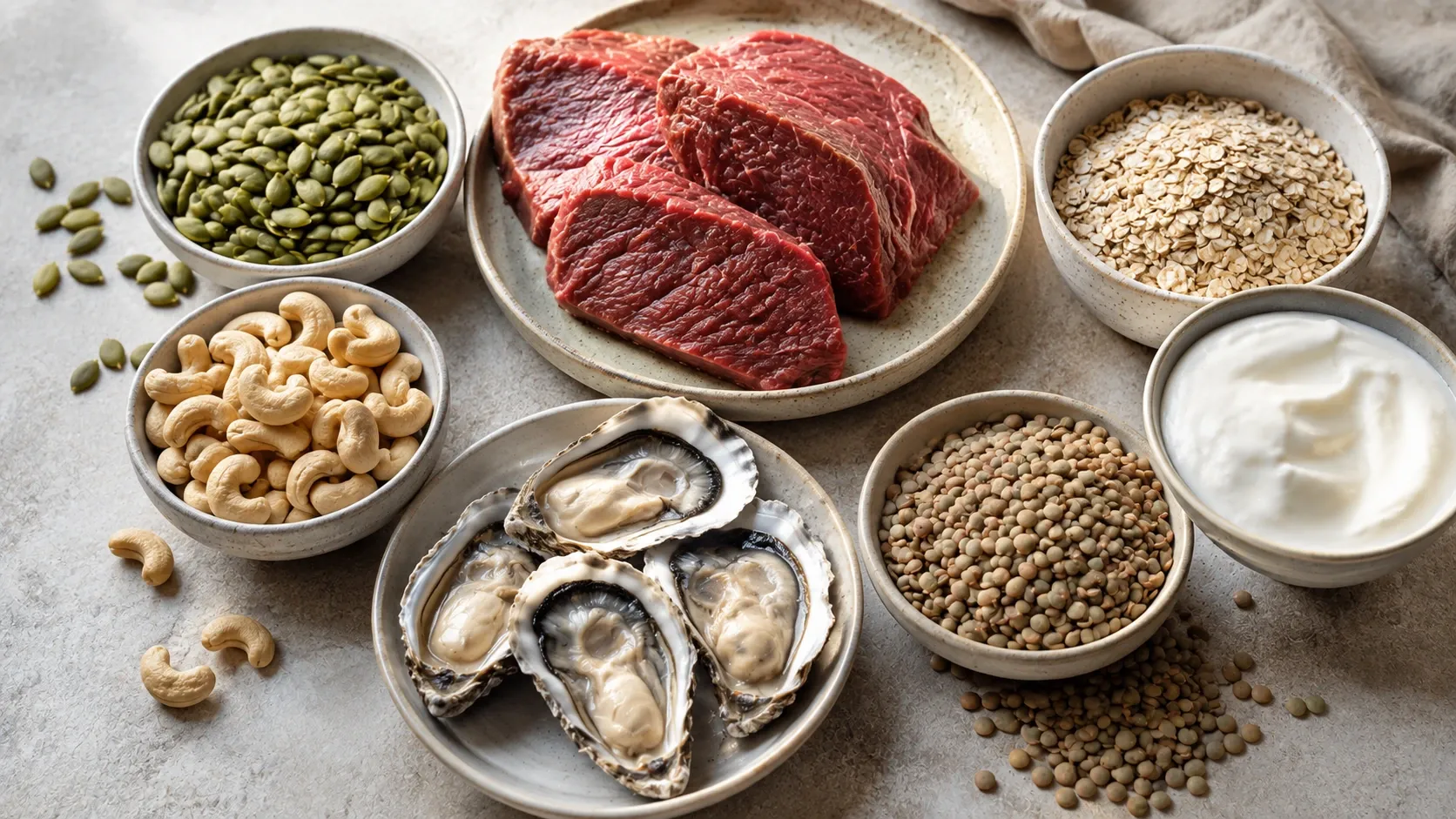
Zinc is found in both animal and plant foods. Oysters are particularly concentrated sources, while meat, other seafood, and dairy products can also contribute meaningful amounts. (Harvard Health)
Plant sources include legumes, nuts, seeds, and whole grains. Fortified foods can contribute as well. (Harvard Health)
The examples below are based on values presented by Harvard Health using NIH Office of Dietary Supplements data. Actual amounts can vary with the food, product, preparation method, and serving size. (Harvard Health)
| Food | Approximate serving | Zinc |
|---|---|---|
| Raw Eastern oysters | 3 oz / 85 g | 32.0 mg |
| Roasted beef | 3 oz / 85 g | 3.8 mg |
| Cooked oats | 1 cup | 2.3 mg |
| Roasted pumpkin seeds | 1 oz / 28 g | 2.2 mg |
| Cheddar cheese | 1.5 oz / 43 g | 1.5 mg |
| Cashews | 1 oz / 28 g | 1.4 mg |
| Cooked lentils | 1/2 cup | 1.3 mg |
| Plain Greek yogurt | 6 oz / 170 g | 1.0 mg |
There is no need to rely exclusively on the most zinc-dense food. Combining different sources throughout the day also provides protein, fiber, vitamins, and other minerals.
Is zinc from plant foods absorbed as well?
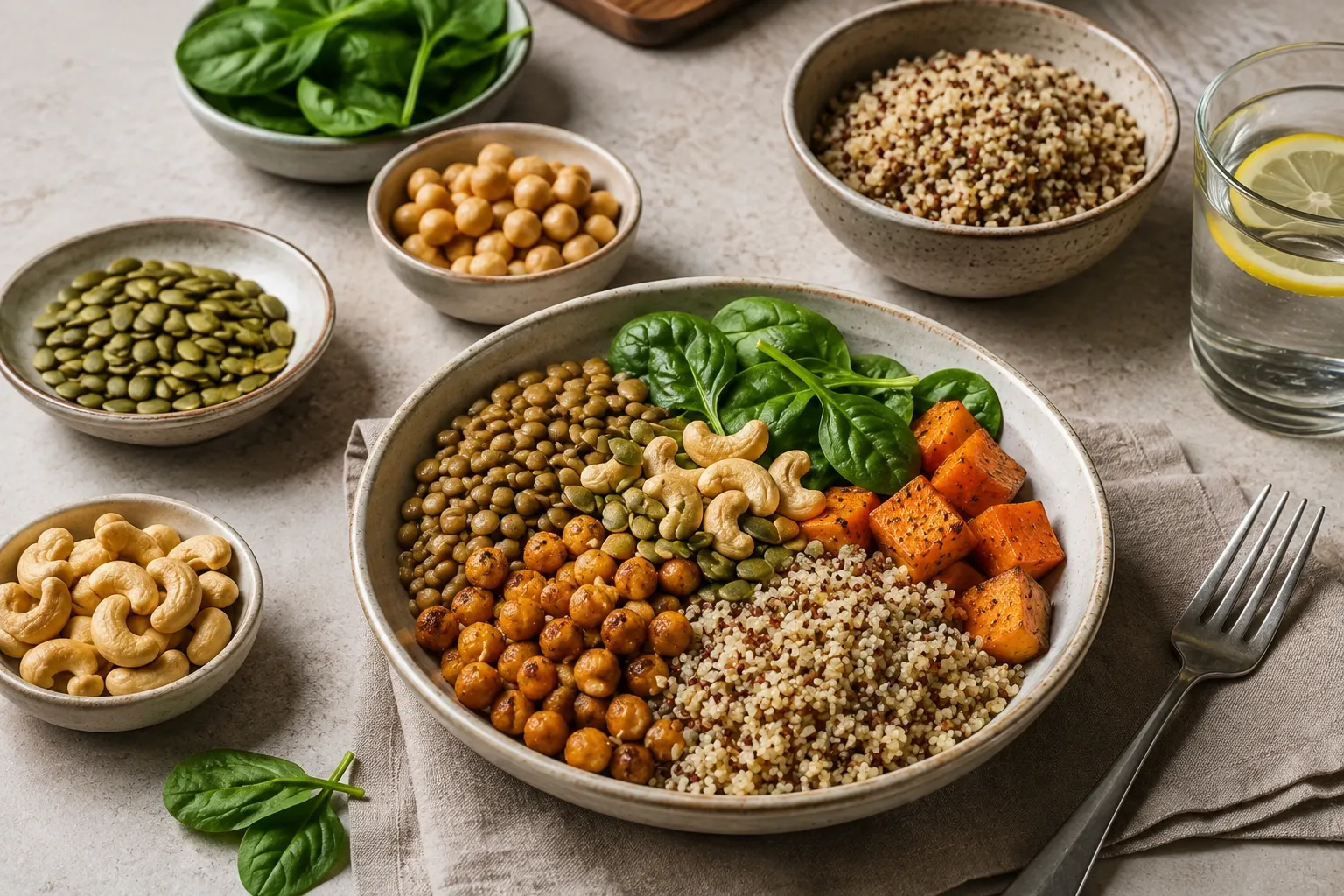
Not always. The amount of zinc contained in a food is not necessarily the same as the amount your body absorbs.
Phytates, which are particularly common in grains, legumes, seeds, and several other plant foods, can bind zinc and reduce its intestinal absorption. The effect is meaningful enough that EFSA incorporates dietary phytate into its model for estimating adult zinc requirements. (WHO)
This does not mean that lentils, beans, seeds, or whole grains should be avoided. They are nutritious foods. It does mean that people whose zinc intake comes almost entirely from plant sources may need to pay greater attention to overall dietary planning and adequacy. (ODS)
What causes zinc deficiency?
Zinc deficiency can develop when dietary intake is too low, intestinal absorption is impaired, or physiological requirements increase. Certain medical conditions may also affect zinc status. (WHO)
Groups that deserve particular attention include people with certain gastrointestinal disorders, individuals who have undergone bariatric surgery, and those following vegetarian or vegan diets. Pregnancy and lactation also increase zinc requirements. (ODS)
Having one of these risk factors does not mean a person is automatically zinc deficient. It indicates that dietary adequacy and, when appropriate, nutritional status deserve closer consideration.
What are the signs of zinc deficiency?
Manifestations depend on the severity and duration of the deficiency. Reported signs and consequences include:
- reduced appetite;
- skin changes;
- hair loss;
- slower wound healing;
- altered taste or smell;
- diarrhea;
- impaired immune responses;
- impaired growth in children with significant deficiency.
(WHO)
None of these findings is unique to zinc deficiency. Hair loss, for example, can have many nutritional, hormonal, dermatological, and medical causes.
For that reason, symptoms alone are not a good basis for diagnosing zinc deficiency or starting high-dose supplements.
How is zinc deficiency assessed?
Assessment may involve dietary history, symptoms, risk factors, and laboratory testing. Serum or plasma zinc concentrations are used as biomarkers of zinc status, but they have limitations and must be interpreted in clinical context. (ODS)
An isolated test result therefore should not replace a broader assessment when deficiency is suspected, particularly in people with gastrointestinal disease, significant dietary restriction, or other factors that affect absorption.
Do you need a zinc supplement?
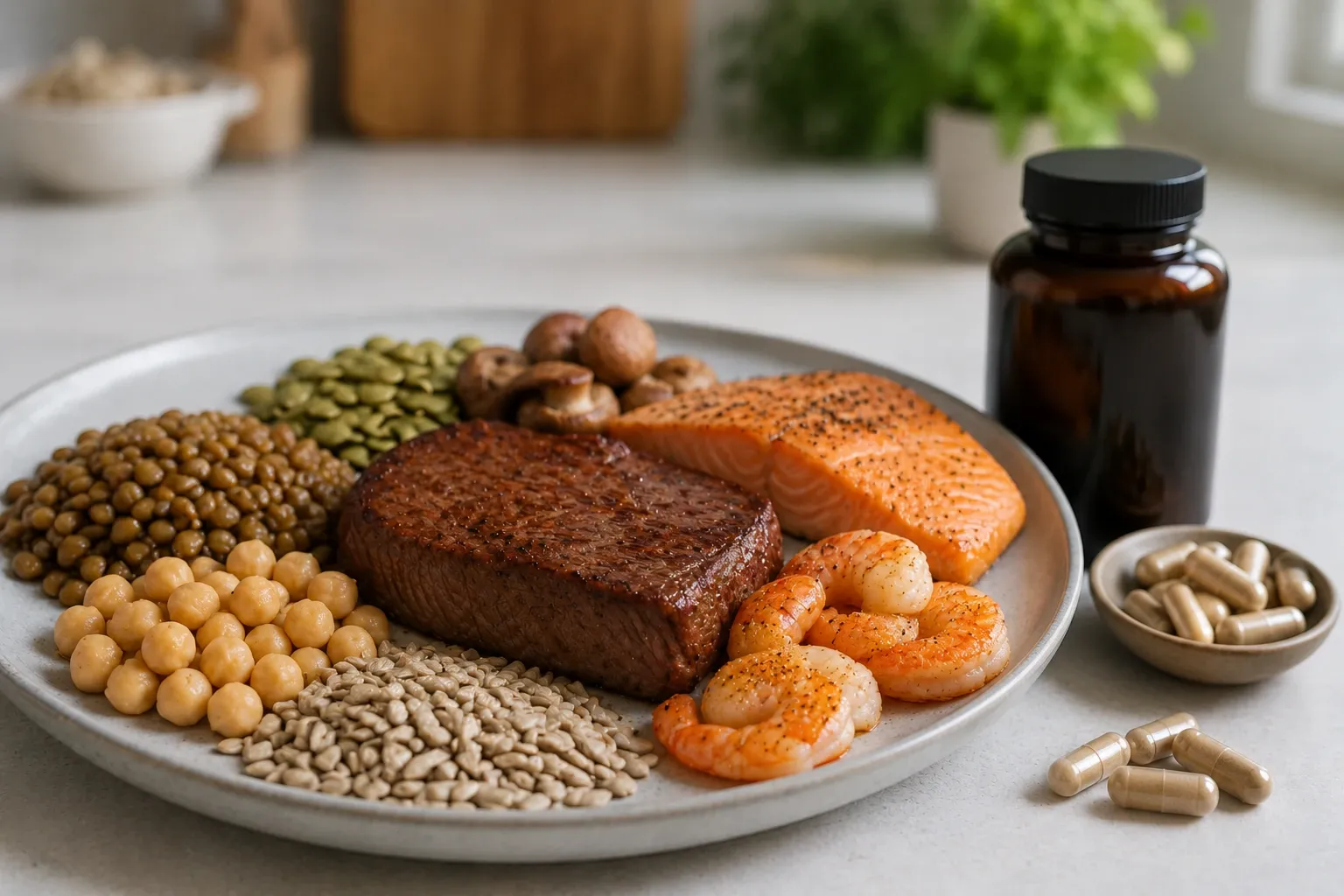
If a healthy person is already obtaining enough zinc through food, there is no reason to assume that a supplement will provide additional benefits.
Supplementation may be appropriate when deficiency, inadequate intake, or another specific indication has been identified. Context matters because studies of zinc supplementation report different results depending on population, dose, duration, baseline nutritional status, and outcome. (Frontiers)
It is also worth checking the total amount of zinc supplied by multivitamins, stand-alone zinc products, and any other supplements taken at the same time.
Can too much zinc be harmful?
Yes. Zinc is essential, but it is not harmless at every dose.
Under the reference system used by the NIH, the Tolerable Upper Intake Level for adults is 40 mg per day. This is not a recommended target. It is an upper threshold established to reduce the risk of adverse effects from chronically high intake. (ODS)
Excessive zinc intake can cause gastrointestinal symptoms such as nausea, vomiting, abdominal cramps, and diarrhea. A particularly important concern with prolonged high intake is interference with copper absorption, which can eventually contribute to copper deficiency. (ODS)
Zinc supplements can also interact with certain medications, including quinolone and tetracycline antibiotics and penicillamine. (ODS)
How can you get enough zinc from your diet?
For most people, the simplest approach is to include a variety of zinc-containing foods throughout the week. Meat, fish, seafood, and dairy can make substantial contributions, while legumes, nuts, seeds, and grains can also help meet requirements.
People following predominantly plant-based diets should not assume they are deficient. However, because zinc bioavailability can be lower in some high-phytate dietary patterns, dietary variety and overall nutritional adequacy deserve additional attention. (AESA)
Supplements are best used to address a genuine need rather than automatically replacing dietary planning.
Conclusion
Zinc is an essential micronutrient involved in DNA and protein synthesis, growth, tissue repair, normal taste and smell, and immune function. It can be obtained from many foods, particularly oysters, meat, and seafood, as well as dairy products, legumes, nuts, seeds, and grains. (ODS)
Deficiency deserves attention when dietary intake is low, absorption is impaired, or physiological requirements are higher. At the same time, indiscriminate supplementation is not risk-free: excessive zinc intake can cause adverse effects and interfere with copper metabolism. (ODS)
In practical terms, the goal is not to consume as much zinc as possible, but to obtain an adequate amount regularly and safely.