
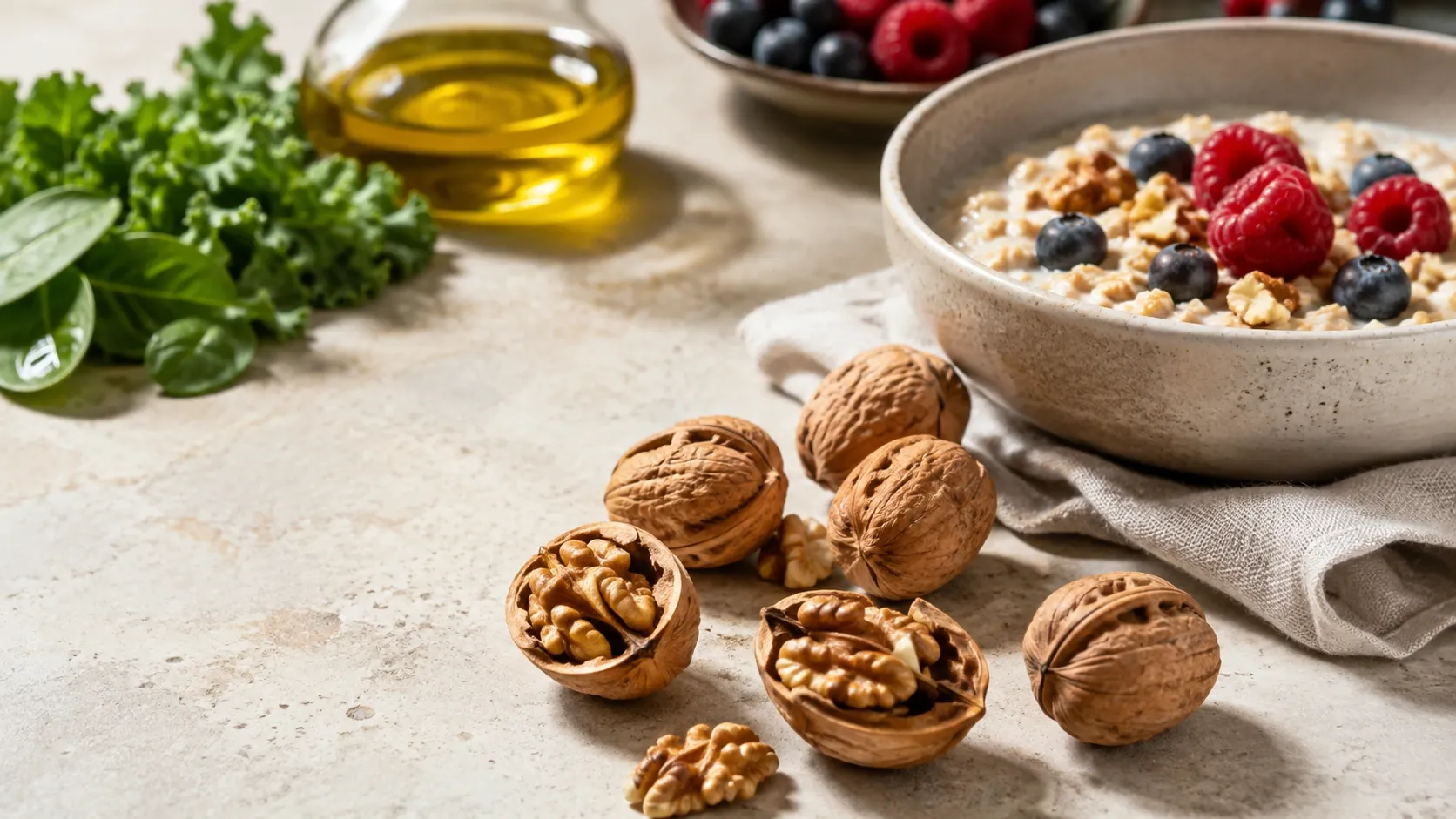
Walnuts: Nutrients and Potential Heart Health Benefits
Walnuts provide unsaturated fats, ALA, fiber, and minerals. Learn what research shows about cholesterol, blood vessel function, and cardiovascular health.

Benefits, nutrients and characteristics of key foods.
35 articles
Walnuts provide unsaturated fats, ALA, fiber, and minerals. Learn what research shows about cholesterol, blood vessel function, and cardiovascular health.
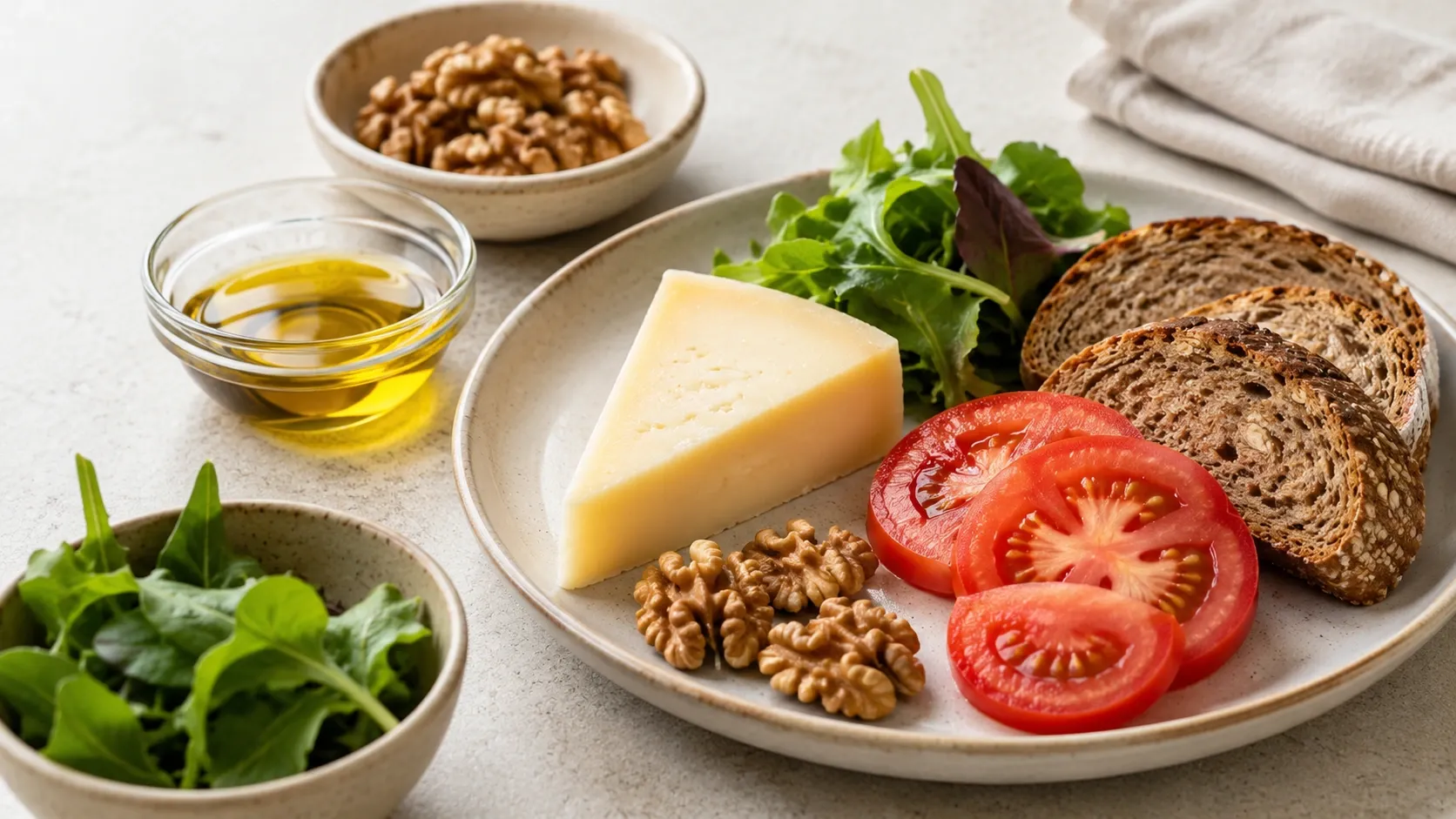
Cheese does not necessarily need to be avoided with high cholesterol. Saturated fat, cheese type, portion size, and the overall dietary pattern all matter.
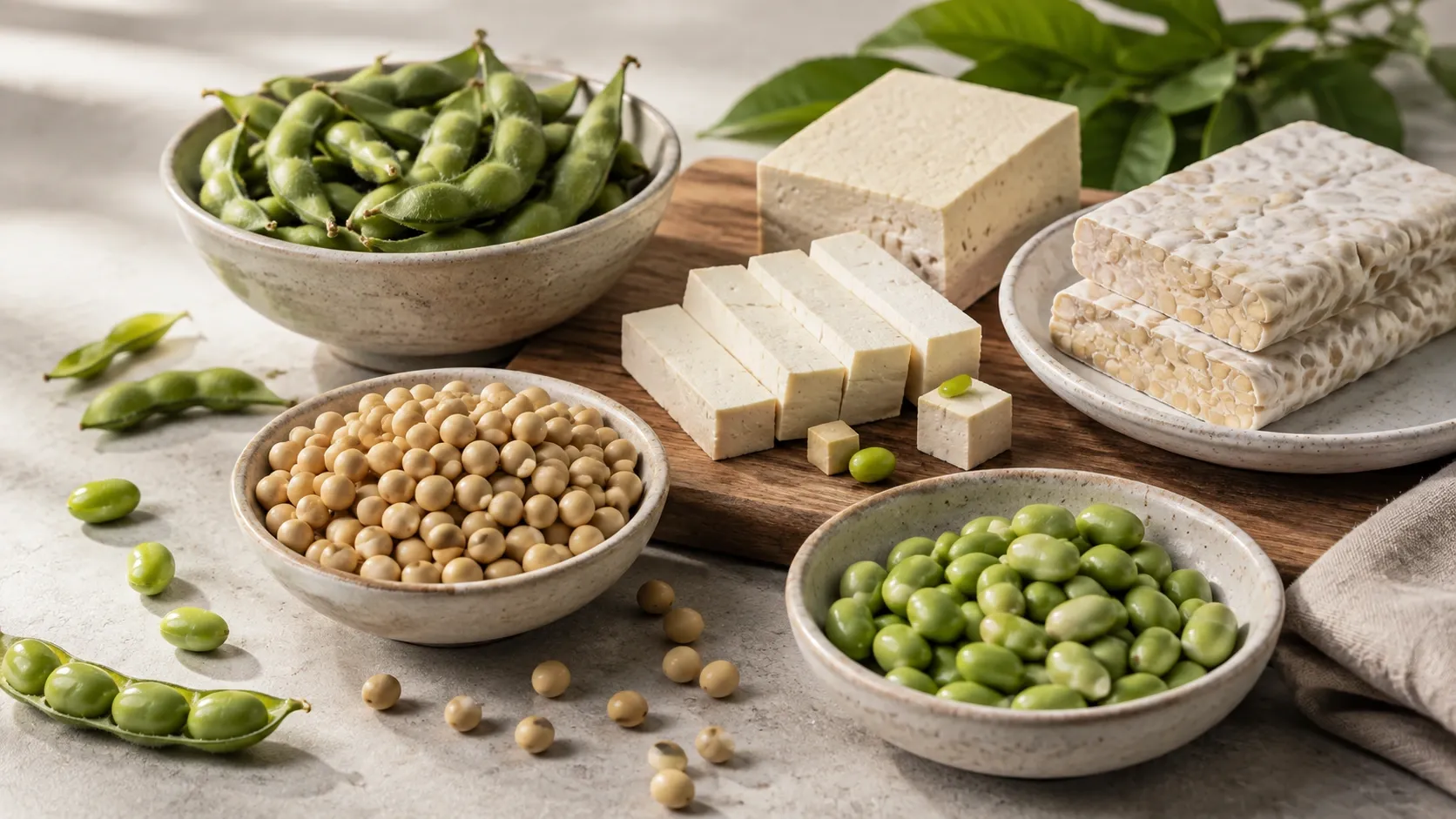
Does soy raise estrogen, lower testosterone, or increase cancer risk? See what the evidence says about soy isoflavones, thyroid function, and health.
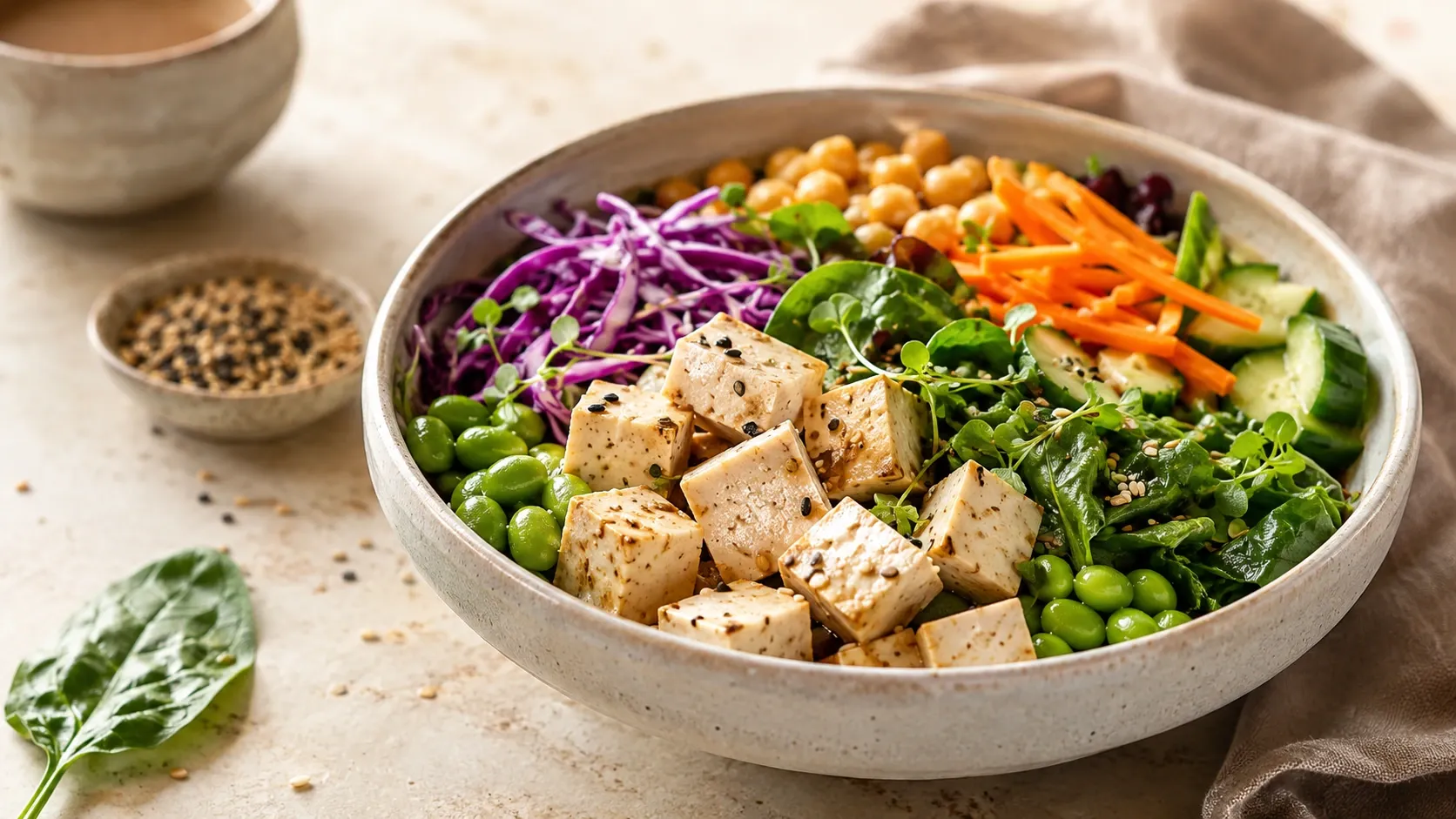
Tofu provides complete plant protein and may supply calcium, iron and soy isoflavones. Learn about its nutrition, benefits, safety and common myths.
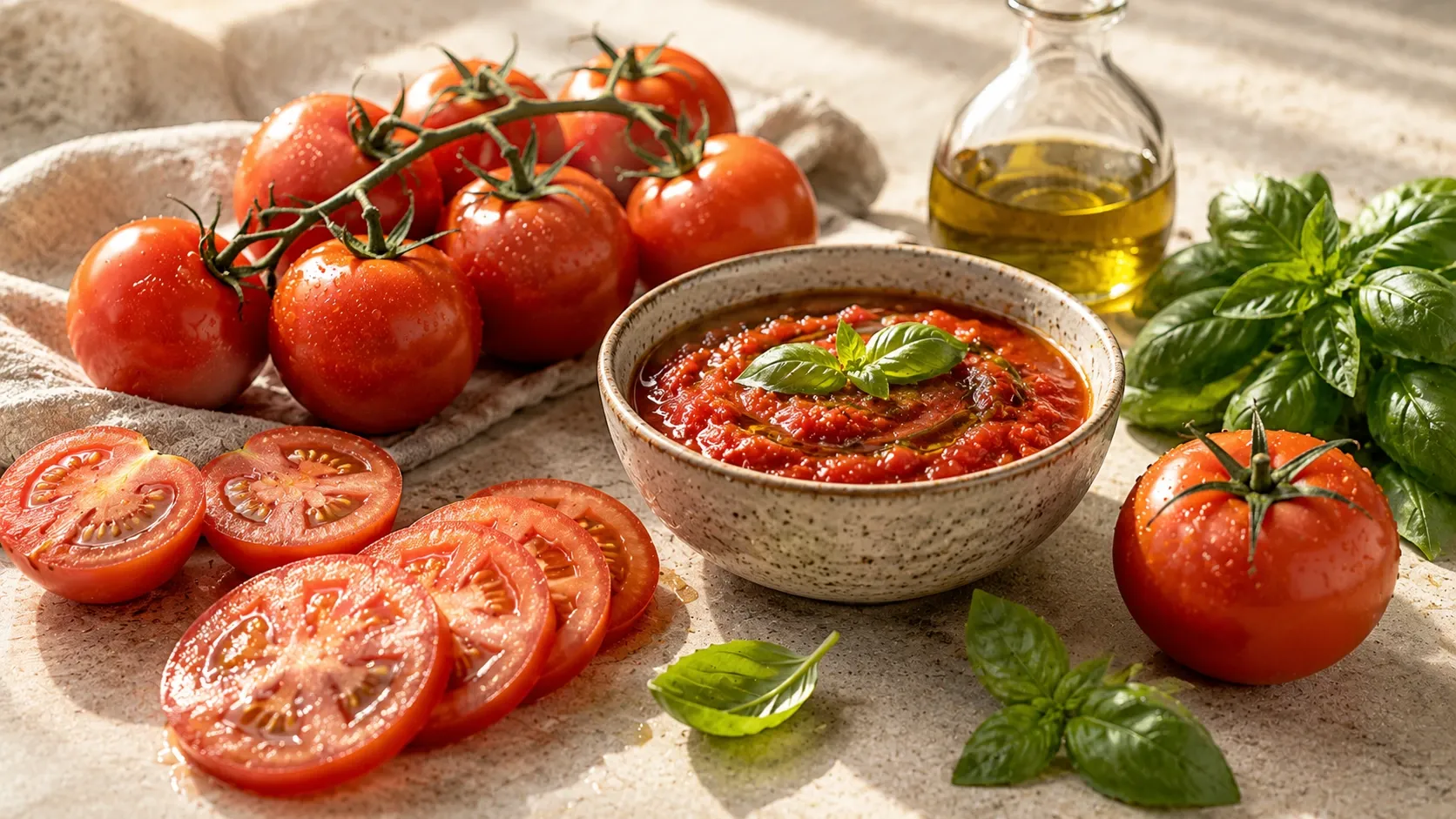
Tomatoes provide lycopene, fiber, and other nutrients. Learn about their potential benefits, how cooking affects lycopene, and practical ways to eat them.
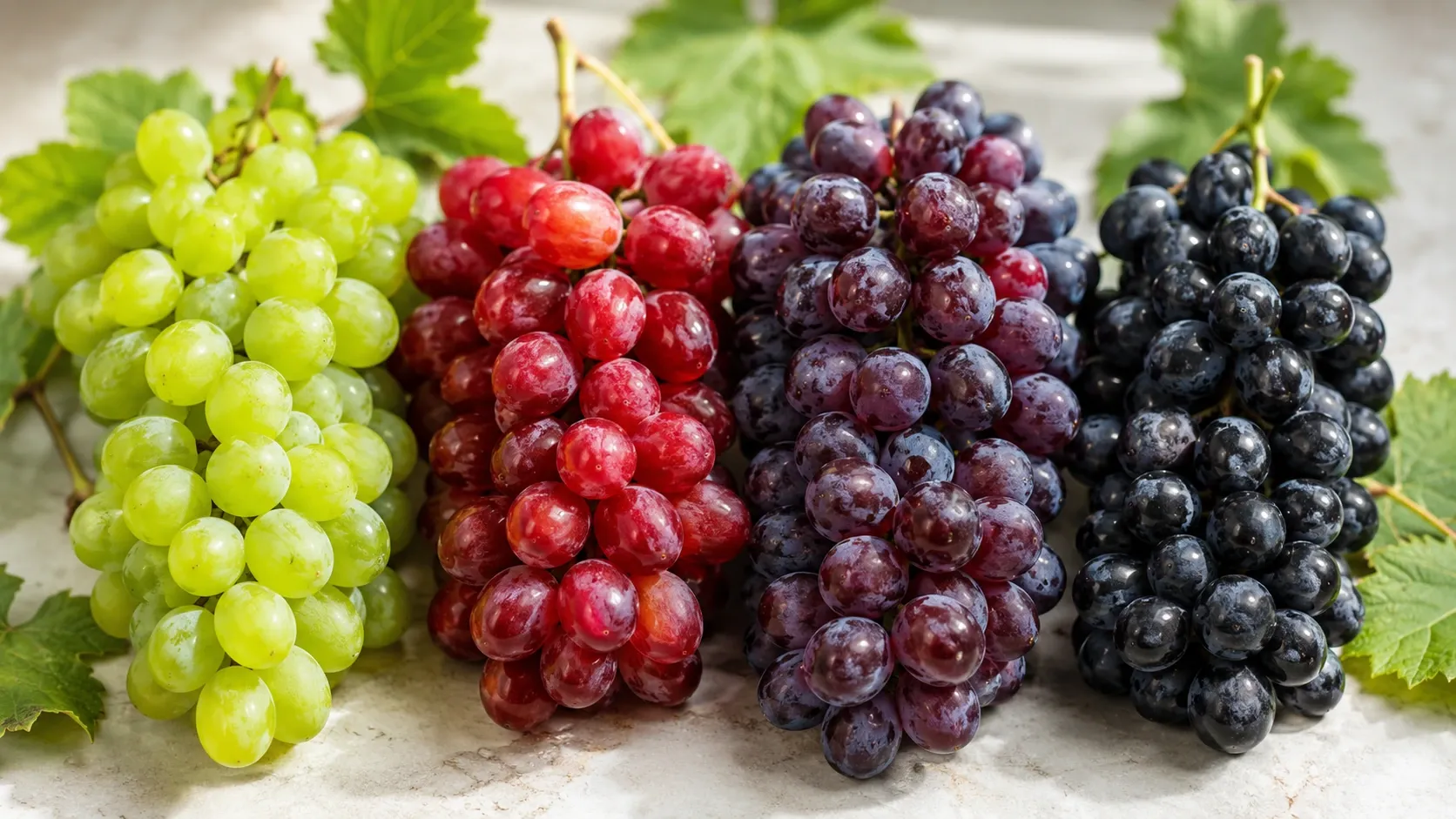
Grapes provide carbohydrates, water and plant polyphenols. Learn about their antioxidants and the real differences between green, red, purple and black grapes.
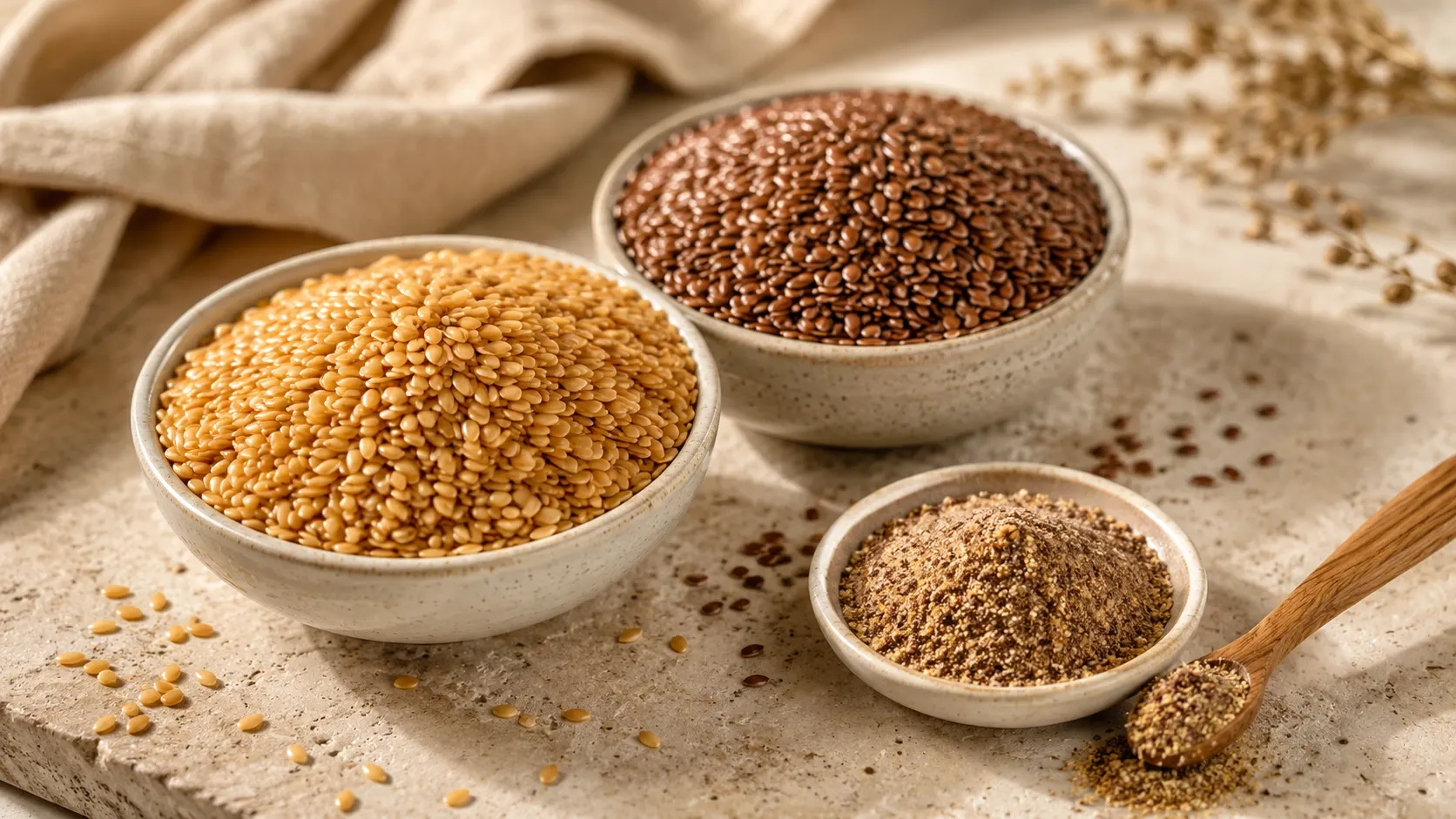
Flaxseed provides fiber, ALA omega-3 and lignans. Learn about its nutrients, evidence-based benefits, how to eat it, and whether golden or brown flaxseed is better.
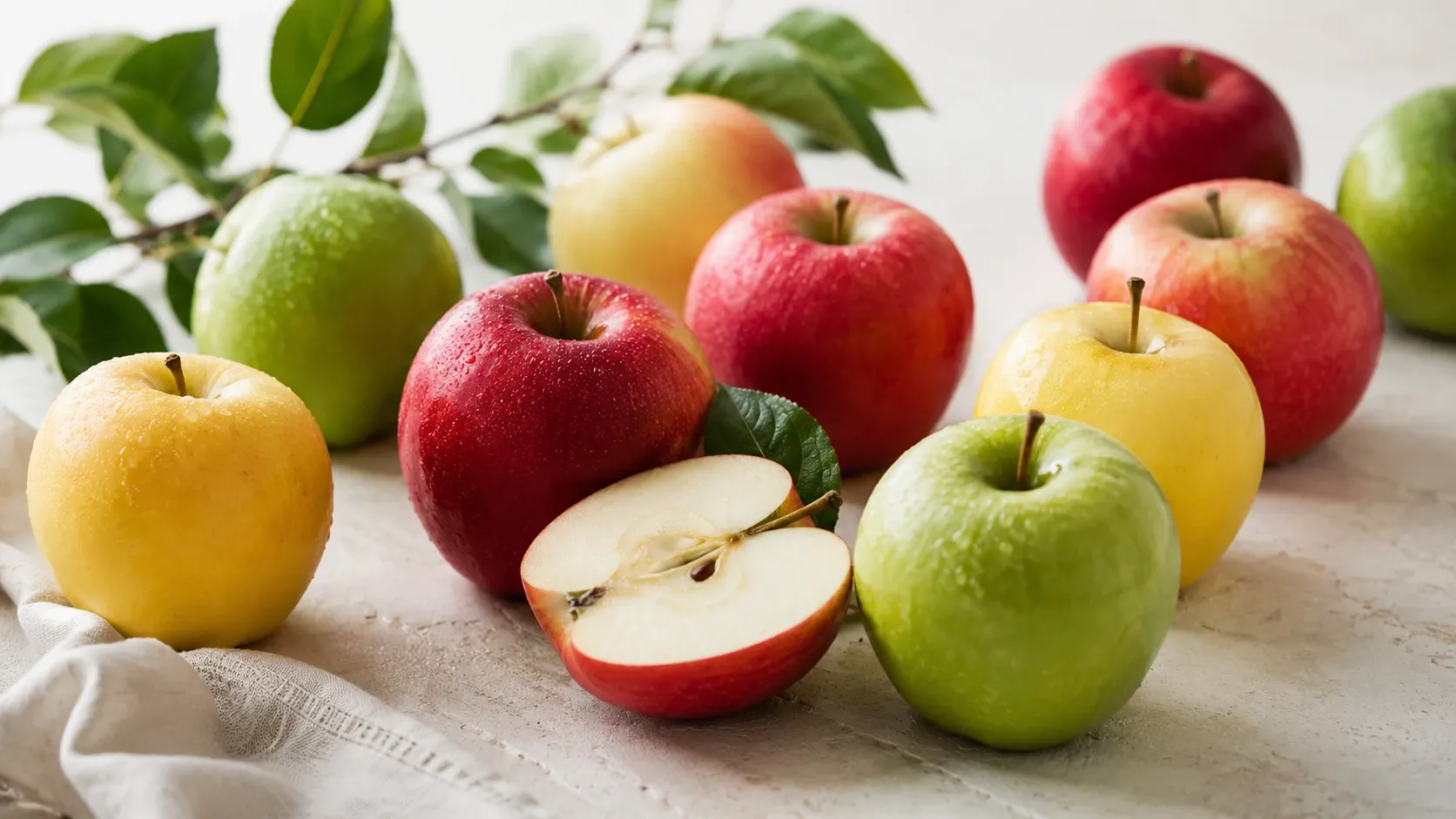
Apples provide fiber and polyphenols and can be part of a healthy diet. Learn what research actually shows about cholesterol, diabetes, satiety, gut health, and other potential benefits.
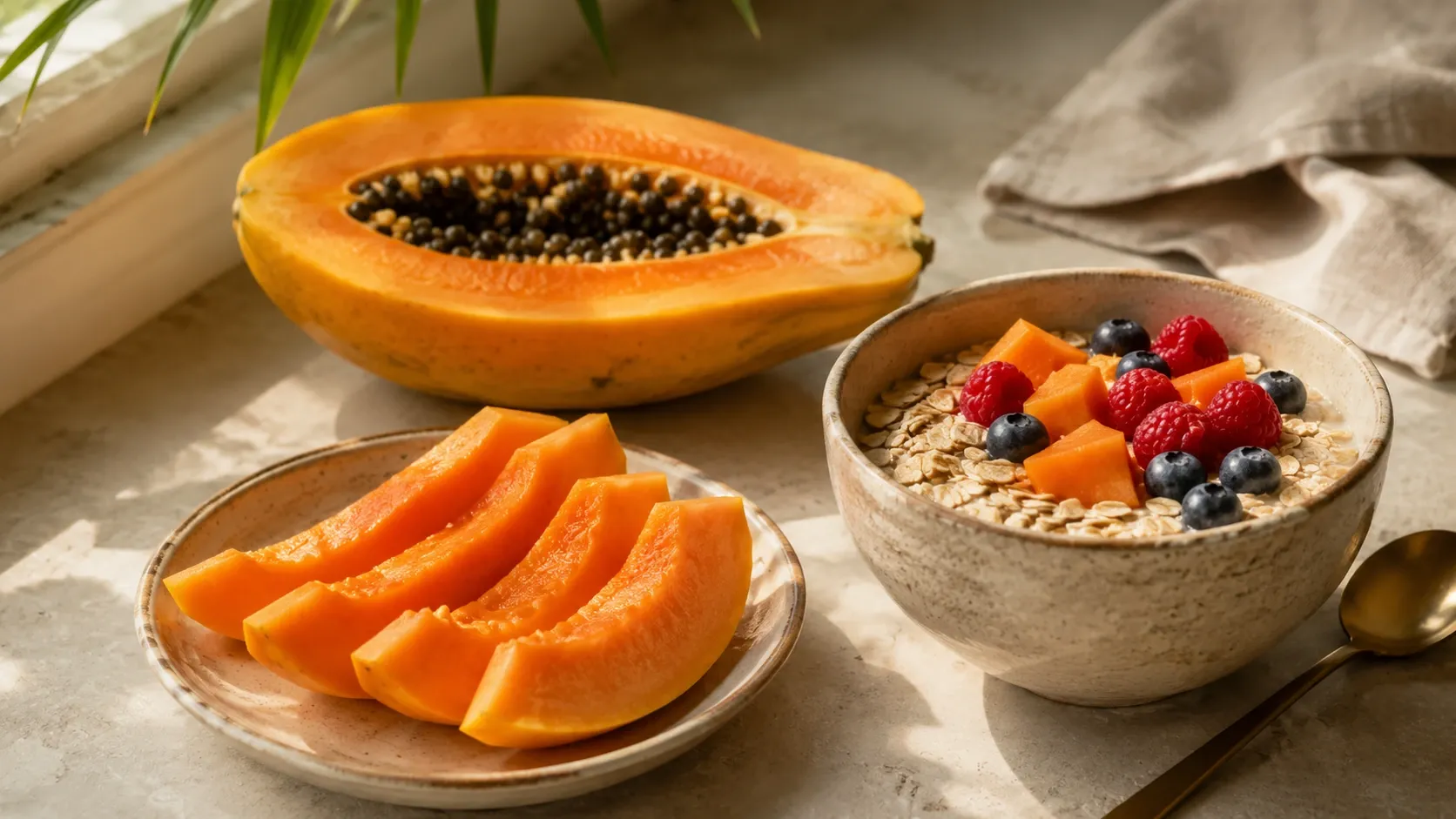
Papaya provides vitamin C, carotenoids, fiber, and folate. Learn what science actually says about its nutrition, digestion claims, and health benefits.
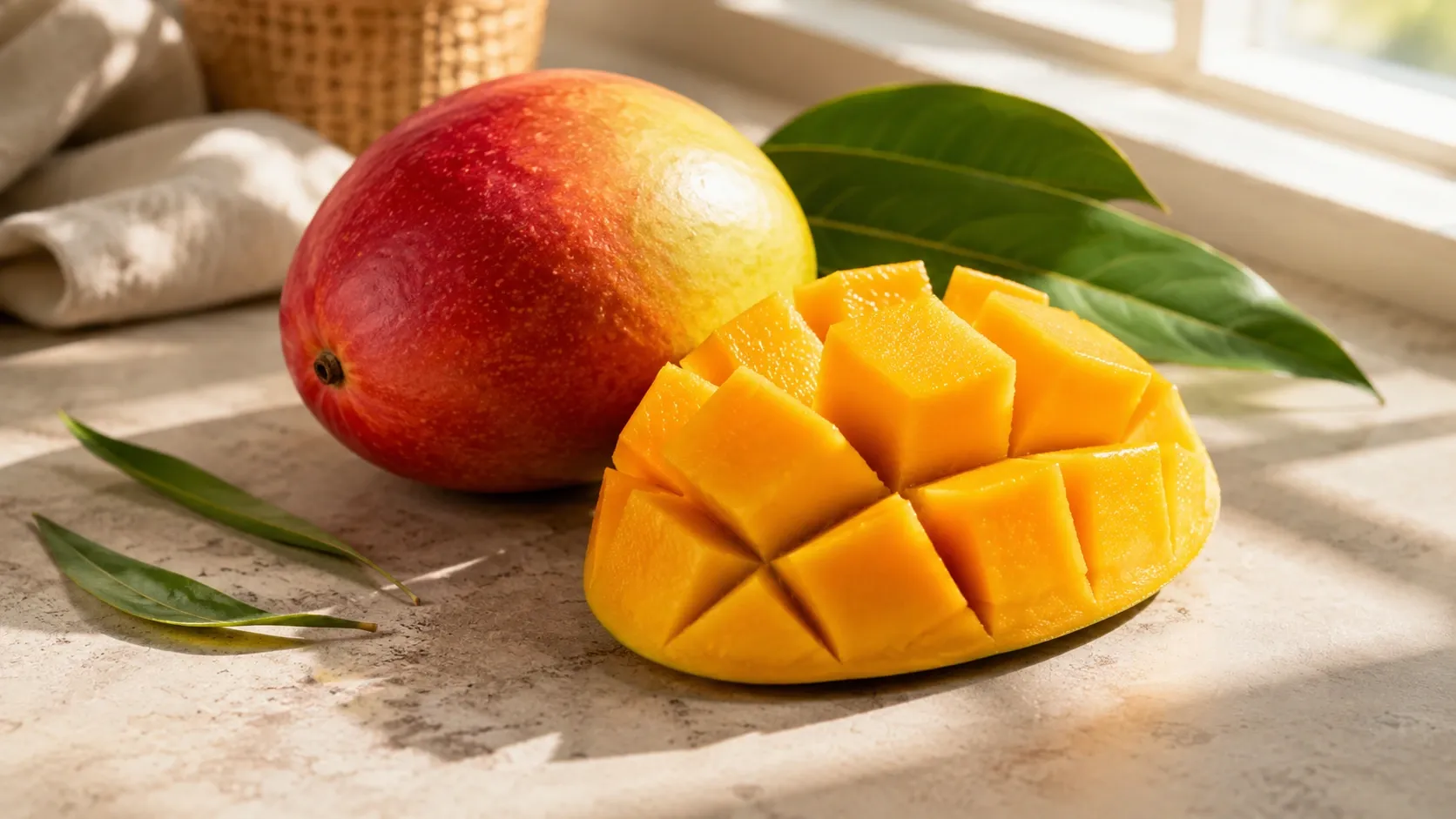
Mango is naturally sweet, but it also provides vitamin C, fiber and other nutrients. Learn how much sugar it contains and what research says about its health effects.
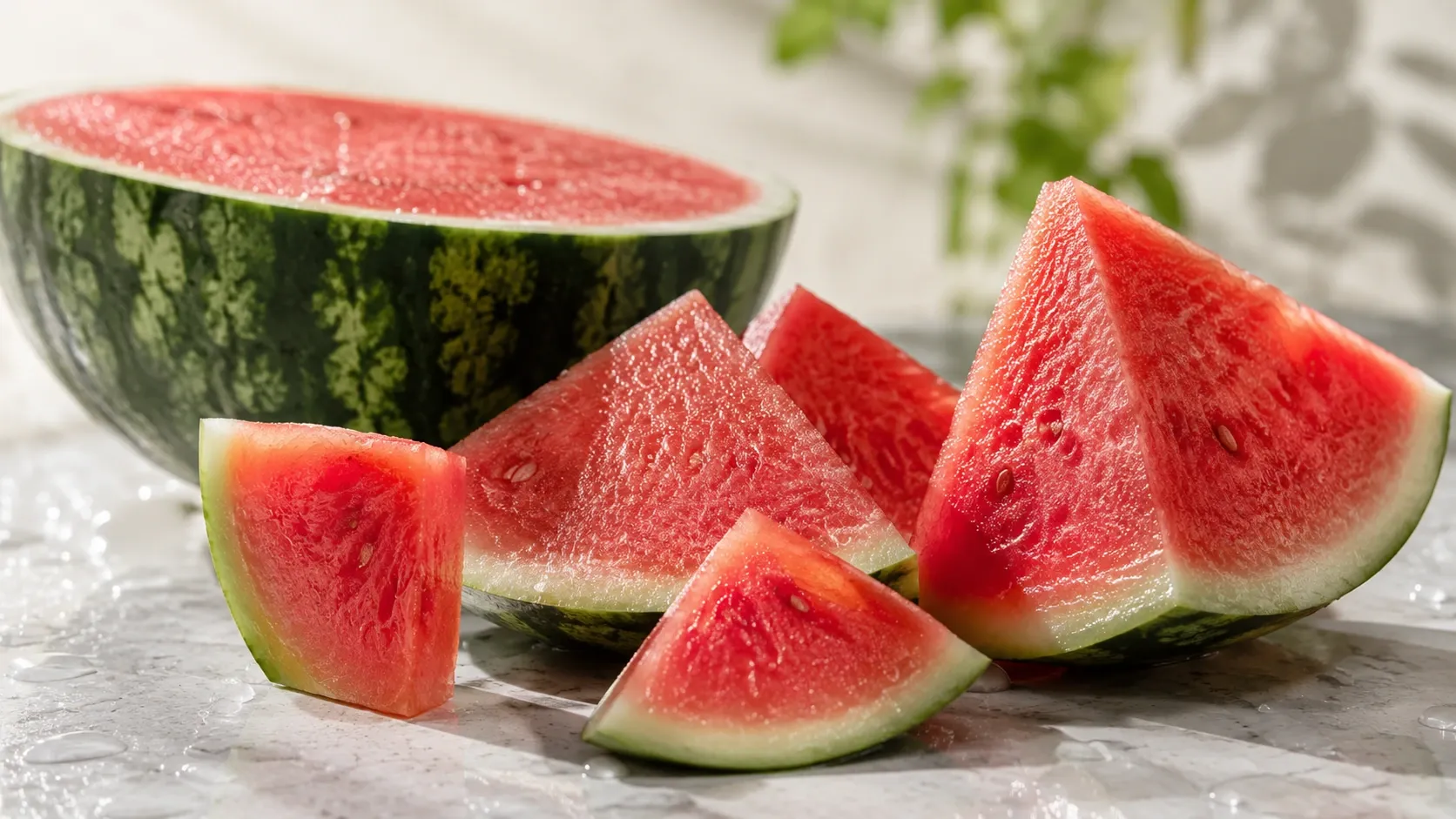
Watermelon is over 90% water, but it also provides natural sugars and nutrients. Learn how much sugar it contains and how it fits into a healthy diet.
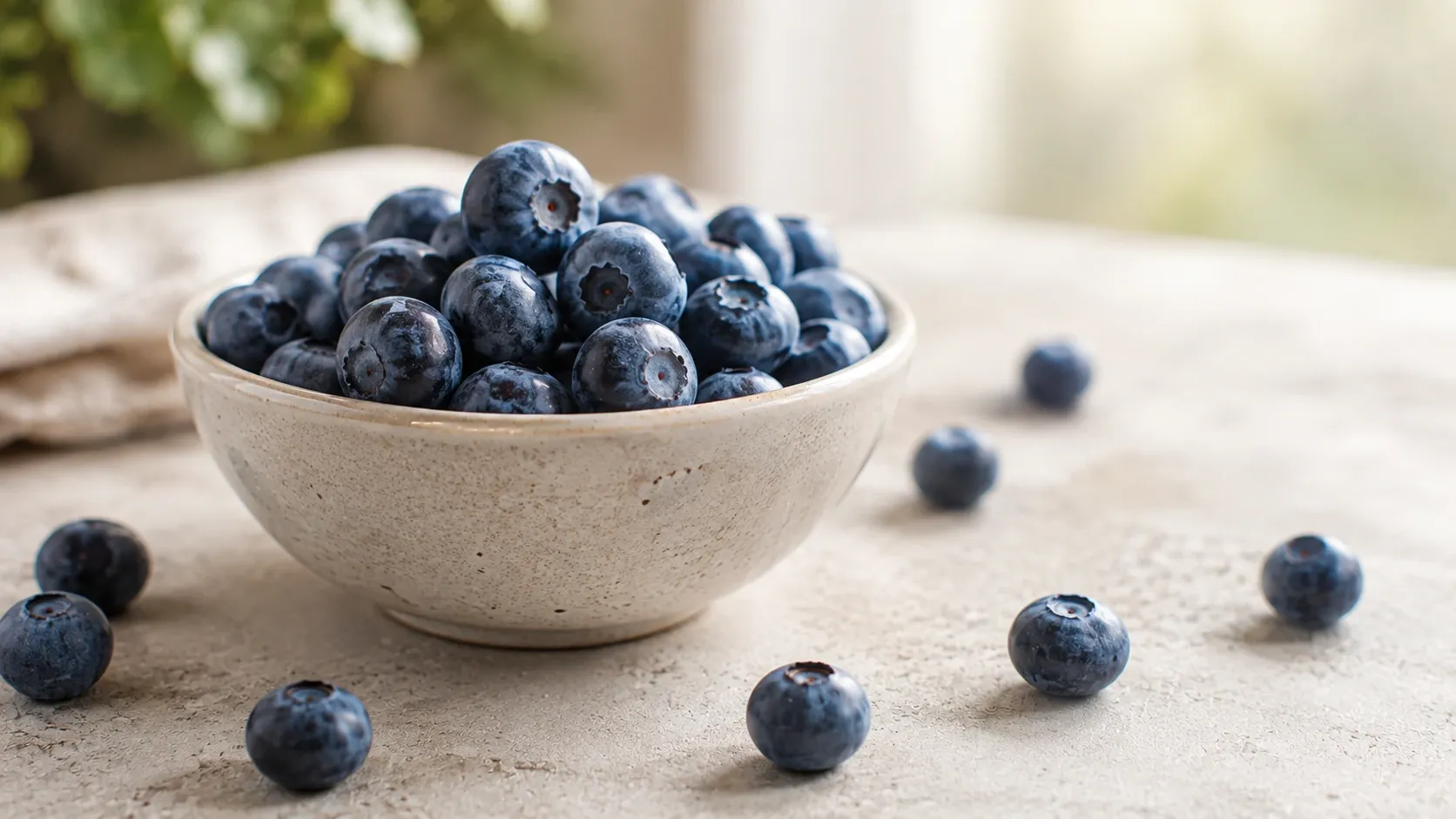
Blueberries are rich in anthocyanins and fiber, but do they deserve their superfood reputation? See what research says about heart health, memory, blood sugar, and more.
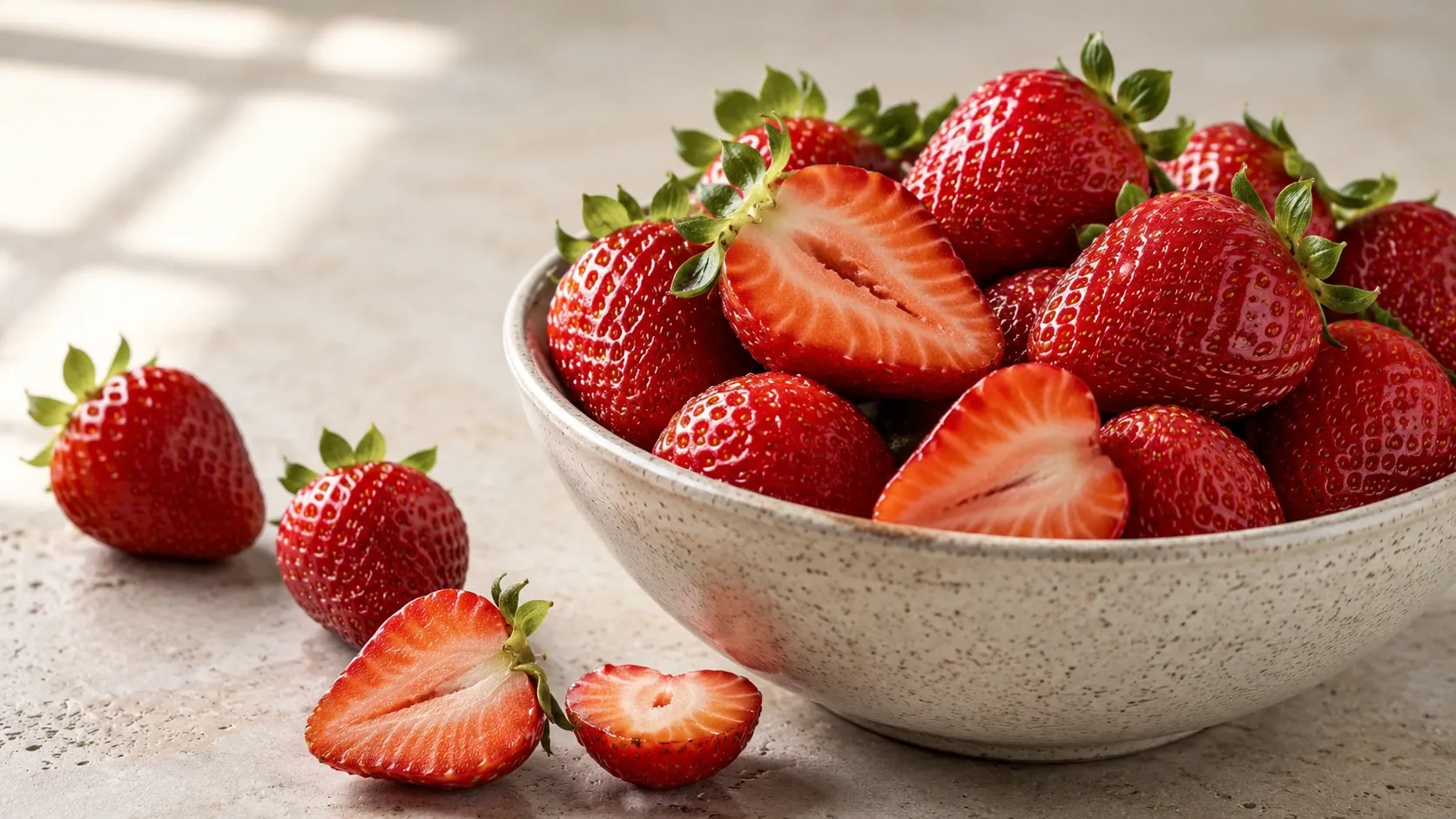
Strawberries provide vitamin C, fiber, and antioxidant compounds such as anthocyanins. Learn about their nutrition, potential health benefits, and practical ways to eat them.
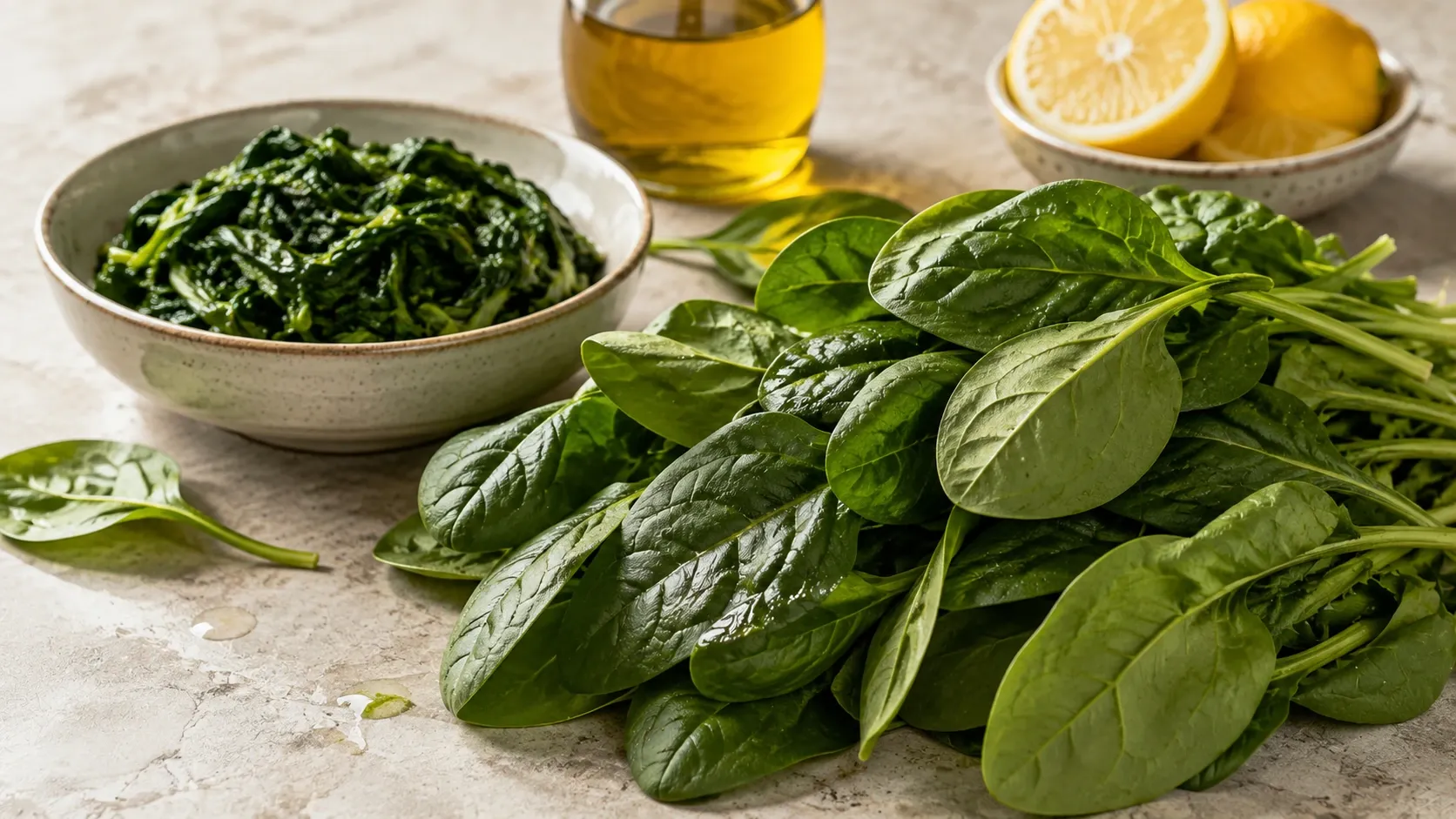
Spinach is rich in vitamin K, folate, and other nutrients, but iron, calcium, and oxalates require context. Here is what the evidence shows.
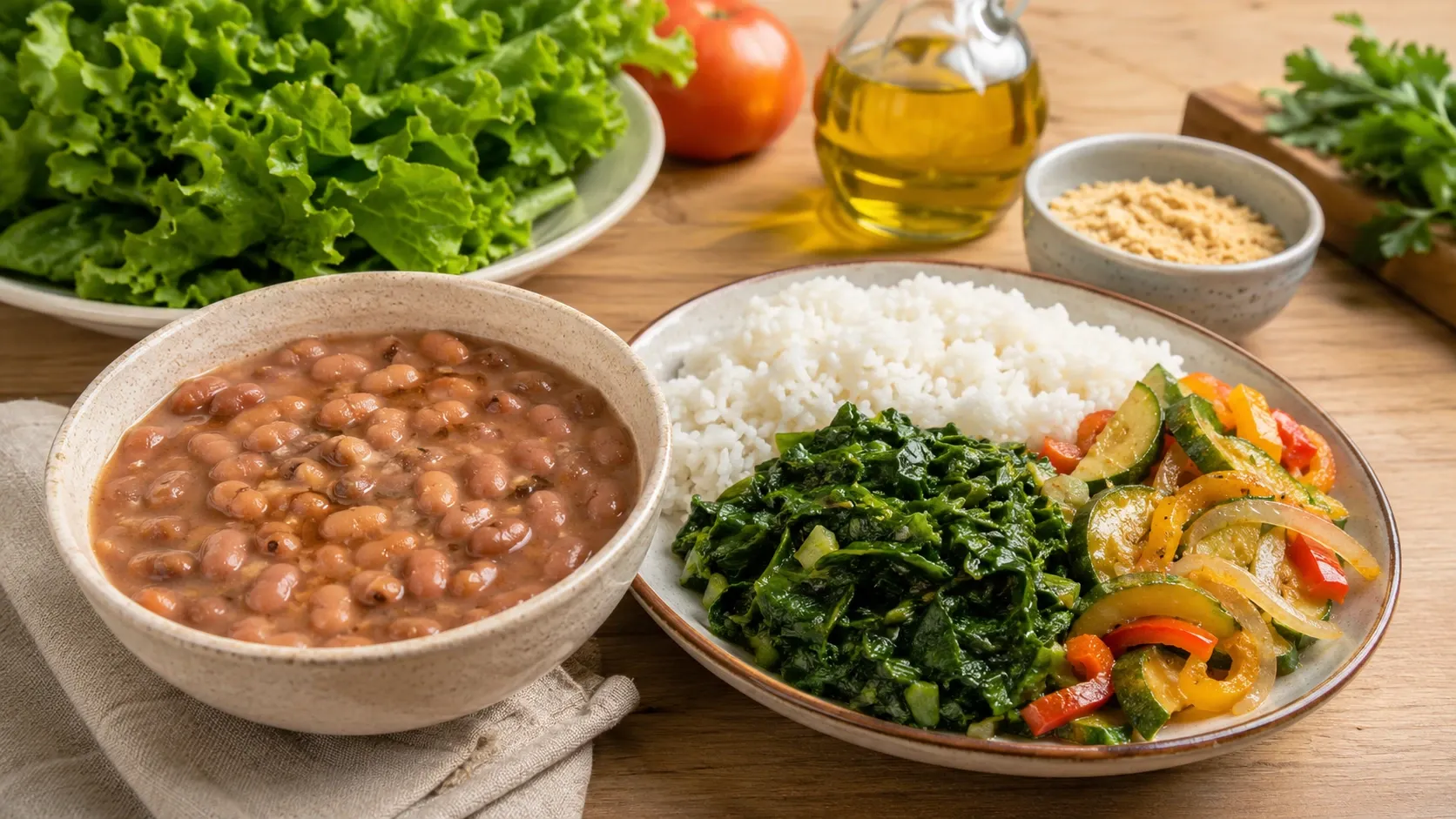
Beans are a cornerstone of Brazilian food culture and a source of fiber, plant protein and micronutrients. Learn why rice and beans remain a valuable part of a balanced diet.
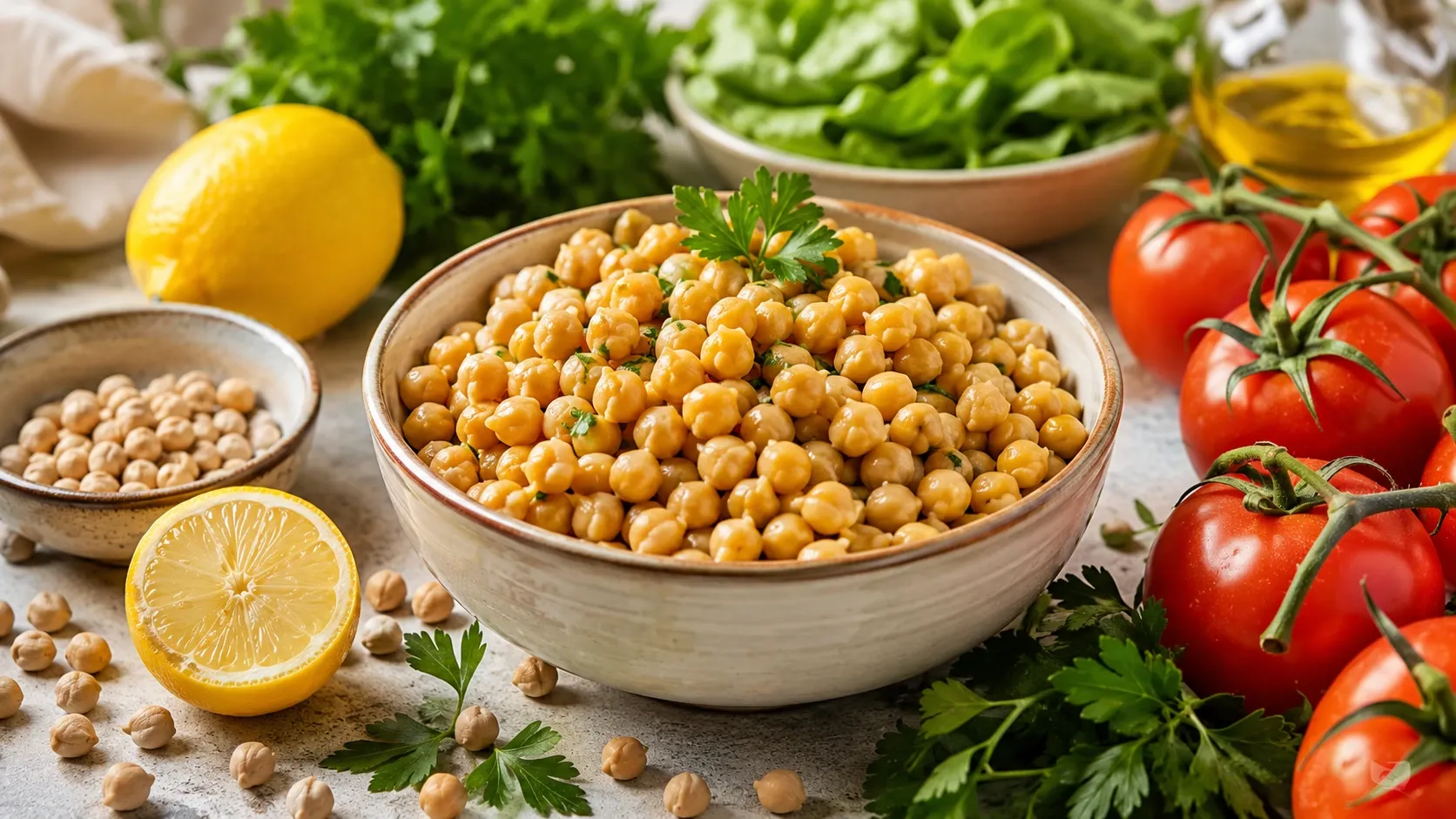
Chickpeas provide plant protein, fiber, folate and minerals. Learn about their nutrition, evidence-based benefits and practical ways to include them in your diet.

Learn how to choose plain yogurt by comparing added sugars, protein, saturated fat, ingredients, live cultures and other useful information on the label.
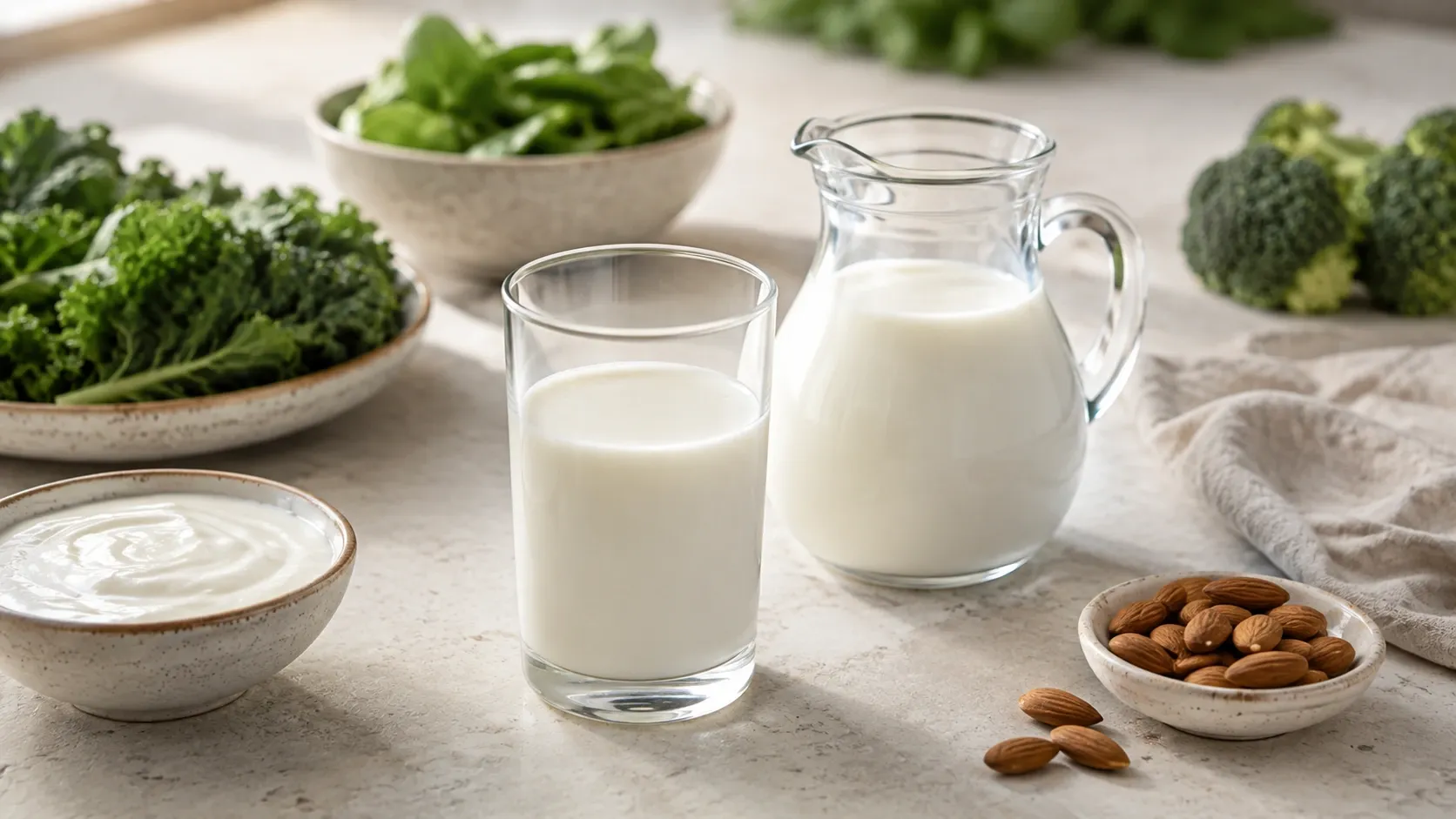
Milk provides protein, calcium, and vitamin B12, but questions remain about lactose, saturated fat, inflammation, and cancer. See what current evidence actually shows.
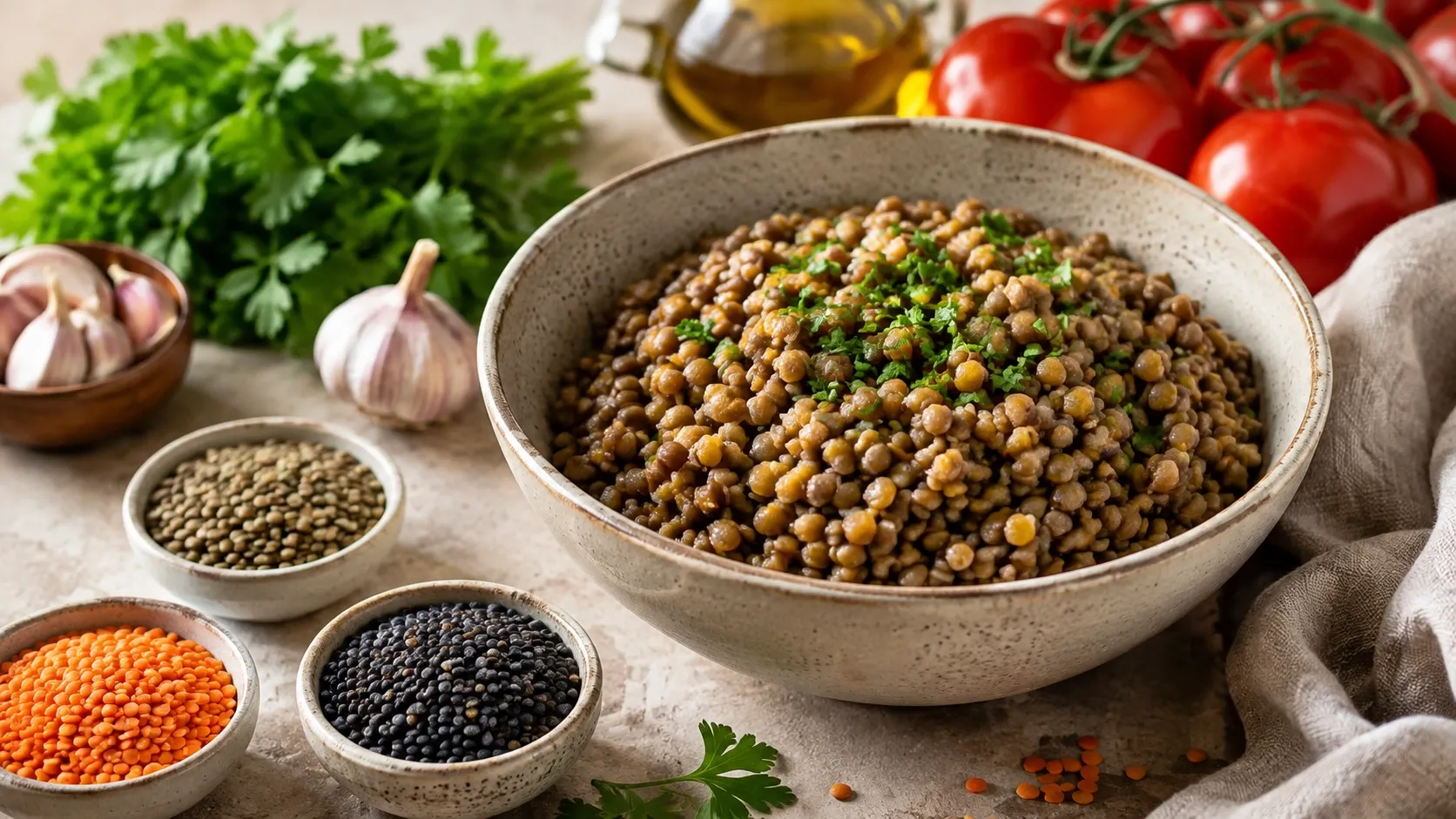
Lentils provide plant protein, fiber, folate, iron, and other minerals. Learn about their nutrition, potential health benefits, and the best ways to cook them.
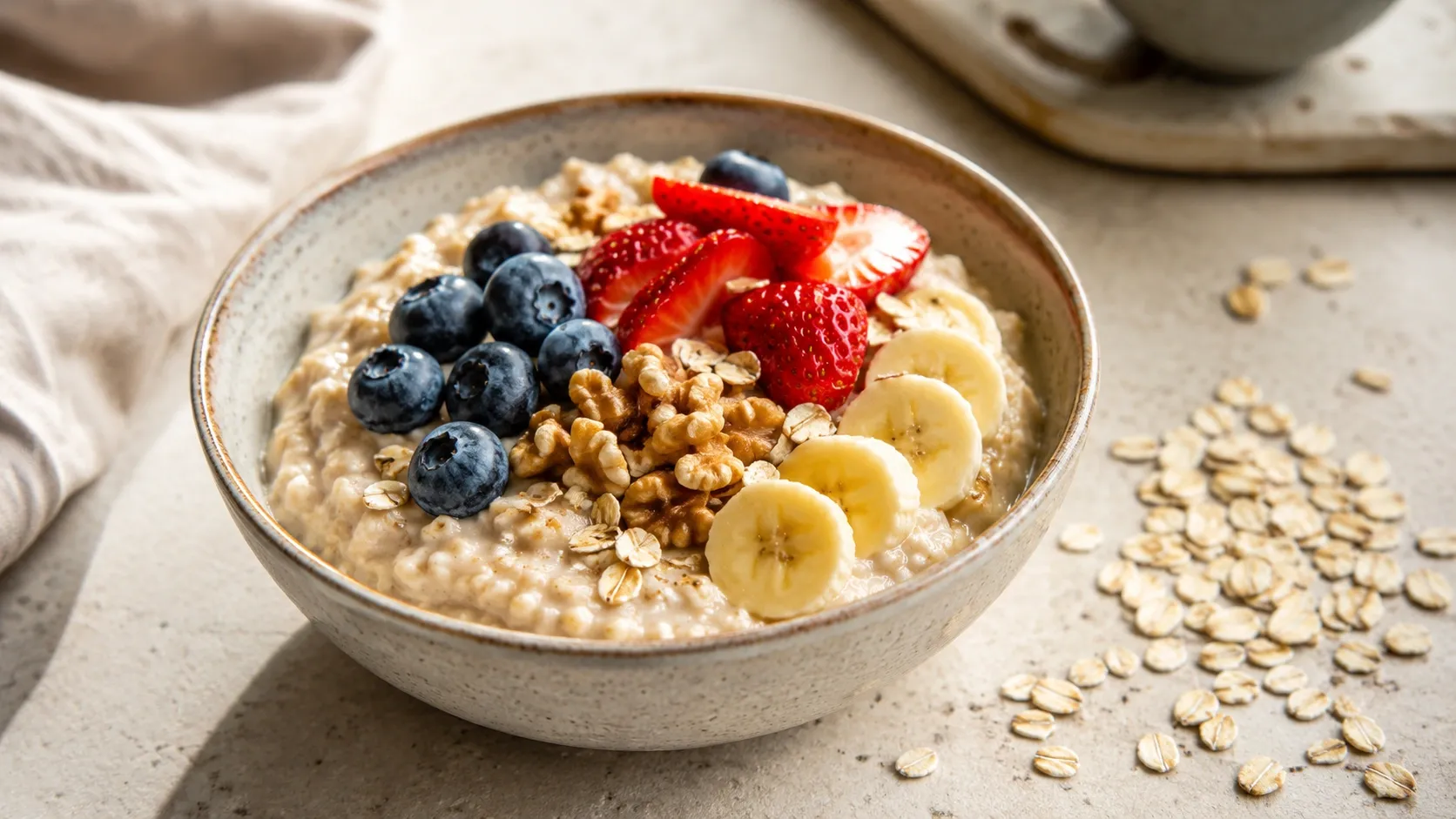
Oats provide fiber, protein, and minerals, while their beta-glucan is linked to lower LDL cholesterol. Learn about oat nutrition, benefits, types, and practical ways to eat them.

Bananas provide carbohydrates, fiber, potassium, and other nutrients. Compare common Brazilian varieties and learn how ripeness and type affect their nutritional profile.
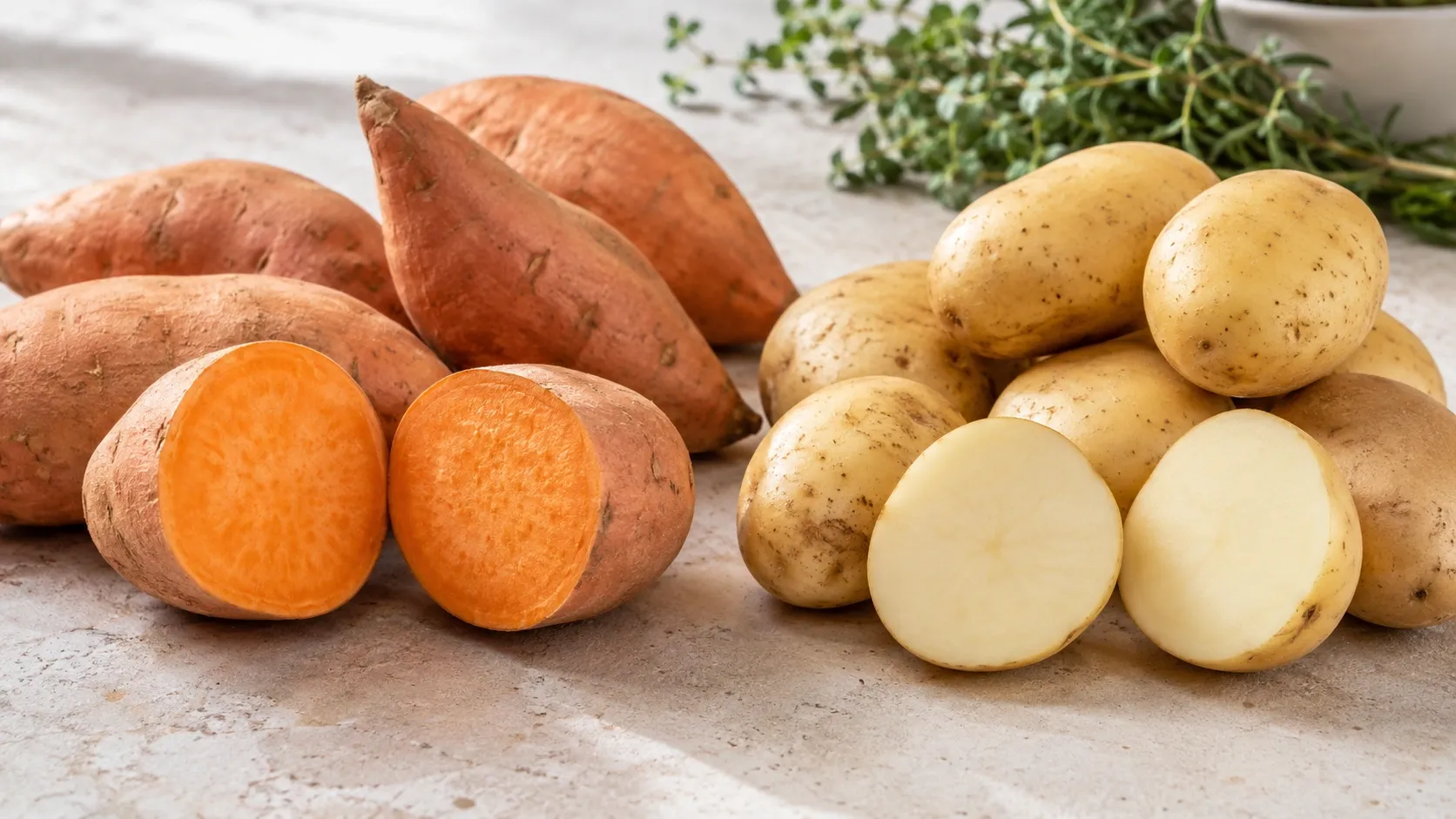
Sweet and white potatoes can both be nutritious. Learn how vitamin content, glycemic response, cooking method, and portion size affect the better choice.
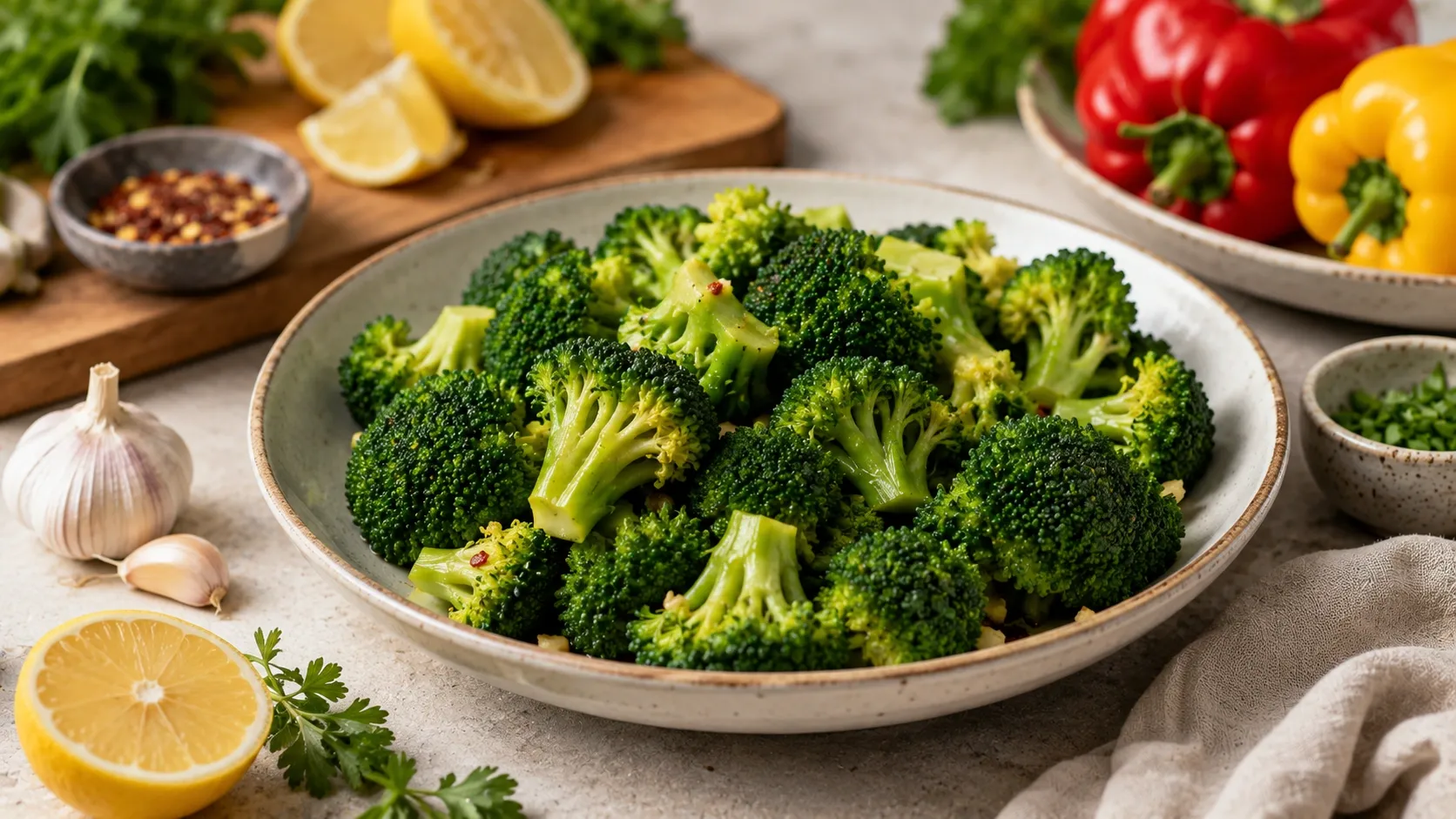
Broccoli provides fiber, vitamin C, folate and other nutrients. Learn what research really says about its benefits, sulforaphane, thyroid health and cooking.
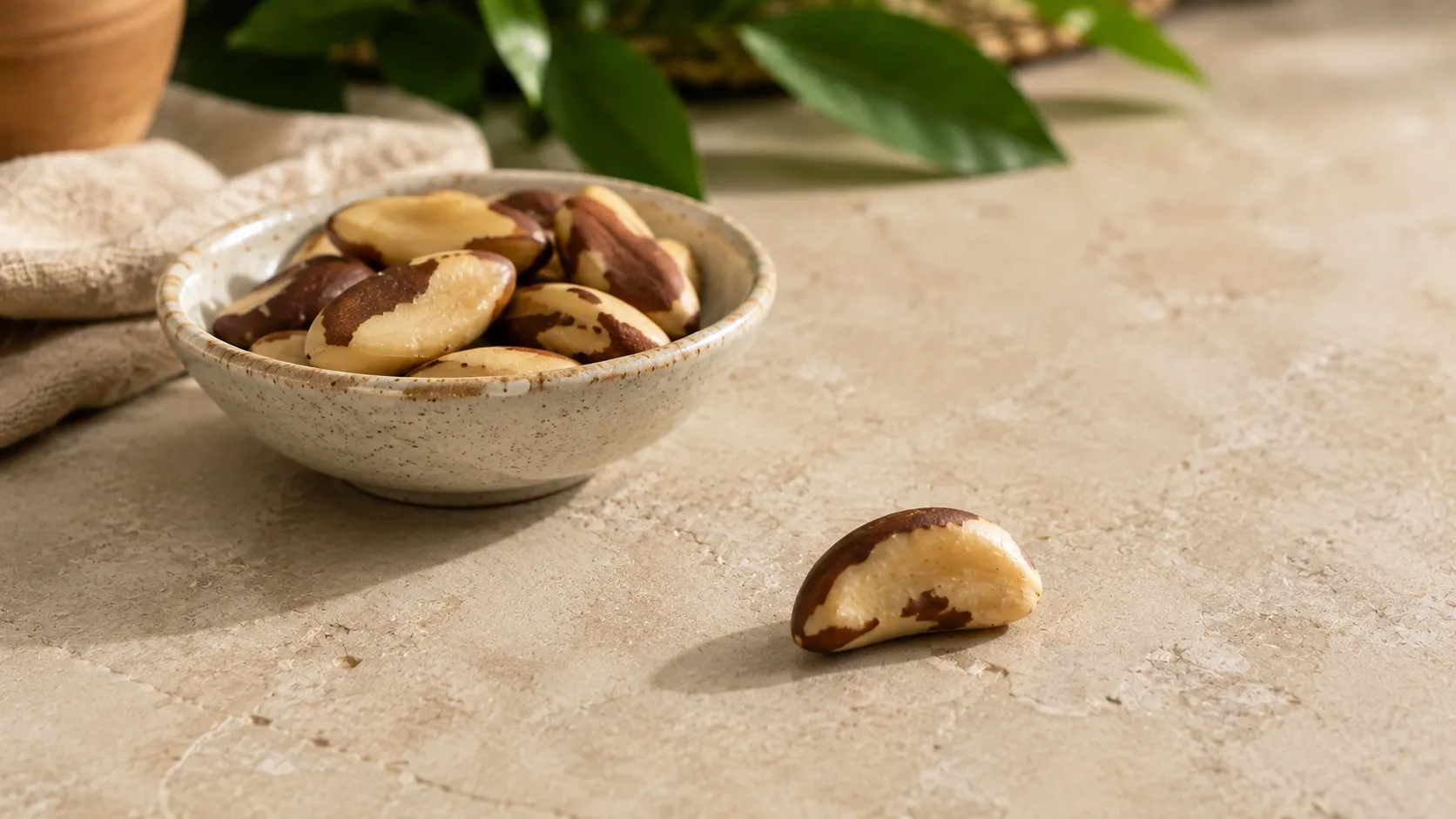
Brazil nuts contain exceptional amounts of selenium, but levels vary widely. Learn why one nut is often enough and how eating too many may increase selenium intake.
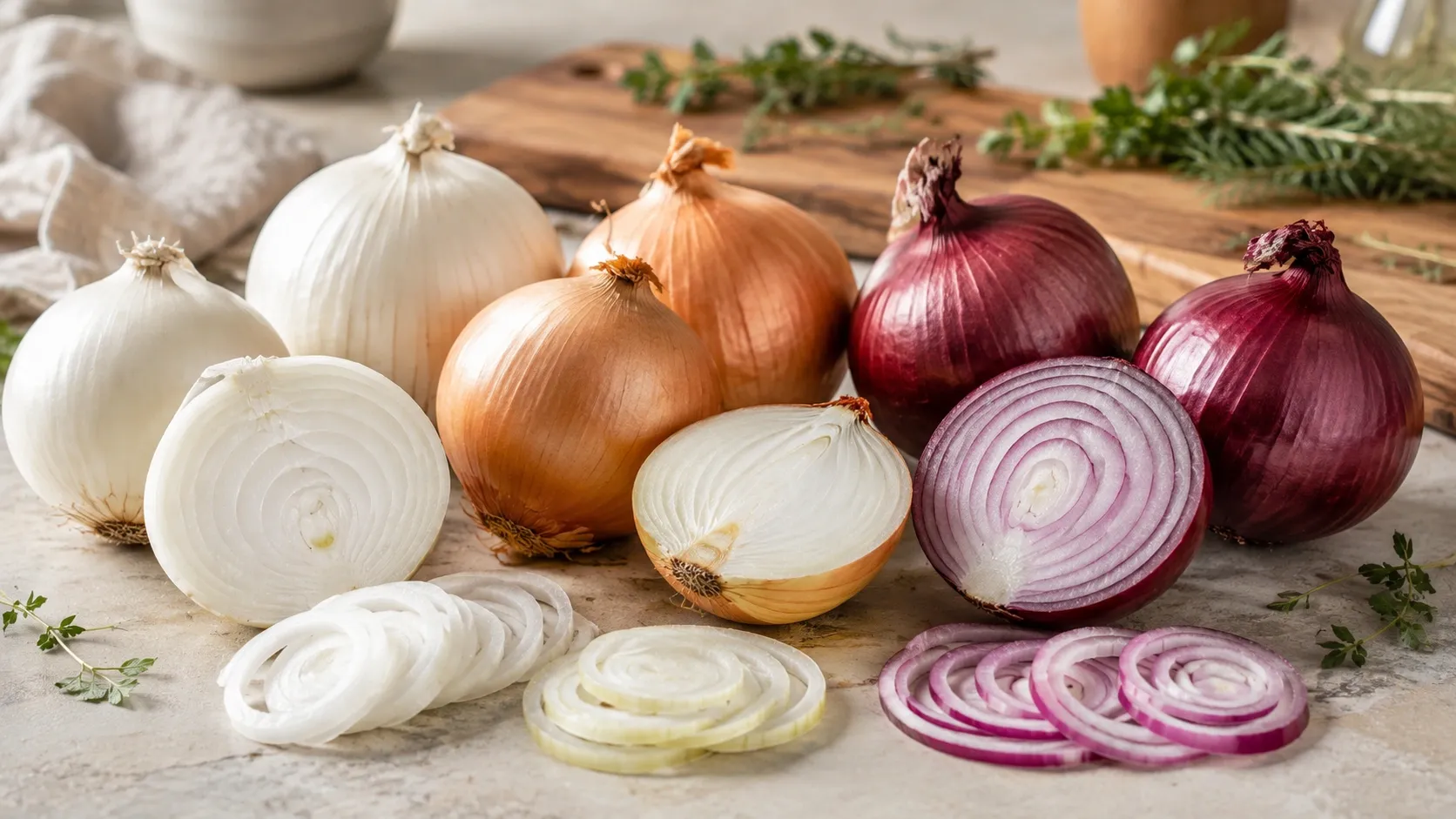
Onions provide fiber and plant compounds such as quercetin and sulfur-containing substances. Learn about their nutrients, potential benefits, evidence limits, and cooking effects.
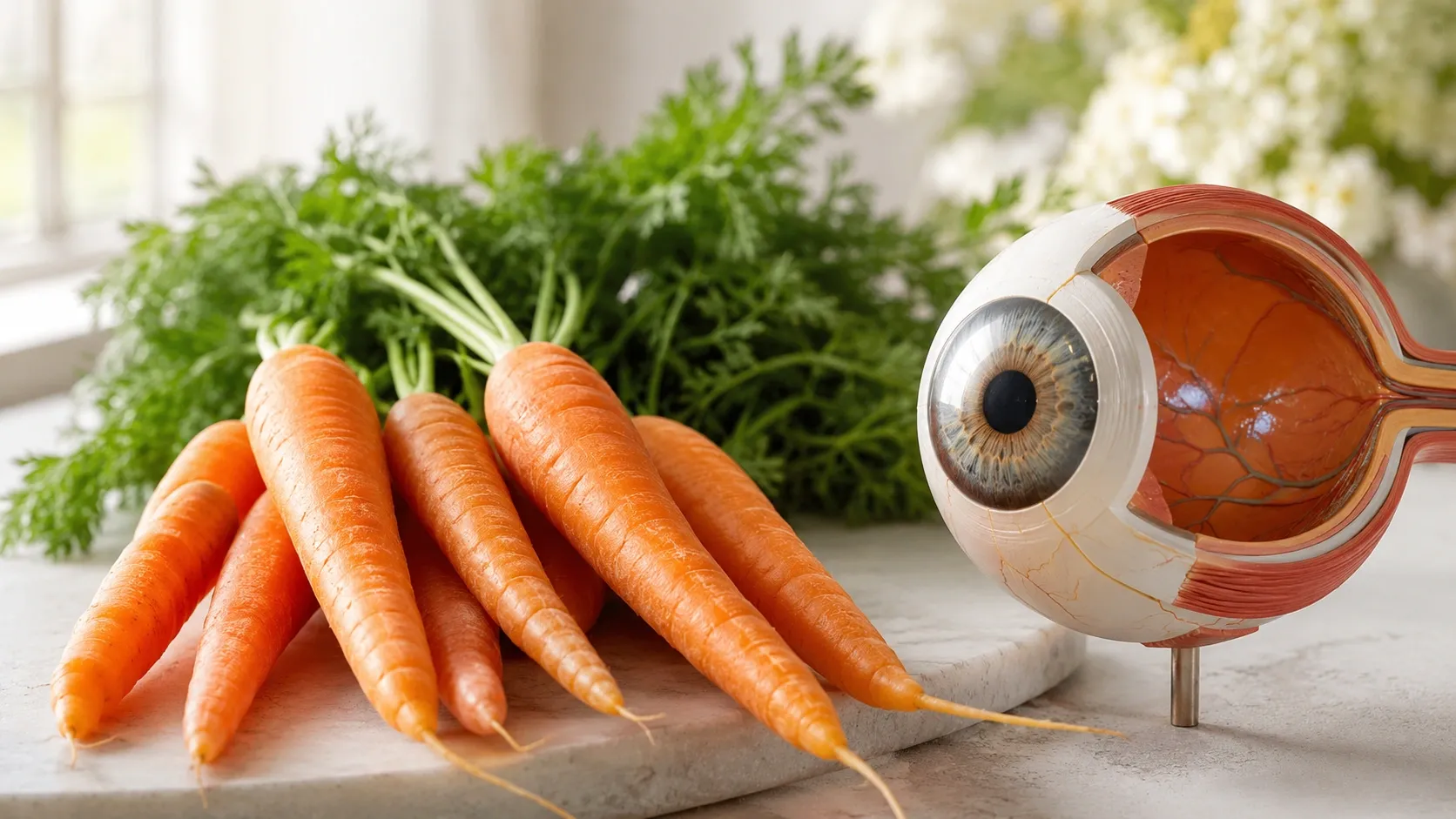
Carrots provide beta-carotene, which the body can convert into vitamin A — a nutrient essential for normal vision. Learn what carrots can actually do for your eyes and where the familiar claim goes too far.
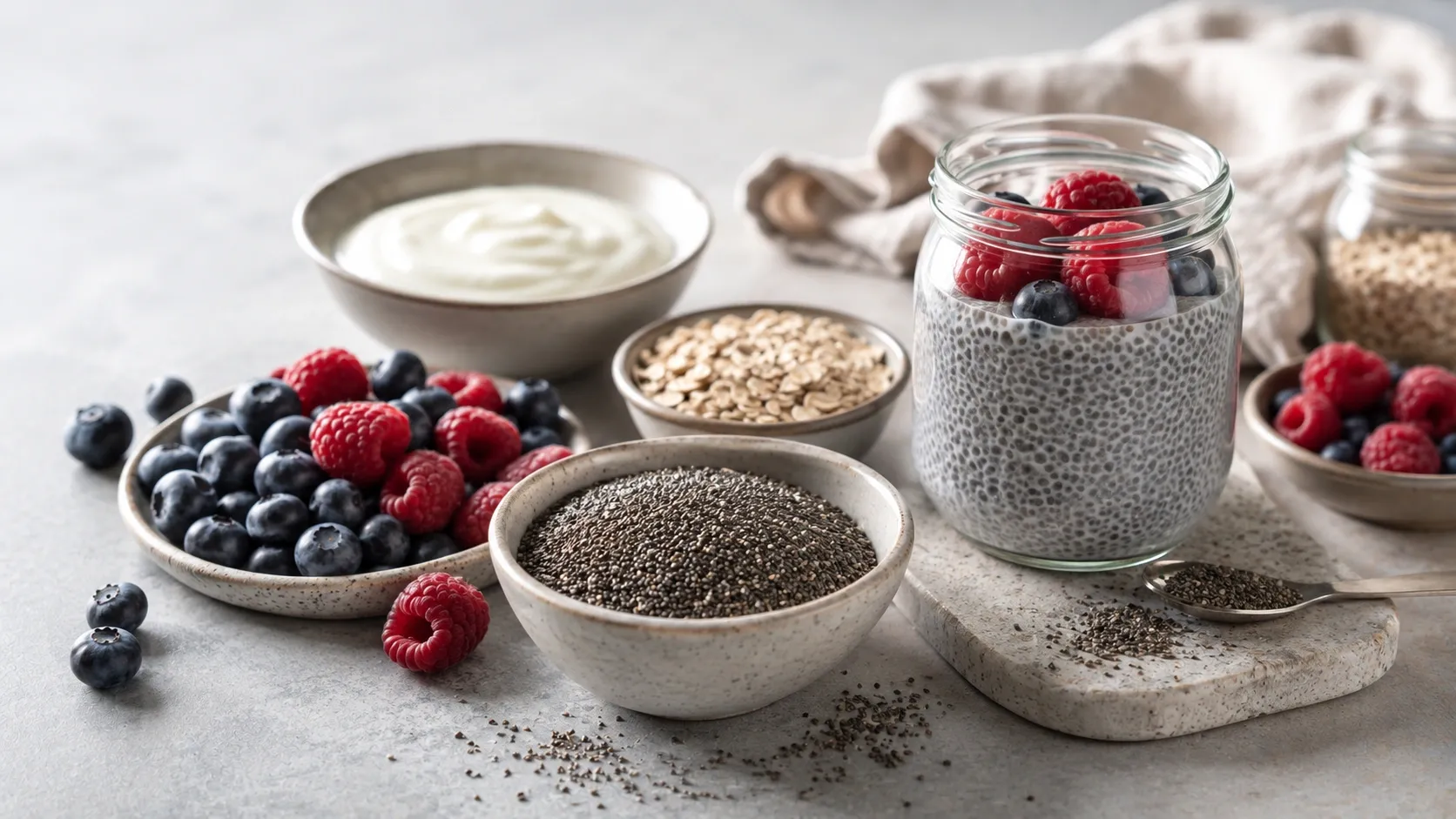
Chia seeds are rich in fiber, unsaturated fats, and plant-based omega-3s. Learn about their nutrients, potential benefits, serving size, and practical ways to eat them.

Dark chocolate provides cocoa flavanols, but it is not medicine. Learn what the evidence shows, how to choose a bar, and how much can reasonably fit into a healthy diet.
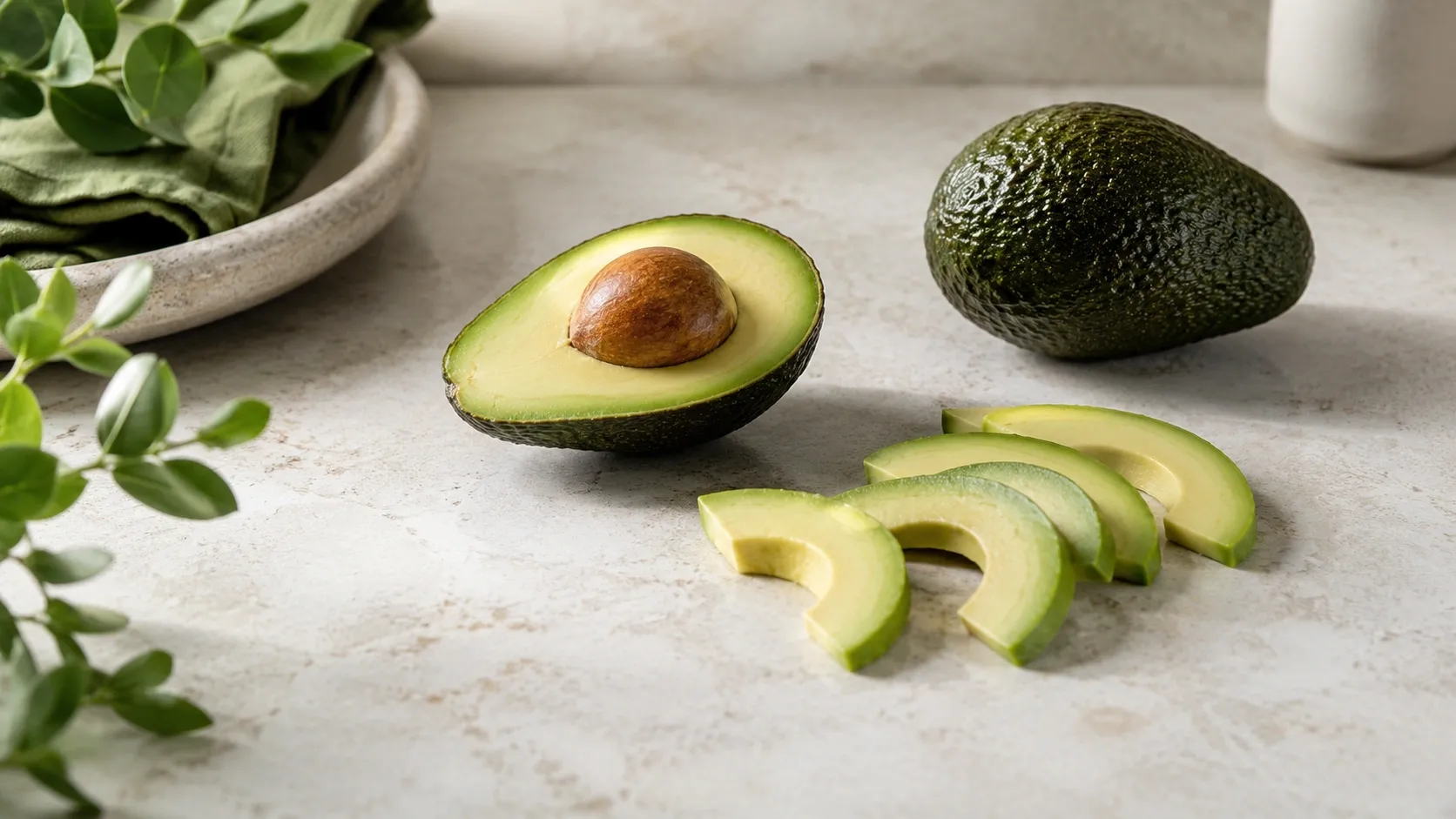
Avocado is higher in calories and fat than many fruits, but that does not mean it automatically causes weight gain. Learn how calories, unsaturated fats, portions and satiety fit together.
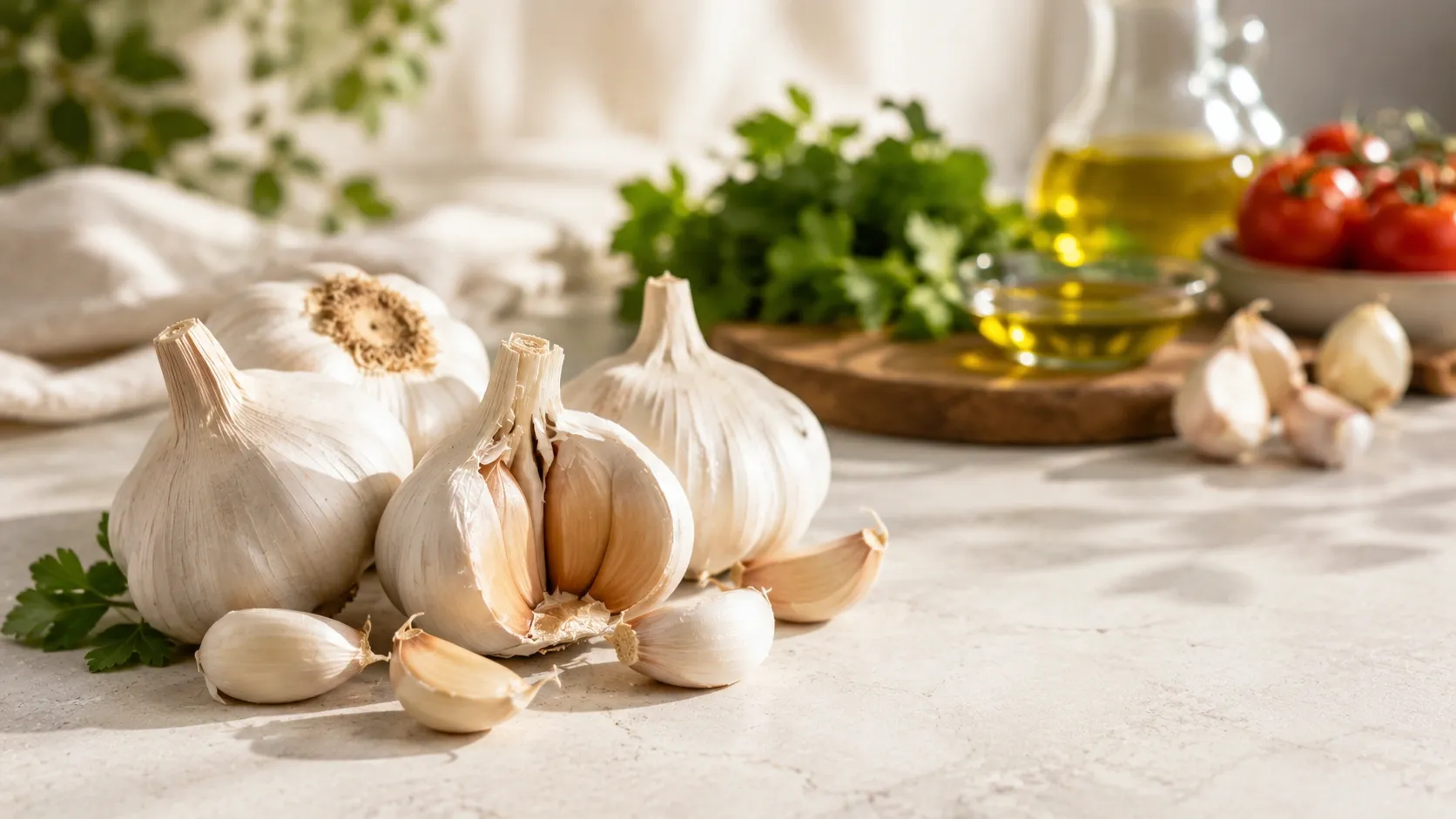
Garlic may modestly improve blood pressure and cholesterol, but does that mean it prevents heart attacks? See what current clinical evidence actually shows.
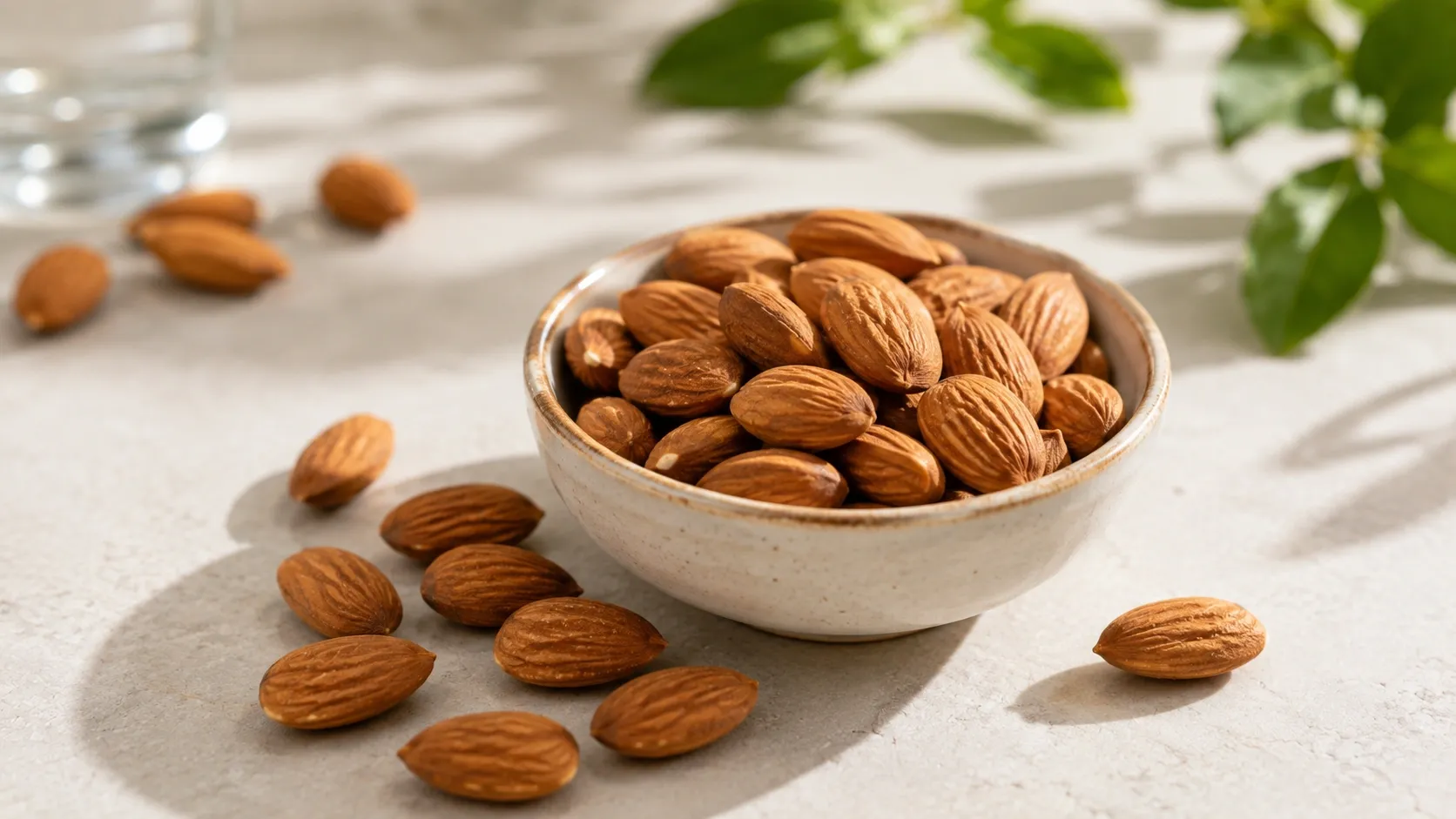
Almonds provide unsaturated fats, fiber, protein, vitamin E, and minerals. Learn their evidence-based benefits and what counts as a practical serving.
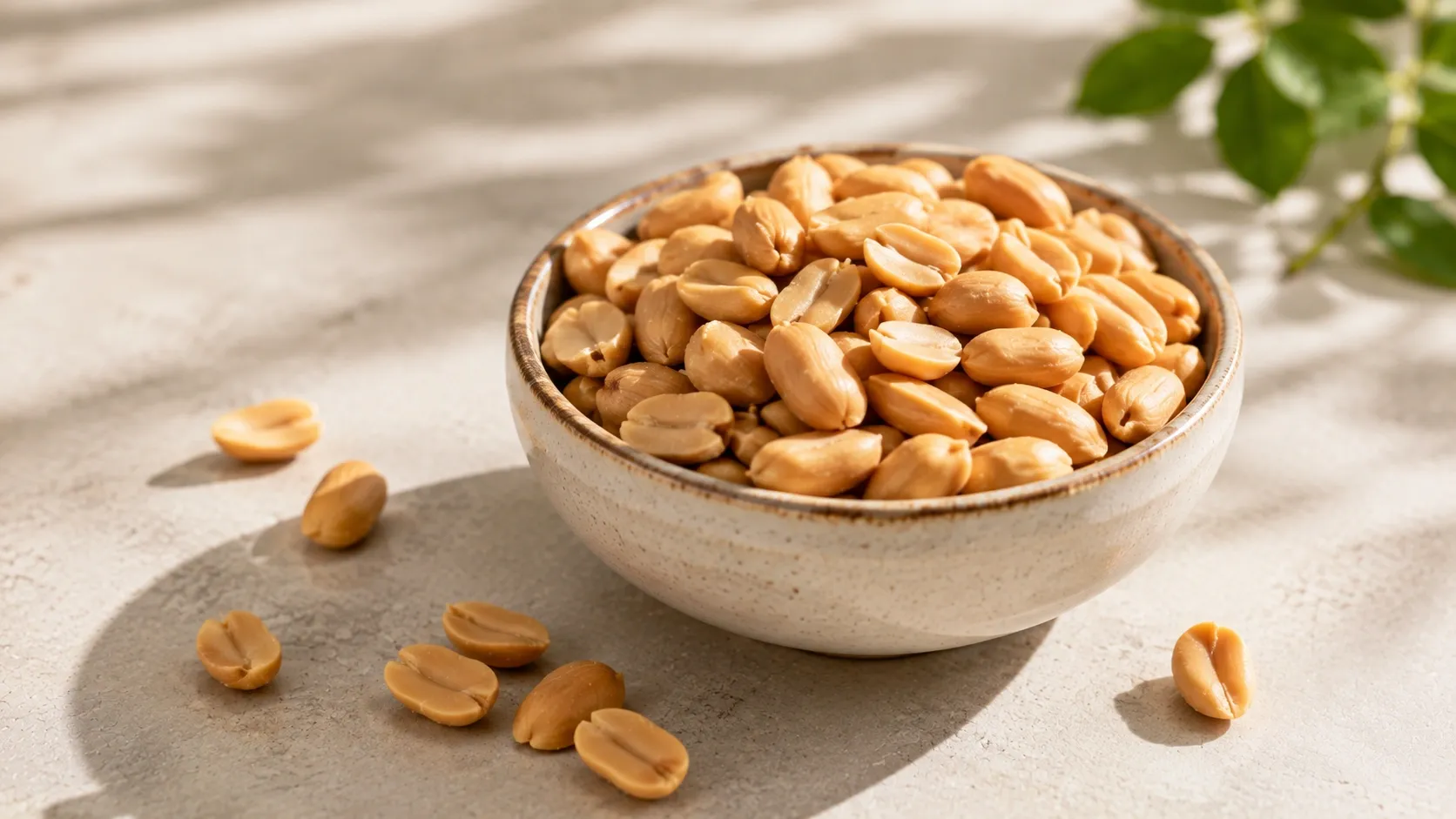
Peanuts provide protein, fiber, and mostly unsaturated fats, but they are calorie-dense. Learn their potential benefits, calorie content, and a practical serving size.
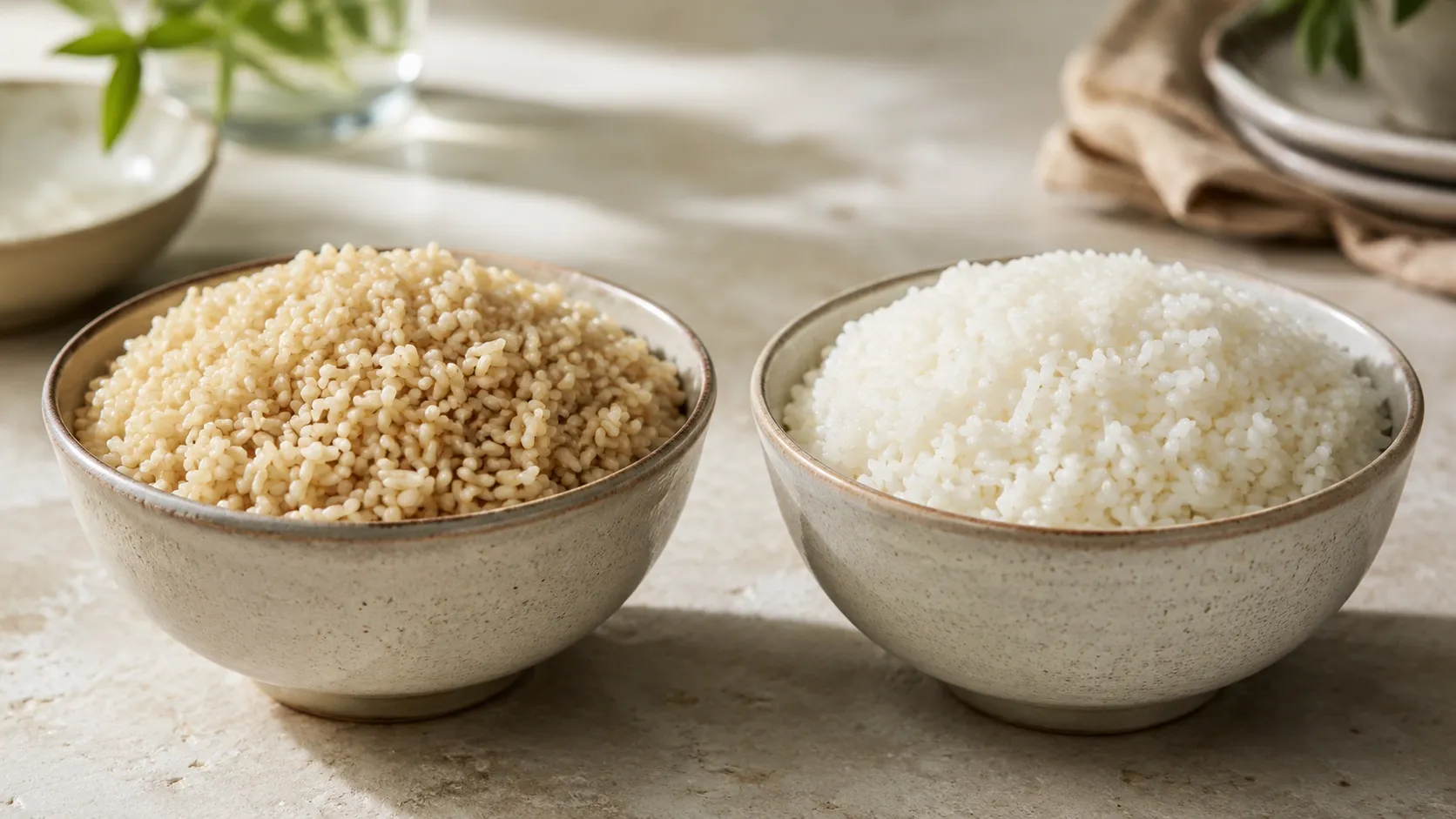
Brown rice contains more fiber and retains more of the grain's nutrients, but that does not make white rice automatically unhealthy. Here's what the evidence shows.
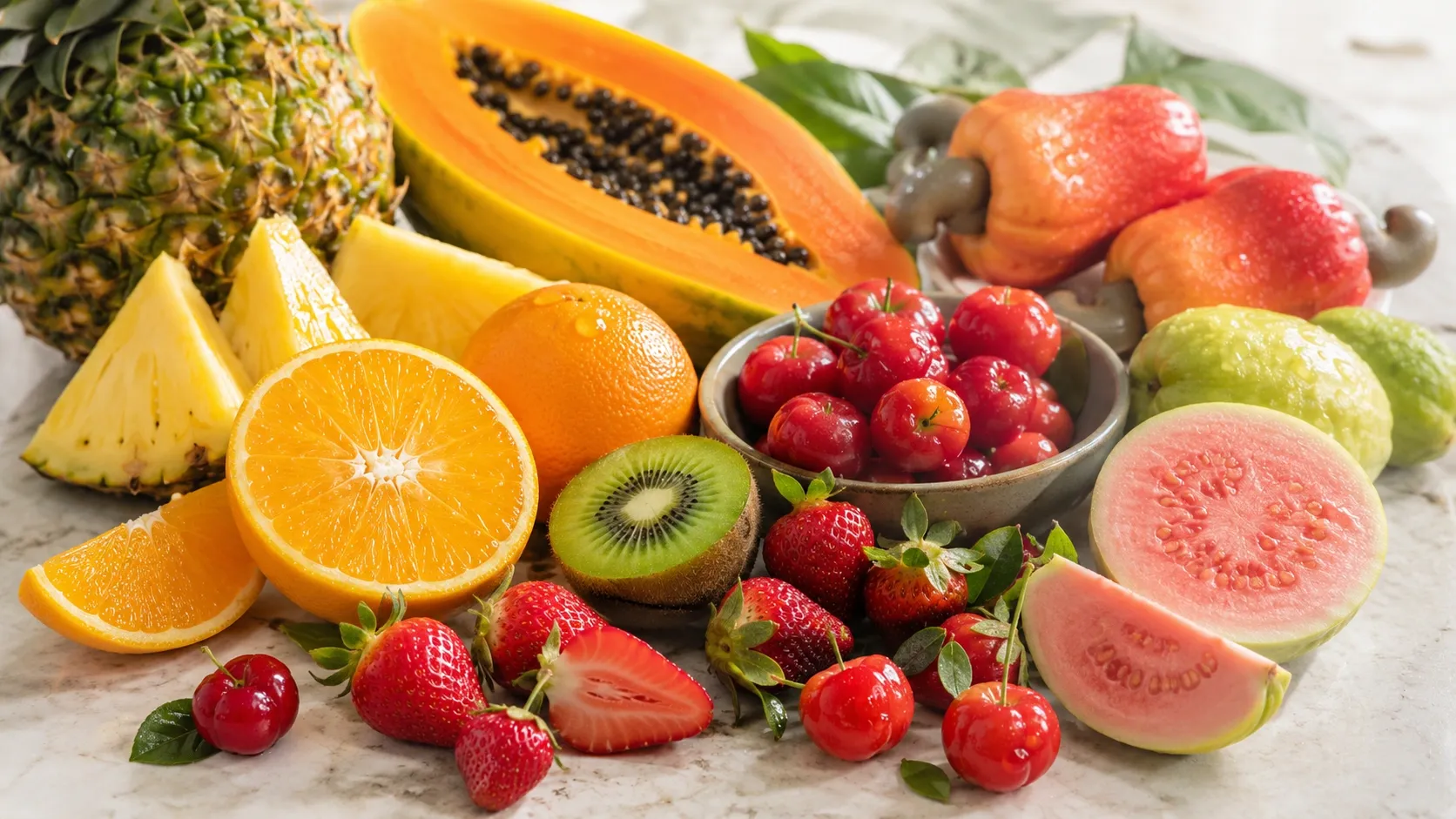
Discover vitamin C-rich fruits, compare acerola, cashew apple, guava, papaya, kiwi, strawberries, oranges and pineapple, and learn how much vitamin C adults need.

One of the most complete foods out there, with high-quality protein — and the center of one of the biggest misunderstandings in modern nutrition.
 NutritionInformation about nutrients, diet and science.
 FoodsBenefits, nutrients and characteristics of key foods.
 HealthHow diet and lifestyle influence the body.
 FitnessNutrition related to exercise and body composition.
 RecipesSimple, nutritious and balanced recipes.
 ScienceResearch, studies and discoveries related to nutrition.