Is Milk Healthy? Benefits, Nutrition, and Key Controversies
Milk provides protein, calcium, and vitamin B12, but questions remain about lactose, saturated fat, inflammation, and cancer. See what current evidence actually shows.
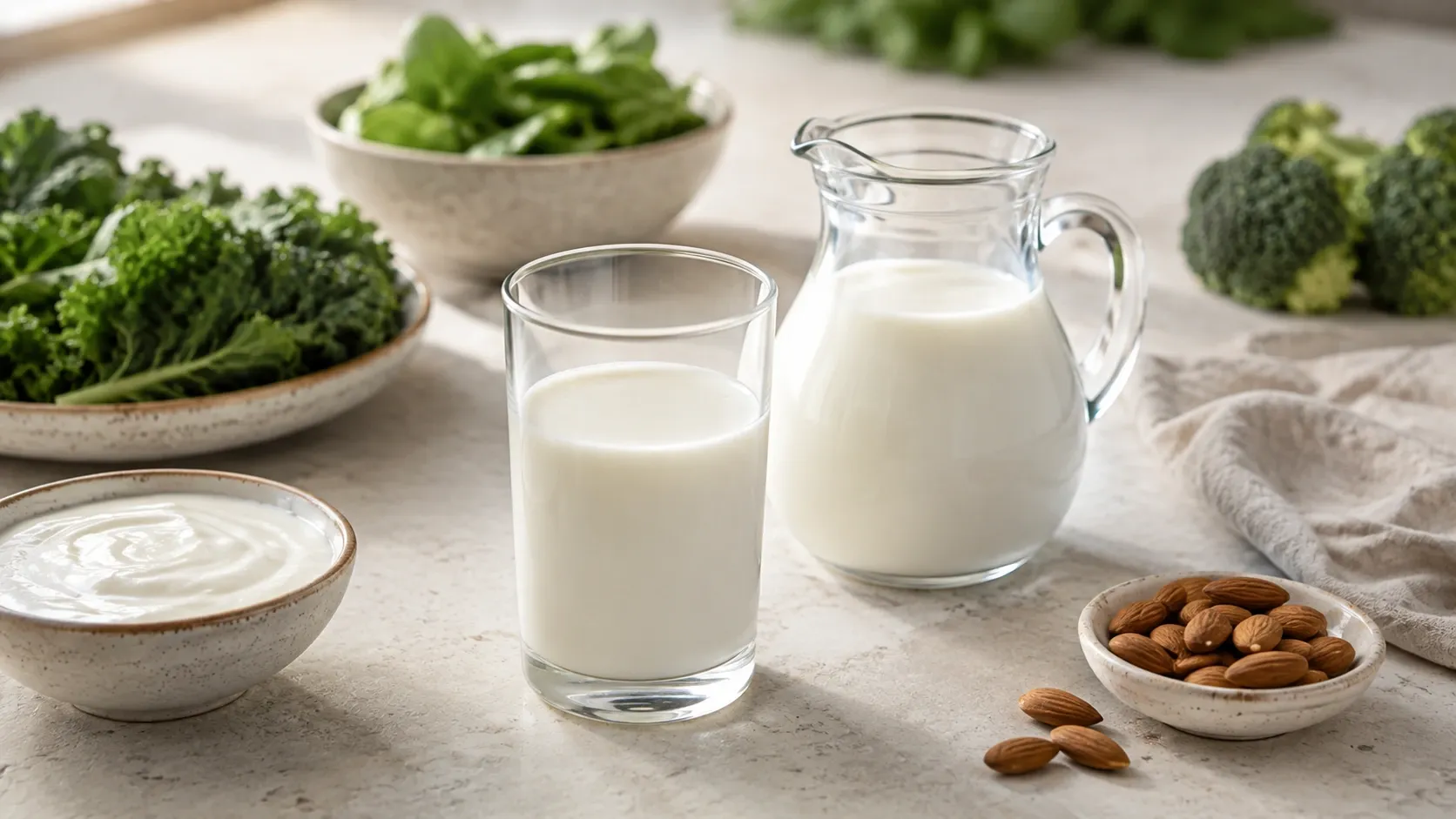
Few everyday foods generate as much debate as milk. It is praised as an important source of calcium and protein, yet it is also blamed for inflammation, cardiovascular disease, digestive problems, and even cancer.
The scientific picture is more nuanced.
Milk can be a nutritious part of the diet for people who tolerate it, but it is neither essential for everyone nor universally beneficial in every context. (TBCA)
What nutrients does milk provide?
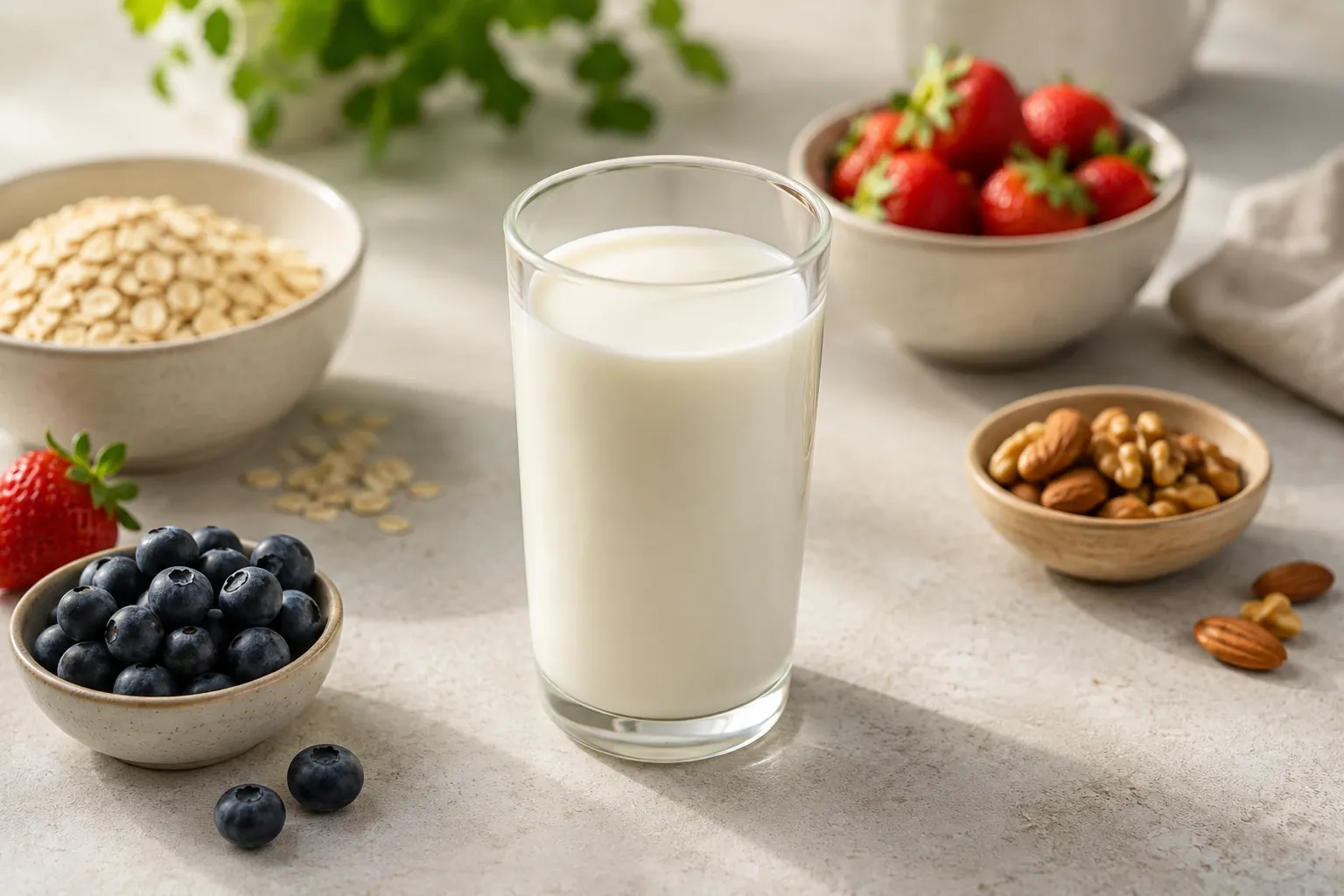
According to Brazil’s TBCA database, 200 g of whole pasteurized cow’s milk provides approximately:
| Nutrient | Approximate amount |
|---|---|
| Energy | 124 kcal |
| Carbohydrate | 9.6 g |
| Protein | 6.4 g |
| Fat | 6.8 g |
| Saturated fat | 4.0 g |
| Calcium | 214 mg |
| Phosphorus | 164 mg |
| Potassium | 266 mg |
| Vitamin B12 | 0.74 mcg |
| Vitamin D | 2.38 mcg |
Calculated from TBCA values per 100 g. Commercial milk composition can vary with fat content, fortification, processing, and product formulation. (TBCA)
Milk’s main nutritional strengths are its combination of protein, calcium, phosphorus, potassium, riboflavin, and vitamin B12. (The Nutrition Source)
Is milk a useful source of protein?
Yes.
Milk protein can contribute meaningfully to daily protein intake and is particularly convenient in meals that might otherwise contain relatively little protein.
However, milk is not necessary to meet protein requirements. Eggs, fish, meat, legumes, soy foods, and other options can serve the same purpose.
Why is milk associated with calcium?
Milk is a concentrated and convenient calcium source.
TBCA reports approximately 107 mg of calcium per 100 g of whole pasteurized milk. (TBCA)
Calcium is required for bone structure as well as muscle contraction, nerve transmission, and cellular signaling. The NIH reference intake for many adults is 1,000 mg per day, with different requirements at certain ages and life stages. (ODS)
Still, dairy is not the only way to obtain calcium. Certain vegetables, fish eaten with bones, and fortified foods can also contribute significant amounts. (ODS)
Does drinking milk prevent osteoporosis?
Milk contains several nutrients relevant to bone health, but that does not mean more milk automatically means fewer fractures.
Harvard notes that prospective meta-analyses have not shown a consistent relationship between high milk intake and reduced hip-fracture risk. (The Nutrition Source)
A 2025 umbrella review found generally favorable evidence for dairy and several measures of bone health, including bone mineral density, while also highlighting inconsistencies among studies. (PubMed)
Bone health depends on the entire picture: calcium, vitamin D, protein, physical activity, age, hormones, smoking, alcohol use, medications, and medical conditions.
Does milk cause inflammation?
Available clinical evidence does not support that claim as a general rule.
A systematic review of 27 randomized trials evaluating dairy foods or dairy proteins found mostly neutral or favorable effects on inflammatory biomarkers. All eight trials specifically examining dairy proteins reported no inflammatory effect of the intervention. (PubMed)
This does not mean every person tolerates milk comfortably. Digestive symptoms from lactose malabsorption or reactions to milk proteins are real, but they should not automatically be described as generalized systemic inflammation.
Lactose intolerance: what actually happens?
Lactose is the natural sugar in milk.
The small intestine uses an enzyme called lactase to digest it. People with lactose malabsorption produce insufficient lactase to digest all of the lactose they consume. The undigested lactose reaches the colon, where bacterial fermentation can cause gas and fluid accumulation. (NIDDK)
Symptoms can include bloating, abdominal discomfort, gas, nausea, and diarrhea.
Lactose intolerance is not a milk allergy
Lactose intolerance is a digestive problem involving a sugar.
Milk allergy is an immune reaction to milk proteins and can potentially be severe. (NIDDK)
Lactose-free cow’s milk therefore does not solve a true cow’s milk protein allergy.
Do lactose-intolerant people need to avoid all dairy?
Often, no.
The NIDDK notes that tolerance varies considerably and that many people with lactose intolerance can consume some lactose without symptoms or with only mild symptoms. Smaller portions, consuming dairy with meals, lower-lactose dairy foods, and lactose-free products can help. (NIDDK)
Lactose-free milk remains nutritionally useful and contains amounts of calcium comparable with regular milk. (NIDDK)
What about saturated fat in whole milk?
Whole milk contains saturated fat. TBCA data suggest about 4 g in 200 g of whole pasteurized milk. (TBCA)
WHO recommends that saturated fat provide no more than 10% of total dietary energy for people aged 2 years and older, with most dietary fat coming from unsaturated sources. (WHO)
However, food substitutions matter.
Replacing dairy fat with nuts, seeds, or unsaturated plant oils is nutritionally different from replacing it with processed meat or refined carbohydrates. Harvard emphasizes that this substitution issue partly explains why studies of dairy and cardiovascular disease can produce different findings. (The Nutrition Source)
Whole, reduced-fat, or skim milk?

There is no single answer for every person.
Whole milk contains more fat, saturated fat, and calories.
Reduced-fat milk falls between whole and skim.
Skim milk removes most of the fat while retaining protein and many minerals.
People whose overall diet is already high in saturated fat may find lower-fat milk useful. For others, the difference may be less important than the overall quality of the diet. (WHO)
Is milk bad for the heart?
Current evidence does not show a simple relationship in which dairy intake automatically increases cardiovascular disease.
A 2025 umbrella review found that dairy consumption was generally neutral or modestly favorable for several cardiovascular outcomes, although effects differed by dairy type and study design. (PubMed)
This does not invalidate concern about saturated fat. It means that the effects of whole foods can be more complicated than looking at a single nutrient in isolation.
Does milk prevent diabetes?
Evidence does not support using milk as a diabetes-prevention treatment.
Observational research has linked some dairy foods with a moderately lower risk of type 2 diabetes, but Harvard notes that the strongest association appears to involve fermented products such as yogurt rather than milk itself. (The Nutrition Source)
Does milk cause weight gain?
Milk contains calories, but no single food automatically causes weight gain.
Harvard summarizes randomized trials showing no special long-term weight-loss benefit from dairy when calories are not restricted. Conversely, adding large amounts of milk on top of an existing diet can increase energy intake. (The Nutrition Source)
The relevant question is how milk fits into total energy intake.
Milk and cancer: what does the evidence say?
The evidence varies by cancer type.
Observational research has associated higher milk or dairy consumption with a lower risk of colorectal cancer, while some studies report an association between higher dairy intake and greater prostate cancer risk. (The Nutrition Source)
These findings should not be converted into statements that milk either “causes cancer” or “prevents cancer.”
Observational studies cannot fully remove differences in lifestyle, diet, body weight, physical activity, smoking, and many other factors.
Do adults need cow’s milk?
No.
Adults need nutrients, not one specific food.
Milk is simply an efficient way to obtain several nutrients at the same time. People who do not consume dairy can still have nutritionally adequate diets when alternative calcium, protein, vitamin B12, and vitamin D sources are considered appropriately. (ODS)
Are plant-based milks nutritionally equivalent?
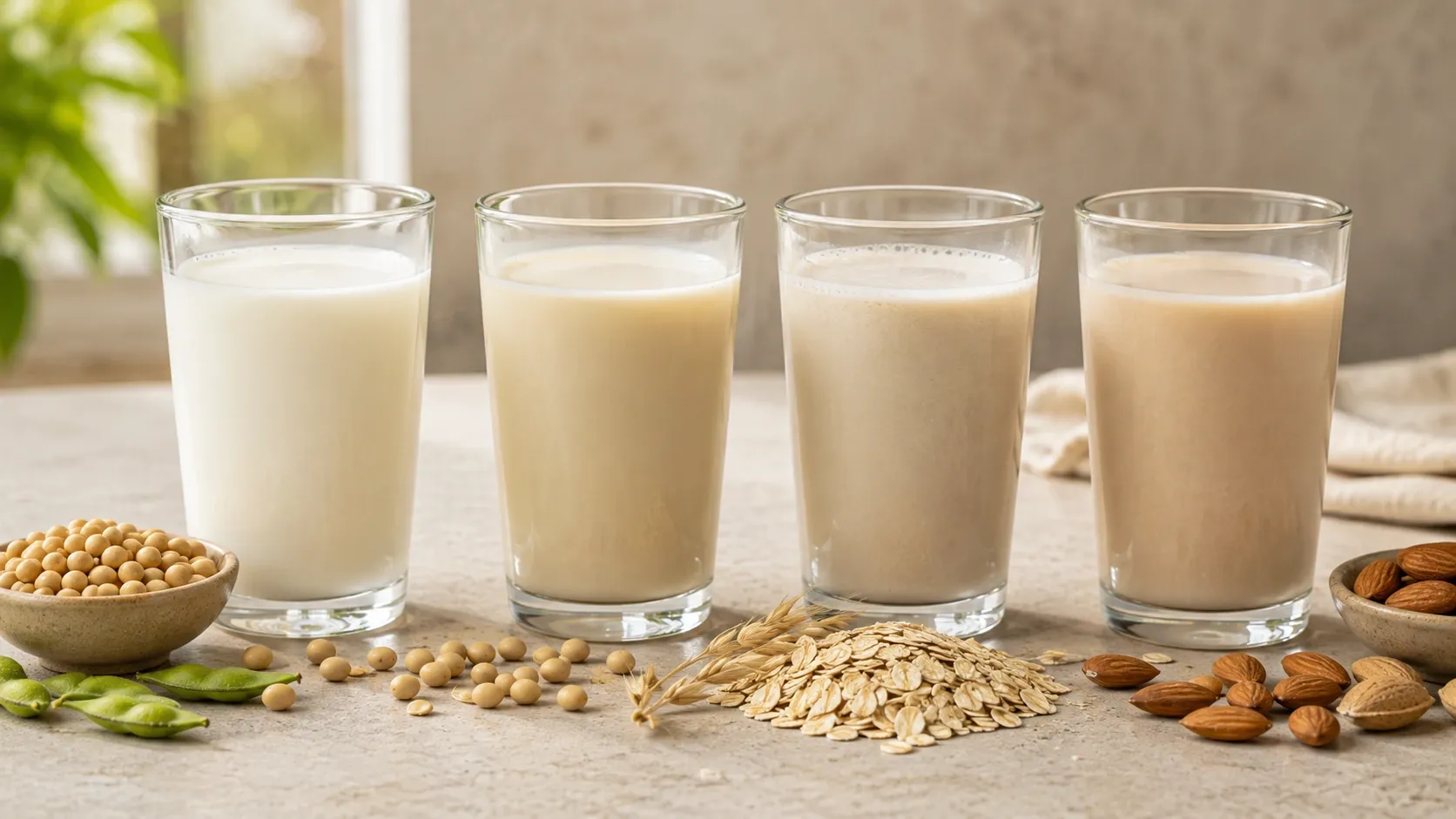
Not automatically.
Soy, oat, almond, and other plant beverages can look similar in a glass but have very different nutrient profiles.
Protein content, calcium fortification, vitamin D, vitamin B12, added sugar, and other ingredients should be checked individually. Harvard notes that plant-based options vary substantially and should not automatically be assumed to match dairy milk nutritionally. (The Nutrition Source)
Is A2 milk healthier?
A2 milk contains a different beta-casein variant from conventional milk containing A1 beta-casein.
Some small clinical trials have reported differences in digestive symptoms, but the evidence is insufficient to establish broad health advantages. Harvard also notes that many A1-versus-A2 clinical trials have been funded by companies associated with the A2 milk market. (The Nutrition Source)
A2 milk still contains lactose and is not a treatment for lactose intolerance or milk protein allergy.
Is UHT milk unhealthy?
UHT processing uses high temperature for a short time followed by aseptic packaging, allowing unopened milk to remain shelf-stable for longer.
The process does not eliminate the milk’s protein or calcium. Brazilian TBCA data continue to show meaningful amounts of protein, calcium, phosphorus, B vitamins, and other nutrients in UHT milk. (TBCA)
Ingredients vary by product, so the label should be checked rather than assuming every UHT milk has exactly the same formulation.
Is raw milk better?
From a food-safety perspective, pasteurized milk is the safer choice.
Raw milk can contain disease-causing microorganisms, including Salmonella, Listeria, E. coli, and Campylobacter. (CDC)
This became particularly relevant during the H5N1 outbreak in dairy cattle. FDA research and commercial sampling confirmed that pasteurization effectively inactivates H5N1 and found no viable virus in the pasteurized commercial dairy samples evaluated. (FDA)
There is no established nutritional advantage of raw milk that outweighs this microbiological risk.
How to decide whether milk belongs in your diet
For most people, four questions are useful:
- Do you enjoy and tolerate it?
- Does it help you meet calcium or protein needs?
- What does the rest of your diet look like?
- Do you have lactose intolerance, a milk allergy, high LDL cholesterol, or another condition requiring individualized advice?
If milk causes recurrent symptoms, diagnosing the cause is more useful than assuming the food is broadly “inflammatory.” (NIDDK)
Conclusion
So, is milk healthy?
For many people, yes. Milk is a convenient source of protein, calcium, phosphorus, potassium, riboflavin, and vitamin B12. (TBCA)
But it is not essential. A healthy diet can be built without cow’s milk when key nutrients are obtained elsewhere.
Clinical evidence also does not support describing milk as inherently inflammatory. Bone-health benefits are more nuanced than the traditional claim that “milk prevents fractures,” and cardiovascular effects depend partly on fat content, dairy type, and what replaces milk in the diet. Cancer findings differ by cancer type and remain largely observational. (PubMed)
The most evidence-based conclusion is therefore a balanced one: milk can be a healthy food, but whether it is useful for a particular person depends on tolerance, dietary context, quantity, and individual nutritional needs.