Is Tofu Healthy? Protein, Nutrition and Benefits
Tofu provides complete plant protein and may supply calcium, iron and soy isoflavones. Learn about its nutrition, benefits, safety and common myths.
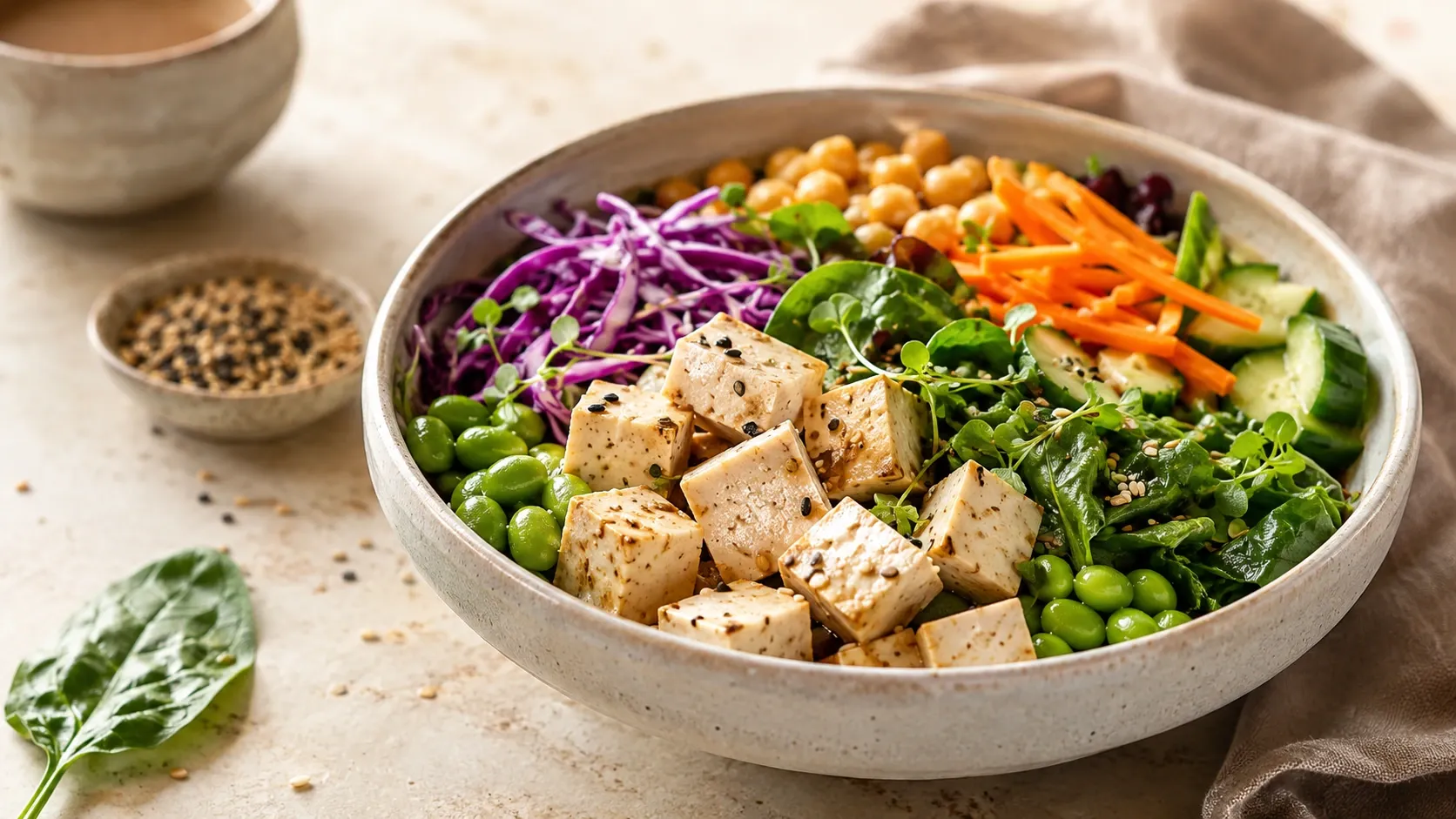
Yes. Tofu can be a healthy food for most people. Made from soybeans, it provides high-quality plant protein, mostly unsaturated fats and several minerals, although its exact nutrient profile varies considerably between products. Tofu also provides isoflavones, naturally occurring soy compounds that have been the subject of both extensive research and persistent health myths. (The Nutrition Source)
That does not mean tofu prevents disease on its own. The evidence is better understood in the context of an overall dietary pattern and, importantly, the foods tofu replaces.
What is tofu?
Tofu is produced from soybeans and water. A soy liquid is coagulated and, for many varieties, pressed into blocks ranging from silken and soft to extra firm. Calcium sulfate is one of the coagulants that may be used. (www.heart.org)
Differences in water content and manufacturing help explain why nutrition labels can vary substantially between tofu products.
When comparing tofu, it is therefore useful to consider the type, serving size, brand and coagulant, rather than assuming every block has the same nutritional composition.
Is tofu high in protein?
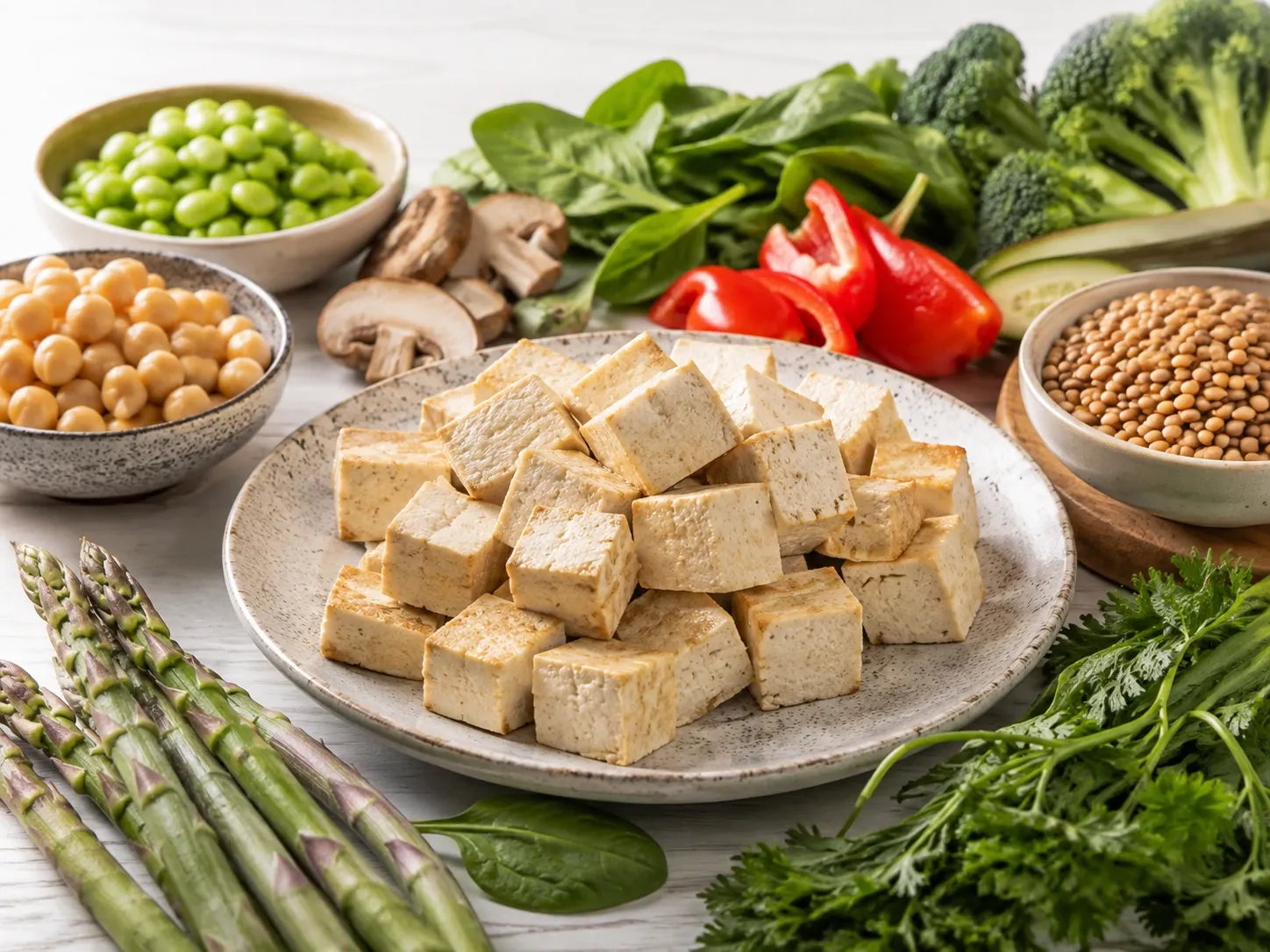
It can be an excellent source.
Soy stands out among plant foods because it provides all nine essential amino acids, making soy protein a complete protein. (The Nutrition Source)
Harvard lists approximately 8 grams of protein in 3 ounces, or around 85 grams, of soft tofu. A USDA-based figure reported by the American Heart Association lists 21.8 grams in half a cup of firm tofu. (The Nutrition Source)
| Tofu example | Serving | Protein |
|---|---|---|
| Soft tofu | ~85 g / 3 oz | ~8 g |
| Firm tofu* | 1/2 cup | ~21.8 g |
*Values come from different reference products and illustrate why tofu nutrition can vary. Check the product label for precise values.
This makes tofu particularly useful in vegetarian and vegan diets, although people who eat animal foods can also use it simply to diversify their protein sources.
What nutrients does tofu contain?
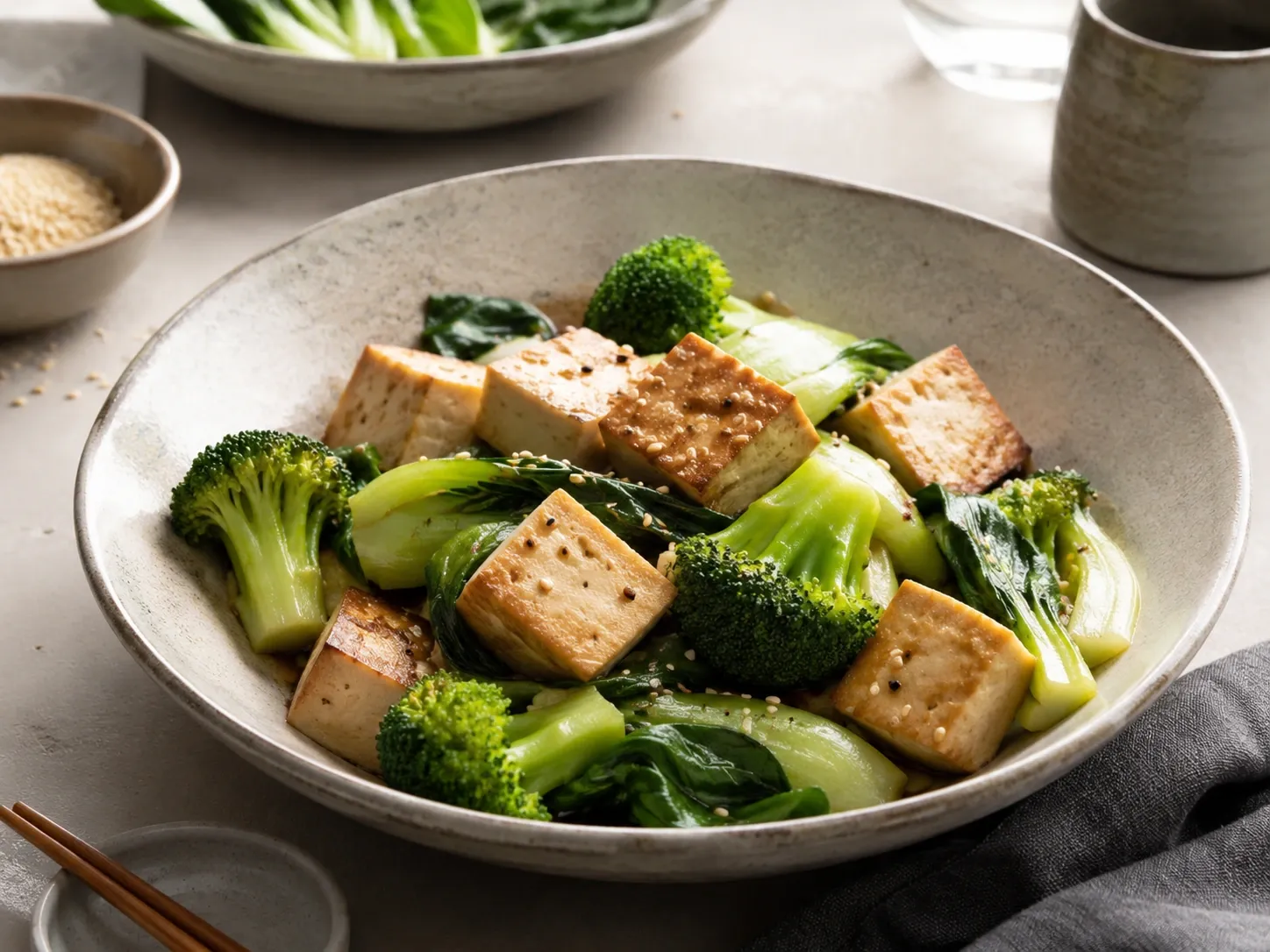
In addition to protein, tofu can provide mostly polyunsaturated fat and nutrients including calcium, iron and manganese. Soy foods as a group also provide nutrients such as B vitamins, magnesium and potassium. (www.heart.org)
Calcium deserves special attention because its concentration can depend heavily on the coagulant.
The NIH Office of Dietary Supplements provides these reference values: (ODS)
| Product | Serving | Calcium |
|---|---|---|
| Firm tofu made with calcium sulfate | 1/2 cup | 253 mg |
| Soft tofu made with calcium sulfate | 1/2 cup | 138 mg |
The NIH notes that these calcium values apply to tofu processed with calcium salts. Products made with other coagulants may contain substantially less. (ODS)
What are the isoflavones in tofu?
Isoflavones are plant compounds found in relatively high concentrations in soybeans. Genistein and daidzein are among the best studied.
They are often described as phytoestrogens because they can interact with estrogen receptors. However, their effects are much weaker than human estrogen and can vary according to tissue, hormone levels, dose and the form of soy being studied. (The Nutrition Source)
Harvard lists roughly 20 mg of isoflavones in 3 ounces of soft tofu, although concentrations vary across soy products. (The Nutrition Source)
This biological complexity is one reason statements such as “soy acts like estrogen in the body” are overly simplistic.
Does tofu affect testosterone in men?
Current clinical evidence does not support that claim.
An updated meta-analysis of clinical studies examining soy and isoflavone consumption found no significant effects on total testosterone, free testosterone, estradiol, estrone or other reproductive hormone measurements evaluated in men. (PubMed)
This is stronger evidence than isolated case reports or experiments performed only in animals.
Based on the available clinical evidence, normal dietary soy intake has not been shown to lower testosterone or cause feminizing hormonal effects in men. (PubMed)
Can tofu help lower cholesterol?
The effect appears to be real but modest.
A meta-analysis of 46 studies identified by the FDA concluded that soy protein reduced LDL cholesterol by approximately 3% to 4% in adults. (PubMed)
That is considerably less dramatic than some historic health claims surrounding soy.
There may also be a substitution effect. Replacing some foods high in saturated fat with tofu can change the overall fat and protein profile of a meal because tofu tends to provide predominantly unsaturated fat. (The Nutrition Source)
In nutrition, what a food replaces can be as important as the food itself.
What about heart health?
Observational research has produced encouraging findings.
In three large US cohorts, higher tofu intake was associated with a moderately lower risk of coronary heart disease. Eating at least one tofu serving per week versus less than one per month was associated with an approximately 18% lower risk in the study. (PubMed)
However, this finding does not prove that tofu itself caused the lower risk. People who regularly eat tofu may differ in many other dietary and lifestyle behaviors.
A more appropriate conclusion is that tofu fits well into heart-healthy dietary patterns, especially when it replaces less favorable protein sources. (The Nutrition Source)
Does tofu increase breast cancer risk?
Concerns have largely centered on the ability of isoflavones to interact with estrogen receptors.
Human evidence, however, does not indicate that habitual consumption of soy foods increases breast cancer risk. Observational studies generally show either neutral associations or lower risk in certain populations. (The Nutrition Source)
This does not mean tofu should be considered a cancer treatment or that it can independently prevent cancer.
It is also important to distinguish traditional soy foods such as tofu from concentrated isoflavone supplements. They should not automatically be assumed to produce the same biological effects. (NCCIH)
People undergoing treatment for hormone-sensitive cancers should discuss major dietary changes and supplements with their oncology team.
What about thyroid health?
In people with normal thyroid function and adequate iodine intake, available evidence has not shown major changes in thyroid hormone production from soy.
A meta-analysis of 18 randomized trials found a small increase in TSH but no significant change in T3 or T4. The clinical significance of the small TSH change remained uncertain. (PubMed)
There is a separate issue for people taking thyroid medication: soy can interfere with the absorption of thyroid hormone used to treat hypothyroidism. That does not necessarily mean tofu must be avoided, but intake should be coordinated with professional advice. (PubMed)
Who should avoid or limit tofu?
The clearest concern is soy allergy. Soybeans are recognized by the FDA as one of the major food allergens, so anyone with a diagnosed soy allergy needs to follow appropriate avoidance advice. (FDA)
Some people may also experience gastrointestinal symptoms such as bloating, constipation, diarrhea or nausea. Certain medications may interact with specific soy products, which is another reason people receiving medical treatment should discuss unusually high soy or supplement intake with their healthcare professional. (NCCIH)
Concentrated soy or isoflavone supplements should also not automatically be treated as equivalent to ordinary amounts of tofu eaten as food. (NCCIH)
What is the healthiest way to eat tofu?
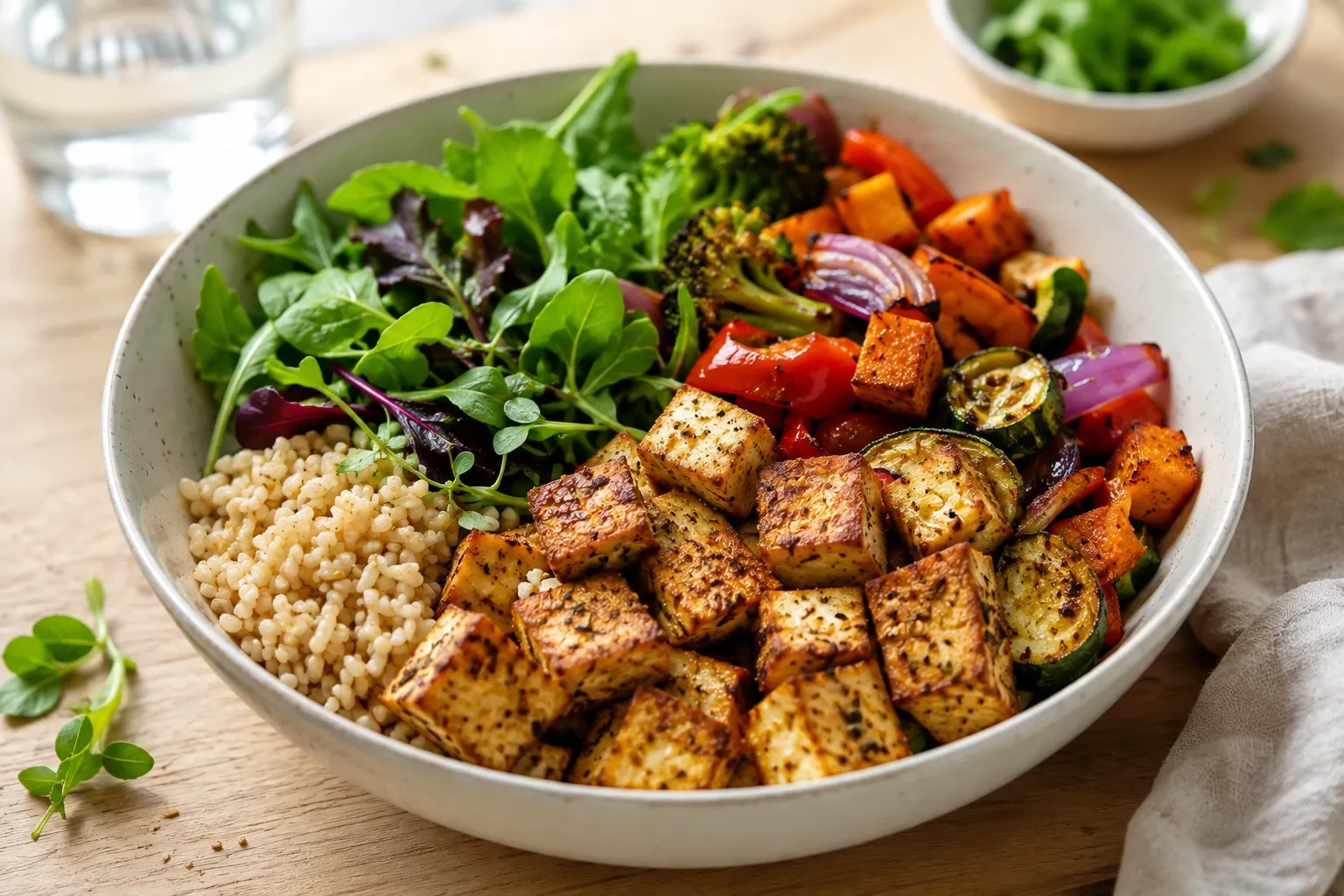
Tofu readily absorbs seasonings, making it useful in a wide range of meals.
Healthy options include:
- baking it with herbs and spices;
- grilling it;
- stir-frying it with vegetables;
- adding it to soups;
- using it in curries;
- adding it to salads;
- blending silken tofu into creamy dishes;
- using it as the protein component of rice or noodle dishes.
Preparation still matters. Large amounts of sodium, added sugar or saturated fat can change the nutritional quality of an otherwise balanced tofu dish. (www.heart.org)
Is tofu worth adding to your diet?
For people who enjoy it, tofu can be a valuable and versatile food.
It provides complete plant protein, can contribute significant calcium when manufactured with calcium salts, offers predominantly unsaturated fat and can replace a variety of animal protein sources. (The Nutrition Source)
Current clinical evidence also challenges common fears surrounding soy, particularly the claim that ordinary tofu intake lowers testosterone in men. (PubMed)
Conclusion
Tofu is a nutritious food that can comfortably fit into a healthy diet for most people. Its exact nutritional profile varies, so checking the label is worthwhile if protein, calcium or sodium content is particularly important to you.
Soy protein appears to produce a modest reduction in LDL cholesterol, while observational studies suggest tofu may fit well within heart-healthy dietary patterns. These findings should not be interpreted as evidence that tofu is a medicine or a stand-alone disease-prevention strategy. (PubMed)
People with soy allergy, thyroid medication use or specific medical conditions may need individualized guidance. (NCCIH)