Chickpeas: Nutrition, Benefits and Ways to Eat Them
Chickpeas provide plant protein, fiber, folate and minerals. Learn about their nutrition, evidence-based benefits and practical ways to include them in your diet.
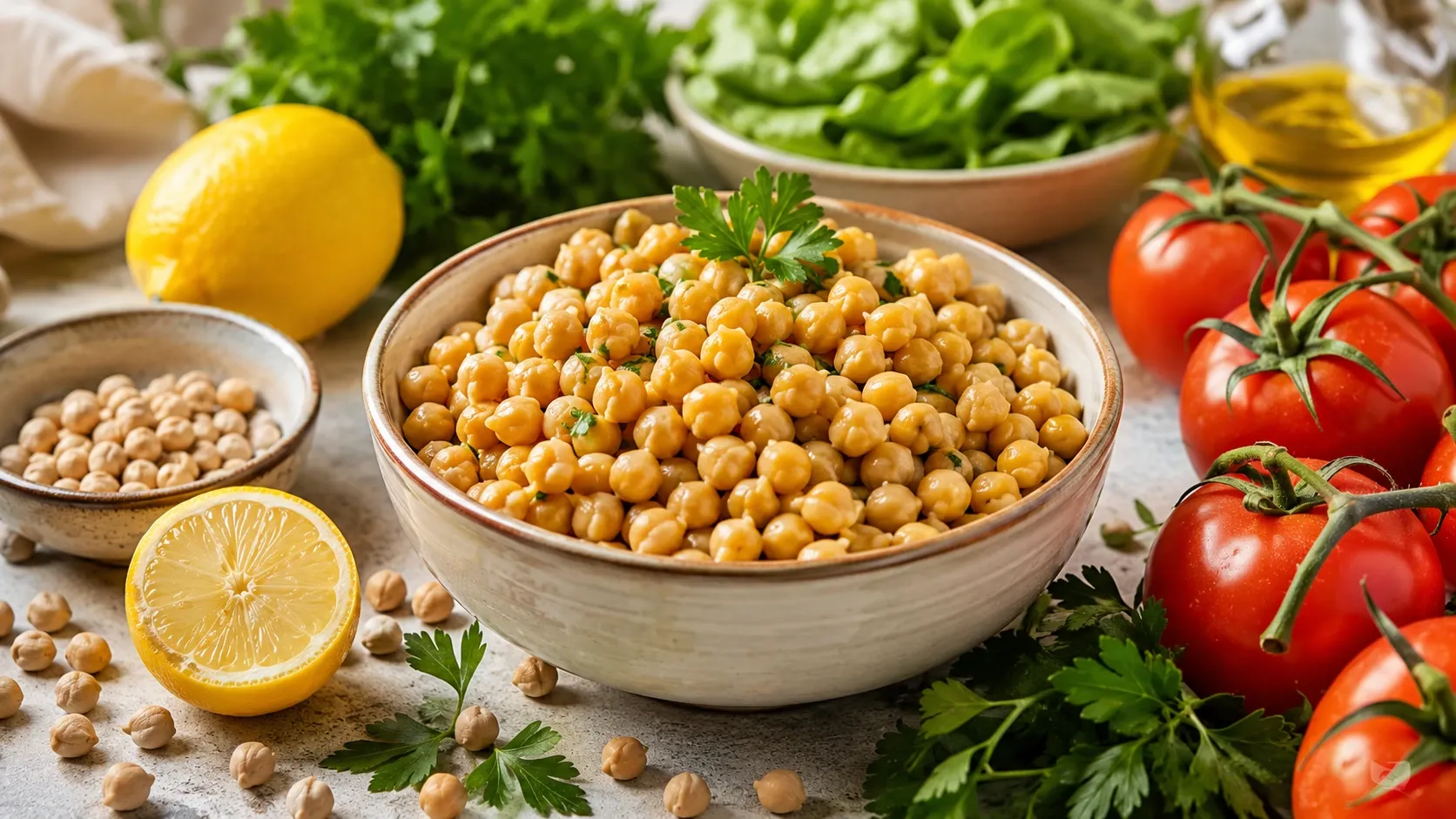
Chickpeas (Cicer arietinum), also known as garbanzo beans, are pulses that provide carbohydrates, plant protein, dietary fiber and several micronutrients.
They can be used in salads, soups, stews, curries, hummus, roasted snacks and many other dishes. The World Health Organization includes chickpeas and other pulses among the food groups that can provide high-quality carbohydrates within a healthy dietary pattern. (WHO)
Their nutritional profile is impressive, but chickpeas should not be treated as a cure or a stand-alone solution for any disease. Their potential benefits depend on the overall dietary pattern and individual health circumstances.
What nutrients are found in chickpeas?
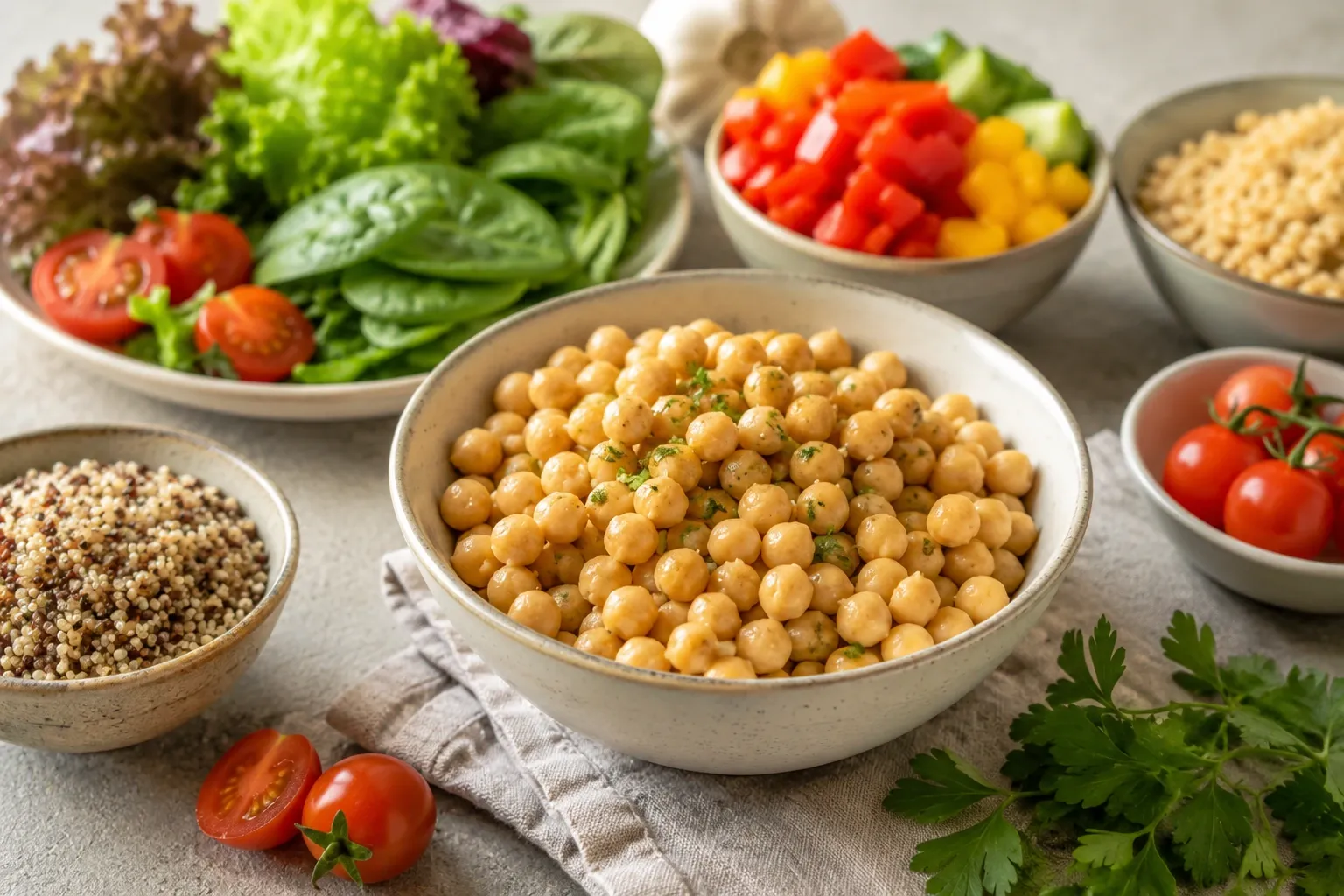
According to the Brazilian Food Composition Table, 100 g of cooked, drained chickpeas without added oil or salt provide approximately: (TBCA)
| Nutrient | Amount per 100 g |
|---|---|
| Energy | 115 kcal |
| Total carbohydrates | 20.8 g |
| Protein | 7.53 g |
| Dietary fiber | 7.47 g |
| Fat | 1.86 g |
| Iron | 2.43 mg |
| Magnesium | 37.1 mg |
| Phosphorus | 124 mg |
| Potassium | 274 mg |
| Zinc | 2.05 mg |
| Manganese | 1.28 mg |
| Folate equivalent | 134 mcg |
Actual nutrient levels can vary with chickpea variety, preparation method and water content. (PubMed)
One of the most useful nutritional characteristics of chickpeas is that they provide both plant protein and fiber.
Are chickpeas a good source of protein?
Yes. About 7.5 g of protein per 100 g of cooked chickpeas makes them a meaningful plant-protein food. (TBCA)
They do not need to be the only protein source in a meal or diet. A varied eating pattern can include several pulses, whole grains, nuts, seeds and, depending on dietary preferences, eggs, dairy products, meat or fish.
For vegetarian and vegan diets in particular, chickpeas are a versatile way to increase intake of minimally processed plant protein.
Chickpeas provide a substantial amount of fiber
A 100 g serving of the cooked chickpeas analyzed by TBCA provides approximately 7.5 g of dietary fiber. (TBCA)
WHO guidance recommends that people older than 10 aim for at least 25 g of naturally occurring dietary fiber each day, while requirements for younger children are lower. Pulses are among the food groups recommended as sources of high-quality carbohydrates and fiber. (WHO)
Chickpeas can therefore make a meaningful contribution to daily fiber intake alongside vegetables, fruit, whole grains, nuts and seeds.
Can chickpeas help you feel full?
Pulses may support satiety.
A systematic review and meta-analysis of controlled feeding trials examining beans, peas, chickpeas and lentils found greater short-term satiety after pulse-containing meals. However, the analysis did not find a significant reduction in food intake at the following meal, and the authors highlighted limitations such as small sample sizes. (PubMed)
It is therefore reasonable to say that pulses may help promote fullness, but not that chickpeas automatically cause weight loss.
Chickpeas and blood sugar
Chickpeas contain carbohydrates together with fiber and protein, making them nutritionally different from highly refined carbohydrate foods.
A systematic review and meta-analysis of randomized controlled trials found that pulse consumption improved several measures of glycemic control in adults with and without type 2 diabetes. The studies included different types and amounts of pulses, so the findings should not be attributed exclusively to chickpeas. (Springer)
Chickpeas can therefore be part of an appropriate eating pattern for people with diabetes, but they do not replace medical treatment or individualized nutrition advice.
What about heart health and cholesterol?
Evidence is strongest for pulses considered as a food group.
An updated 2026 systematic review and dose-response meta-analysis included 38 randomized trials with 2,095 participants. Whole-pulse interventions produced small-to-moderate improvements in LDL and other lipid targets. (AHA Journals)
Importantly, the researchers also stated that further trials specifically examining chickpeas, dried peas and lentils are needed. (Medical University Graz)
The most accurate conclusion is therefore that chickpeas can be part of a heart-healthy dietary pattern rather than that chickpeas themselves function as a cholesterol-lowering treatment.
Folate, iron and other micronutrients
Chickpeas also supply several important micronutrients.
The TBCA analysis lists approximately 134 mcg of folate equivalent per 100 g of cooked chickpeas. Folate plays essential roles in DNA and RNA synthesis, amino-acid metabolism and normal cell division. (TBCA)
The same chickpea preparation contains about 2.43 mg of iron per 100 g. As with other plant foods, this is nonheme iron. (TBCA)
Nonheme iron is less bioavailable than heme iron. Vitamin C consumed as part of the same meal can improve its absorption, while phytate can reduce it. (ODS)
Pairing chickpeas with foods such as tomatoes, bell peppers or lemon is therefore an easy way to add vitamin C to the meal.
Do chickpeas contain carbohydrates?
Yes, and this is not a nutritional disadvantage by itself.
Cooked chickpeas contain approximately 20.8 g of total carbohydrates per 100 g, with around 7.47 g of dietary fiber. (TBCA)
Looking only at the carbohydrate number ignores the complete food matrix, which also contains protein, fiber, vitamins and minerals.
WHO guidance recommends obtaining carbohydrates primarily from foods including whole grains, vegetables, fruits and pulses rather than relying heavily on refined sources. (WHO)
How to prepare dried chickpeas
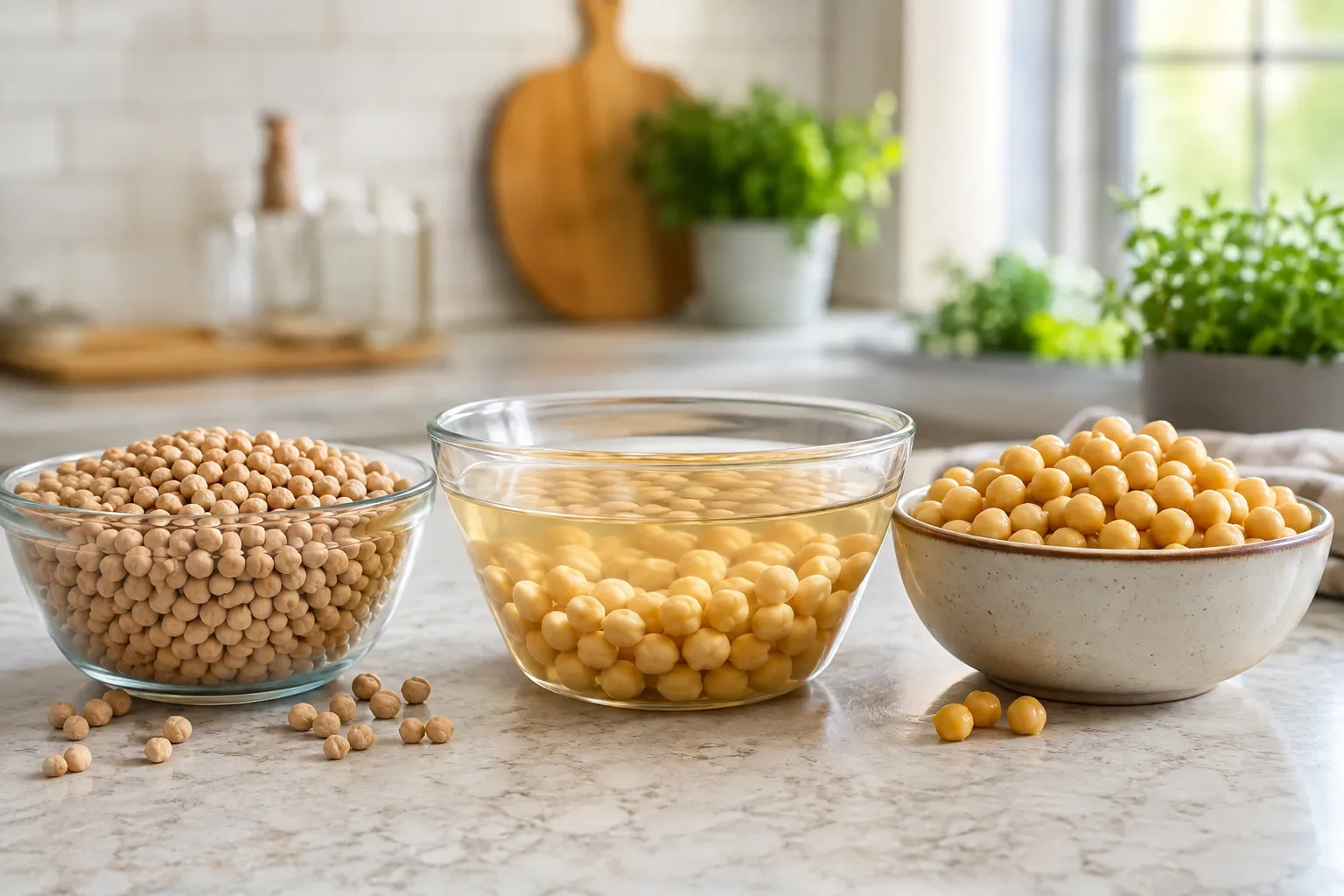
Dried chickpeas need to be cooked before they are eaten.
Soaking them for several hours or overnight is a commonly used preparation step. Soaking and cooking, as well as processes such as germination and fermentation, can alter antinutritional compounds naturally found in chickpeas and affect nutrient availability. (PubMed)
After soaking:
- Drain the chickpeas.
- Add fresh water.
- Cook until tender.
- Season according to the dish you are preparing.
Cooking time varies depending on the chickpeas and cooking method.
Dried vs. canned chickpeas
Both can fit into a healthy eating pattern.
Dried chickpeas provide more control over seasoning, salt and texture but require more preparation.
Canned chickpeas are much more convenient. WHO guidance recognizes that canned foods can be healthy choices when they do not contain excessive sodium or added sugars. (WHO)
When choosing canned chickpeas, check the sodium content, select lower-sodium versions when practical and drain them before adding them to a recipe.
Ways to eat chickpeas
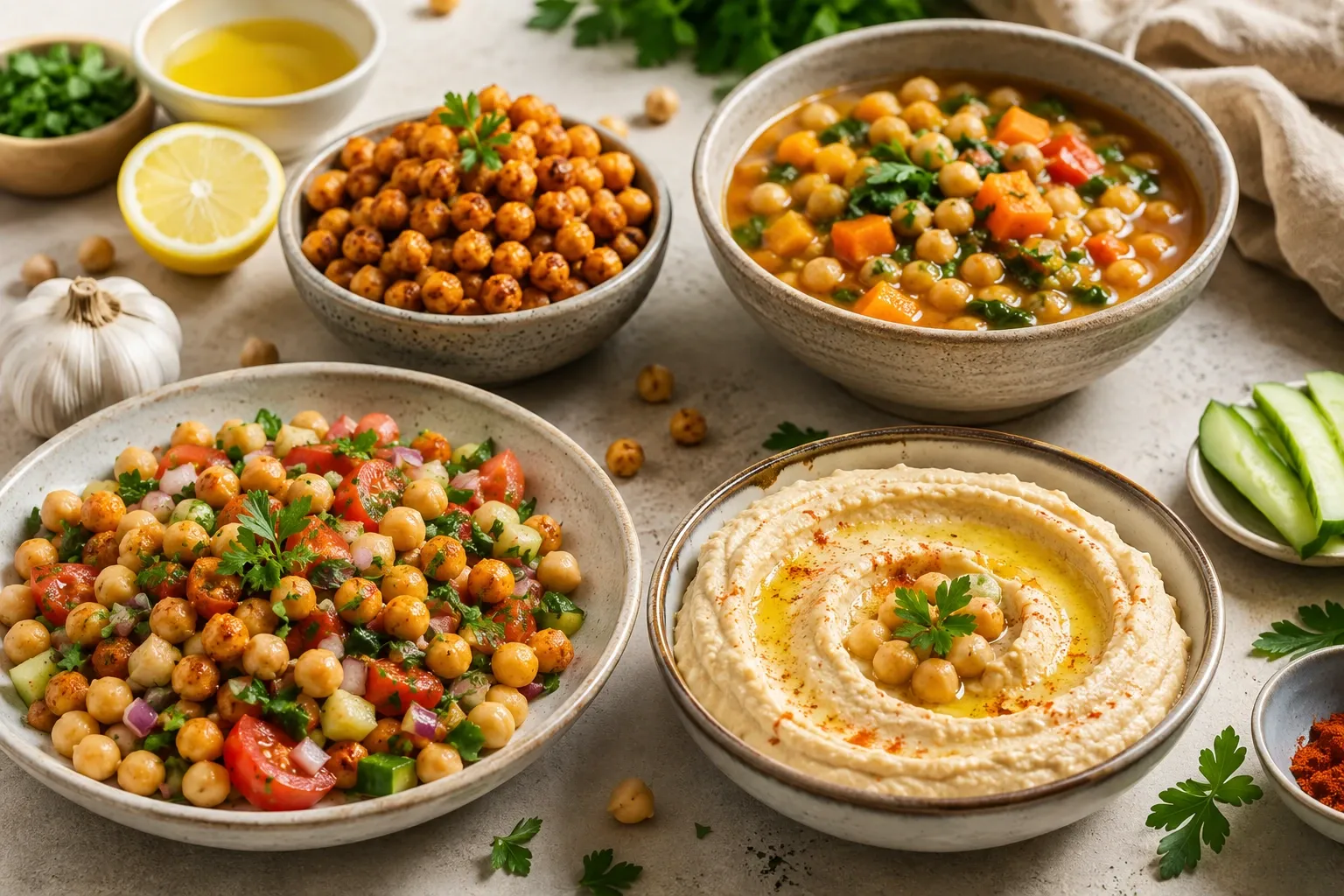
Chickpeas are remarkably versatile.
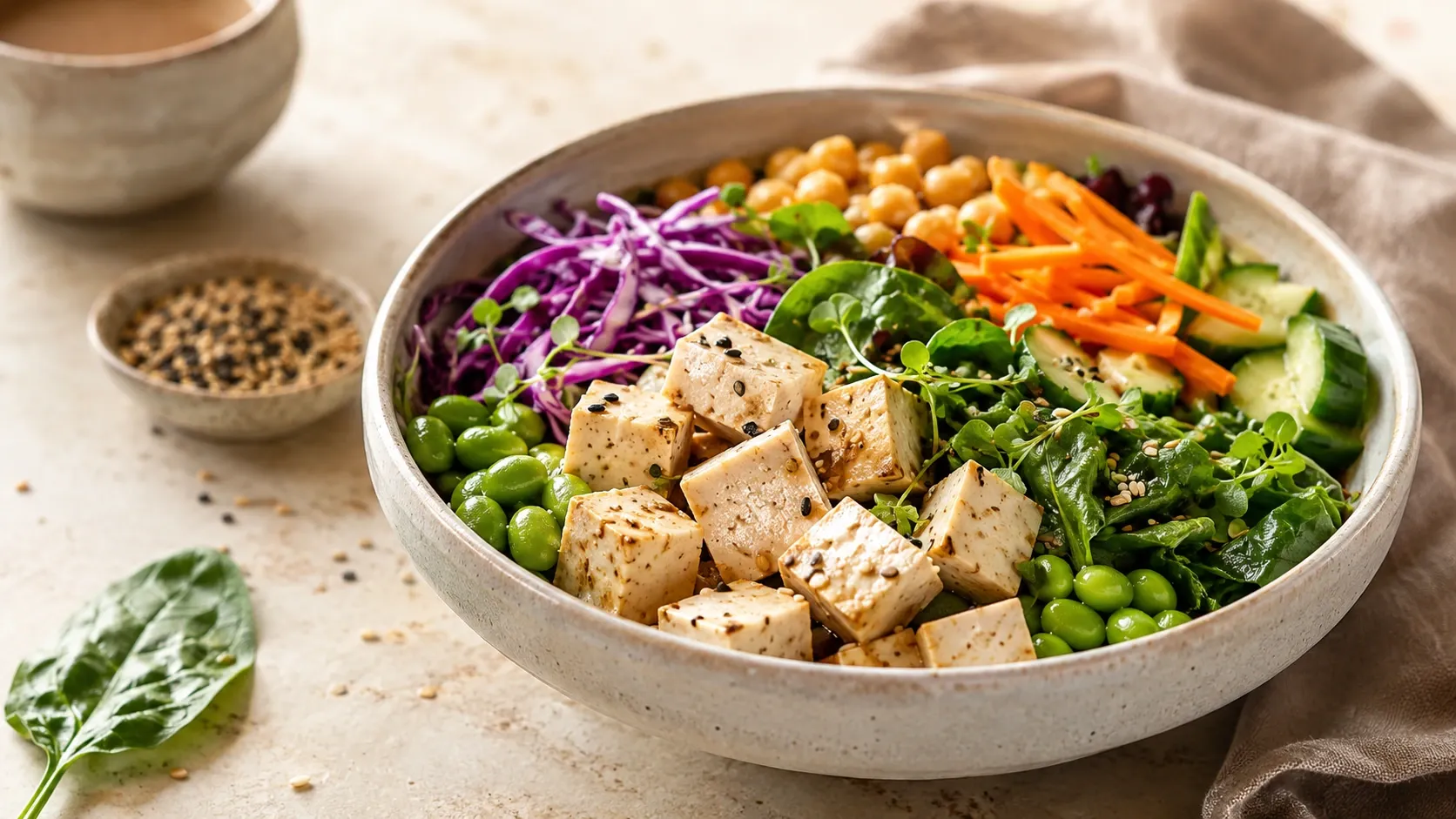
Add them to salads
Cooked and cooled chickpeas work well with tomatoes, cucumber, leafy vegetables, herbs, lemon and olive oil.
Use them in soups and stews
They can be added to vegetable soups, curries and stews as a source of plant protein and fiber.
Make hummus
Hummus generally combines chickpeas with tahini, lemon and seasonings. Its final nutritional composition varies according to the amounts of tahini, oil and salt used.
Roast them
Cooked chickpeas can be dried, seasoned and roasted for a firmer, crispier texture.
Mash them into spreads and fillings
Mashed chickpeas can be combined with vegetables, herbs and seasonings for sandwiches, wraps and other dishes.
Use chickpea flour
Chickpea flour is another way to use the pulse in batters, savory dishes and baked preparations. Its nutritional profile within a meal will depend on the complete recipe.
How much chickpea should you eat?
There is no single ideal daily serving that applies to everyone.
Energy requirements, protein and fiber needs, activity levels, medical conditions and the rest of the diet all influence appropriate portion sizes.
It is generally more useful to think of chickpeas as one member of the pulse family and rotate them with lentils, beans, peas and other nutritious foods. WHO healthy-diet guidance emphasizes adequacy, balance, moderation and dietary diversity. (WHO)
Are chickpeas healthy?
For most people, chickpeas are a nutritious food that fits very well into a balanced diet.
They provide plant protein, fiber, carbohydrates, folate, iron, magnesium, phosphorus, potassium, zinc and other nutrients. (TBCA)
Research also supports pulses as part of dietary patterns associated with improvements in several cardiometabolic markers. The evidence does not, however, justify treating chickpeas as a medicine or as a food that can compensate for an otherwise poor-quality diet. (Springer)
Conclusion
Chickpeas combine three valuable nutritional features in one versatile food: plant protein, dietary fiber and a broad range of micronutrients.
They work well in salads, soups, stews, hummus, spreads, roasted dishes and many other recipes.
Rather than searching for a single “superfood,” the strongest nutritional strategy is to build a varied and balanced eating pattern. Chickpeas can be an excellent part of that pattern.