Lentils: Nutrition, Benefits, and How to Cook Them
Lentils provide plant protein, fiber, folate, iron, and other minerals. Learn about their nutrition, potential health benefits, and the best ways to cook them.
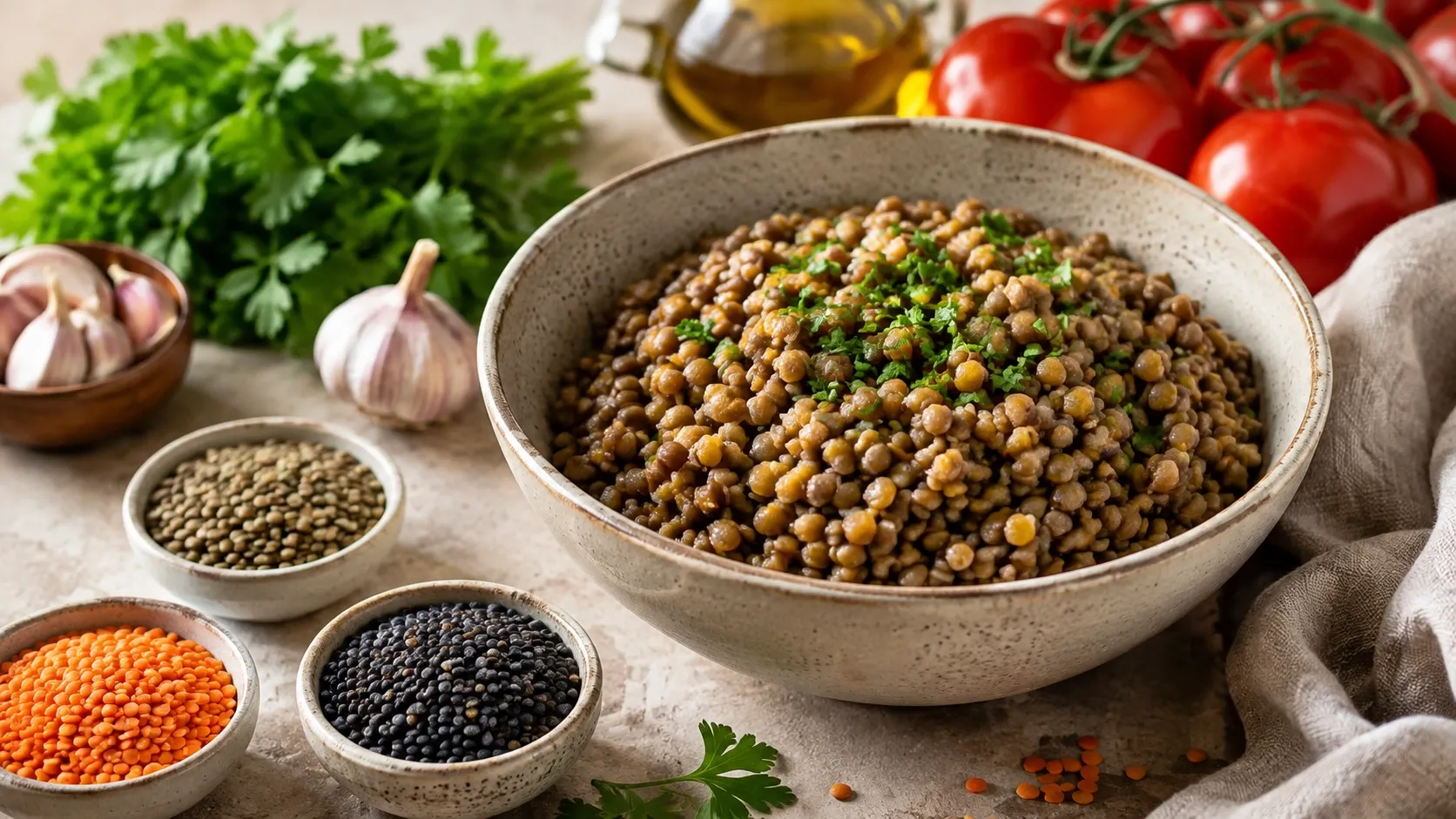
Small, versatile, and easy to use, lentils belong to the pulse family alongside dried beans, peas, and chickpeas. They work in soups, salads, stews, grain bowls, plant-based patties, dips, and traditional dishes from cuisines around the world. (The Nutrition Source)
Nutritionally, lentils offer an appealing combination of plant protein, fiber, complex carbohydrates, vitamins, and minerals. Brazil’s national dietary guidelines include lentils among minimally processed foods and encourage people to vary the types of legumes they eat as part of a diverse diet. (Brazilian Ministry of Health)
What nutrients are in lentils?
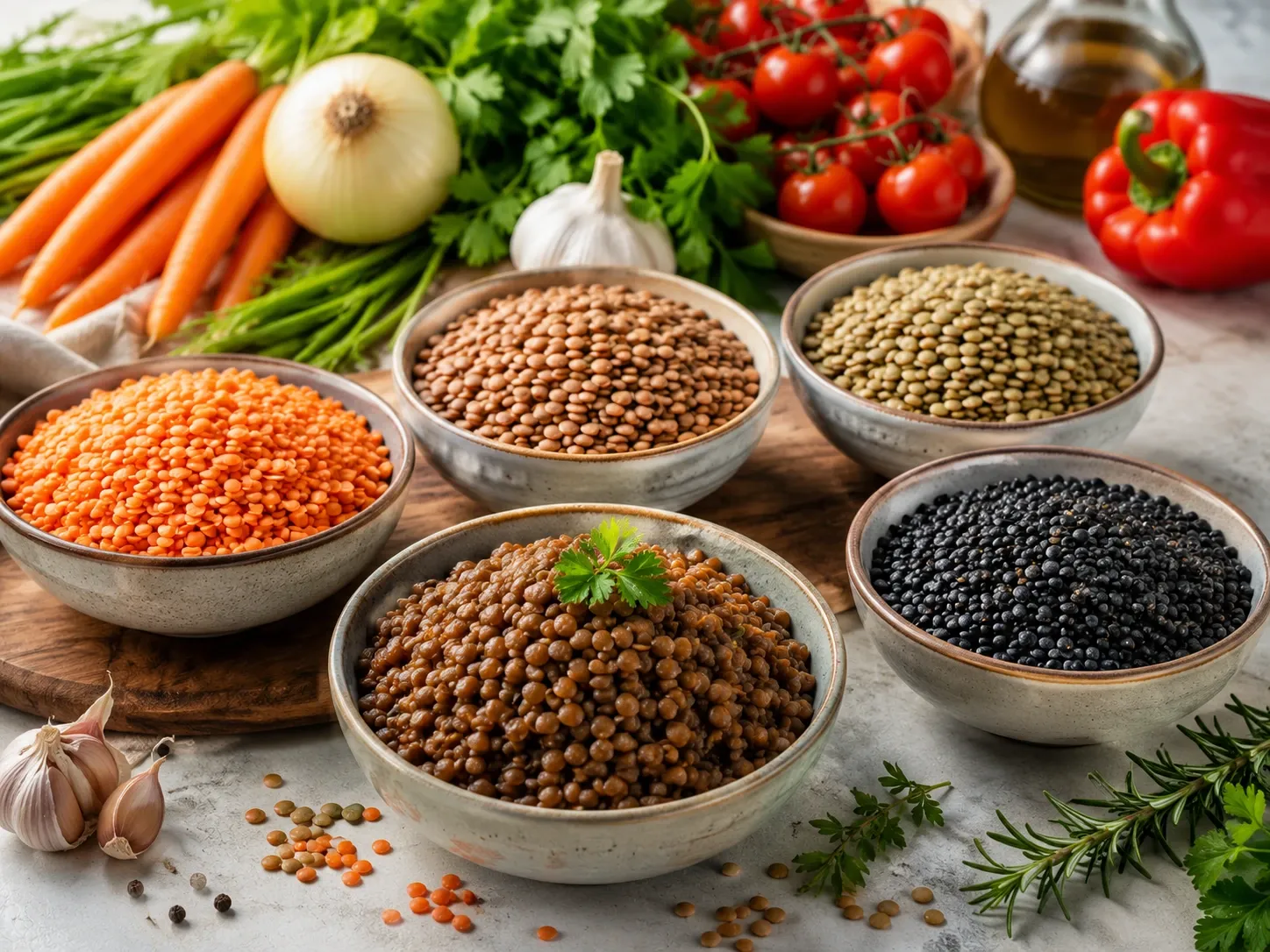
Nutrient content varies with variety, water absorption, and cooking method. As a reference, the Brazilian Food Composition Table provides the following values for 100 g, or about 3.5 oz, of cooked, drained lentils prepared without oil or salt: (TBCA)
| Nutrient | Amount per 100 g |
|---|---|
| Energy | 98 kcal |
| Protein | 7.30 g |
| Total carbohydrate | 19.6 g |
| Available carbohydrate | 13.2 g |
| Dietary fiber | 6.44 g |
| Fat | 0.46 g |
| Iron | 1.75 mg |
| Magnesium | 25.5 mg |
| Phosphorus | 122 mg |
| Potassium | 259 mg |
| Zinc | 1.33 mg |
| Folate equivalent | 166 mcg |
Source: Brazilian Food Composition Table. (TBCA)
One of the most useful features of this profile is the combination of protein and fiber with very little fat. Harvard’s Nutrition Source also identifies lentils as a source of folate, iron, potassium, and manganese. (The Nutrition Source)
Are lentils a good plant-protein food?
Yes. Cooked lentils provide roughly 7.3 g of protein per 100 g in the Brazilian composition database, making them a convenient way to include more plant protein in meals. (TBCA)
Traditional combinations of grains and legumes also provide nutritional complementarity. Lentils can therefore be paired with rice or other grains, vegetables, herbs, and a wide variety of other foods as part of a balanced meal. (Brazilian Ministry of Health)
They do not need to be treated as a mandatory replacement for any single food. Overall dietary variety and adequacy matter more than relying on one ingredient.
Fiber is a major nutritional advantage
With about 6.44 g of dietary fiber per 100 g cooked, lentils can make a meaningful contribution to fiber intake. (TBCA)
Pulses also contain resistant starch and nondigestible carbohydrates that reach the colon and can be fermented by gut bacteria. That fermentation is one reason lentils may produce gas or bloating in some people. (The Nutrition Source)
Their combination of fiber, protein, and absorbed water also makes lentils a filling food. Brazil’s dietary guidelines describe legumes as particularly satiating because of their fiber content and moderate energy density.
Lentils provide iron and folate
According to the Brazilian food composition database, 100 g of cooked lentils provides about 1.75 mg of iron and 166 mcg of folate equivalent. (TBCA)
Iron in plant foods is predominantly nonheme iron, which is absorbed less efficiently and is more strongly influenced by other foods in the meal than heme iron. Vitamin C enhances the absorption of nonheme iron. (ODS)
Pairing lentils with tomatoes, bell peppers, citrus fruit, or other vitamin C-rich foods is therefore a practical strategy, particularly for people whose diets rely heavily on plant sources of iron. (ODS)
What health benefits may lentils offer?
They can fit into a heart-healthy eating pattern
The strongest evidence does not support treating lentils as medicine. Instead, research suggests that pulses can be useful components of dietary patterns that support cardiovascular health.
A systematic review and meta-analysis of randomized clinical trials published in CMAJ found that dietary pulses lowered LDL cholesterol. Because these trials included several types of pulses, the result cannot be attributed to lentils alone. (PubMed)
A newer 2023 systematic review was more cautious about long-term disease outcomes. It did not find convincing evidence that legume consumption alone reduced the incidence of cardiovascular disease or type 2 diabetes among generally healthy adults, although randomized trials provided some support for improvements in risk factors. (PubMed)
Taken together, the evidence supports eating lentils as part of a diverse, plant-rich dietary pattern, rather than expecting one food to prevent disease.
They may support a more gradual blood-glucose response
Lentils provide fiber and resistant starch, both of which influence the digestion and absorption of carbohydrates. Harvard’s Nutrition Source specifically highlights the slow-digesting carbohydrates found in lentils. (The Nutrition Source)
A 12-week randomized clinical trial published in 2024 evaluated daily lentil intake among adults at elevated metabolic risk and reported improvements in fasting cholesterol and some post-meal glucose and inflammatory responses. These findings are promising but should not be assumed to apply to every population. (PubMed)
People with diabetes should consider the full composition of their meals and continue following individualized medical and nutritional guidance, particularly when taking glucose-lowering medication.
Lentils are filling
Fiber, protein, and water contribute to the satiating quality of cooked lentils. Brazilian dietary guidance specifically highlights the high satiety potential of legumes because they combine fiber with moderate calorie density.
That does not mean lentils cause weight loss on their own. Body weight is influenced by the overall dietary pattern, energy intake, activity, sleep, health status, and many other factors.
Do lentils need to be soaked?
Usually, no. Harvard’s Nutrition Source states that lentils do not need pre-soaking because they cook relatively quickly. Before cooking, sort through the lentils, remove any debris, and rinse them thoroughly. (The Nutrition Source)
Whether someone chooses to soak them can be a matter of cooking preference, but it is not required for standard stovetop preparation.
Lentils should, however, be properly cooked. Raw legumes contain lectins and other compounds whose activity is greatly reduced by appropriate heat treatment. Raw or undercooked legumes can also cause gastrointestinal discomfort. (The Nutrition Source)
How to cook lentils
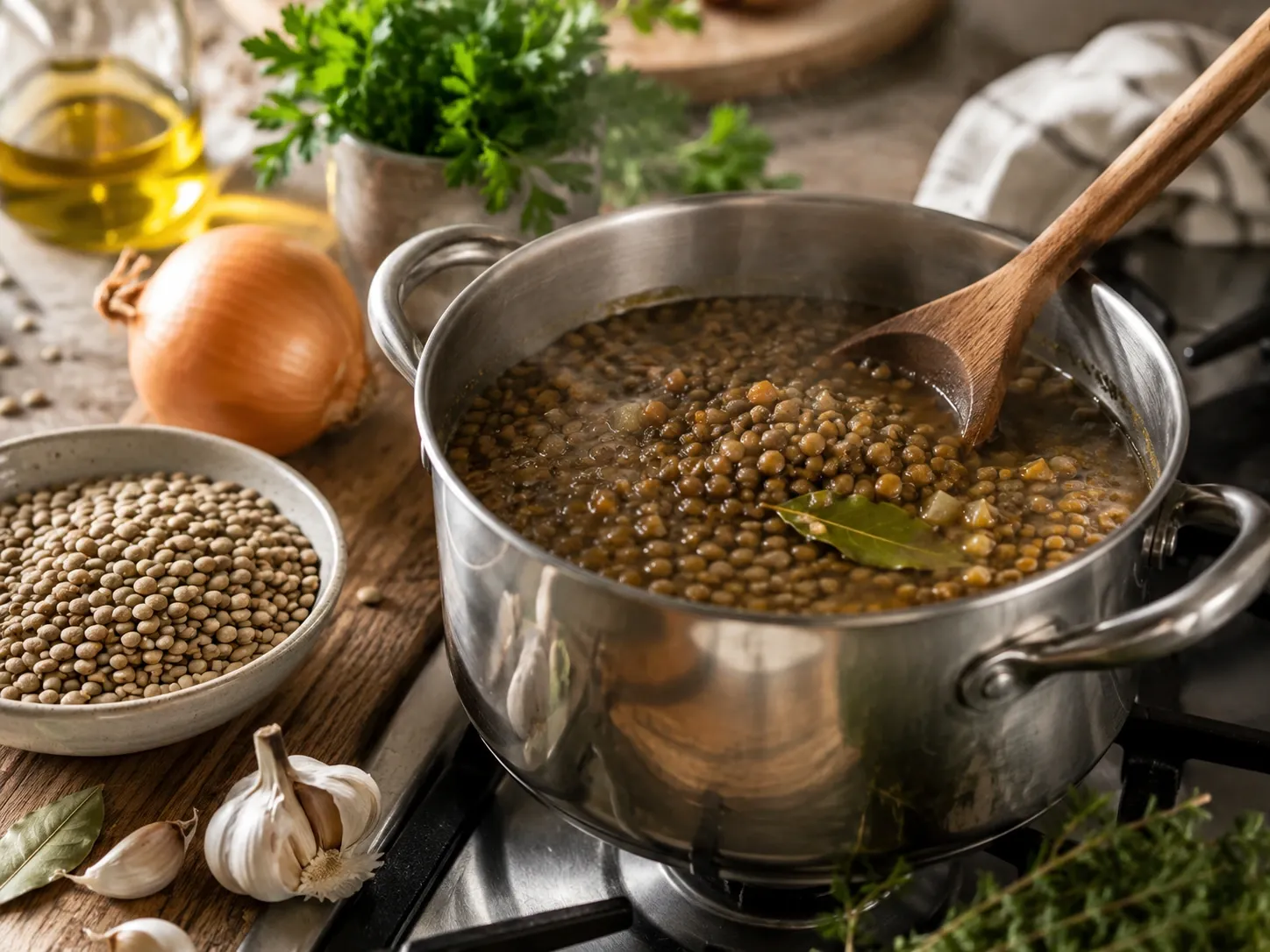
A simple stovetop method works well:
- Sort the lentils and remove any debris.
- Rinse under fresh water.
- Use approximately 3 parts liquid to 1 part dry lentils.
- Bring the liquid to a boil.
- Reduce the heat and simmer until the lentils reach the desired tenderness. (The Nutrition Source)
Cooking time depends on the variety:
| Lentil type | Approximate cooking time | Best uses |
|---|---|---|
| Whole brown lentils | 20–30 minutes | Soups, stews, side dishes |
| Whole green lentils | 20–30 minutes | Salads and side dishes |
| Whole black lentils | 20–30 minutes | Salads and dishes where shape matters |
| Split red lentils | 10–15 minutes | Soups, purées, curries, dal |
| Split yellow/orange lentils | 10–15 minutes | Creamy soups and stews |
Times are approximate and vary with variety, storage age, and preferred texture. (The Nutrition Source)
How to add more flavor
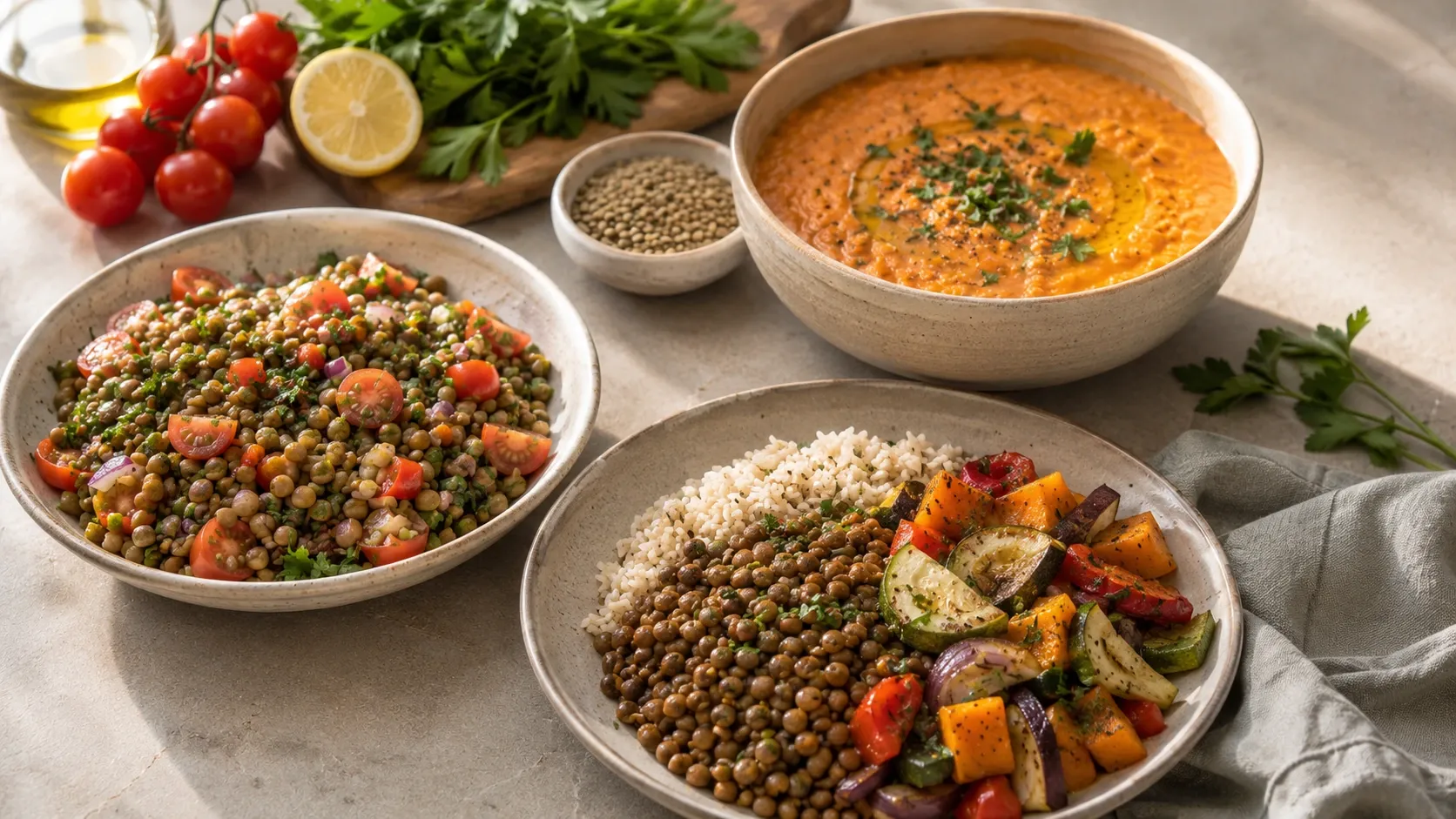
Lentils pair naturally with onions, garlic, bay leaves, parsley, cilantro, pepper, and many other herbs and spices. Using aromatic ingredients can build flavor without relying heavily on salt. Brazilian dietary guidance recommends keeping added salt and oil moderate when preparing legumes.
Cooked lentils can be used in:
- salads;
- soups;
- stews;
- pasta sauces;
- grain bowls;
- fillings;
- plant-based patties;
- spreads and dips.
Whole green and black lentils hold their shape particularly well, while split red lentils tend to soften into a creamy consistency. (The Nutrition Source)
What about canned or ready-to-eat lentils?
Canned and vacuum-packed lentils are already cooked and can be added directly to meals. When sodium has been added, rinsing them before use can reduce some of the sodium. (The Nutrition Source)
Checking the ingredient list and nutrition label can also help compare products with different amounts of sodium or added ingredients.
Can lentils cause digestive discomfort?
They can in some people. Fiber, resistant starch, and oligosaccharides in pulses can be fermented by intestinal bacteria, producing gases as a natural by-product. Some people experience little or no discomfort, while others develop noticeable bloating or cramping. (The Nutrition Source)
Persistent or severe symptoms, especially when accompanied by other gastrointestinal problems, should be discussed with a qualified health professional.
What about “antinutrients”?
Like other pulses, lentils contain phytates and lectins. Calling these compounds “antinutrients” can create the impression that lentils should be avoided, but the available evidence does not support that conclusion.
Harvard’s Nutrition Source notes that boiling, stewing, and other appropriate preparation methods greatly reduce active lectins and that the nutritional benefits of routinely eating properly prepared legumes outweigh concerns about these compounds. (The Nutrition Source)
Are lentils part of a healthy diet?
Yes. Dietary guidance recognizes lentils and other pulses as nutrient-rich foods that can contribute protein, fiber, vitamins, and minerals while increasing dietary variety.
The most useful way to think about lentils is therefore not as a stand-alone “superfood,” but as a nutritious, affordable, and versatile ingredient within a varied eating pattern.
Conclusion
Lentils provide plant protein, fiber, folate, iron, potassium, phosphorus, zinc, and other nutrients while containing very little fat. In the Brazilian food composition database, 100 g of cooked lentils contains about 7.3 g of protein and 6.44 g of fiber. (TBCA)
Research on pulses suggests potential benefits for some cardiometabolic risk factors, but the evidence does not support claiming that lentils alone prevent or treat chronic diseases. Their greatest value comes from incorporating them into a varied dietary pattern alongside grains, vegetables, fruits, and other appropriate foods. (Food & Nutrition Research)
They are also convenient: most varieties require no soaking, and cooking can take as little as 10 to 30 minutes depending on whether the lentils are split or whole. (The Nutrition Source)