
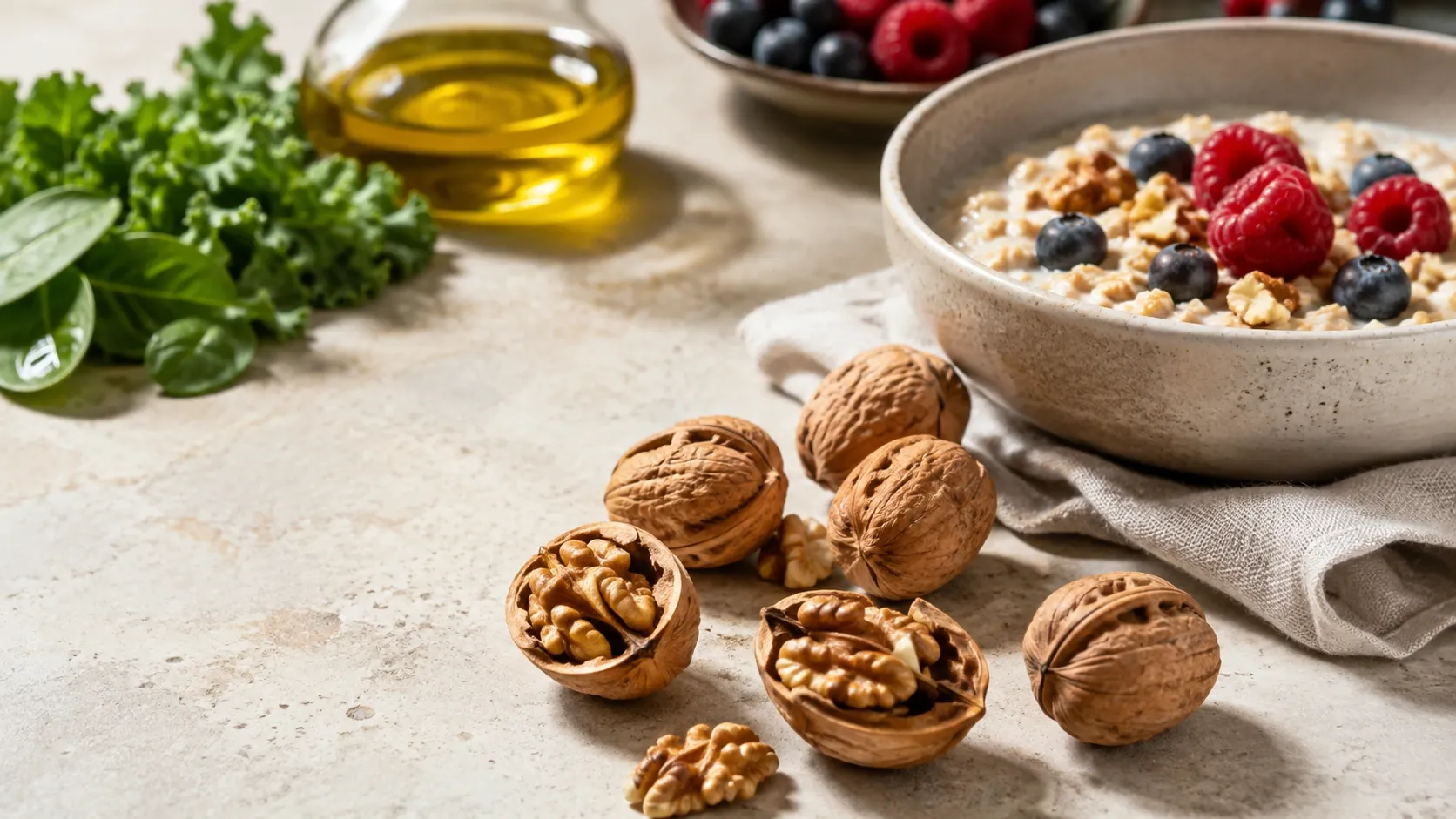
Walnuts: Nutrients and Potential Heart Health Benefits
Walnuts provide unsaturated fats, ALA, fiber, and minerals. Learn what research shows about cholesterol, blood vessel function, and cardiovascular health.
The full archive, from newest to oldest.
106 articles
Walnuts provide unsaturated fats, ALA, fiber, and minerals. Learn what research shows about cholesterol, blood vessel function, and cardiovascular health.
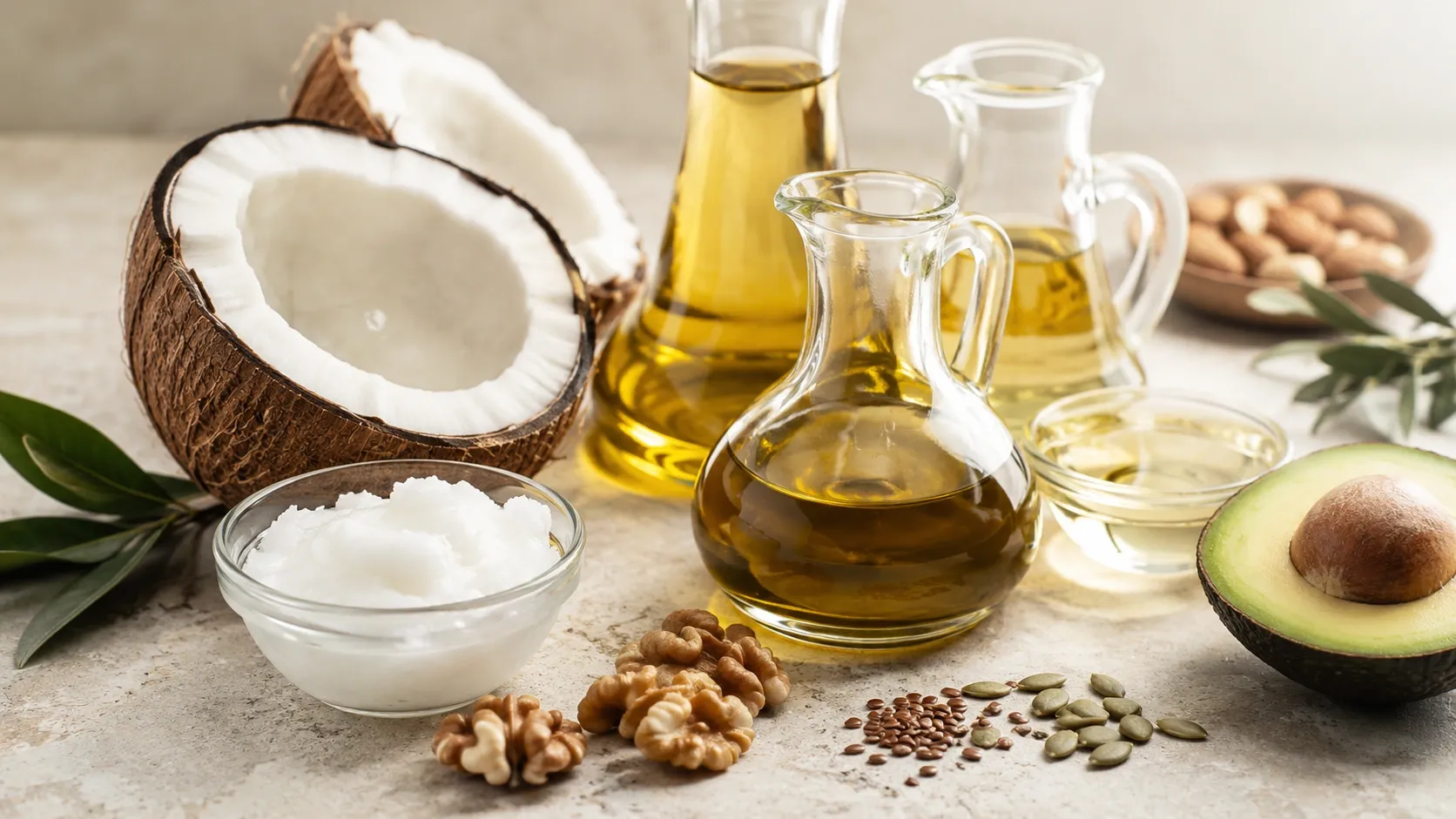
Coconut oil is high in saturated fat and can raise both LDL and HDL. Learn what the evidence actually shows and which dietary fats experts recommend prioritizing.
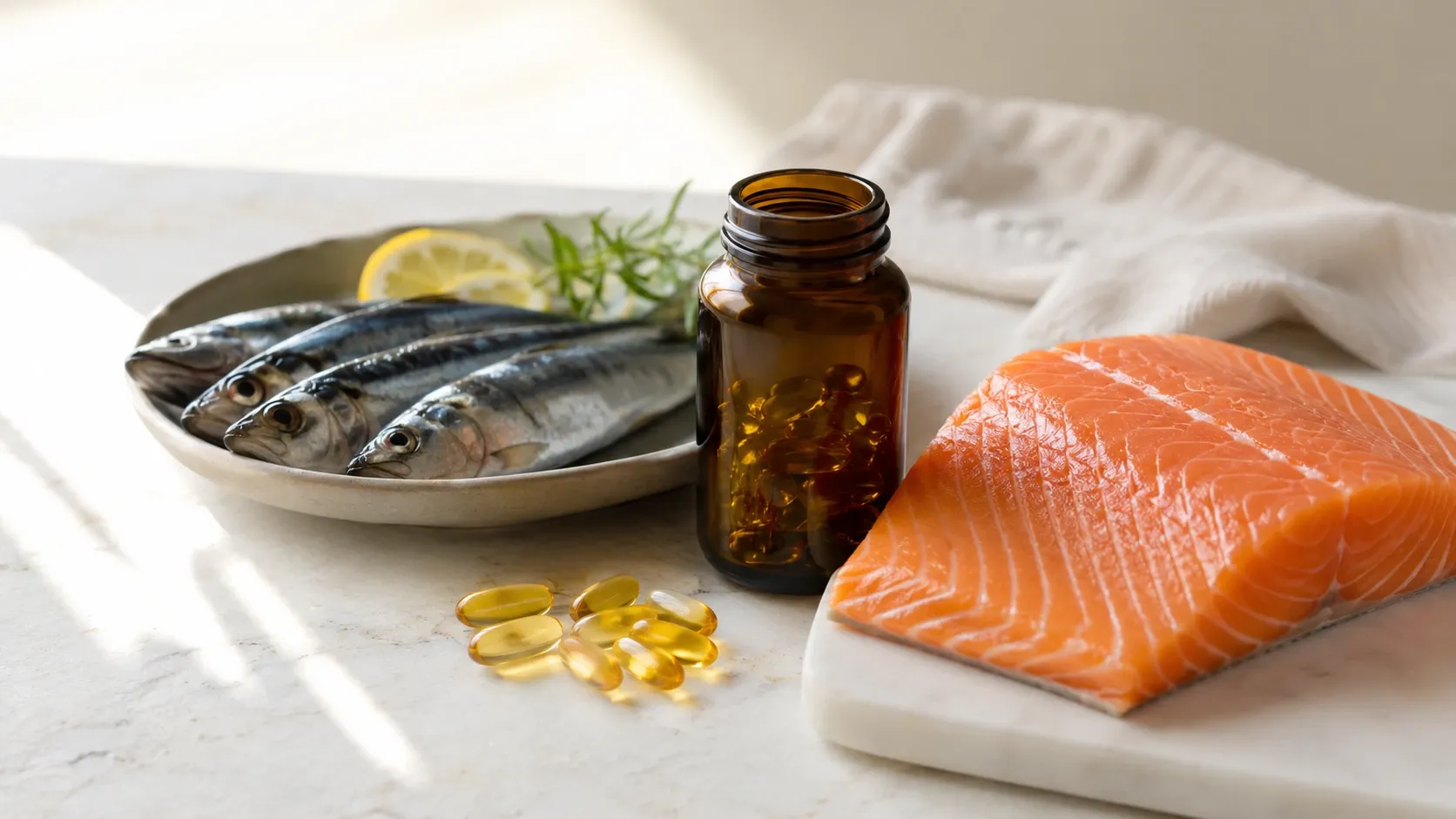
Fish oil provides EPA and DHA, but its benefits depend on the dose, formulation and purpose. Learn what the evidence shows and what to check on the label.
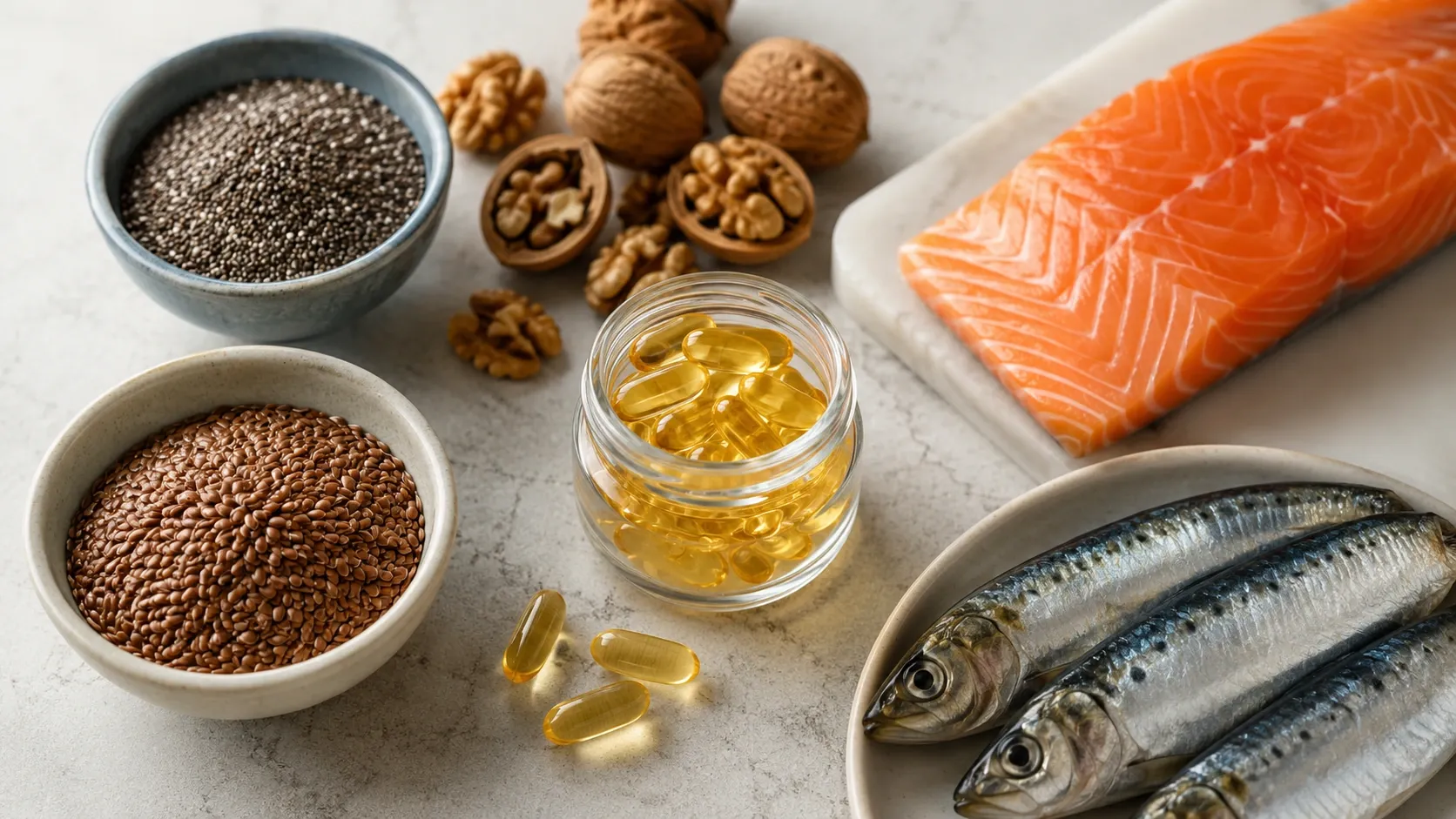
Learn the evidence-based benefits of omega-3s, how ALA, EPA, and DHA differ, their best food sources, and when supplementation may actually be useful.
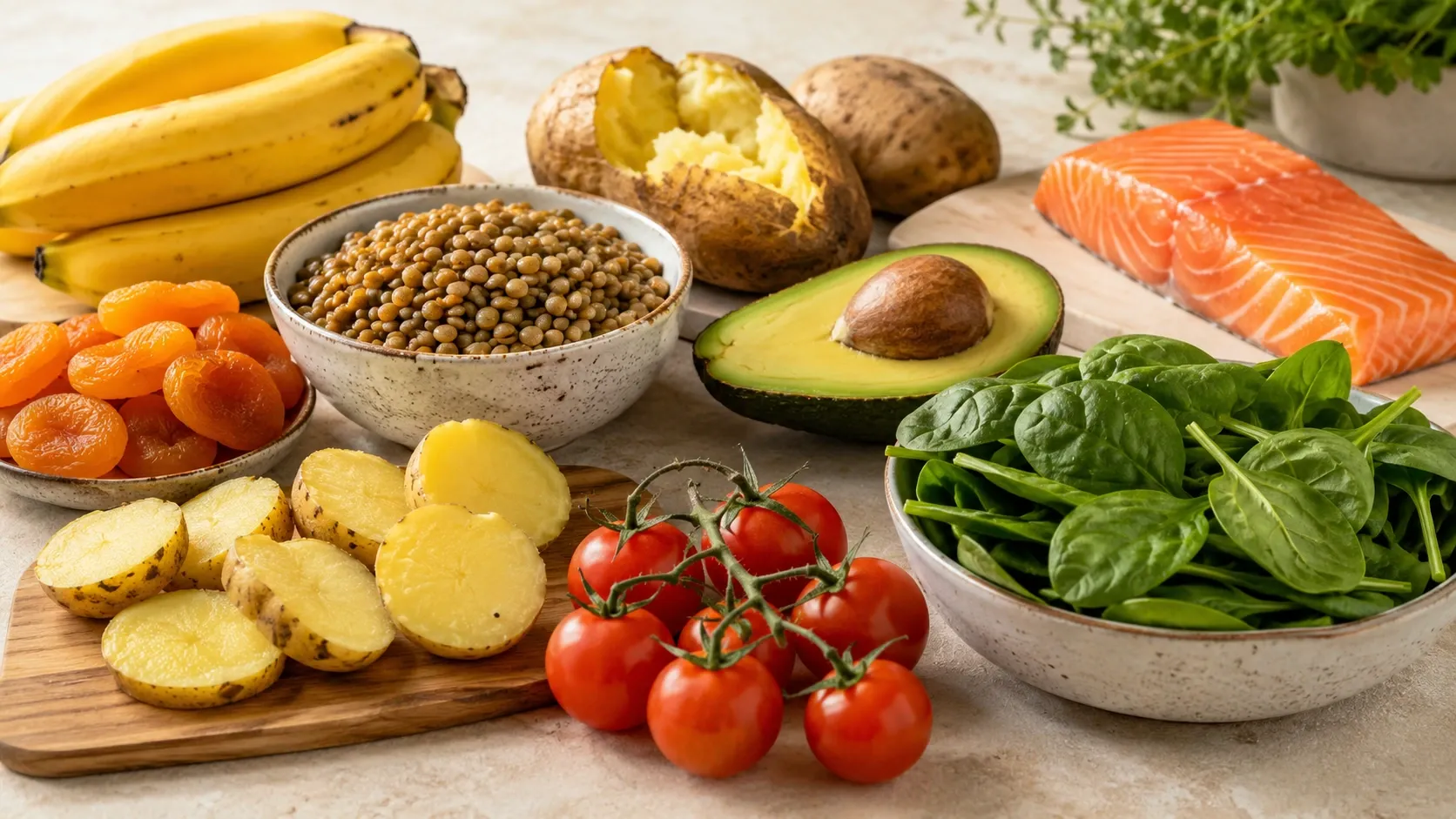
Potassium supports normal muscle, nerve and cardiovascular function. Learn how much you need, which foods provide it and when extra potassium may be unsafe.

Does pre-workout work? It can, depending on its ingredients and doses. Learn what research says about caffeine, creatine, beta-alanine, citrulline, benefits and risks.
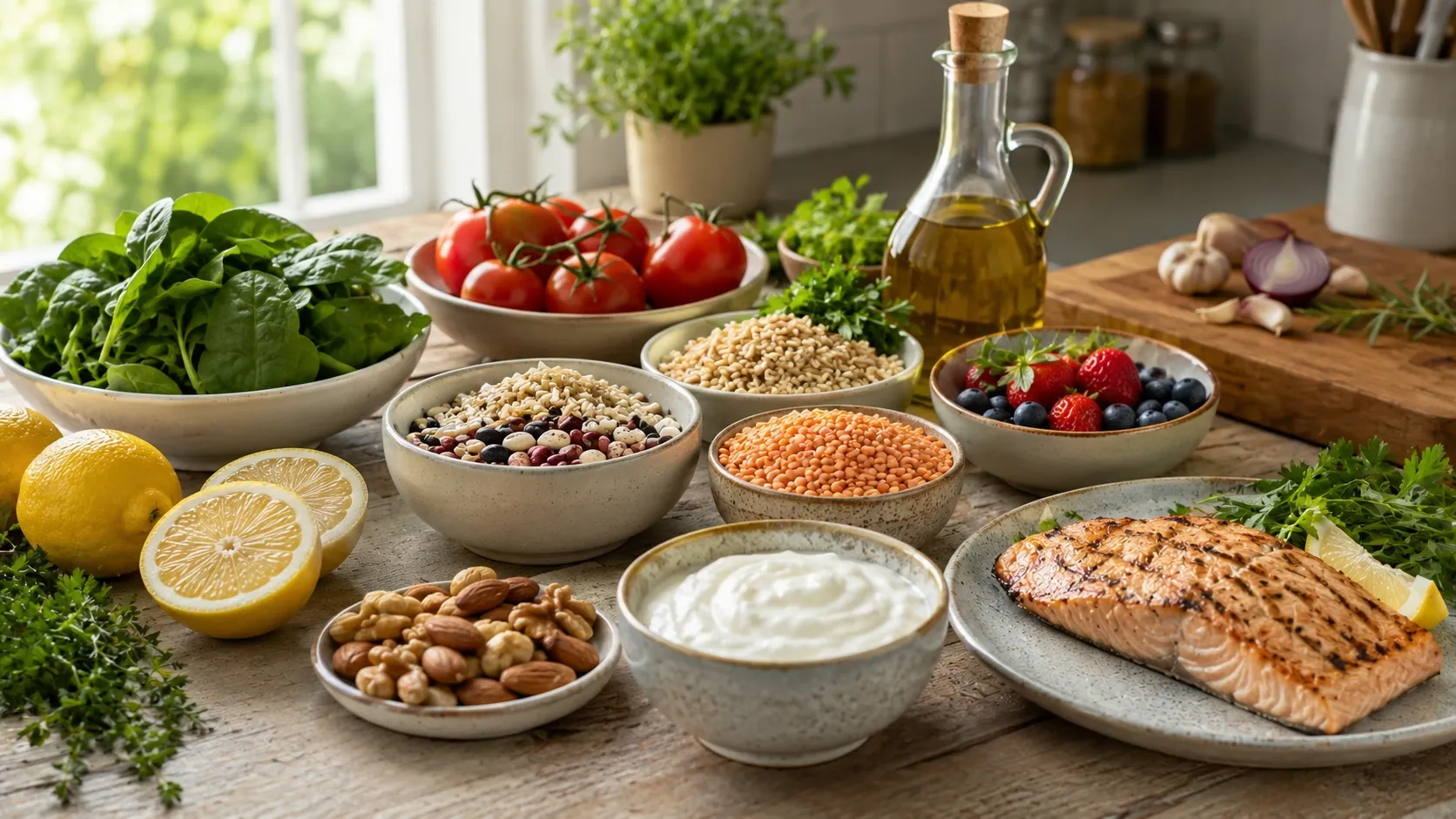
Reducing sodium, following a DASH-style diet, getting enough potassium when safe, and cutting alcohol are among the best-supported dietary changes for high blood pressure.

You don't necessarily need 10,000 steps a day. Learn what research says about 4,000, 7,000 and 10,000 daily steps and how to choose a realistic target.
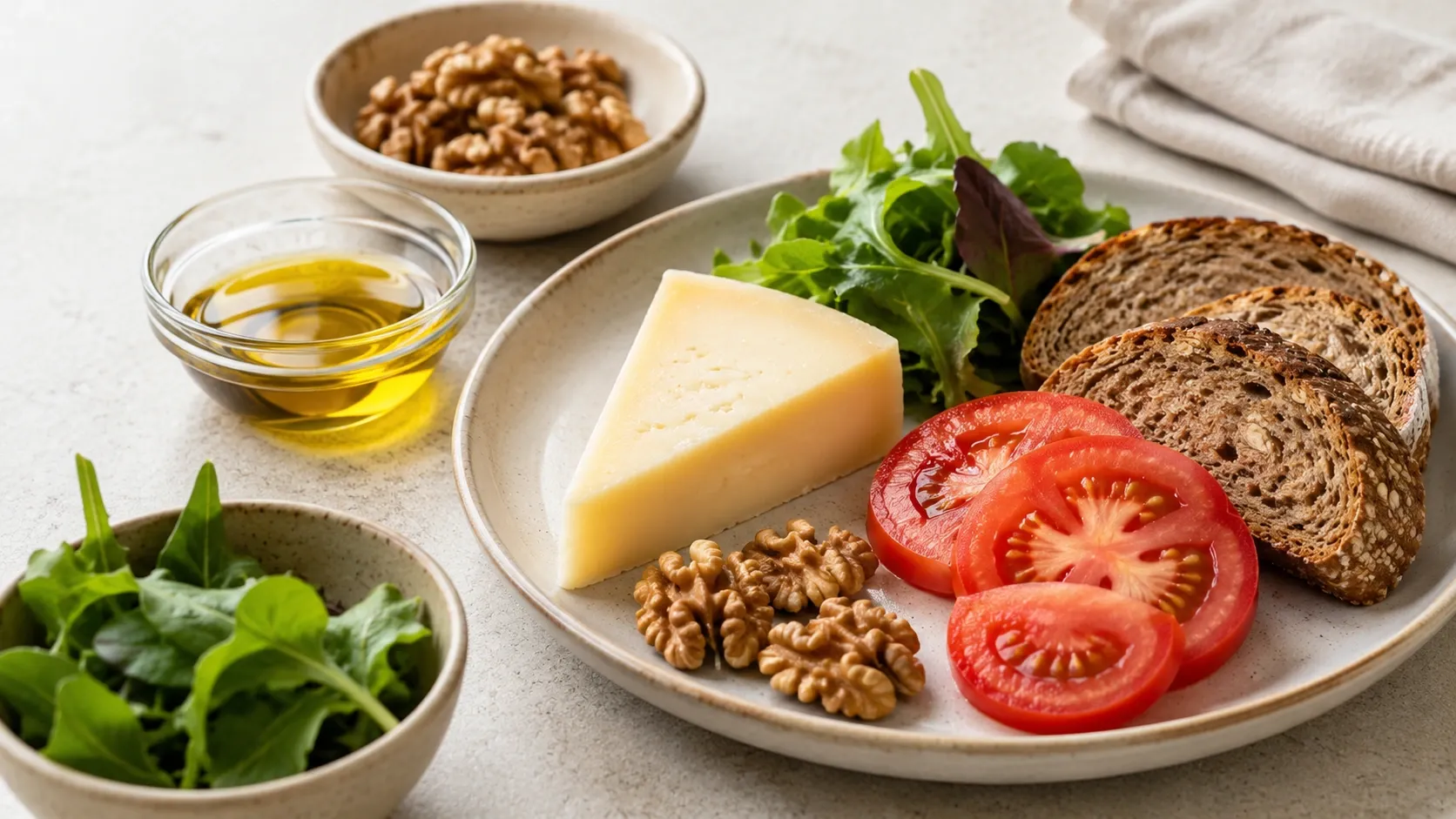
Cheese does not necessarily need to be avoided with high cholesterol. Saturated fat, cheese type, portion size, and the overall dietary pattern all matter.
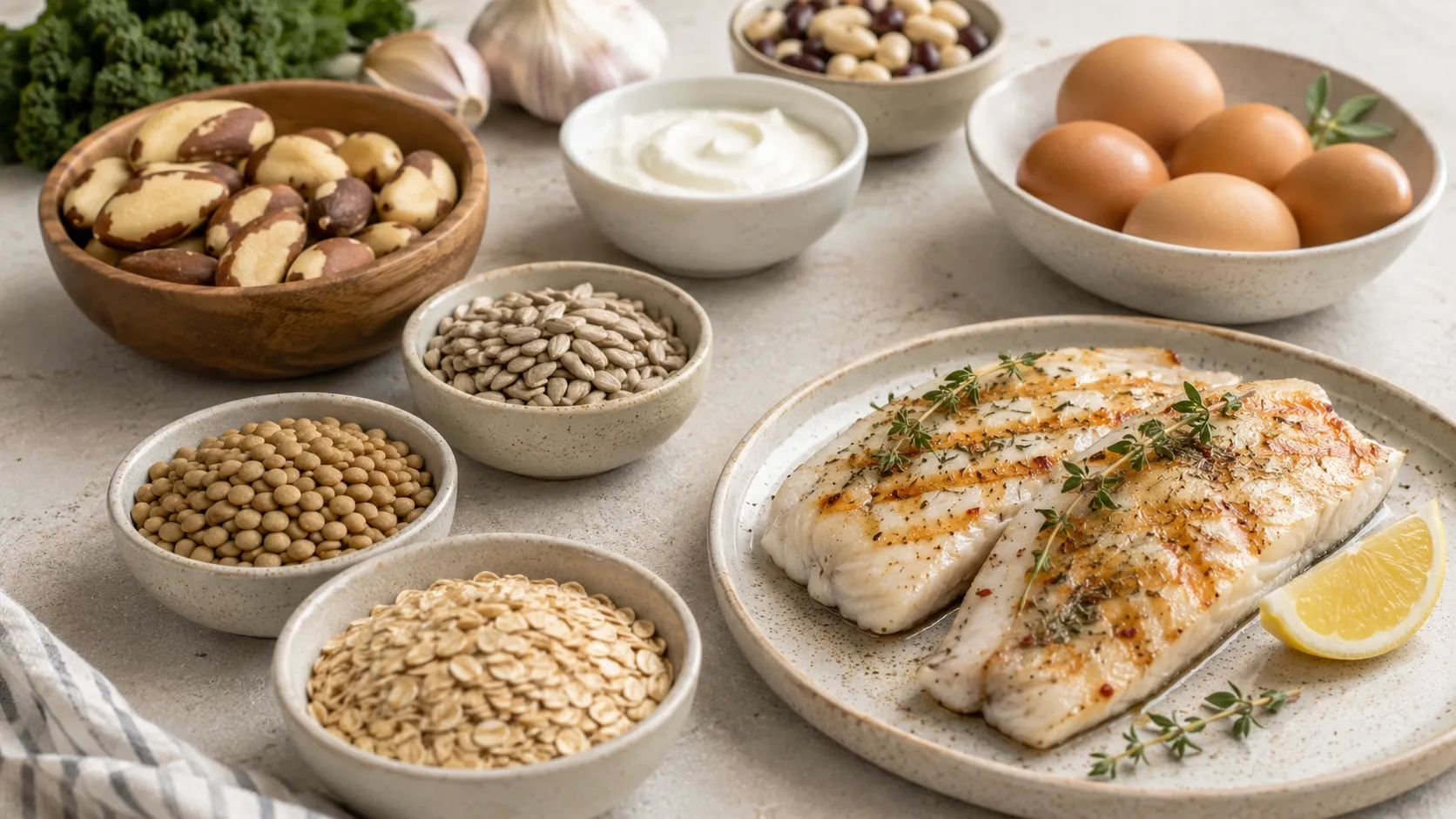
Selenium is essential for thyroid function and other processes, but more is not always better. Learn how much we need, where to get it and why excess intake matters.
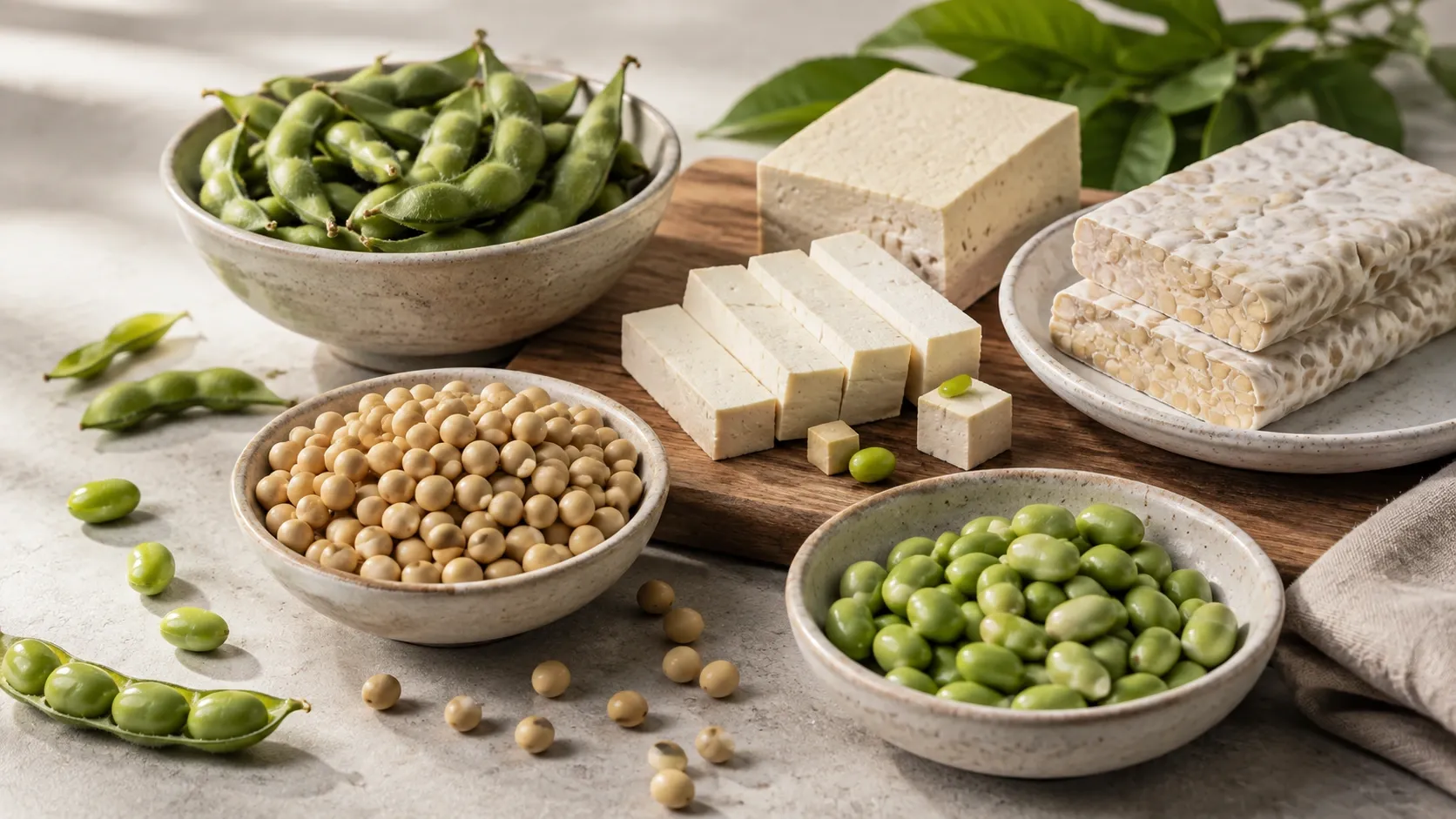
Does soy raise estrogen, lower testosterone, or increase cancer risk? See what the evidence says about soy isoflavones, thyroid function, and health.

Whole fruit has an advantage over juice because it retains fiber, promotes greater fullness, and makes it harder to consume excess sugars and calories. Here is where 100% fruit juice can fit.
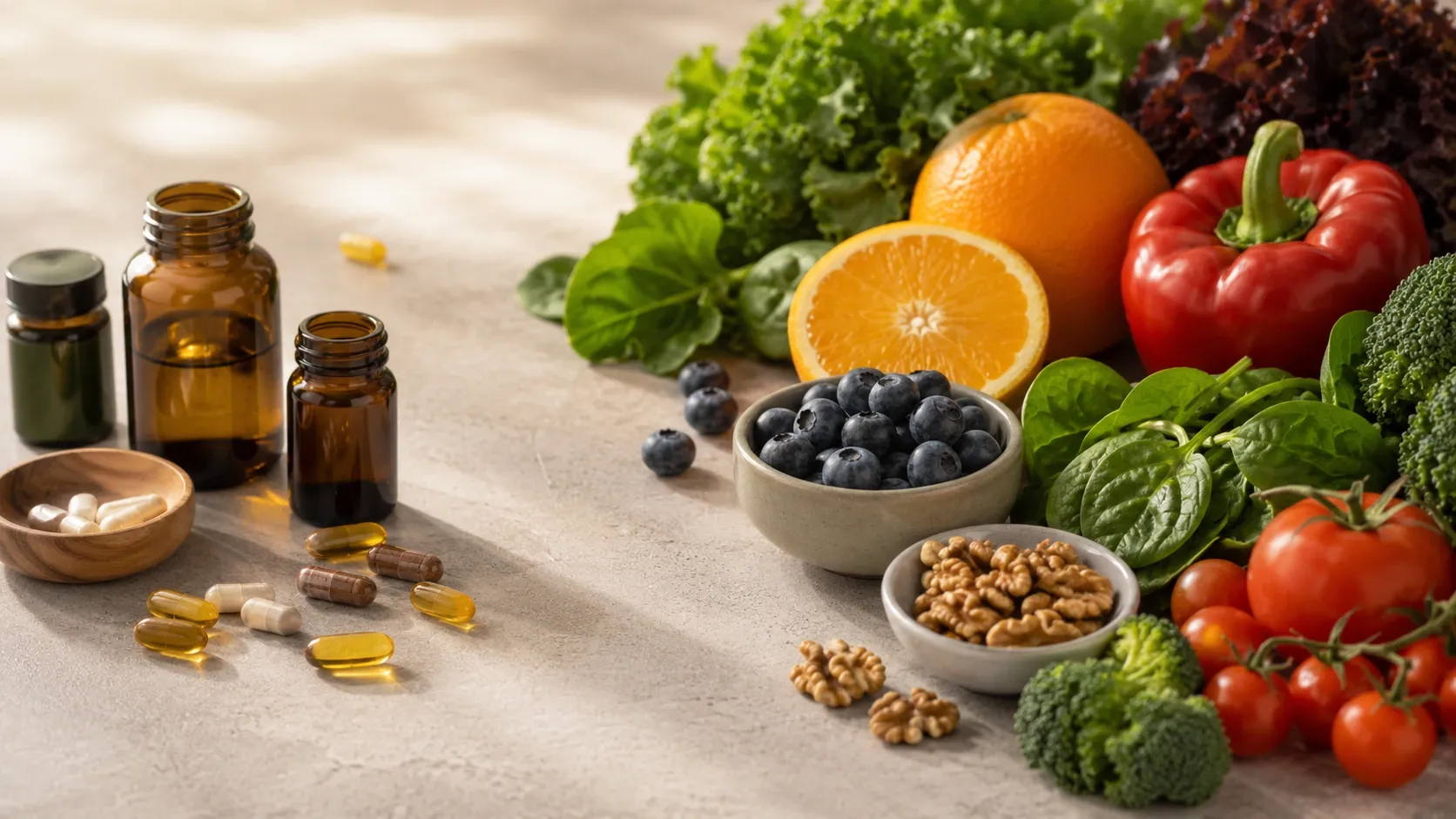
Antioxidant supplements do not always improve health, and high doses may sometimes cause harm. See what the scientific evidence actually shows.
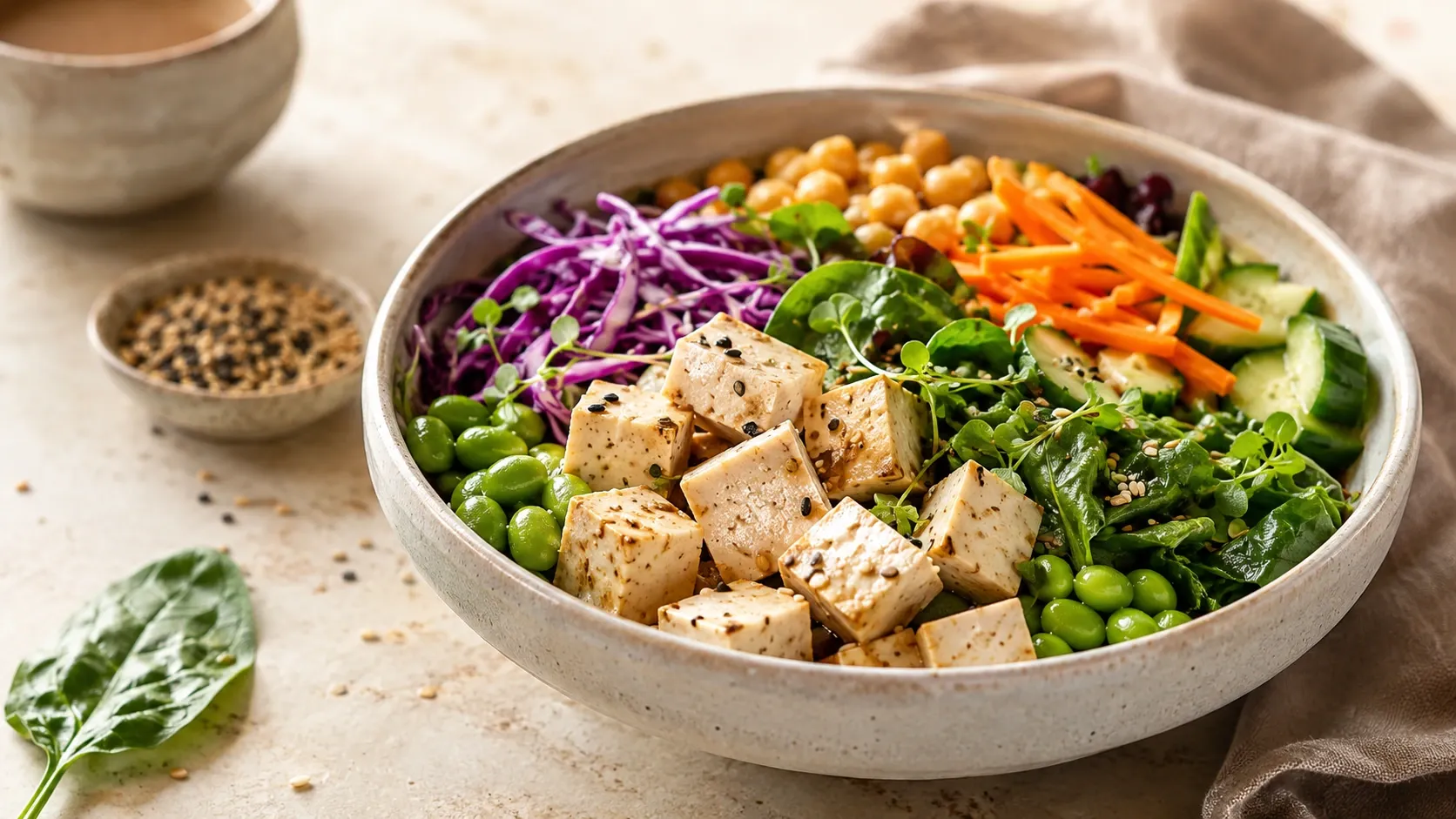
Tofu provides complete plant protein and may supply calcium, iron and soy isoflavones. Learn about its nutrition, benefits, safety and common myths.
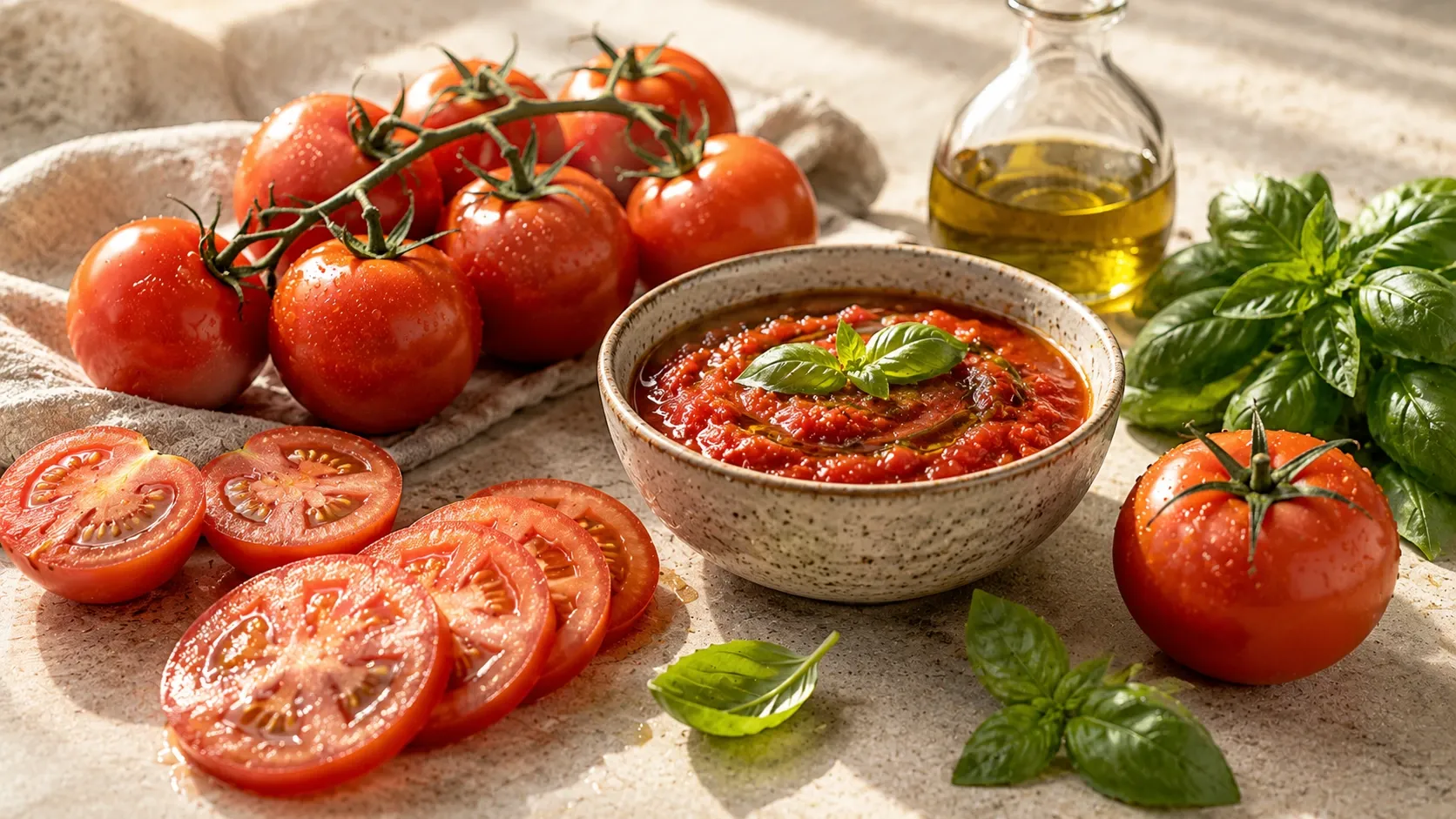
Tomatoes provide lycopene, fiber, and other nutrients. Learn about their potential benefits, how cooking affects lycopene, and practical ways to eat them.

Fasted exercise can increase fat oxidation during a workout, but that does not necessarily mean greater body-fat loss. Here's what the evidence actually shows.
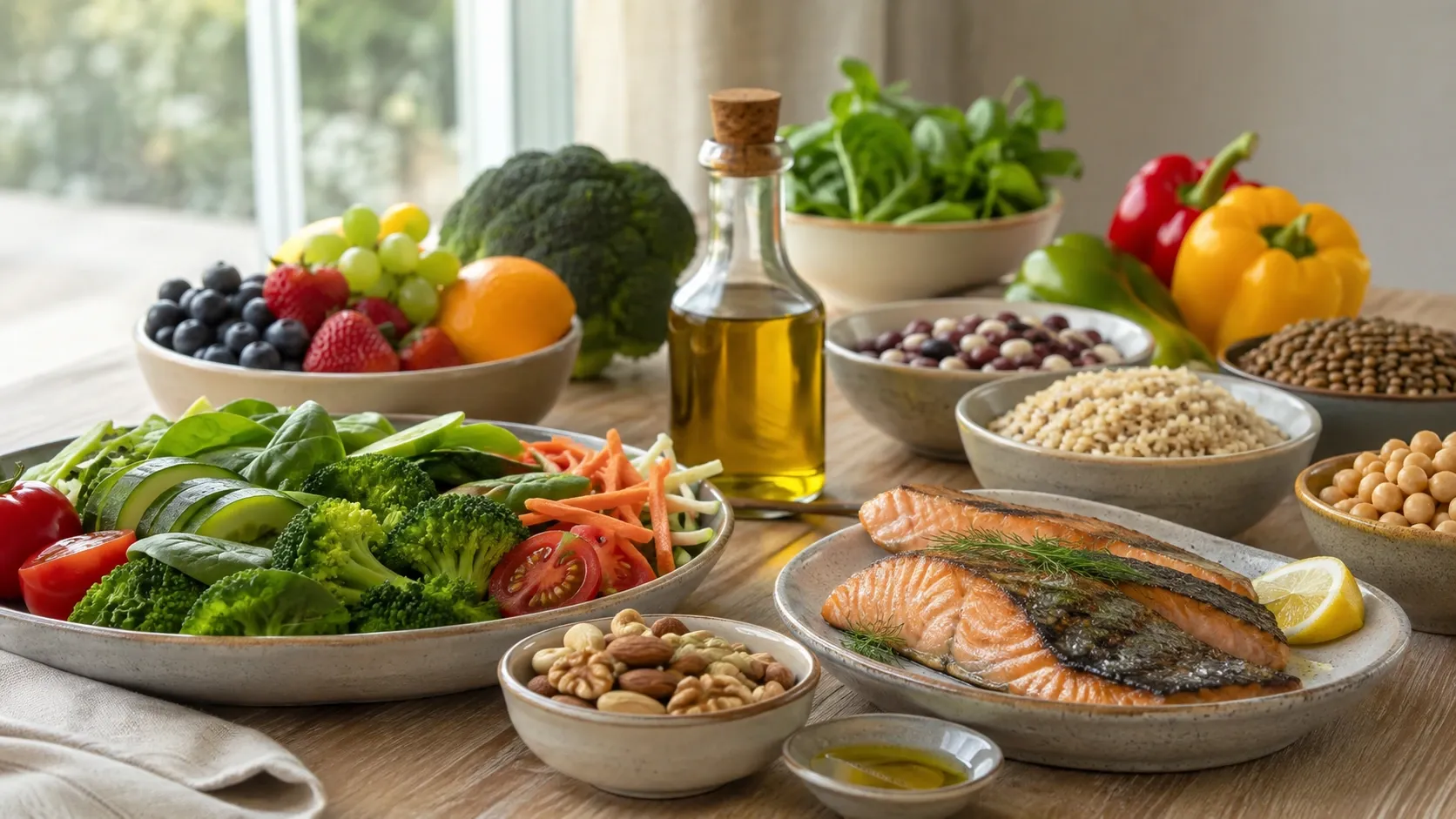
High triglycerides can improve with healthier eating, physical activity, weight management, and less added sugar and alcohol. Learn which changes matter most.

Grapes provide carbohydrates, water and plant polyphenols. Learn about their antioxidants and the real differences between green, red, purple and black grapes.
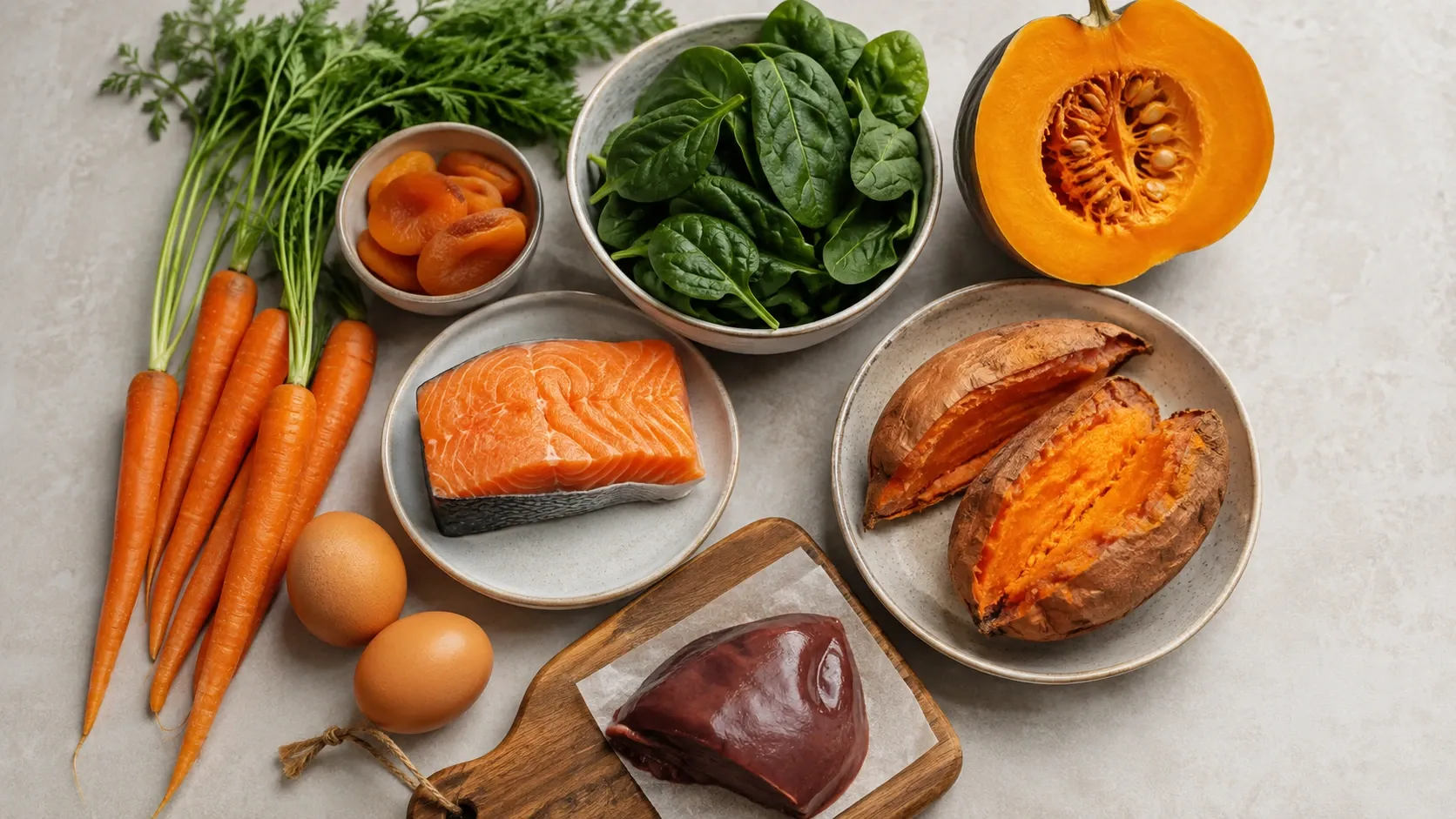
Learn what vitamin A does, which foods provide retinol and carotenoids, how much adults need, and why excessive intake from supplements can be harmful.

Learn what vitamin B12 does, where it comes from, how much adults need, and which groups face a higher risk of deficiency.

Vitamin D supports bone health and calcium metabolism. Learn how much you need daily, where to get it, when testing may help, and why high-dose supplements require caution.
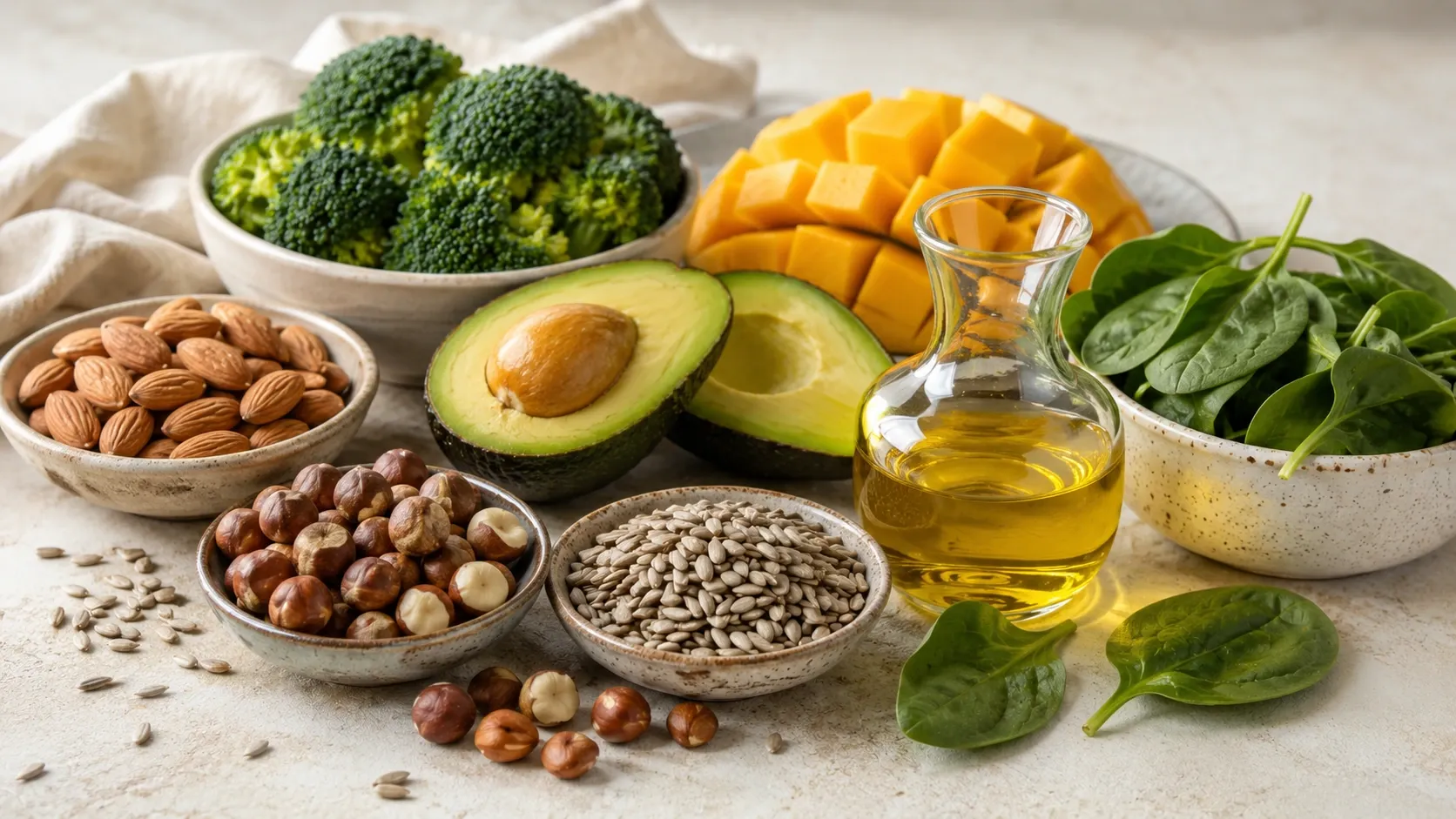
Vitamin E is an antioxidant nutrient found mainly in vegetable oils, seeds, and nuts. Learn what it does, how much you need, the best food sources, and when supplements require caution.
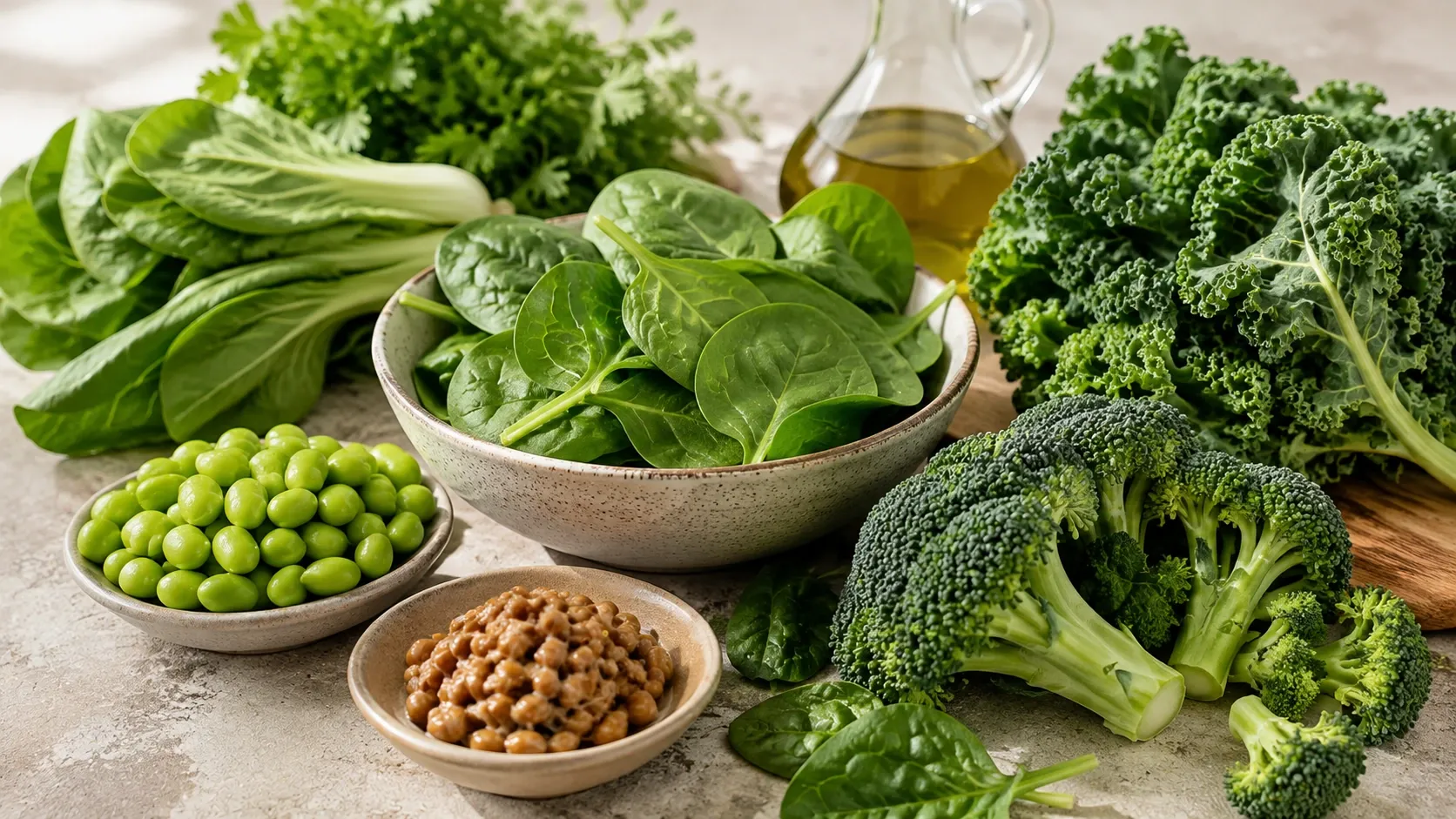
Vitamin K supports normal blood clotting and bone metabolism. Learn how much you need, the difference between K1 and K2, and the best food sources. ([ODS][1])
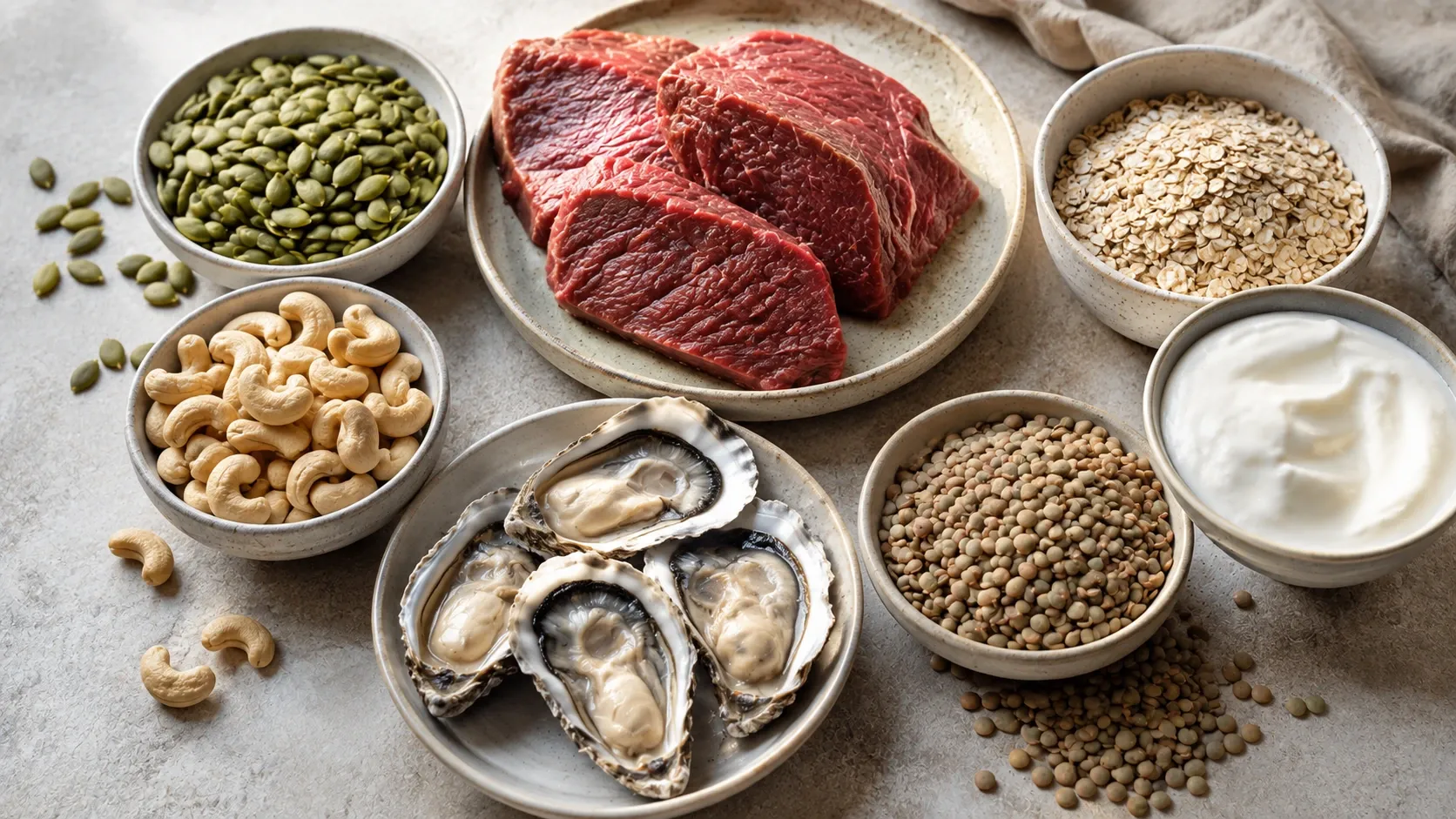
Learn what zinc does in the body, how much you need, the best food sources, who is at greater risk of deficiency, and why excessive supplementation can be harmful.
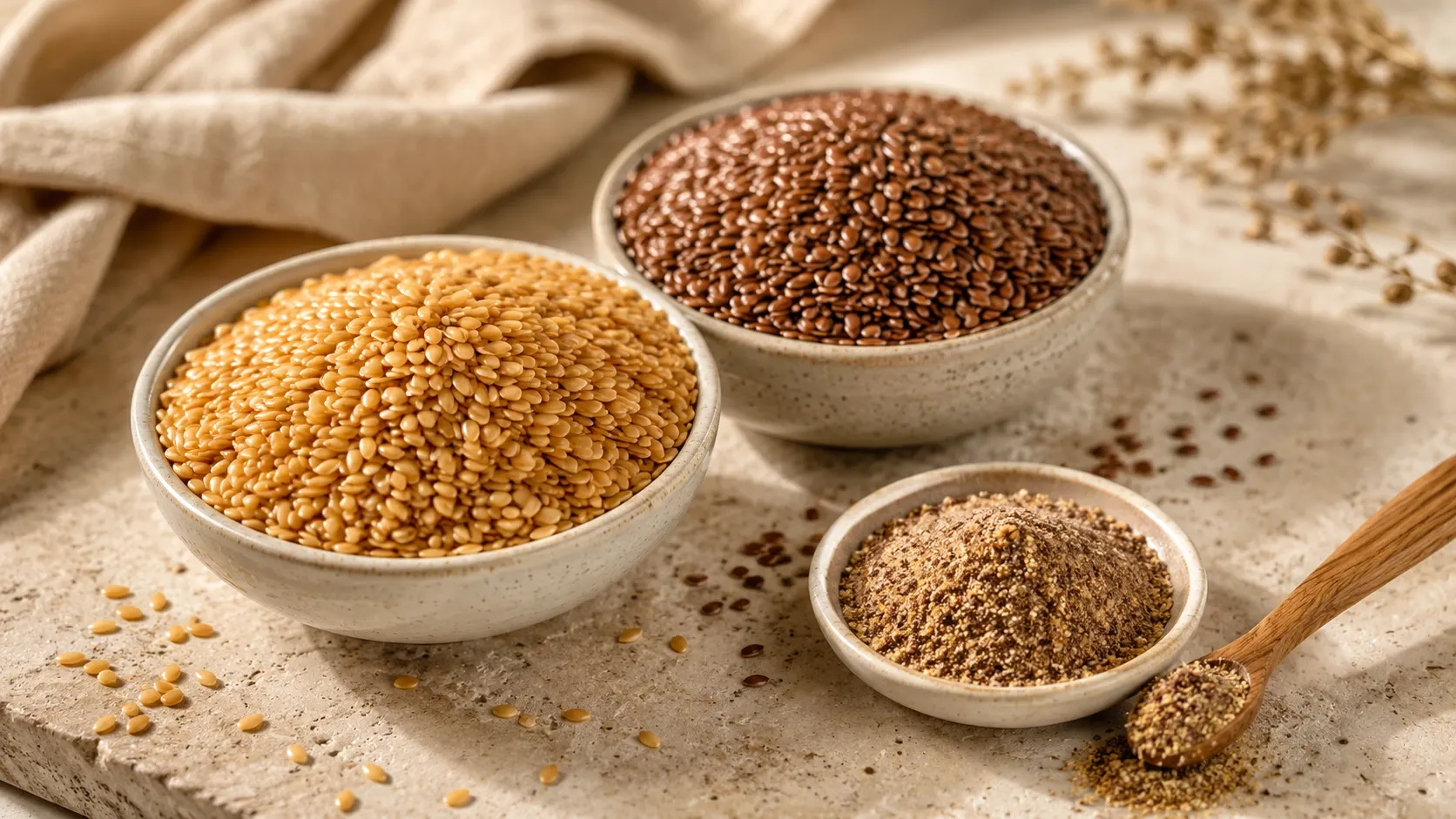
Flaxseed provides fiber, ALA omega-3 and lignans. Learn about its nutrients, evidence-based benefits, how to eat it, and whether golden or brown flaxseed is better.
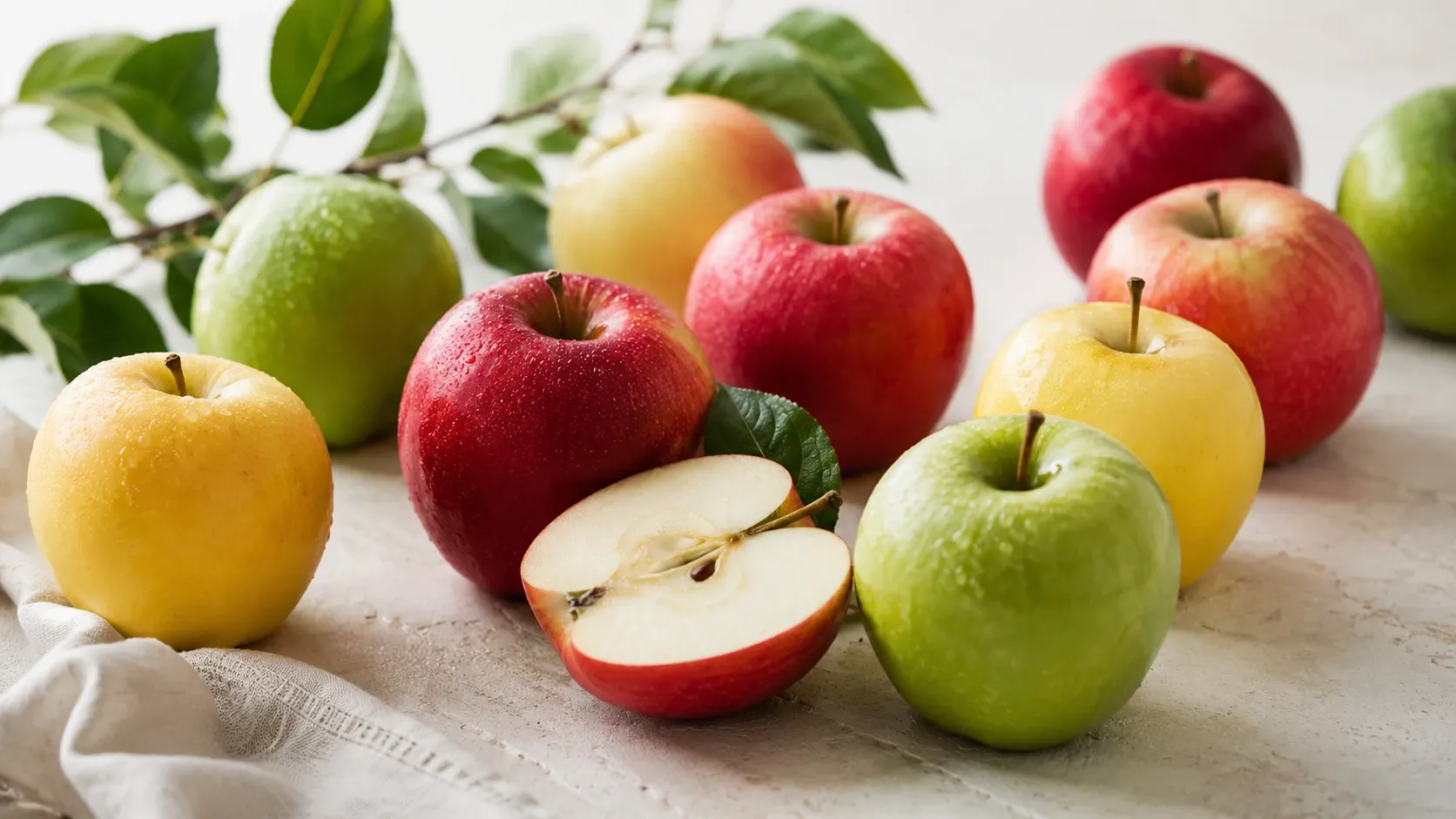
Apples provide fiber and polyphenols and can be part of a healthy diet. Learn what research actually shows about cholesterol, diabetes, satiety, gut health, and other potential benefits.
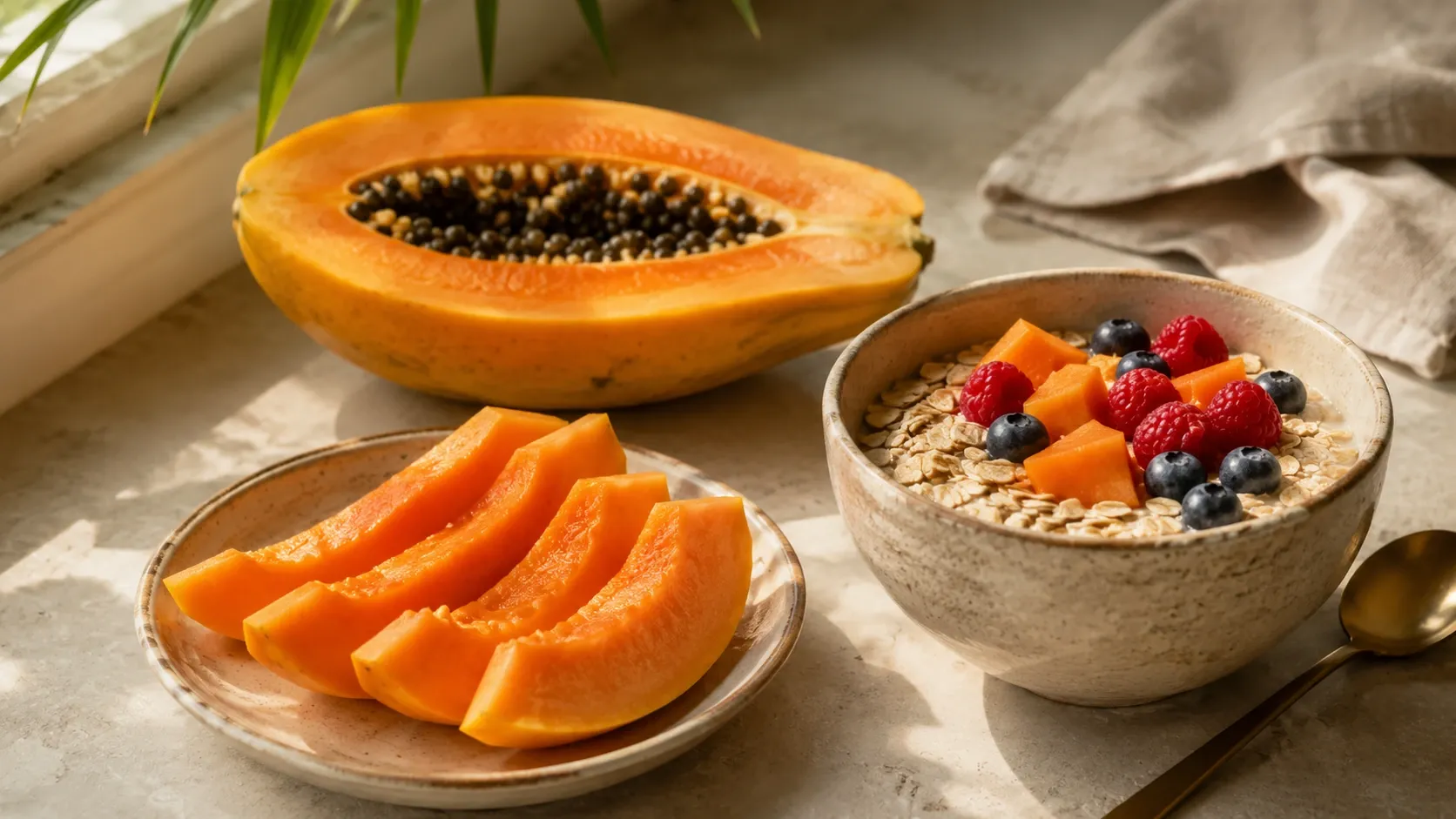
Papaya provides vitamin C, carotenoids, fiber, and folate. Learn what science actually says about its nutrition, digestion claims, and health benefits.

Mango is naturally sweet, but it also provides vitamin C, fiber and other nutrients. Learn how much sugar it contains and what research says about its health effects.

Butter is high in saturated fat, while modern margarines can provide more unsaturated fats. Learn what the evidence says and what to check on the label.

Honey has a more complex composition than table sugar, but it is still a source of free sugars. Learn what differs, potential benefits and what really matters.
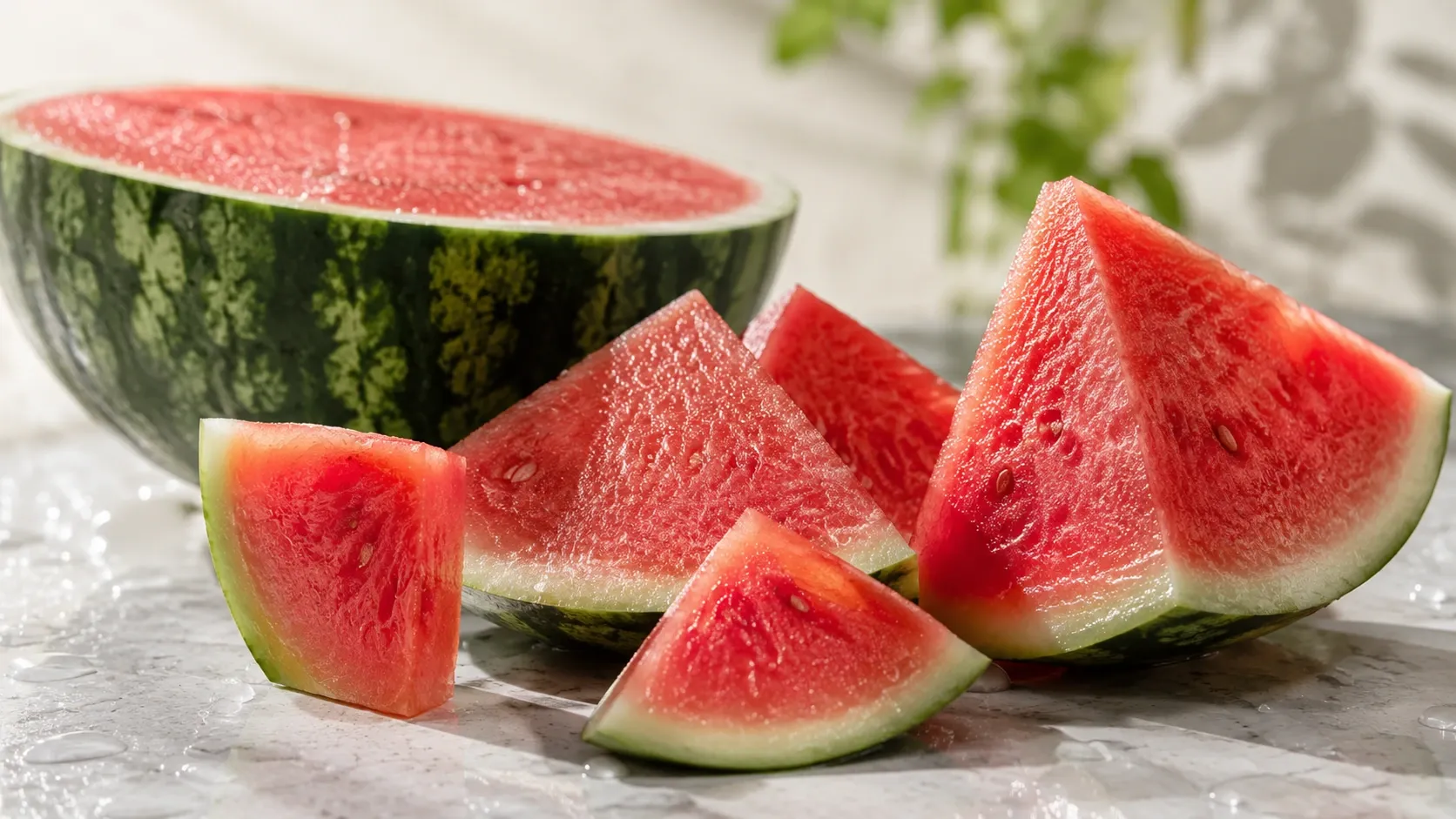
Watermelon is over 90% water, but it also provides natural sugars and nutrients. Learn how much sugar it contains and how it fits into a healthy diet.

Melatonin can help with certain sleep problems, but it is not a universal sleep aid. Learn where the evidence is strongest, its potential side effects, and key safety considerations.

A slow metabolism can exist, but it rarely explains weight-loss difficulty on its own. Learn how body size, muscle, movement, age, genetics and metabolic adaptation affect energy expenditure.
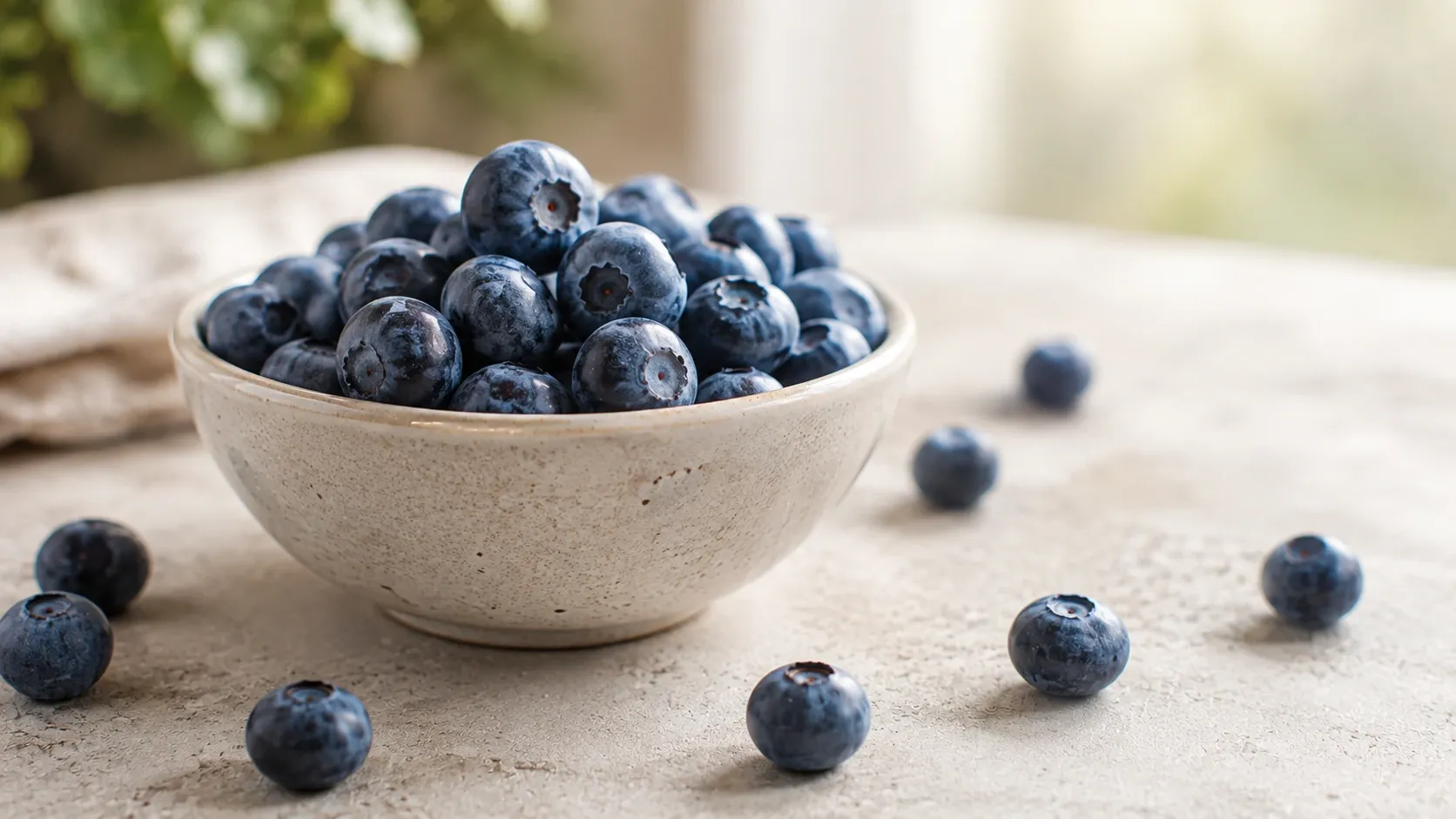
Blueberries are rich in anthocyanins and fiber, but do they deserve their superfood reputation? See what research says about heart health, memory, blood sugar, and more.

Strawberries provide vitamin C, fiber, and antioxidant compounds such as anthocyanins. Learn about their nutrition, potential health benefits, and practical ways to eat them.
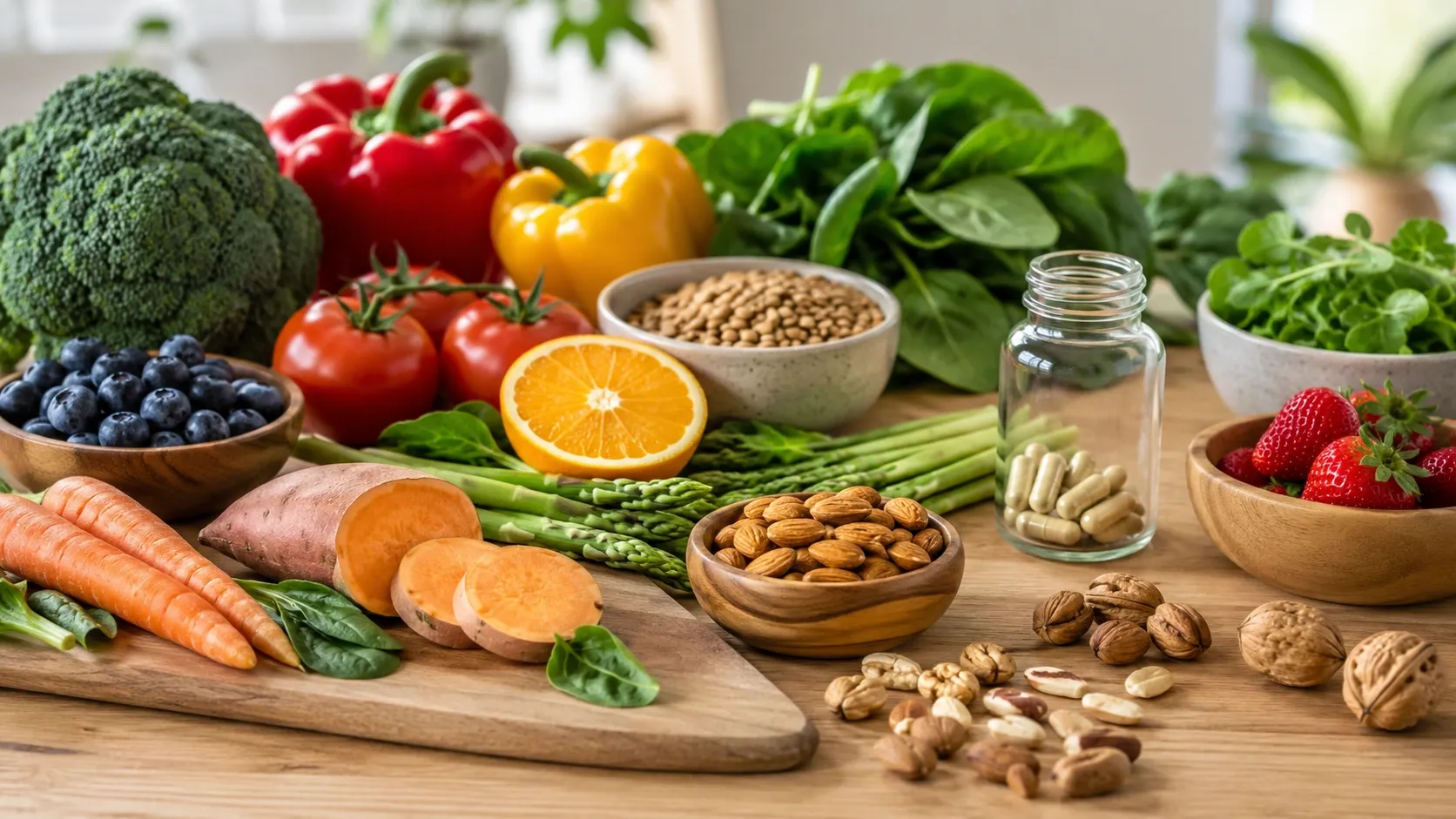
Most healthy adults do not clearly benefit from a daily multivitamin. See what research says about disease prevention, safety, deficiencies, and cognition.

Cardio or strength training for weight loss? Learn what the evidence says about fat loss, muscle preservation, fitness, and overall health.
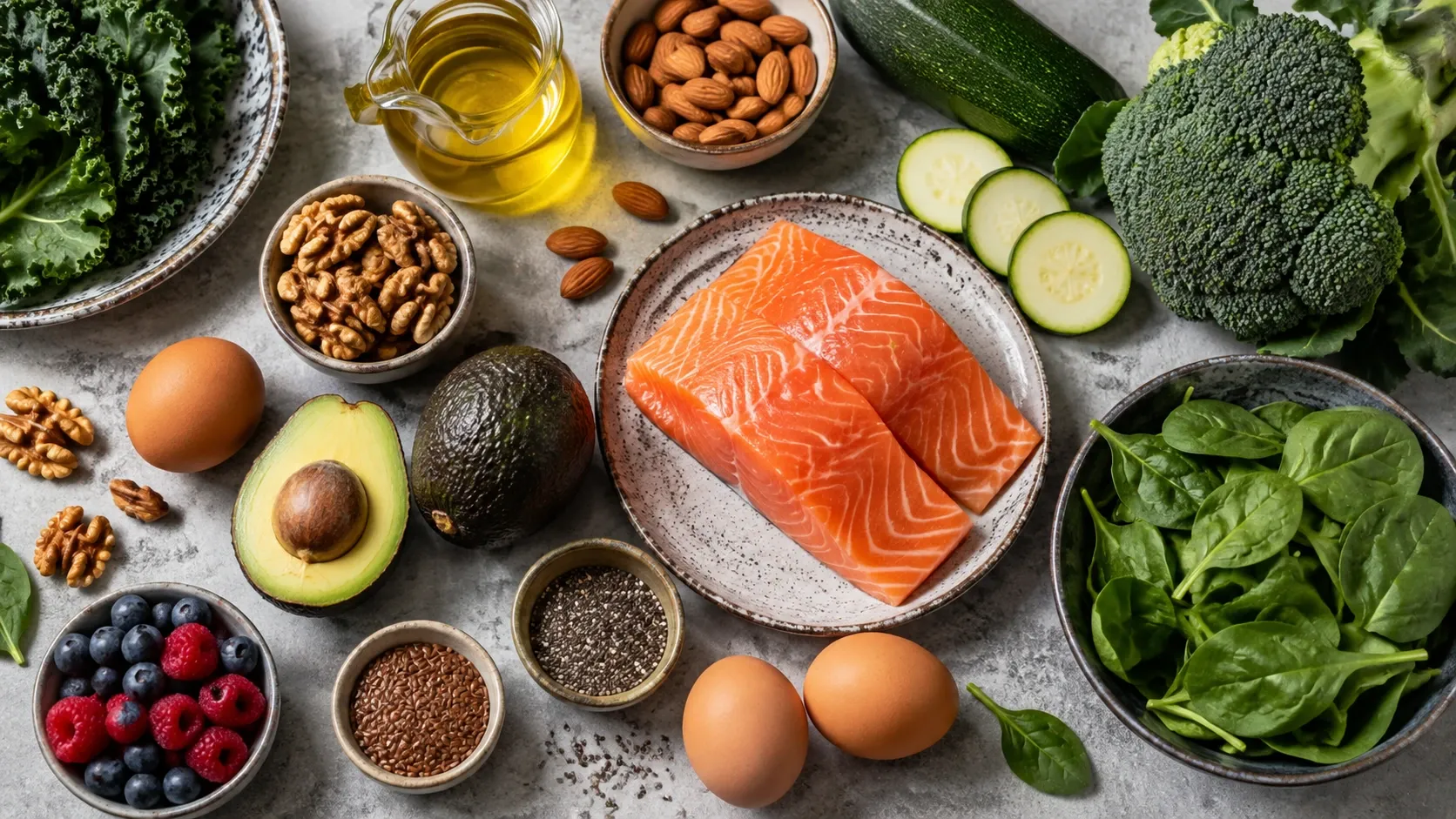
The ketogenic diet severely restricts carbohydrates to induce ketosis. Learn how it works, what research says about weight loss, and which health risks deserve attention.
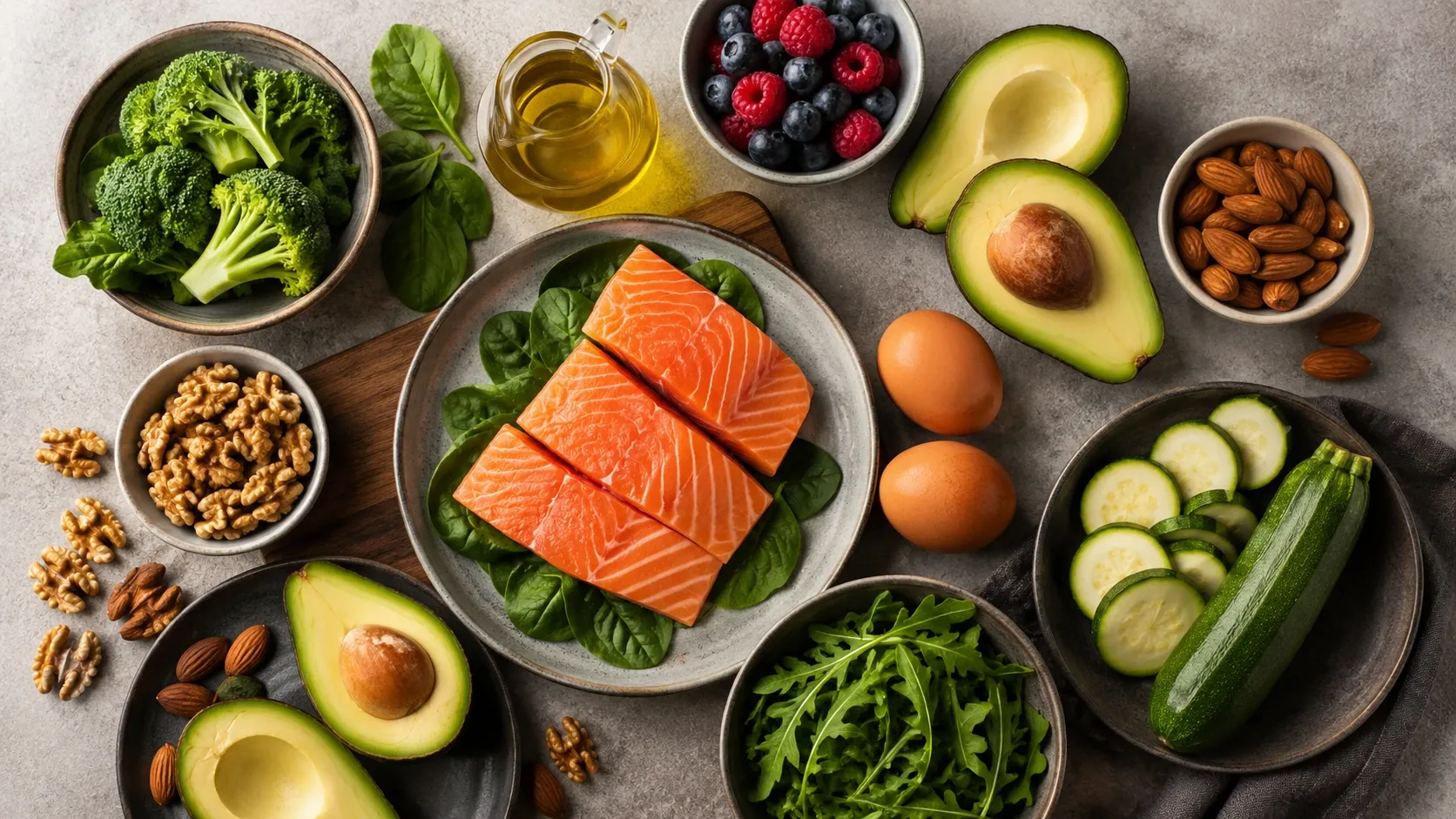
The DASH diet emphasizes nutrient-dense foods while limiting sodium and saturated fat. Learn how it works, what the evidence says about blood pressure, and when it may need to be modified.
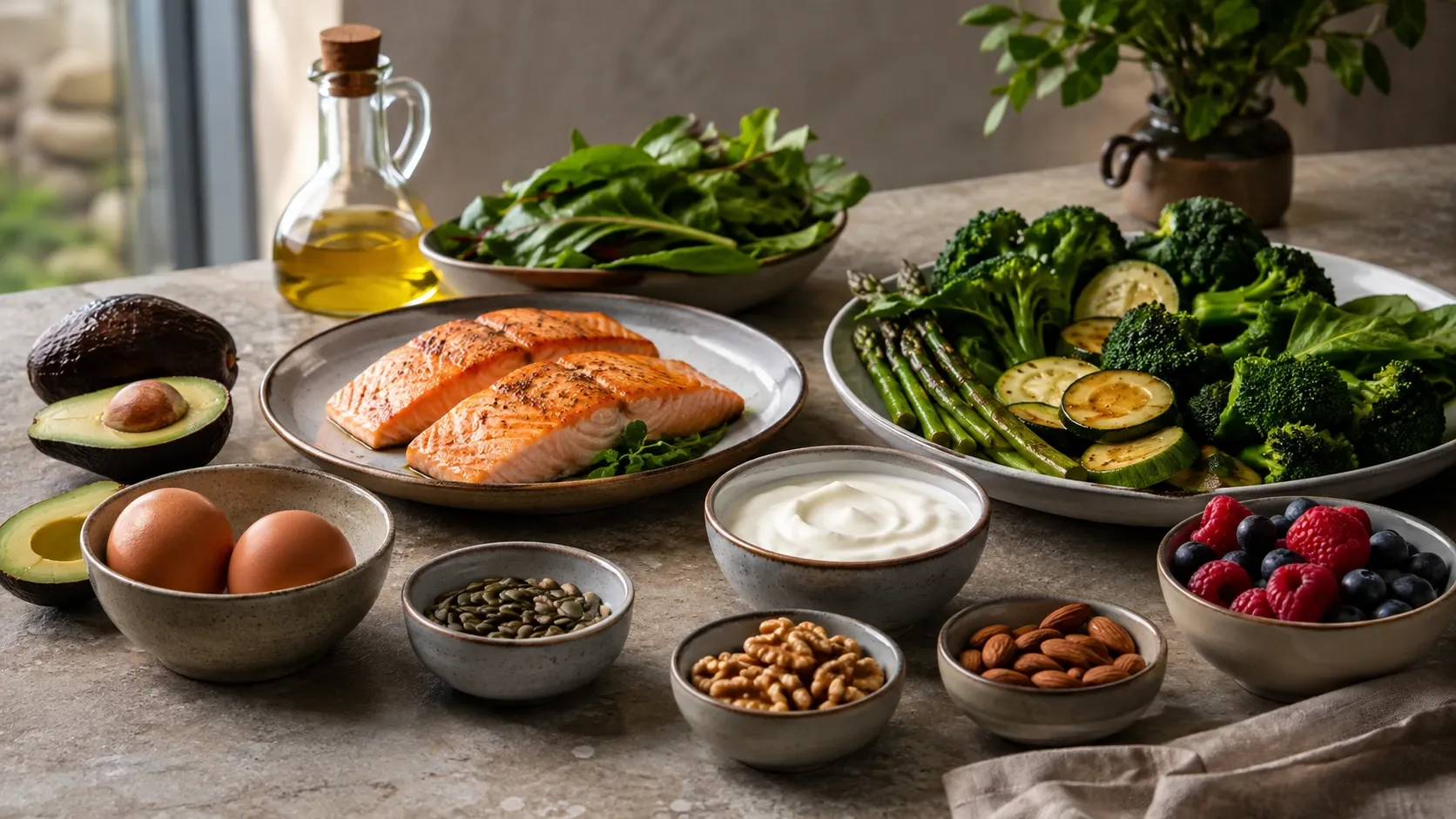
A low-carb diet can support weight loss and improve some metabolic markers, but it is not superior for everyone. Learn its benefits, limitations, risks, and who may benefit.
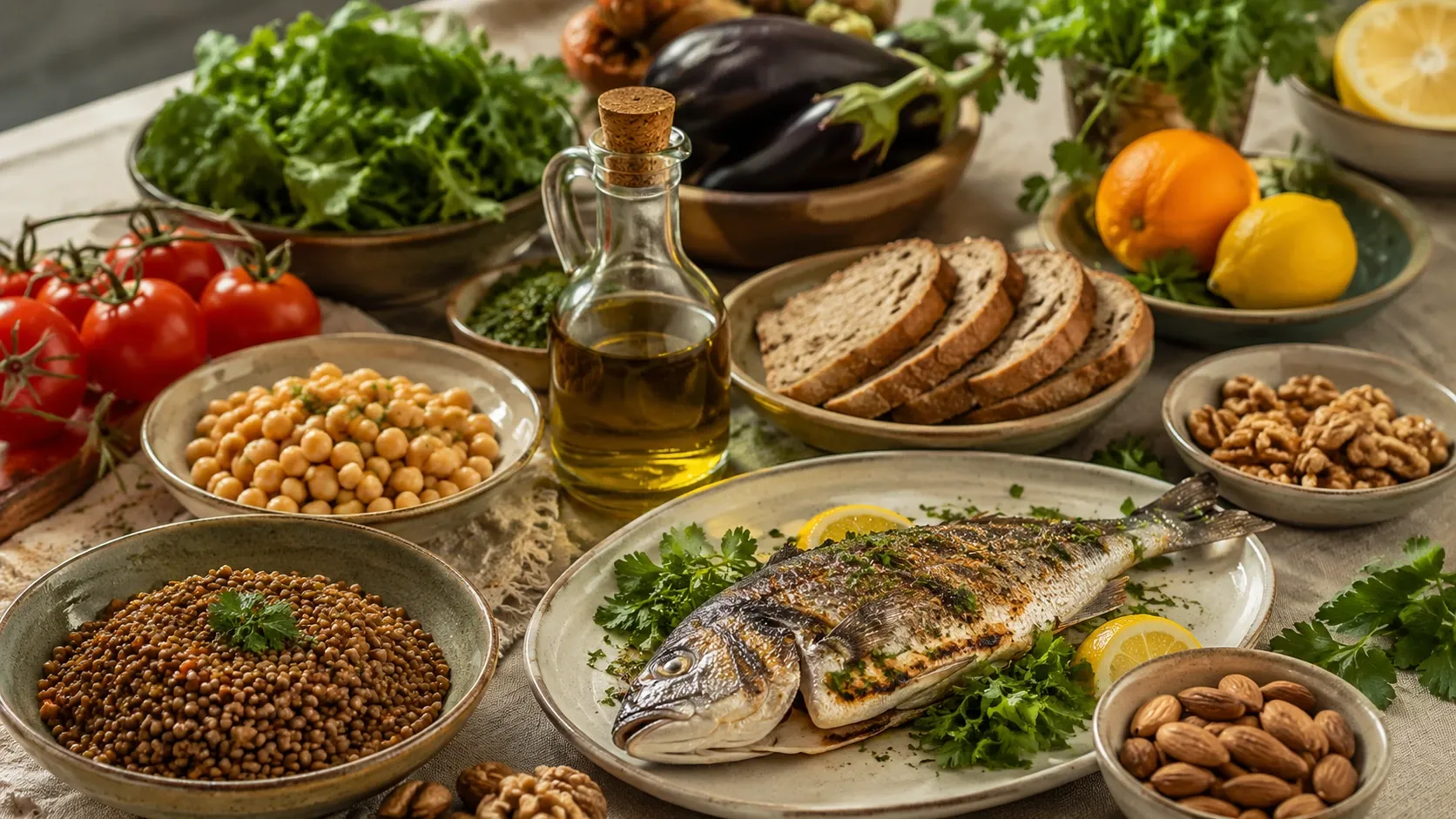
The Mediterranean diet emphasizes vegetables, legumes, whole grains, olive oil, nuts and fish. Learn why it is so widely studied and what the evidence actually shows.

Too little sleep may increase calorie intake and make weight management harder. Learn what research says about sleep, hunger, appetite and weight loss.
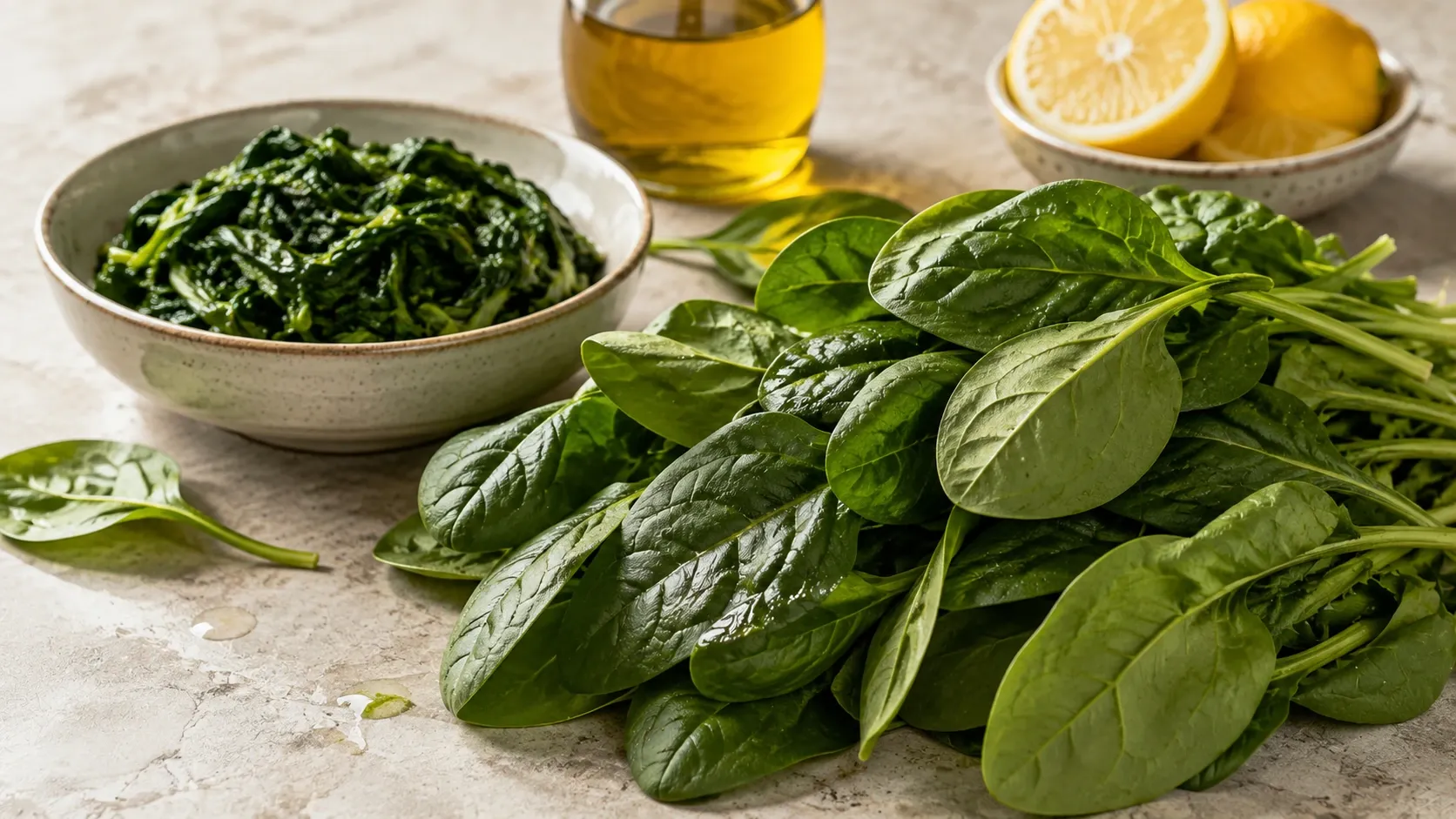
Spinach is rich in vitamin K, folate, and other nutrients, but iron, calcium, and oxalates require context. Here is what the evidence shows.
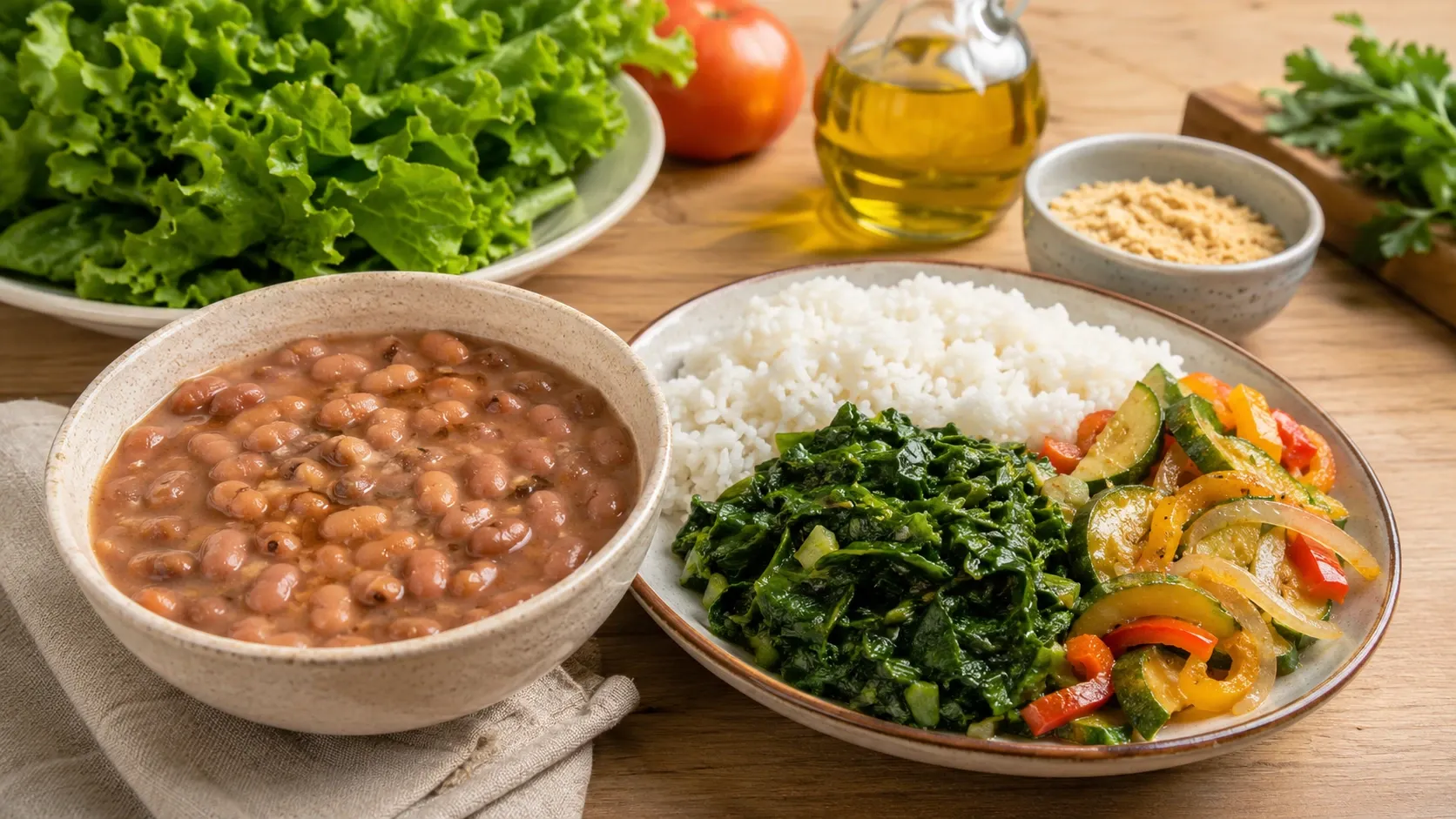
Beans are a cornerstone of Brazilian food culture and a source of fiber, plant protein and micronutrients. Learn why rice and beans remain a valuable part of a balanced diet.
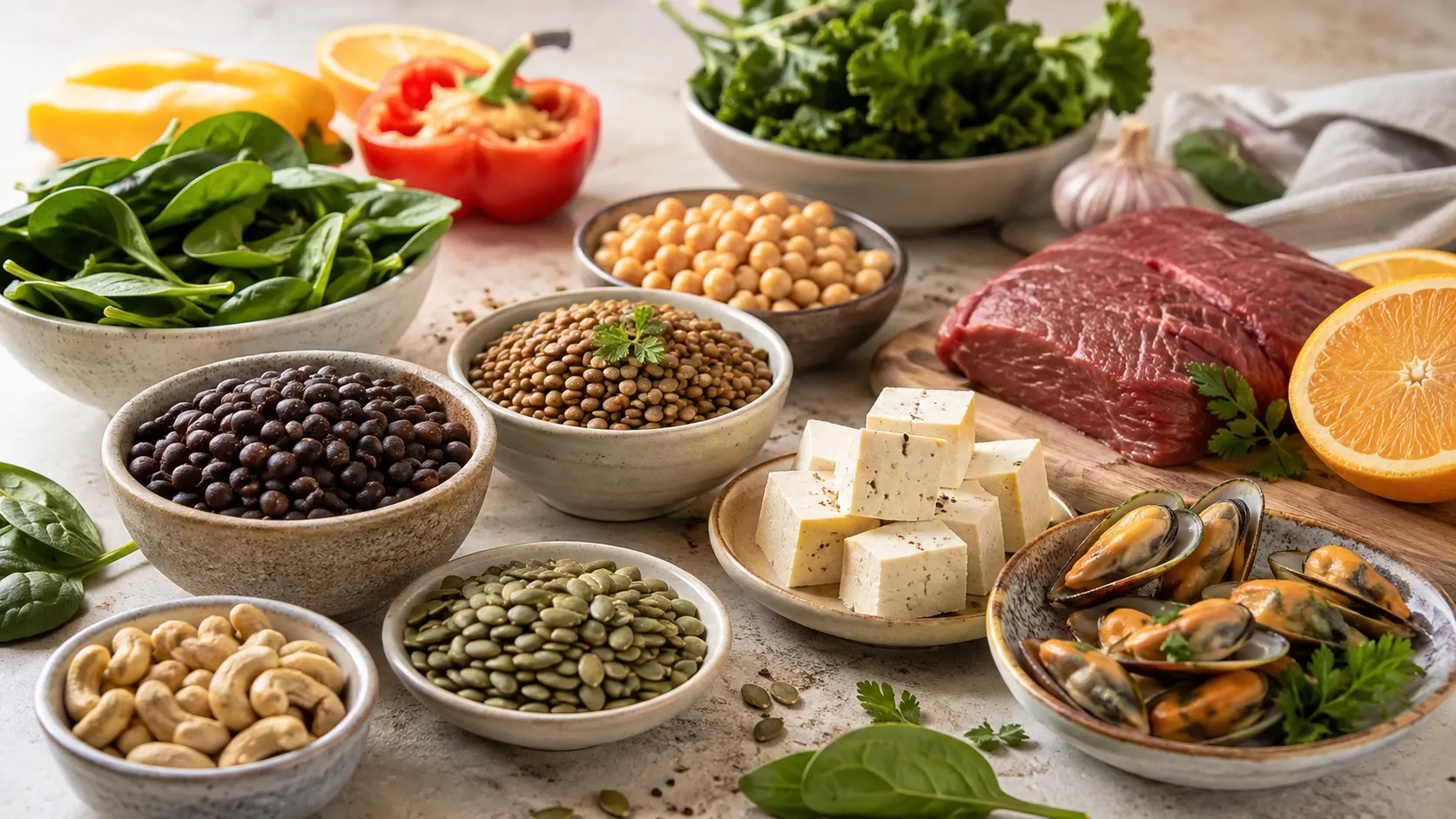
How much iron do you need each day? Learn about iron-rich foods, heme and non-heme iron, absorption, and practical ways to get enough from your diet.
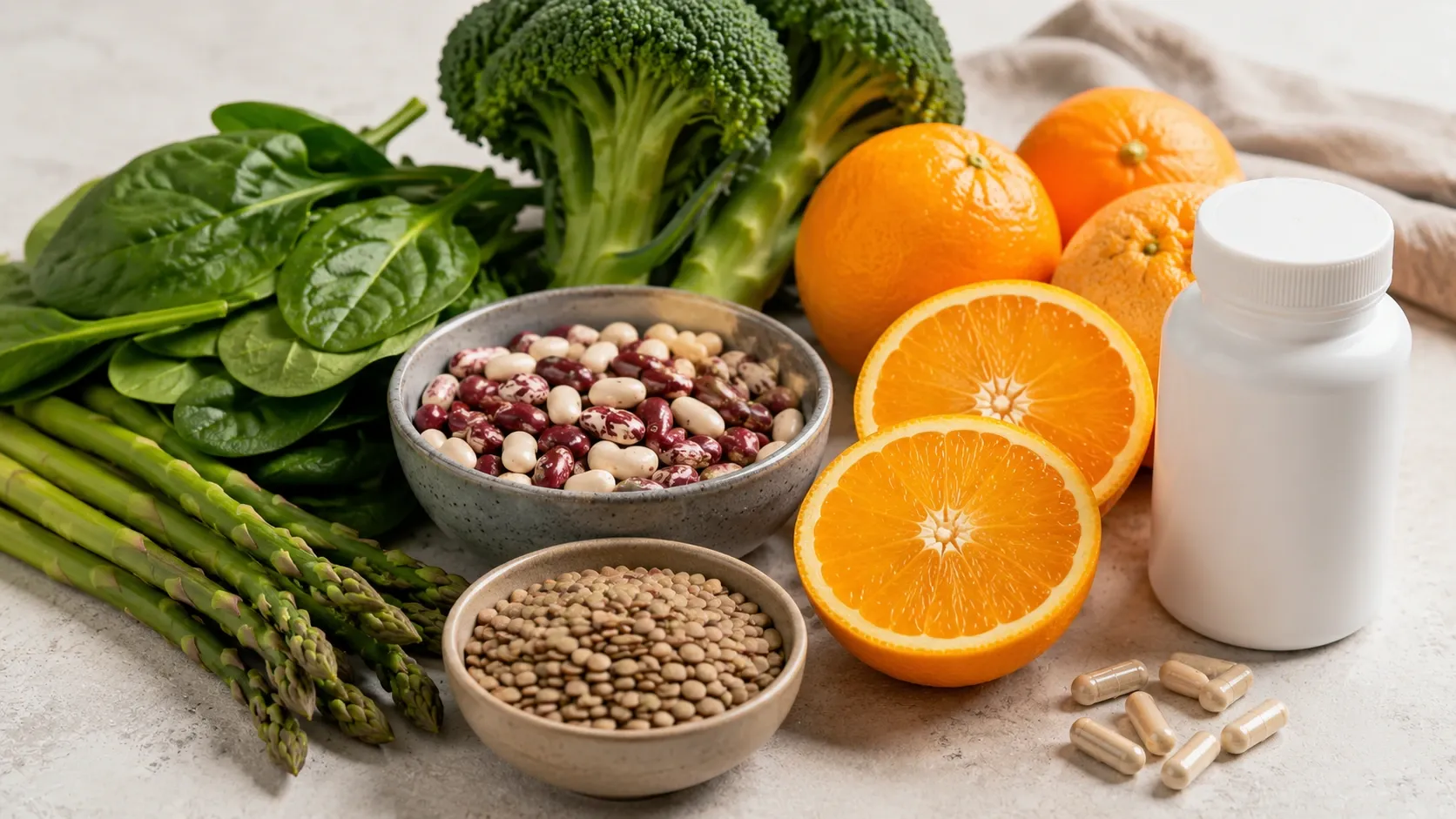
Folate and folic acid are both forms of vitamin B9, but they are not exactly the same. Learn how they differ, where they are found, and when supplementation matters.

Eating fruit at night does not automatically cause weight gain. Learn what research says about meal timing, fruit sugar, body weight, and bedtime snacks.
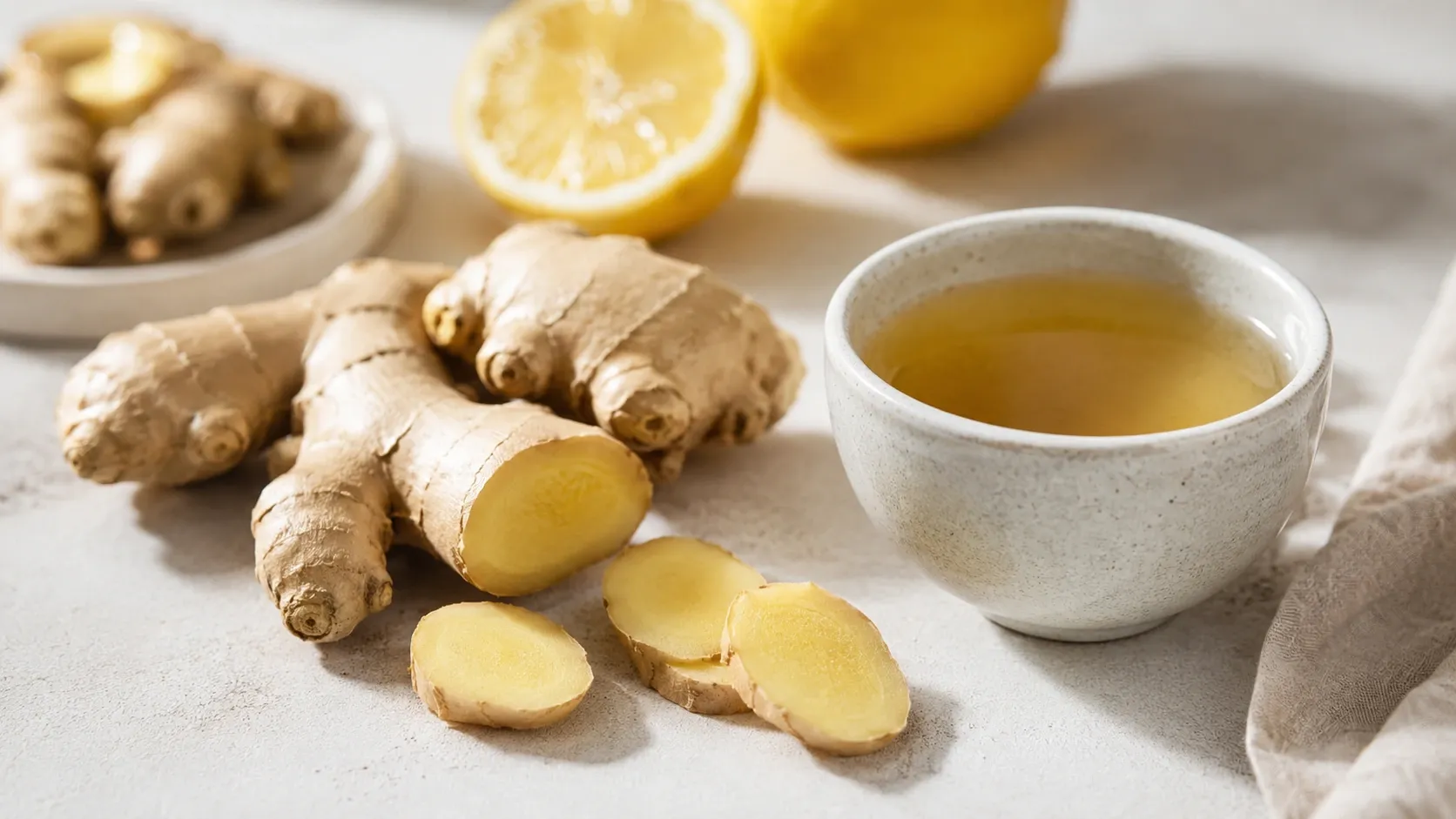
Ginger may help certain types of nausea and can affect gastric motility and inflammatory markers. Learn where the evidence is strongest and where uncertainty remains.

Glutamine is marketed for muscle, gut health, and immunity, but supplementation benefits depend heavily on context. Here is what the evidence actually shows.
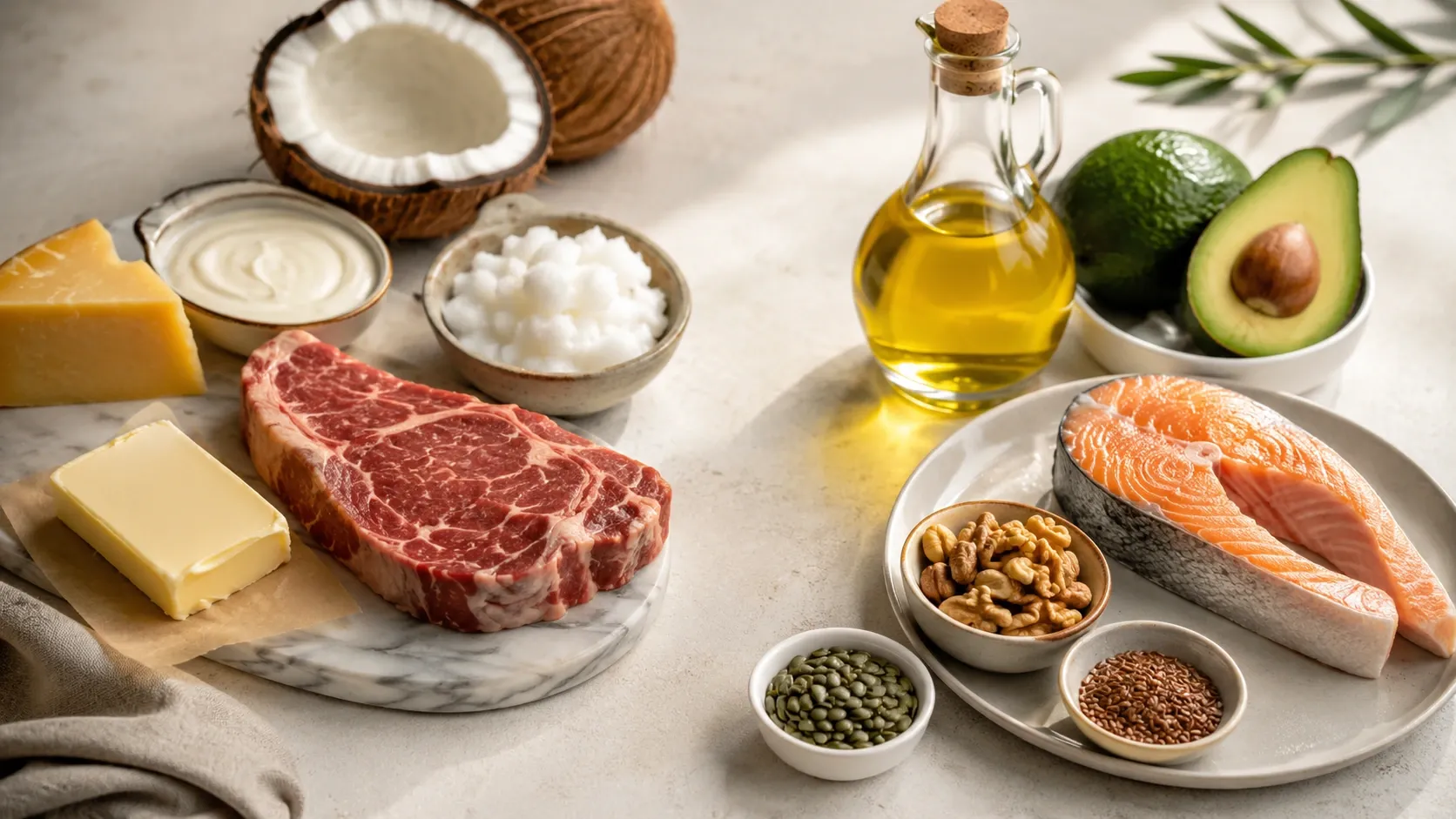
Learn how much saturated fat to eat, which foods provide the most, and how replacing it with unsaturated fats and fiber-rich foods can improve diet quality.
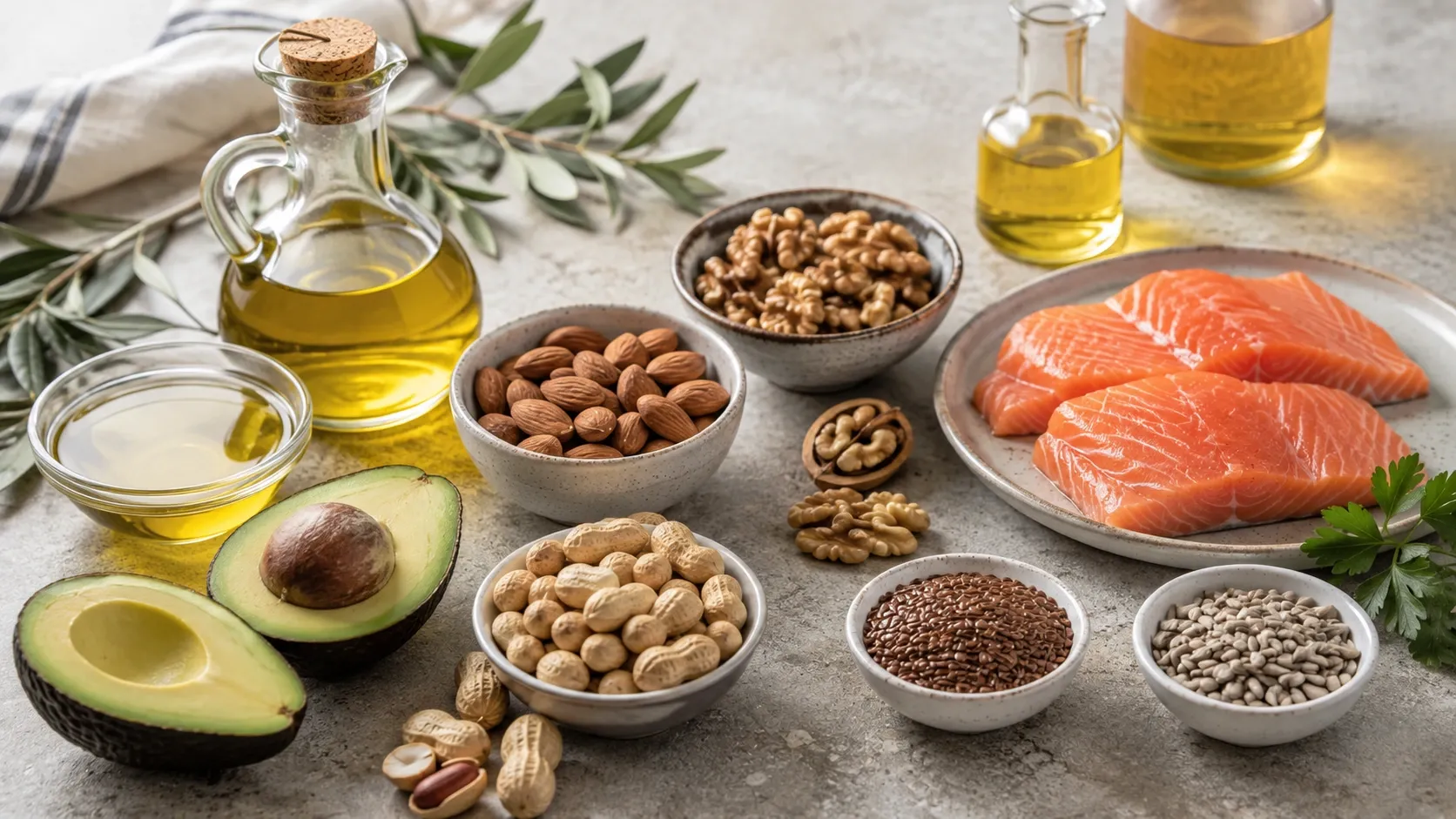
Monounsaturated and polyunsaturated fats are both unsaturated fats, but they differ in structure, food sources and essential fatty acids. Learn how each fits into a healthy diet.

Learn what trans fats are, where they may be found, why they are linked to cardiovascular disease, and how to keep your intake as low as possible.
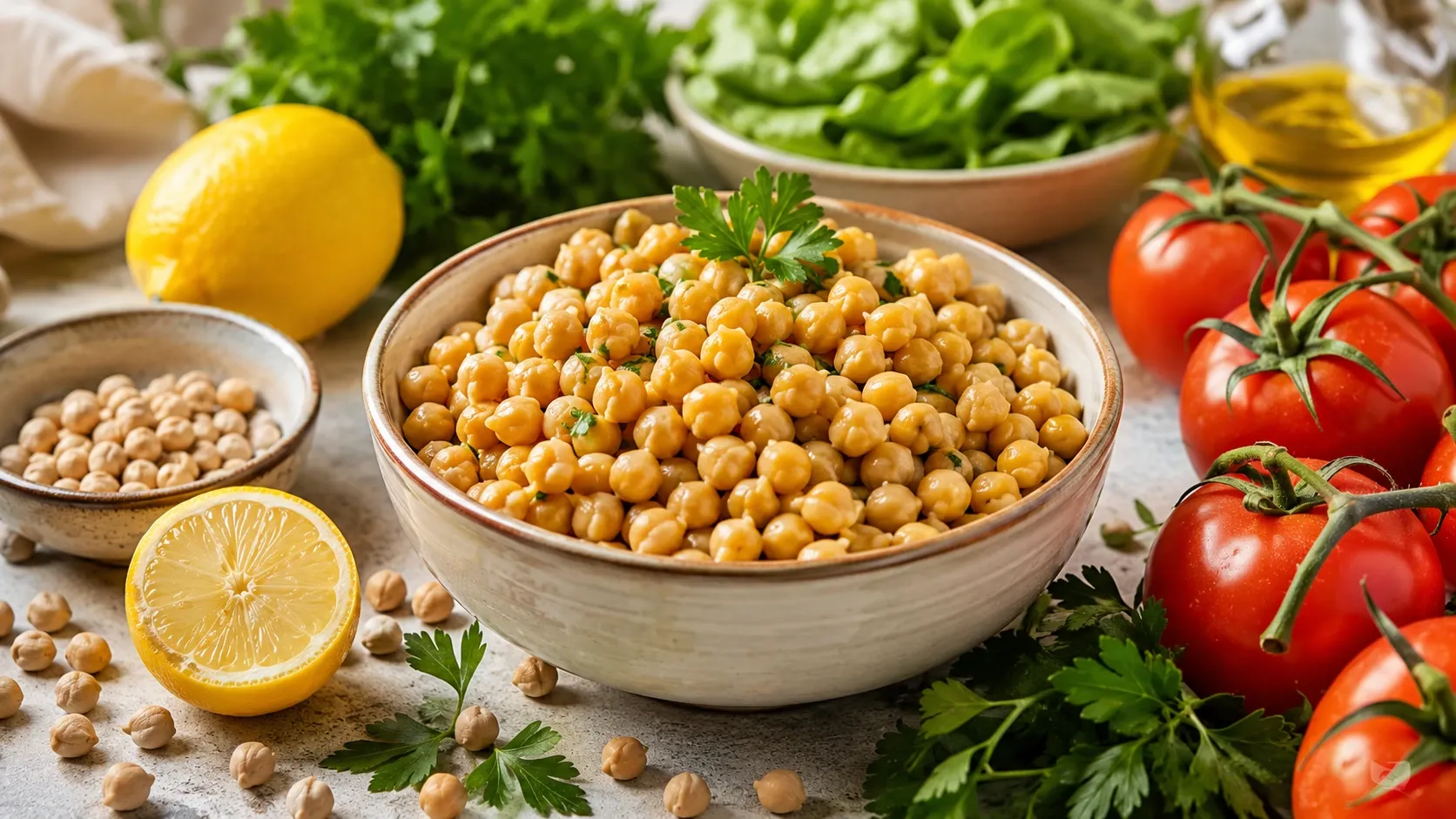
Chickpeas provide plant protein, fiber, folate and minerals. Learn about their nutrition, evidence-based benefits and practical ways to include them in your diet.
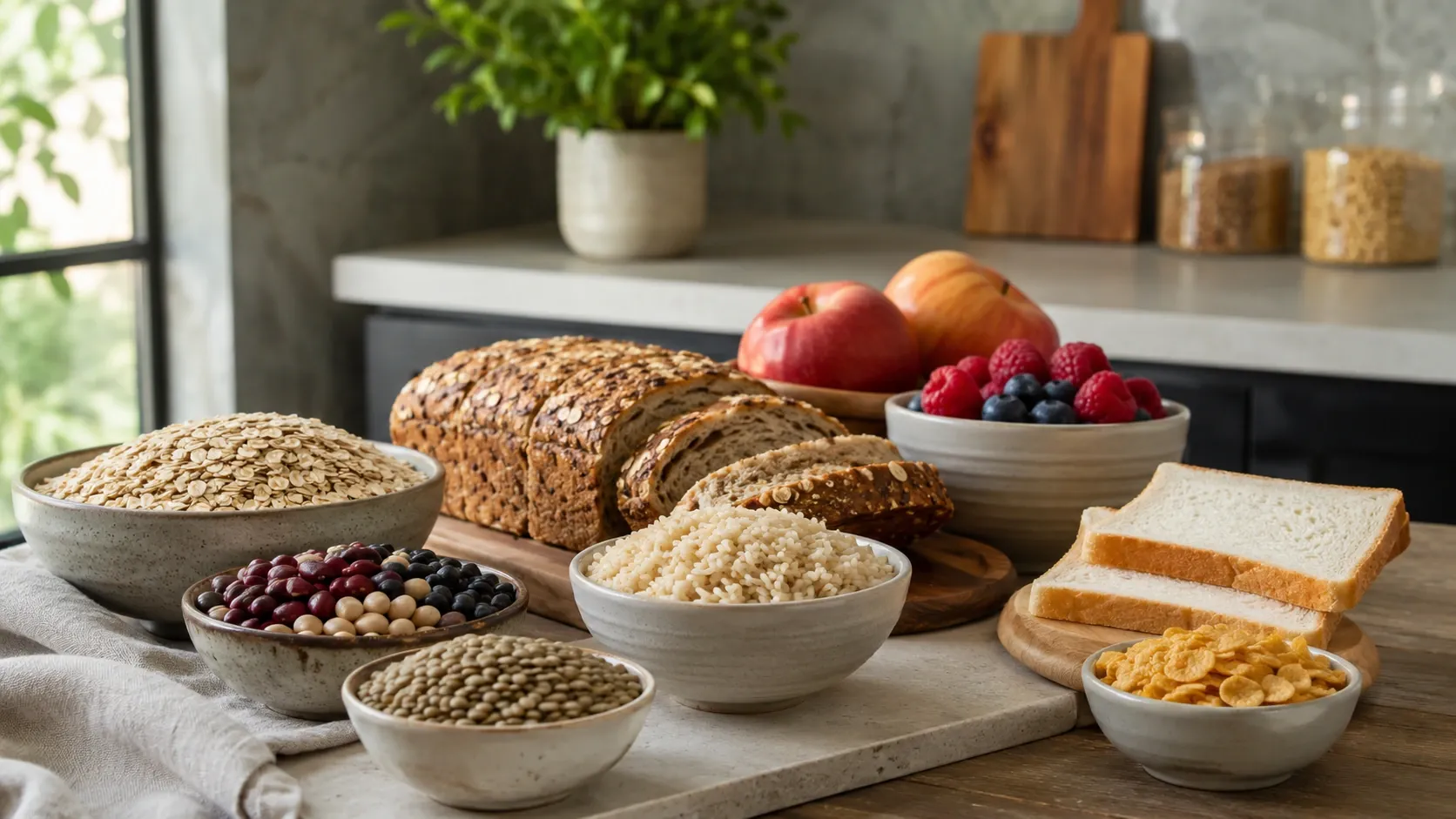
Learn what the glycemic index measures, how it differs from glycemic load, and why portions, fiber, and overall diet quality matter more than one number.
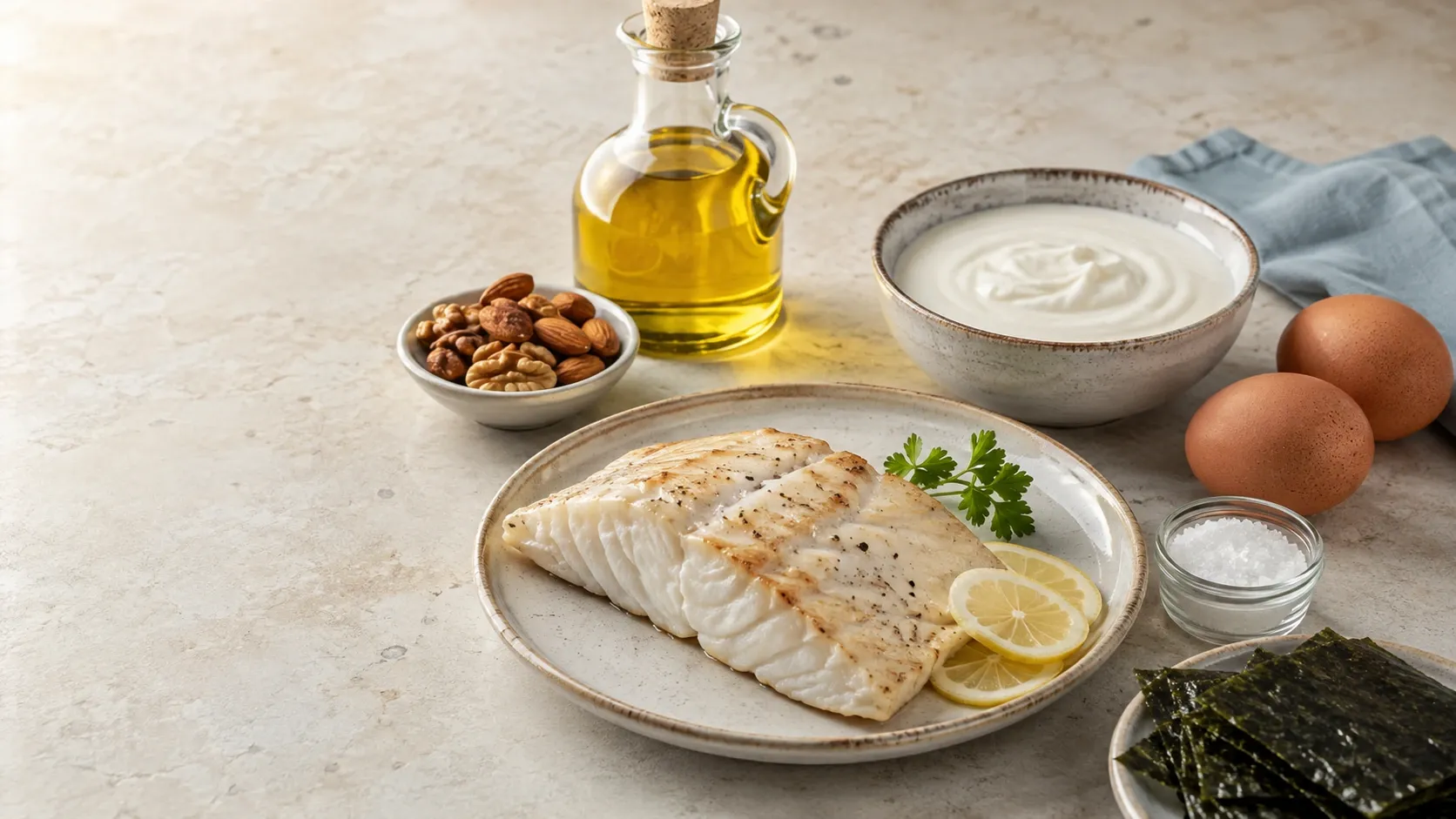
Iodine is essential for thyroid hormone production. Learn how much we need, where to find it in food, and why both deficiency and excess matter.

Learn how to choose plain yogurt by comparing added sugars, protein, saturated fat, ingredients, live cultures and other useful information on the label.

Intermittent fasting can support weight loss, but it does not consistently outperform conventional calorie restriction. Learn what the latest evidence shows and who should be cautious.
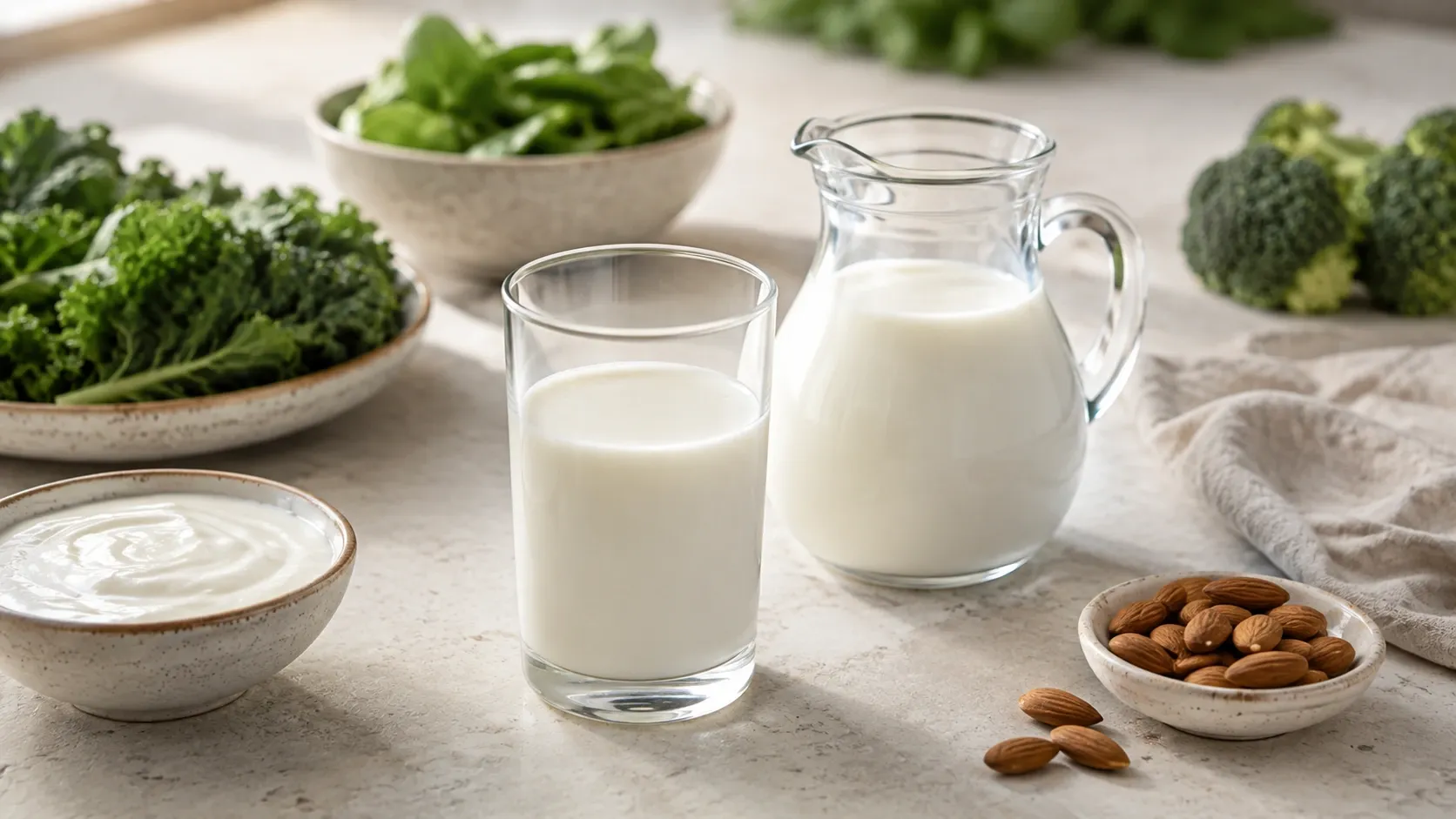
Milk provides protein, calcium, and vitamin B12, but questions remain about lactose, saturated fat, inflammation, and cancer. See what current evidence actually shows.

Lactose-free milk is not automatically healthier. Learn how it differs from regular milk, who benefits from it, and what really changes in sugars and nutrients.
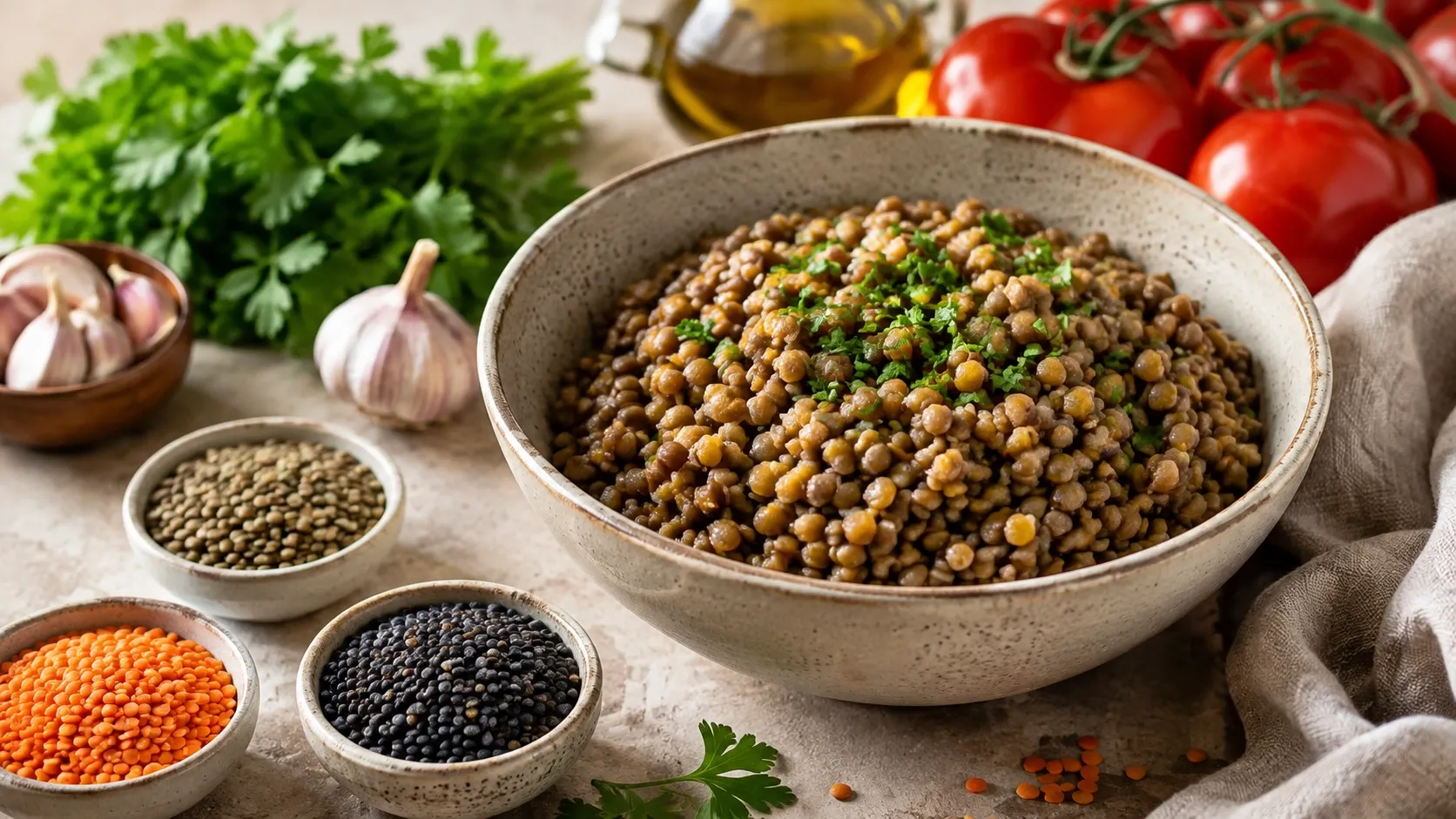
Lentils provide plant protein, fiber, folate, iron, and other minerals. Learn about their nutrition, potential health benefits, and the best ways to cook them.
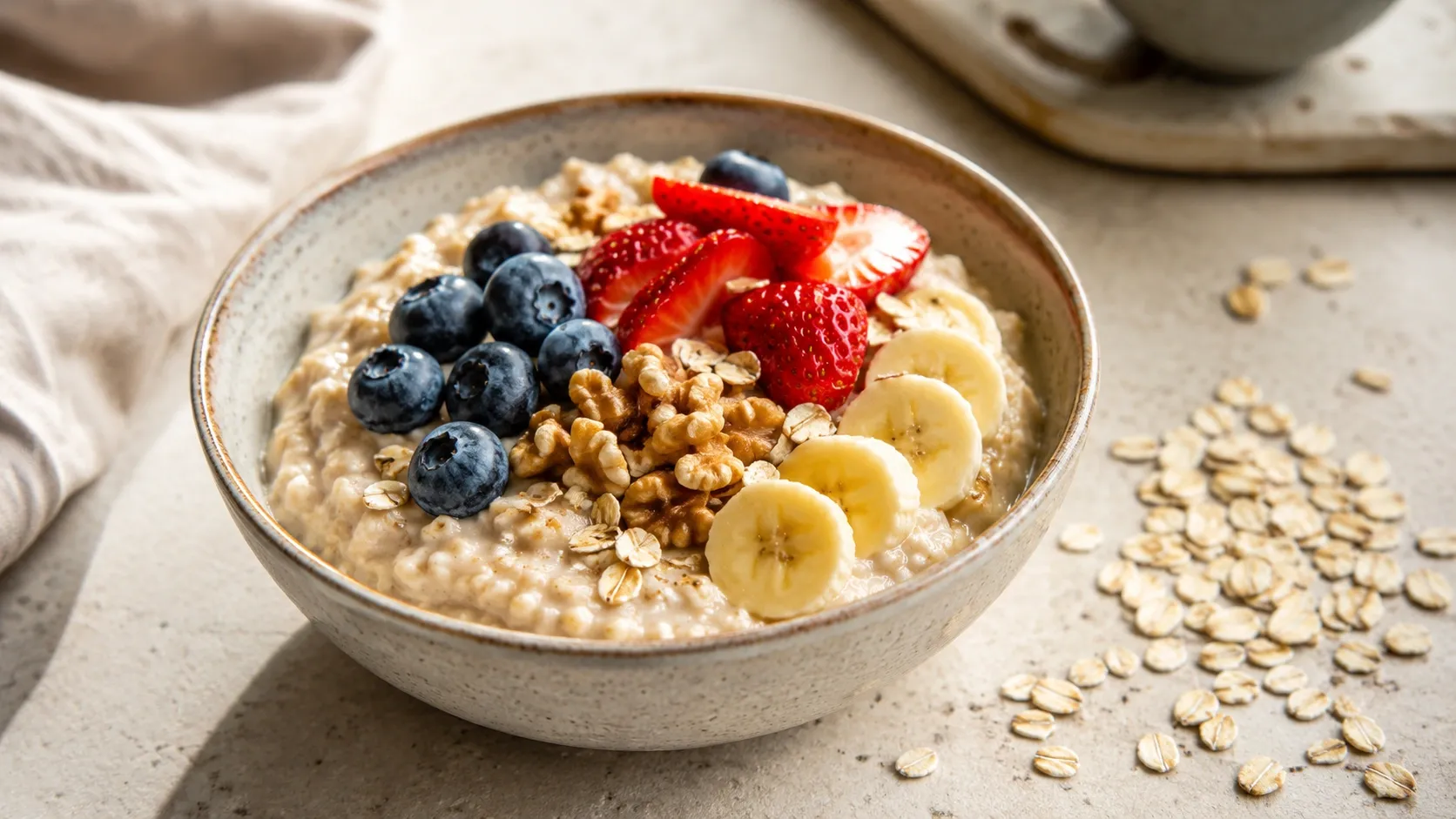
Oats provide fiber, protein, and minerals, while their beta-glucan is linked to lower LDL cholesterol. Learn about oat nutrition, benefits, types, and practical ways to eat them.

Bananas provide carbohydrates, fiber, potassium, and other nutrients. Compare common Brazilian varieties and learn how ripeness and type affect their nutritional profile.
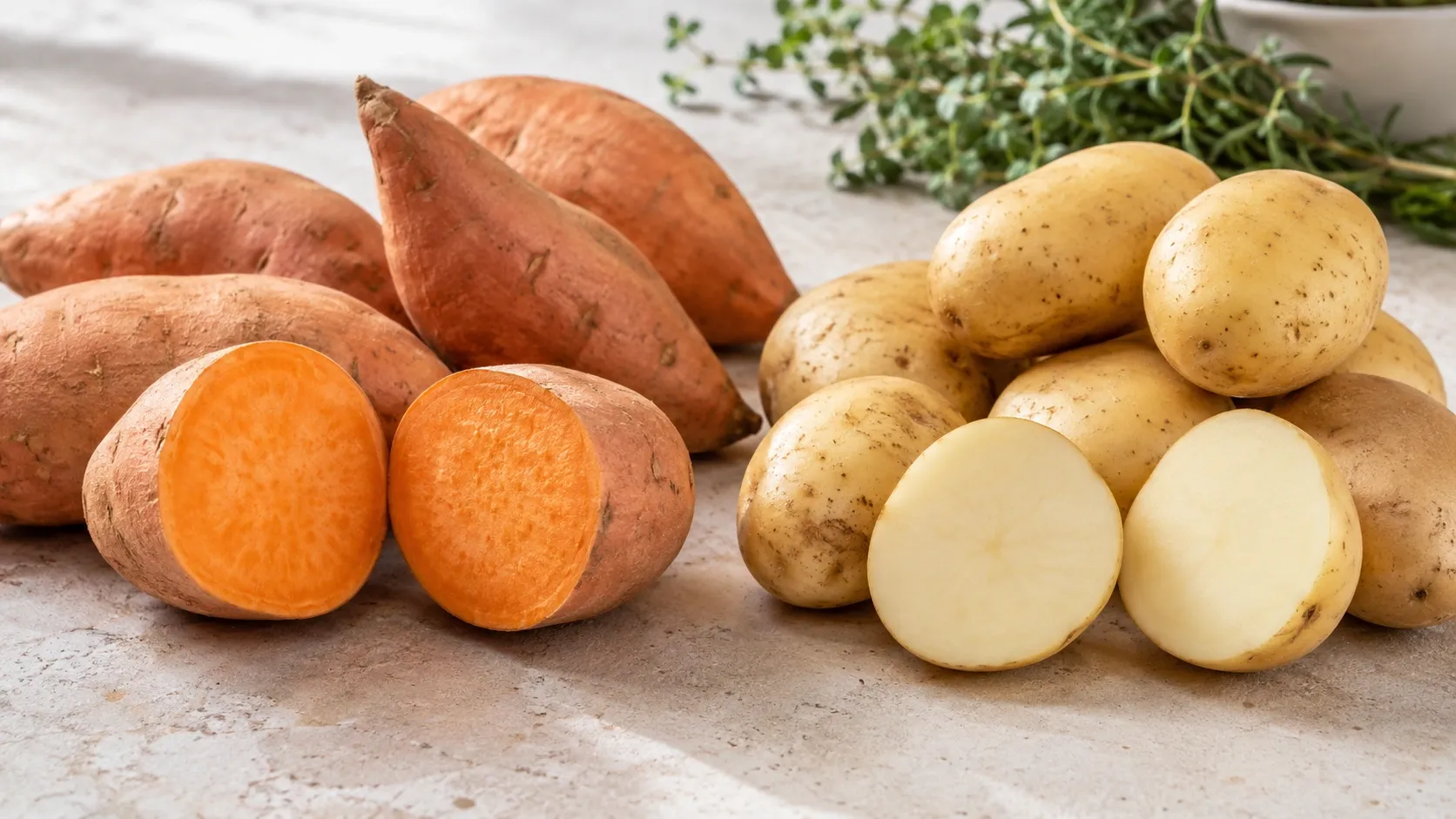
Sweet and white potatoes can both be nutritious. Learn how vitamin content, glycemic response, cooking method, and portion size affect the better choice.

BCAAs can stimulate muscle protein synthesis, but do they actually increase muscle growth? See what current evidence says and whether supplementation is worthwhile.

Learn what beta-alanine does, how it increases muscle carnosine, which workouts may benefit, the doses studied, and why the supplement can cause tingling.

Beetroot is rich in nitrate, which may produce small performance gains in certain types of exercise. Learn how it works, effective doses, timing and limitations.
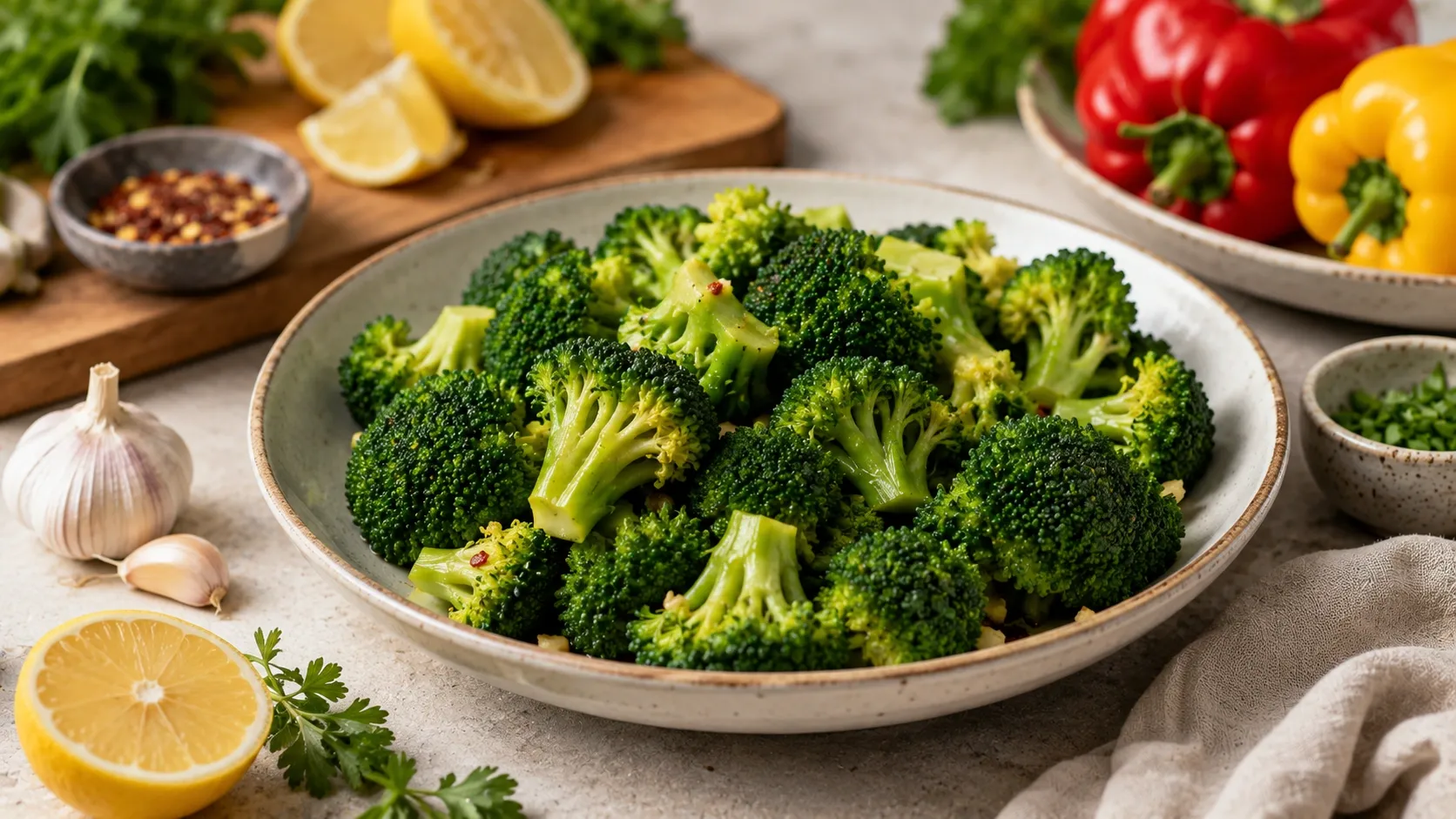
Broccoli provides fiber, vitamin C, folate and other nutrients. Learn what research really says about its benefits, sulforaphane, thyroid health and cooking.

Is breakfast truly essential? See what research says about weight, metabolism, cardiovascular health, skipping breakfast, and what matters most in the morning.

Coffee can fit into a healthy diet, but caffeine dose and individual sensitivity matter. Learn what research says about benefits, sleep, blood pressure, pregnancy and safe intake.

Caffeine can improve strength, power and endurance, but responses vary. See what research says about effective doses, timing, benefits and possible downsides.
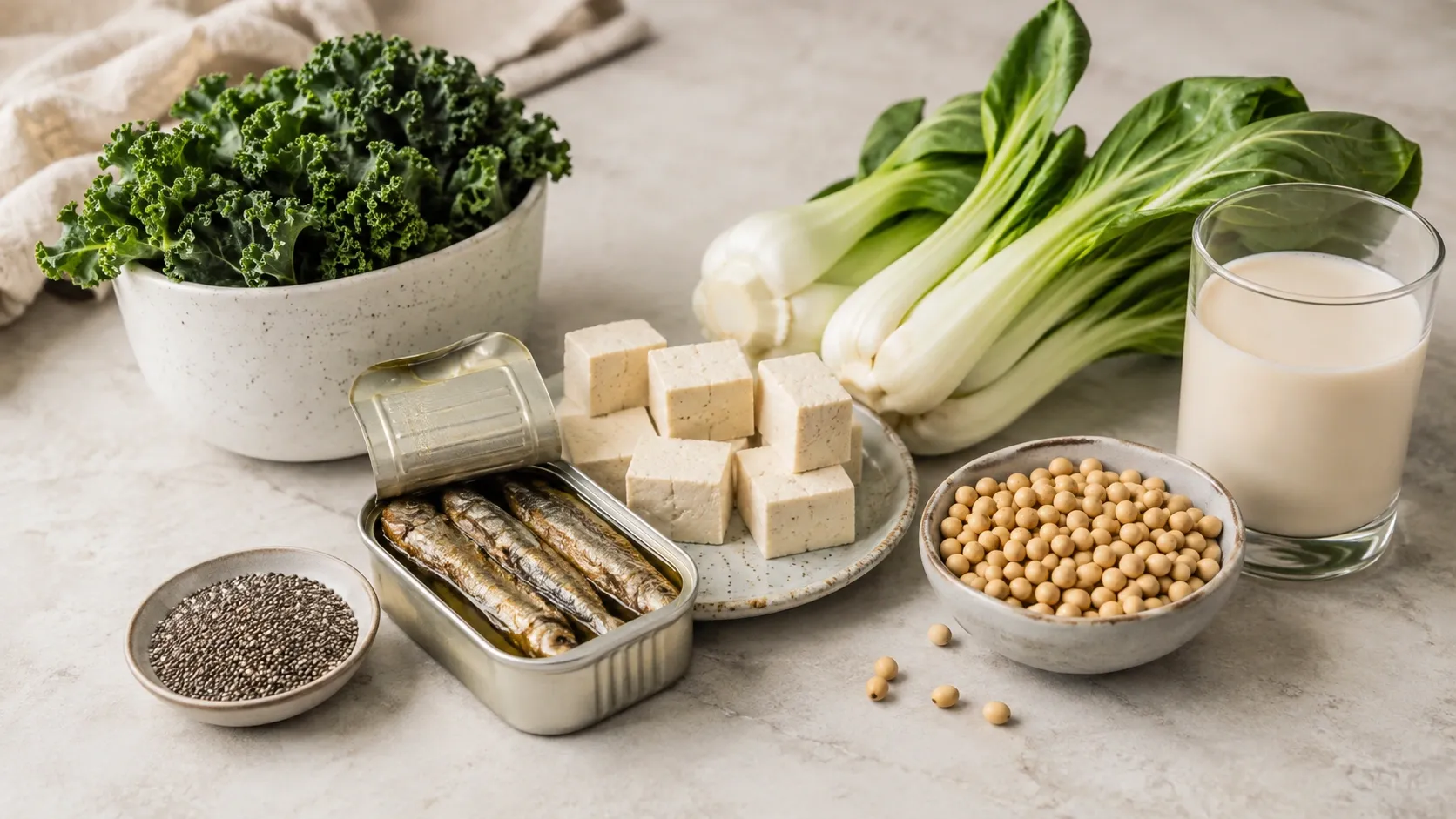
Milk is not the only source of calcium. Discover calcium-rich foods, learn how absorption differs, and see how to diversify your daily intake.
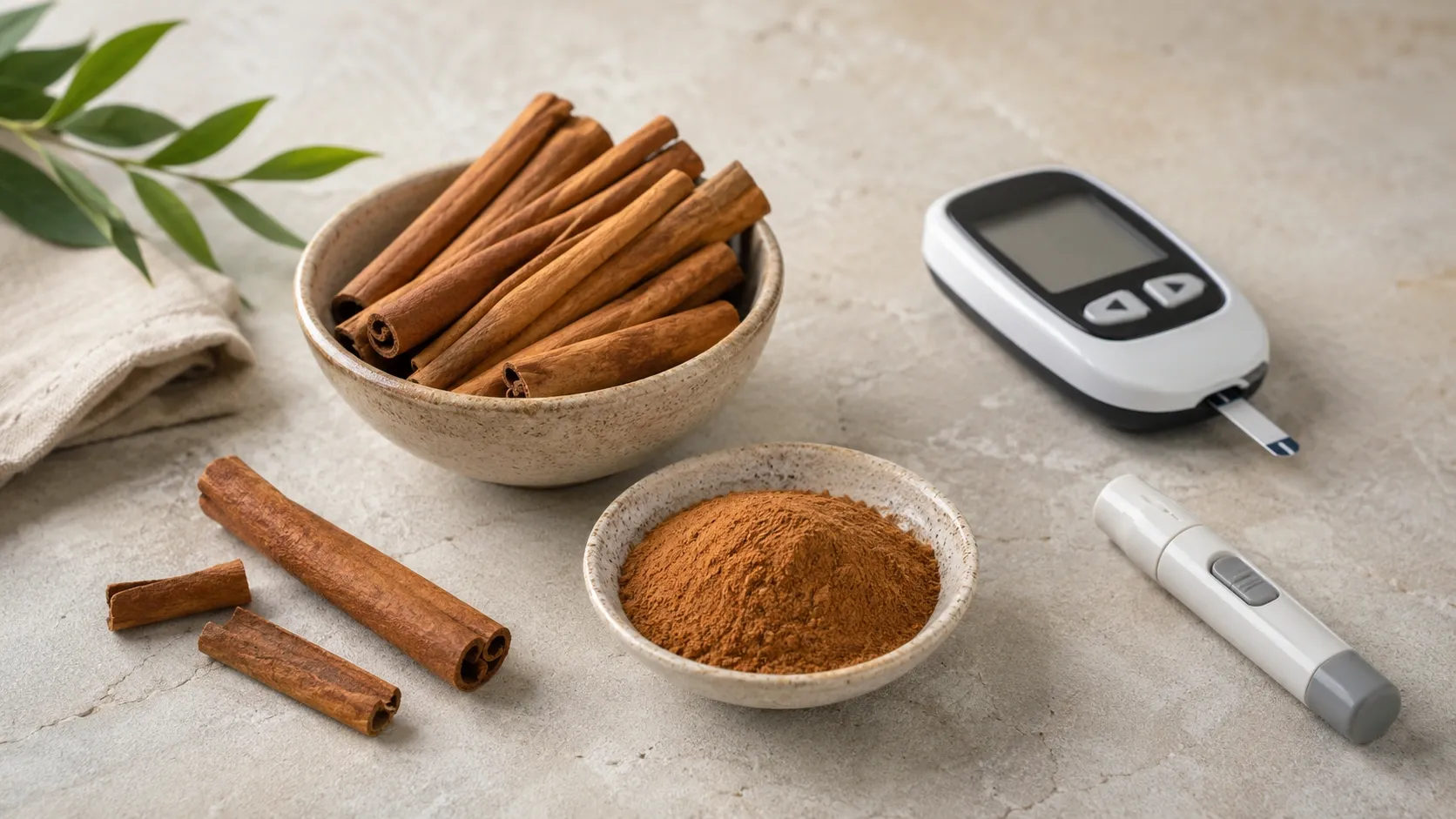
Cinnamon may modestly lower blood glucose in some people, but it cannot replace diabetes treatment. Learn what studies show about glucose, HbA1c, dosage, cinnamon types and safety.

Eating carbs at night does not automatically cause fat gain. Learn how calorie intake, meal timing, carbohydrate quality and circadian biology actually fit together.
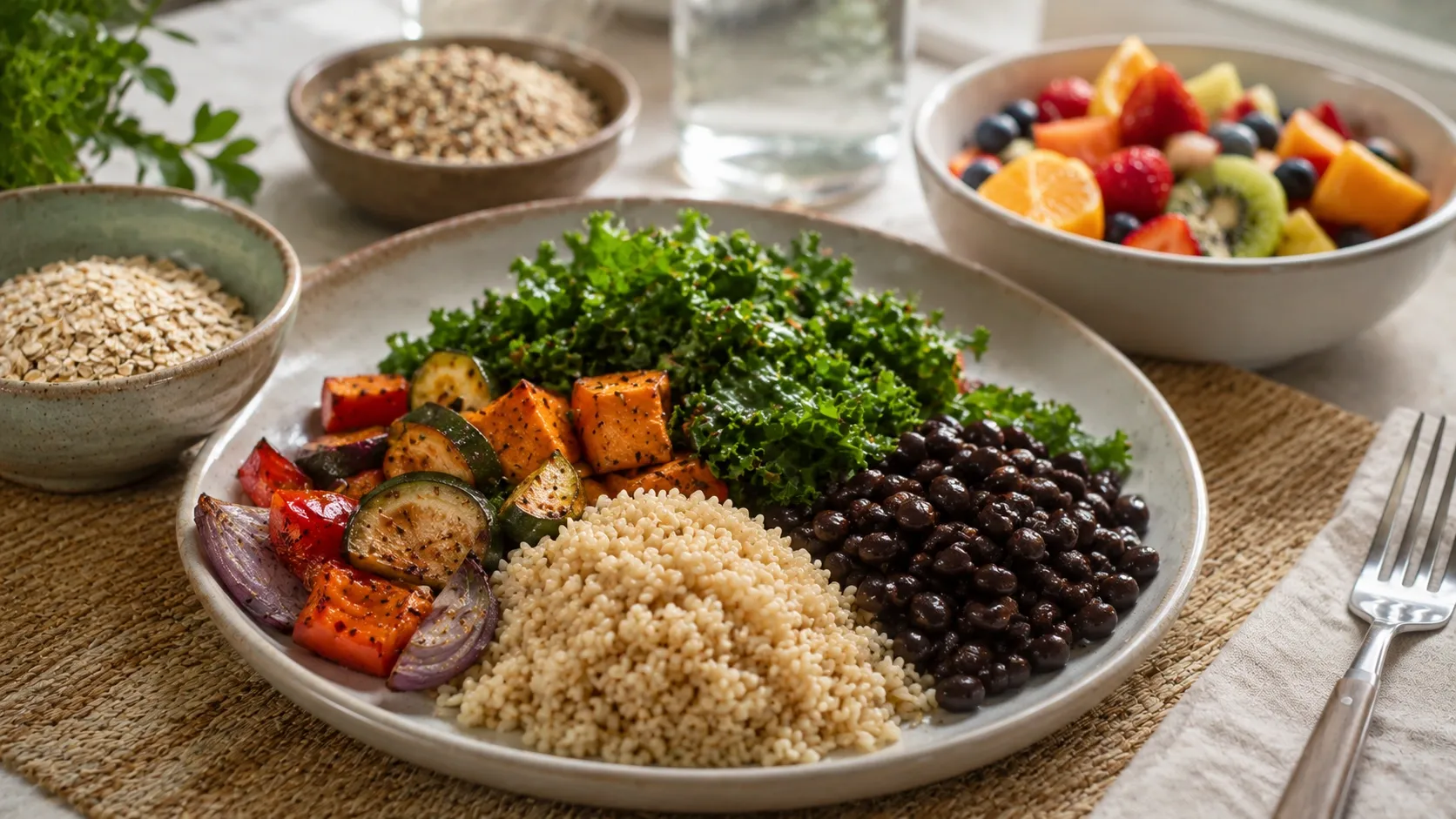
Carbohydrates are not inherently unhealthy. Learn how they provide energy, why fiber and food quality matter, and when refined carbs and free sugars deserve attention.
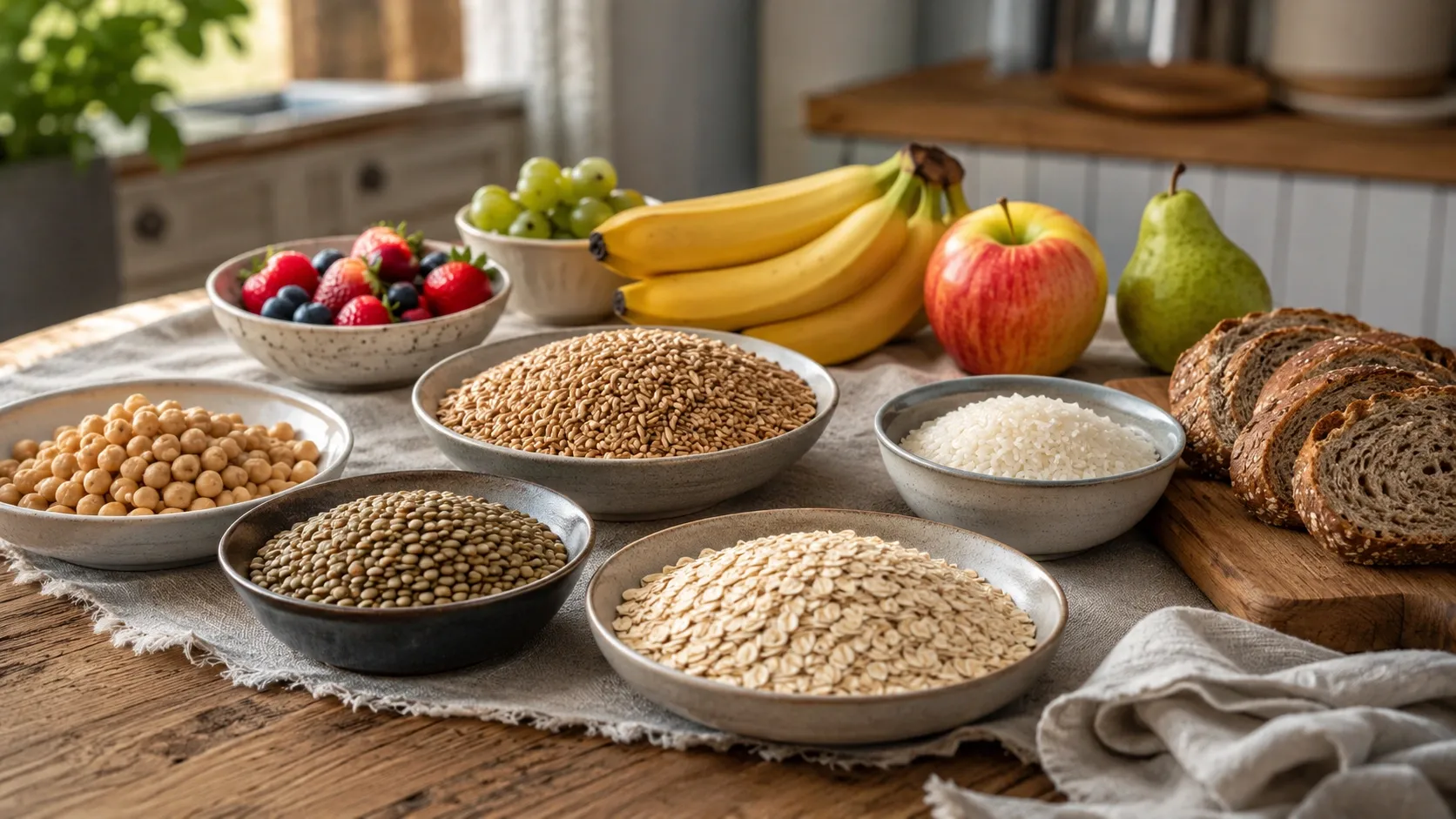
Learn how glycemic load differs from glycemic index, how portion size changes the calculation, and why neither number should be used alone to judge the nutritional quality of a food.

Brazil nuts contain exceptional amounts of selenium, but levels vary widely. Learn why one nut is often enough and how eating too many may increase selenium intake.
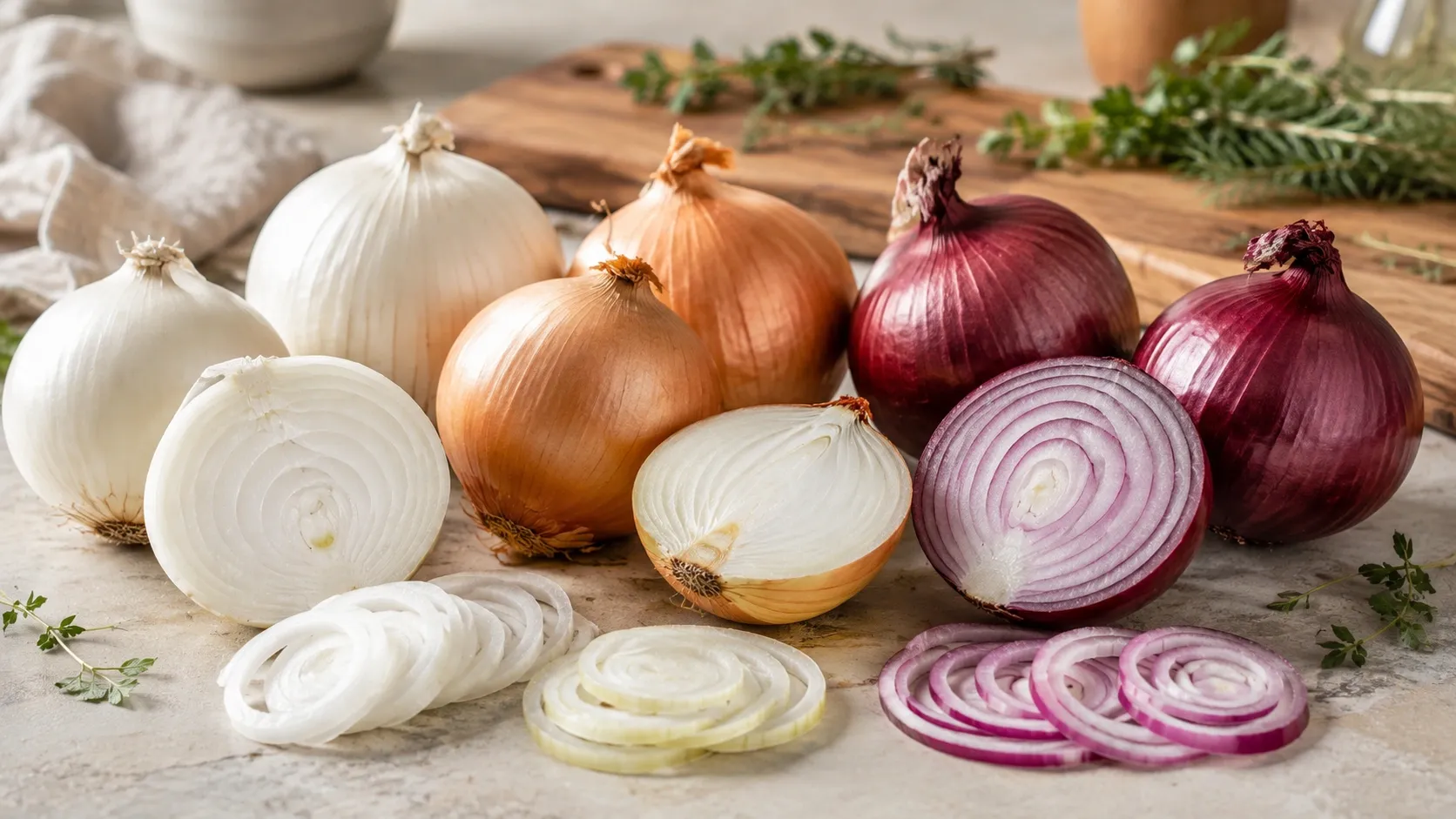
Onions provide fiber and plant compounds such as quercetin and sulfur-containing substances. Learn about their nutrients, potential benefits, evidence limits, and cooking effects.

Carrots provide beta-carotene, which the body can convert into vitamin A — a nutrient essential for normal vision. Learn what carrots can actually do for your eyes and where the familiar claim goes too far.

Green tea may slightly increase energy expenditure, but its effect on body weight is small. See what research says about catechins, caffeine, and safety.
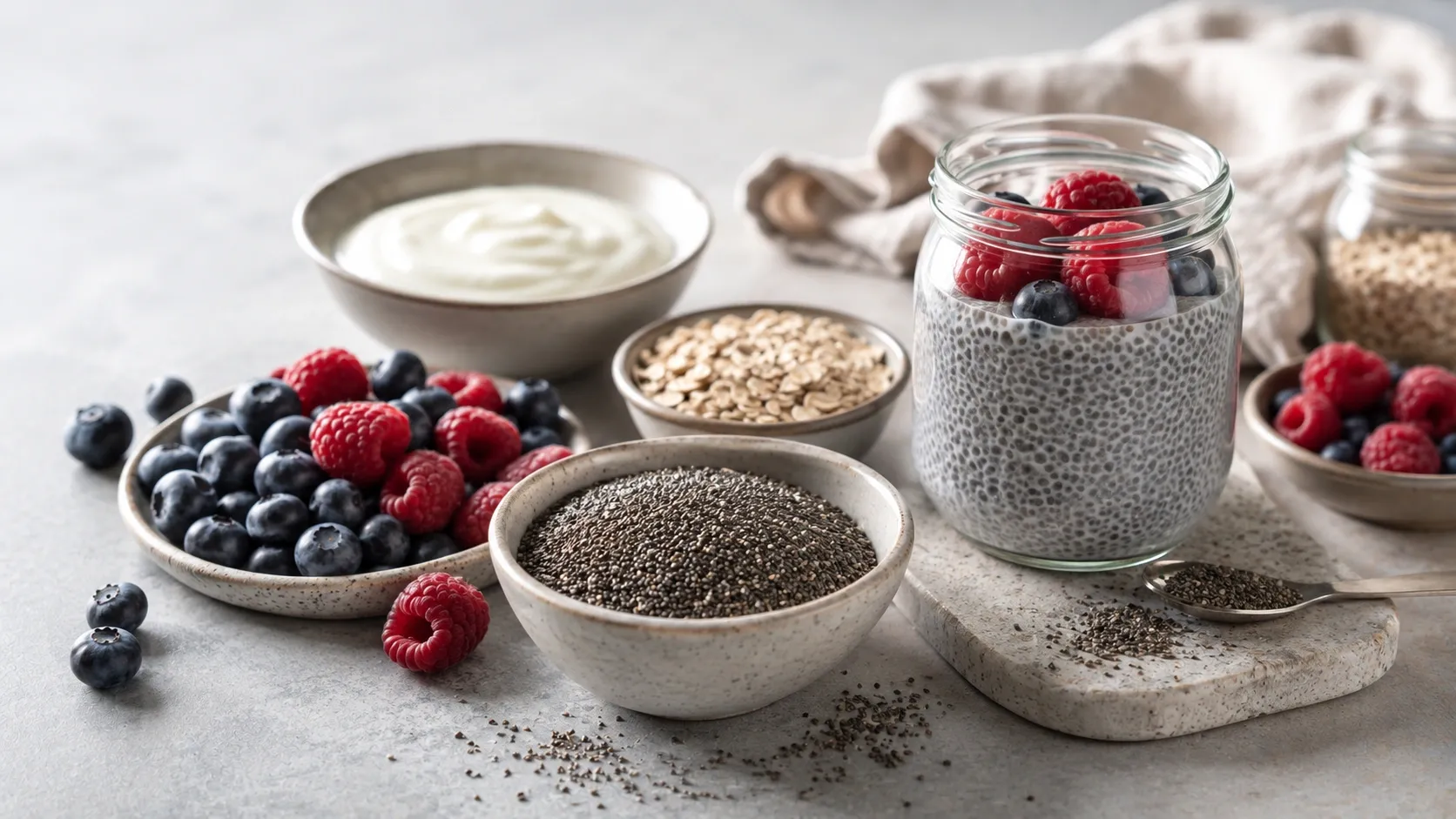
Chia seeds are rich in fiber, unsaturated fats, and plant-based omega-3s. Learn about their nutrients, potential benefits, serving size, and practical ways to eat them.

Dark chocolate provides cocoa flavanols, but it is not medicine. Learn what the evidence shows, how to choose a bar, and how much can reasonably fit into a healthy diet.

Citrulline malate may provide small performance benefits in some workouts, particularly muscular endurance. Learn what the evidence says about dosage, strength, fatigue, and safety.

Coenzyme Q10 plays a role in cellular energy production and is widely sold as a supplement. Learn where evidence supports potential benefits, how it is studied, and the main safety considerations.
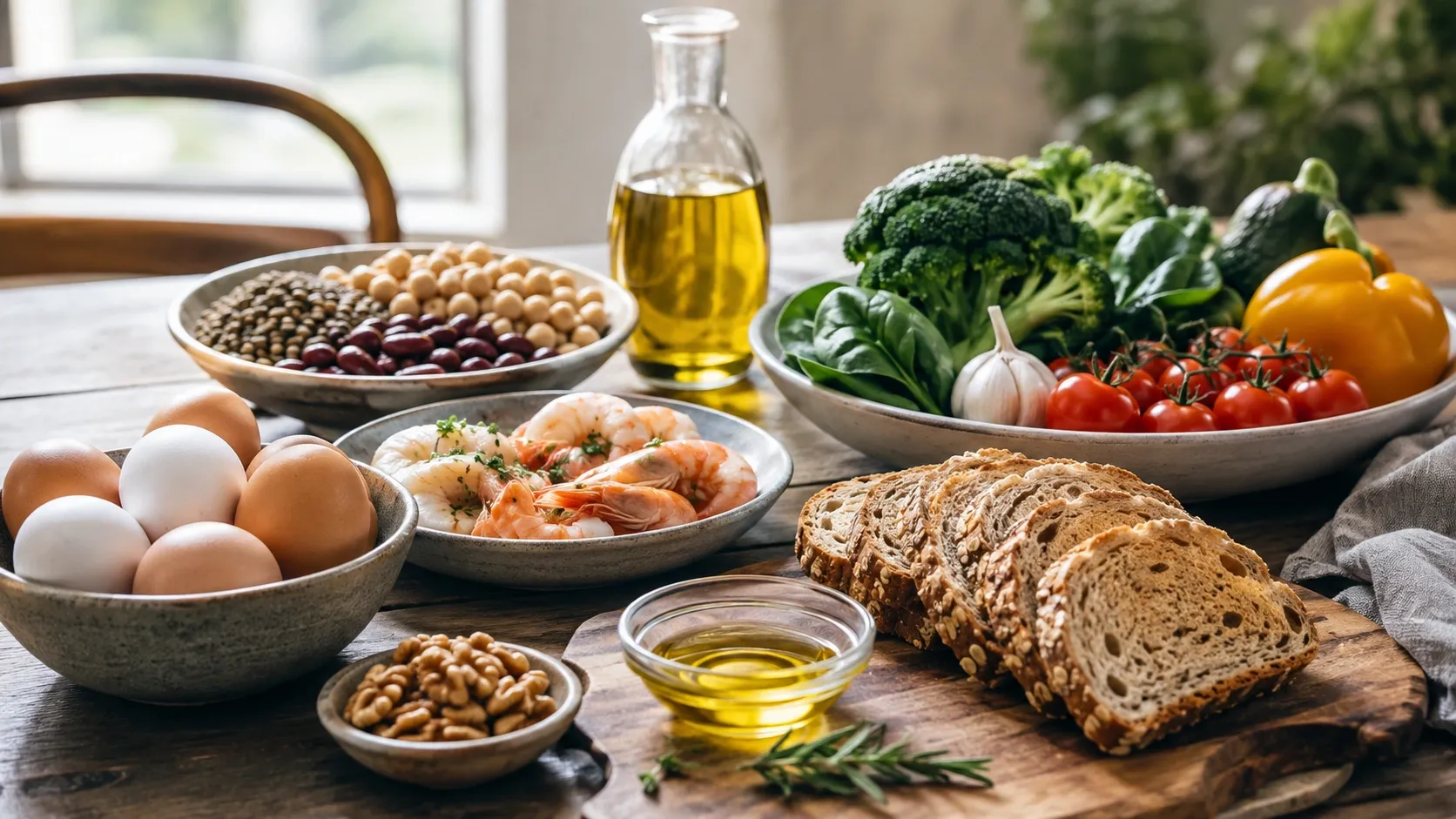
Dietary cholesterol can raise LDL in some people, but the effect varies. Learn why saturated fat and the overall eating pattern often matter more. ([PubMed][2])

Eating more slowly may reduce how much food and energy you consume at a meal, but it is not a stand-alone or guaranteed weight-loss strategy. Here is what the evidence shows.

Eating every few hours does not appear to meaningfully boost metabolism. Learn what the thermic effect of food means and whether meal frequency matters for weight loss.
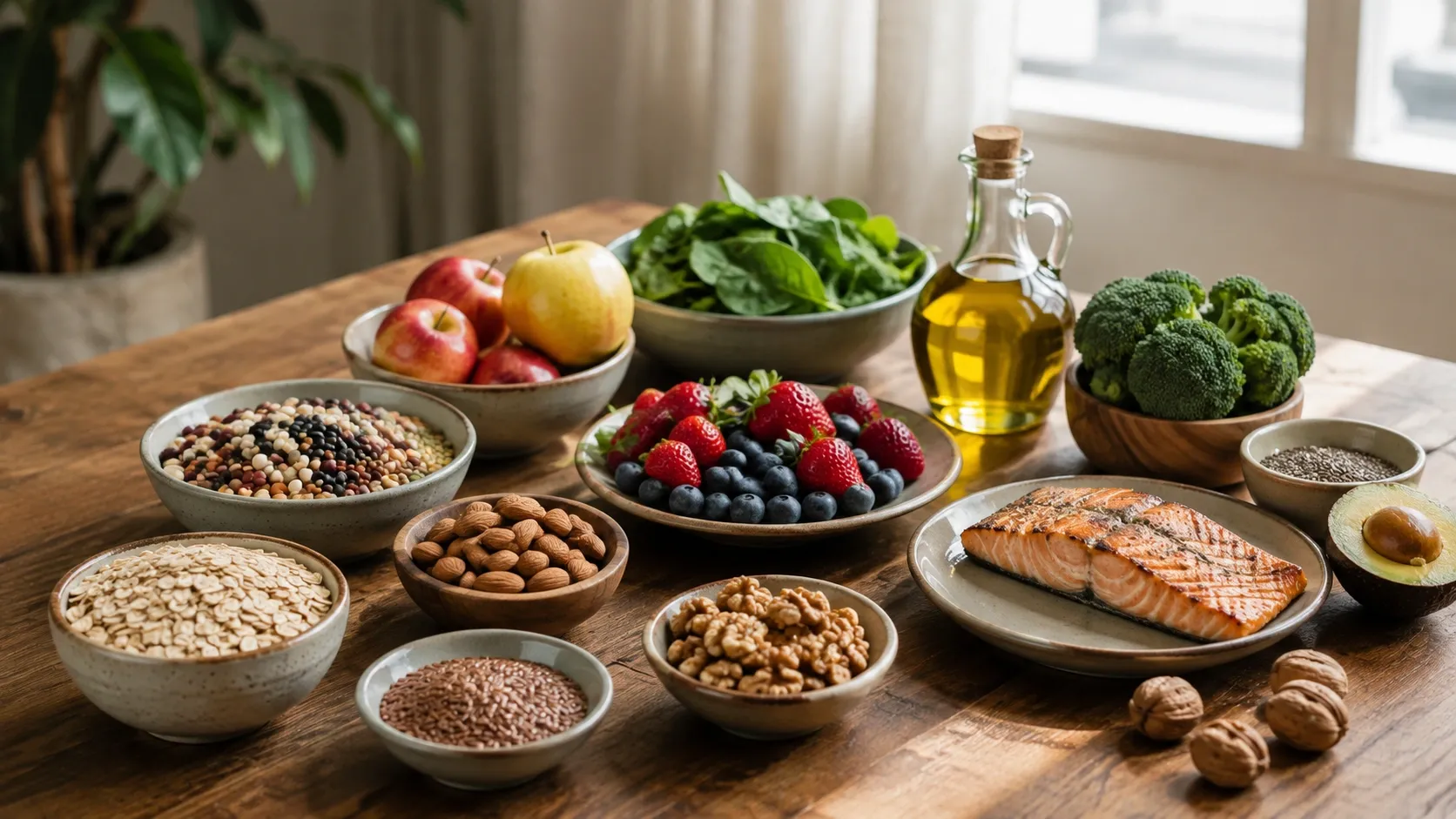
Learn how saturated and trans fats, soluble fiber and unsaturated fats can influence LDL cholesterol and which dietary changes support cardiovascular health.

A calorie deficit is necessary for weight loss, but counting every calorie is not. Learn when tracking may help and how eating patterns and portion control can reduce energy intake without weighing everything.
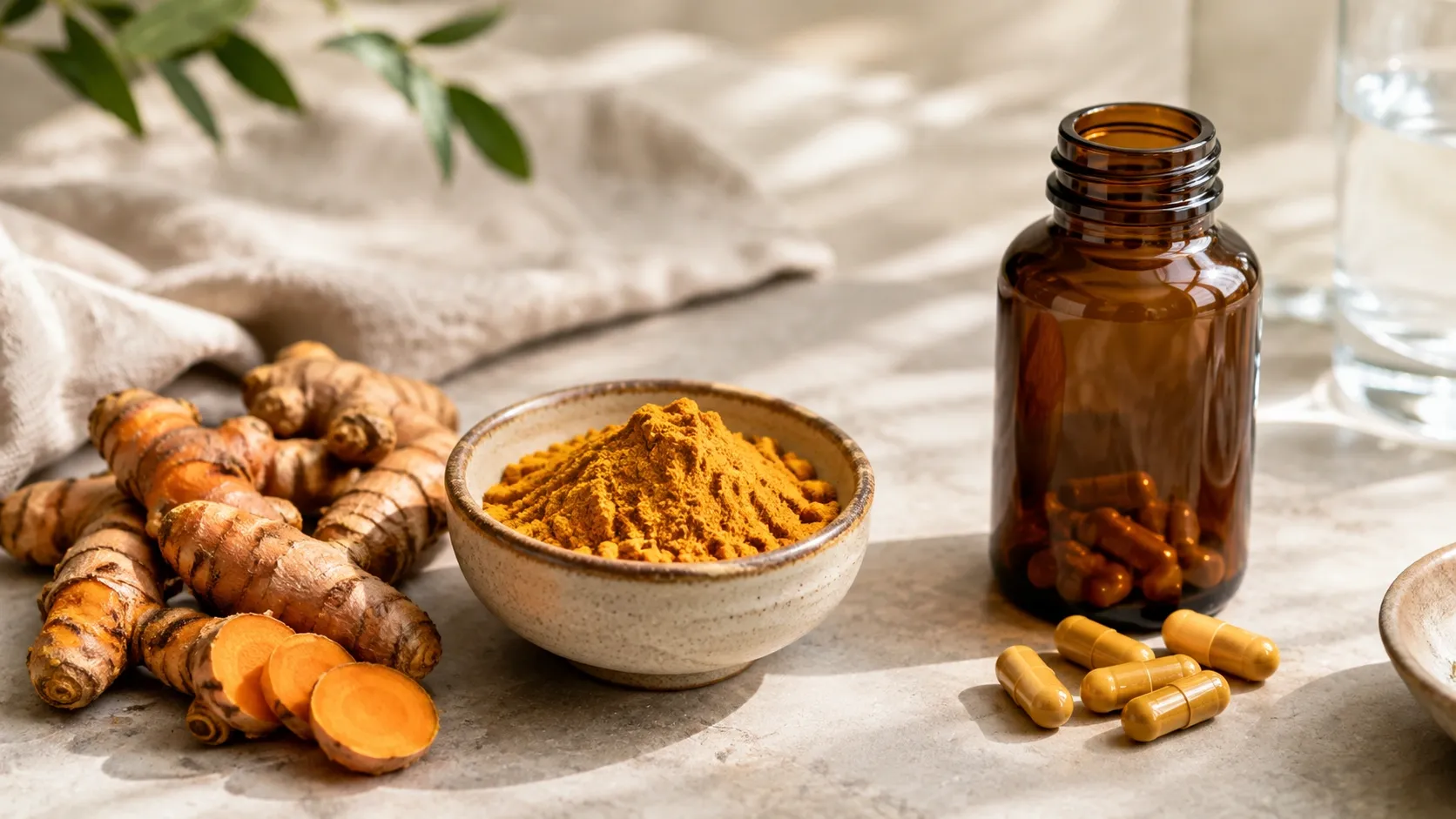
Turmeric and curcumin are linked to anti-inflammatory and joint-health benefits. Learn what clinical research supports, what remains uncertain, and the key safety concerns.

A calorie deficit means using more energy than you consume over time. Learn why it leads to weight loss, why progress slows, and why simple calorie formulas often fail.
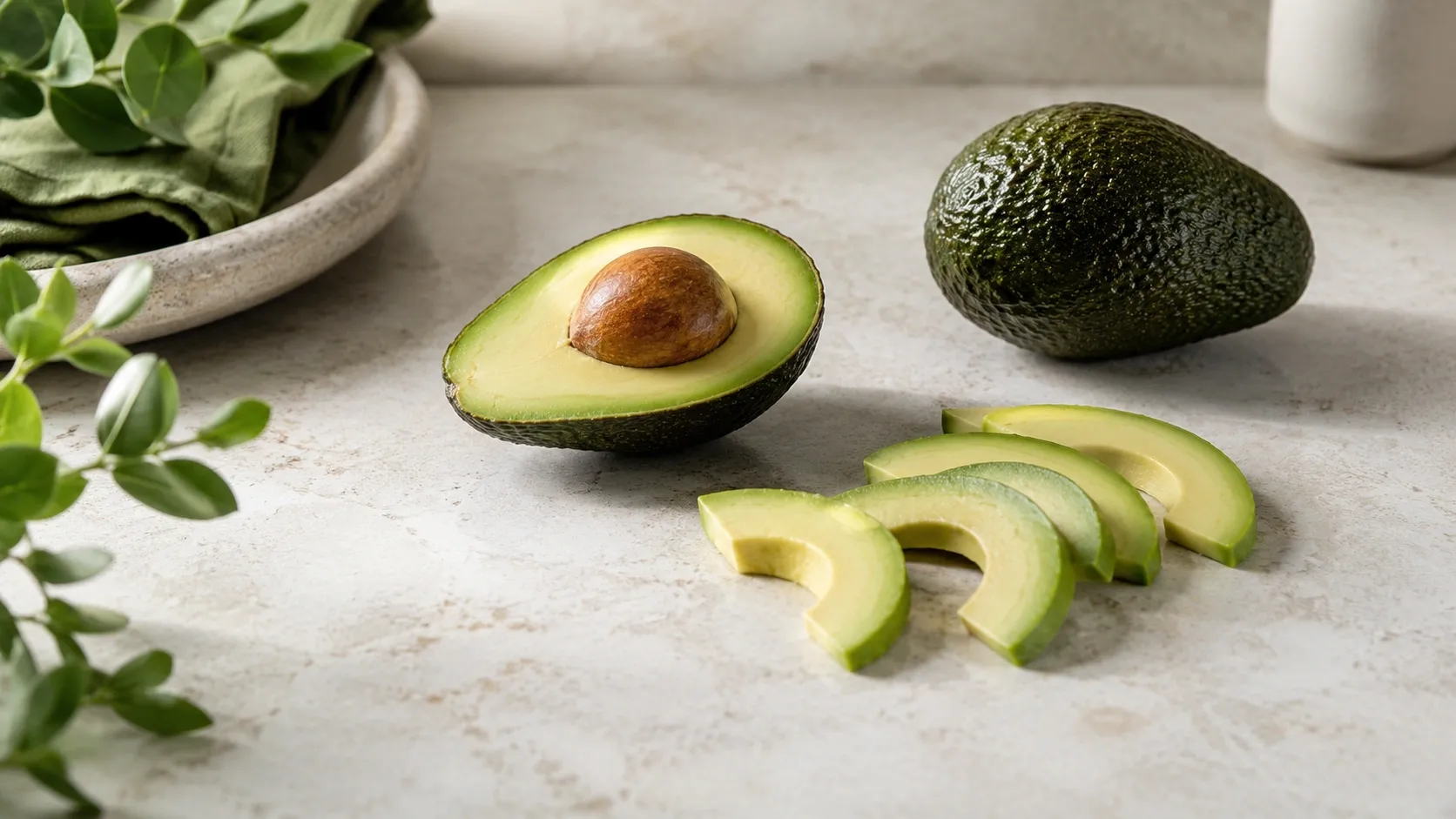
Avocado is higher in calories and fat than many fruits, but that does not mean it automatically causes weight gain. Learn how calories, unsaturated fats, portions and satiety fit together.
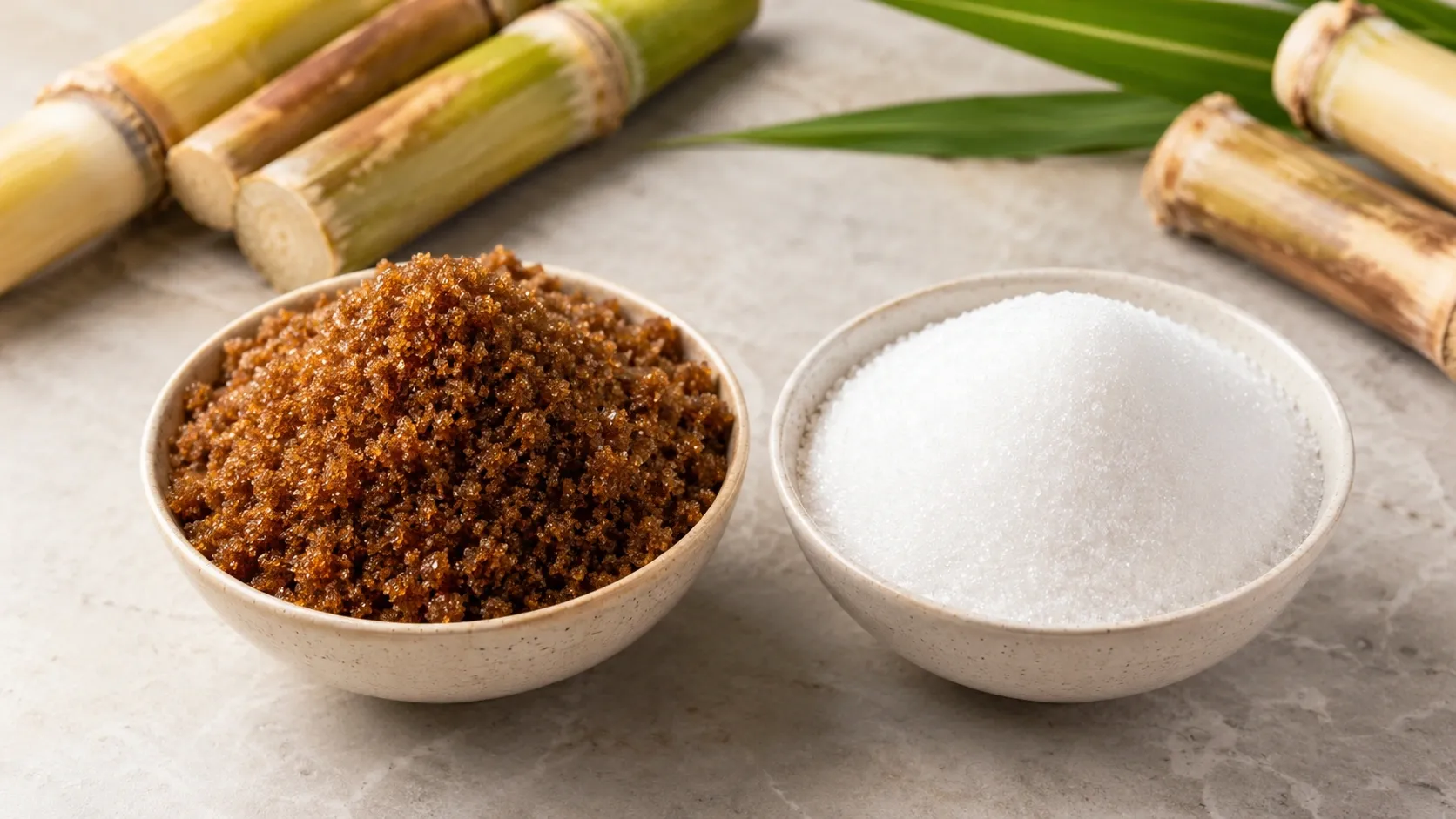
Brown sugar contains more minerals than white sugar, but does that make it healthier? Compare calories, blood sugar effects, nutrients, and the evidence.
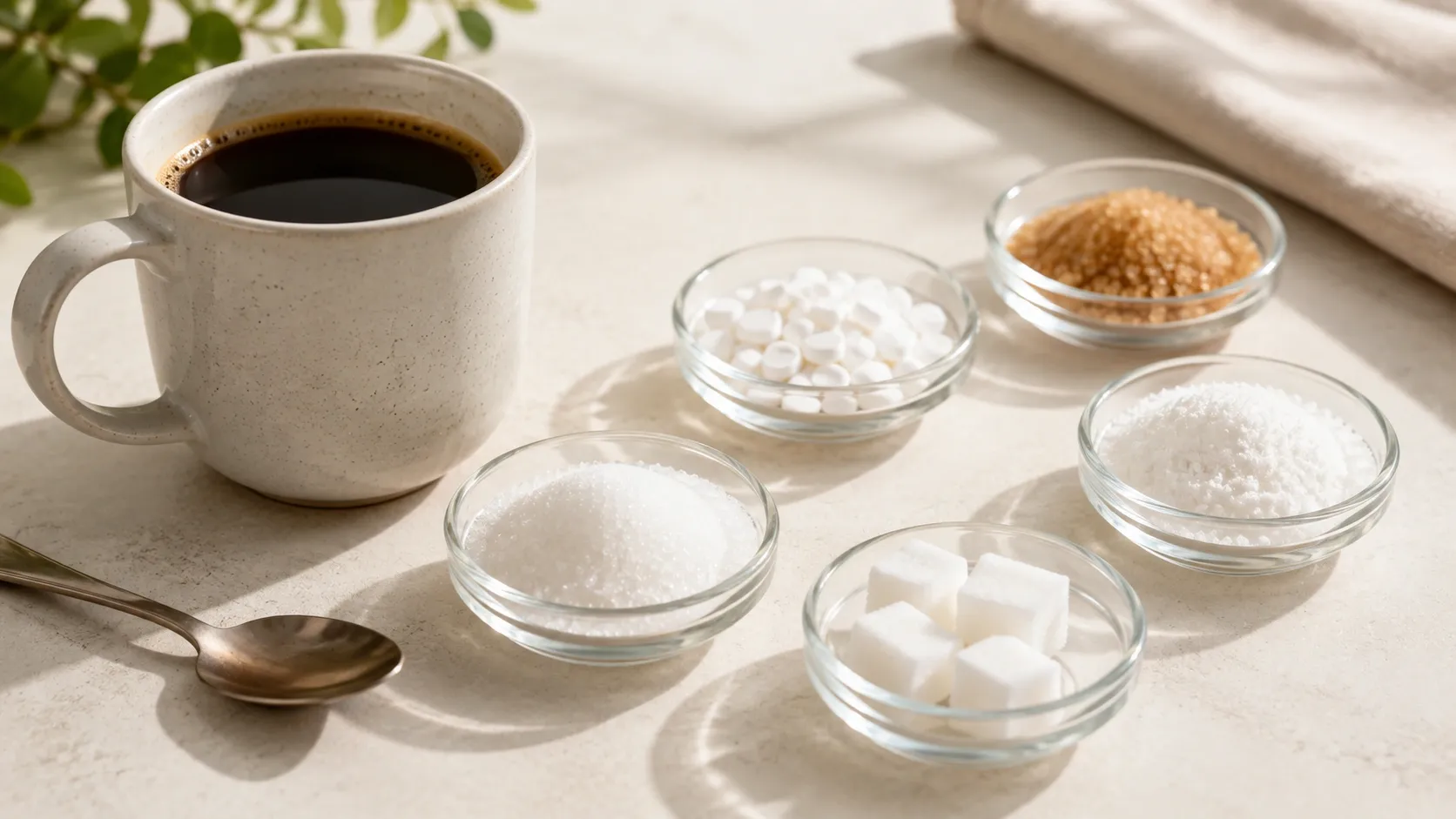
Approved sweeteners have established safety limits, but that does not mean they improve health. Here is what evidence says about aspartame, sucralose, cancer, weight, and diabetes.

Sparkling water hydrates and is generally safe. Learn what the evidence says about teeth, reflux, bloating, bones, sodium and daily consumption.

Lemon water hydrates and provides some vitamin C and citrate, but claims about detoxification, fat burning and alkalizing the body go far beyond the evidence.
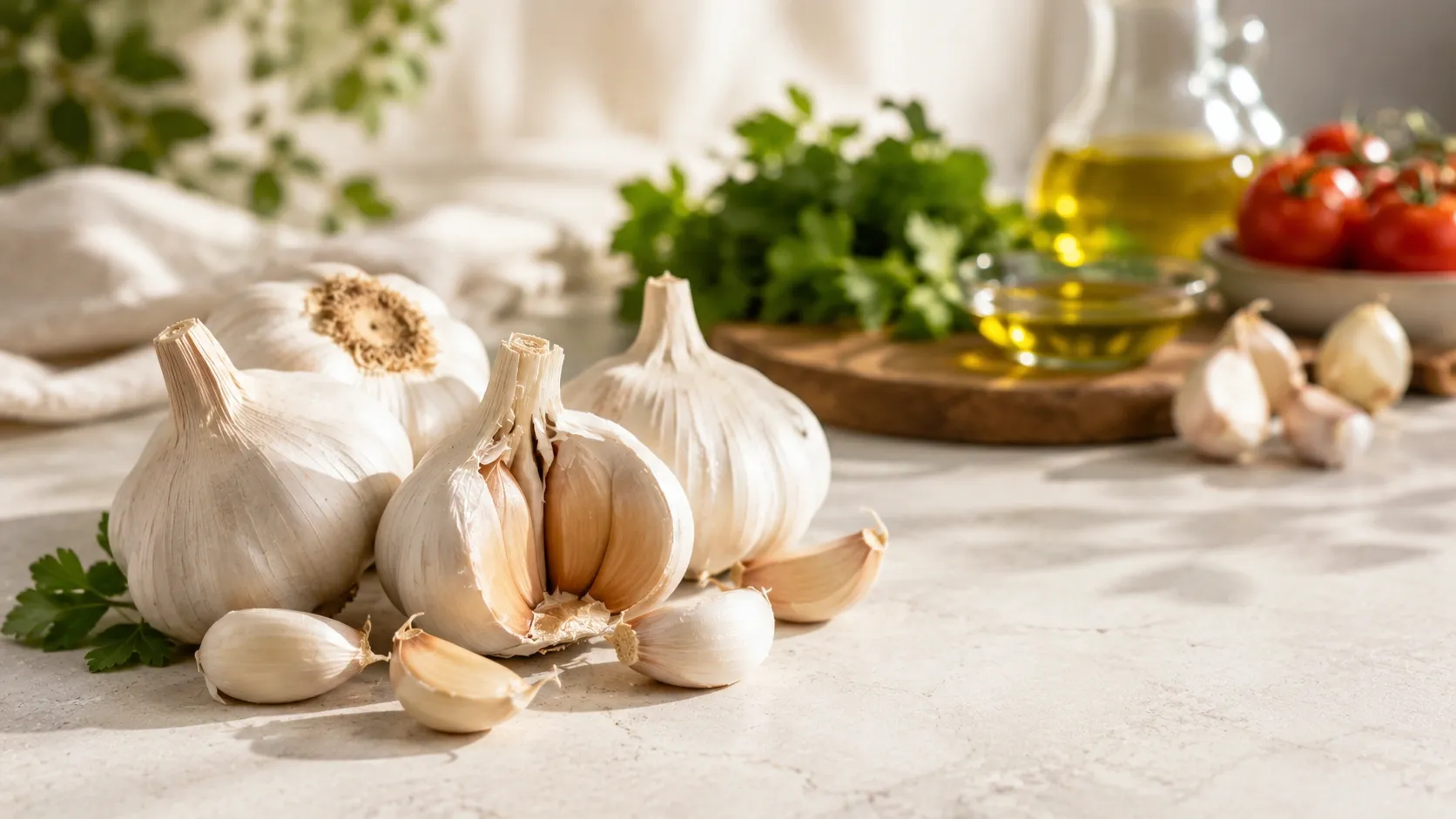
Garlic may modestly improve blood pressure and cholesterol, but does that mean it prevents heart attacks? See what current clinical evidence actually shows.
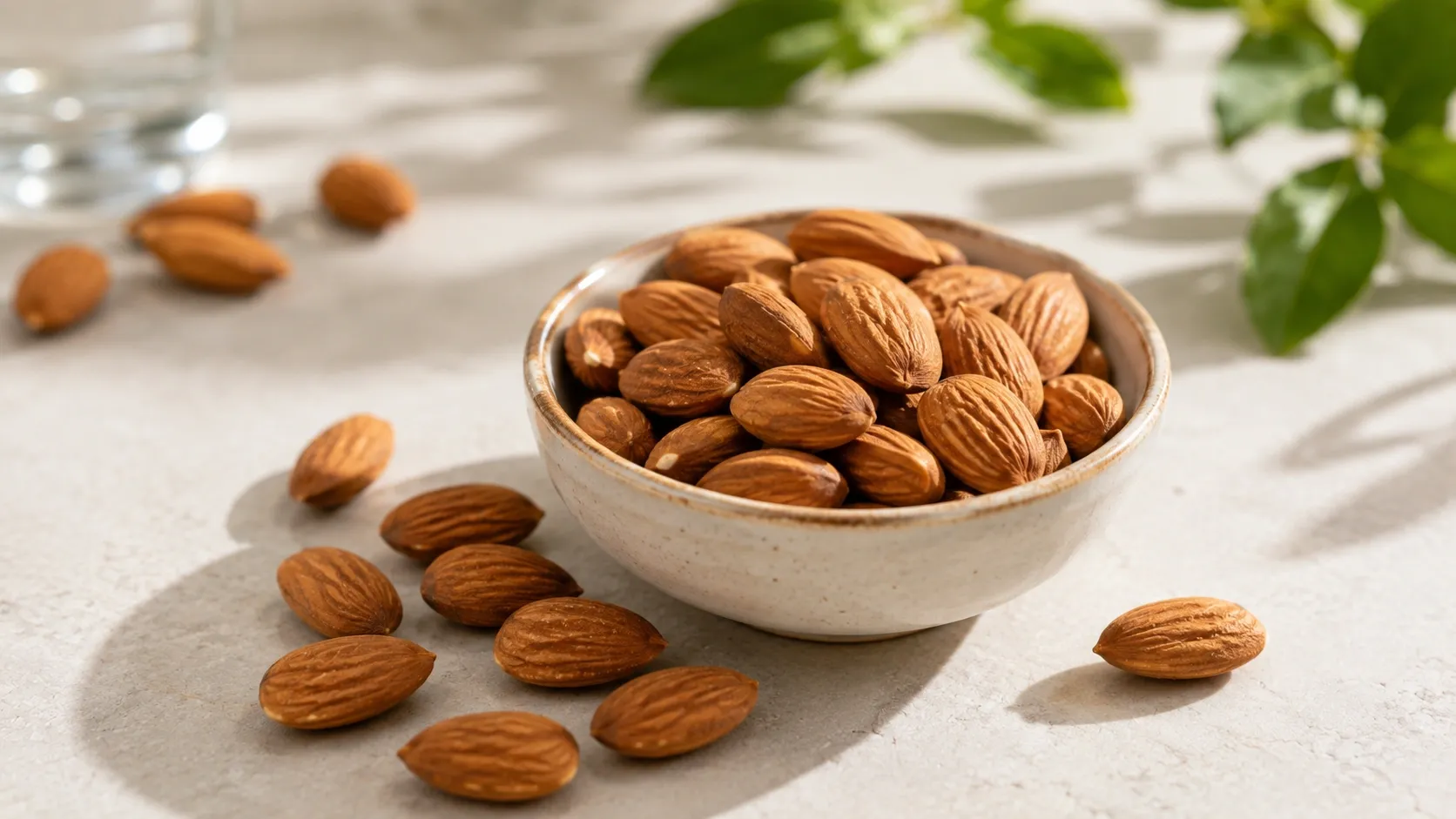
Almonds provide unsaturated fats, fiber, protein, vitamin E, and minerals. Learn their evidence-based benefits and what counts as a practical serving.
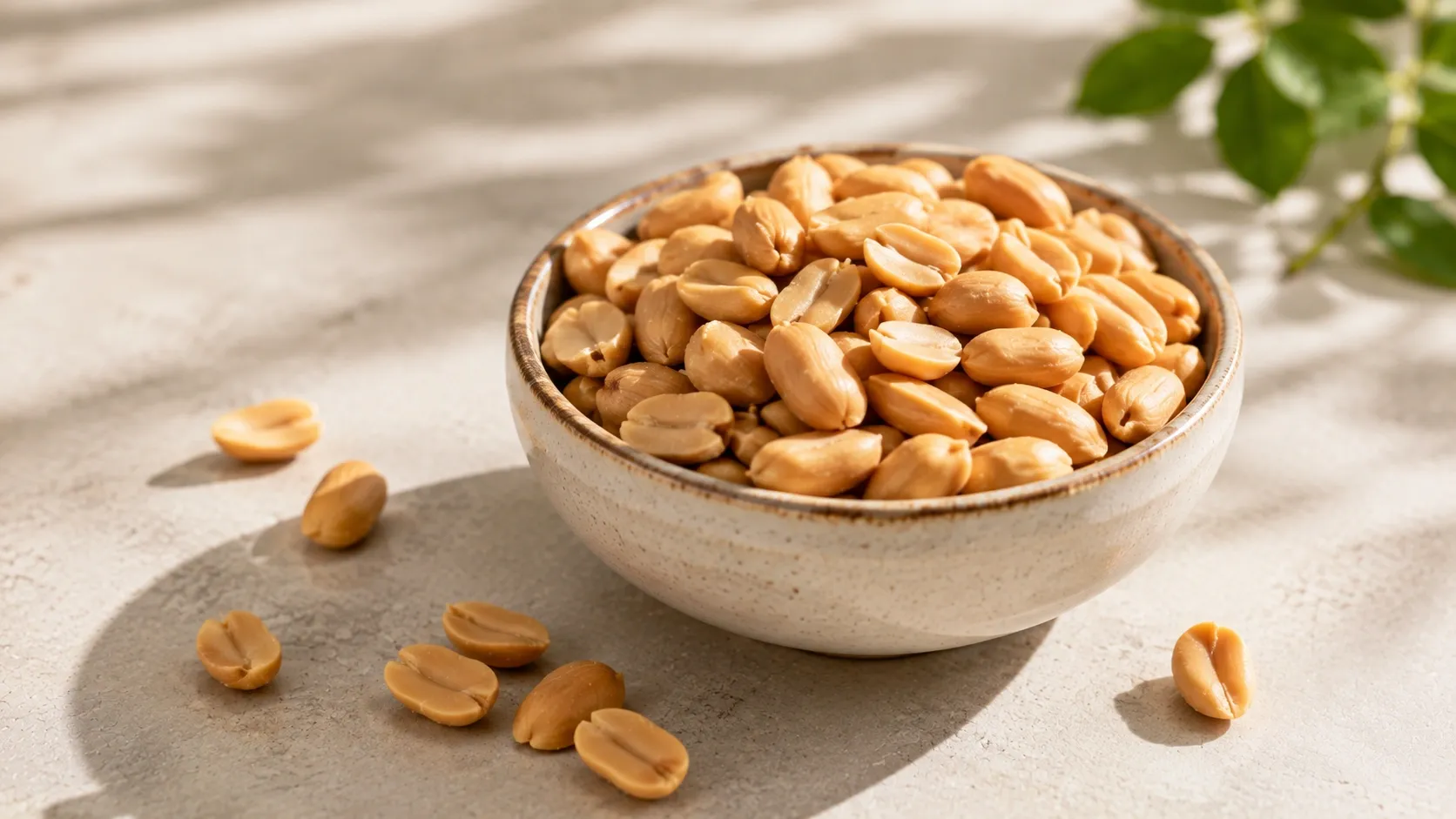
Peanuts provide protein, fiber, and mostly unsaturated fats, but they are calorie-dense. Learn their potential benefits, calorie content, and a practical serving size.
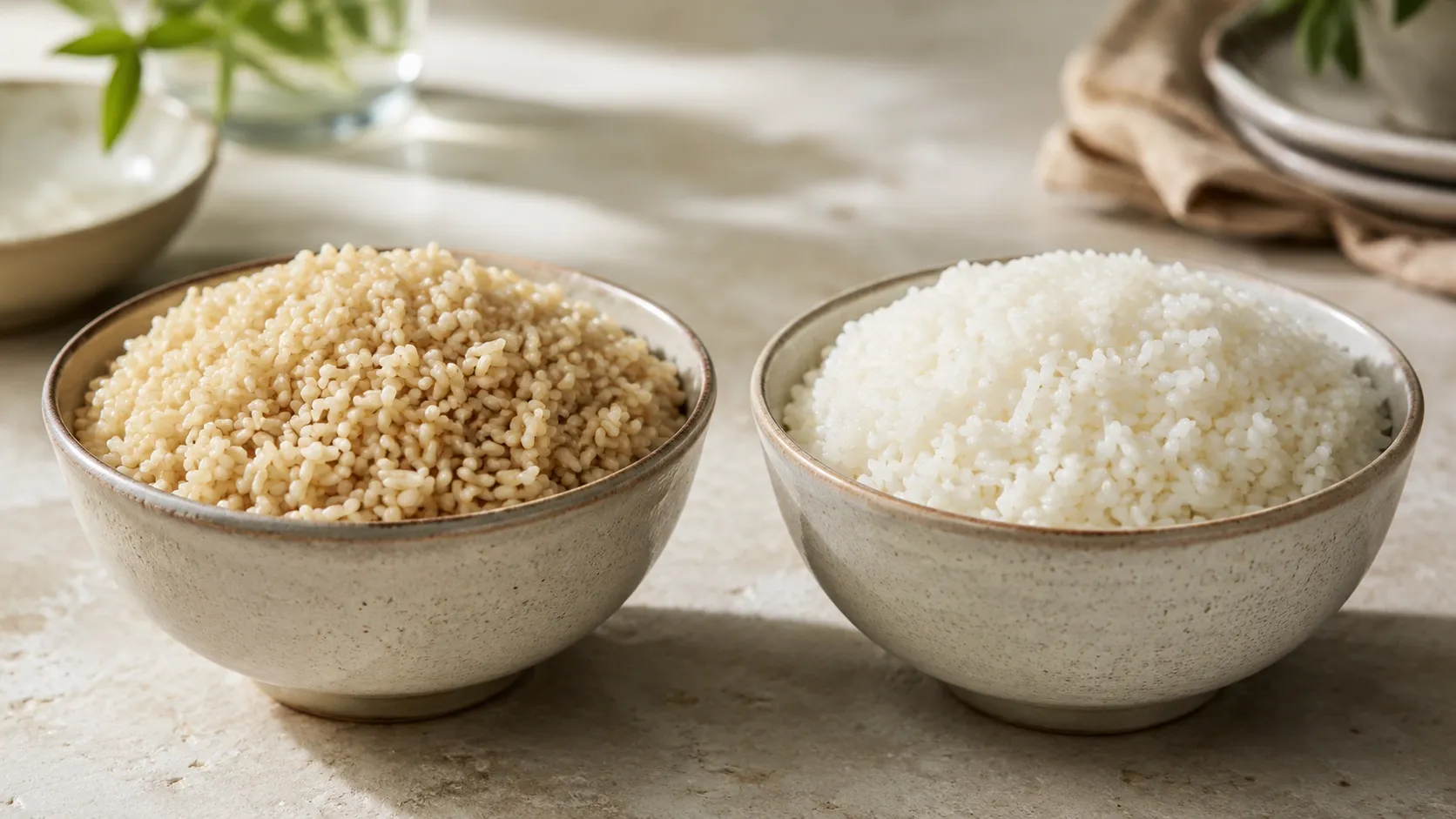
Brown rice contains more fiber and retains more of the grain's nutrients, but that does not make white rice automatically unhealthy. Here's what the evidence shows.
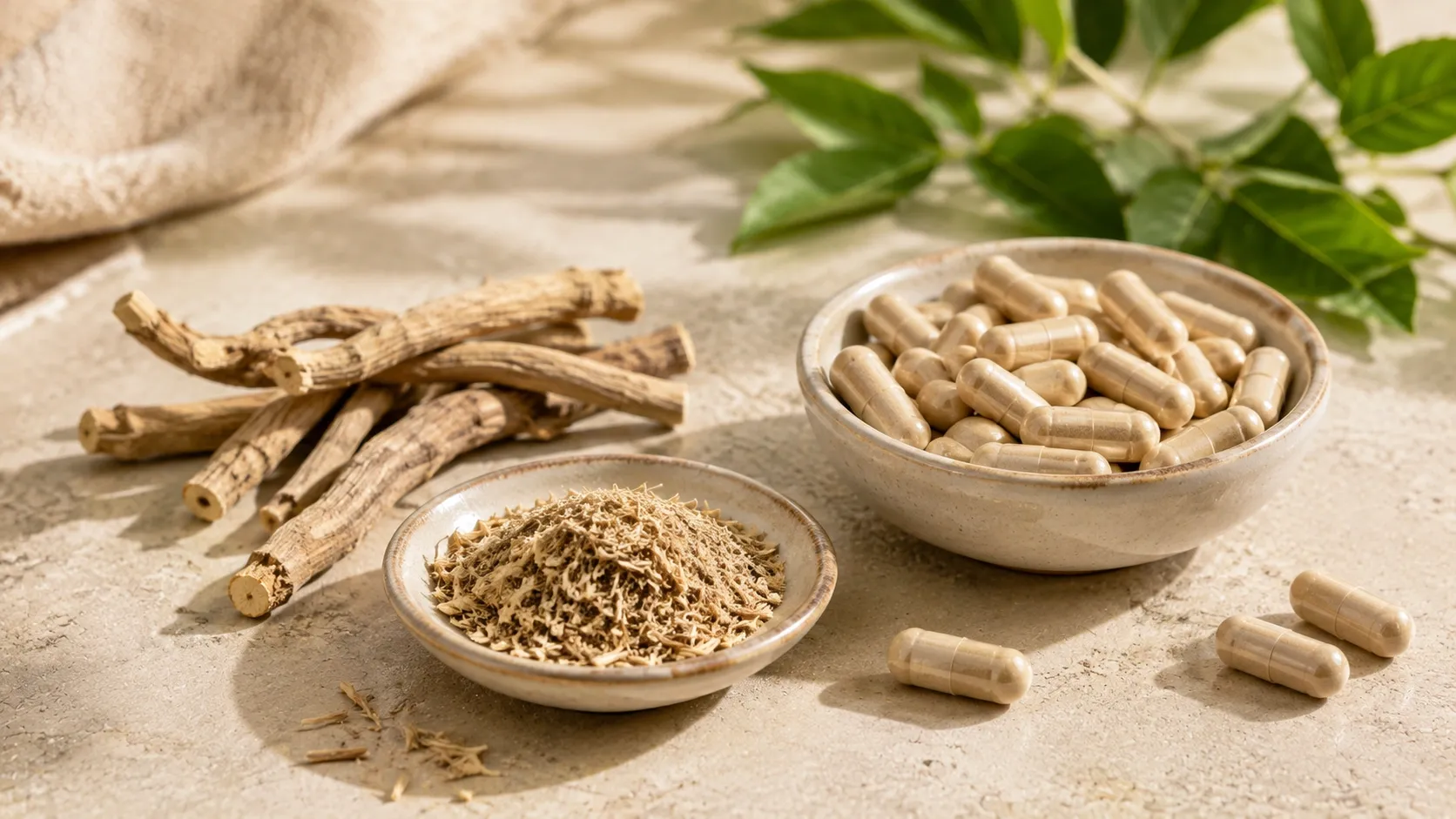
Ashwagandha may help with stress and sleep, but evidence varies by outcome. Learn what research shows about benefits, studied doses, side effects, interactions, and safety.

Whey protein is a convenient source of high-quality protein, but it is not required to build muscle. Learn when it helps, how much may be useful, and who actually needs it.
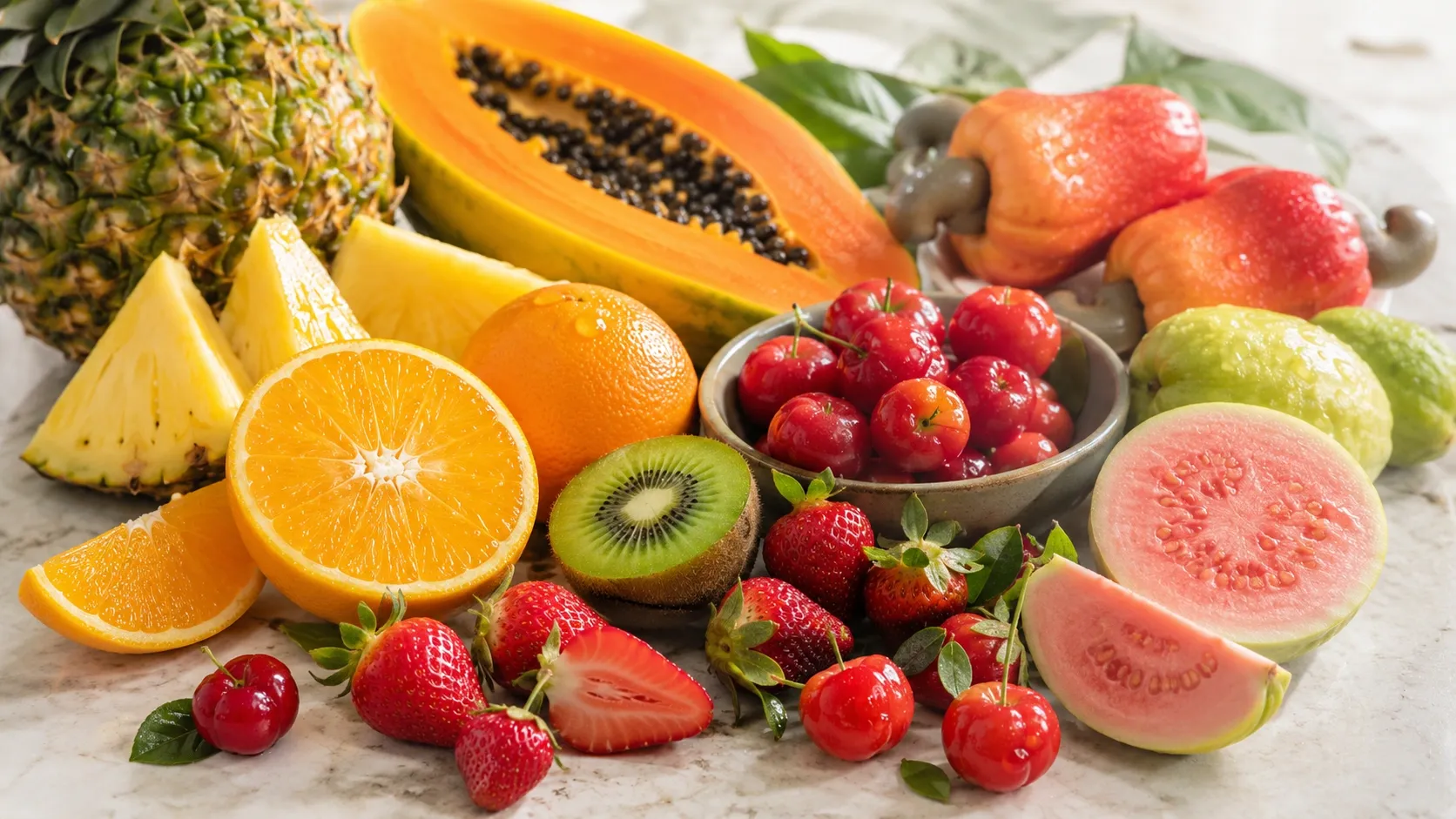
Discover vitamin C-rich fruits, compare acerola, cashew apple, guava, papaya, kiwi, strawberries, oranges and pineapple, and learn how much vitamin C adults need.
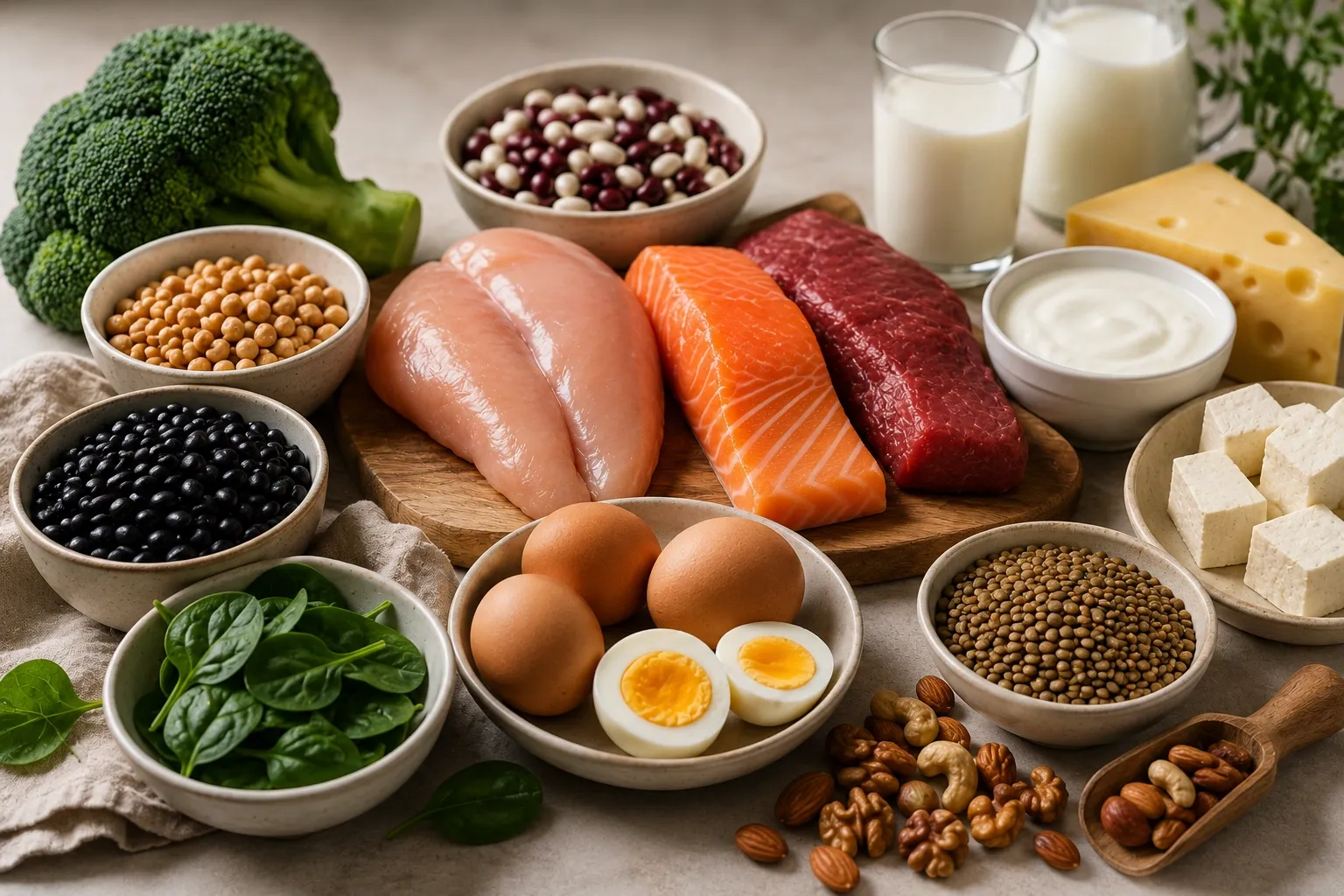
Find out how much protein the body actually requires, which sources are worth building meals around, and where the benefit of eating more stops.

One of the most studied supplements in the world, with solid evidence for strength and performance — and a list of myths that should have been retired years ago.
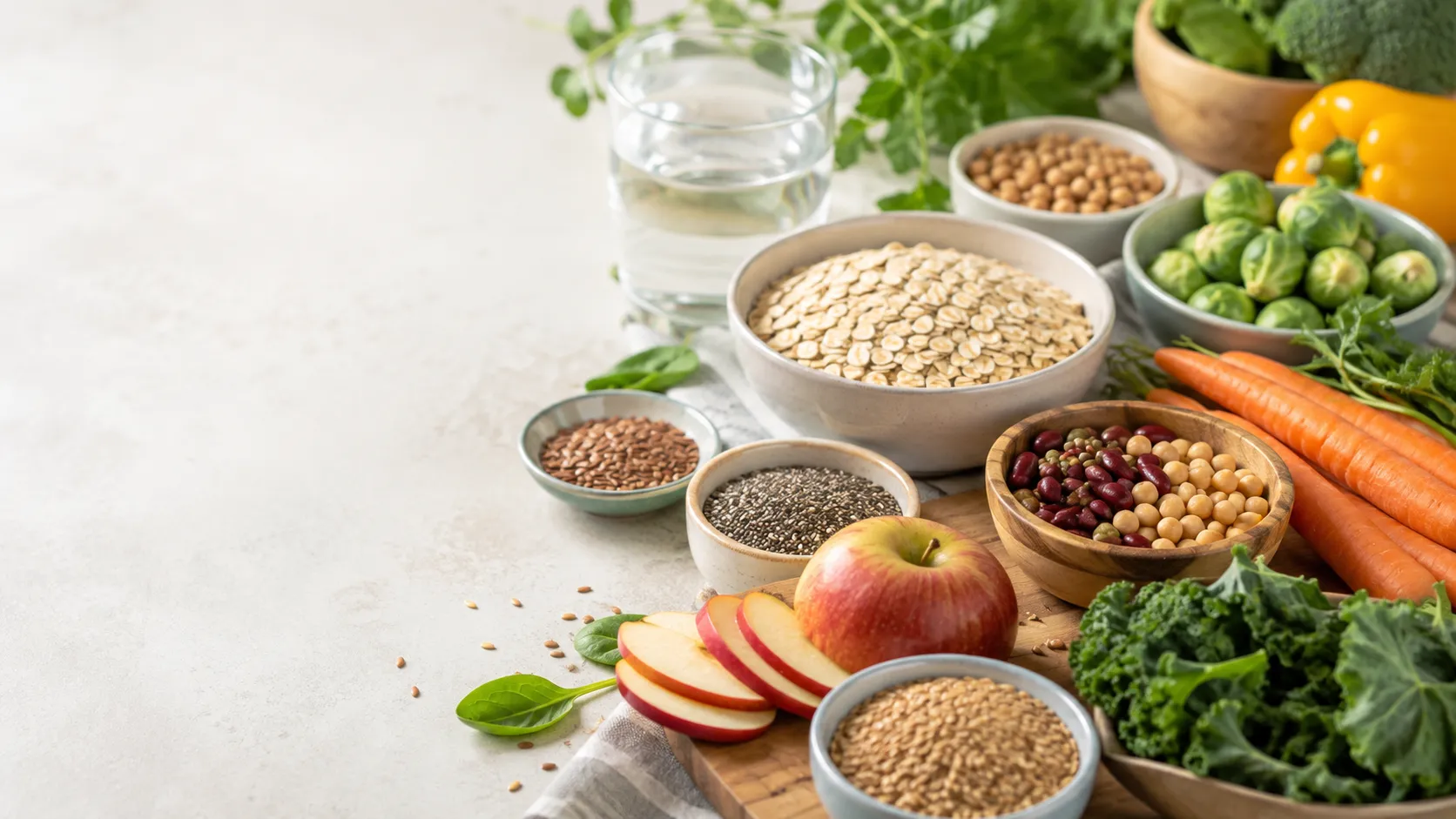
Soluble and insoluble fibers work in different ways on satiety, the gut, and blood sugar control — and most people consume less than half of the recommended amount.

One of the most complete foods out there, with high-quality protein — and the center of one of the biggest misunderstandings in modern nutrition.