Blueberries: Are Their Health Benefits Really Special?
Blueberries are rich in anthocyanins and fiber, but do they deserve their superfood reputation? See what research says about heart health, memory, blood sugar, and more.
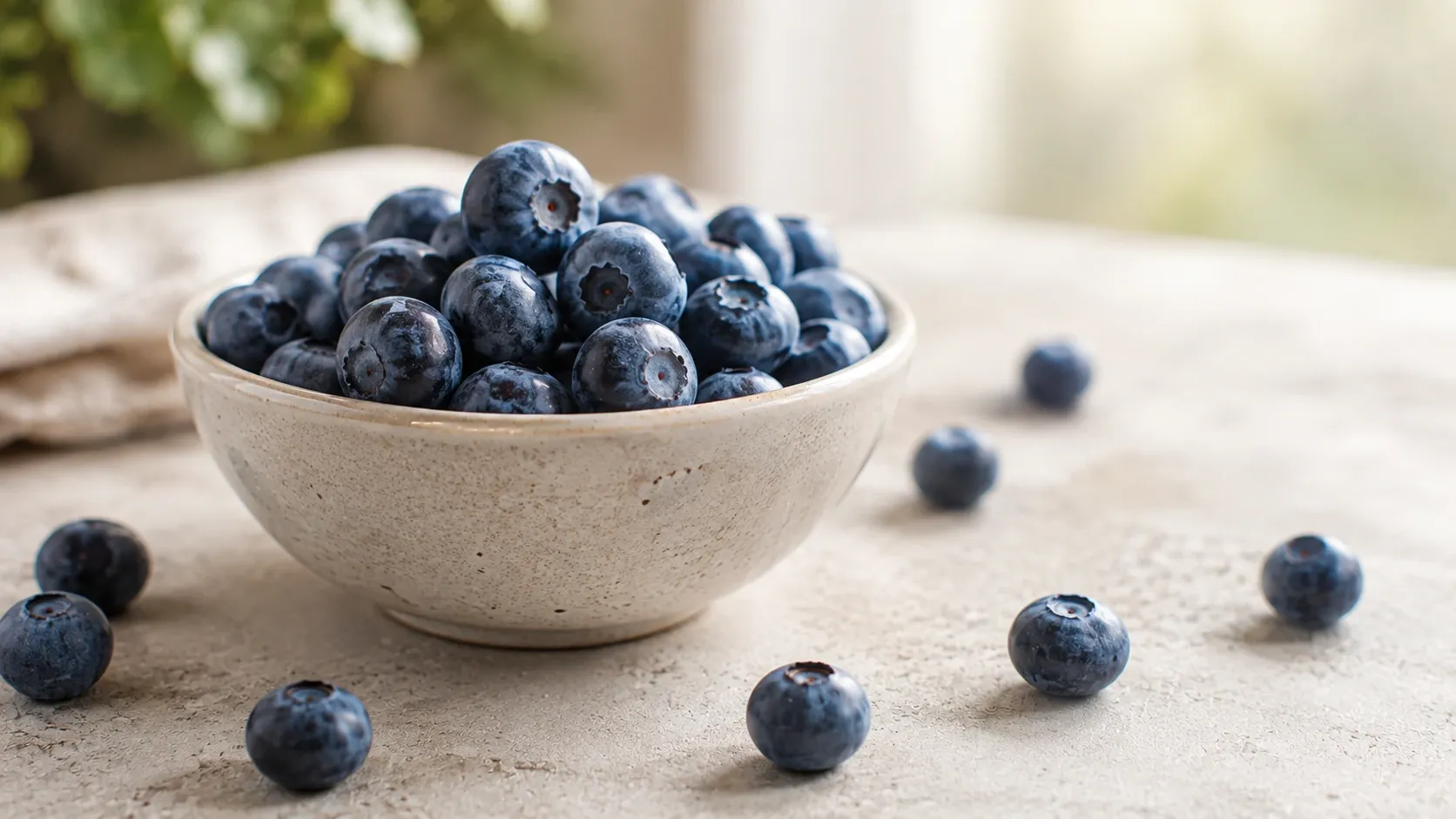
Few fruits have developed a health reputation quite like blueberries. They regularly appear on “superfood” lists and are promoted for memory, heart health, blood sugar control, healthy aging, and more.
Part of that reputation has a scientific basis. Blueberries provide fiber and micronutrients and are particularly notable for a group of plant compounds known as polyphenols, especially the anthocyanins responsible for much of their characteristic blue-purple color. (PubMed)
But having an interesting nutritional profile is not the same thing as producing extraordinary health effects.
Research suggests that blueberries can be a valuable part of a healthy diet. It does not show that they are a miracle food or that they are necessarily superior to every other fruit.
What are blueberries?
Blueberries belong to the Vaccinium group of plants and are widely eaten fresh, frozen, dried, or incorporated into other foods.
Their flavor ranges from sweet to mildly tart.
From a research perspective, their most distinctive feature is not an unusually high amount of protein or any essential nutrient. Much of the scientific interest instead centers on their polyphenols and anthocyanins. (PubMed)
What nutrients are in blueberries?
USDA nutrition information indicates that approximately 148 g of blueberries provide around 84 calories, 22 g of carbohydrate, and about 4 g of dietary fiber. (USDA SNAP-Ed)
Berries can also contribute vitamin C, vitamin K, and minerals to the diet. (Harvard T.H. Chan)
| Component | Approximate amount per 148 g |
|---|---|
| Calories | 84 kcal |
| Carbohydrates | 22 g |
| Fiber | 4 g |
| Fat | Small amount |
| Protein | Small amount |
However, anthocyanins are what make blueberries especially interesting from a research standpoint.
What are blueberry anthocyanins?
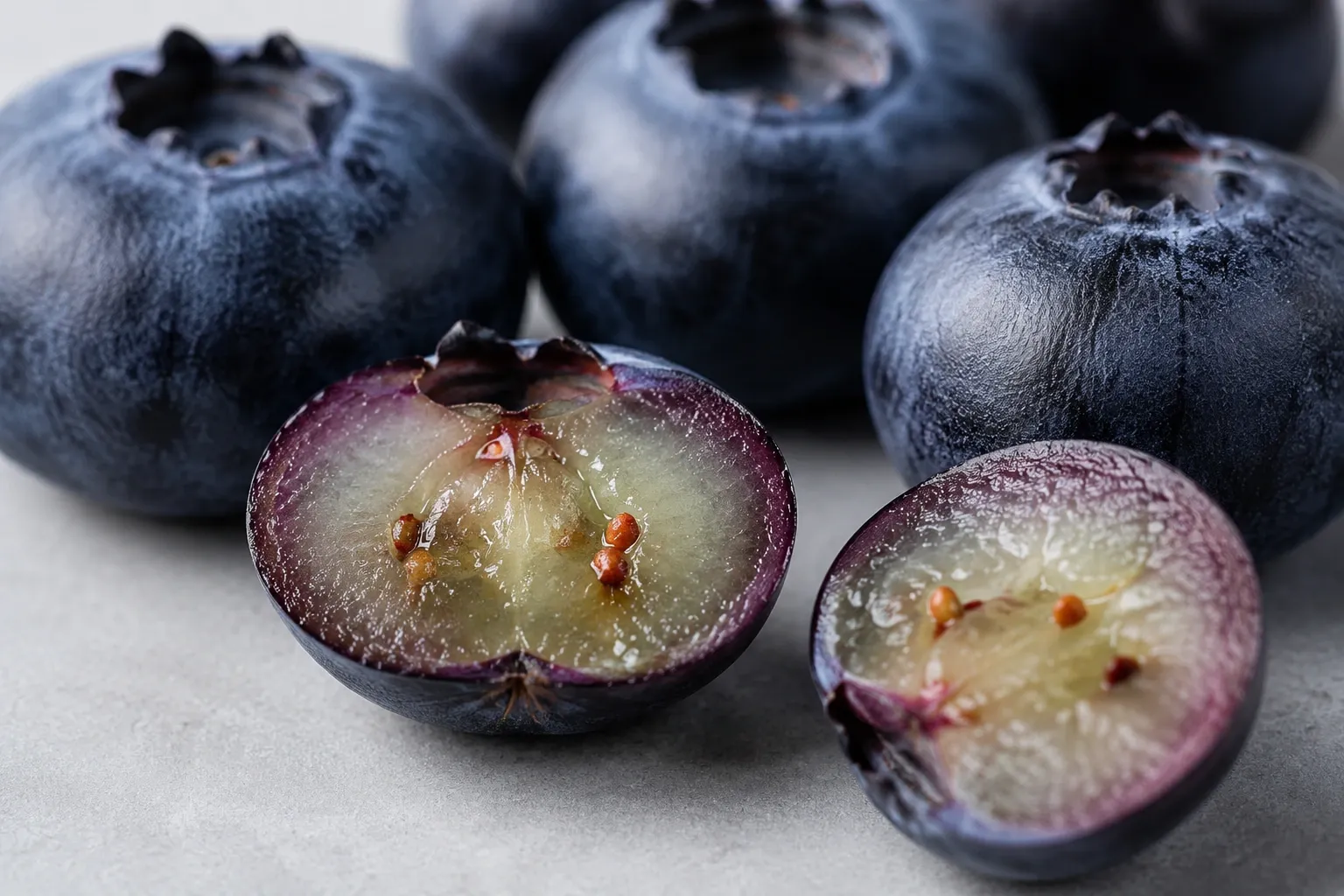
Anthocyanins are plant pigments belonging to the flavonoid family. They occur in blue, purple, red, and nearly black plant foods.
Blueberries are a widely studied dietary source of these compounds. (PubMed)
Anthocyanins show antioxidant properties in laboratory settings and have been investigated for their relationships with inflammation, metabolism, and vascular biology.
That does not mean that simply eating a food with a high laboratory antioxidant capacity automatically prevents aging, cancer, or cardiovascular disease.
Human biology is much more complex.
So, are blueberries really special?
In some ways, yes — but not in the way the word “superfood” often implies.
Blueberries stand out because of their anthocyanin profile and because these compounds have been investigated in a substantial amount of human research. Studies suggest potential effects on vascular function, metabolism, and selected areas of cognition. (PubMed)
That is different from demonstrating that blueberries prevent heart attacks, diabetes, dementia, or other chronic diseases on their own.
Other fruits provide their own valuable combinations of fiber, vitamins, minerals, and phytochemicals.
The most useful way to view blueberries is therefore as one particularly interesting fruit within a varied plant-rich diet, rather than as the food around which the entire diet should revolve.
Are blueberries good for the heart?
This is one of the more promising areas of current research.
A systematic review and meta-analysis published in March 2026 found that blueberry interventions significantly improved measures of vascular function in healthy participants. (PubMed)
This may be relevant because vascular endothelial function is important for cardiovascular health, and blueberry anthocyanins and their metabolites have been studied for potential effects on blood-vessel signaling.
However, improving an intermediate vascular marker is not the same thing as demonstrating fewer heart attacks or cardiovascular deaths.
An earlier 2020 systematic review and meta-analysis of 11 randomized studies concluded that the available evidence was insufficient to establish consistent improvement across cardiovascular risk factors from blueberry supplementation. (PubMed)
Together, these findings suggest an evolving picture: vascular effects are promising, but blueberries are not cardiovascular medicine.
Do blueberries lower blood pressure?
Some trials have reported favorable changes, but the evidence is inconsistent.
Results vary according to study population, intervention duration, blueberry preparation, and dose. Earlier meta-analytic evidence did not show consistent improvement across major cardiovascular risk factors. (PubMed)
Someone with hypertension should therefore not expect blueberries to replace exercise, an appropriate diet, weight management, or prescribed medication.
They can be part of a heart-healthy diet. That is very different from acting as an antihypertensive drug.
Do blueberries improve memory?
This is one of the best-known blueberry claims, but the evidence requires context.
A 2025 meta-analysis evaluated nine randomized trials involving 513 older adults with prior cognitive decline. Blueberry intake was associated with improvement in episodic memory in selected groups, with possible language benefits among people with mild cognitive impairment. (ResearchGate)
Several other outcomes, including recognition memory, visuospatial learning, and working memory, did not show consistent significant improvements. (ResearchGate)
In healthy adults, the picture is less impressive. A 2026 meta-analysis found no significant pooled benefit for executive function or mood and described the cognitive effects as inconclusive. (PubMed)
A fair conclusion is therefore that blueberries may affect selected cognitive functions in specific populations, but they have not been shown to broadly “boost the brain” in everyone.
Can blueberries prevent Alzheimer’s disease?
There is not enough evidence to say they do.
Improvement on a memory test during a clinical study is very different from demonstrating a lower incidence of Alzheimer’s disease or dementia over many years.
The 2025 review found interesting results in some cognitive domains among older adults with existing decline, but its findings varied across tests and require confirmation in larger, longer studies. (Springer)
Dementia risk is influenced by a much broader combination of cardiovascular health, physical activity, blood pressure, diabetes, smoking, sleep, genetics, and other factors.
Can blueberries help prevent type 2 diabetes?
Observational evidence is interesting.
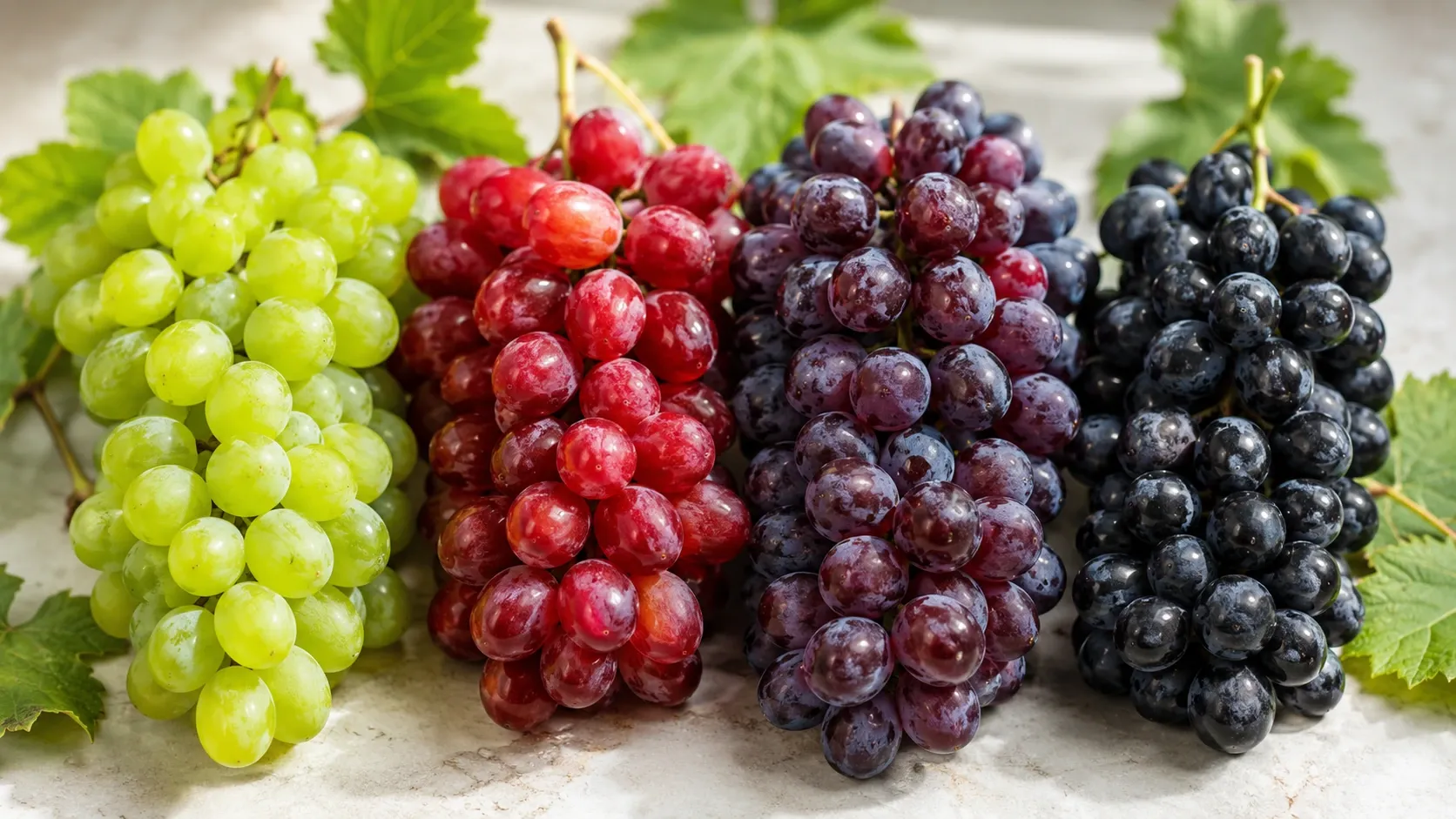
A large BMJ study using data from three prospective cohorts found that greater intake of certain whole fruits — particularly blueberries, grapes, and apples — was associated with a lower incidence of type 2 diabetes. (PubMed)
However, an observational association does not prove that blueberries themselves caused the lower risk.
People who regularly eat whole berries may differ from people who do not in many other dietary and lifestyle behaviors.
The scientifically appropriate interpretation is that whole-blueberry consumption has been associated with lower type 2 diabetes risk, not that blueberries alone have been proven to prevent diabetes.
What about people who already have diabetes?
Clinical research has produced some promising results.
A 2022 systematic review and meta-analysis of randomized trials involving blueberries and cranberries found significant reductions in fasting blood glucose and glycated hemoglobin in analyses involving people with diabetes. (PubMed)
A major limitation is that the review combined different berries and different intervention forms.
It would therefore be inappropriate to convert the result into advice to eat a particular dose of blueberries as a glucose-lowering treatment.
Whole fruit can be included in many diabetes-friendly eating patterns, but blueberries should not replace medication or individualized medical and nutritional care.
Do blueberries help with weight loss?
Blueberries are not a weight-loss treatment.
They contain a large amount of water, provide fiber, and have relatively low energy density, which can make them convenient within an eating pattern designed for weight management.
Observational research has also linked greater intake of anthocyanin-rich foods with more favorable weight maintenance patterns, which Harvard discusses in its overview of berries. (Harvard T.H. Chan)
But association is not the same as showing that blueberries cause fat loss.
Replacing a high-calorie dessert with yogurt and blueberries may support an overall strategy.
Simply adding blueberries to a diet that already provides excess calories will not automatically produce weight loss.
Are blueberries good for digestion?
They can contribute to daily fiber intake.
About 148 g provide roughly 4 g of fiber according to USDA nutrition information. (USDA SNAP-Ed)
Fiber supports normal digestive function and can also contribute to satiety.
Blueberries are not the only — or necessarily the highest — fiber fruit, however. Raspberries, blackberries, pears, and many other fruits can make important contributions.
Again, dietary variety matters.
Do blueberries boost immunity?
This phrase can be misleading.
Blueberries and other berries provide nutrients involved in normal body function, including vitamin C, as well as a range of phytochemicals. (Harvard T.H. Chan)
That does not mean blueberries make someone immune to colds, influenza, or other infections.
Normal immune function depends on many nutrients and broader health and lifestyle factors. No single food acts as an instant immune-system booster.
Can blueberries prevent cancer?
Current evidence is insufficient to claim that blueberries prevent or treat cancer.
Anthocyanins and other blueberry compounds are investigated in cell, animal, and mechanistic research, but preclinical findings are not equivalent to demonstrating reduced cancer incidence or mortality in humans.
The appropriate role of blueberries is as part of a dietary pattern rich in plant foods, not as a stand-alone anticancer intervention.
How many blueberries should you eat?
There is no official daily blueberry dose required for good health.
Institutional nutrition references provide serving information, and clinical studies use a wide variety of doses and preparations, but these do not establish a universal daily requirement. This is an inference from the institutional and scientific references reviewed. (USDA SNAP-Ed)
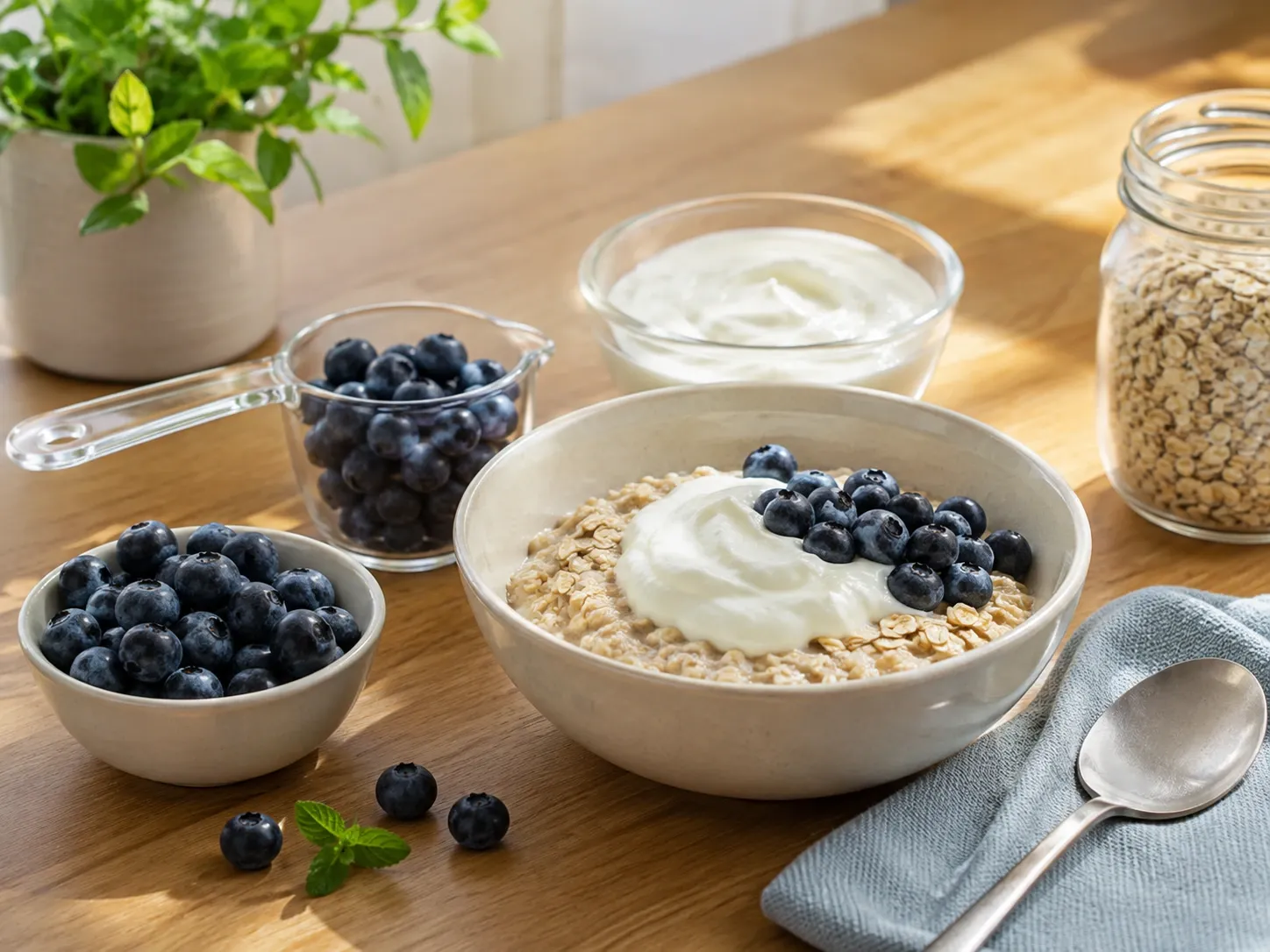
In everyday eating, half a cup to one cup can be a convenient amount to add to yogurt, oatmeal, fruit salad, cereal, or a snack.
Harvard cites an expert suggestion of around one cup of berries when they are in season, but this should be understood as a practical dietary suggestion rather than a mandatory clinical dose of blueberries. (Harvard T.H. Chan)
Fresh or frozen blueberries?
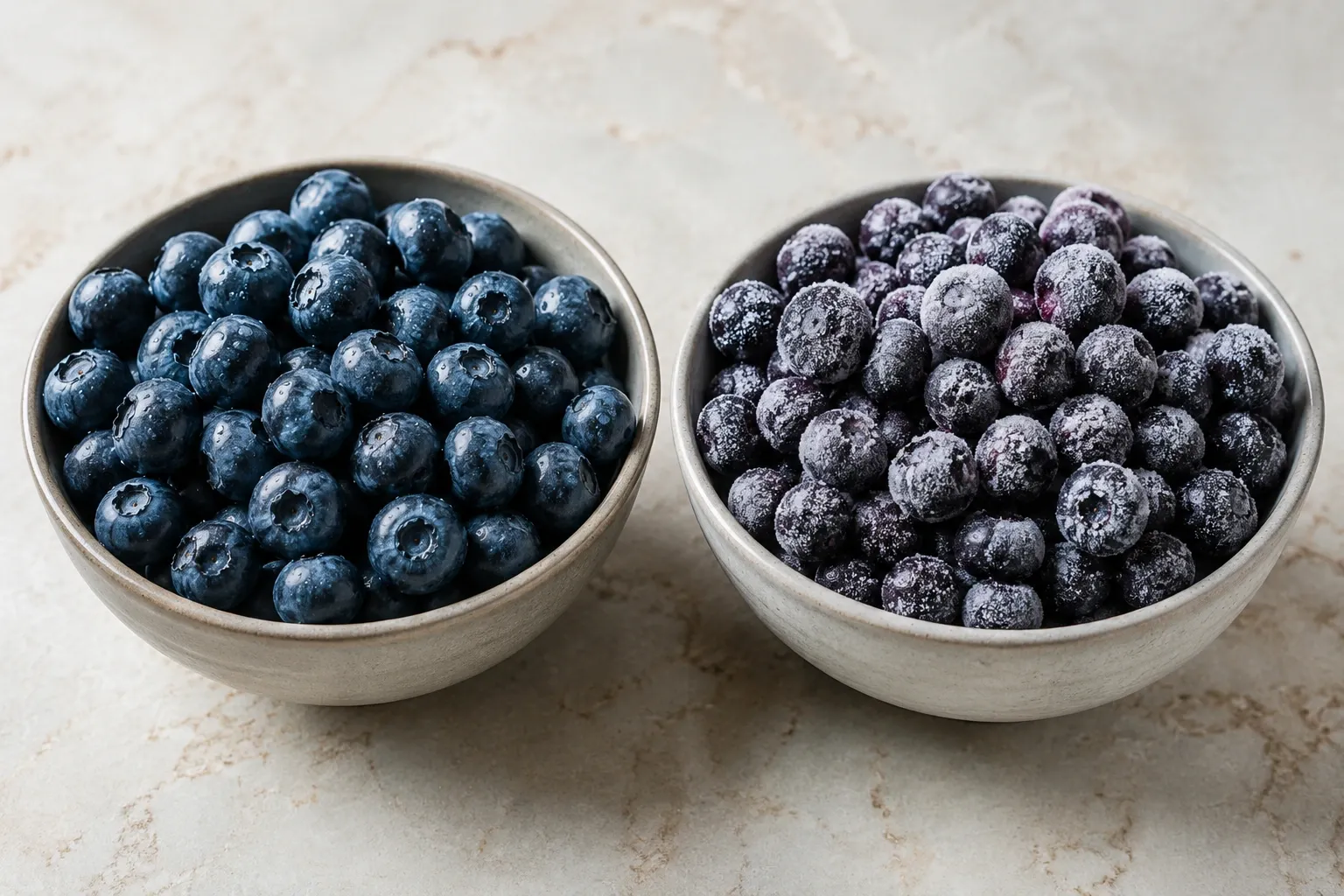
Both can be useful choices.
Harvard notes that frozen berries can provide similar health benefits to fresh ones, making frozen blueberries particularly practical when fresh fruit is expensive or out of season. (Harvard T.H. Chan)
Freezing also makes storage easier and can reduce food waste.
Products with large amounts of added sugar or syrup are a different matter.
Plain frozen blueberries are still fruit.
Is blueberry juice the same as whole blueberries?
Not nutritionally.
Whole fruit retains its natural structure and fiber, while juice may contain much less fiber and makes it easier to consume a larger amount of fruit in a small volume.
In the large prospective BMJ analysis, associations observed for whole fruit differed from those observed for fruit juice. Higher intake of selected whole fruits was associated with lower type 2 diabetes risk, whereas higher fruit-juice intake was associated with greater risk. (BMJ)
This does not mean an occasional glass of blueberry juice causes diabetes.
It means whole fruit and juice should not be treated as nutritionally identical.
Are blueberry powders and supplements equivalent to the fruit?
Not necessarily.
This matters because many clinical trials use freeze-dried blueberry powder, concentrates, or extracts rather than ordinary fresh fruit.
These preparations can provide different quantities of anthocyanins and may behave differently from whole blueberries. Reviews also show substantial variation in formulation, dose, study duration, and study population. (PubMed)
A result from a clinical trial involving one standardized freeze-dried powder cannot automatically be applied to every commercial blueberry supplement.
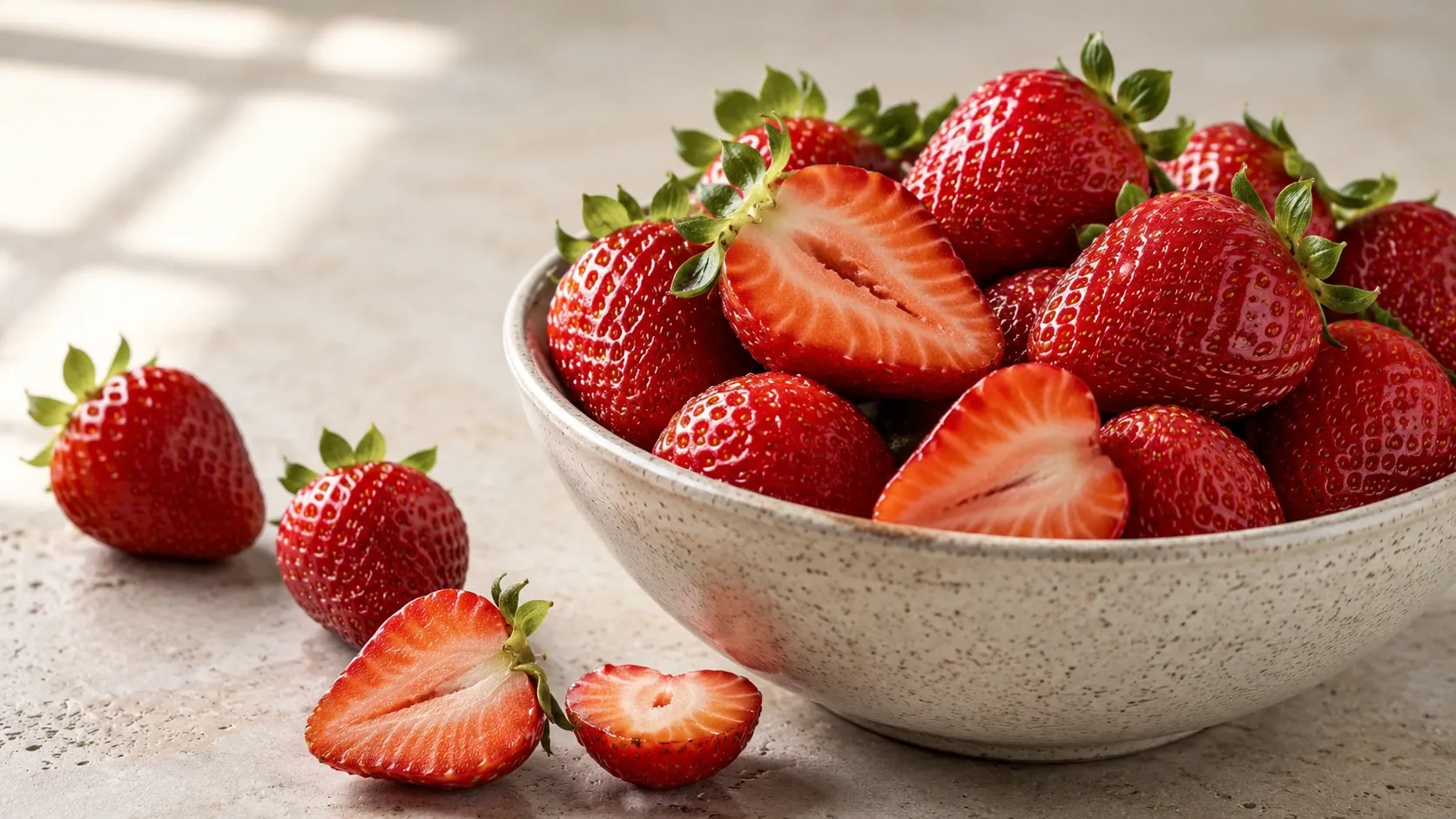
Are blueberries healthier than strawberries, raspberries, or blackberries?
There is no universal winner.
Blueberries stand out for their anthocyanins and the amount of research focused on those compounds. Other berries provide their own combinations of fiber, vitamins, minerals, and polyphenols.
Harvard discusses berries collectively as useful components of a healthy dietary pattern. (Harvard T.H. Chan)
A more practical nutritional strategy is to vary fruits and colors rather than trying to identify one perfect fruit.
Are blueberries worth buying?
If you enjoy them, can afford them, and they are readily available, they are an excellent option.
They provide fiber, micronutrients, anthocyanins, convenience, and versatility.
But an expensive punnet of blueberries is not required for a healthy diet.
Other locally available fruits can also provide excellent nutrition.
The goal should not be to identify the most powerful individual food. It should be to build an eating pattern that is nutritious, varied, affordable, and sustainable.
Conclusion
Blueberries have characteristics that justify much of the scientific interest surrounding them. Their most distinctive feature is their anthocyanin content, and these bioactive compounds have been studied for possible vascular, metabolic, and neurological effects. (PubMed)
The newest evidence provides an especially interesting signal for vascular function. Cognitive findings are more nuanced: selected benefits have appeared in older adults with prior cognitive decline, while effects across healthy populations and cognitive domains remain inconsistent. (PubMed)
Observational studies also link whole-blueberry intake with a lower incidence of type 2 diabetes, while clinical research has explored glycemic outcomes. None of this turns blueberries into a treatment or guarantees disease prevention. (PubMed)
So, blueberries are special enough to be interesting — but not magical enough to deserve the mythology that sometimes surrounds the word “superfood.”
Their most sensible role is much simpler: one nutritious and enjoyable fruit among many that can make up a healthy diet.