Tomatoes: Lycopene, Nutrition, and Health Benefits
Tomatoes provide lycopene, fiber, and other nutrients. Learn about their potential benefits, how cooking affects lycopene, and practical ways to eat them.
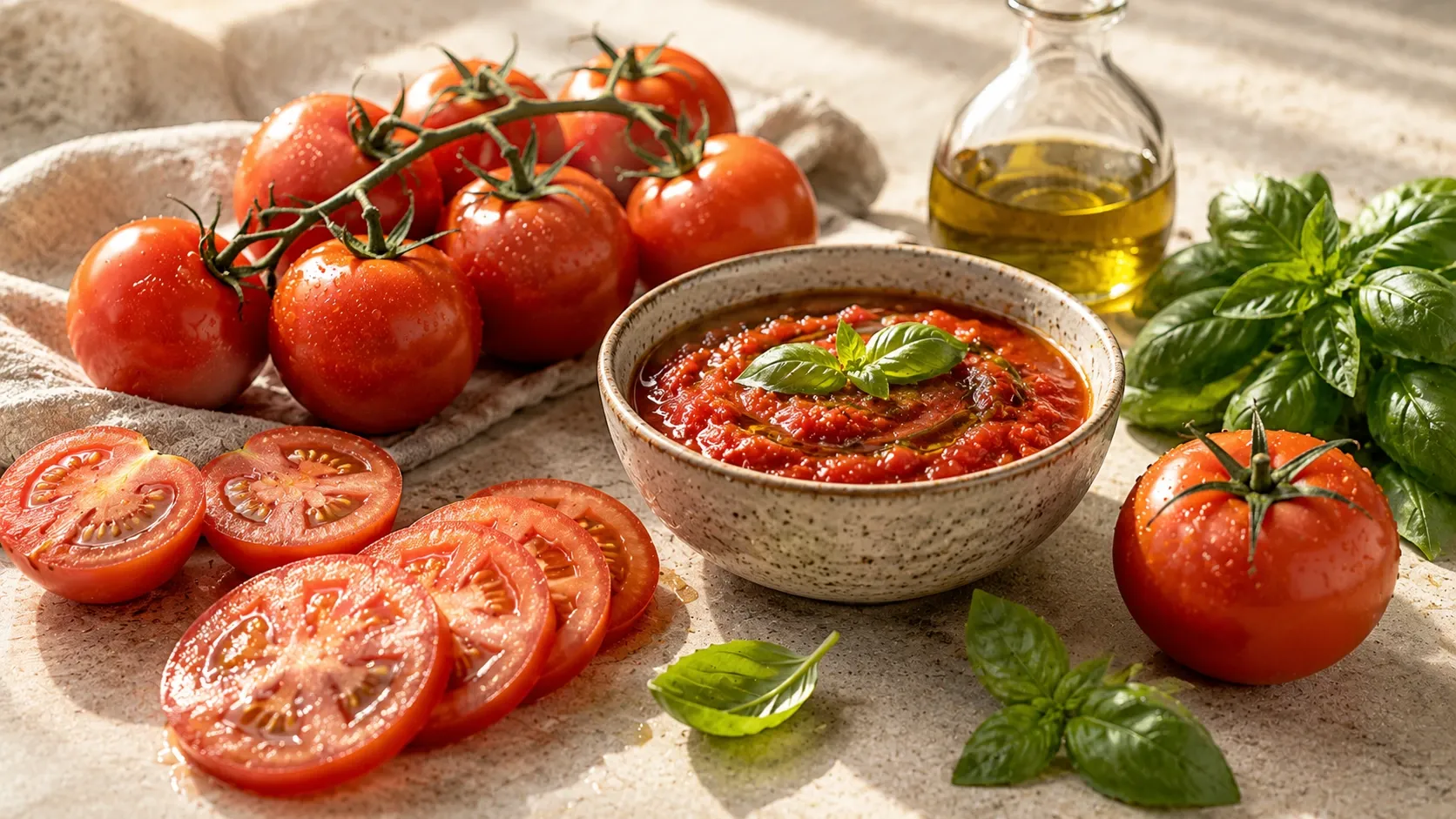
Tomatoes are widely used in salads, sauces, soups, sandwiches, and countless cooked dishes. They are high in water, low in energy density, and provide fiber along with plant compounds known as carotenoids, including lycopene. (TBCA)
Lycopene has attracted considerable scientific interest because of its antioxidant properties and possible links with cardiovascular health, cancer risk, and other outcomes. However, evidence quality varies, and current research does not support treating tomatoes or lycopene as a stand-alone way to prevent or treat disease. (PubMed)
What nutrients do tomatoes provide?
According to the Brazilian Food Composition Table, the raw tomato entry used as a reference provides approximately the following per 100 g, or about 3.5 oz:
| Nutrient | Amount per 100 g |
|---|---|
| Energy | 18 kcal |
| Water | 94.5 g |
| Total carbohydrate | 3.82 g |
| Protein | 1.04 g |
| Fat | 0.17 g |
| Dietary fiber | 1.60 g |
Source: Brazilian Food Composition Table. (TBCA)
Tomatoes are therefore mostly water and contain very little fat. Their nutritional value also comes from vitamins, minerals, and plant compounds whose concentrations vary among cultivars. (TBCA)
What is lycopene?
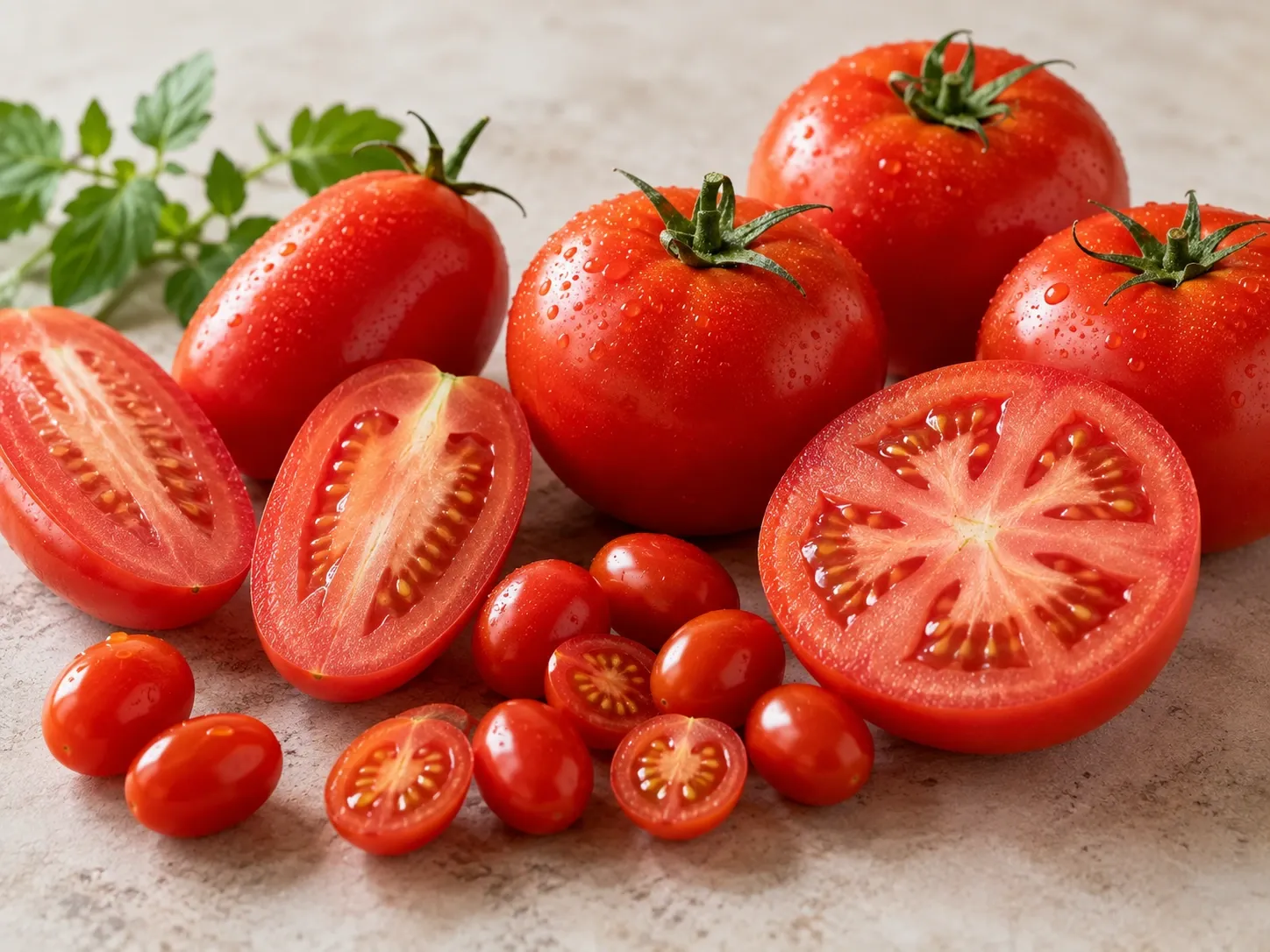
Lycopene is a carotenoid, a class of naturally occurring plant pigments. It contributes to the characteristic red color of ripe tomatoes and is also present in several other red or pink foods. (PubMed)
Unlike beta-carotene, lycopene is not primarily valued as a vitamin A precursor. Research has focused instead on its antioxidant activity and possible relationship with biological processes involving oxidative stress. (PubMed)
An important distinction is that antioxidant activity does not automatically translate into proven disease prevention in humans.
Lycopene content varies between tomatoes
There is no universal lycopene number that applies to every tomato. Concentrations differ according to cultivar, ripeness, growing conditions, and processing. Brazilian carotenoid composition data illustrate meaningful differences between tomato varieties. (TBCA)
Tomato paste, purée, sauce, and other concentrated products may also provide substantial lycopene, although the final amount varies with processing and concentration. (PubMed)
Cooking tomatoes can improve lycopene bioavailability
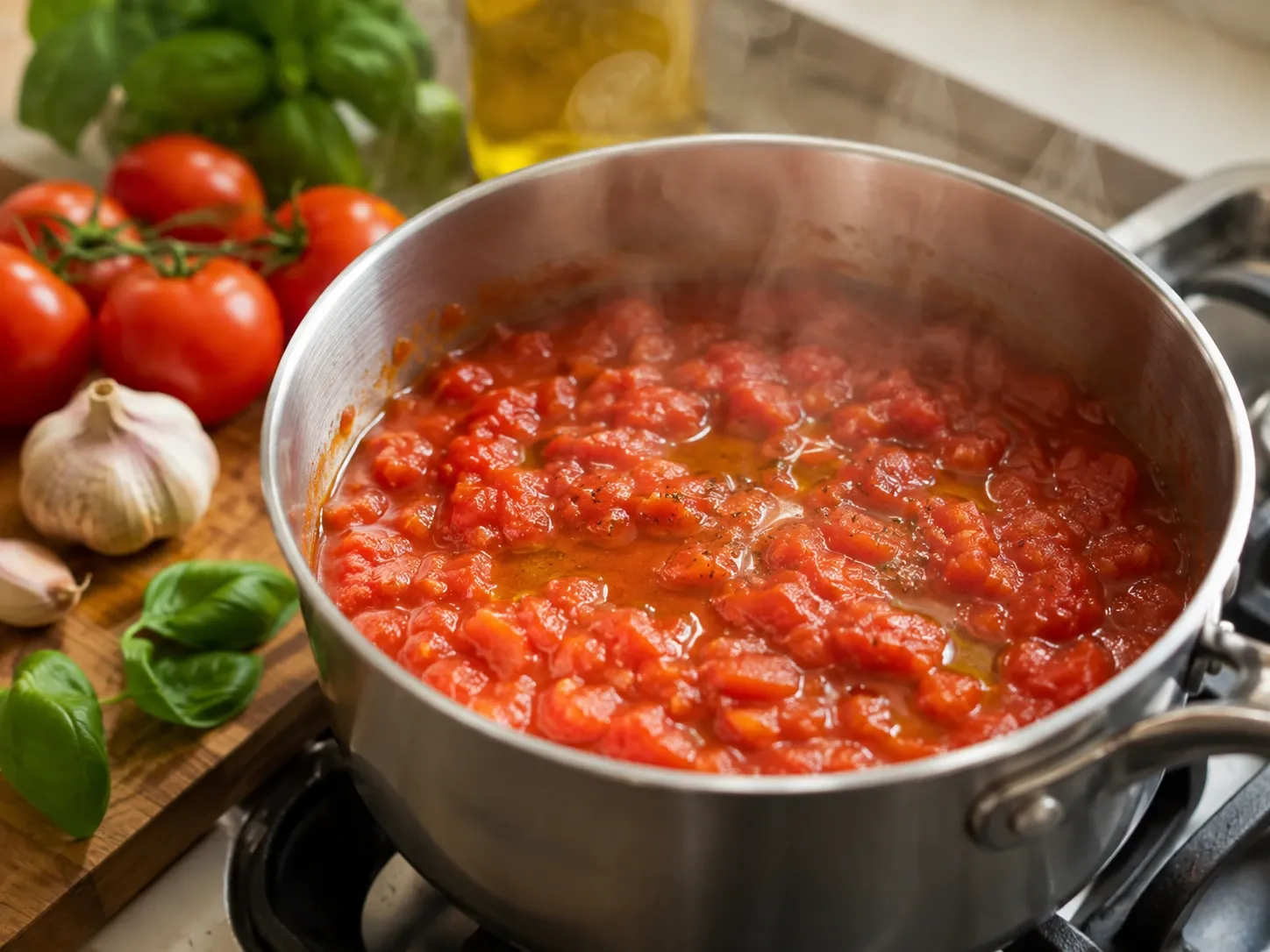
One particularly interesting feature of lycopene is that processing can make it easier for the body to absorb.
Heating and crushing tomato tissue help release carotenoids from the plant matrix. Because lycopene is fat-soluble, dietary fat can also help support absorption. (PubMed)
In a small human study, eating tomatoes cooked with olive oil produced a greater increase in circulating lycopene concentrations than eating tomatoes cooked without the oil. (PubMed)
What does lycopene’s antioxidant activity mean?
Oxidative reactions are a normal part of human metabolism. Oxidative stress describes an imbalance between reactive compounds and the body’s protective systems.
Lycopene can act as an antioxidant, which has led researchers to investigate whether it influences health outcomes associated with oxidative stress. Clinical significance, however, is considerably harder to establish than antioxidant activity in a laboratory setting. (PubMed)
A 2023 meta-analysis of randomized trials found improvement in a marker of oxidative stress but no significant effect on most of the cardiovascular risk factors it evaluated. (ResearchGate)
Tomatoes and cardiovascular health
Observational studies have often linked higher tomato or lycopene exposure with favorable cardiovascular outcomes. An umbrella review identified several such associations but also concluded that the overall quality of evidence was not high. (PubMed)
Randomized trials provide a more cautious picture. A 2023 systematic review and meta-analysis found no significant overall effect of tomato or lycopene interventions on most measured cardiovascular risk factors, including LDL cholesterol, HDL cholesterol, triglycerides, blood glucose, and blood pressure. (ResearchGate)
This does not mean tomatoes have no place in heart-healthy eating. Rather, it means there is insufficient evidence to promise that tomatoes alone will lower cholesterol or blood pressure.
Their role is better understood within a varied dietary pattern rich in minimally processed plant foods. (Serviços e Informações do Brasil)
What about prostate cancer?
Lycopene has been studied extensively in relation to prostate cancer.
Observational meta-analyses have reported associations between greater dietary or circulating lycopene and lower prostate cancer risk. However, observational research cannot demonstrate that lycopene itself caused the lower risk. (PubMed)
Randomized supplementation trials are less convincing. A systematic review and meta-analysis found no significant overall effect of lycopene supplementation on PSA levels. (PubMed)
Raw tomatoes or tomato sauce?
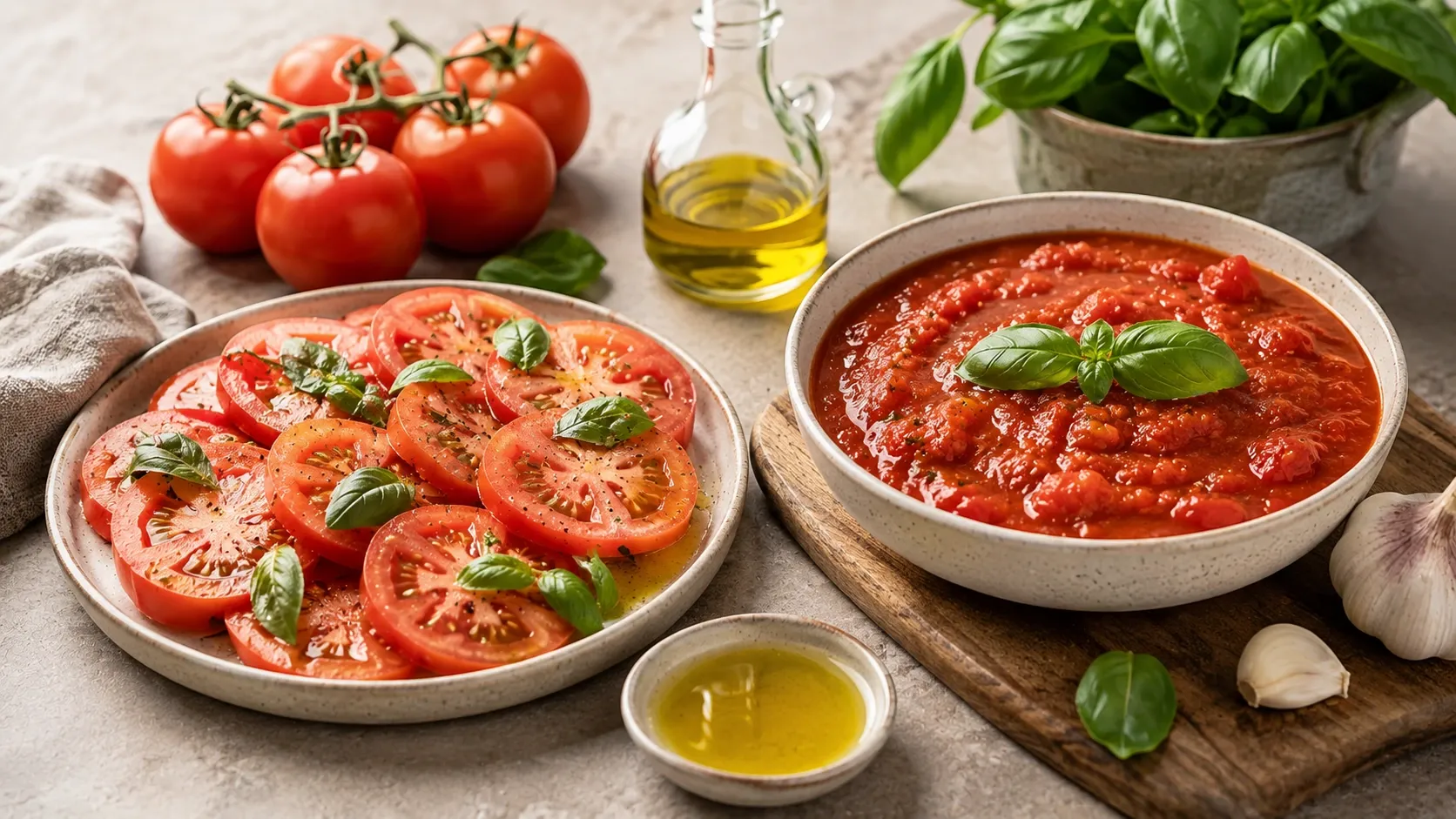
Both can fit into a healthy eating pattern.
Fresh tomatoes are easy to use in salads, sandwiches, and side dishes. Cooked tomatoes have undergone structural changes that can make lycopene more bioavailable, particularly when eaten with some dietary fat. (PubMed)
Tomato sauce, paste, purée, and canned tomatoes can also be useful. Their nutritional composition varies, however, and products with significant added sodium, sugar, or other ingredients should not be judged solely on their lycopene content.
Practical ways to eat more tomatoes
Tomatoes can be used:
- raw in salads;
- in salsa or vinaigrette-style preparations;
- roasted with herbs;
- sautéed;
- in homemade sauces;
- in soups and stews;
- with eggs;
- alongside beans or lentils;
- with olive oil and herbs;
- in grain-based meals.
Using both fresh and cooked tomatoes provides culinary variety while taking advantage of the increased lycopene bioavailability associated with some cooked preparations. (PubMed)
Do you need a lycopene supplement?
Current evidence does not support the idea that most people need a lycopene supplement simply because the compound is associated with possible health benefits.
An umbrella review found several favorable associations but emphasized weaknesses in the quality of evidence, while randomized trials have produced inconsistent findings for cardiovascular outcomes. (PubMed)
Trials involving PSA have likewise not established a consistent benefit from supplementation. (PubMed)
For most people, focusing on a varied diet rich in minimally processed foods is more consistent with current dietary guidance than targeting a single carotenoid through supplements. (Serviços e Informações do Brasil)
Are tomatoes part of a healthy diet?
Yes. The Dietary Guidelines for the Brazilian Population recommend that a variety of unprocessed or minimally processed foods, predominantly from plant sources, form the basis of the diet. Tomatoes are explicitly included among the examples of foods whose variety should be valued. (Serviços e Informações do Brasil)
That context matters more than searching for a single “supernutrient.”
Tomatoes can provide water, fiber, carotenoids, and other nutrients, but their effects depend on the rest of the diet. Eating tomatoes in a meal rich in vegetables, grains, legumes, and other minimally processed foods is very different from treating lycopene as a substance capable of compensating for an inadequate dietary pattern.
Conclusion
Tomatoes are water-rich, low-energy foods that provide fiber and carotenoids, including lycopene. The raw tomato entry in the Brazilian Food Composition Table contains approximately 18 kcal and 1.6 g of fiber per 100 g. (TBCA)
Lycopene becomes more bioavailable after certain forms of processing, and consuming cooked tomatoes with dietary fat such as olive oil can improve its absorption. (PubMed)
Research has linked tomato and lycopene intake with several potentially favorable health outcomes, but clinical evidence remains inconsistent for many specific diseases and cardiovascular risk factors. Tomatoes are therefore best viewed as a nutritious component of a varied eating pattern rather than as a stand-alone preventive treatment. (PubMed)