Strawberries: Nutrition, Antioxidants, and Health Benefits
Strawberries provide vitamin C, fiber, and antioxidant compounds such as anthocyanins. Learn about their nutrition, potential health benefits, and practical ways to eat them.
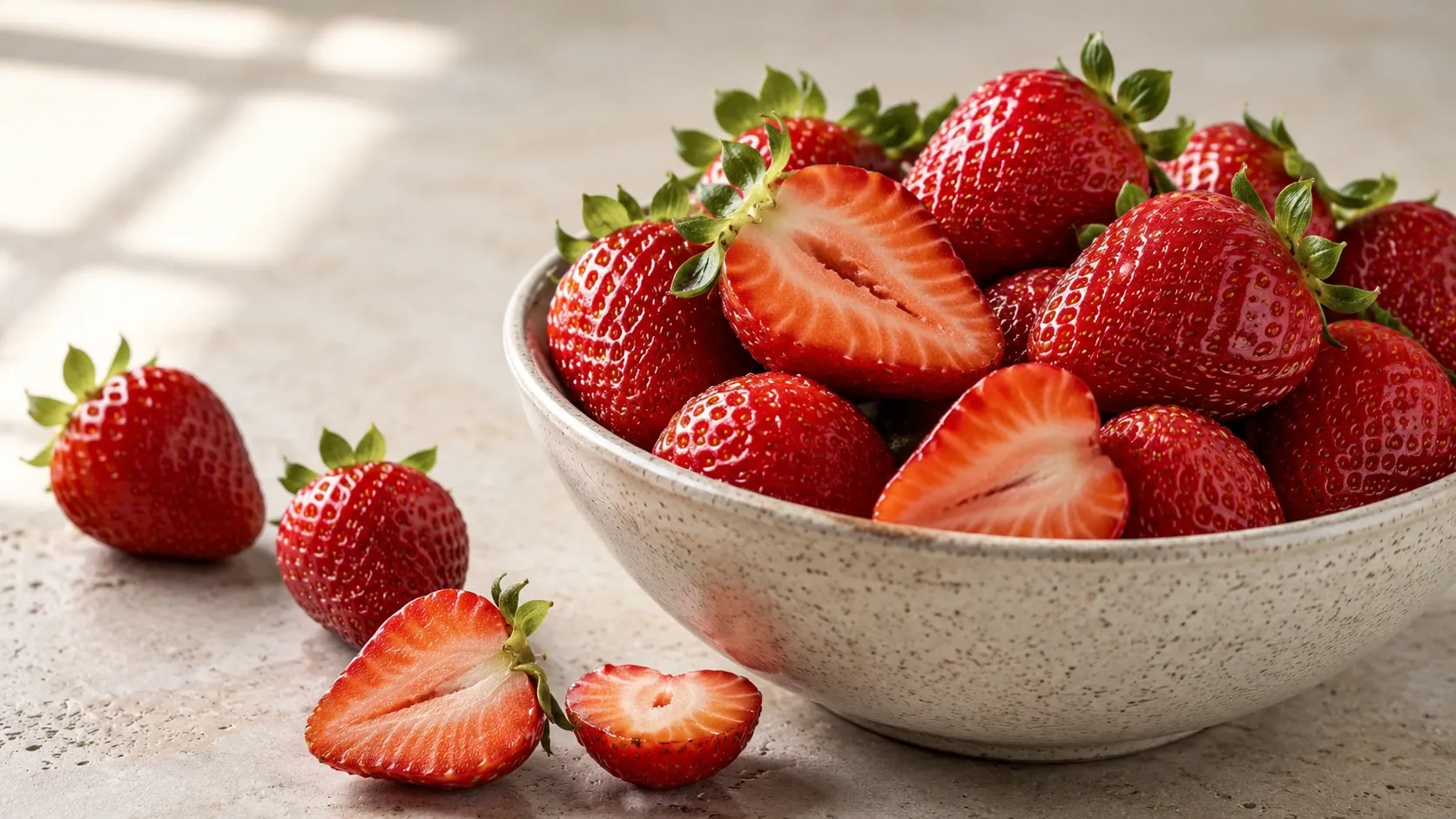
Strawberries combine a high water content with relatively few calories, vitamin C, fiber, and a range of naturally occurring plant compounds. Among the most widely studied are anthocyanins and other polyphenols. (TBCA)
These compounds have helped give strawberries a reputation as an “antioxidant food.” That description has a nutritional basis, but it needs context. Having antioxidants in a food does not mean that eating it automatically prevents oxidative stress-related diseases.
Recent human research has focused especially on cardiometabolic outcomes, including insulin resistance, inflammation, cholesterol, and vascular function. Some trials report favorable changes, but results vary by study design, dose, population, and outcome. (Taylor & Francis Online)
Strawberry nutrition
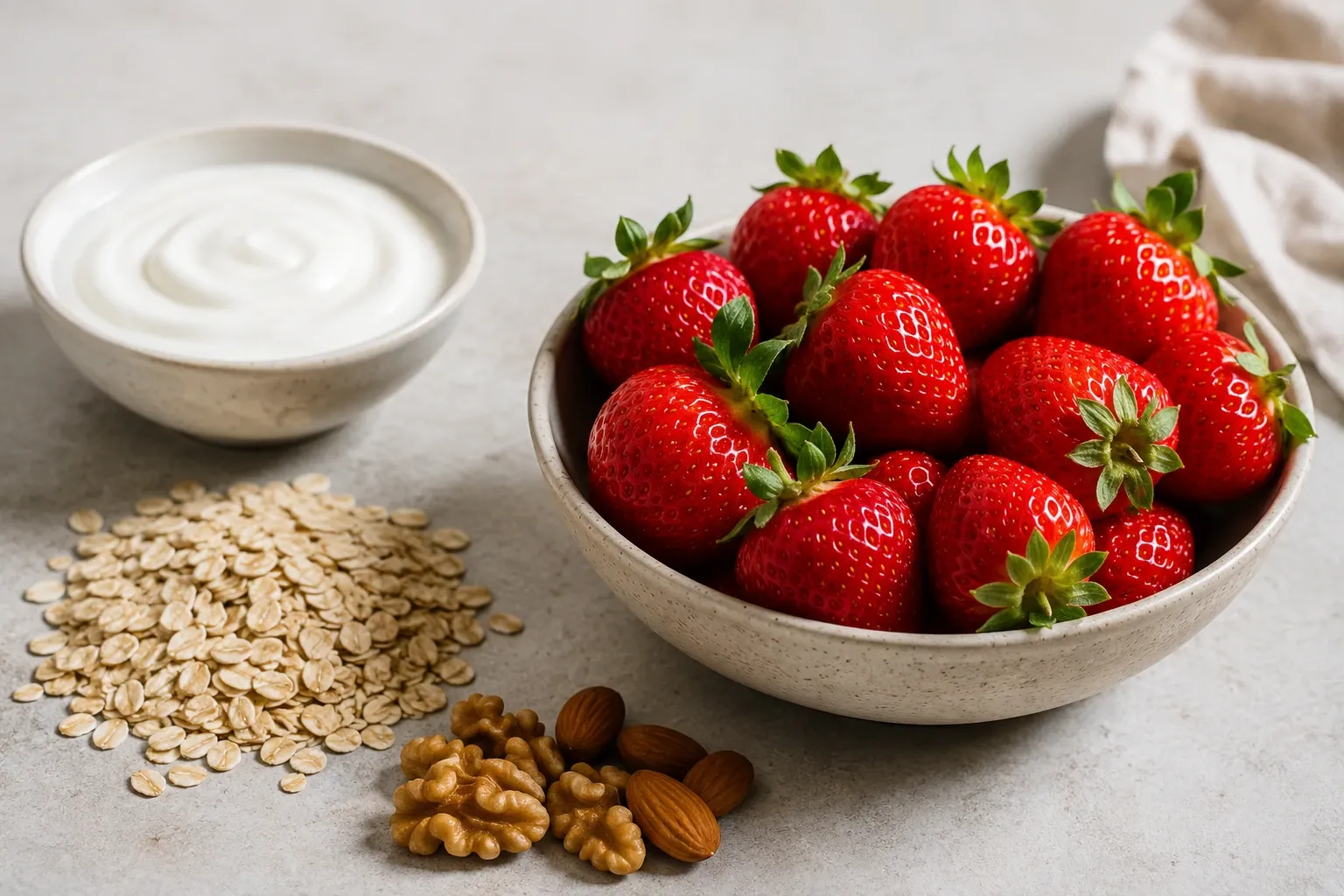
Fresh strawberries are mostly water. TBCA data for Brazilian samples report approximately 91.8 g of water per 100 g of fruit. (TBCA)
The same amount provides approximately:
| Nutrient | Amount per 100 g |
|---|---|
| Energy | 30 kcal |
| Total carbohydrate | 6.54 g |
| Available carbohydrate | 4.87 g |
| Protein | 0.82 g |
| Fat | 0.40 g |
| Dietary fiber | 1.67 g |
| Vitamin C | 69.8 mg |
| Folate equivalent | 21.8 mcg |
| Potassium | 102 mg |
| Phosphorus | 28.8 mg |
| Magnesium | 11 mg |
| Manganese | 0.19 mg |
Values are based on the Brazilian Food Composition Table’s average of different raw strawberry samples. Nutrient content can vary among cultivars, growing conditions, ripeness, storage, and processing. (TBCA)
Vitamin C is the nutritional standout, although strawberries also contribute fiber and smaller amounts of several minerals.
Are strawberries a good source of vitamin C?
TBCA reports approximately 69.8 mg of vitamin C per 100 g of fresh strawberries. (TBCA)
Vitamin C, or ascorbic acid, is an essential nutrient involved in collagen synthesis, wound healing, immune function, and the absorption of nonheme iron from plant foods. It also acts as a physiological antioxidant. (ODS)
This does not mean that consuming ever-larger amounts of vitamin C produces progressively greater benefits. The body regulates vitamin C absorption and blood concentrations, and research on whole fruits should not be confused with research on high-dose supplements. (ODS)
What antioxidants are in strawberries?
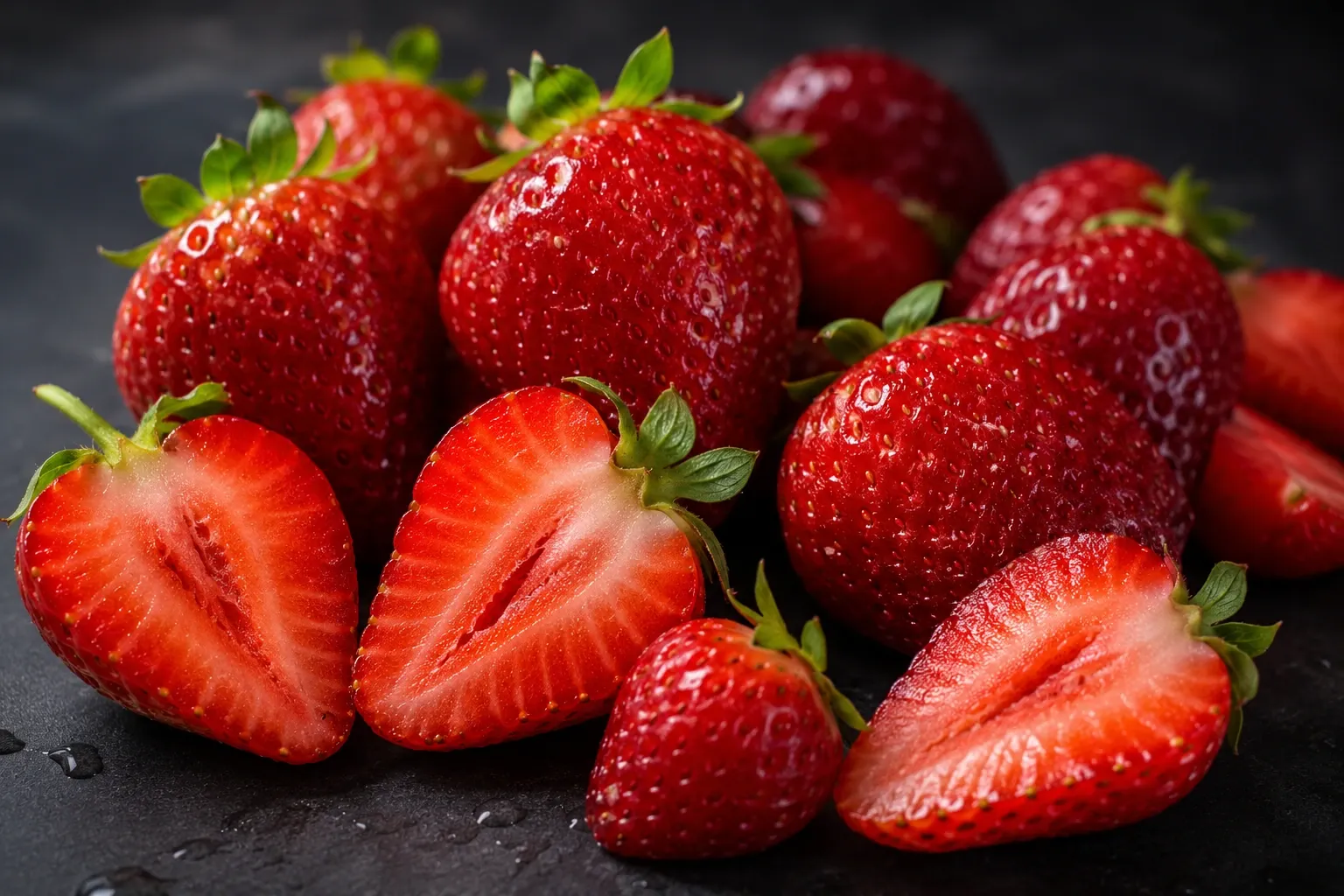
Strawberries contain vitamin C and a complex mixture of phenolic compounds. Anthocyanins are among the best-known and contribute to the fruit’s characteristic red color. (Taylor & Francis Online)
Researchers have identified several other strawberry polyphenols and bioactive compounds as well. Their concentrations can vary with cultivar, maturity, climate, storage, and processing.
What does “antioxidant” actually mean?
Laboratory tests can measure how compounds participate in oxidation-reduction reactions. The human body is considerably more complicated.
After polyphenols are eaten, they undergo digestion, absorption, and extensive metabolism. Their biological effects may involve cell signaling, vascular responses, metabolism, and inflammatory pathways rather than simply “neutralizing free radicals.”
For this reason, it is more accurate to say strawberries provide compounds with antioxidant properties and potential biological activity than to claim that they “detox the body” or eliminate harmful molecules. (Taylor & Francis Online)
Are strawberries good for heart health?
Strawberries have been studied for several cardiovascular risk markers.
A meta-analysis of randomized controlled trials examined blood pressure, blood lipids, glucose, endothelial function, and inflammatory markers. Strawberry interventions significantly reduced C-reactive protein in the pooled analysis and suggested improvements in total and LDL cholesterol in some subgroups, while several other outcomes were not consistently affected. (Cambridge University Press)
A randomized trial in adults with moderate hypercholesterolemia also examined cardiometabolic risk factors and vascular function following strawberry consumption. The results provide additional evidence of possible vascular and metabolic effects, but they were obtained in a specific study population. (PubMed)
Strawberries can therefore fit naturally into a heart-supportive dietary pattern, but they should not be presented as a guaranteed way to lower cholesterol or prevent cardiovascular events.
Strawberries and blood sugar
Strawberries contain carbohydrates and therefore are not metabolically “free.” However, TBCA data report only about 4.87 g of available carbohydrate per 100 g of fresh fruit. (TBCA)
Researchers have also studied whether strawberry intake influences glucose metabolism.
A 2025 randomized crossover trial in adults with prediabetes reported improvements in insulin resistance and related cardiometabolic measures after a 12-week strawberry intervention equivalent to approximately 2.5 servings per day. (PubMed)
These findings are encouraging but do not mean that strawberries treat prediabetes or diabetes, and they cannot automatically be generalized to everyone.
Can strawberries reduce inflammation?
Several human trials have measured inflammatory biomarkers after strawberry interventions.
A meta-analysis reported a reduction in C-reactive protein, although other inflammatory markers and cardiometabolic outcomes were less consistent. (Cambridge University Press)
A recent comprehensive review of human studies similarly identified inflammation and lipid metabolism among the outcomes with potentially favorable responses, particularly in people at increased cardiovascular risk. (Taylor & Francis Online)
This does not support describing strawberries as a treatment for inflammatory disorders. Inflammation involves complex biological processes that cannot be “switched off” by eating one particular fruit.
Strawberries and vascular function
The endothelium is the inner lining of blood vessels and plays an important role in regulating vascular tone and blood flow.
Clinical studies have examined whether strawberry consumption influences endothelial function, particularly in adults with cardiovascular risk factors. Some findings are favorable, but the evidence remains insufficient to treat strawberries as an isolated strategy for cardiovascular prevention. (ScienceDirect)
The broader dietary pattern remains more important than any single “superfood.”
Can strawberries help with weight management?
There is no evidence that strawberries produce weight loss through a special fat-burning mechanism.
Their practical advantage is their low energy density. TBCA data show around 30 kcal per 100 g, with water accounting for more than 90% of the fruit’s weight. (TBCA)
This makes strawberries useful when they replace more energy-dense sweets or desserts. Fiber can also help contribute to a more satisfying meal when strawberries are paired with foods such as plain yogurt, oats, nuts, or seeds.
Weight loss still depends on overall energy balance, dietary pattern, physical activity, sleep, behavior, and individual circumstances.
Do strawberries support immune function?
Strawberries provide vitamin C, and vitamin C plays an established role in normal immune function. (ODS)
That does not mean strawberries “boost immunity” without limit or guarantee protection against infections.
A more accurate interpretation is that strawberries can contribute to adequate vitamin C intake as part of a varied diet.
Fresh or frozen strawberries?
Both can fit into a healthy diet.
Fresh strawberries are convenient for snacks, breakfast bowls, salads, and desserts. Frozen strawberries are useful for smoothies, sauces, oatmeal, and other recipes and can reduce food waste when fresh berries are highly perishable.
The ingredient list is important. A bag containing only frozen strawberries is different from a product made with syrup or added sugar.
Vitamin C can also decline with prolonged storage and heating, according to the NIH Office of Dietary Supplements. (ODS)
Are strawberry jam and strawberry-flavored foods equivalent?
No.
Fresh strawberries are mostly water and naturally contain fiber, vitamin C, and plant compounds. Conventional jam typically concentrates the fruit and often contains substantial added sugar.
Strawberry-flavored yogurt, cookies, cakes, beverages, and ice cream also do not automatically provide the same nutritional profile as whole strawberries.
For the nutritional properties discussed in this article, fresh or unsweetened frozen strawberries are the most direct comparison.
How many strawberries should you eat?
There is no universal daily strawberry requirement.
The appropriate amount of fruit varies with age, energy needs, medical conditions, preferences, and the rest of the diet.
Clinical trial doses should not be converted directly into universal dietary prescriptions. Many strawberry studies have used standardized quantities of freeze-dried strawberry powder or relatively high daily servings specifically for research purposes. (Taylor & Francis Online)
Easy ways to eat strawberries
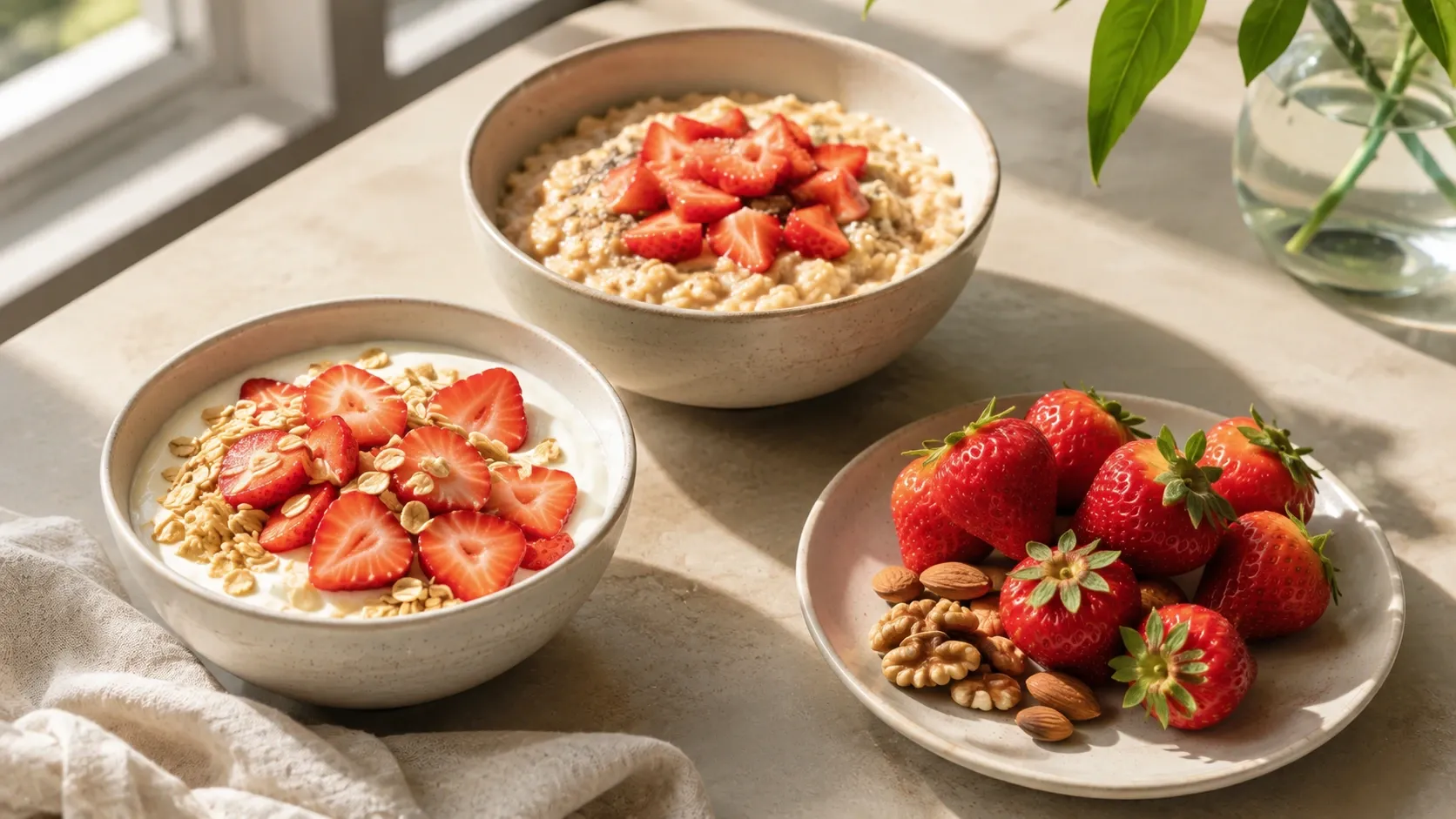
Add them to yogurt
Fresh strawberries pair well with plain yogurt and oats for a snack containing fruit, fiber, and protein.
Mix them with oatmeal
Fresh or frozen strawberries can be used in oatmeal and overnight oats, adding natural sweetness and acidity.
Use them in salads
Strawberries work well with leafy greens, nuts, cheese, and simple dressings.
Blend them into smoothies
Blend strawberries with milk, yogurt, or an appropriate plant-based beverage. Keeping the whole blended fruit rather than straining it preserves more of its fiber.
Serve them for dessert
Fresh berries can be served alone or paired with yogurt, cocoa, or a small amount of dark chocolate.
Freeze ripe berries
Ripe strawberries can be frozen and later used in smoothies, sauces, and homemade desserts.
How to choose and store strawberries
Look for berries that appear firm and free from obvious mold or decay.
Strawberries are highly perishable and should generally be refrigerated. The FDA recommends refrigerating perishable fresh produce and preventing cross-contamination from raw meats, poultry, seafood, and contaminated kitchen equipment. (FDA)
Discard berries that are rotten, heavily damaged, or visibly moldy.
How to wash strawberries safely
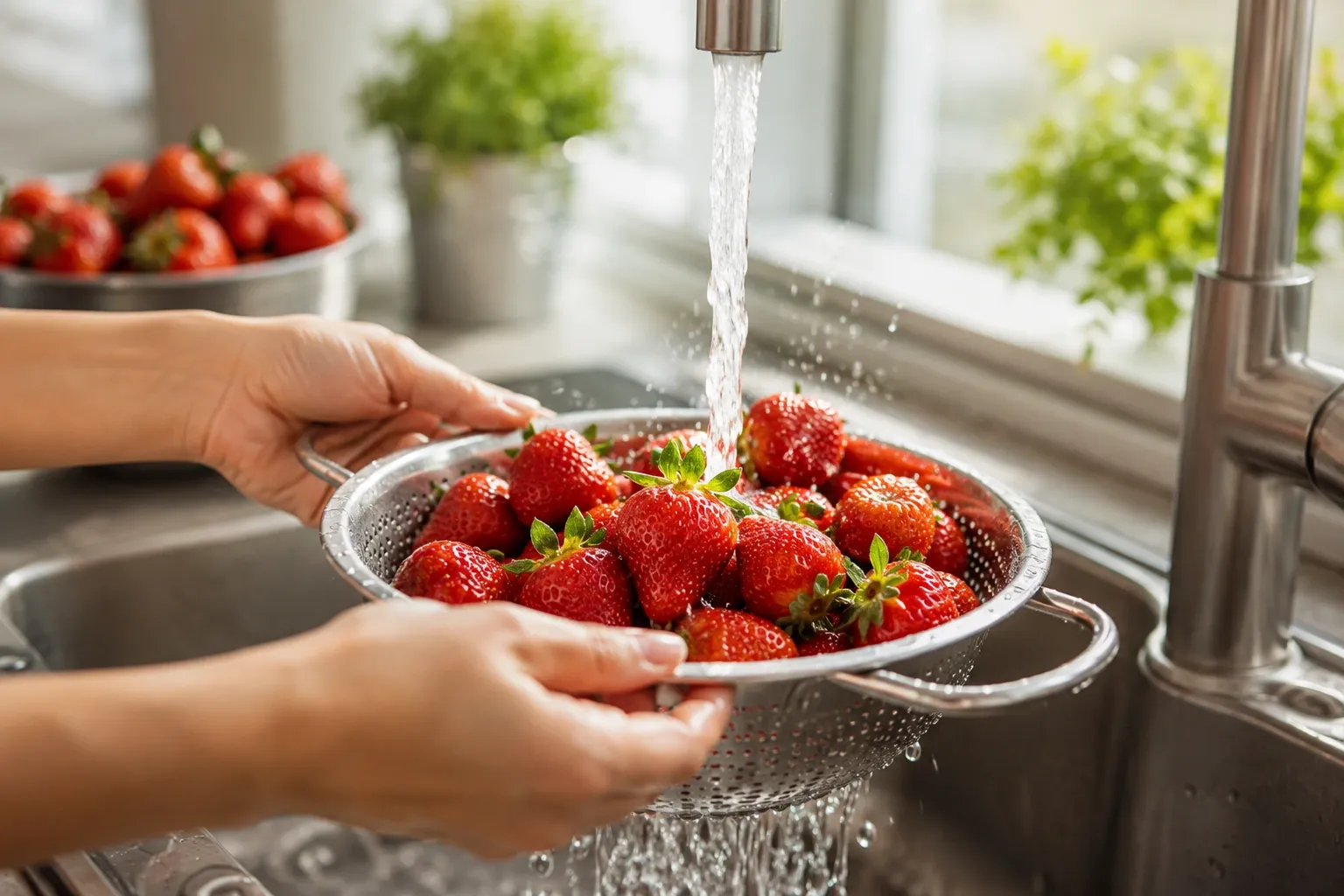
The FDA recommends thoroughly rinsing fresh produce under running water before preparing or eating it. (FDA)
Soap, detergent, and commercial produce washes are not recommended directly on fruits and vegetables. Produce can absorb residues from these substances, and they are not needed for ordinary home washing. (FDA)
A simple approach is:
- Discard moldy or spoiled berries;
- Wash your hands before handling them;
- Rinse strawberries thoroughly under running water;
- Keep them away from surfaces or utensils used for raw meat;
- Dry gently when appropriate.
Washing can reduce surface contamination but does not sterilize fresh produce. (FDA)
Can strawberries cause allergies?
Strawberry allergy is possible. Strawberries belong to the Rosaceae family, and allergies to fruits in this family can occur, including reactions related to cross-reactivity with certain pollens. (PubMed)
Anyone who repeatedly develops mouth itching, hives, swelling, breathing difficulty, or other symptoms after eating strawberries should seek medical evaluation. Breathing difficulty, throat tightness, or symptoms of a severe allergic reaction require emergency care.
Conclusion
Strawberries are a low-energy-density fruit that stands out for vitamin C while also providing fiber, folate, minerals, and a variety of polyphenols. Anthocyanins are among their characteristic bioactive compounds. (TBCA)
Clinical trials and reviews suggest that strawberry intake may favorably influence selected markers related to inflammation, lipid metabolism, insulin resistance, and vascular health, particularly in people with elevated cardiometabolic risk. However, effects are not consistent across every outcome, and research frequently uses standardized doses or freeze-dried strawberry products that differ from typical everyday consumption. (Cambridge University Press)
The most practical conclusion is simpler: strawberries are a flavorful way to add fruit, vitamin C, fiber, and greater plant-food variety to the diet.