
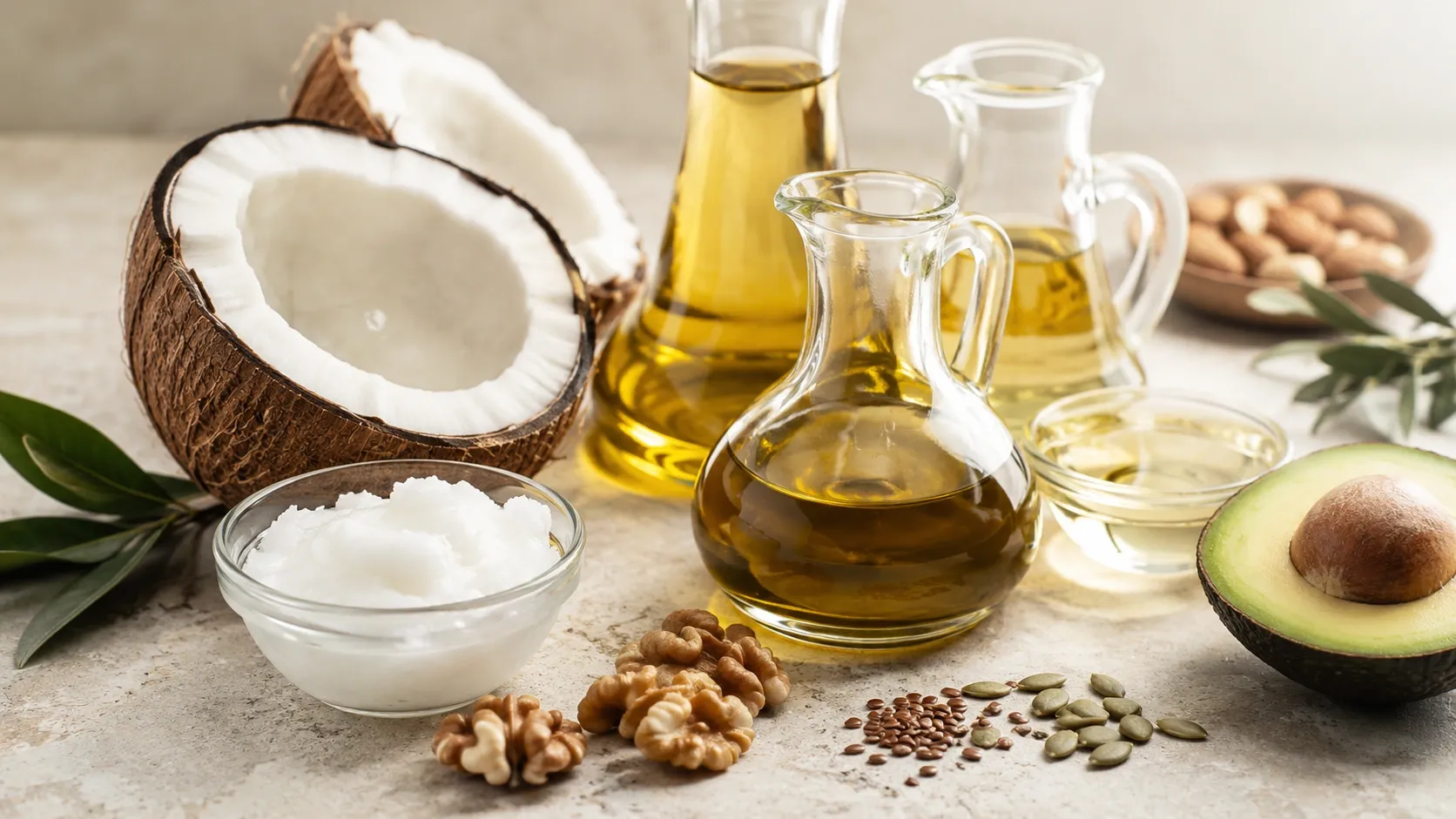
Is Coconut Oil Healthy? What We Know About Saturated Fat
Coconut oil is high in saturated fat and can raise both LDL and HDL. Learn what the evidence actually shows and which dietary fats experts recommend prioritizing.

Information about nutrients, diet and science.
43 articles
Coconut oil is high in saturated fat and can raise both LDL and HDL. Learn what the evidence actually shows and which dietary fats experts recommend prioritizing.
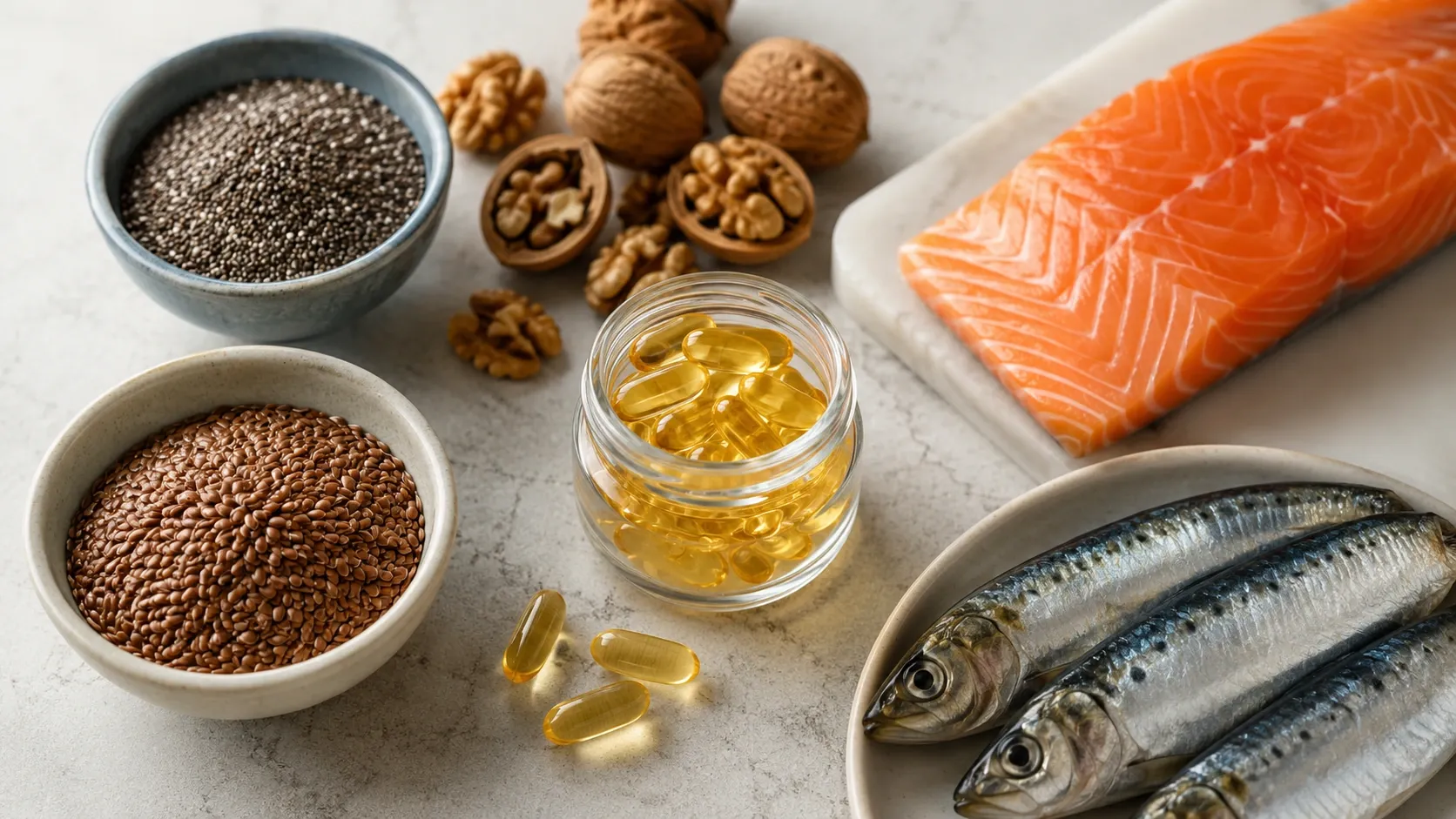
Learn the evidence-based benefits of omega-3s, how ALA, EPA, and DHA differ, their best food sources, and when supplementation may actually be useful.
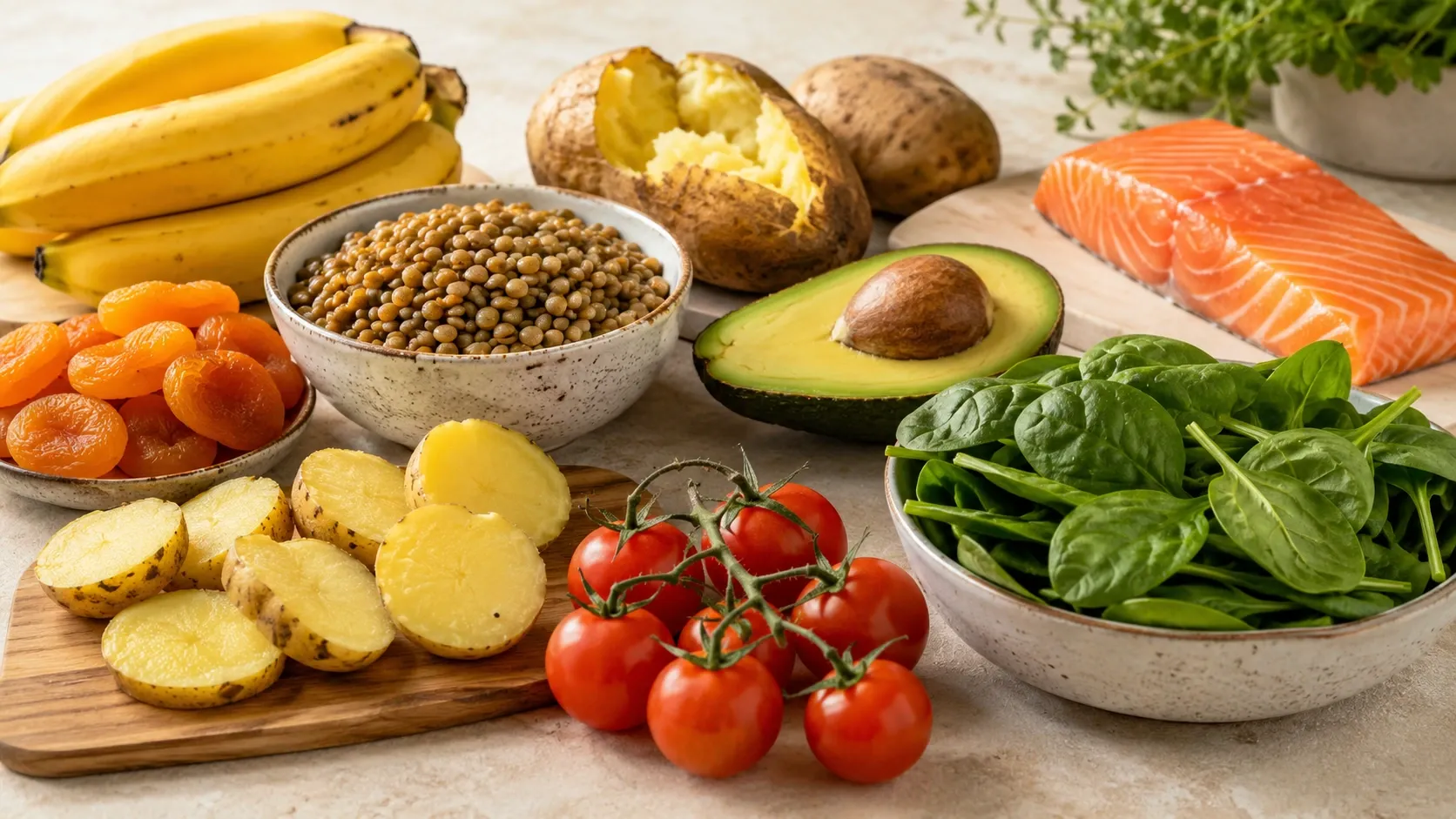
Potassium supports normal muscle, nerve and cardiovascular function. Learn how much you need, which foods provide it and when extra potassium may be unsafe.
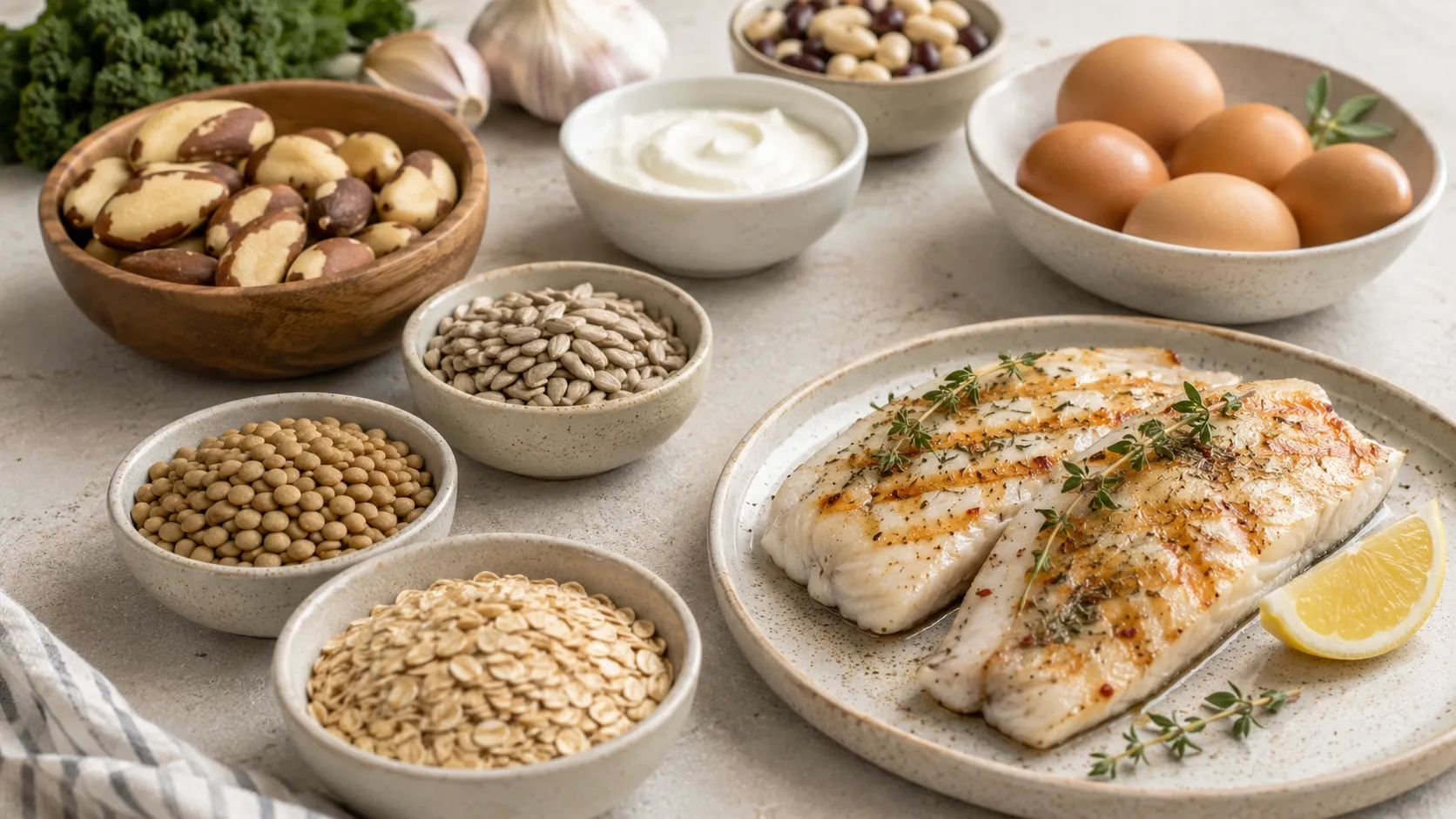
Selenium is essential for thyroid function and other processes, but more is not always better. Learn how much we need, where to get it and why excess intake matters.

Whole fruit has an advantage over juice because it retains fiber, promotes greater fullness, and makes it harder to consume excess sugars and calories. Here is where 100% fruit juice can fit.

Antioxidant supplements do not always improve health, and high doses may sometimes cause harm. See what the scientific evidence actually shows.

Learn what vitamin A does, which foods provide retinol and carotenoids, how much adults need, and why excessive intake from supplements can be harmful.

Learn what vitamin B12 does, where it comes from, how much adults need, and which groups face a higher risk of deficiency.

Vitamin D supports bone health and calcium metabolism. Learn how much you need daily, where to get it, when testing may help, and why high-dose supplements require caution.
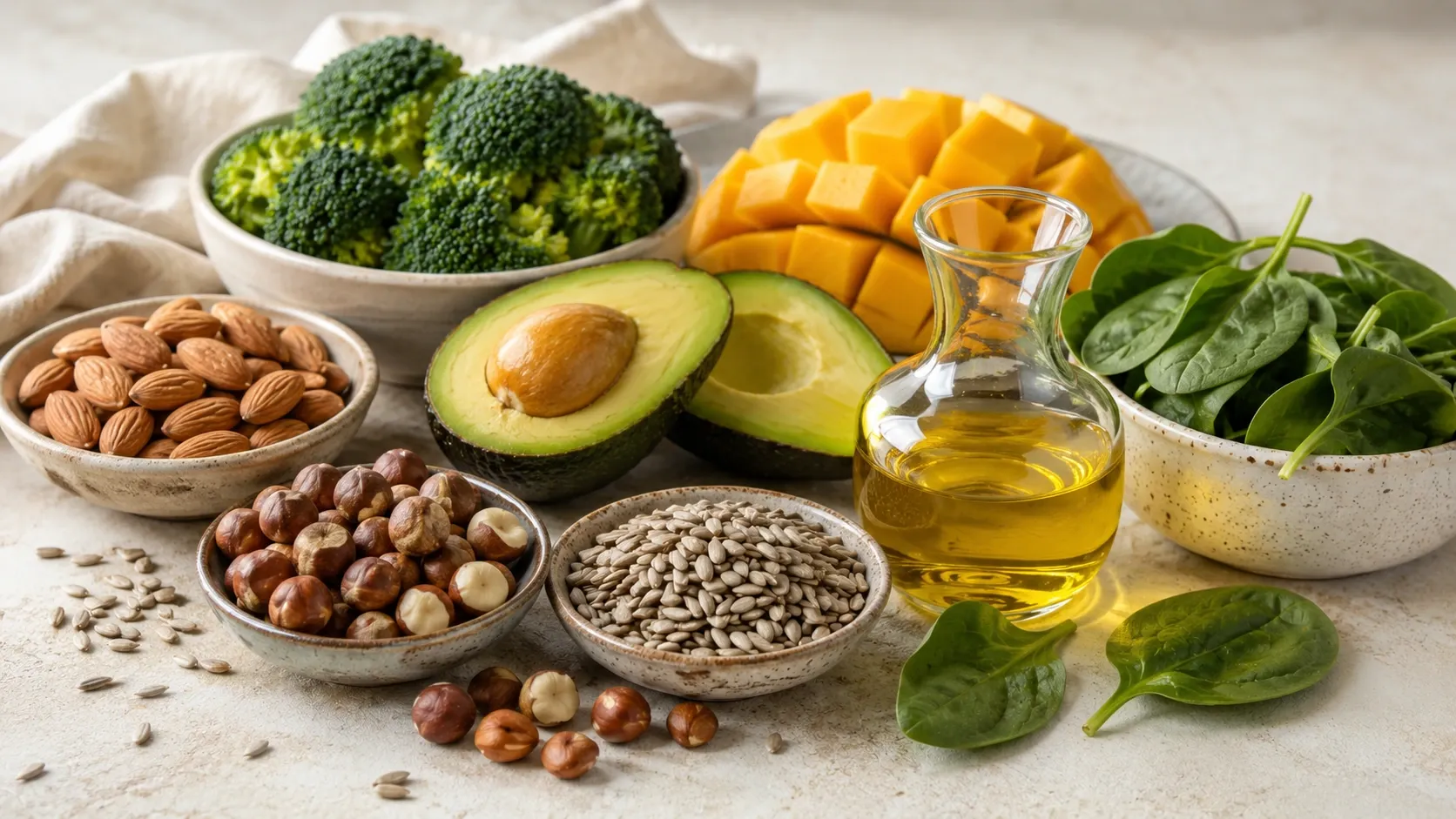
Vitamin E is an antioxidant nutrient found mainly in vegetable oils, seeds, and nuts. Learn what it does, how much you need, the best food sources, and when supplements require caution.
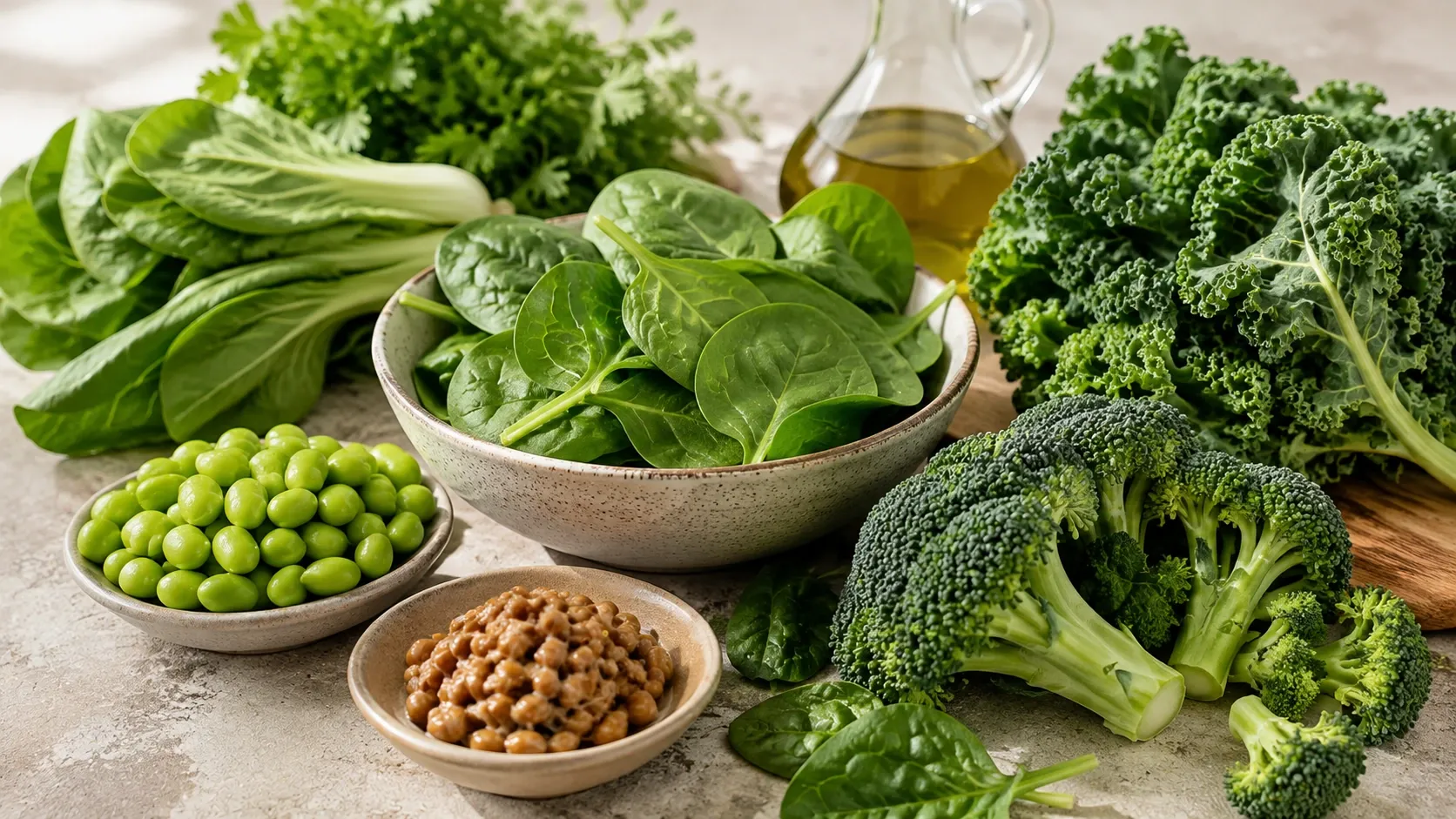
Vitamin K supports normal blood clotting and bone metabolism. Learn how much you need, the difference between K1 and K2, and the best food sources. ([ODS][1])
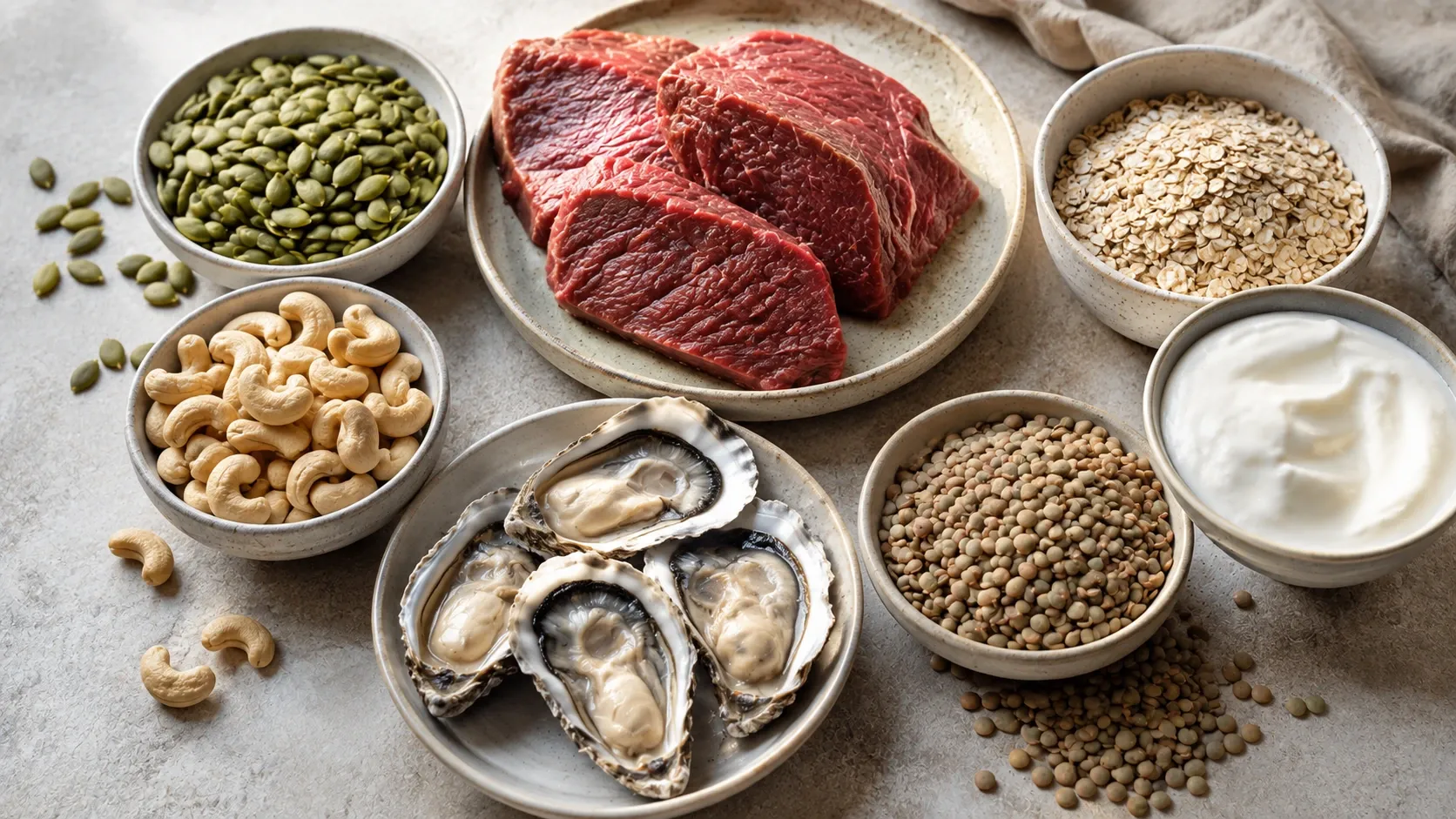
Learn what zinc does in the body, how much you need, the best food sources, who is at greater risk of deficiency, and why excessive supplementation can be harmful.

Butter is high in saturated fat, while modern margarines can provide more unsaturated fats. Learn what the evidence says and what to check on the label.

Honey has a more complex composition than table sugar, but it is still a source of free sugars. Learn what differs, potential benefits and what really matters.

Most healthy adults do not clearly benefit from a daily multivitamin. See what research says about disease prevention, safety, deficiencies, and cognition.
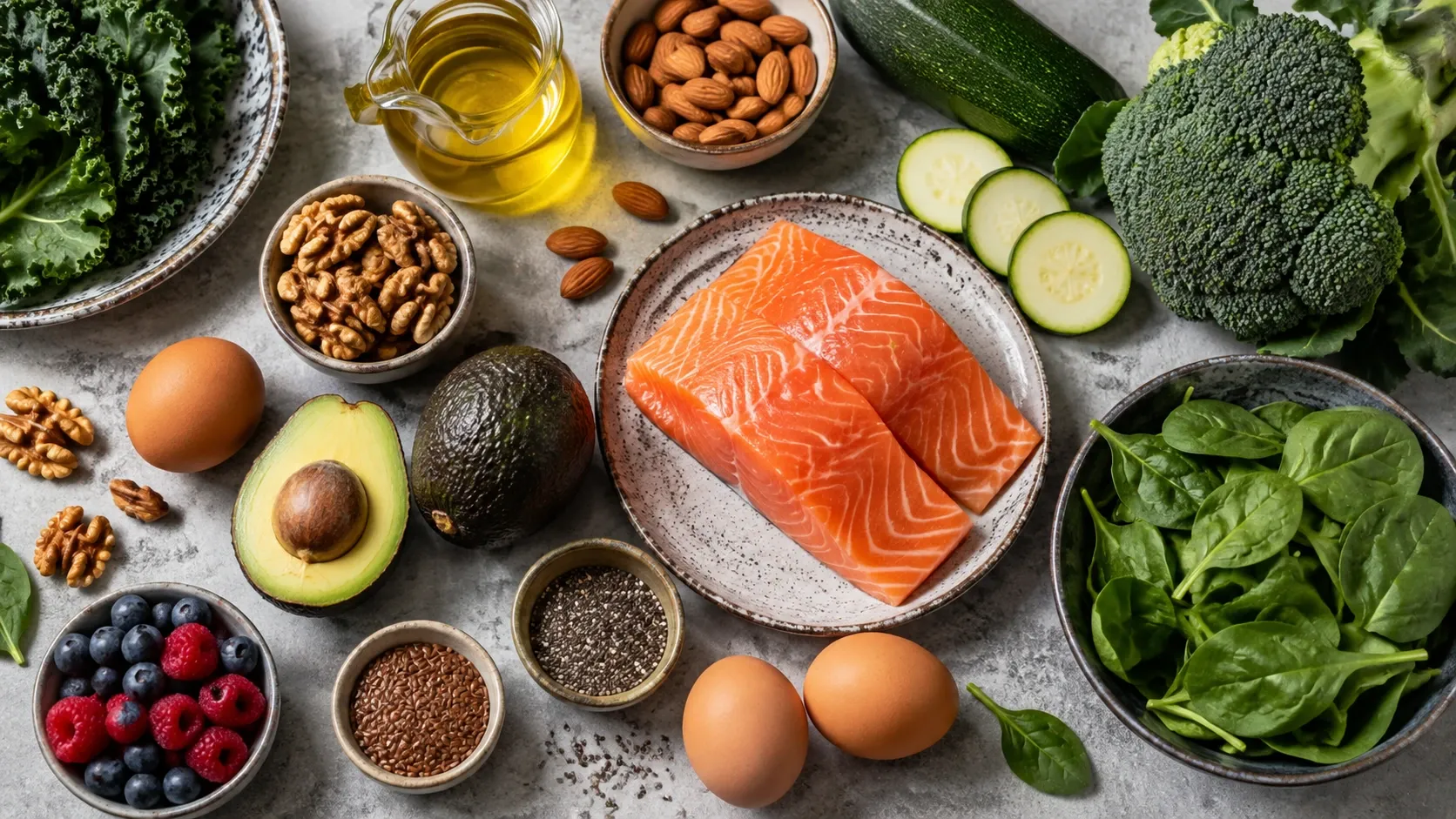
The ketogenic diet severely restricts carbohydrates to induce ketosis. Learn how it works, what research says about weight loss, and which health risks deserve attention.
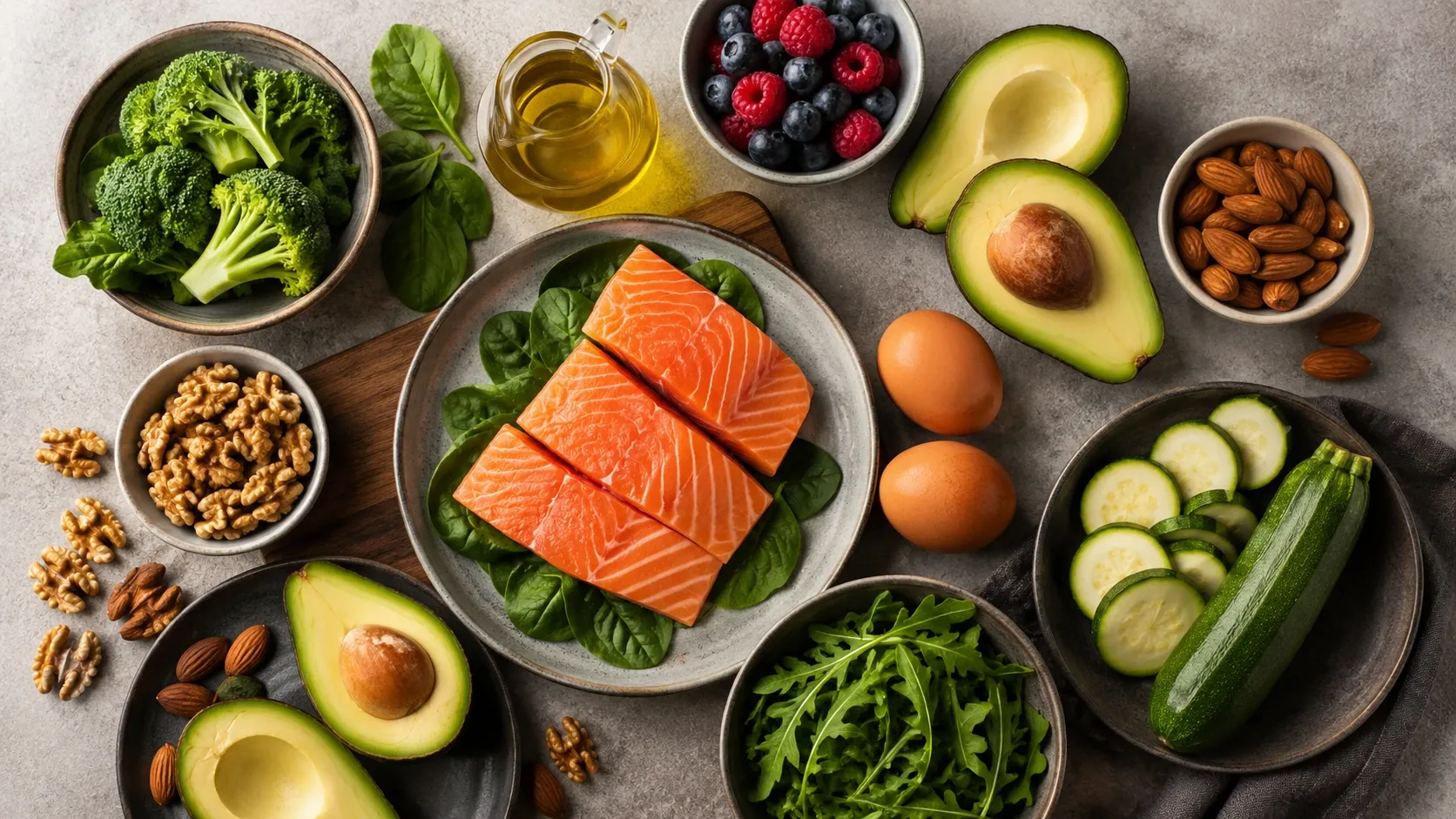
The DASH diet emphasizes nutrient-dense foods while limiting sodium and saturated fat. Learn how it works, what the evidence says about blood pressure, and when it may need to be modified.
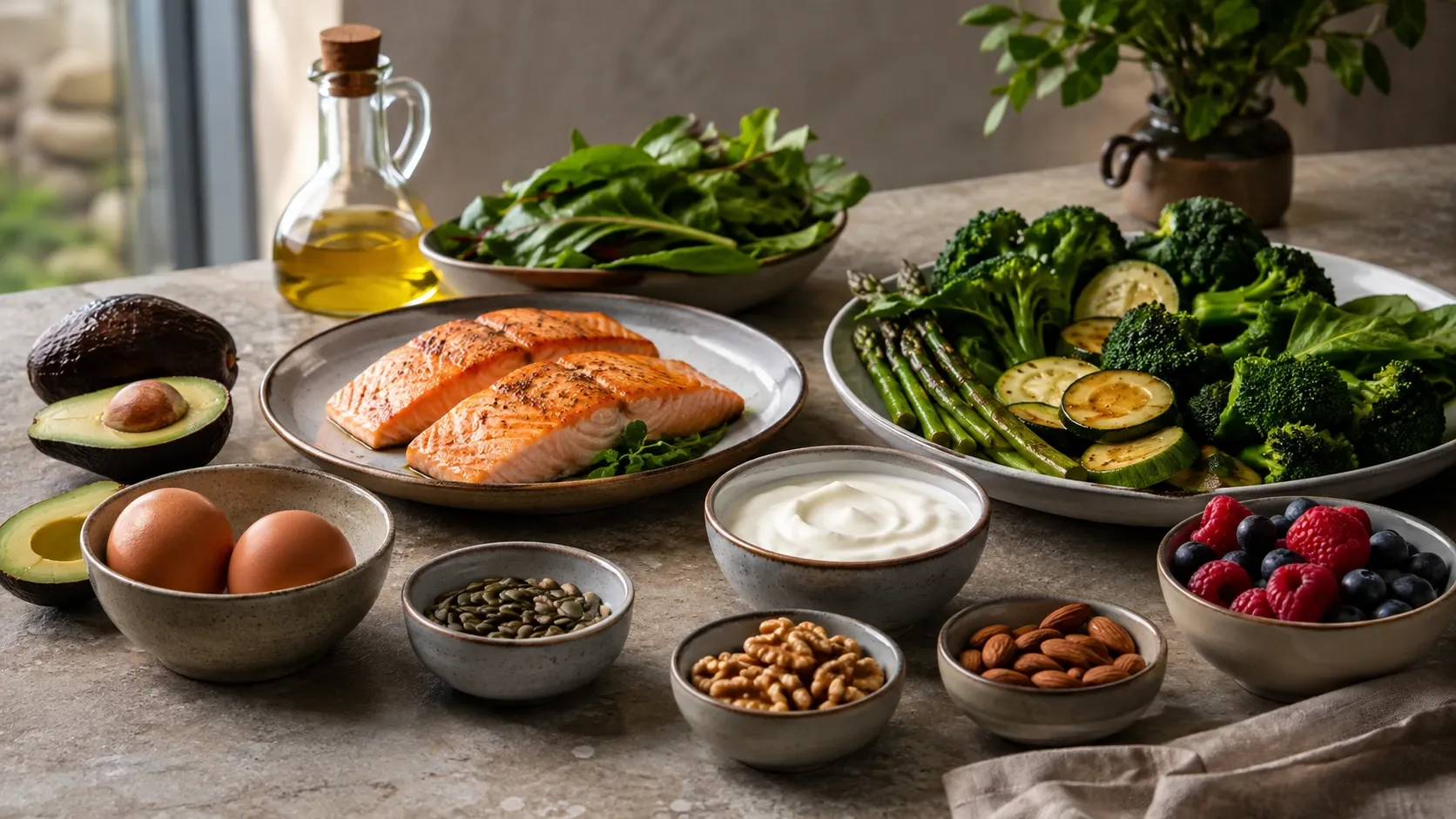
A low-carb diet can support weight loss and improve some metabolic markers, but it is not superior for everyone. Learn its benefits, limitations, risks, and who may benefit.
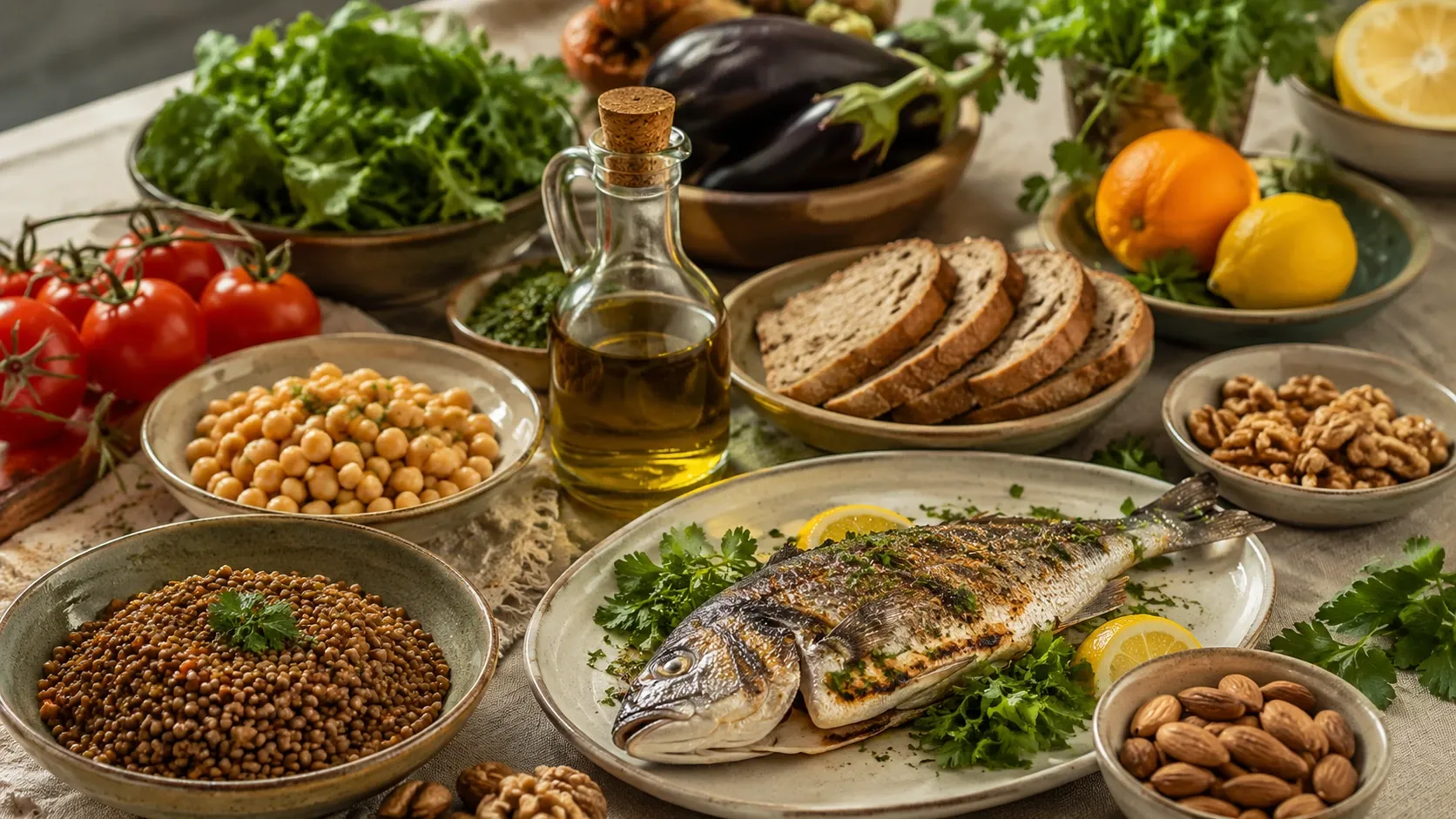
The Mediterranean diet emphasizes vegetables, legumes, whole grains, olive oil, nuts and fish. Learn why it is so widely studied and what the evidence actually shows.
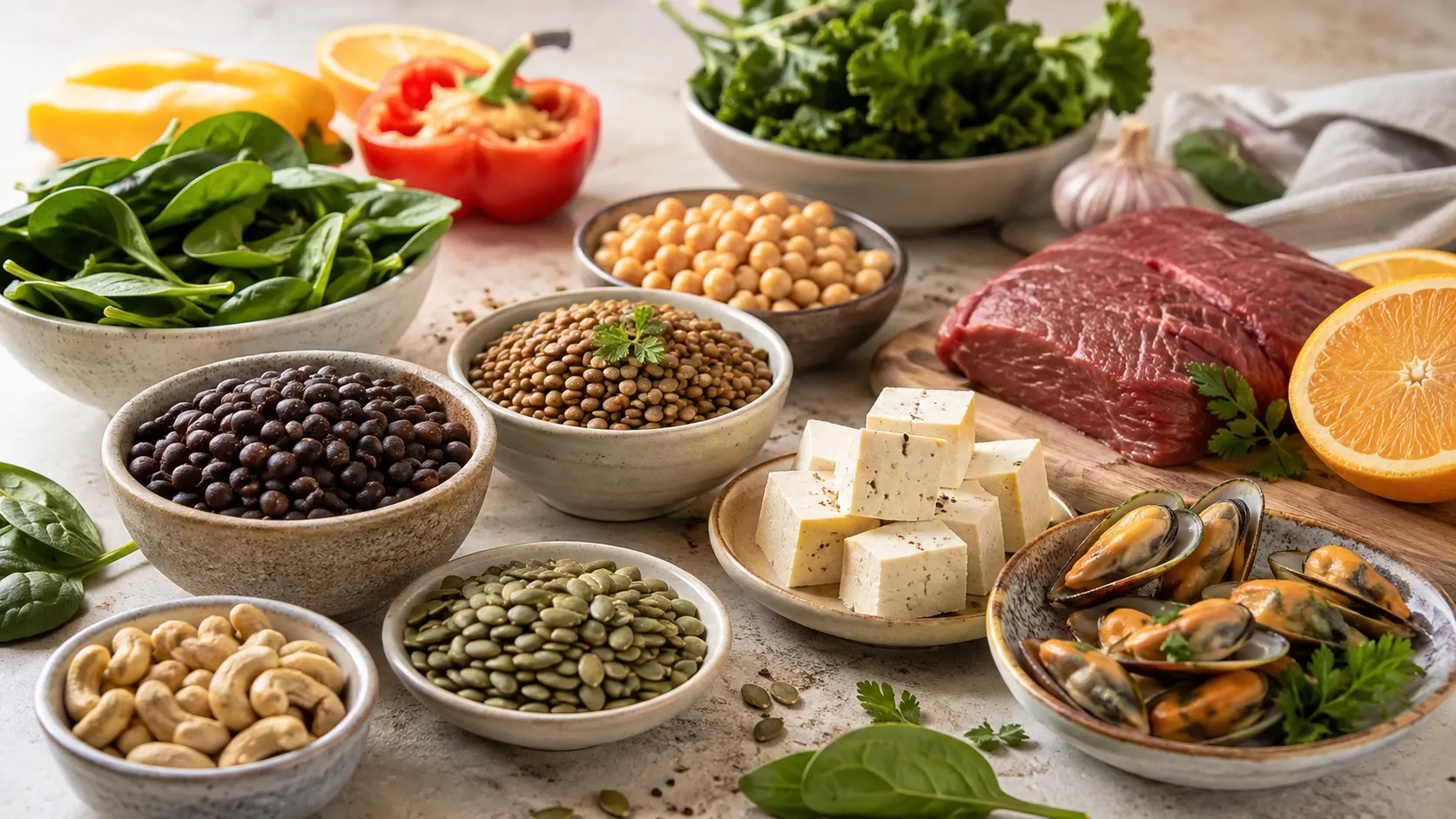
How much iron do you need each day? Learn about iron-rich foods, heme and non-heme iron, absorption, and practical ways to get enough from your diet.
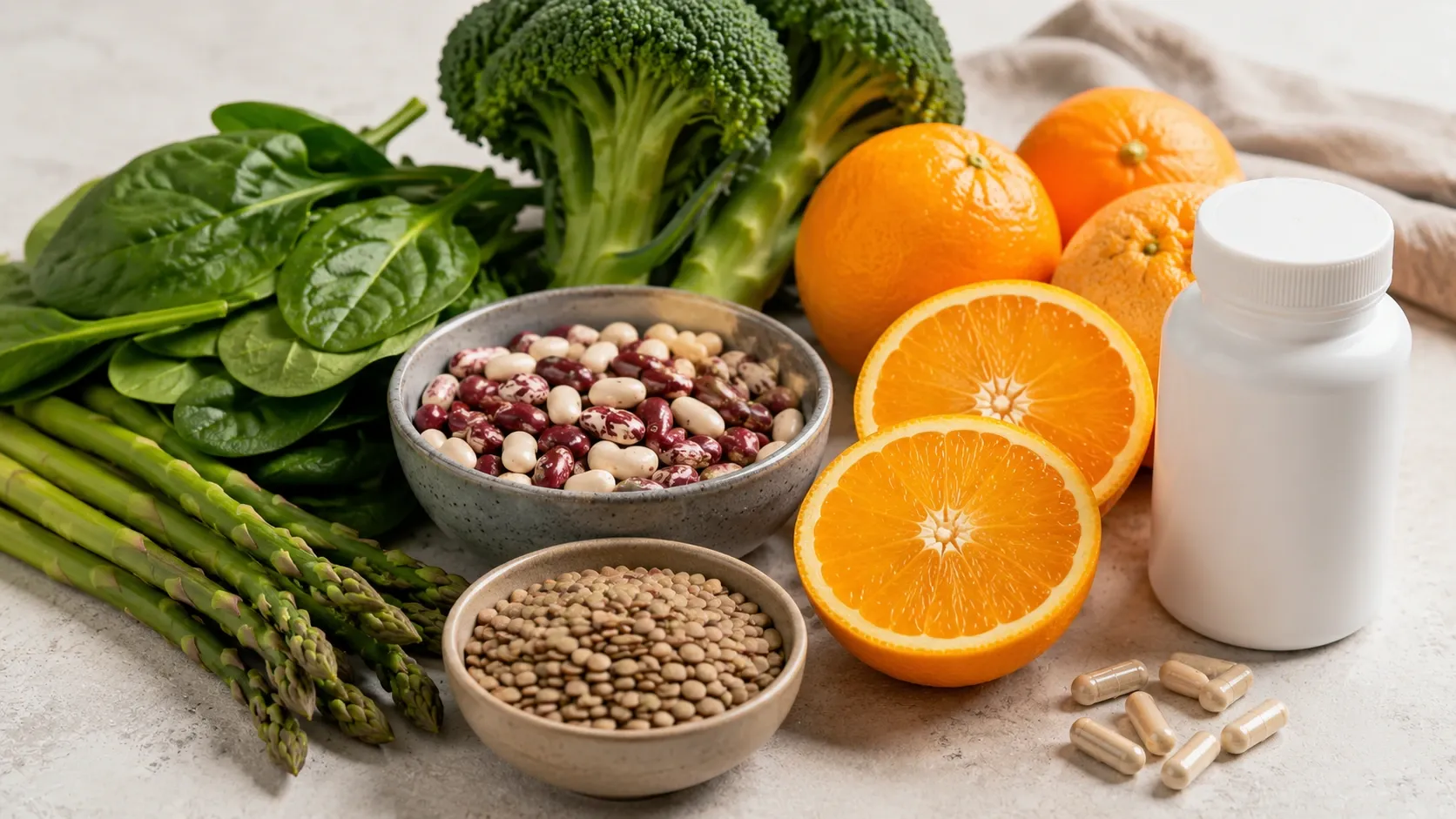
Folate and folic acid are both forms of vitamin B9, but they are not exactly the same. Learn how they differ, where they are found, and when supplementation matters.

Eating fruit at night does not automatically cause weight gain. Learn what research says about meal timing, fruit sugar, body weight, and bedtime snacks.

Glutamine is marketed for muscle, gut health, and immunity, but supplementation benefits depend heavily on context. Here is what the evidence actually shows.
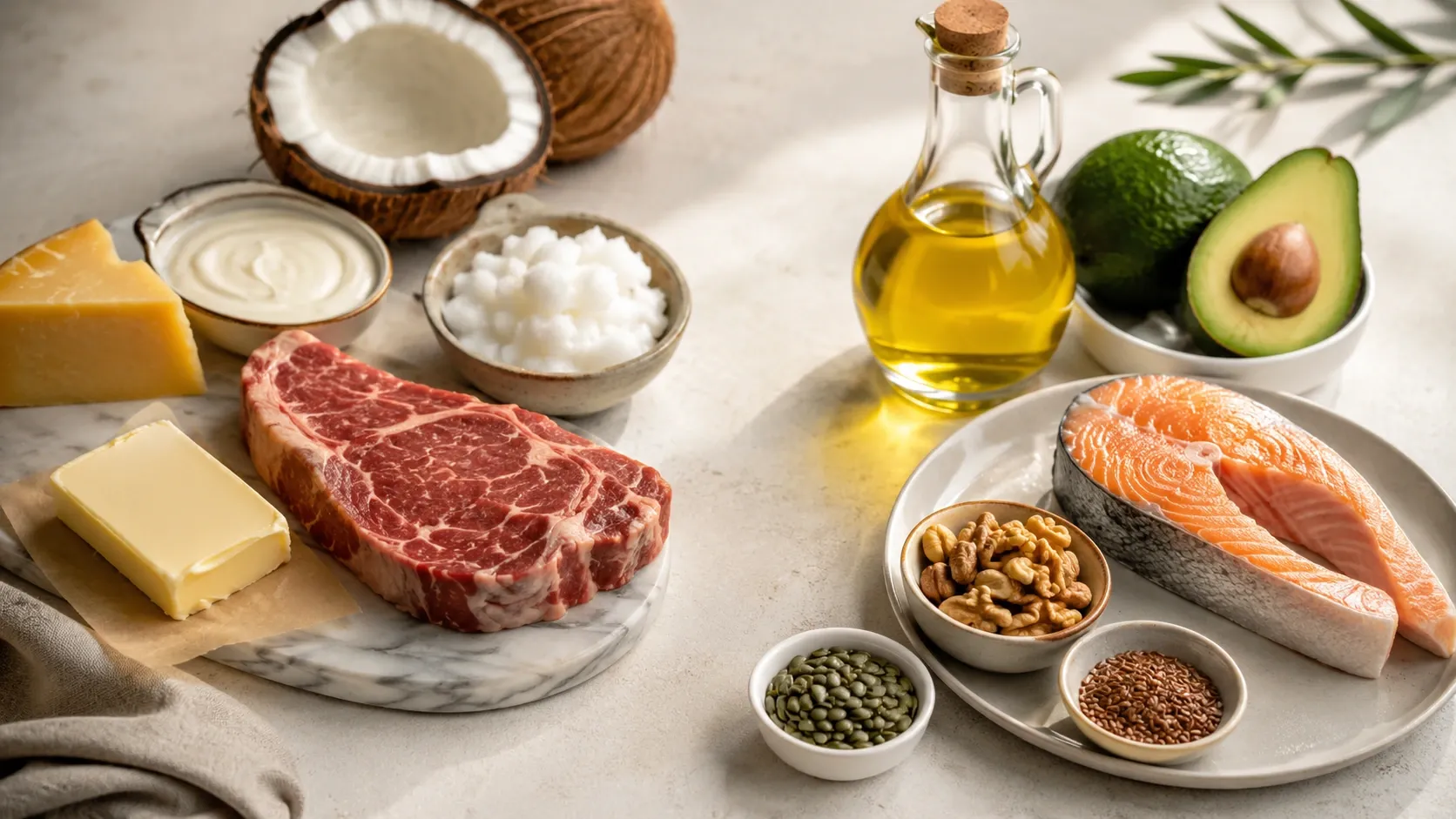
Learn how much saturated fat to eat, which foods provide the most, and how replacing it with unsaturated fats and fiber-rich foods can improve diet quality.
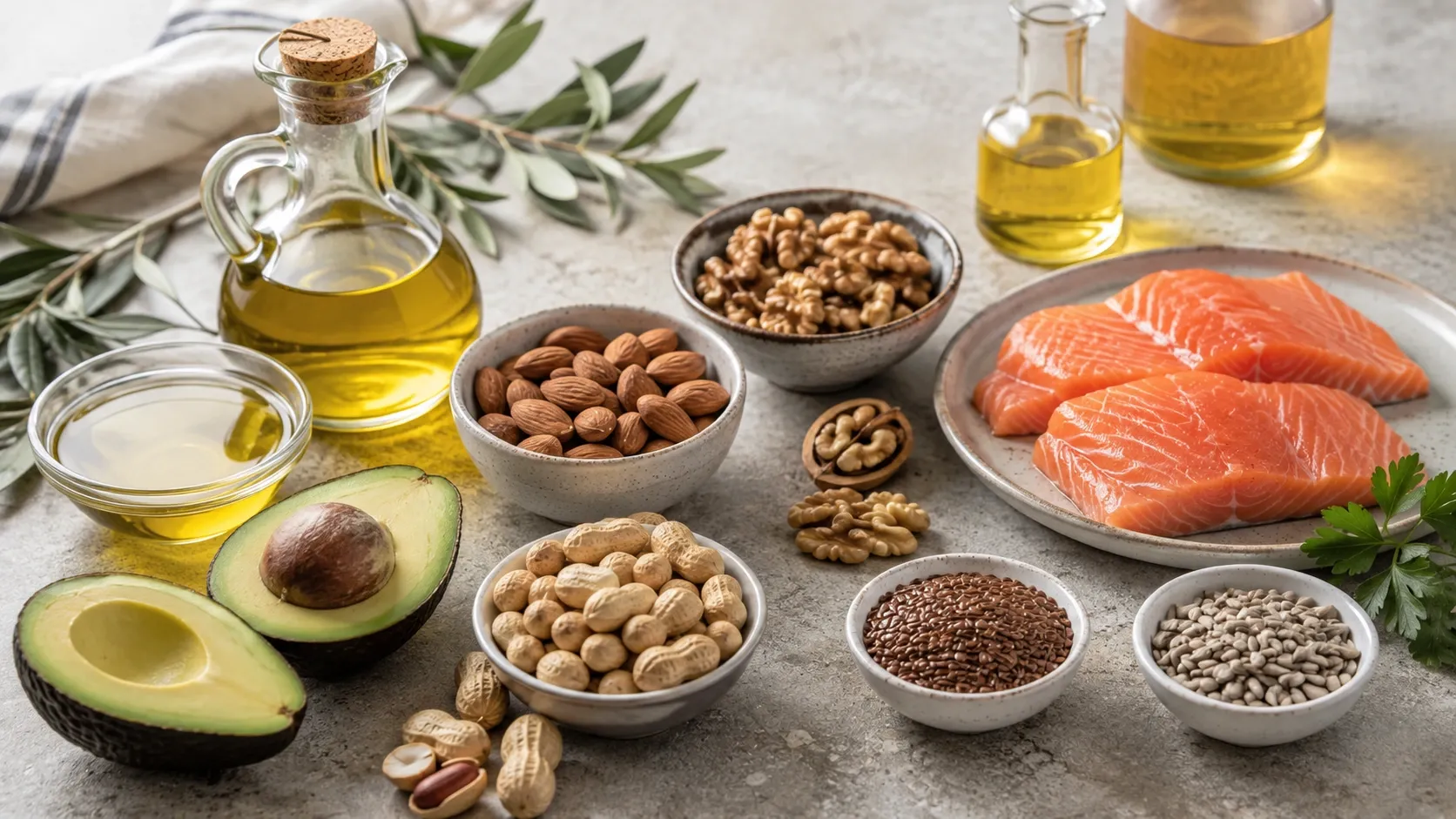
Monounsaturated and polyunsaturated fats are both unsaturated fats, but they differ in structure, food sources and essential fatty acids. Learn how each fits into a healthy diet.

Learn what trans fats are, where they may be found, why they are linked to cardiovascular disease, and how to keep your intake as low as possible.

Learn what the glycemic index measures, how it differs from glycemic load, and why portions, fiber, and overall diet quality matter more than one number.
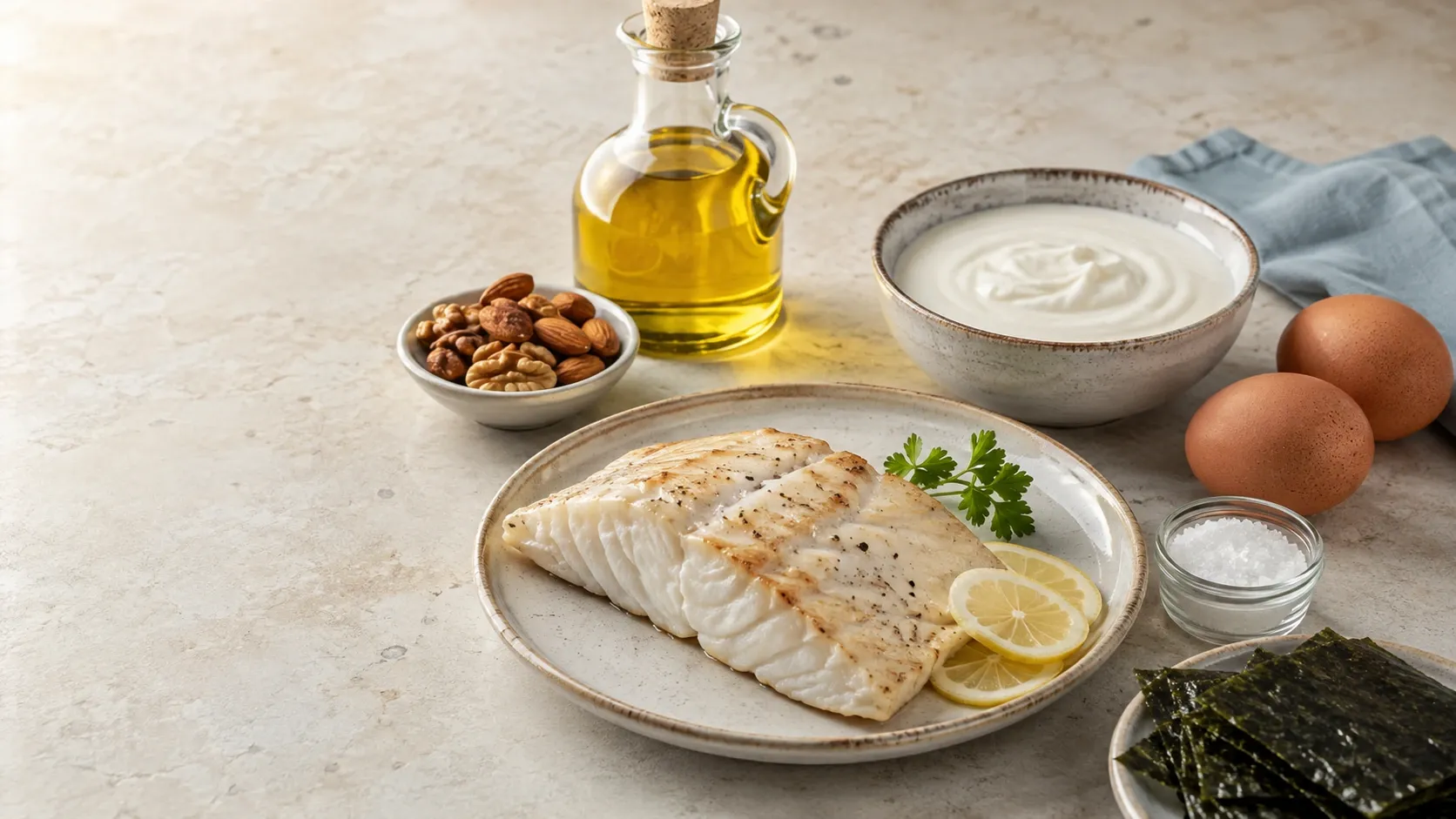
Iodine is essential for thyroid hormone production. Learn how much we need, where to find it in food, and why both deficiency and excess matter.

Intermittent fasting can support weight loss, but it does not consistently outperform conventional calorie restriction. Learn what the latest evidence shows and who should be cautious.

Lactose-free milk is not automatically healthier. Learn how it differs from regular milk, who benefits from it, and what really changes in sugars and nutrients.

Is breakfast truly essential? See what research says about weight, metabolism, cardiovascular health, skipping breakfast, and what matters most in the morning.
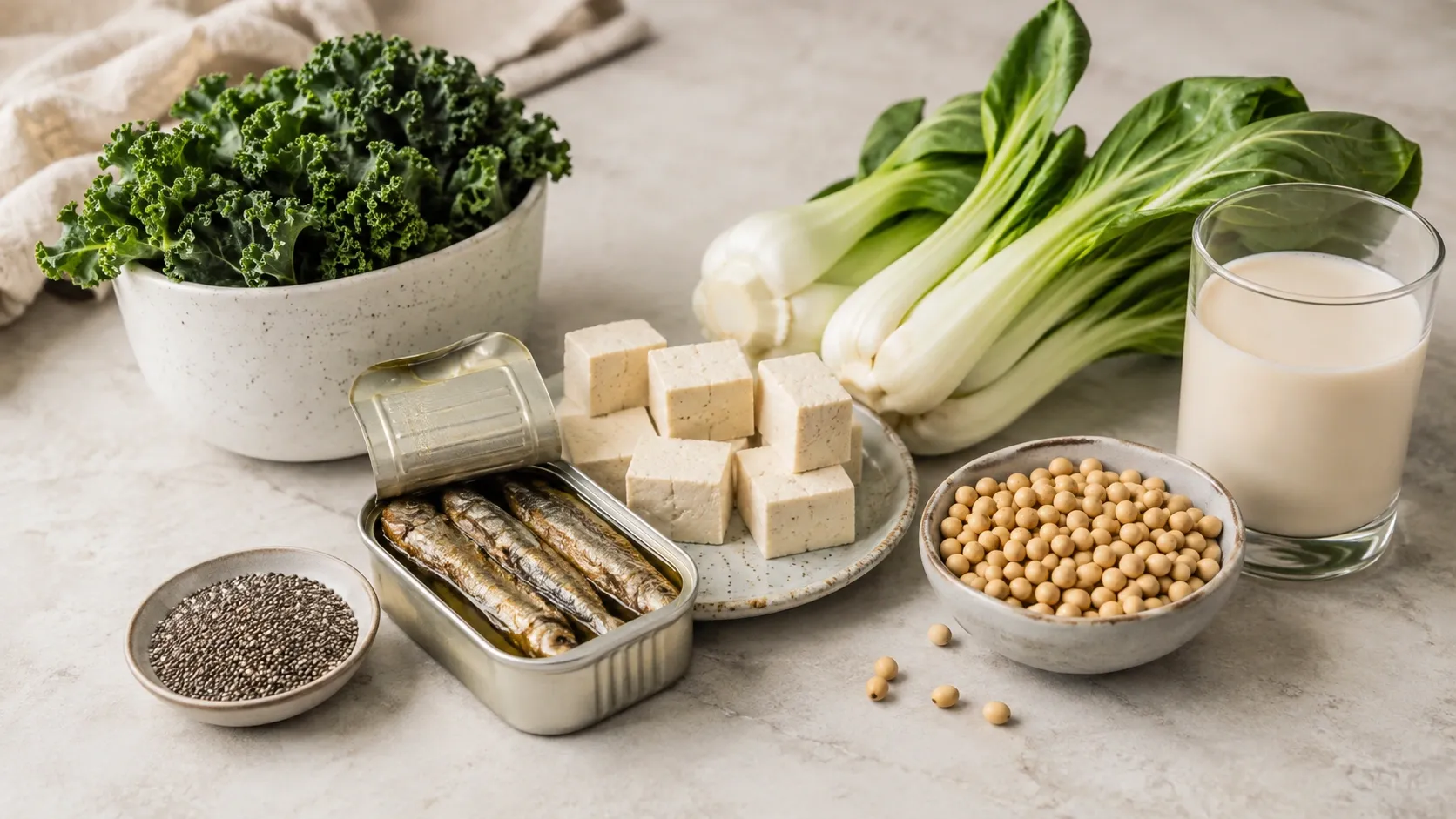
Milk is not the only source of calcium. Discover calcium-rich foods, learn how absorption differs, and see how to diversify your daily intake.

Eating carbs at night does not automatically cause fat gain. Learn how calorie intake, meal timing, carbohydrate quality and circadian biology actually fit together.
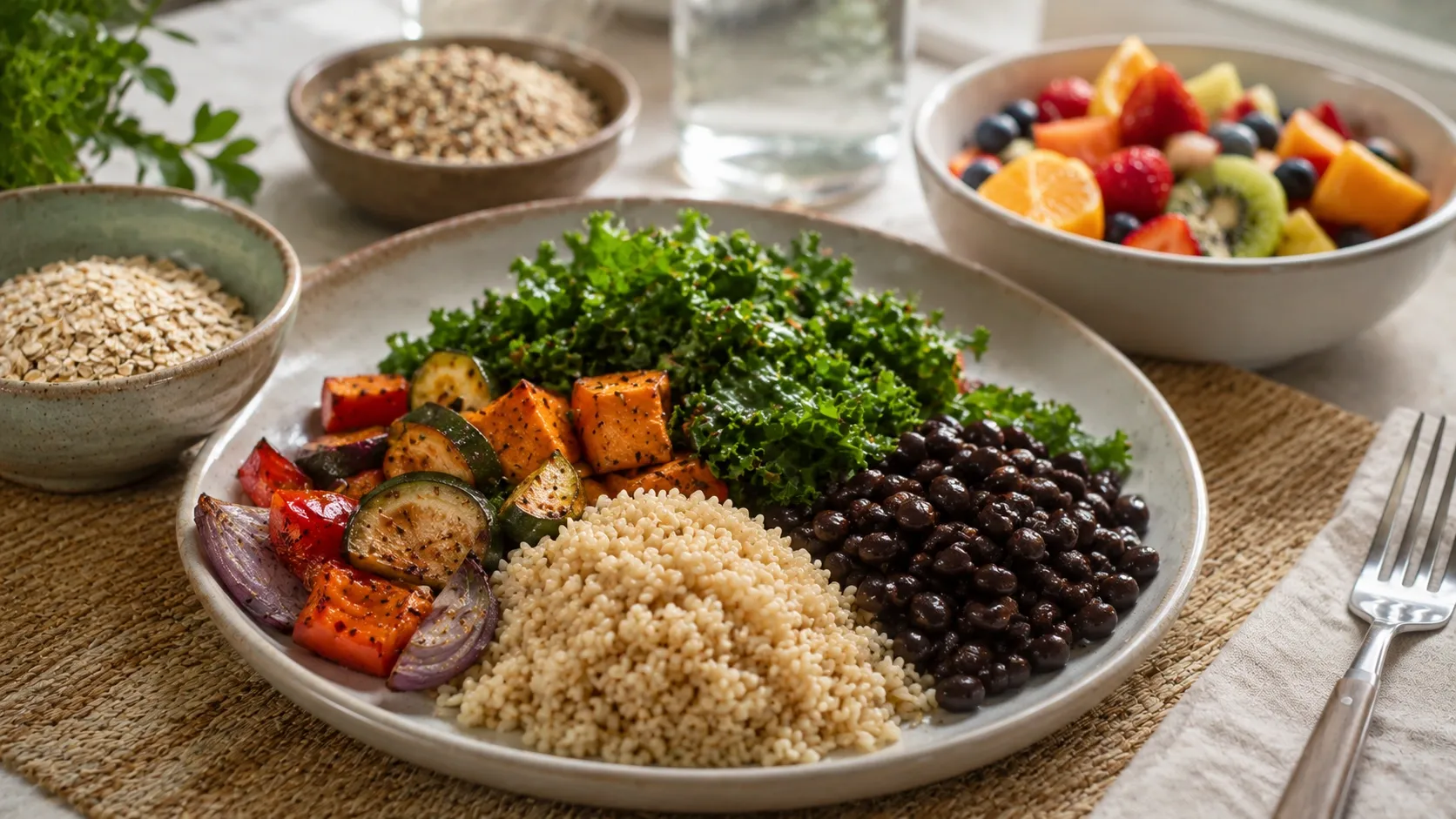
Carbohydrates are not inherently unhealthy. Learn how they provide energy, why fiber and food quality matter, and when refined carbs and free sugars deserve attention.
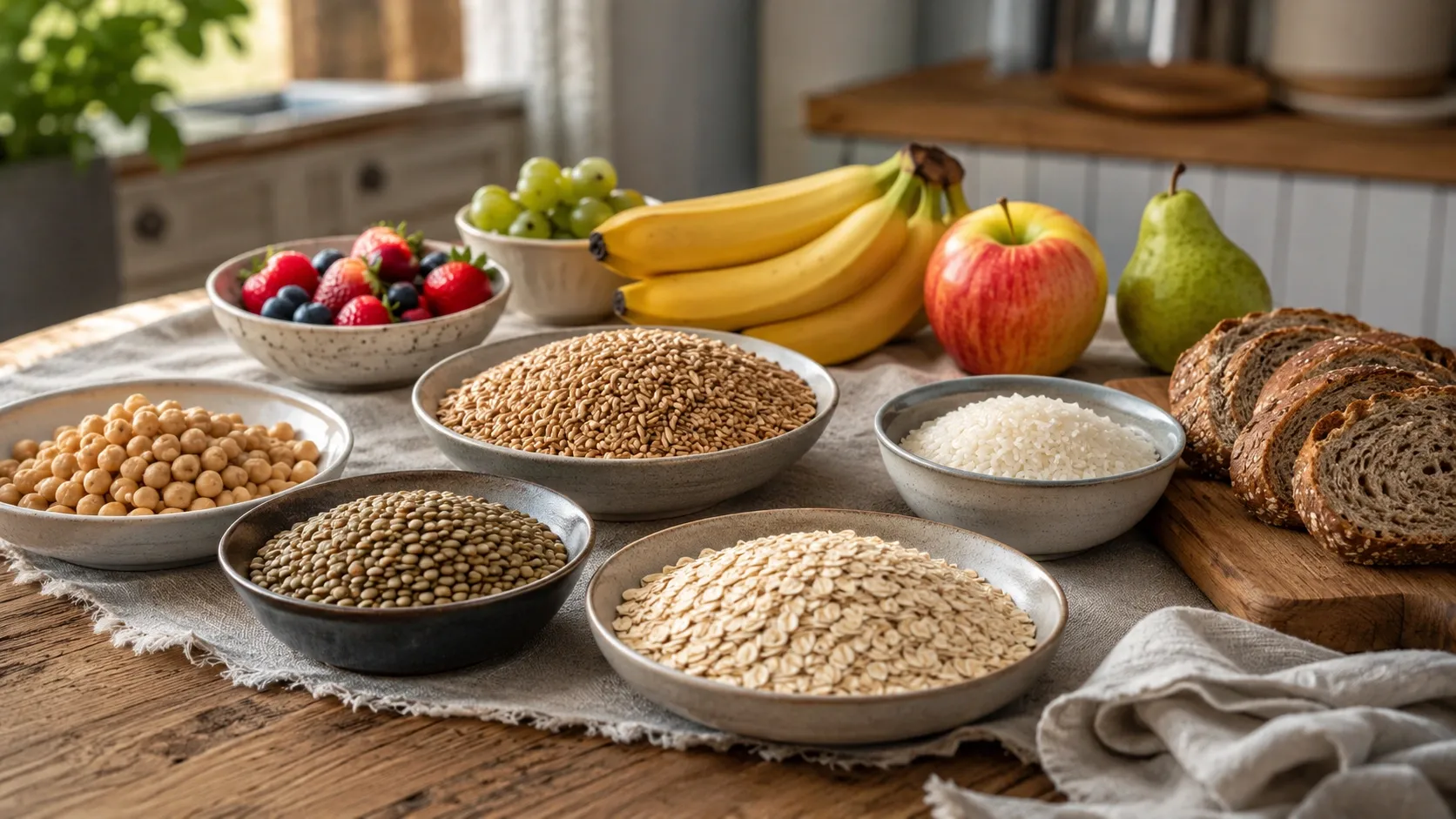
Learn how glycemic load differs from glycemic index, how portion size changes the calculation, and why neither number should be used alone to judge the nutritional quality of a food.

Eating more slowly may reduce how much food and energy you consume at a meal, but it is not a stand-alone or guaranteed weight-loss strategy. Here is what the evidence shows.

Eating every few hours does not appear to meaningfully boost metabolism. Learn what the thermic effect of food means and whether meal frequency matters for weight loss.

A calorie deficit is necessary for weight loss, but counting every calorie is not. Learn when tracking may help and how eating patterns and portion control can reduce energy intake without weighing everything.

A calorie deficit means using more energy than you consume over time. Learn why it leads to weight loss, why progress slows, and why simple calorie formulas often fail.

Brown sugar contains more minerals than white sugar, but does that make it healthier? Compare calories, blood sugar effects, nutrients, and the evidence.

Lemon water hydrates and provides some vitamin C and citrate, but claims about detoxification, fat burning and alkalizing the body go far beyond the evidence.
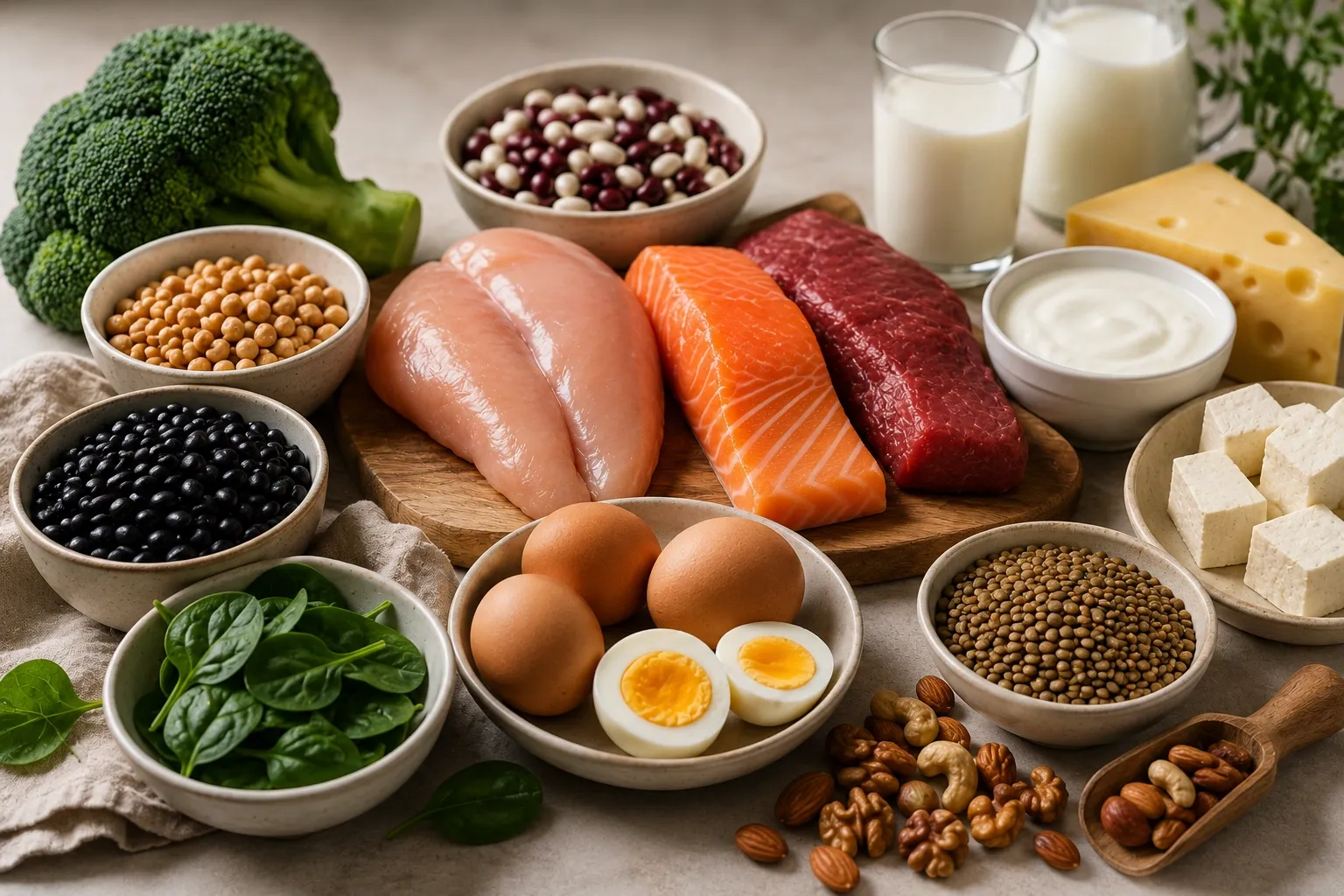
Find out how much protein the body actually requires, which sources are worth building meals around, and where the benefit of eating more stops.
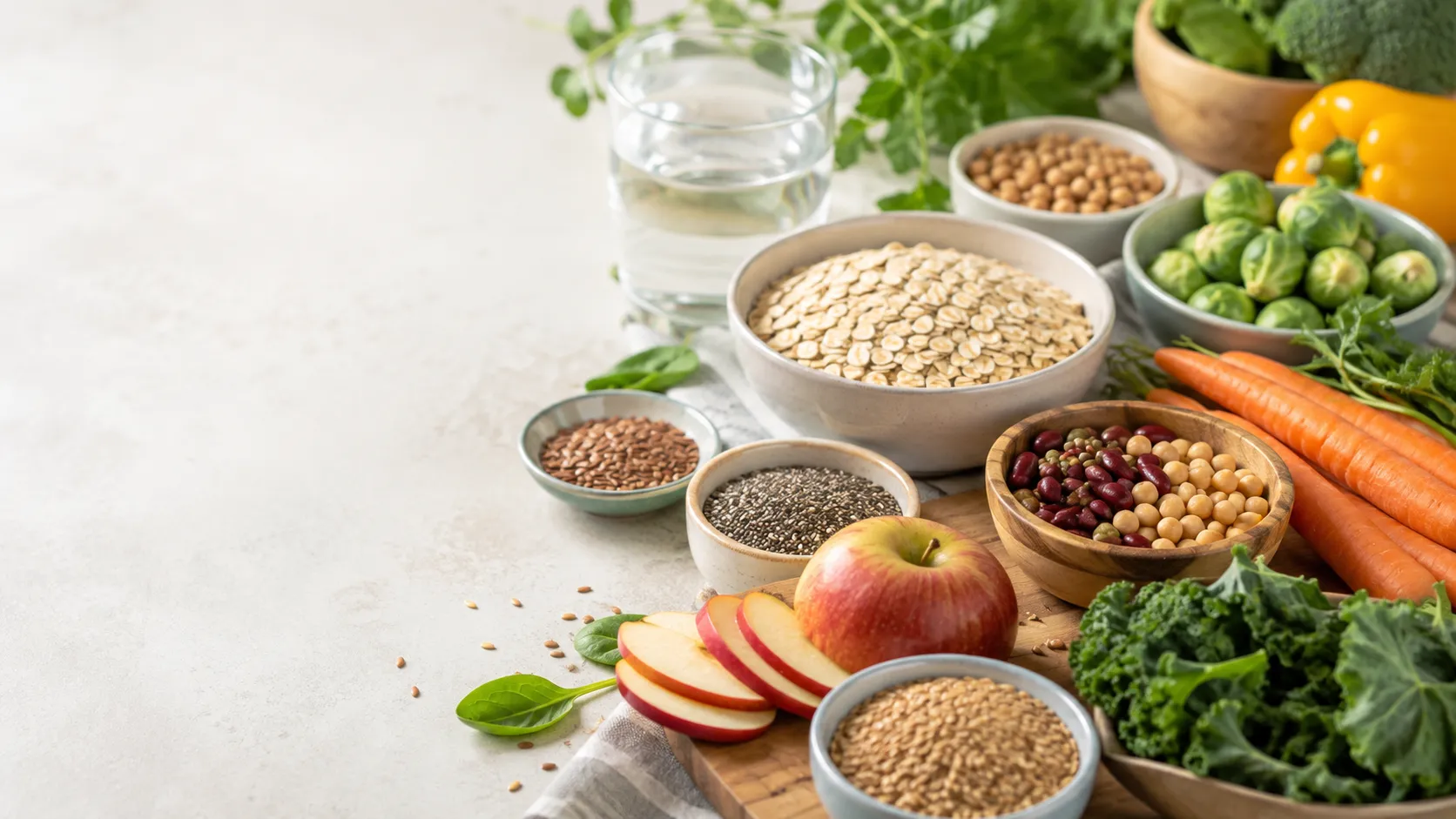
Soluble and insoluble fibers work in different ways on satiety, the gut, and blood sugar control — and most people consume less than half of the recommended amount.
 NutritionInformation about nutrients, diet and science.
 FoodsBenefits, nutrients and characteristics of key foods.
 HealthHow diet and lifestyle influence the body.
 FitnessNutrition related to exercise and body composition.
 RecipesSimple, nutritious and balanced recipes.
 ScienceResearch, studies and discoveries related to nutrition.