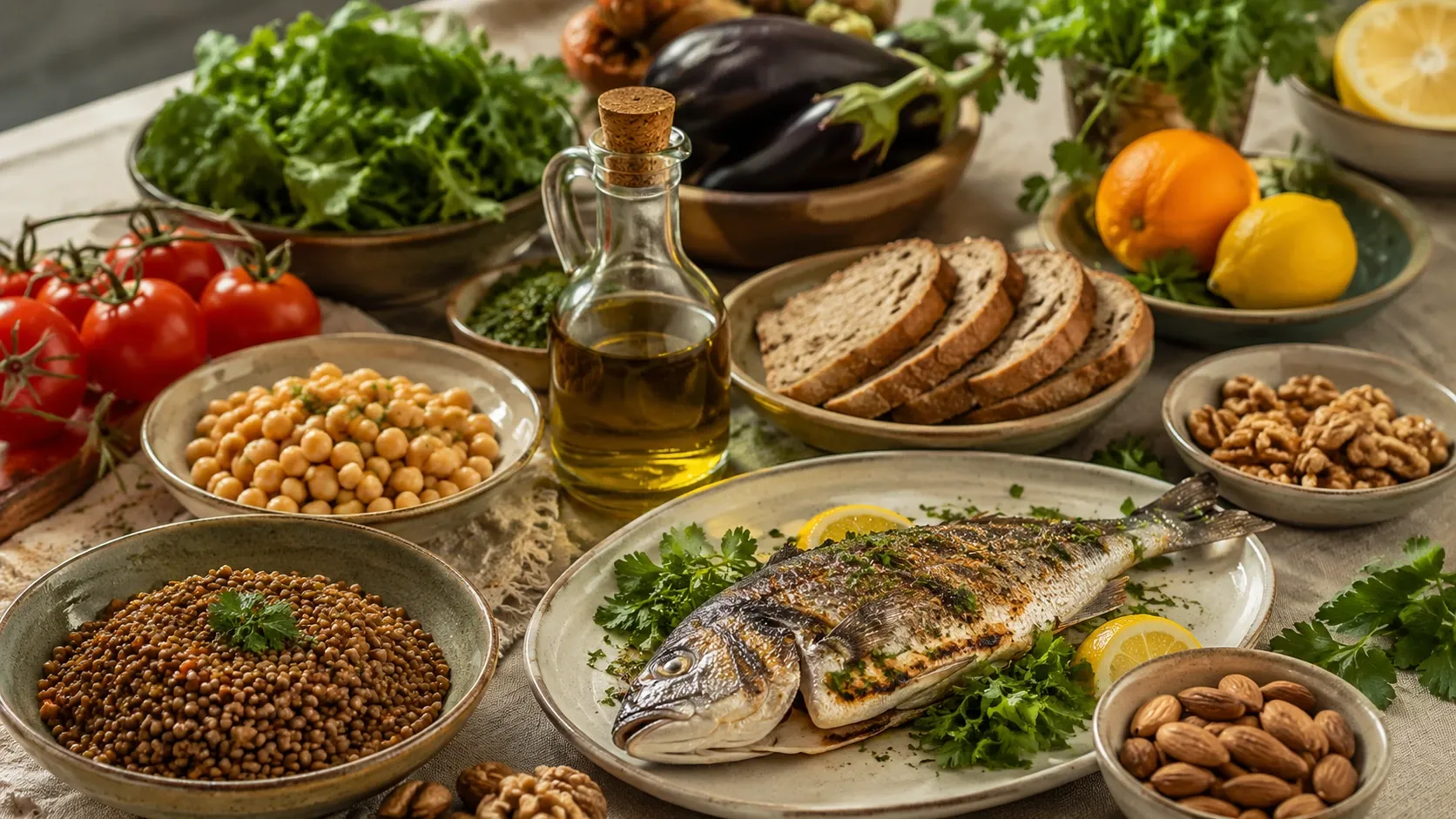
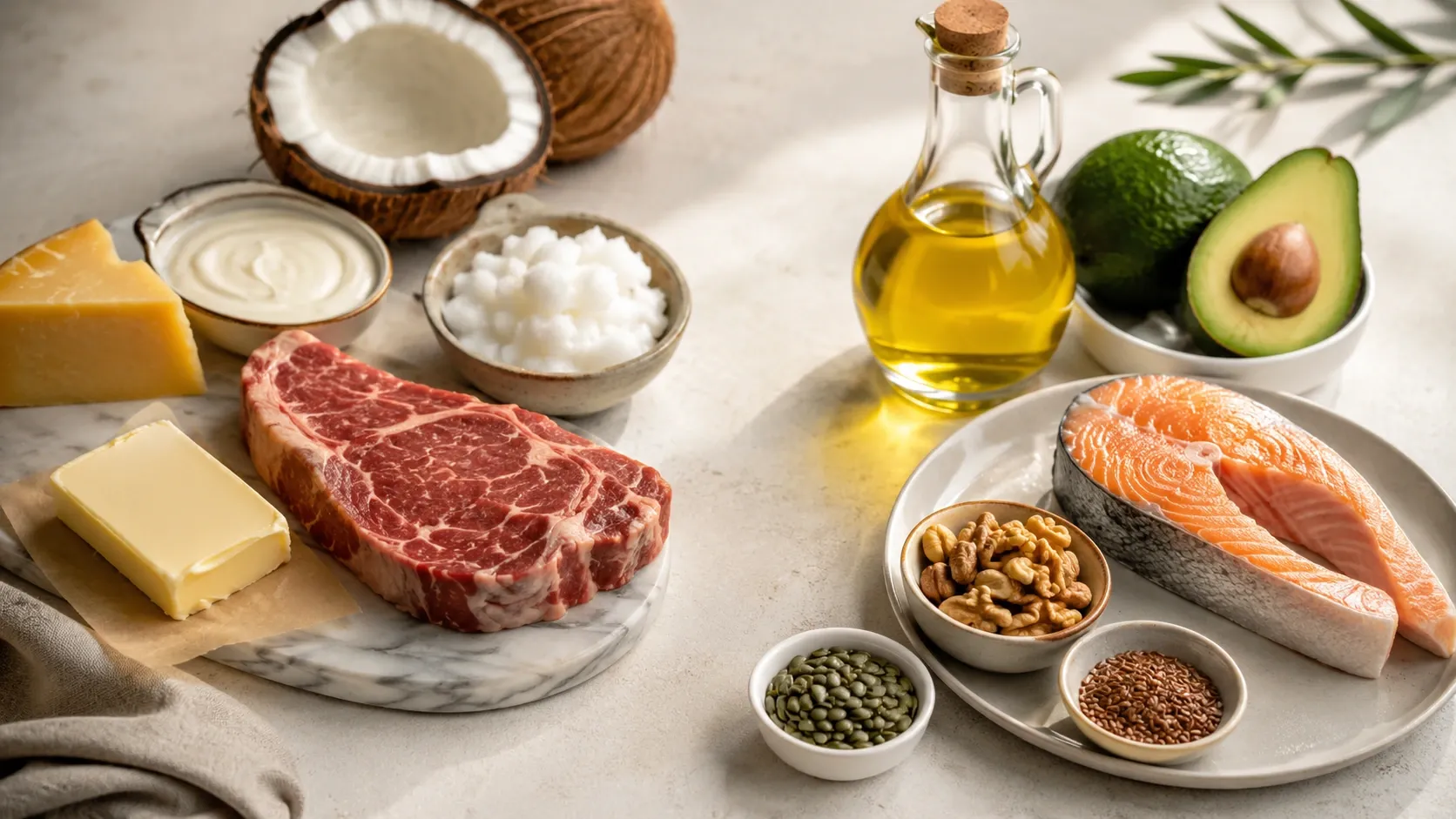
Is Coconut Oil Healthy? What We Know About Saturated Fat
Coconut oil is high in saturated fat and can raise both LDL and HDL. Learn what the evidence actually shows and which dietary fats experts recommend prioritizing.
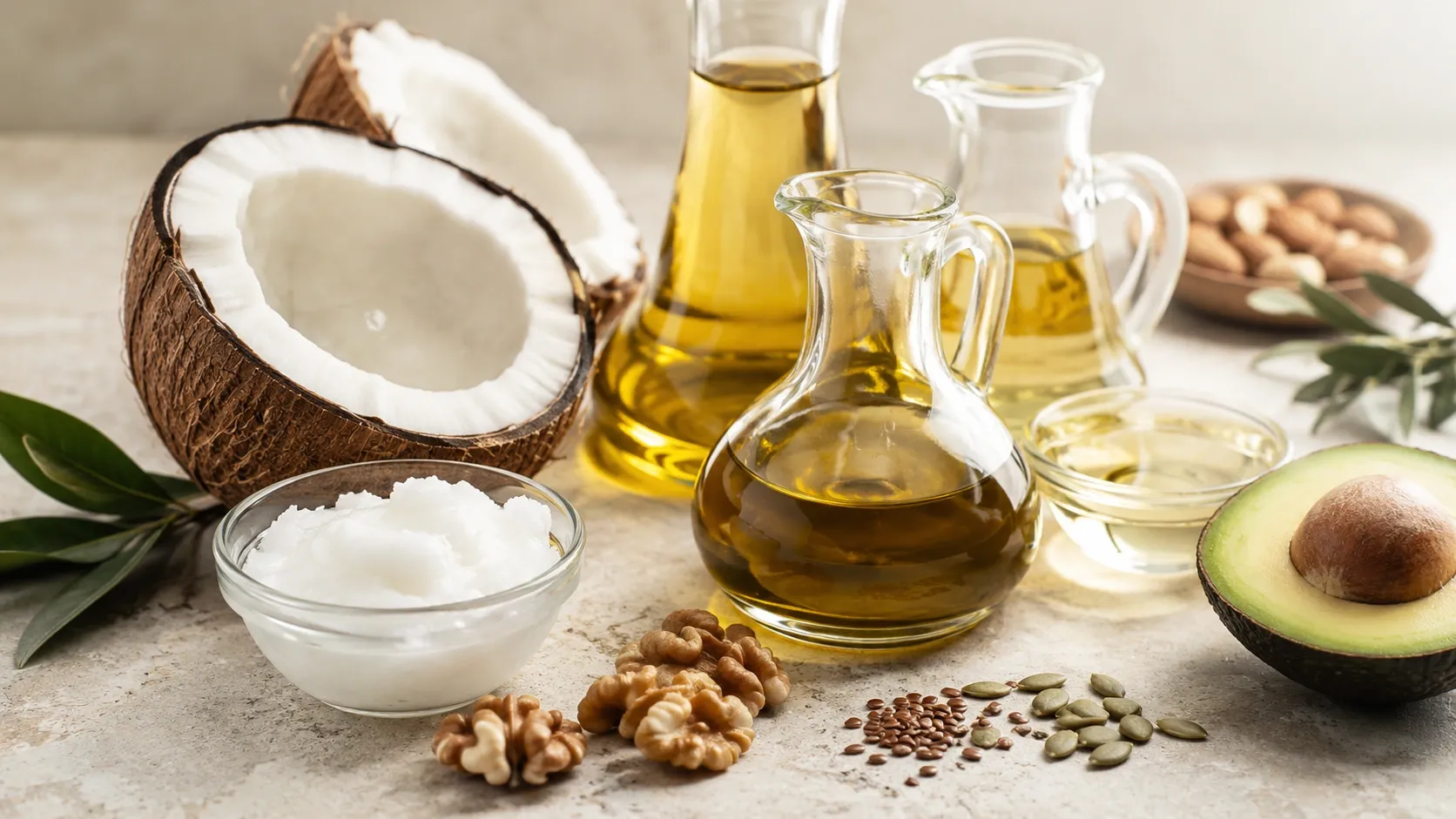
Coconut oil has been marketed as a food that can help with weight loss, improve cholesterol, accelerate metabolism and even protect the heart.
The scientific evidence is considerably less dramatic.
Coconut oil does not need to be treated as a poison, but there is also little reason to consider it a particularly heart-healthy fat. It is extremely high in saturated fatty acids and tends to raise LDL cholesterol when compared with predominantly unsaturated vegetable oils. (TBCA)
An occasional small amount is unlikely to define someone’s overall cardiovascular risk. The more useful question is which fats should make up most of a person’s regular dietary intake.
Current guidelines favor unsaturated fats. (WHO)
What is actually in coconut oil?
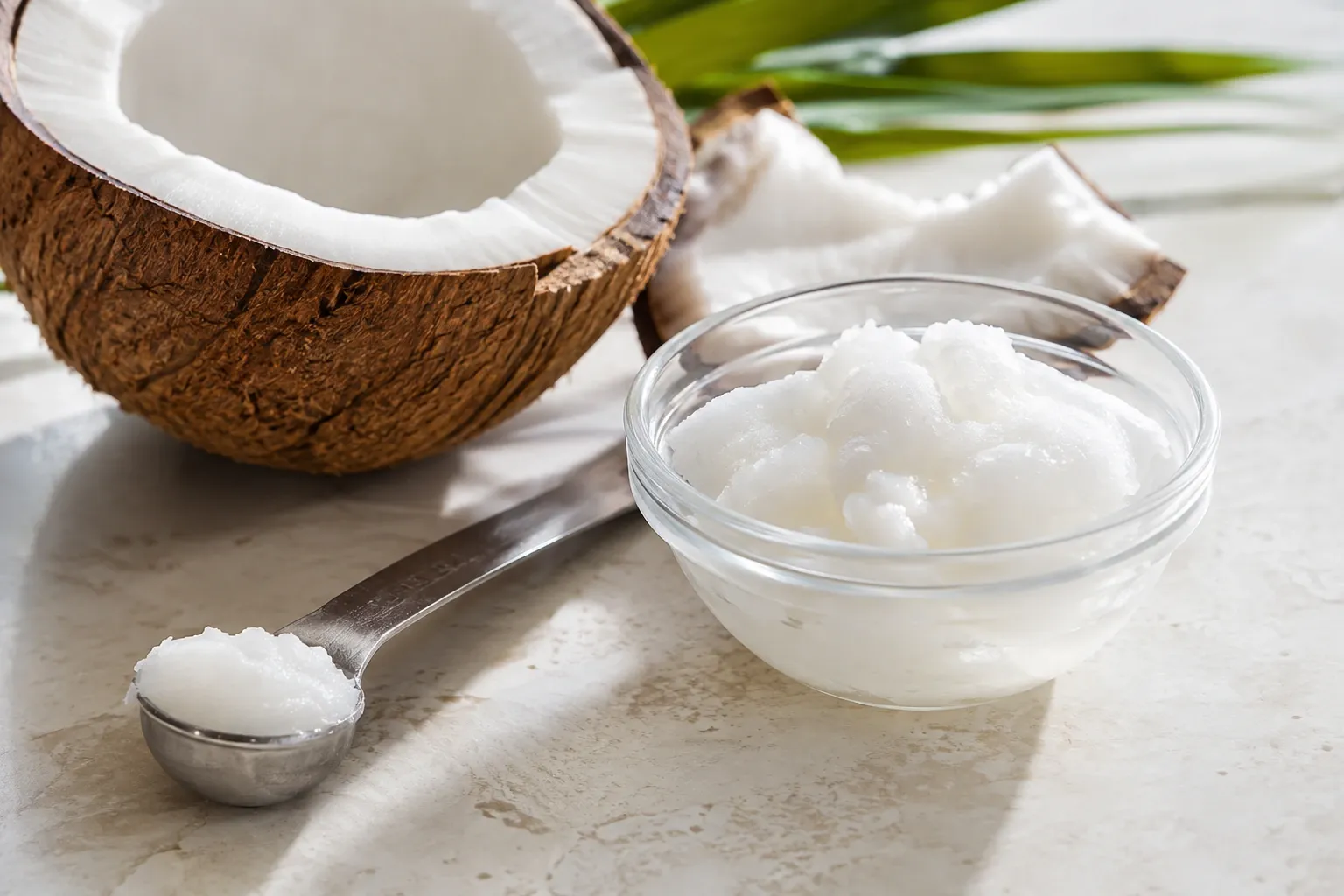
Almost entirely fat.
According to the Brazilian Food Composition Table, coconut oil provides approximately: (TBCA)
| Component | Per 100 g | Per 8 mL |
|---|---|---|
| Energy | 892 kcal | 71 kcal |
| Total fat | 99.1 g | 7.92 g |
| Saturated fat | 82.5 g | 6.60 g |
| Monounsaturated fat | 6.33 g | 0.51 g |
| Polyunsaturated fat | 1.70 g | 0.14 g |
| Cholesterol | 0 mg | 0 mg |
| Fiber | 0 g | 0 g |
Harvard’s Nutrition Source similarly describes coconut oil as roughly 80% to 90% saturated fat. (The Nutrition Source)
Being plant-derived does not automatically make an oil predominantly unsaturated.
Why does saturated fat matter?
Foods contain different combinations of saturated, monounsaturated and polyunsaturated fatty acids.
Coconut oil stands out among many plant oils because such a large proportion of its fatty acids are saturated. WHO lists coconut and palm oils among saturated-fat sources while listing olive, canola, soybean and sunflower oils among sources of preferable unsaturated fats. (WHO)
The cardiovascular question is therefore not simply whether people should “eat fat.”
It is also about which fats replace which other fats.
How much saturated fat is recommended?
WHO recommends that saturated fat provide no more than 10% of total daily energy intake. (WHO)
For a 2,000-calorie diet, that works out to about 22 g of saturated fat.
The American Heart Association uses a stricter goal, recommending a pattern with less than 6% of calories from saturated fat. At 2,000 calories, that corresponds to about 13 g per day. (www.heart.org)
An 8 mL serving of coconut oil alone provides approximately 6.6 g of saturated fat. (TBCA)
Does coconut oil raise LDL cholesterol?
Compared with unsaturated plant oils, the clinical evidence indicates that it does.
A systematic review and meta-analysis published in Circulation combined trials comparing coconut oil with other dietary fats. (AHA Journals)
Compared with nontropical vegetable oils, coconut oil increased:
- LDL cholesterol by about 10.47 mg/dL;
- HDL cholesterol by about 4 mg/dL. (AHA Journals)
The researchers concluded that the higher LDL concentration should be considered when making dietary choices. (AHA Journals)
But doesn’t coconut oil raise “good” HDL cholesterol?
It can.
The problem is assuming that an increase in HDL automatically makes a food protective against cardiovascular disease.
Coconut oil raises LDL as well as HDL when compared with nontropical vegetable oils. Current cardiovascular guidance therefore continues to favor replacing saturated fats with unsaturated fats rather than recommending coconut oil because of its HDL effect. (AHA Journals)
One laboratory measurement should not be interpreted in isolation.
Is all saturated fat equally bad?
Nutrition is more nuanced than that.
Different saturated fatty acids exist, and foods also have very different overall nutritional matrices. The health effect of reducing saturated fat additionally depends on what replaces it.
WHO therefore does not simply recommend removing saturated fat. It recommends replacing it with:
- polyunsaturated fats;
- monounsaturated fats from plant sources;
- carbohydrates from foods naturally rich in fiber. (WHO)
Replacing coconut oil with olive oil is nutritionally different from replacing it with refined cookies or sugary foods.
Coconut oil versus butter
Coconut oil and butter do not have identical fatty acid profiles, and their effects on blood lipids can differ.
However, this comparison can distract from a more useful question: why limit the choice to two predominantly saturated fats when unsaturated alternatives are available?
WHO and the American Heart Association recommend prioritizing nontropical plant oils rich in unsaturated fatty acids. (WHO)
For everyday use, olive, canola, soybean and similar oils are therefore more consistent with these recommendations.
Coconut oil versus olive oil
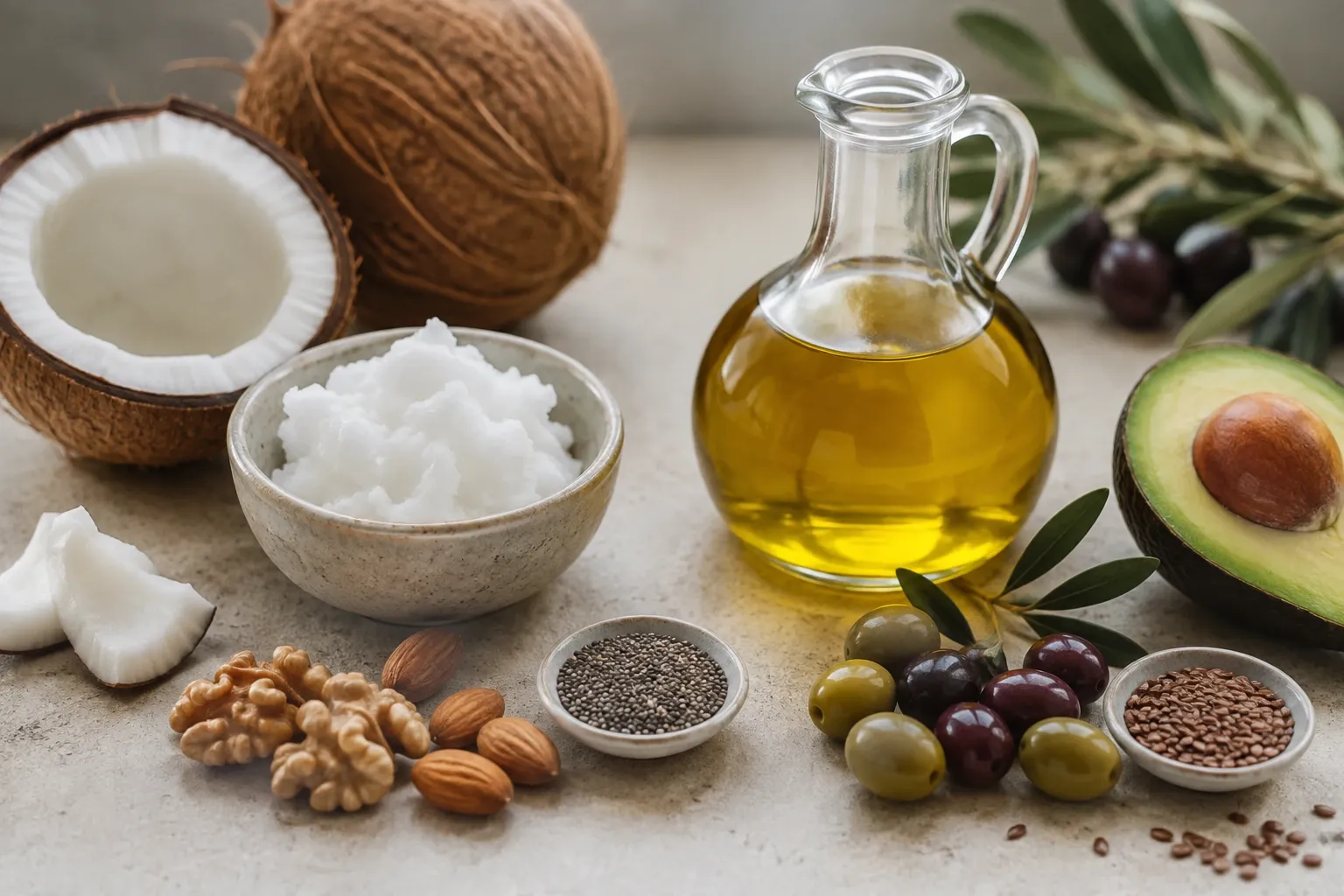
For cardiovascular health, current dietary guidance favors olive oil and other predominantly unsaturated oils. (WHO)
Coconut oil contains approximately 82.5 g of saturated fatty acids per 100 g in the TBCA database. (TBCA)
WHO explicitly identifies olive oil as a source of preferable unsaturated fat while listing coconut oil among saturated-fat sources. (WHO)
That does not mean coconut oil can never be used. Its flavor and texture may be desirable in certain dishes.
It simply does not need to become the default cooking oil.
Is coconut oil the same thing as MCT oil?
No.
This misunderstanding underlies many claims about coconut oil and metabolism.
Medium-chain triglycerides, or MCTs, have particular absorption and metabolic characteristics. Many studies promoted in discussions about MCTs used specially formulated products rather than ordinary culinary coconut oil. (PubMed)
Coconut oil is particularly rich in lauric acid. Harvard reports that lauric acid accounts for about 47% of its fatty acids and notes that it is not metabolized in exactly the same way as the shorter-chain MCTs used in many experiments. (The Nutrition Source)
Results from specialized MCT products therefore should not automatically be presented as benefits of coconut oil.
Does coconut oil boost metabolism?
There is not enough evidence to recommend regular coconut oil as a metabolism-boosting strategy.
Some of the claim stems from MCT research. A scientific review evaluating coconut oil concluded that clinical benefits observed with commercial MCT formulations cannot be generalized to coconut oil. (PubMed)
Coconut oil is also highly energy-dense.
Just 8 mL provides approximately 71 calories. (TBCA)
Adding extra oil in an attempt to increase energy expenditure therefore does not automatically create a useful weight-loss strategy.
Does coconut oil help with weight loss?
Clinical research does not support a meaningful advantage.
The meta-analysis reviewed by Harvard found no significant benefit of coconut oil for:
- body weight;
- waist circumference;
- body-fat percentage
compared with other dietary oils. (The Nutrition Source)
This makes claims about putting coconut oil in coffee or taking spoonfuls of it specifically to burn body fat difficult to justify.
Overall energy balance, dietary quality, protein and fiber intake, physical activity, sleep, health conditions and behavior matter far more than choosing one particular cooking oil.
What about populations that traditionally eat coconut?
This is an important source of confusion.
Observational research has examined populations in regions where coconut products form part of traditional dietary patterns and where historically low cardiovascular disease rates have sometimes been reported. (The Nutrition Source)
But those populations were not simply adding isolated coconut oil to a modern Western dietary pattern.
Their diets often included foods such as fish, fruit, vegetables and whole coconut products while containing fewer highly processed and sugary foods. (The Nutrition Source)
Differences in physical activity, lifestyle, genetics and the rest of the diet also matter.
These observations therefore cannot prove that adding coconut oil itself prevents cardiovascular disease.
Whole coconut is not the same as coconut oil
Coconut oil is a concentrated fat fraction.
TBCA data show virtually no protein, carbohydrate or dietary fiber in the oil. (TBCA)
Whole coconut has a different food matrix.
Studies examining whole foods, coconut milk or traditional diets should therefore not be treated as if they tested isolated culinary coconut oil.
Is virgin coconut oil different?
Virgin and refined coconut oils differ in how they are processed.
Virgin coconut oil is generally made from fresh coconut flesh, while refined products can be produced from dried copra and undergo additional processing. (The Nutrition Source)
That distinction does not remove the main nutritional issue: virgin coconut oil remains predominantly saturated fat.
There is not convincing clinical evidence that choosing virgin coconut oil neutralizes the LDL effect or makes it superior to predominantly unsaturated oils for cardiovascular health.
Can you cook with coconut oil?
Yes.
This is not an issue of absolute prohibition.
Coconut oil can be used when its flavor or texture is desirable in a particular recipe. Harvard describes small, occasional amounts as compatible with an otherwise healthy eating pattern. (The Nutrition Source)
For routine cooking, however, cardiovascular guidance favors oils rich in unsaturated fats. The American Heart Association lists options including:
- olive oil;
- canola oil;
- soybean oil;
- corn oil;
- sunflower oil;
- safflower oil. (www.heart.org)
Do you need to completely avoid coconut oil?
For most people, no.
Dietary recommendations address patterns of intake rather than turning an occasional small amount of one ingredient into an immediate health hazard.
If coconut oil is important to the flavor of a curry, baked dish or traditional recipe, a modest quantity can fit into a diet while accounting for other sources of saturated fat.
The problem is the “health halo” that encourages people to:
- add spoonfuls of coconut oil to coffee;
- consume it as a supplement;
- replace unsaturated oils with coconut oil in every meal;
- use it specifically to lower cholesterol;
- add extra calories in the expectation that it will cause weight loss.
The evidence reviewed here does not support those practices. (AHA Journals)
Which fats should be prioritized?
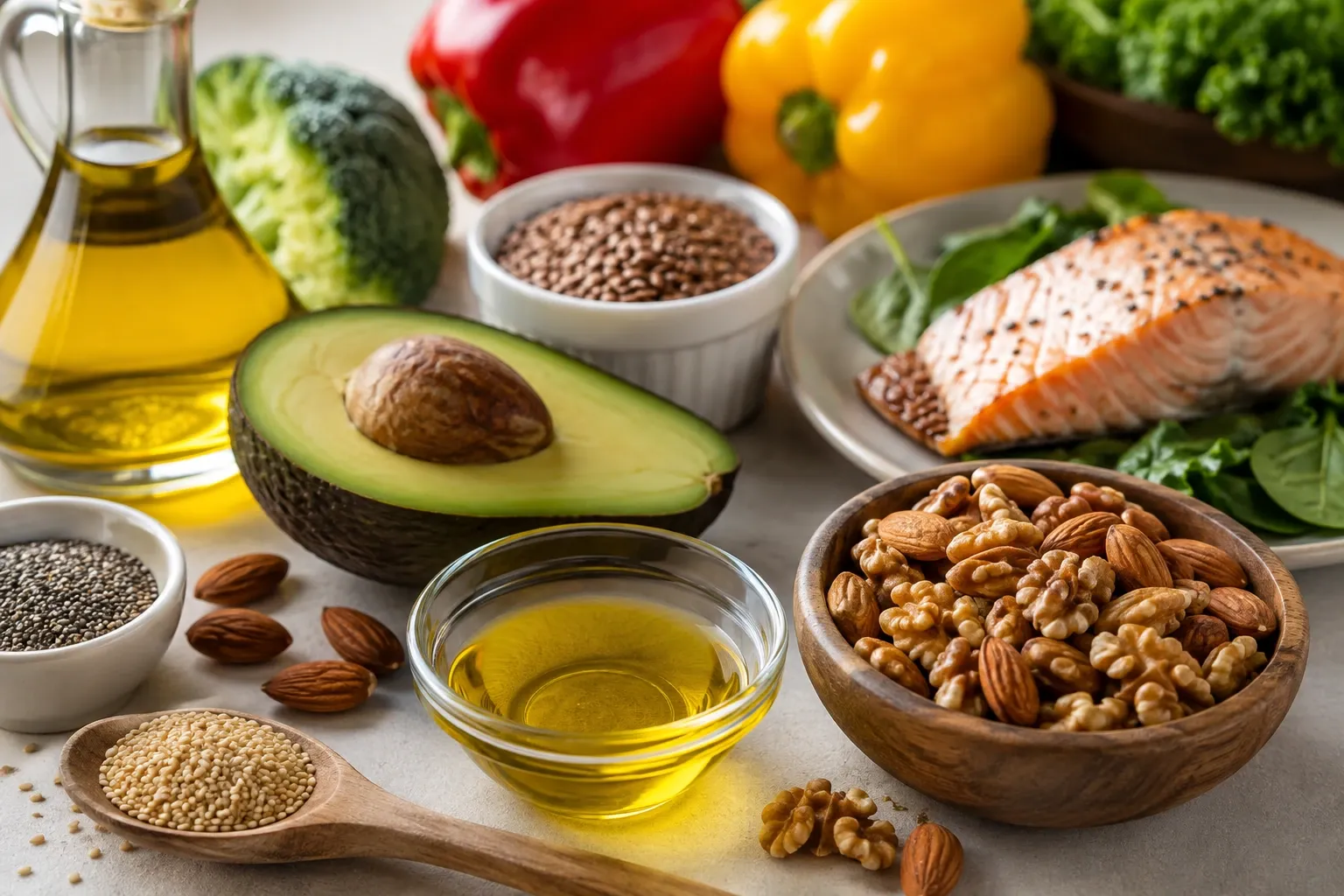
WHO and the American Heart Association agree on an important principle: unsaturated fats should generally be prioritized over saturated fats. (WHO)
Useful sources include:
- olive oil;
- canola and soybean oils;
- other nontropical vegetable oils;
- nuts;
- seeds;
- avocado;
- fish rich in unsaturated fatty acids. (WHO)
These foods are not nutritionally identical, but their fat profiles are more consistent with current cardiovascular recommendations.
Why does replacement matter?
Imagine someone who regularly cooks vegetables in coconut oil.
Replacing the coconut oil with olive oil shifts some dietary fat from saturated toward predominantly unsaturated fatty acids.
That is the type of substitution recommended by WHO and the American Heart Association. (WHO)
Simply replacing saturated fat with heavily refined carbohydrates is not the same nutritional intervention.
Healthy eating is therefore not just about removing individual nutrients.
What replaces them matters.
So, is coconut oil healthy?
The answer depends on what “healthy” means.
Can coconut oil fit into a healthy diet? Yes.
Is it one of the preferred fats for routine use? Current evidence and guidelines do not suggest so.
Is it heart-protective because it raises HDL? That has not been demonstrated.
Is it a better cardiovascular choice than olive oil and other unsaturated plant oils? Current recommendations favor the unsaturated oils. (WHO)
Does it need to be completely banned? Not for most people.
This interpretation avoids both the “superfood” marketing and the opposite extreme of treating an occasional small serving as dangerous.
Conclusion
Coconut oil is a useful culinary fat with a distinctive flavor and texture, but its reputation as an exceptionally healthy food is not supported by the strongest available evidence.
Approximately 82.5% of its fatty acids are saturated in the TBCA data used here. Clinical trials show that coconut oil tends to raise both HDL and LDL compared with nontropical vegetable oils, and the LDL increase is an important reason not to treat coconut oil as the preferred everyday fat. (TBCA)
WHO and the American Heart Association recommend prioritizing unsaturated fats and limiting saturated fat within the overall dietary pattern. (WHO)
In practice, olive, canola, soybean and other predominantly unsaturated oils are more consistent with current recommendations for routine use. Coconut oil can still be used occasionally when its flavor or culinary properties are desirable.
It does not need to be a villain — and it does not need to be medicine.