Trans Fats: Where They Are and Why to Avoid Them
Learn what trans fats are, where they may be found, why they are linked to cardiovascular disease, and how to keep your intake as low as possible.

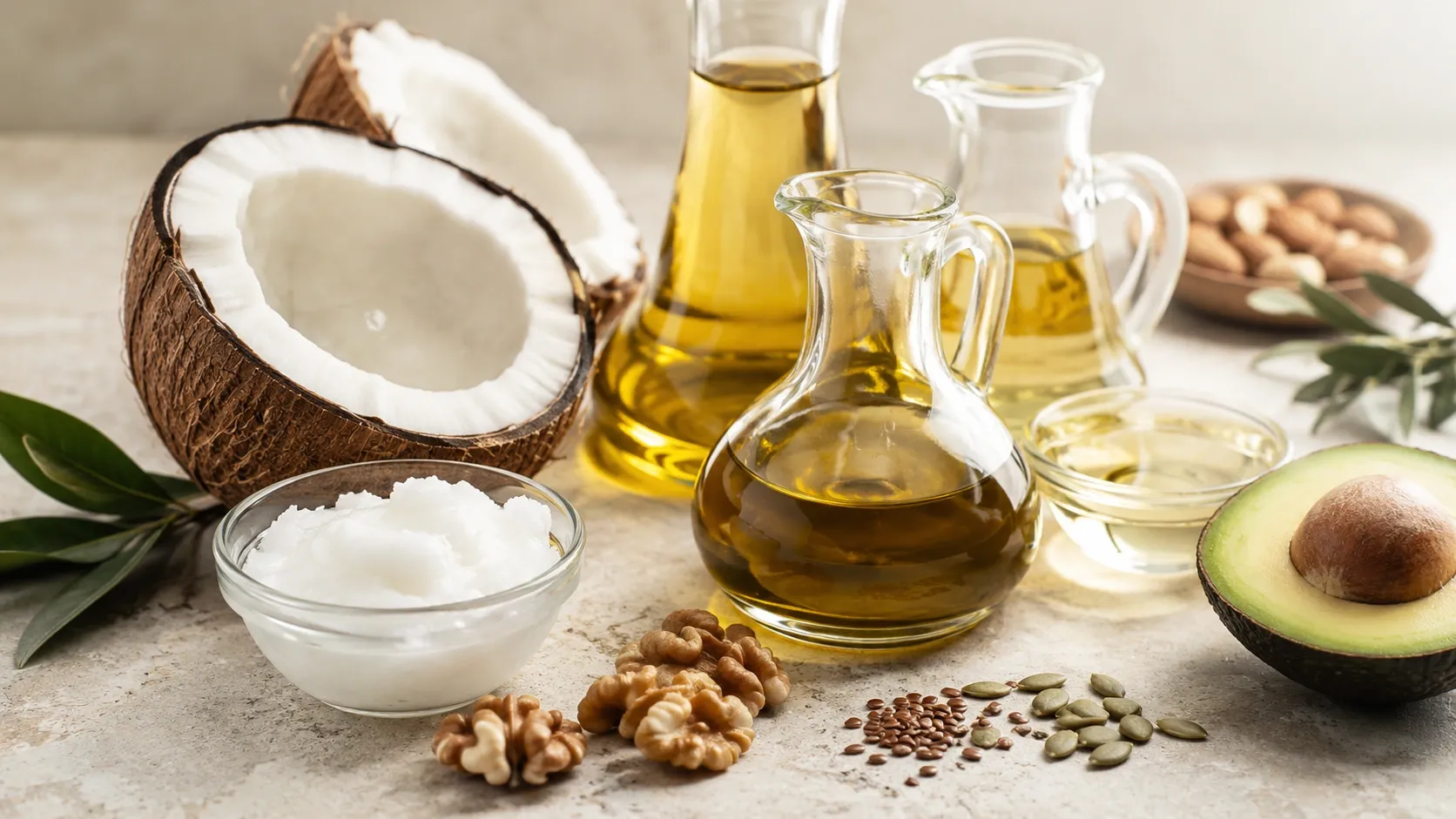
Trans fats were once widely used by the food industry because partially hydrogenated oils could turn liquid oils into more solid, stable fats suitable for frying, baking, and processed foods. The problem is that these technological advantages came with well-established cardiovascular health concerns. (WHO)
Many countries have now restricted or eliminated partially hydrogenated oils, the major historical source of industrial trans fats. Understanding trans fats is still useful, however, because regulations vary worldwide and small amounts also occur naturally in certain foods. (WHO)
What are trans fats?

Trans fats, or trans-fatty acids, are a type of unsaturated fatty acid with a different molecular configuration from most of the unsaturated fatty acids naturally found in vegetable oils.
There are two main sources.
Industrially produced trans fats were traditionally generated by partially hydrogenating liquid oils. This process makes fats more solid and stable, which made partially hydrogenated oils attractive for commercial frying, baking, shortening, and processed foods. (WHO)
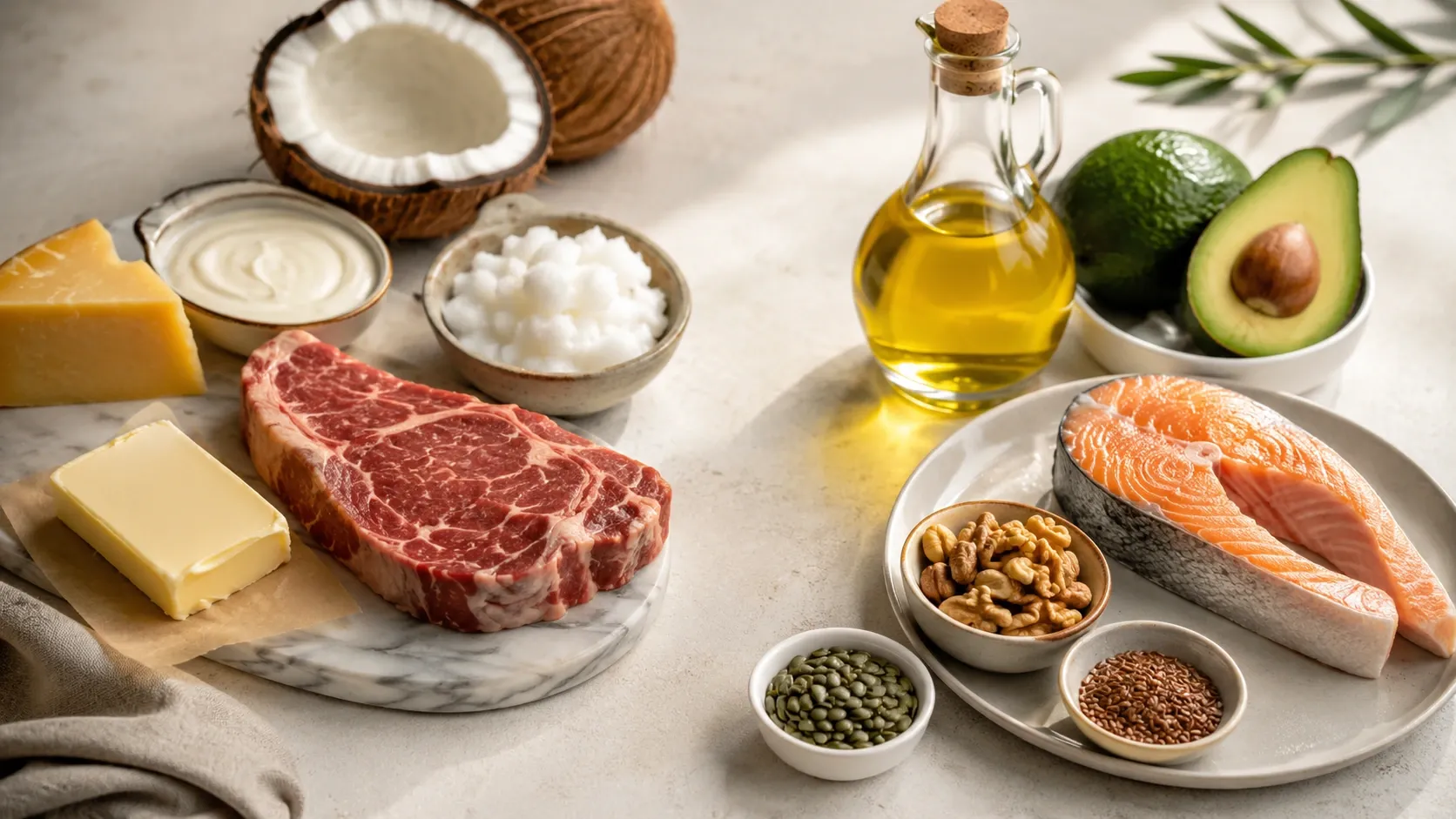
Naturally occurring trans fats are produced in the digestive systems of ruminant animals such as cows, sheep, and goats. As a result, small amounts naturally occur in meat and dairy products. (WHO)
Where can trans fats be found?

The answer increasingly depends on where a product is made and which regulations apply.
Historically, partially hydrogenated oils have been used in foods such as:
- commercial baked goods;
- cookies and pastries;
- some fried foods;
- margarine;
- vegetable shortening;
- processed snack foods.
WHO continues to identify these categories as possible sources of industrial trans fat in markets where they have not been completely eliminated. This does not mean every modern cookie, margarine, or fried food contains trans fat. Product formulations vary. (WHO)
Small amounts of naturally occurring trans fats are also present in meat and dairy foods from ruminant animals. (WHO)
Does frying create trans fat?
Heating oils to high temperatures can produce modest increases in trans-fat concentrations. WHO notes, however, that the amounts formed during high-temperature frying are relatively low compared with the concentrations historically found in partially hydrogenated oils. (WHO)
So the claim that every fried food automatically becomes a major source of trans fat is an oversimplification.
Why should trans fats be avoided?
The strongest evidence concerns cardiovascular health.
Controlled dietary trials show that trans fats adversely affect blood lipoproteins. They can raise LDL cholesterol and worsen HDL and the ratio of total to HDL cholesterol — changes associated with greater cardiovascular risk. (PubMed)
LDL carries cholesterol through the bloodstream. Persistently elevated LDL concentrations contribute to cholesterol accumulation in arterial walls and the development of atherosclerotic cardiovascular disease. The FDA specifically identifies trans fat’s effect on LDL cholesterol as an important reason for removing partially hydrogenated oils from the U.S. food supply. (FDA)
Long-term observational evidence points in the same direction. A systematic review and meta-analysis published in the BMJ associated higher trans-fat intake with greater risks of coronary heart disease, coronary mortality, and all-cause mortality. The researchers noted that these findings were probably driven largely by the historically higher intake of industrial rather than ruminant trans fats. (PubMed)
How much trans fat is too much?
WHO recommends keeping trans-fat intake below 1% of total daily energy intake. (WHO)
For a 2,000-calorie diet, 1% of energy equals approximately 20 calories. Because fat provides about 9 calories per gram, this corresponds to approximately 2.2 grams of trans fat per day, the same example used by WHO. (WHO)
| Daily energy intake | 1% of energy from trans fat |
|---|---|
| 1,600 kcal | ~1.8 g |
| 2,000 kcal | ~2.2 g |
| 2,500 kcal | ~2.8 g |
These calculations represent an upper intake boundary rather than a target. For industrial trans fats, WHO’s policy goal is elimination from the food supply. (WHO)
Are natural and industrial trans fats the same?
Both belong to the trans-fatty acid family, but their origins and typical exposure levels are different.
Industrial trans fats were historically consumed at relatively high levels when partially hydrogenated oils were common in processed foods. Ruminant trans fats, by contrast, normally occur at relatively low concentrations in meat and dairy foods. (WHO)
WHO includes both sources in its overall trans-fat recommendation. Epidemiological studies have nevertheless shown clearer adverse associations for industrial trans-fat exposure, partly because populations historically consumed it in larger amounts. (PubMed)
What happened to partially hydrogenated oils?
Food policies have changed substantially.
In the United States, the FDA determined in 2015 that partially hydrogenated oils were no longer “Generally Recognized as Safe.” Most uses were subsequently removed from the food supply, followed by additional regulatory actions. (FDA)
Brazil followed its own regulatory path. Anvisa’s RDC 632/2022 consolidated restrictions on industrial trans fats, and official guidance states that the offering of partially hydrogenated oils, fats, and foods containing them has been prohibited since January 1, 2023, under the applicable rules. (Anvisa)
How can you identify trans fats on food labels?
Start with the product’s Nutrition Facts or equivalent nutrition panel and check whether trans fat is declared.
The ingredient list can provide additional information. In countries where partially hydrogenated oils remain available, terms such as “partially hydrogenated oil” or “partially hydrogenated vegetable oil” indicate an industrial source of trans fat. (FDA)
The advice needs to be localized, however. Brazil prohibits partially hydrogenated oils under its current regulatory framework, while other markets may have different rules. (Anvisa)
This is why older internet lists claiming that every margarine, cookie, or packaged pastry “contains trans fat” can be misleading today.
What should replace trans fats?
Replacement matters.
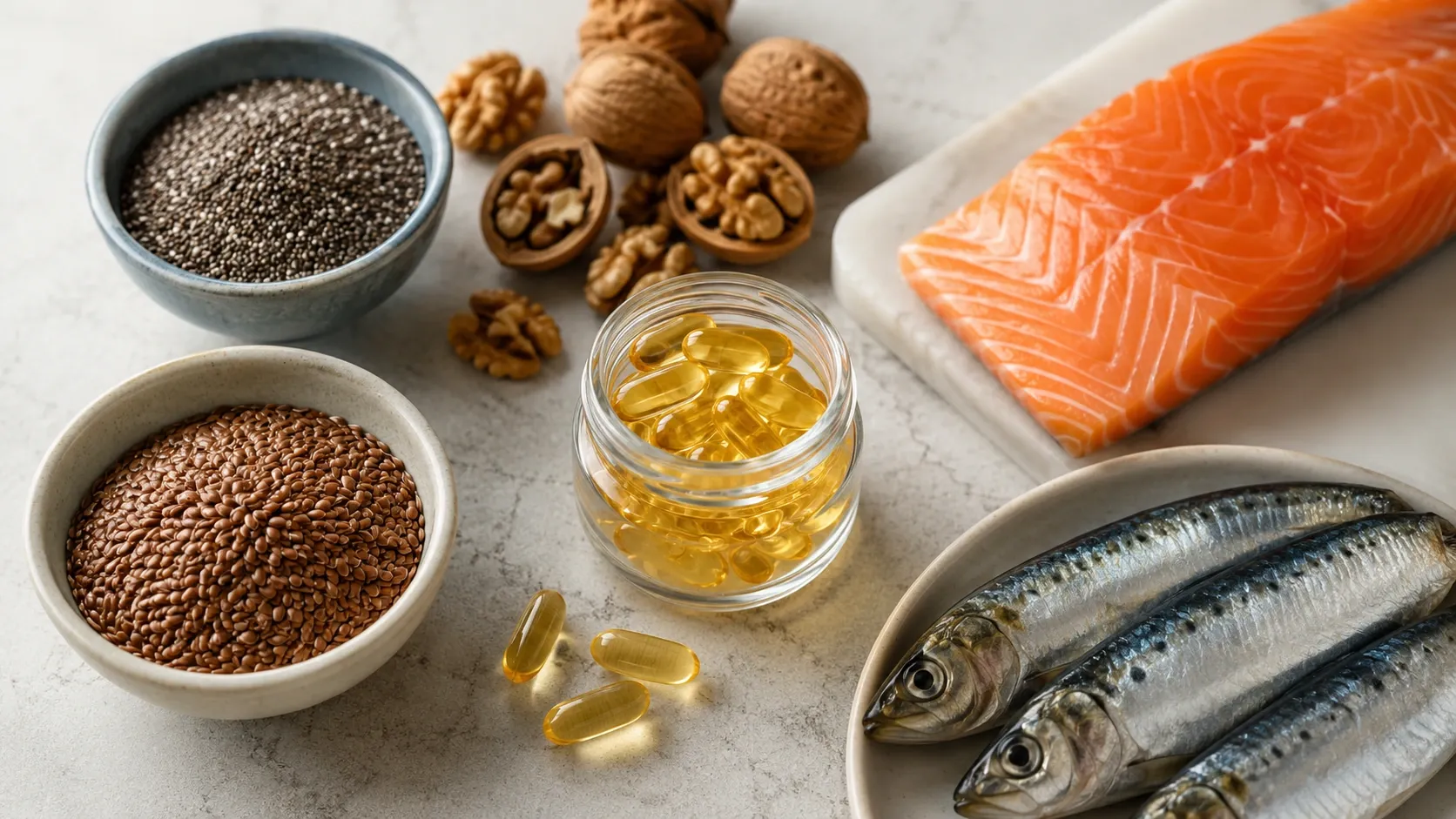
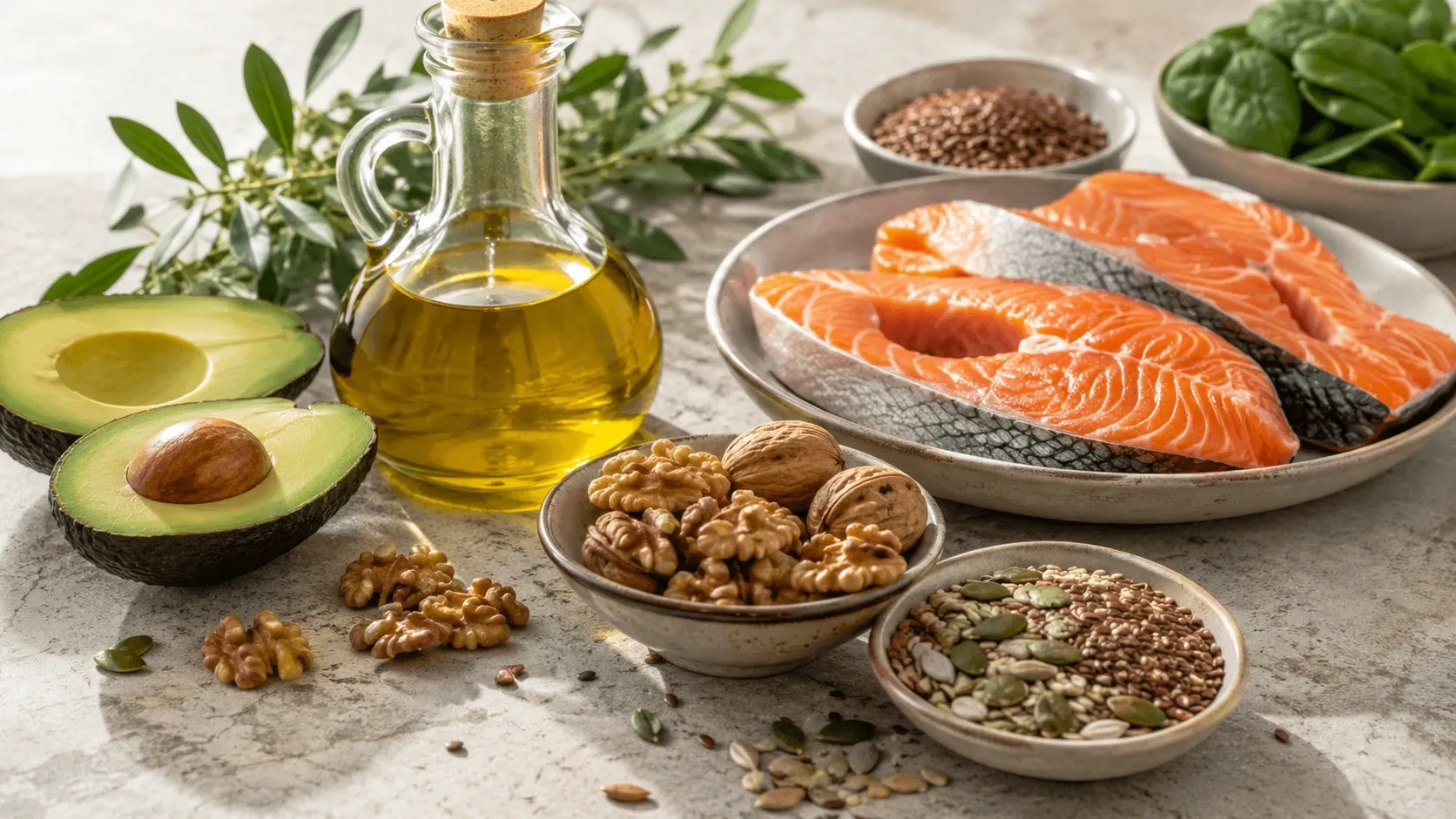
WHO recommends replacing trans fats primarily with fats rich in polyunsaturated fatty acids, followed by fats rich in monounsaturated fatty acids, rather than simply replacing industrial trans fat with large quantities of saturated fat. (WHO)
Examples of foods providing mostly unsaturated fats include:
- olive oil;
- canola oil;
- soybean oil;
- sunflower oil;
- nuts;
- seeds;
- avocado;
- fish rich in unsaturated fatty acids.
The exact fatty-acid profile varies between foods, but the broader dietary principle is to favor unsaturated fats within an overall balanced eating pattern. (The Nutrition Source)
How to keep trans-fat intake low
Modern regulations have significantly reduced industrial trans-fat exposure in several countries, but practical food choices still matter.
Base most meals on minimally processed foods and choose fats that are predominantly unsaturated. For packaged foods, use the nutrition panel and ingredient list rather than assuming an entire food category is either “good” or “bad.”
Extra attention may be useful with foods purchased in countries where industrial trans-fat regulations are less stringent, since WHO data show that global coverage remains incomplete. (WHO)
Naturally occurring trans fats in meat and dairy should also be interpreted within the context of the entire diet rather than treating a single nutrient as the only factor determining whether a food fits into a healthy eating pattern.
Conclusion
Trans fats deserve attention because they provide no nutritional advantage worth pursuing and higher intake is linked to an adverse lipid profile and increased coronary heart disease risk. (PubMed)
Industrially produced trans fats from partially hydrogenated oils have historically been the greatest public-health concern, leading countries including Brazil and the United States to introduce strong restrictions. (FDA)
WHO continues to recommend keeping total trans-fat intake below 1% of daily energy and replacing industrial trans fats with healthier unsaturated fats and oils. (WHO)