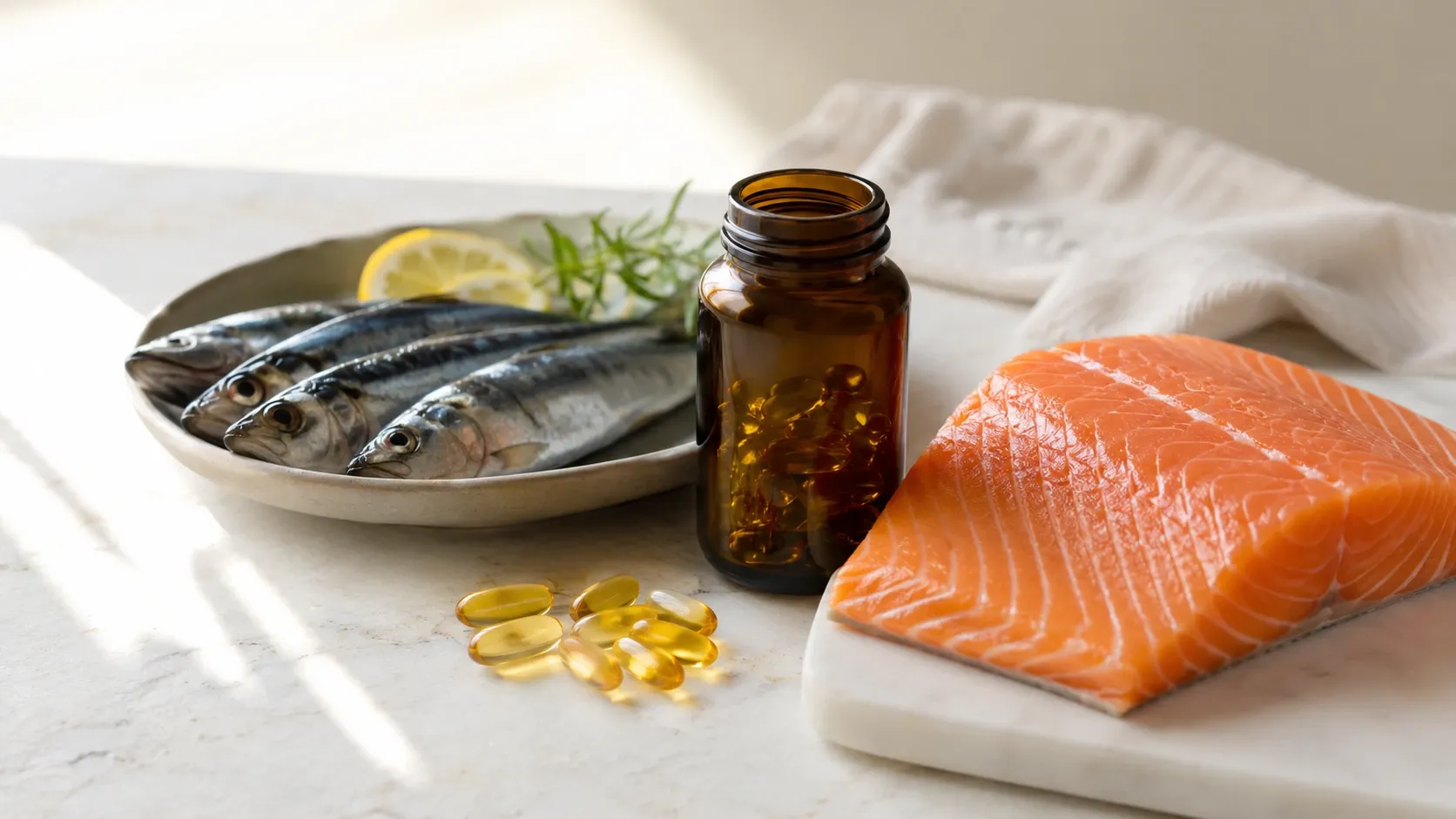
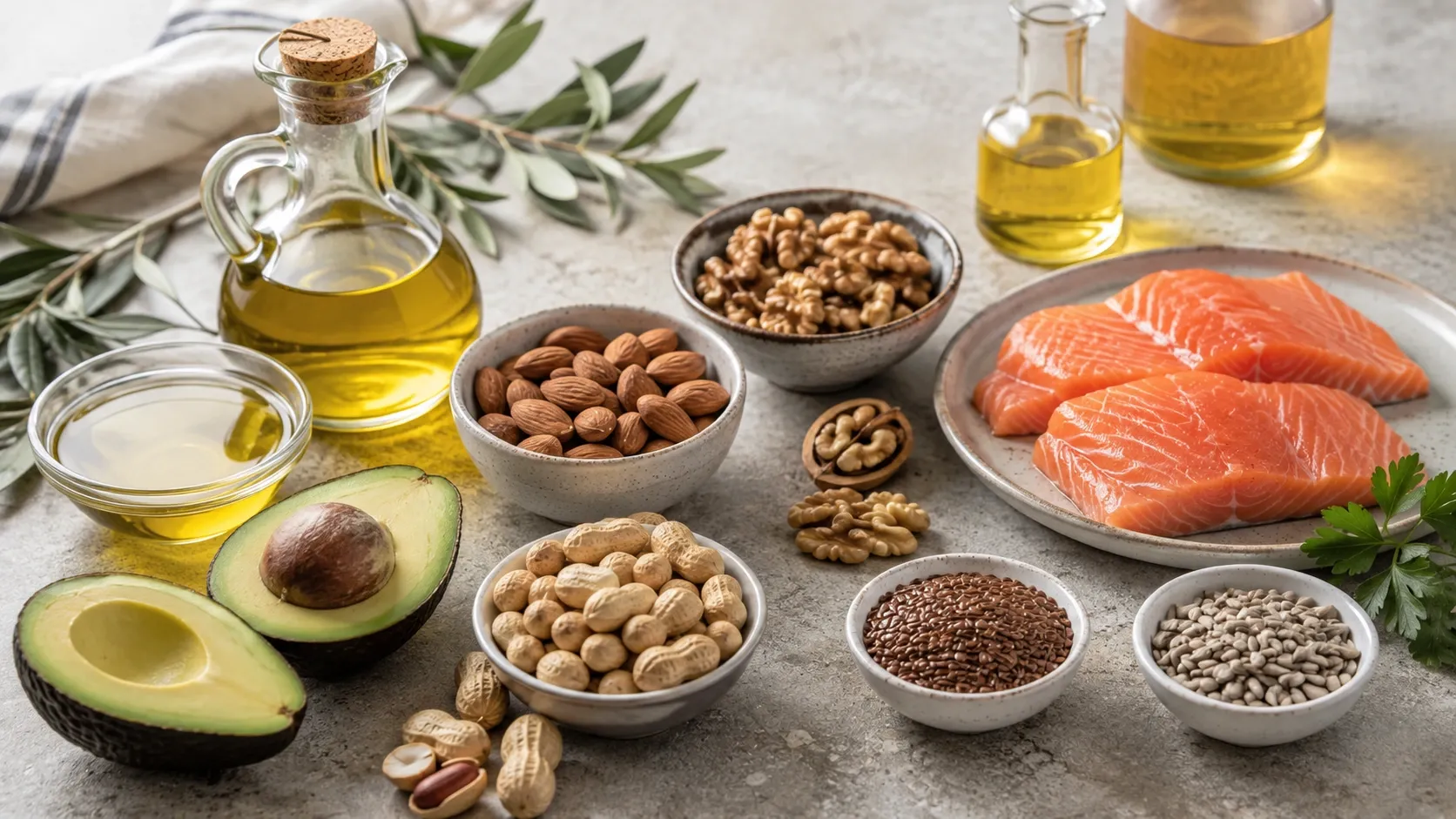
Omega-3: Benefits, Sources, and When to Supplement
Learn the evidence-based benefits of omega-3s, how ALA, EPA, and DHA differ, their best food sources, and when supplementation may actually be useful.
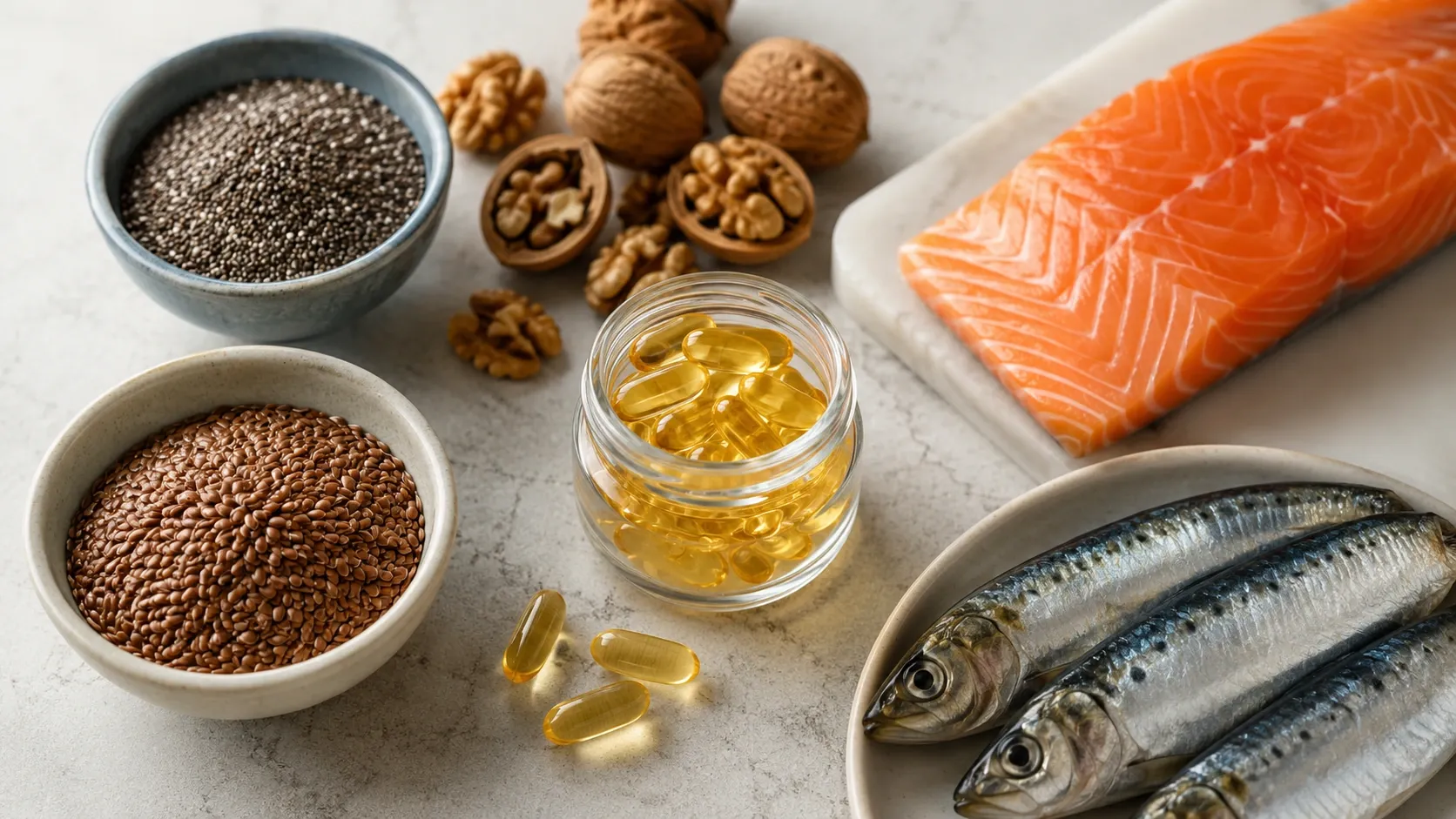
Omega-3 supplements are often marketed for everything from heart health to memory. The scientific evidence is more nuanced: the effects depend on the type of omega-3, the dose, the population being studied, and the reason it is being used.
For many people, a well-planned diet can provide meaningful amounts of omega-3. In other circumstances, supplementation may be useful, while high-dose prescription products have specific medical applications that should not be confused with ordinary fish oil capsules. (ods.od.nih.gov)
What is omega-3?

Omega-3 refers to a family of polyunsaturated fatty acids. The three forms receiving most scientific attention are ALA, EPA, and DHA. (ODS)
ALA, or alpha-linolenic acid, is an essential fatty acid, meaning it must be obtained from the diet. It is found mainly in plant foods and oils.
EPA, or eicosapentaenoic acid, and DHA, or docosahexaenoic acid, are long-chain omega-3 fatty acids found mainly in seafood and marine or algae-derived products. DHA is particularly concentrated in tissues such as the brain and retina. (ods.od.nih.gov)
The body can convert ALA to EPA and subsequently DHA, but the process is limited. NIH reports conversion rates below 15%, so consuming EPA and DHA directly is the practical way to substantially increase their levels. (ODS)
What are the main benefits of omega-3?
Lowering triglycerides
Triglyceride reduction is among the most consistently demonstrated effects of EPA and DHA.
NIH evidence summaries indicate that long-chain omega-3s reduce triglycerides, while prescription products at pharmacological doses are used in specific patients with hypertriglyceridemia. (ods.od.nih.gov)
This does not mean someone with elevated triglycerides should simply begin taking large amounts of fish oil. Dose, formulation, cholesterol profile, medications, and overall cardiovascular risk all matter.
Cardiovascular health: context matters
Eating fish and seafood as part of an overall healthy diet is associated with cardiovascular benefits. The evidence for taking fish oil capsules specifically to prevent heart attacks is less straightforward. (ods.od.nih.gov)
In VITAL, more than 25,000 adults were studied using about 1 g/day of marine omega-3. The supplement did not significantly reduce the trial’s primary composite cardiovascular endpoint. (PubMed)
REDUCE-IT, in contrast, found fewer cardiovascular events in selected high-risk patients taking 4 g/day of prescription icosapent ethyl, a highly purified EPA formulation, alongside standard treatment. (PubMed)
STRENGTH tested a different high-dose formulation containing EPA and DHA and did not find a significant reduction in its primary cardiovascular endpoint. (PubMed)
The key lesson is that a specific prescription EPA drug cannot be assumed to have the same effects as an ordinary fish oil supplement.
Structural and physiological roles
EPA and DHA are incorporated into cell membranes and are involved in the formation of signaling molecules that participate in multiple physiological processes. DHA is especially abundant in the brain and retina. (ods.od.nih.gov)
These biological roles do not mean that taking extra DHA or EPA automatically improves memory, vision, or cognitive performance in a healthy person.
Pregnancy and development
DHA plays an important role in fetal development, particularly in the brain and eyes. Health authorities also emphasize choosing seafood that provides omega-3 while limiting exposure to mercury during pregnancy. (ODS)
DHA or EPA+DHA supplementation may be appropriate when dietary intake is insufficient, but pregnancy is a situation in which supplement selection and dosing should be discussed with a qualified healthcare professional. (ODS)
What has omega-3 supplementation not consistently proven?
Supplement marketing often goes further than the evidence.
Current research does not justify saying that standard omega-3 supplements universally:
- prevent heart attacks;
- prevent cancer;
- prevent dementia;
- improve memory or concentration;
- work as a universal anti-inflammatory treatment.
In VITAL, the marine omega-3 supplement tested did not significantly reduce the overall incidence of major cardiovascular events or cancer. (PubMed)
The FDA has also characterized the evidence linking EPA+DHA consumption, lower blood pressure, and reduced coronary heart disease risk as inconsistent and inconclusive, despite some credible supportive evidence. (FDA)
What foods contain omega-3?
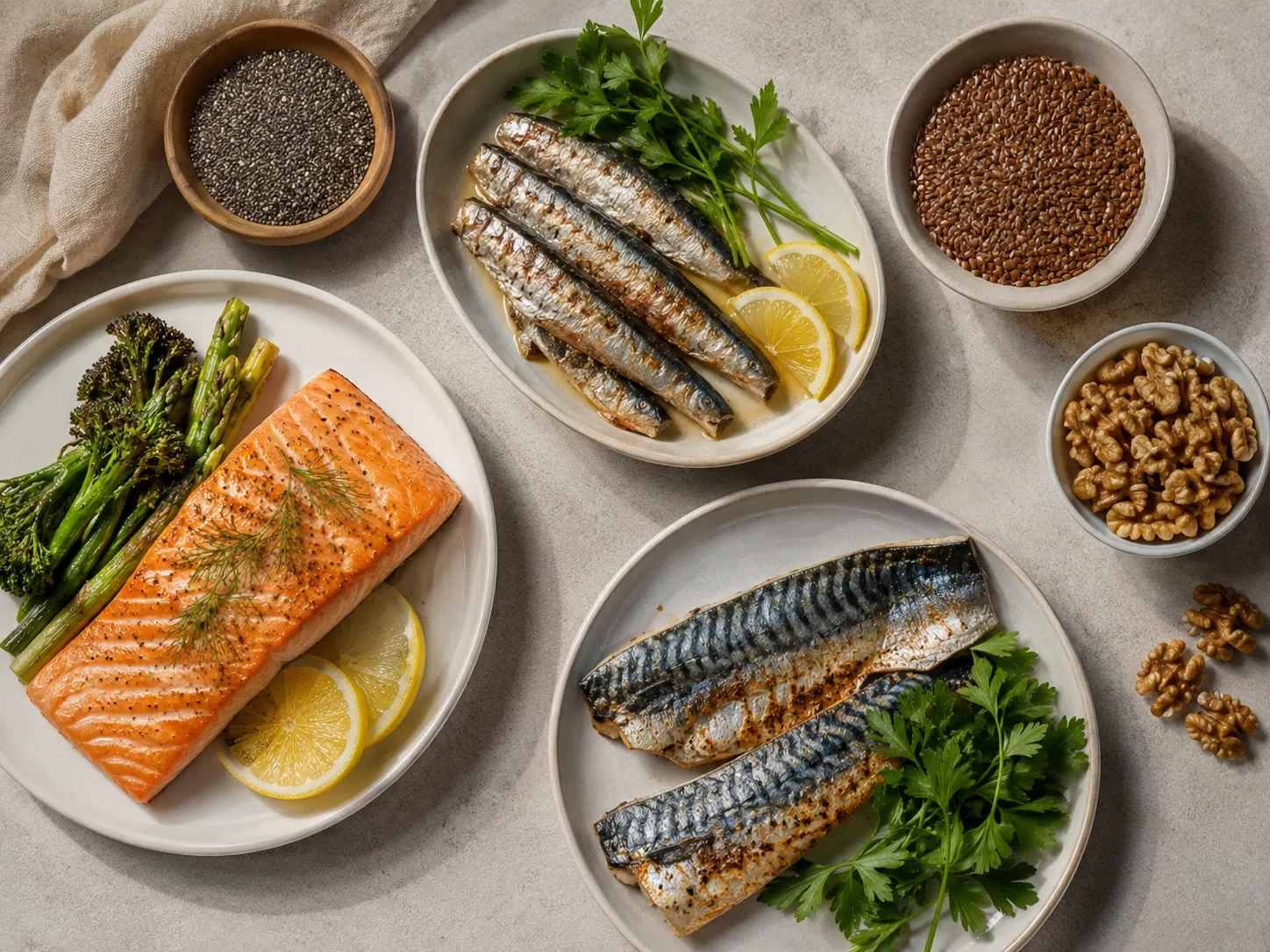
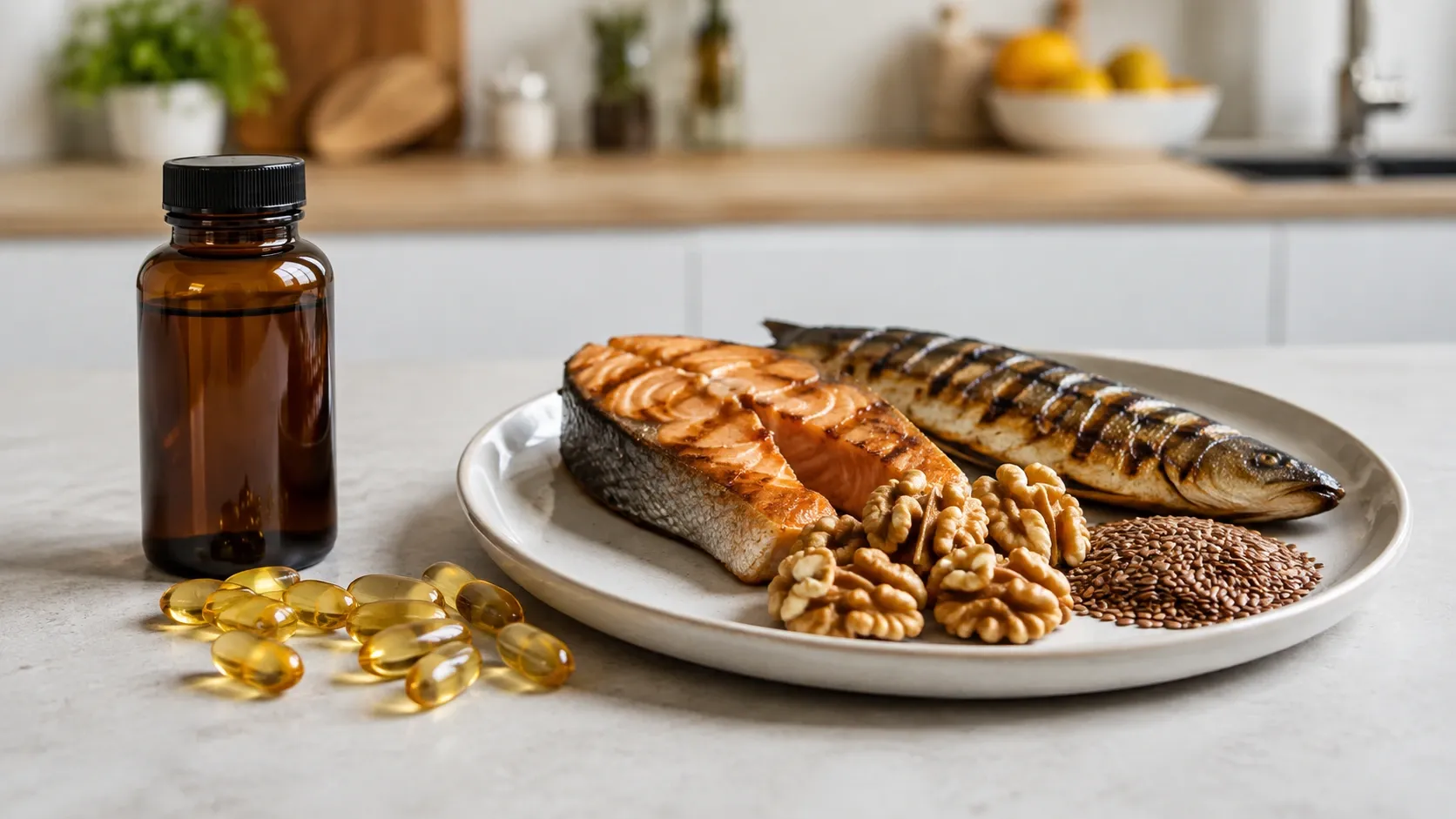
Fatty fish provide EPA and DHA directly, whereas chia seeds, flaxseed, walnuts, and certain plant oils primarily provide ALA. (ODS)
| Food | NIH reference serving | Main omega-3 | Approximate amount |
|---|---|---|---|
| Cooked farmed Atlantic salmon | 3 oz / 85 g | EPA + DHA | 1.83 g |
| Canned sardines | 3 oz / 85 g | EPA + DHA | 1.19 g |
| Cooked Atlantic mackerel | 3 oz / 85 g | EPA + DHA | 1.02 g |
| Chia seeds | 1 oz / 28 g | ALA | 5.06 g |
| Walnuts | 1 oz / 28 g | ALA | 2.57 g |
| Flaxseed | 1 tbsp | ALA | 2.35 g |
Actual values can vary by species, feed, origin, and production methods. These examples are based on values compiled in the NIH professional fact sheet. (ODS)
What if you do not eat fish?
Chia seeds, flaxseed, walnuts, and oils such as canola oil provide ALA. However, because conversion to EPA and DHA is limited, people who completely avoid seafood may consider a direct source of EPA and DHA when appropriate. (ODS)
Algal oil provides a vegetarian option. NIH notes that algae-based products commonly contain DHA and that some also provide EPA. (ODS)
How much omega-3 do we need?
There is no universally established EPA+DHA intake target for every healthy adult.
U.S. reference values establish Adequate Intakes for ALA of:
| Group | ALA per day |
|---|---|
| Adult men | 1.6 g |
| Adult women | 1.1 g |
| Pregnancy | 1.4 g |
| Lactation | 1.3 g |
These are dietary reference values for ALA, not recommended doses of EPA+DHA supplements. (ods.od.nih.gov)
That is why questions such as “Should I take 1,000 mg or 2,000 mg of omega-3?” cannot be answered appropriately from age or body weight alone.
When can omega-3 supplementation make sense?
When EPA and DHA intake is very low
People who rarely or never eat fish or seafood may have low dietary intake of EPA and DHA. In that situation, evaluating the overall diet is a better starting point than automatically buying a supplement. (ods.od.nih.gov)
Algae-derived products can provide a direct vegetarian source when supplementation is desired. (ODS)
For high triglycerides
Pharmacological doses of omega-3 can be appropriate in selected patients with hypertriglyceridemia.
This is a therapeutic use and should be managed clinically rather than treated as routine self-supplementation. (ods.od.nih.gov)
In selected high-risk cardiovascular patients
REDUCE-IT demonstrated cardiovascular benefit with prescription icosapent ethyl in a specific group of statin-treated patients with elevated triglycerides. (PubMed)
That result should not be extrapolated to every over-the-counter fish oil supplement.
During pregnancy when dietary intake is inadequate
DHA is important to fetal development, and supplementation can be considered depending on seafood intake and individual circumstances. Pregnancy-specific decisions should be discussed as part of prenatal care. (ODS)
How should you read an omega-3 supplement label?
Do not focus only on the largest number printed on the front.
A product containing 1,000 mg of fish oil, for example, does not necessarily contain 1,000 mg of EPA+DHA. NIH notes that a traditional 1,000 mg fish oil product may provide around 180 mg EPA and 120 mg DHA, although supplement concentrations vary widely. (ODS)
Look for:
- EPA per serving;
- DHA per serving;
- number of capsules per serving;
- source of the oil;
- storage instructions;
- other ingredients.
The combined amount of EPA+DHA is usually much more informative than the total weight of fish oil.
Is more omega-3 always better?
No.
Common supplement side effects are usually mild and can include unpleasant taste, heartburn, nausea, gastrointestinal discomfort, and diarrhea. (ods.od.nih.gov)
The FDA’s safety assessment concluded that supplements providing no more than 5 g/day of EPA+DHA are safe under the conditions it evaluated. This does not mean that 5 g/day is a recommended routine dose. (FDA)
Trials using around 4 g/day for several years have also reported a modest increase in atrial fibrillation among people with cardiovascular disease or high cardiovascular risk. (ODS)
Does omega-3 interact with blood thinners?
At high doses, fish oil can have antiplatelet effects. NIH discusses potential interactions with warfarin and similar anticoagulants and recommends appropriate monitoring. (ods.od.nih.gov)
This does not mean that omega-3 inevitably causes bleeding. It means that supplementation should be assessed individually when anticoagulant medications or other bleeding risk factors are present.
Food or supplements: which is better?
For most people without a specific clinical indication, food is a sensible place to start.
Fish and seafood provide EPA and DHA as part of a complete food, while chia, flaxseed, and walnuts provide ALA along with other nutrients. (ODS)
A supplement is a tool. It becomes more useful when there is a clear reason to use it, such as difficulty obtaining EPA and DHA from food, a specific nutritional need, or a medically supervised therapeutic indication.
Conclusion
Omega-3 fatty acids are important nutrients, but their benefits do not justify treating fish oil capsules as universal protection against disease.
A more useful approach is to distinguish among food intake, nutritional supplementation, and pharmacological treatment.
Prioritizing food sources, understanding the differences among ALA, EPA, and DHA, and checking the actual EPA+DHA content of a supplement can help avoid both unrealistic expectations and unnecessary doses.
People with high triglycerides, cardiovascular disease, anticoagulant use, pregnancy, or plans to take high-dose omega-3 should make supplementation decisions with qualified professional guidance. (ODS)