Vitamin K: What It Does and Which Foods Provide the Most
Vitamin K supports normal blood clotting and bone metabolism. Learn how much you need, the difference between K1 and K2, and the best food sources. ([ODS][1])
Vitamin K is best known for its role in normal blood clotting, but that is not its only function. The vitamin is also needed to activate proteins involved in bone metabolism and other physiological processes. (ODS)
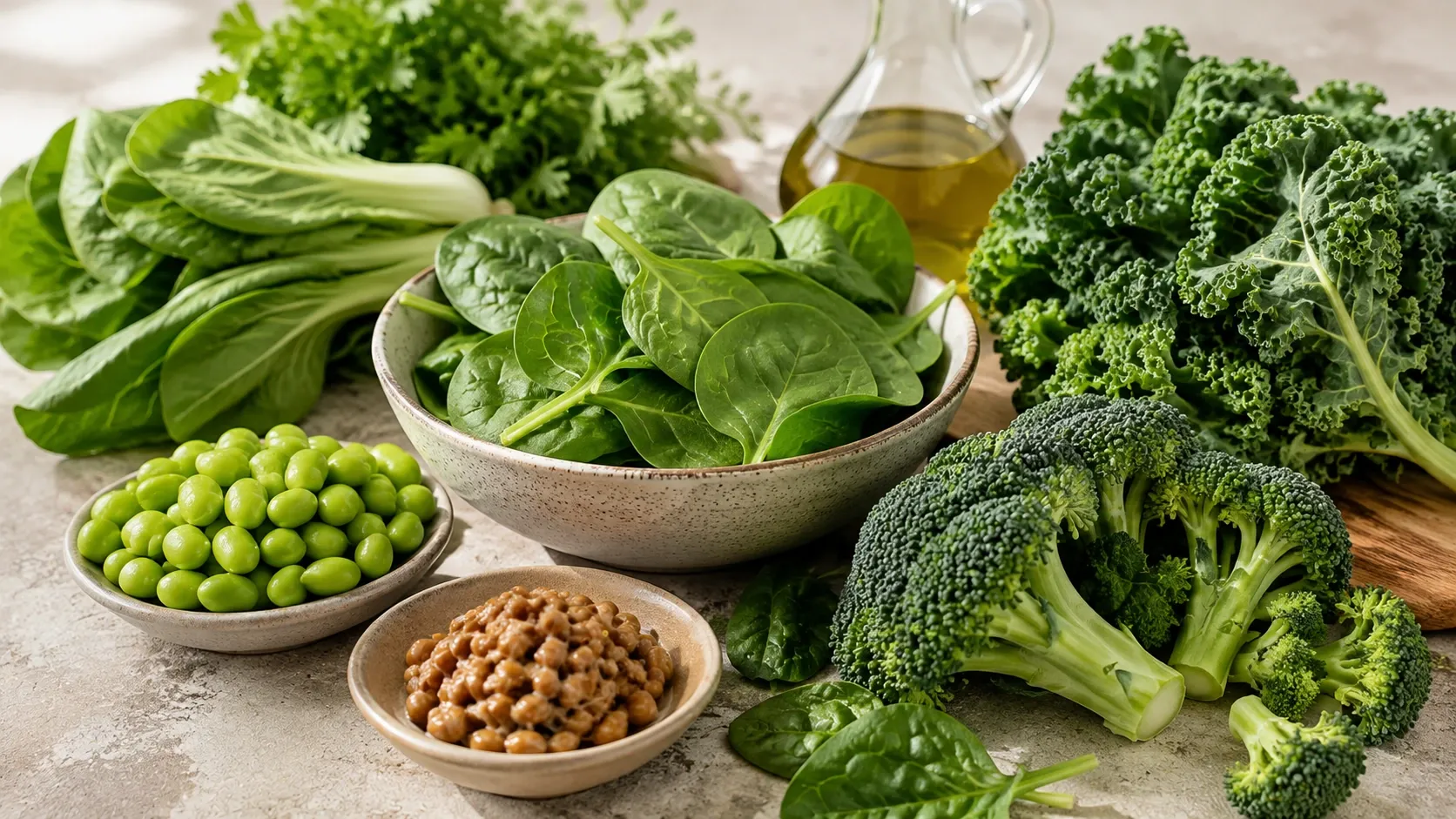
Leafy green vegetables are major dietary sources. Spinach, kale, and broccoli provide primarily vitamin K1, while fermented foods — most notably natto — can contain high amounts of certain forms of vitamin K2. (ODS)
For most healthy people, a varied diet can provide vitamin K without automatically requiring supplementation. One major exception deserves careful attention: people taking warfarin or similar vitamin K antagonist drugs should discuss meaningful changes in vitamin K intake or supplement use with their healthcare team. (ODS)
What is vitamin K?
Vitamin K is a family of fat-soluble compounds. Its intestinal absorption therefore shares characteristics with the absorption of dietary fats and other fat-soluble vitamins. (ODS)
The two best-known groups are:
- Vitamin K1, or phylloquinone: found primarily in leafy green vegetables and the main dietary form of vitamin K.
- Vitamin K2, or menaquinones: a family that includes MK-4, MK-7, and MK-9 and occurs in varying amounts in fermented and certain animal foods. (ODS)
Gut bacteria also produce some menaquinones. However, how much of this vitamin K is absorbed and how much it contributes to human requirements remain uncertain. It would therefore be misleading to assume that bacterial production eliminates the need for dietary vitamin K. (ODS)
What does vitamin K do?
Vitamin K acts as a cofactor for an enzyme that modifies and activates specific proteins. These include proteins required for blood clotting as well as proteins present in bone. (ODS)
Blood clotting
Several proteins involved in coagulation depend on vitamin K. Prothrombin, also known as clotting factor II, is one important example. (ODS)
This should not be interpreted to mean that eating vitamin K-rich foods causes excessive clotting in healthy people. Nutritional requirements and the pharmacological manipulation of the clotting system are different issues.
Bone metabolism
Osteocalcin is a vitamin K-dependent protein found in bone, providing a strong biological basis for research into vitamin K and skeletal health. (ODS)
However, an essential biological role does not automatically mean extra supplementation provides additional protection. Randomized trials of vitamin K supplementation have produced mixed results for bone mineral density and fractures. An updated systematic review found that the evidence was not strong enough to establish broad clinical benefits for all adults. (PubMed)
A 2025 meta-analysis reported improvements in several biochemical markers of bone turnover with K2 supplementation in postmenopausal women with osteoporosis. Changes in biomarkers, however, should not automatically be interpreted as proven reductions in fractures or as evidence that every adult should supplement. (PubMed)
What about cardiovascular health?
Vitamin K activates matrix Gla protein, or MGP, which is being studied for its involvement in regulating tissue calcification. This has generated interest in vitamin K as a potential factor in vascular health. (ODS)
Clinical evidence is not yet strong enough to claim that vitamin K supplements prevent cardiovascular disease. A systematic review of controlled trials found that supplementation did not consistently prevent progression of vascular calcification, atherosclerosis, or arterial stiffness. (PubMed)
How much vitamin K do adults need?
There is no single worldwide intake target.
In the United States, the Food and Nutrition Board established Adequate Intake (AI) values because the available evidence was insufficient to establish an Estimated Average Requirement and an RDA. For adults aged 19 and older, NIH lists 120 mcg per day for men and 90 mcg per day for women. (ODS)
| Reference | Adults |
|---|---|
| NIH/Food and Nutrition Board — men | 120 mcg/day |
| NIH/Food and Nutrition Board — women | 90 mcg/day |
| NIH — pregnancy | 90 mcg/day |
| NIH — lactation | 90 mcg/day |
| EFSA — adults | 70 mcg/day |
EFSA established an adequate intake of 70 mcg per day for adults, including pregnant and breastfeeding women. Differences between authorities reflect different methods and criteria used to derive reference values. (AESA)
These numbers are population nutrition references, not individualized medical prescriptions.
Which foods contain the most vitamin K?
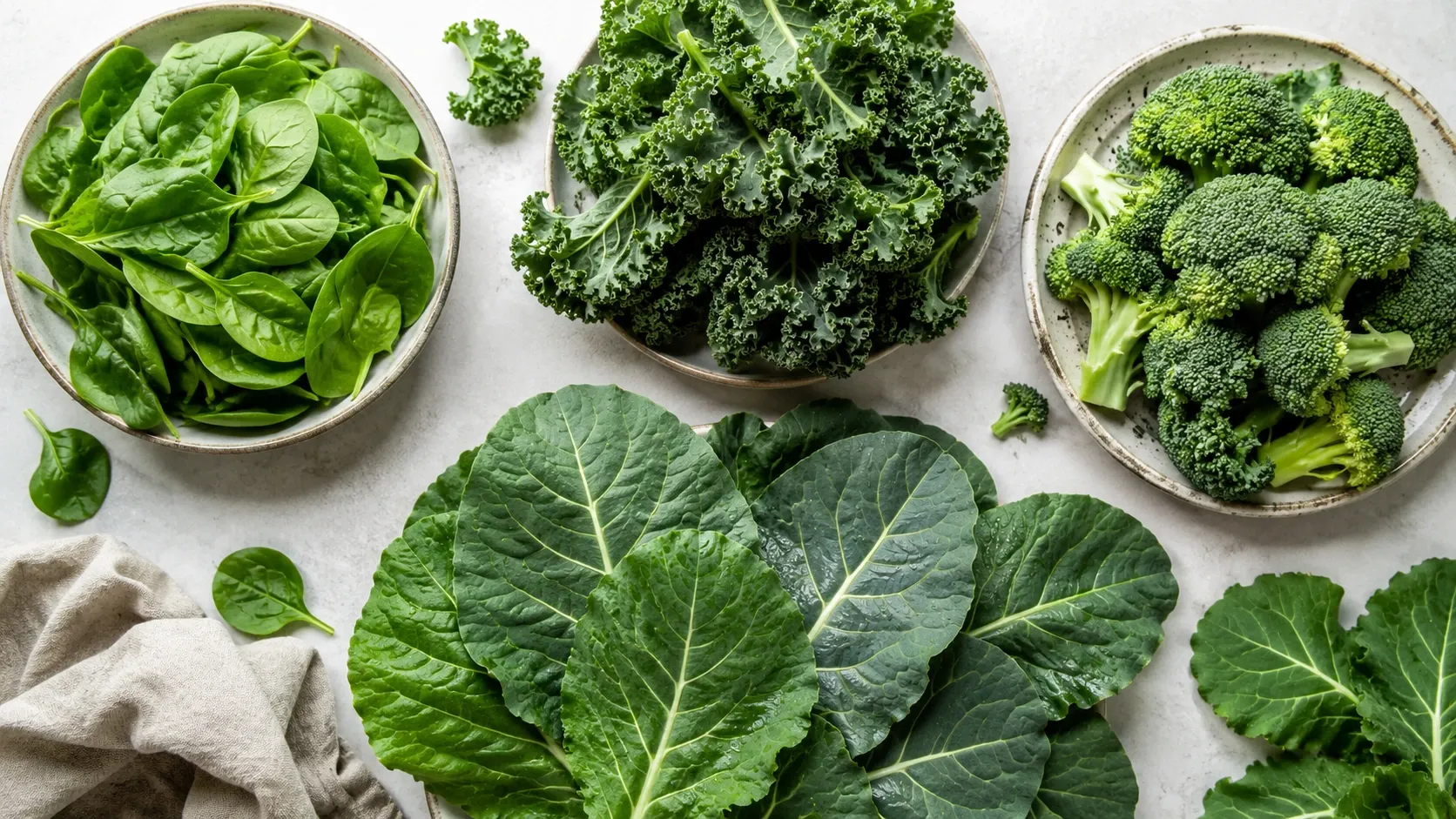
Leafy green vegetables are some of the richest sources of vitamin K1. A typical serving of certain vegetables can provide a substantial proportion of — or even exceed — common daily reference values. (ODS)
The following values come from the NIH food table. Most represent phylloquinone unless MK-4 or MK-7 is specified. (ODS)
| Food | Serving | Approximate vitamin K |
|---|---|---|
| Natto, as MK-7 | 3 oz / ~85 g | 850 mcg |
| Collard greens, cooked | ½ cup | 530 mcg |
| Turnip greens, cooked | ½ cup | 426 mcg |
| Spinach, raw | 1 cup | 145 mcg |
| Kale, raw | 1 cup | 113 mcg |
| Broccoli, cooked | ½ cup | 110 mcg |
| Roasted soybeans | ½ cup | 43 mcg |
| Soybean oil | 1 tablespoon | 25 mcg |
| Edamame, prepared | ½ cup | 21 mcg |
| Canola oil | 1 tablespoon | 10 mcg |
| Olive oil | 1 tablespoon | 8 mcg |
| Hard-boiled egg, as MK-4 | 1 large | 4 mcg |
(ODS)
Food composition values are estimates rather than fixed numbers. Variety, processing, storage, cooking, and actual serving size can influence nutrient content.
Are leafy greens the easiest way to get vitamin K?
For many people, yes. Leafy greens provide concentrated amounts of vitamin K1 while also contributing other nutrients and plant compounds to the overall diet.
Salads, cooked greens, spinach in mixed dishes, and broccoli served with meals are practical ways to increase dietary vitamin K.
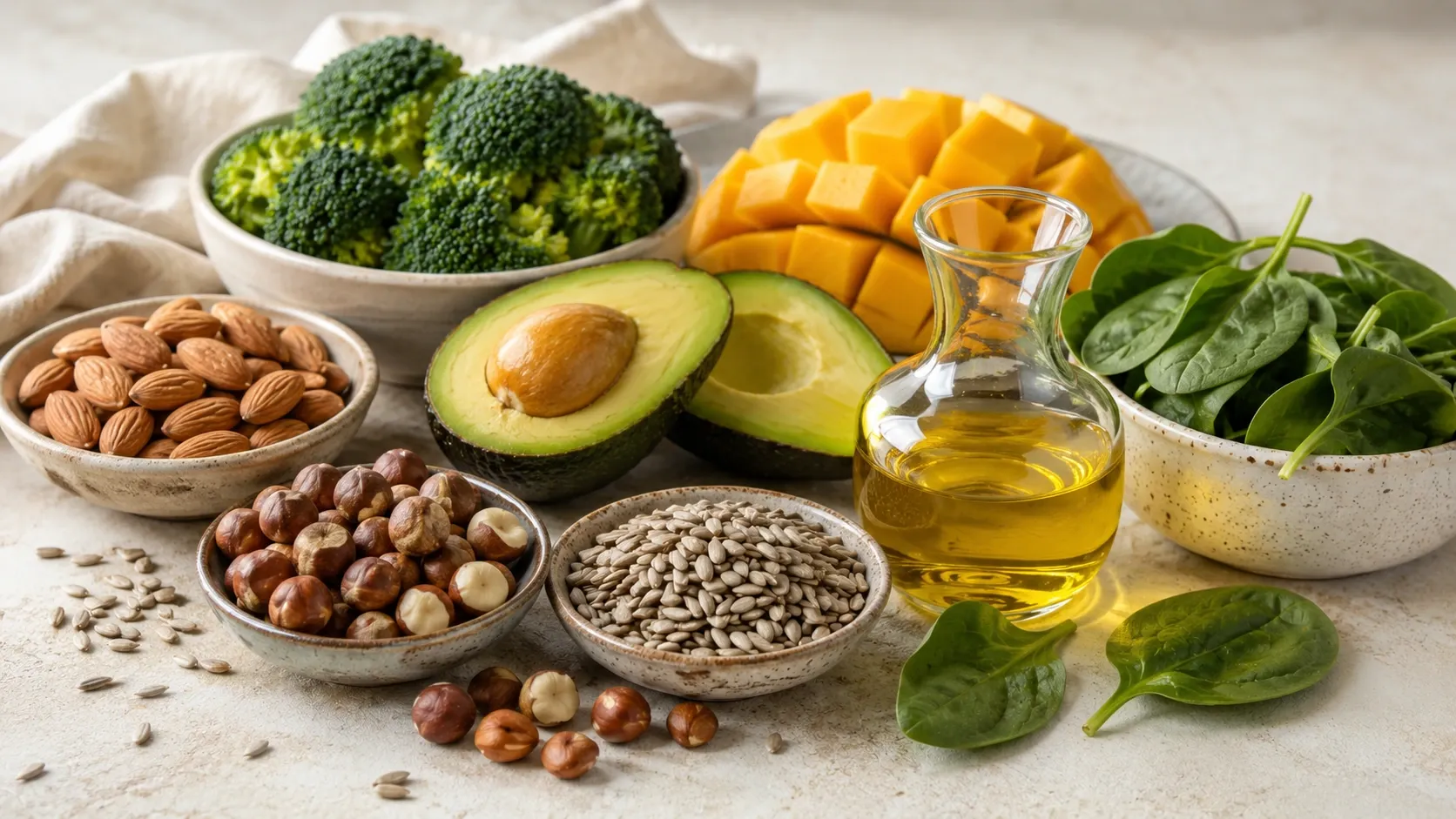
Because vitamin K is fat soluble, eating vegetables as part of a meal containing some fat can increase phylloquinone absorption. NIH notes that adding fat improves vitamin K1 absorption from vegetables. (ODS)
A meal might therefore combine green vegetables with foods such as olive oil, avocado, nuts, seeds, or another source of dietary fat.
Where is vitamin K2 found?
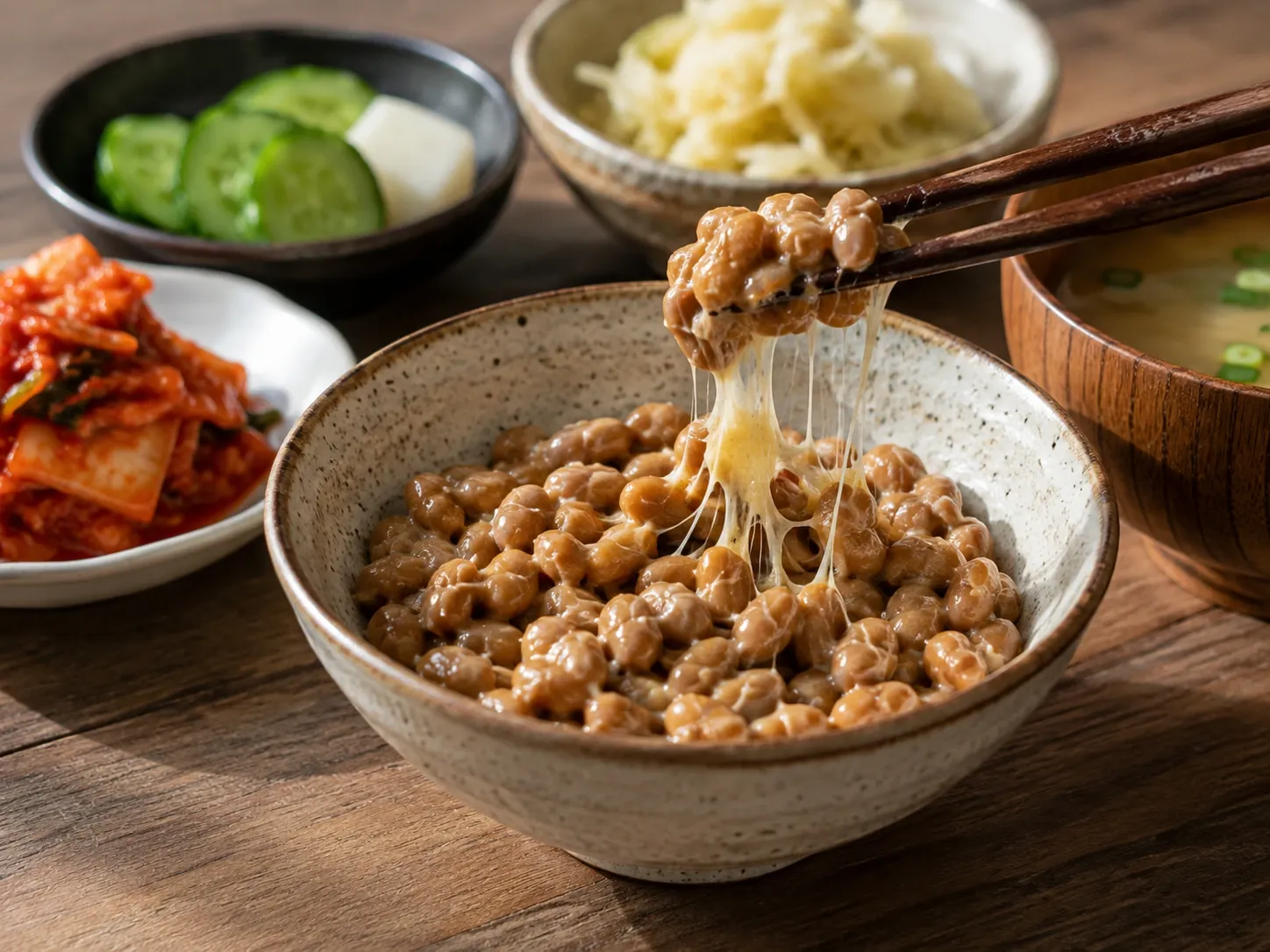
Menaquinones, commonly grouped under the term vitamin K2, occur mainly in certain fermented foods and in smaller or more variable amounts in animal-derived foods. (ODS)
The standout example is natto, a traditional Japanese fermented soybean food. NIH data list approximately 850 mcg of MK-7 per 3-ounce serving. (ODS)
Cheeses and other fermented foods can also contain menaquinones, but their concentrations vary considerably depending on bacterial strains and fermentation conditions. (ODS)
Some animal foods provide MK-4, although many contain much smaller quantities than the vitamin K1 amounts found in leafy vegetables.
Vitamin K1 vs. K2: which is better?
There is no simple scientific basis for labeling one form as universally “better.”
Vitamin K1 is an important dietary form and performs essential functions in the body. Certain forms of K2 have different pharmacokinetic properties; for example, MK-7 remains in circulation longer than some other vitamin K forms used in supplements. (ODS)
That difference alone does not prove that K2 supplementation produces superior clinical outcomes for everyone.
For general nutrition, maintaining a varied, nutrient-rich diet is more important than trying to identify a single “best” form of vitamin K.
Is vitamin K deficiency common?
Clinically significant vitamin K deficiency is rare in healthy adults. When severe, its classic consequence is impaired coagulation and bleeding. (ODS)
Risk may be higher in people with disorders that interfere with nutrient or fat absorption, including certain gastrointestinal conditions and some people following bariatric surgery. (ODS)
Certain medications can also affect vitamin K absorption or metabolism.
Do you need a vitamin K supplement?
For a healthy person who can meet vitamin K needs through food, supplementation is not automatically necessary.
NIH guidance emphasizes meeting nutritional needs primarily through food, while recognizing that supplements can be useful when a particular nutrient cannot be adequately obtained from diet or in specific life stages and medical situations. (ODS)
No Tolerable Upper Intake Level has been established for vitamin K by the Food and Nutrition Board because of its low known toxicity potential. This does not mean that arbitrarily high supplement doses are necessary or proven beneficial. (ODS)
Should people taking warfarin avoid spinach and kale?
Not necessarily.
NIH guidance for people taking warfarin and related anticoagulants emphasizes consistent vitamin K intake, because substantial increases or decreases can affect anticoagulation. (ODS)
That is different from eliminating leafy greens altogether. Unnecessarily removing nutritious vegetables can make it harder to maintain a balanced diet.
Anyone using a vitamin K antagonist should discuss major dietary changes and K1 or K2 supplements with their physician, dietitian, pharmacist, or anticoagulation team.
How to get vitamin K from your everyday diet
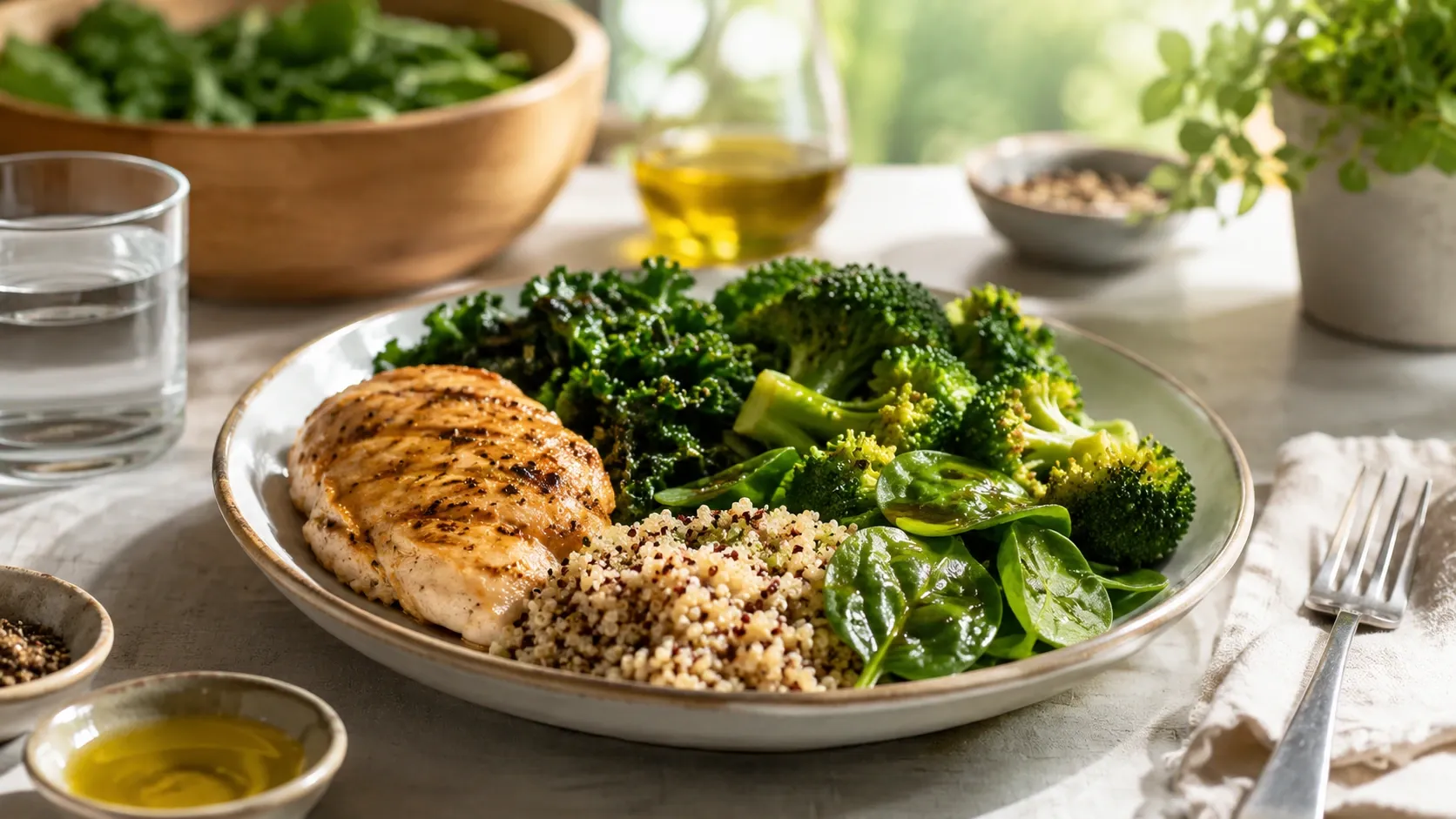
For most people, there is no need to count every microgram of vitamin K in every meal. A practical approach is to eat vegetables regularly, particularly leafy greens.
Useful habits include:
- adding leafy greens to salads;
- using spinach or kale in cooked meals;
- serving broccoli with main meals;
- rotating different green vegetables throughout the week;
- eating vegetables as part of a meal containing some fat, which can improve vitamin K absorption. (ODS)
People taking vitamin K antagonist anticoagulants should focus on consistency and professional monitoring rather than making sudden dietary changes. (ODS)
Conclusion
Vitamin K is an essential nutrient with a firmly established role in normal blood clotting and in the activation of proteins involved in bone metabolism. (ODS)
Leafy green vegetables are among the most practical sources of vitamin K1, while fermented foods such as natto can provide substantial amounts of certain forms of vitamin K2. Spinach, kale, and broccoli are particularly useful everyday sources. (ODS)
Although vitamin K supplements — particularly K2 — are frequently promoted for bone and cardiovascular health, the clinical evidence is more nuanced. Findings for fractures, bone mineral density, and vascular calcification remain inconsistent, so supplementation should not be presented as necessary for everyone. (PubMed)
Anyone taking warfarin or a similar anticoagulant should discuss vitamin K supplements and substantial dietary changes with the healthcare professional managing their treatment. (ODS)