Vitamin B12: Functions, Sources and Deficiency Risk
Learn what vitamin B12 does, where it comes from, how much adults need, and which groups face a higher risk of deficiency.

Vitamin B12, also known as cobalamin, is an essential micronutrient required for normal blood cell formation, DNA synthesis and nervous system function. Although the body only needs small amounts, untreated deficiency can have important hematological and neurological consequences. (ODS)
Natural B12 is found primarily in animal-source foods. This makes a reliable source from fortified foods or supplements particularly important for people following vegan diets. Diet is only part of the picture, however: some people consume enough B12 but still become deficient because they cannot absorb it properly. (ODS)
What does vitamin B12 do?
Vitamin B12 has several well-established roles. It is required for healthy blood cell formation, DNA synthesis, and the development, myelination and normal function of the central nervous system. Myelin forms a protective layer around many nerve fibers and supports efficient nerve signaling. (ODS)
B12 also acts as a cofactor for enzymes involved in homocysteine metabolism and other metabolic pathways. This helps explain why deficiency can affect multiple body systems rather than producing a single symptom. (ODS)
Despite its reputation as an “energy vitamin,” B12 supplementation has not been shown to improve exercise performance or endurance in people who already have adequate vitamin B12 status. Treating a deficiency and taking extra B12 without a deficiency are not the same thing. (ODS)
How much vitamin B12 do adults need?
Reference values differ between health authorities because different frameworks and evidence criteria are used.
| Reference | Adults | Pregnancy | Lactation |
|---|---|---|---|
| RDA — National Academies/NIH | 2.4 µg/day | 2.6 µg/day | 2.8 µg/day |
| AI — EFSA | 4.0 µg/day | 4.5 µg/day | 5.0 µg/day |
In the United States, the adult Recommended Dietary Allowance is 2.4 µg per day, increasing to 2.6 µg during pregnancy and 2.8 µg during lactation. EFSA, meanwhile, established an Adequate Intake of 4 µg per day for adults, 4.5 µg during pregnancy and 5 µg during lactation. (ODS)
These figures should not be treated as directly competing recommendations. RDA and AI are different categories of nutrient reference values and were derived using different approaches. (ODS)
What are the best sources of vitamin B12?

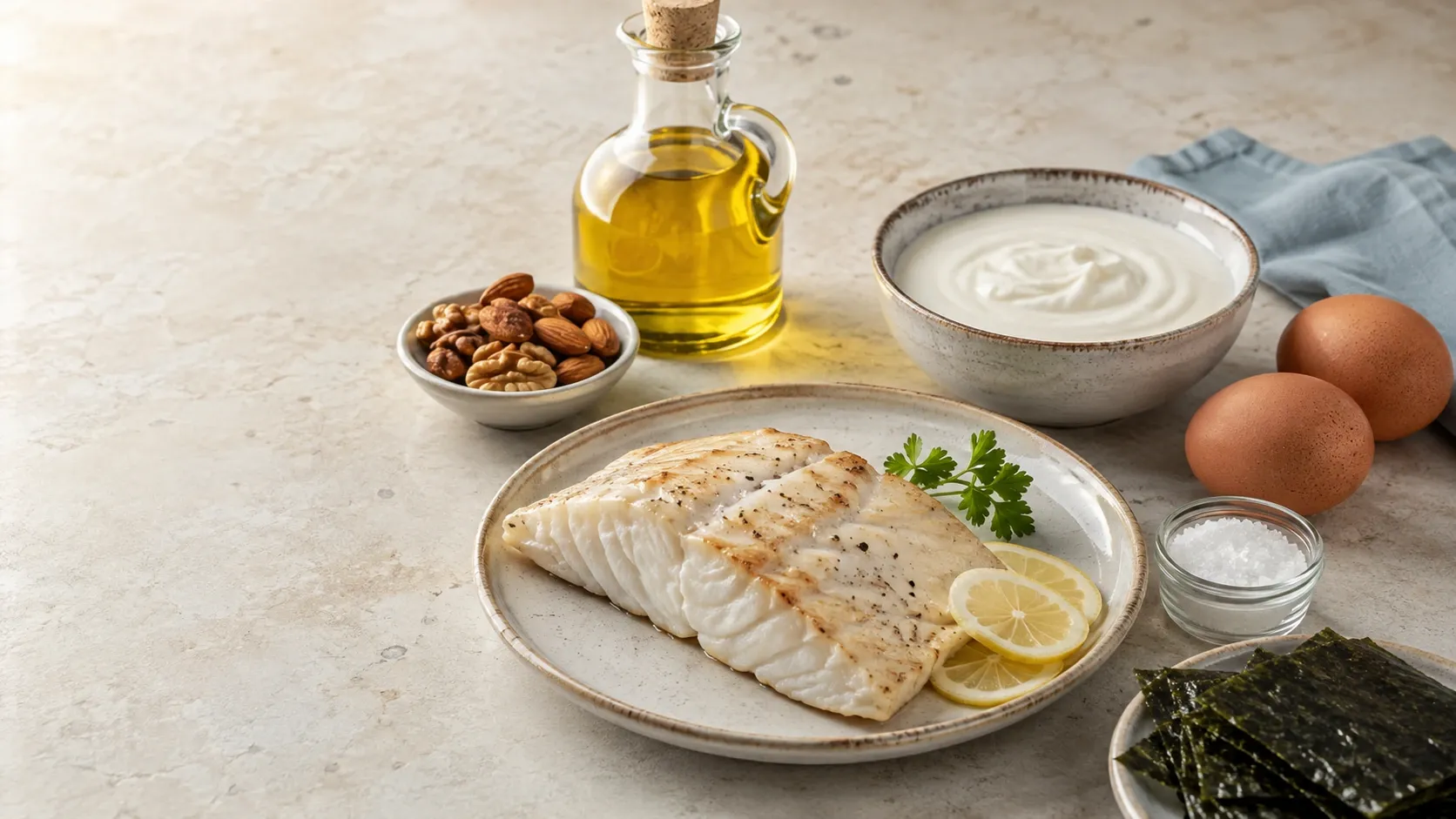
Vitamin B12 occurs naturally in fish, meat, poultry, eggs, milk and dairy products, with especially high concentrations in certain organ meats and shellfish. Conventional plant foods are not considered reliable natural sources of the vitamin. (ODS)
Examples from the NIH food table include:
| Food | Reference serving | Approximate vitamin B12 |
|---|---|---|
| Cooked beef liver | 3 oz / 85 g | 70.7 µg |
| Cooked clams | 3 oz / 85 g | 17 µg |
| Cooked Atlantic salmon | 3 oz / 85 g | 2.6 µg |
| Light tuna canned in water | 3 oz / 85 g | 2.5 µg |
| Cooked ground beef | 3 oz / 85 g | 2.4 µg |
| 2% milk | 1 cup | 1.3 µg |
| Plain fat-free yogurt | 6 oz / about 170 g | 1.0 µg |
| Cooked egg | 1 large | 0.5 µg |
Actual content varies by food, species, preparation and fortification. (ODS)
What about plant foods?
Beans, vegetables, fruit and whole grains can all contribute to a nutritious diet, but they should not be relied on as natural sources of vitamin B12. People following strict vegetarian or vegan diets therefore need dependable fortified foods and/or supplementation. (ODS)
Fortified nutritional yeast, breakfast cereals and some plant-based products can provide meaningful amounts of B12. Because fortification varies, the nutrition label should be checked rather than assuming that every product contains the vitamin. (ODS)
How is vitamin B12 absorbed?
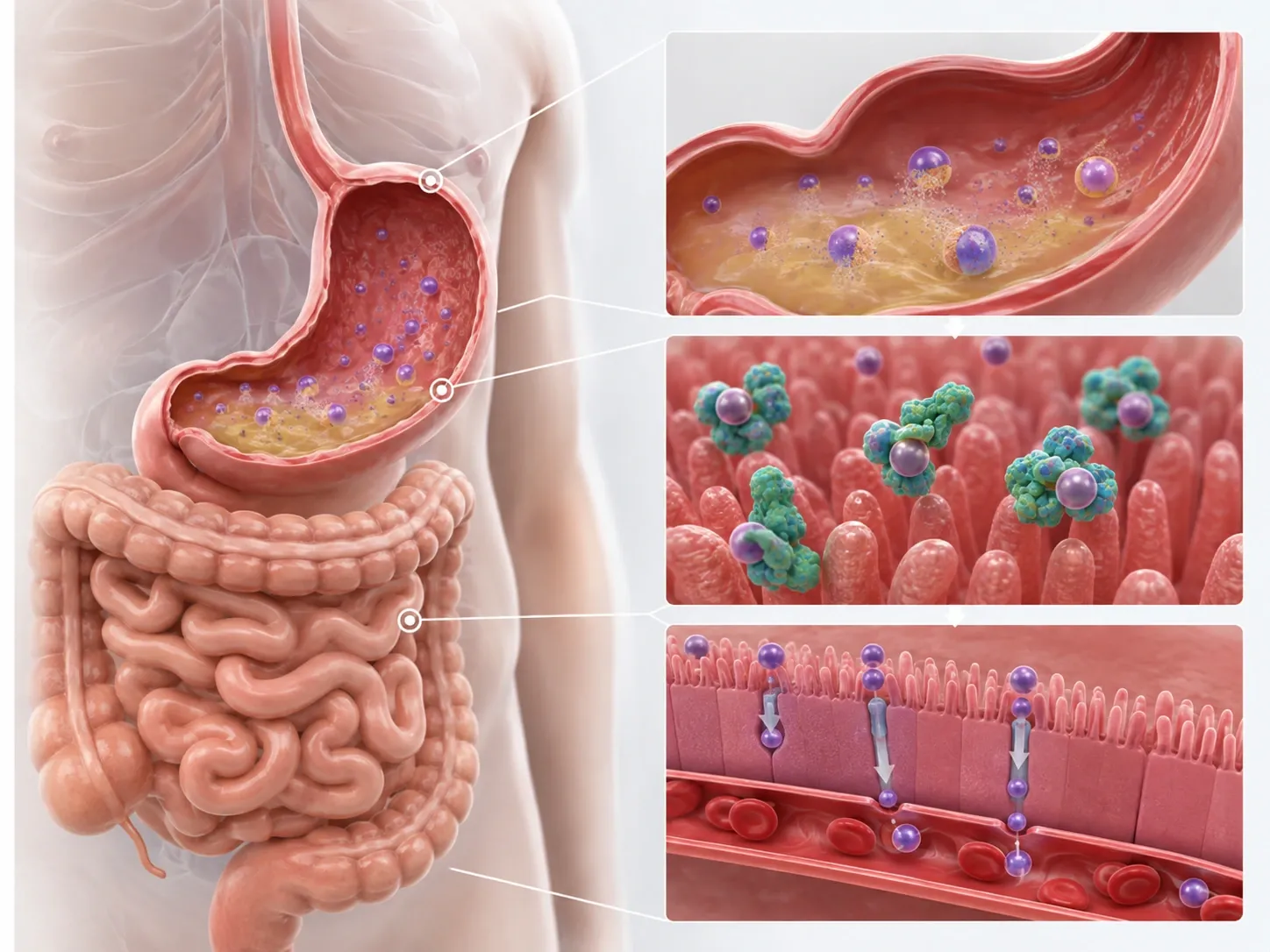
Absorbing food-bound B12 requires several steps. Stomach acid and digestive enzymes first release the vitamin from food proteins. B12 eventually binds to intrinsic factor, a protein produced by stomach cells, and the resulting complex is absorbed in the distal ileum. (ODS)
This process explains why a person can develop B12 deficiency despite eating B12-rich foods. Stomach disorders, lack of intrinsic factor, intestinal disease or gastrointestinal surgery can all interfere with normal absorption. (ODS)
Who is at greater risk of vitamin B12 deficiency?

Risk can arise from inadequate intake, impaired absorption or other factors that affect vitamin B12 metabolism. (ODS)
People following a vegan diet
Because reliable natural B12 sources are animal-derived, vegans who do not use fortified foods or supplements have a higher risk of inadequate B12 status. Vegetarians who consume very little dairy or eggs may also have insufficient intake. (ODS)
A 2024 systematic review and meta-analysis found lower serum B12 and changes in other functional biomarkers among vegan adults compared with omnivores. Supplement use among vegans was associated with significant improvements in the biomarkers assessed. (PubMed)
Older adults
Conditions that reduce B12 absorption become more common with age. Atrophic gastritis, for example, can reduce stomach acid and intrinsic factor production, making food-bound B12 more difficult to absorb. (ODS)
Age alone does not mean someone is deficient, but older age combined with gastrointestinal conditions, medications, symptoms or low dietary intake increases the relevance of individual assessment. (ODS)
People with autoimmune gastritis or pernicious anemia
Pernicious anemia is associated with autoimmune damage to the stomach and inadequate production of intrinsic factor. As a result, a person can become B12 deficient even when dietary intake is sufficient. (ODS)
People with gastrointestinal disease or surgery
Celiac disease and other disorders affecting the gastrointestinal tract can interfere with nutrient absorption. Surgery involving the stomach or small intestine, including some forms of bariatric surgery, can also increase B12 deficiency risk. (ODS)
People taking metformin
Metformin can reduce vitamin B12 absorption and serum concentrations. A systematic review and meta-analysis found significantly lower B12 concentrations in several studies of people with type 2 diabetes receiving metformin. (PubMed)
This is not a reason to stop metformin without medical advice. Instead, people with symptoms or additional risk factors can discuss whether B12 assessment is appropriate with the clinician managing their treatment. (ODS)
People taking gastric acid–suppressing medicines
Proton pump inhibitors and other gastric acid–lowering drugs can reduce the release of food-bound B12 in the stomach, potentially affecting its absorption over time. The NIH recognizes these medicines as a potential contributor to reduced B12 status. (ODS)
Not every person taking these medicines becomes deficient, and prescribed treatment should not be discontinued without professional guidance.
Pregnancy, breastfeeding and infants when maternal B12 intake is inadequate
Adequate maternal B12 status is particularly important during pregnancy and breastfeeding. Exclusively breastfed infants of mothers with severe B12 deficiency or inadequately supplemented vegan diets can have low stores and develop deficiency. (ODS)
Because infancy is a period of rapid neurological development, vegan diets during pregnancy, breastfeeding and childhood require appropriate nutritional planning and professional monitoring. (ODS)
Recreational nitrous oxide use
Recreational nitrous oxide can inactivate vitamin B12 and produce functional deficiency. NICE specifically recognizes nitrous oxide as a cause that needs to be considered during diagnosis. (Nice)
What are the symptoms of vitamin B12 deficiency?
B12 deficiency may take time to become apparent because the body maintains vitamin stores. Symptoms therefore may not appear immediately when intake becomes inadequate or absorption declines. (ODS)
Possible manifestations include:
- fatigue and weakness;
- megaloblastic anemia;
- pale skin;
- palpitations;
- a sore or red tongue;
- numbness or tingling;
- muscle weakness;
- impaired balance or coordination;
- changes in memory, understanding or judgment. (ODS)
A particularly important point is that neurological manifestations can occur without anemia. When significant deficiency remains untreated for too long, some neurological damage may become irreversible. (ODS)
How is vitamin B12 deficiency diagnosed?
Assessment usually combines symptoms, medical history, risk factors and laboratory testing. Serum or plasma vitamin B12 is commonly used as an initial marker. (ODS)
Cutoffs vary by laboratory and assay. The NIH notes that many laboratories consider values below roughly 200–250 pg/mL subnormal, but intermediate results require clinical context. In these situations, methylmalonic acid (MMA) can provide additional evidence of functional B12 deficiency. (ODS)
MMA also has limitations: concentrations can increase with impaired kidney function and tend to be higher in older adults. This is one reason why a single laboratory result should not be interpreted in isolation. (ODS)
Does everyone need a vitamin B12 supplement?
No. People who consume adequate B12 and absorb it normally may meet their needs through food. In contrast, vegan diets require a reliable B12 source, and people with diagnosed deficiency or significant malabsorption may require a specific replacement strategy. (ODS)
The appropriate dose, schedule and route depend on the cause and severity of deficiency. Significant malabsorption should therefore not be managed simply by choosing an over-the-counter supplement without considering the underlying problem. (ODS)
The Food and Nutrition Board has not established a tolerable upper intake level for B12 because of its low potential for toxicity. This does not mean that extremely high doses are necessary or provide extra health benefits for everyone. (ODS)
How can deficiency risk be reduced?
For people who consume animal-source foods, a varied diet can provide adequate vitamin B12. People following vegetarian and especially vegan diets need to plan reliable sources through fortified foods and/or supplements. (ODS)
People with absorption disorders, gastrointestinal surgery or long-term use of medicines associated with lower B12 status may need individualized assessment. In these situations, simply eating more B12-rich foods may not address the underlying problem. (ODS)
Conclusion
Vitamin B12 is essential for normal blood cell formation, DNA synthesis and nervous system function. Fish, meat, eggs and dairy products are among its main natural sources, while vegan diets require a dependable source from fortified foods or supplementation. (ODS)
Deficiency risk is not determined by diet alone. Older age, autoimmune gastritis, gastrointestinal disease, digestive surgery and certain medications can interfere with B12 absorption or status. Recognizing these factors is more useful than assuming that every episode of fatigue is caused by low B12 — or that everyone needs a supplement. (ODS)
When relevant symptoms or risk factors are present, professional assessment can determine whether testing and replacement are needed and which approach is appropriate.