Iodine: Why We Need It and the Best Dietary Sources
Iodine is essential for thyroid hormone production. Learn how much we need, where to find it in food, and why both deficiency and excess matter.
We only need iodine in very small amounts, yet the body cannot replace its main function with another nutrient: iodine is an essential component of the hormones made by the thyroid gland.
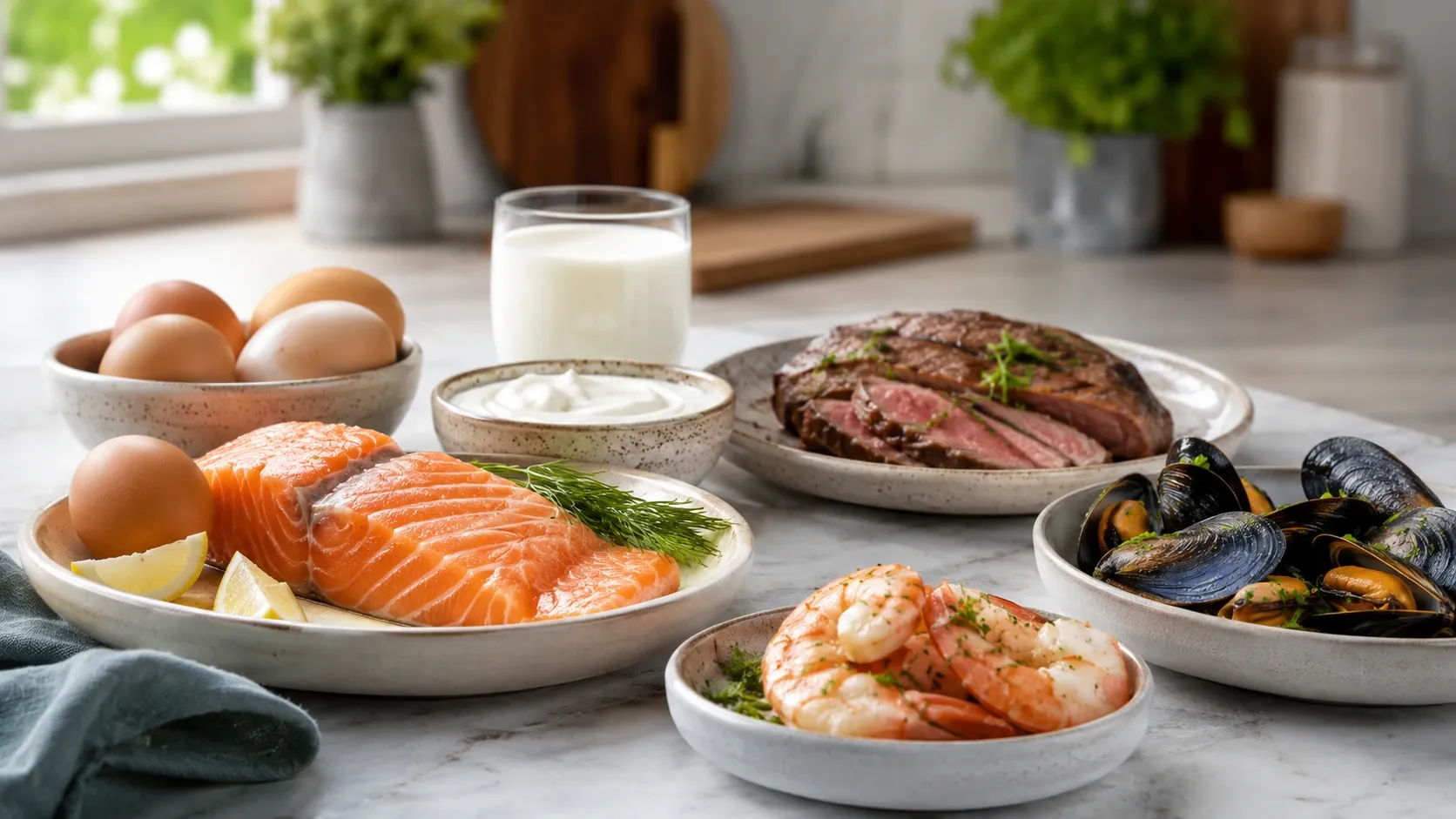
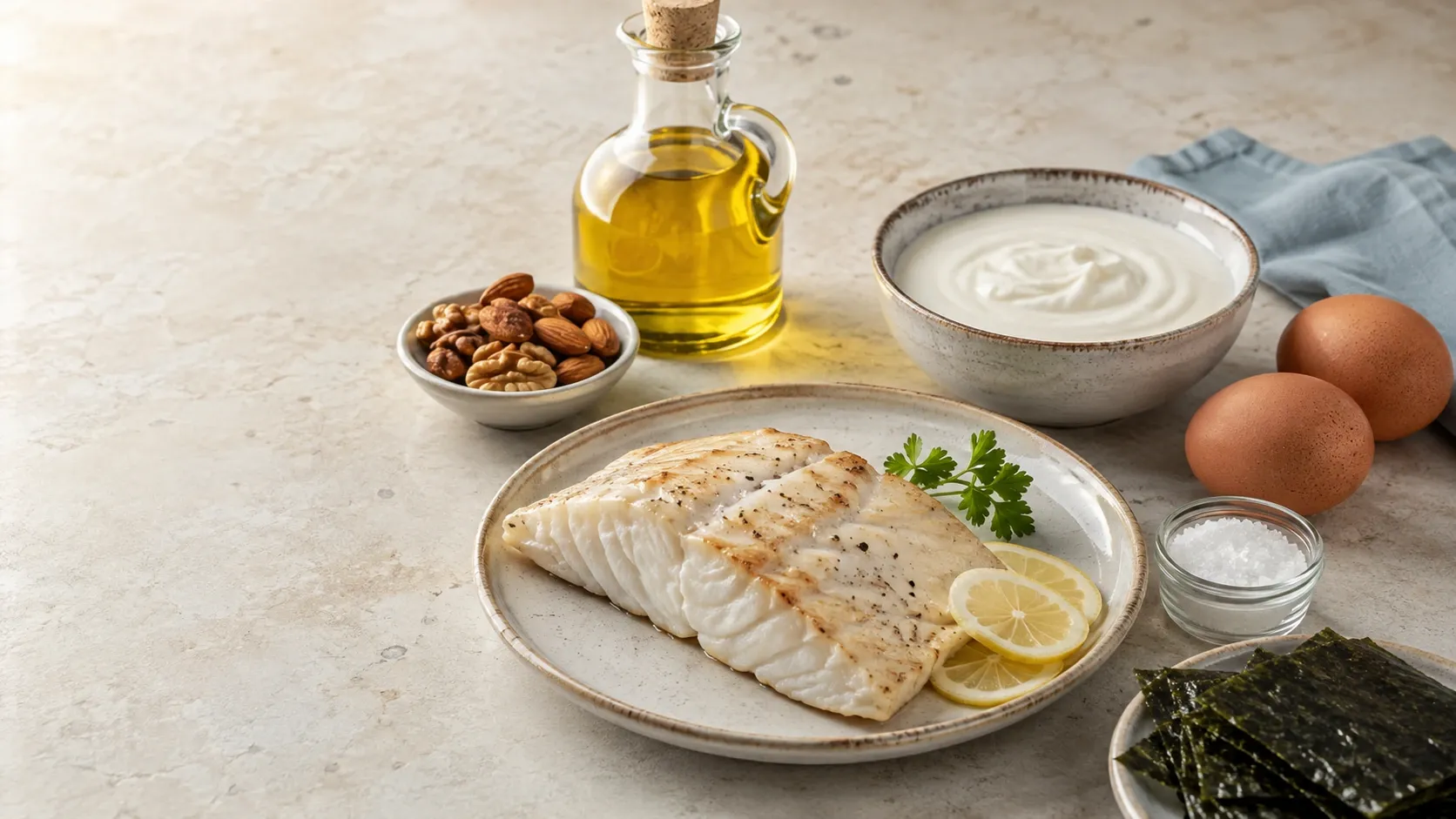
Fish and seafood, eggs, dairy products, iodized salt and some types of seaweed are among the major dietary sources. For healthy adults, 150 micrograms (µg) per day is a widely used intake recommendation, while requirements rise during pregnancy and breastfeeding. (ODS)
The key is balance. Both too little and too much iodine can interfere with thyroid function, which is why taking large doses without a clear reason is not a good nutritional strategy. (ODS)
What does iodine do?
Iodine’s best-established role is in the production of the thyroid hormones thyroxine (T4) and triiodothyronine (T3).
The thyroid gland takes up iodine from the bloodstream and uses it to make these hormones. T3 and T4 help regulate metabolism and are essential for normal growth and neurological development. (ODS)
When iodine intake remains inadequate, the body increases stimulation of the thyroid in an attempt to capture more iodine. One possible consequence is goiter, an enlargement of the thyroid gland. More severe deficiency can also impair thyroid hormone production. (ODS)
Why is iodine particularly important during pregnancy?
Iodine needs rise during pregnancy because thyroid hormones are essential to fetal development, particularly brain and nervous-system development.
The most serious effects of iodine deficiency occur during periods of rapid development. However, the evidence supporting supplementation in women who are only mildly deficient or already iodine sufficient is less straightforward than the clear benefit of preventing severe deficiency. (PubMed)
How much iodine do we need?
The following values come from the Dietary Reference Intakes used by the NIH Office of Dietary Supplements. (ODS)
| Group | Reference intake |
|---|---|
| Adults aged 19+ | 150 µg/day |
| Pregnancy | 220 µg/day |
| Lactation | 290 µg/day |
These numbers should not be viewed as exact daily quotas that must be hit every single day. Nutrient intake naturally varies, and nutritional adequacy is better understood as a habitual pattern.
Recommendations can also vary among international authorities, particularly during pregnancy and breastfeeding. (PubMed)
What are the main dietary sources of iodine?
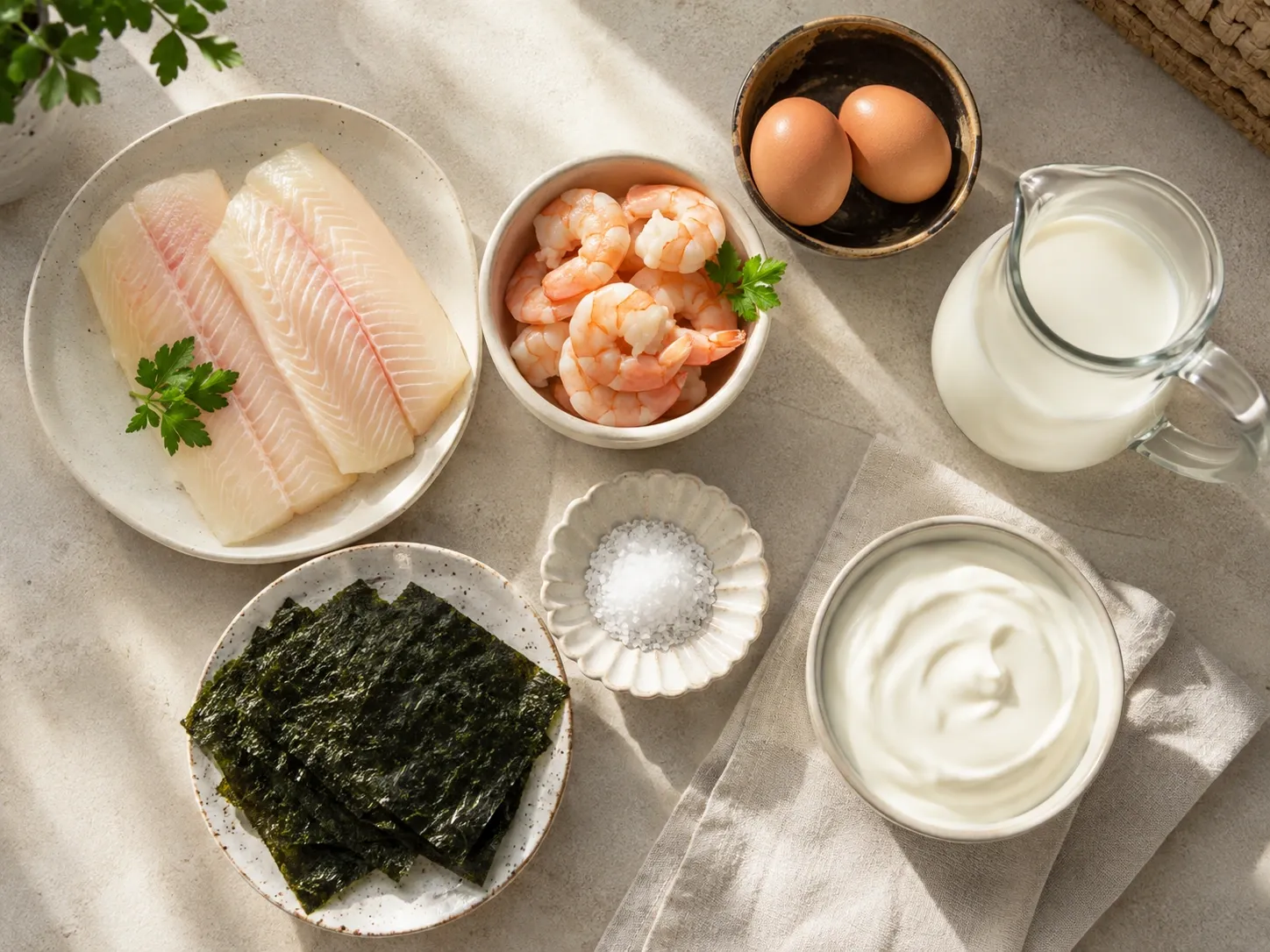
Iodine can come from naturally iodine-rich foods, foods whose iodine content is influenced by farming practices, and fortified products.
| Source | What to know |
|---|---|
| Iodized salt | A major public-health tool for preventing deficiency |
| Fish and seafood | Often provide meaningful amounts of iodine |
| Seaweed | Can be exceptionally rich, but levels vary widely |
| Milk, yogurt and other dairy foods | Can be important sources, depending on production practices |
| Eggs | Provide moderate amounts |
| Fortified foods | Can contribute when iodine has specifically been added |
Iodine concentration is much less predictable than the content of many other nutrients. Soil, animal feed, processing practices, fortification and food species can all affect the final amount. (ODS)
Fish and seafood
Marine foods are some of the best-known natural iodine sources. Fish, oysters and other seafood can make an important contribution to total intake. (ODS)
The concentration is not identical across species, however, so there is no single value that applies to all seafood.
Dairy foods and eggs
Milk and dairy products can supply iodine, although their iodine content varies with farming and food-production practices. (ODS)
Eggs are another dietary source and can contribute to iodine intake as part of a varied diet.
Seaweed: highly concentrated but unpredictable
Seaweeds such as nori, wakame, kombu and kelp can contain large amounts of iodine.
The difficulty is that their iodine content varies enormously between species and products. NIH data show very large differences among commercially available seaweeds. (ODS)
For that reason, highly concentrated seaweed is not necessarily the most predictable way to meet daily iodine needs, especially when consumed every day or used in concentrated kelp supplements.
Why is iodized salt important?
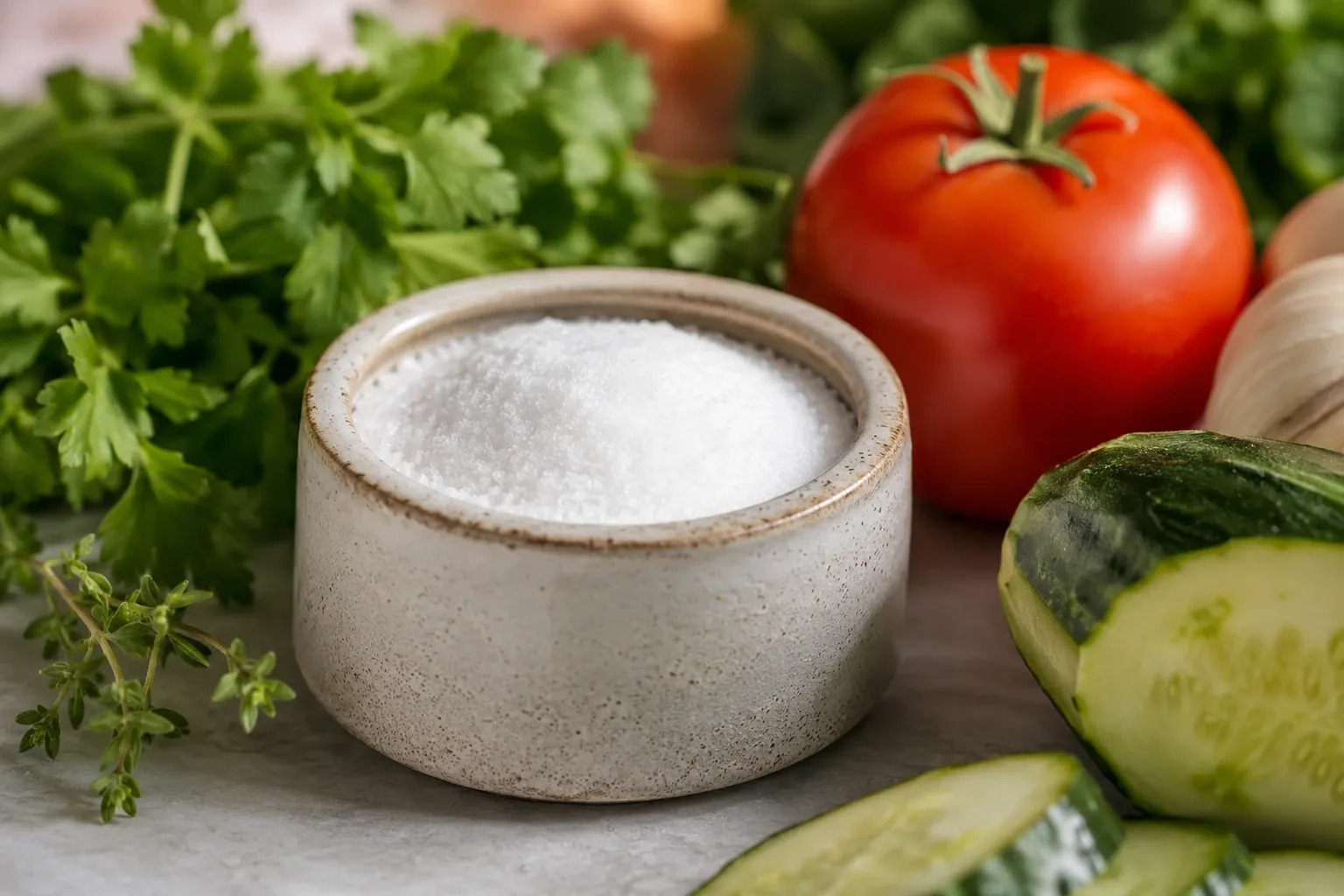
Salt iodization is one of the most important population-level interventions for preventing iodine-deficiency disorders. WHO continues to support universal salt iodization as a central strategy for adequate iodine nutrition. (WHO)
Brazil, for example, requires salt intended for human consumption to be iodized. Current regulations specify 15–45 mg of iodine per kilogram of salt. (Anvisa)
This does not mean people should eat more salt.
WHO recommends that adults consume less than 5 g of salt per day while also advising that the salt used should be iodized. Sodium-reduction policies and iodine-deficiency prevention are intended to work together. (WHO)
Do plant-based milk alternatives provide iodine?
Not automatically.
Soy, almond, oat and other plant-based beverages may contain little iodine unless the manufacturer specifically fortifies them. The NIH notes that many plant-based milk substitutes contain relatively small amounts compared with conventional sources. (ODS)
Replacing dairy with unfortified alternatives can therefore lower iodine intake in populations where dairy products traditionally provide a meaningful share of dietary iodine.
WHO Europe has highlighted this issue as dietary patterns shift away from dairy and fish toward plant-based alternatives that are not always iodine fortified. (WHO)
Do vegetarians and vegans need to pay closer attention?
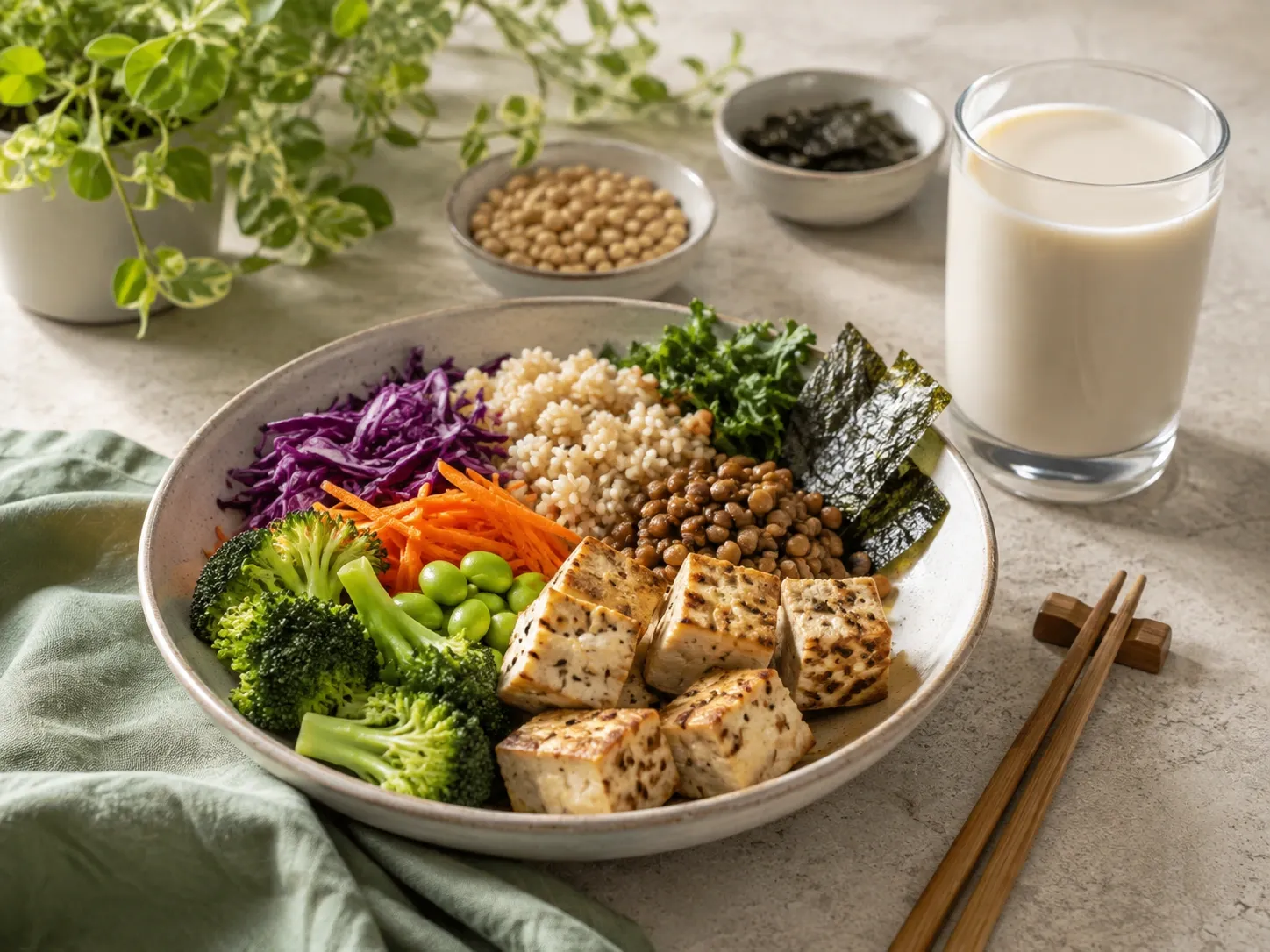
Vegans in particular often do.
A systematic review and meta-analysis published in the British Journal of Nutrition examined iodine nutrition in vegan and vegetarian adults and found the lowest iodine intakes and status indicators among vegan groups. (PubMed)
This makes sense because seafood, dairy products and eggs — several common iodine sources — are excluded from a vegan diet.
The answer is not necessarily to consume large amounts of seaweed. A more predictable strategy is to identify reliable dietary sources, check whether fortified products actually contain iodine and, when diet alone does not appear sufficient, consider professional guidance on supplementation.
What happens when iodine intake is too low?
Significant iodine deficiency reduces the body’s ability to produce adequate thyroid hormones.
Goiter is one of its classic manifestations. Severe deficiency during fetal development and childhood can also cause serious neurological consequences. (ODS)
Widespread salt iodization has dramatically reduced iodine-deficiency disorders in many countries. However, changing food habits can still create vulnerable groups even in places where severe deficiency is no longer common. (WHO)
Can symptoms alone tell me that I am iodine deficient?
No.
Symptoms such as fatigue, weight changes or feeling unusually cold can occur in many different conditions and cannot establish iodine deficiency.
Urinary iodine concentration is valuable for assessing populations, but a single spot urine sample fluctuates too much to serve as a reliable stand-alone diagnosis for an individual. (ODS)
When thyroid dysfunction is suspected, clinical history, dietary assessment and appropriate laboratory testing should be interpreted by a qualified health professional.
Too much iodine can also affect the thyroid
More iodine does not automatically mean better thyroid function.
Excessive intake can alter thyroid hormone production and may trigger either hypothyroidism or hyperthyroidism in susceptible individuals. People with pre-existing thyroid disease can be particularly sensitive. (ODS)
Under the U.S. Dietary Reference Intakes, the tolerable upper intake level for adults is 1,100 µg per day from food and supplements combined. This is a safety ceiling, not a recommended intake target. (ODS)
Very iodine-rich seaweed and concentrated iodine or kelp supplements are among the situations most likely to warrant caution.
Do you need an iodine supplement?
For most people, diet and appropriately fortified foods should be considered first.
Supplements can be useful in selected circumstances, but they are not automatically necessary. WHO, for example, links iodine supplementation recommendations for pregnancy and lactation to the population’s access to adequately iodized salt. (WHO)
Iodine supplements can also interact with certain medications, including some treatments for thyroid disease and cardiovascular conditions. (ODS)
A practical way to get enough iodine without overdoing it
A balanced approach works better than chasing the highest possible iodine intake:
- eat a varied diet;
- include iodine sources that fit your dietary pattern;
- use iodized salt when using salt, without increasing total salt intake;
- check whether plant-based milk alternatives and other substitutes are iodine fortified;
- be cautious with highly concentrated seaweed and supplements;
- seek professional guidance when your dietary pattern or health status increases the risk of inadequacy.
Iodine is a useful reminder that micronutrient nutrition is about adequacy, not maximization.
Conclusion
Iodine is essential because the thyroid requires it to make hormones that support metabolism, growth and neurological development.
For most healthy adults, 150 µg per day is a widely used reference intake. Fish and seafood, eggs, dairy foods and iodized salt are common sources, while some seaweeds can provide extremely high and unpredictable amounts. (ODS)
Salt iodization remains an important public-health measure, but it should coexist with sodium reduction. Getting enough iodine is not a reason to eat more salt. (WHO)
People who exclude several major iodine sources, pregnant or breastfeeding women and individuals with thyroid disease deserve extra attention. When dietary intake may be inadequate, determining the actual need is preferable to automatically taking a supplement.