Is Honey Healthier Than Sugar? What the Evidence Says
Honey has a more complex composition than table sugar, but it is still a source of free sugars. Learn what differs, potential benefits and what really matters.
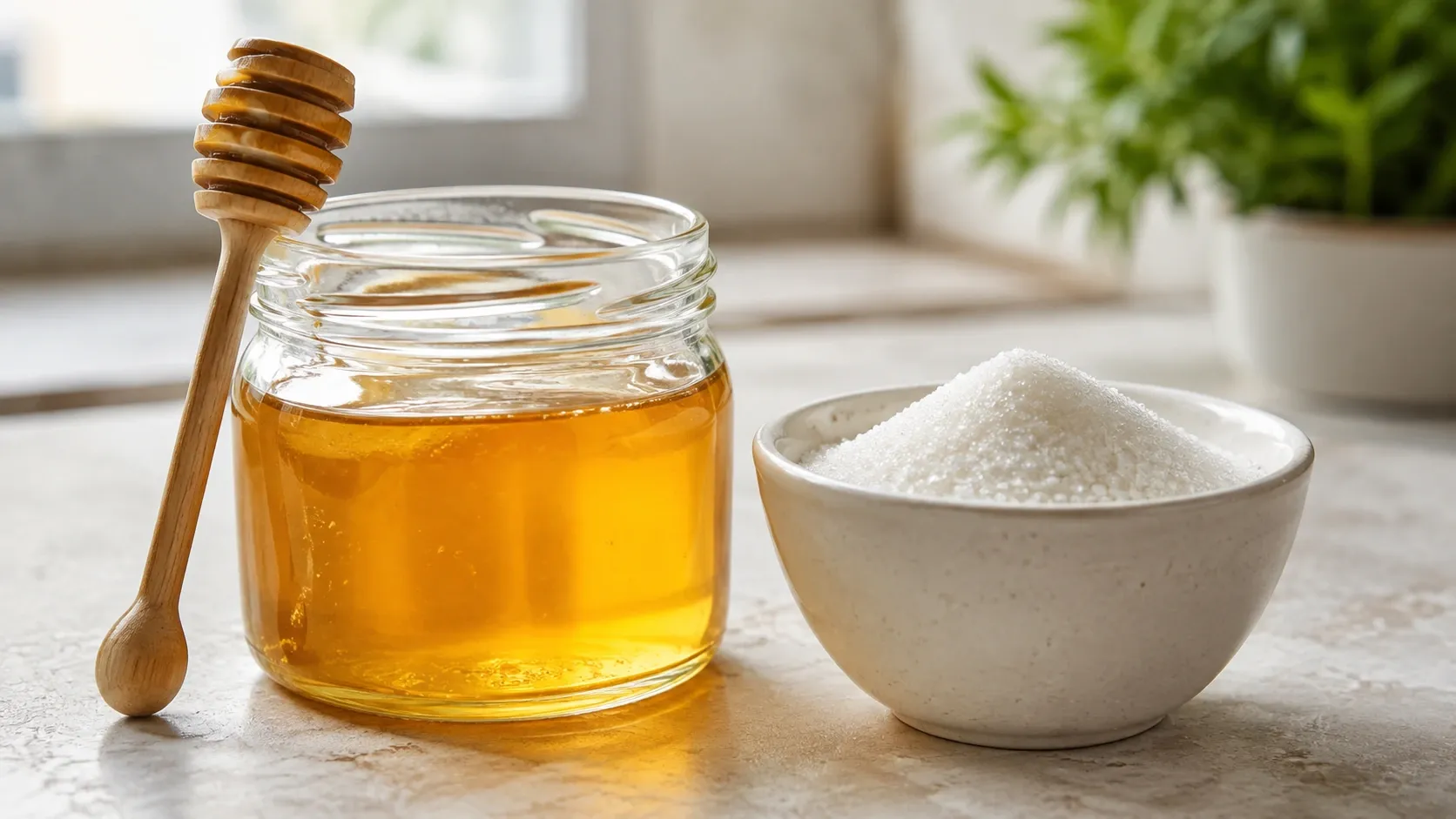
Honey is nutritionally somewhat more interesting than refined table sugar, but the difference is often exaggerated.
Unlike table sugar, which is essentially pure sucrose, honey contains water, glucose, fructose and small amounts of additional compounds. Controlled research has also suggested modest improvements in some cardiometabolic markers under specific conditions. (OUP Academic)
However, one fact should frame the entire comparison: WHO classifies the sugars naturally present in honey as free sugars. (WHO)
So replacing a small amount of table sugar with honey may be reasonable. Treating honey as an unrestricted health food because it is natural is not supported by current evidence.
What is honey made of?
Honey is produced by bees from floral nectar and other plant-derived sources. Its color, flavor and chemical profile vary depending on botanical origin, geography, processing and storage.
Most of its dry matter, however, consists of sugar.
USDA data used in its dietary databases list approximately 82.1 grams of total sugars per 100 grams of honey. (ARS USDA)
Glucose and fructose are the dominant sugars.
Table sugar is different chemically because it consists almost entirely of sucrose, a molecule made from glucose and fructose bonded together.
Once digested, sucrose also supplies glucose and fructose to the body.
Are honey and table sugar basically the same?
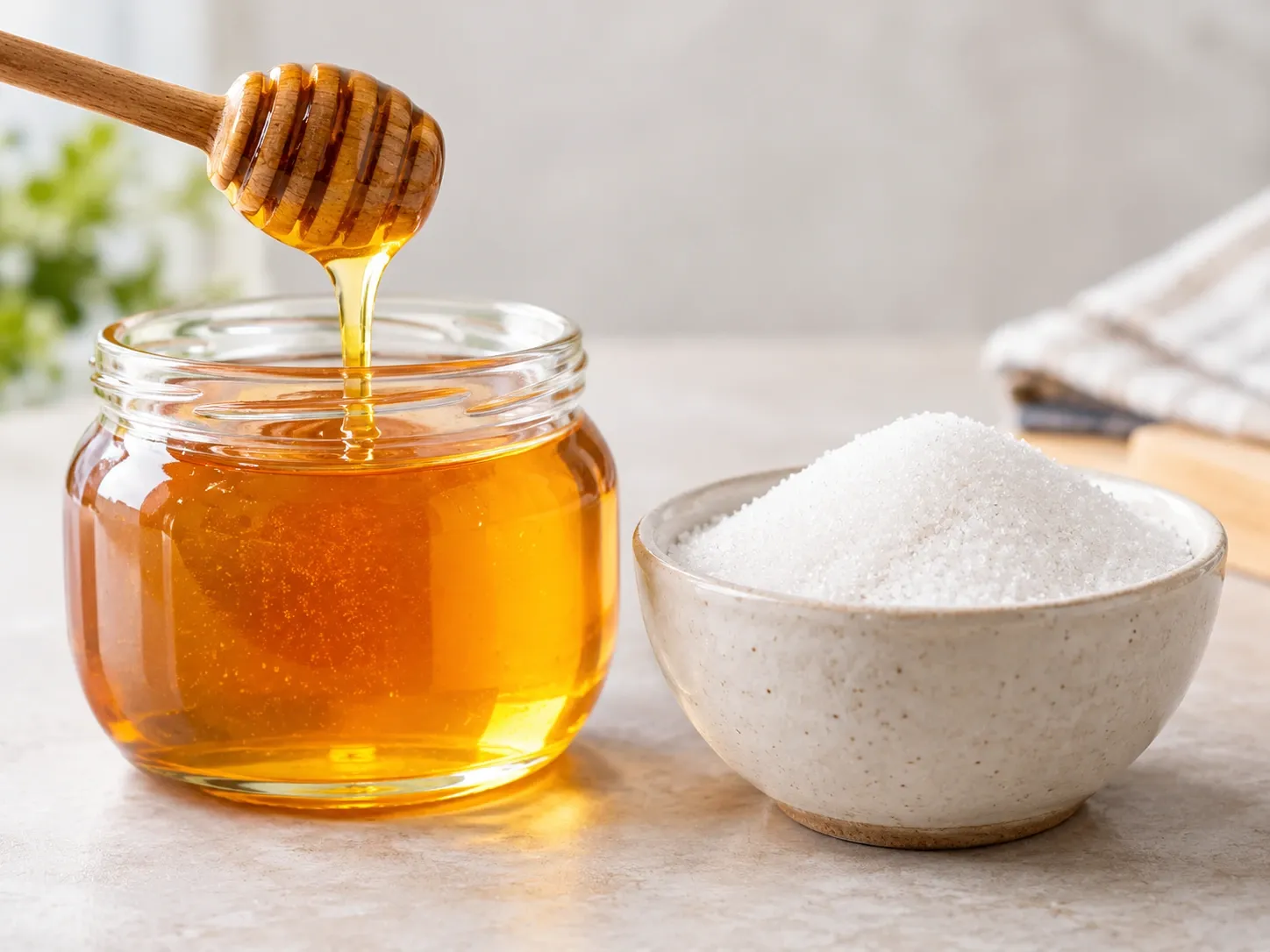
Not exactly, but they share more similarities than many health claims imply.
| Feature | Honey | Table sugar |
|---|---|---|
| Main composition | Glucose, fructose, water and minor compounds | Sucrose |
| Classified as free sugar by WHO | Yes | Yes |
| Provides calories | Yes | Yes |
| Raises blood glucose | Yes | Yes |
| Micronutrients | Small amounts | Nutritionally negligible |
| Bioactive compounds | May contain some | Essentially absent |
| Unlimited consumption recommended | No | No |
Honey is therefore a more complex food matrix, but it remains a concentrated caloric sweetener.
Does the sugar in honey count as free sugar?
Yes.
WHO defines free sugars as sugars added to foods and drinks by manufacturers, cooks or consumers, along with sugars naturally present in honey, syrups, fruit juices and fruit-juice concentrates. (WHO)
This is different from the sugars naturally contained inside the cellular structure of whole fruit.
A whole apple, for example, provides sugars within a food matrix containing fiber, water and intact plant tissue.
Honey does not provide that same structure.
Calling honey sugar “natural” may be chemically correct, but it does not mean the sugar should be ignored nutritionally.
How much free sugar should we eat?
WHO recommends keeping free-sugar intake below 10% of total daily energy intake and suggests reducing it to 5% or less for additional health benefits. (WHO)
For someone eating around 2,000 calories per day:
- 10% is approximately 50 grams of free sugars;
- 5% is approximately 25 grams.
This total includes free sugars from all sources.
Honey, table sugar, syrups, sweetened foods, sugary drinks and sugars in fruit juice all contribute to that total. (WHO)
Does honey contain more nutrients?
Yes, but the difference needs perspective.
Refined table sugar is essentially a source of carbohydrate and energy with virtually no meaningful protein, vitamins or minerals. (ARS USDA)
Honey is chemically more complex and, depending on its origin, may contain small amounts of minerals, organic acids and phenolic compounds.
That makes honey different from pure sucrose.
However, the amount typically used to sweeten tea, yogurt or food is small, meaning the micronutrient contribution is also generally small.
Increasing honey intake simply to obtain more nutrients would also increase free-sugar intake.
Whole fruit, vegetables, nuts, seeds and legumes are much more efficient sources of vitamins, minerals and bioactive compounds.
Does honey contain antioxidants?
Many types of honey contain phenolic and other potentially bioactive compounds.
Their concentration can vary substantially according to floral source and processing.
This variability is also visible in clinical research. A systematic review and meta-analysis found differences in cardiometabolic outcomes according to honey type and processing, with certain raw and single-floral honeys showing more favorable results. (OUP Academic)
This is scientifically interesting, but it does not establish honey as a powerful antioxidant supplement or disease-prevention food.
Bioactive compounds represent one potential advantage over refined sugar, not a reason to disregard honey’s sugar content.
Can honey improve cholesterol and blood glucose?
The evidence is intriguing but not conclusive.
A 2023 meta-analysis evaluated 18 controlled trials with 33 comparisons and 1,105 participants. Median honey intake was around 40 grams per day over approximately eight weeks. (OUP Academic)
Pooled results suggested modest improvements in several markers, including:
- fasting glucose;
- total cholesterol;
- LDL cholesterol;
- fasting triglycerides.
HDL cholesterol also increased.
However, results varied with floral source and processing, certainty differed across outcomes, and some inflammatory markers increased. (PubMed Central (PMC))
This is therefore not evidence that adding large amounts of honey to a diet improves health.
The more reasonable interpretation is that honey may offer modest advantages when it replaces other free sugars within an otherwise healthy dietary pattern. (OUP Academic)
Does honey raise blood sugar less than table sugar?
Sometimes, but the difference is not predictable enough to make honey a free-choice sweetener for people managing blood glucose.
Some small studies have reported a lower immediate glycemic response to honey than sucrose. (PubMed)
Yet another controlled study compared carbohydrate from honey, sucrose and high-fructose corn syrup over 14 days and found broadly similar metabolic effects among the three sweeteners in both glucose-tolerant and glucose-intolerant participants. (PubMed)
The practical conclusion is straightforward:
honey contains sugars that can raise blood glucose.
Is honey better for diabetes?
Honey should not be considered a sugar-free or metabolically neutral sweetener.
Its carbohydrates still need to be considered within a person’s total meal plan.
The glycemic effect can depend on factors including:
- portion size;
- other foods in the meal;
- total carbohydrate intake;
- insulin treatment;
- medications;
- physical activity;
- individual glucose control.
Replacing table sugar with honey does not eliminate the need to manage carbohydrates.
Is honey less fattening than sugar?
There is no special property in honey that prevents weight gain.
Total energy intake remains important.
Honey contains water, so its sugar concentration by weight is lower than pure granulated sugar. USDA data list approximately 82.1 grams of sugars per 100 grams of honey, whereas table sugar is essentially sugar itself. (ARS USDA)
However, spoon-for-spoon comparisons are less straightforward because honey is dense and serving weights differ.
If someone begins using much larger quantities because honey is perceived as healthy, any small advantage can disappear quickly.
Is honey a weight-loss food?
There is not enough evidence to recommend honey as a weight-loss strategy.
If someone uses a smaller amount of honey than the amount of table sugar they previously consumed, total sugar intake might decrease.
But that depends entirely on actual portions.
For weight management, factors such as overall calorie intake, protein, fiber, minimally processed foods, physical activity, sleep and long-term dietary adherence matter much more than choosing between honey and sucrose.
What about dental health?
Natural does not mean tooth-friendly.
WHO describes a clear relationship between free-sugar consumption and dental caries. Oral bacteria metabolize these sugars and produce acids that gradually demineralize tooth structure. (WHO)
Because sugars naturally present in honey count as free sugars, honey contributes to this process as well.
Frequency matters too. Repeated exposure to honey-sweetened drinks or snacks throughout the day can expose teeth to fermentable sugars many times.
Is raw honey better?
Raw honey is generally less processed, although commercial definitions can vary.
The 2023 meta-analysis observed some more favorable findings in subgroups consuming unprocessed honey and specific floral varieties. (PubMed)
The evidence does not yet establish that:
- every raw honey has the same effects;
- benefits persist for years;
- changes in laboratory markers reduce heart attacks or other clinical events;
- one specific compound explains the apparent advantages.
“Raw” should therefore not be interpreted as meaning sugar-free, medicinal or metabolically neutral.
Is organic honey automatically healthier?
No.
Labels such as organic, raw, artisanal and natural may provide useful information about production or processing, but they do not eliminate the sugars in honey.
Even high-quality honey remains a concentrated source of carbohydrates.
That does not make honey inherently unhealthy.
It simply means product quality and appropriate serving size are separate questions.
Is there a real benefit to replacing sugar with honey?
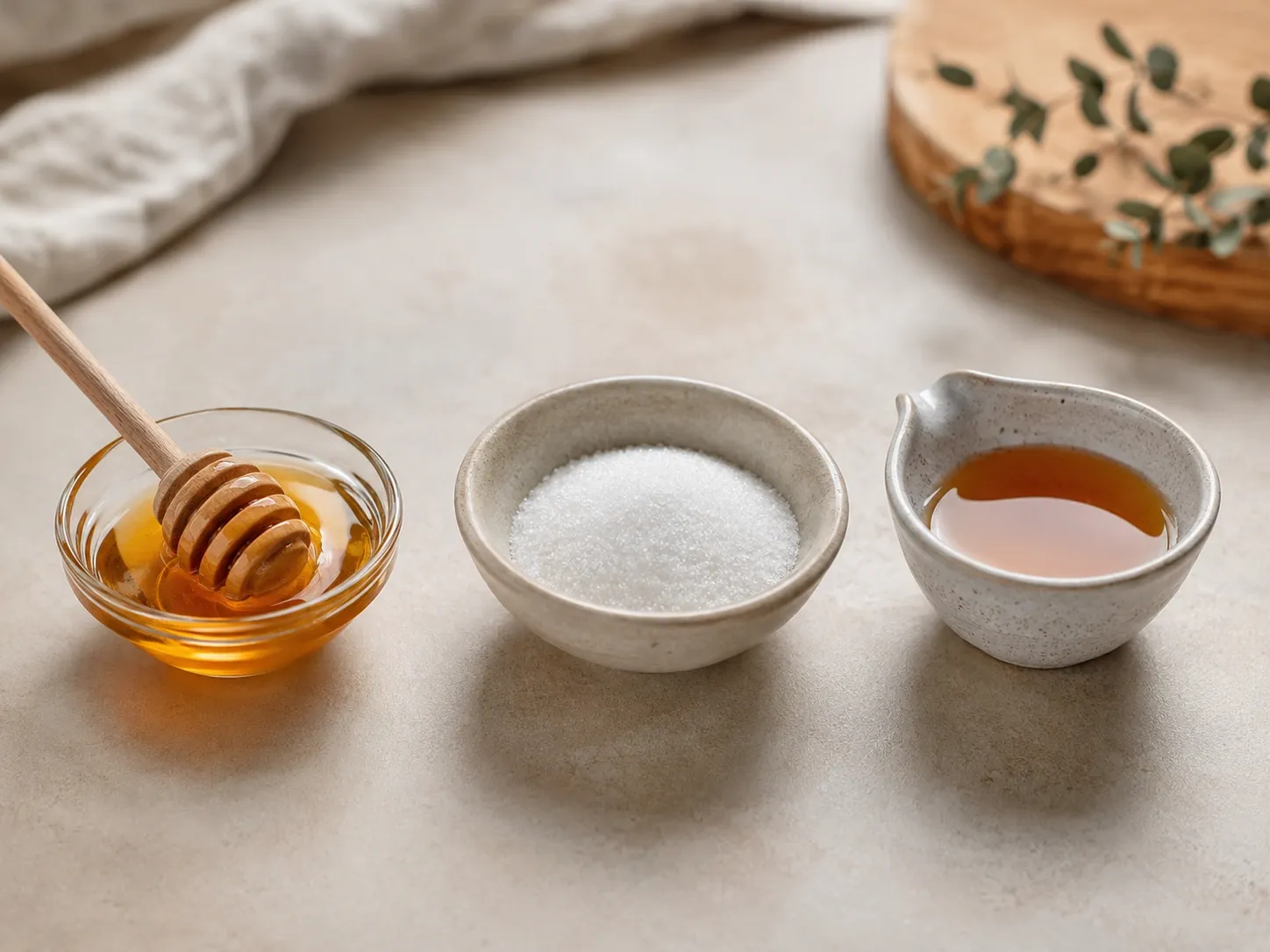
Potentially, yes.
If the comparison is:
the same diet plus refined sugar
versus
the same diet with a moderate amount of honey replacing that sugar,
honey may provide a modest advantage because of its more complex composition and the favorable cardiometabolic effects reported in some trials. (OUP Academic)
However, there is a much larger nutritional difference between:
a diet high in free sugars
and
a diet low in free sugars and rich in minimally processed foods.
That distinction matters much more for long-term health.
Can honey replace fruit?
No.
Whole fruit provides fiber, water, vitamins, minerals and a broad range of phytochemicals.
Its sugars also remain within the intact food matrix and are not classified by WHO in the same way as the free sugars in honey. (WHO)
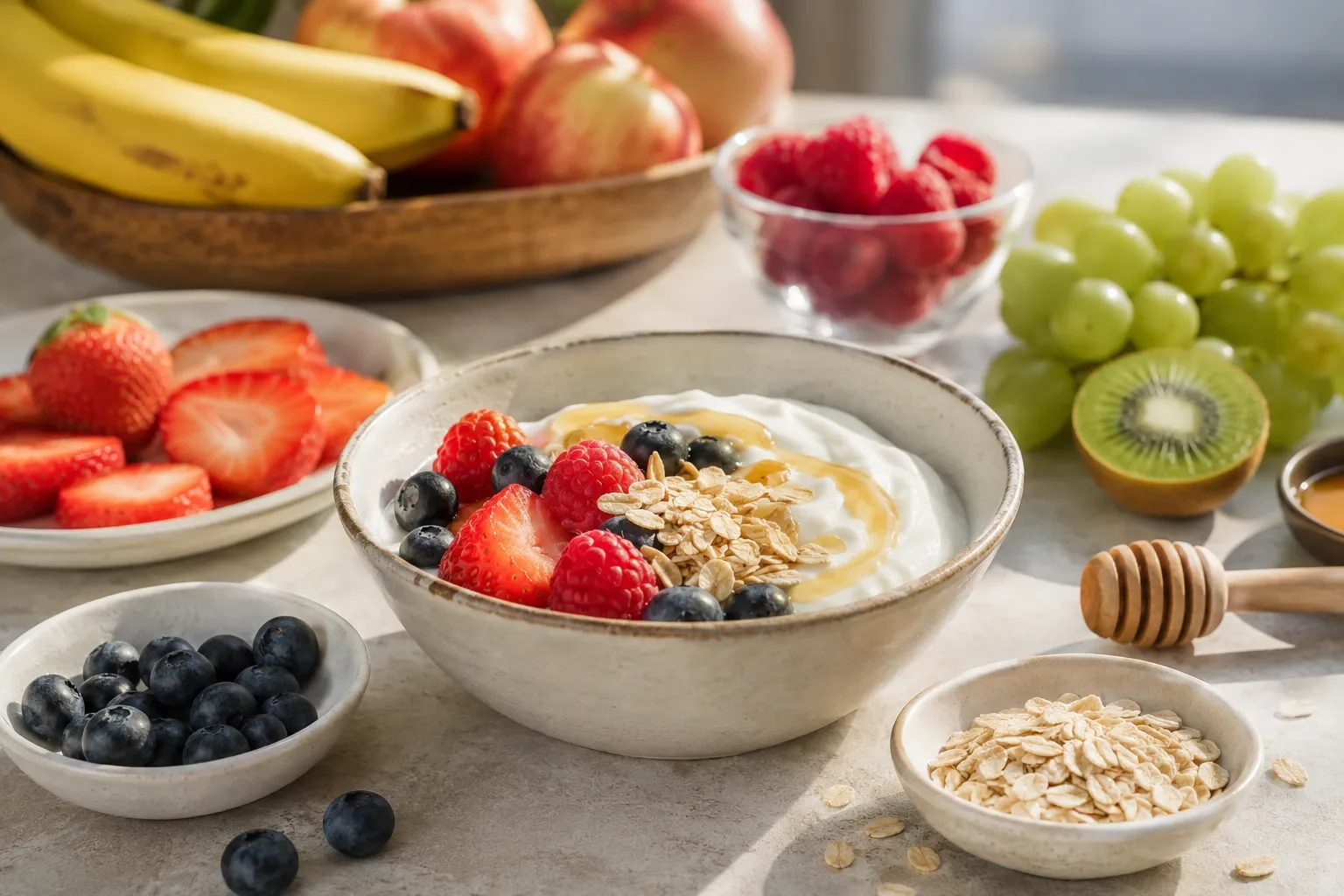
Adding honey to yogurt and adding whole berries are therefore not nutritionally equivalent choices.
Who should never eat honey?
The most important absolute restriction applies to infants under 12 months of age.
The CDC states that honey should not be given to babies before their first birthday because it may contain Clostridium botulinum spores. In infants, these spores can colonize the intestine and produce the toxin responsible for infant botulism. (CDC)
This applies to:
- plain honey;
- honey mixed into foods;
- honey in water;
- honey added to infant formula;
- honey-containing pacifiers.
How can honey fit into a healthy diet?
If you enjoy honey, there is no need to treat it as forbidden.
A useful approach is to think of honey as a sweetener, rather than a dietary supplement.
In practice:
- use modest amounts;
- count it toward total free-sugar intake;
- avoid automatically adding it to foods that are already sweet;
- do not increase portions simply because honey is natural;
- choose whole fruit when the goal is to obtain fiber, vitamins and phytochemicals.
The overall dietary pattern remains much more important than any single spoonful of honey.
So which is better: honey or sugar?
If those are the only two options, honey has a modest nutritional advantage.
It has a more complex composition, and controlled research suggests possible small metabolic benefits under certain conditions. (OUP Academic)
But the advantage is not large enough to change the fundamental recommendation:
honey is still a concentrated source of free sugars and should be consumed in moderation. (WHO)
For health, reducing the overall amount of free sugar in the diet is generally more meaningful than trying to find the perfect caloric sweetener.
Conclusion
Honey is somewhat more nutritionally interesting than refined table sugar, but it is still a free-sugar source.
Its mixture of glucose, fructose, water and minor bioactive compounds makes it different from pure sucrose, and some controlled studies suggest modest cardiometabolic advantages when honey replaces other sugars. The evidence, however, varies by honey type and processing and does not justify treating honey as a therapeutic food. (PubMed)
WHO explicitly includes honey within its recommendation to keep free sugars below 10% of total energy intake, with 5% or less suggested for additional health benefits. (WHO)
If you prefer honey, using a small amount instead of table sugar is reasonable. The more important dietary improvement, however, is often reducing how frequently foods need to be sweetened in the first place.