DASH Diet: How It Works and Who It May Be For
The DASH diet emphasizes nutrient-dense foods while limiting sodium and saturated fat. Learn how it works, what the evidence says about blood pressure, and when it may need to be modified.
The DASH diet was developed with a specific goal: helping people lower their blood pressure. It has since become widely used as a heart-healthy eating pattern and is included among lifestyle strategies recommended for preventing and managing elevated blood pressure. (NHLBI, NIH)
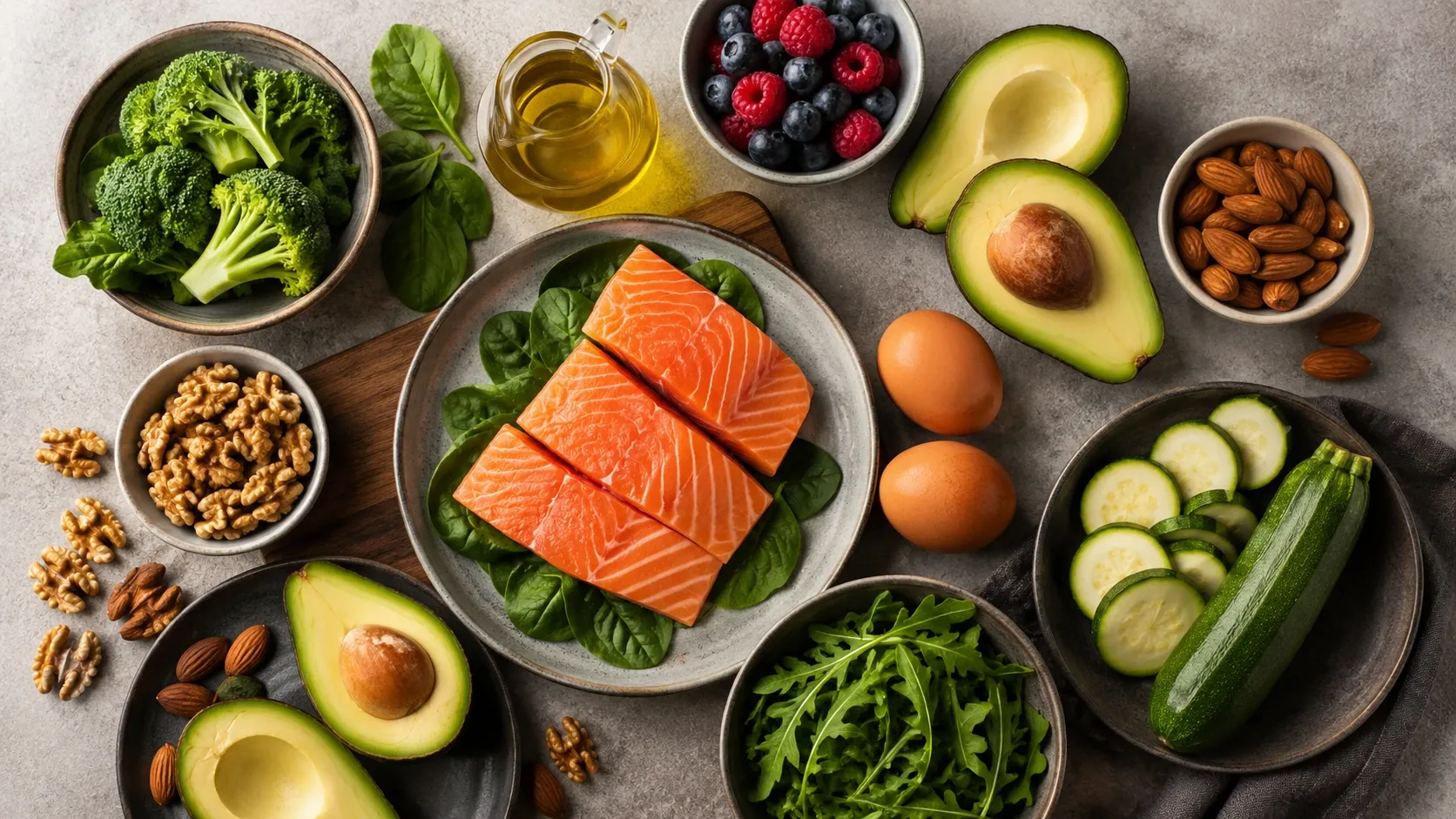
Despite the word “diet,” DASH is not a rigid menu and does not require special foods. It is a broader eating pattern that emphasizes nutrient-dense foods while reducing sodium, saturated fat, sugary drinks and sweets. (NHLBI, NIH)
What does DASH mean?
DASH stands for Dietary Approaches to Stop Hypertension.
It was developed through research supported by the U.S. National Heart, Lung, and Blood Institute. Early DASH trials showed that an eating pattern rich in fruits, vegetables and low-fat dairy and lower in saturated and total fat could meaningfully reduce blood pressure. (PubMed)
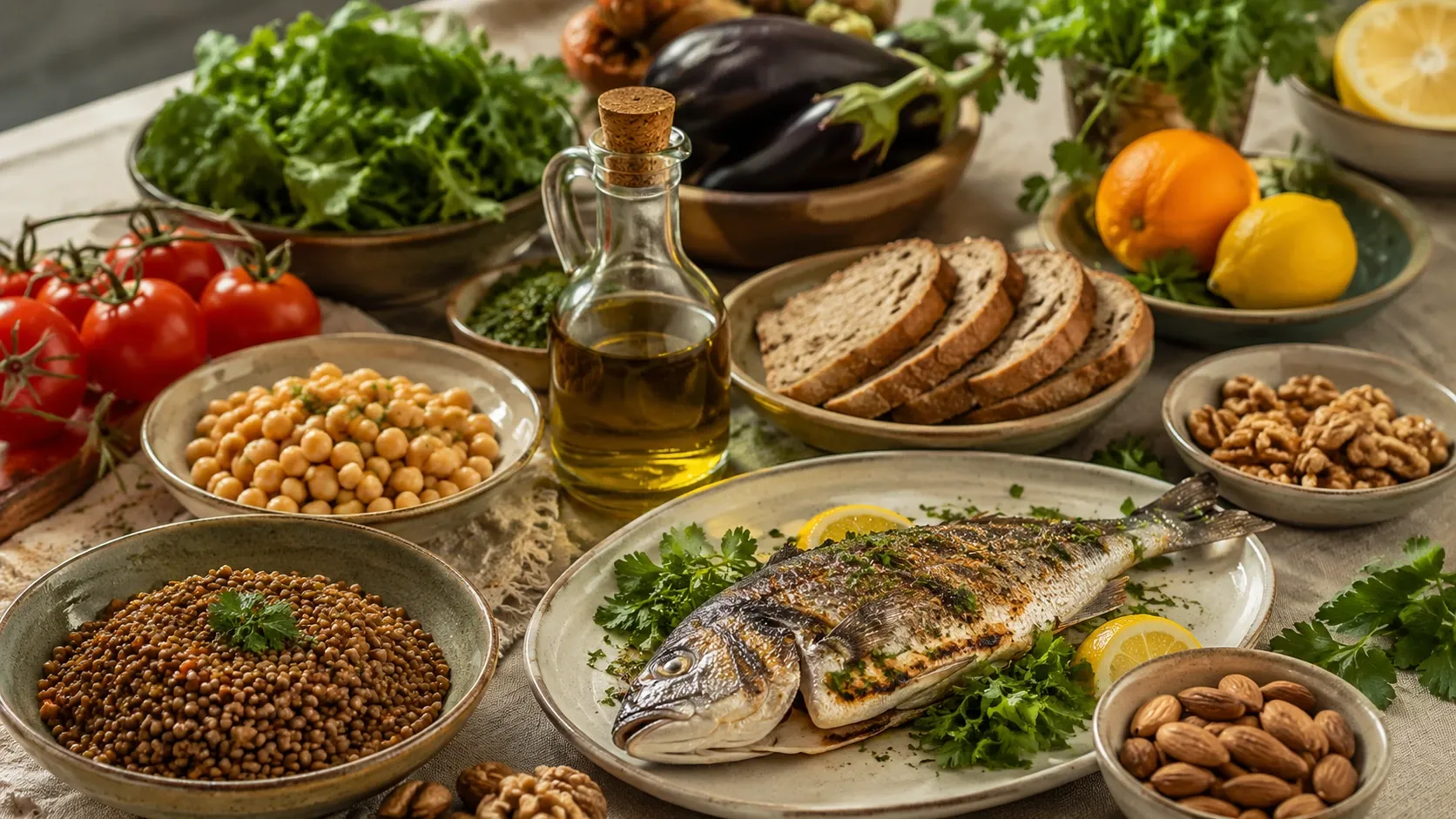
The eating pattern emphasizes:
- vegetables;
- fruits;
- whole grains;
- beans and other legumes;
- nuts and seeds;
- low-fat or fat-free dairy;
- fish;
- poultry;
- vegetable oils.
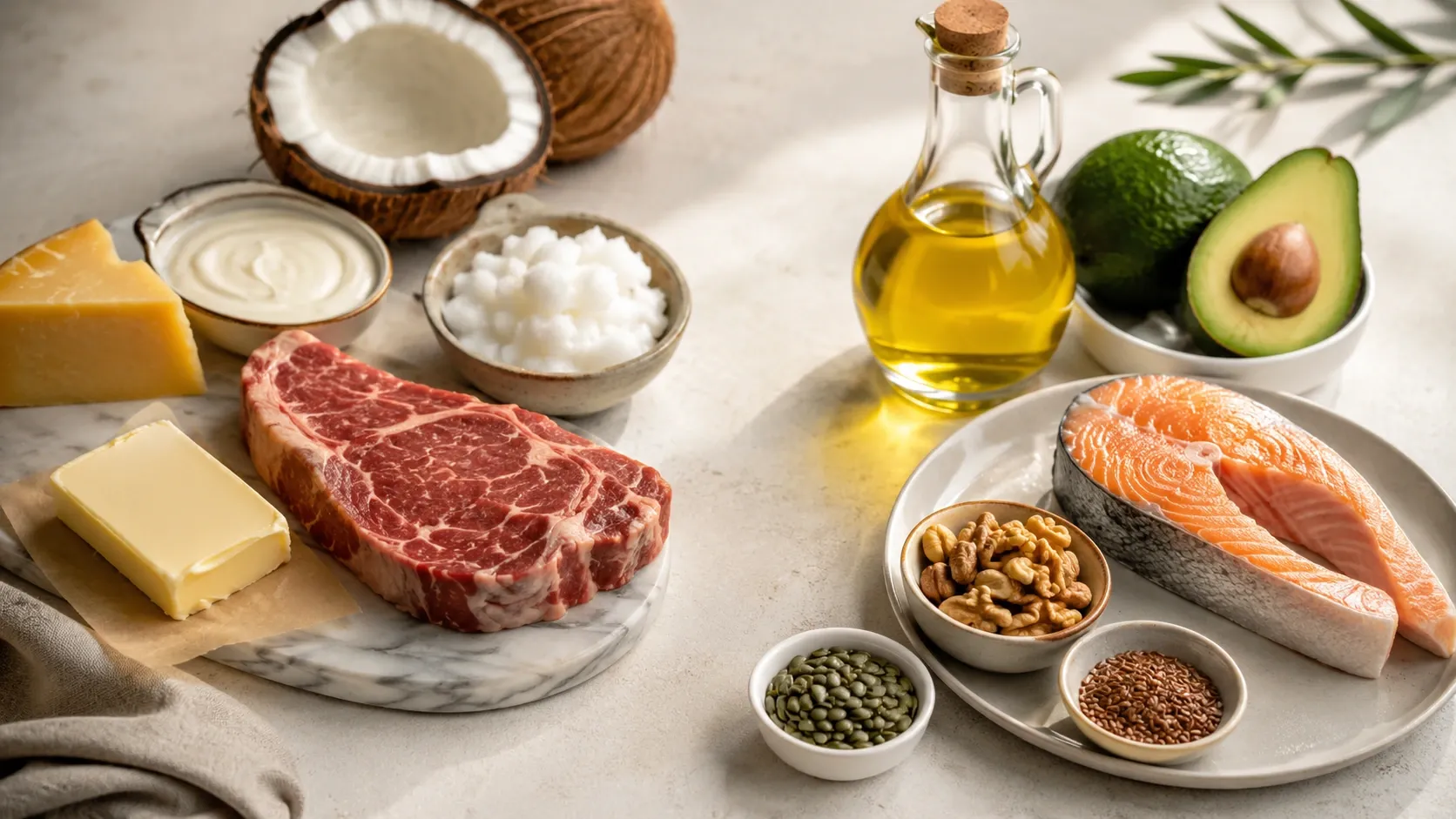
Foods high in saturated fat, fatty meats, full-fat dairy, sugary beverages, sweets and excessive sodium are limited. (NHLBI, NIH)
How does the DASH diet work?
DASH does not depend on one “blood-pressure-lowering food.”
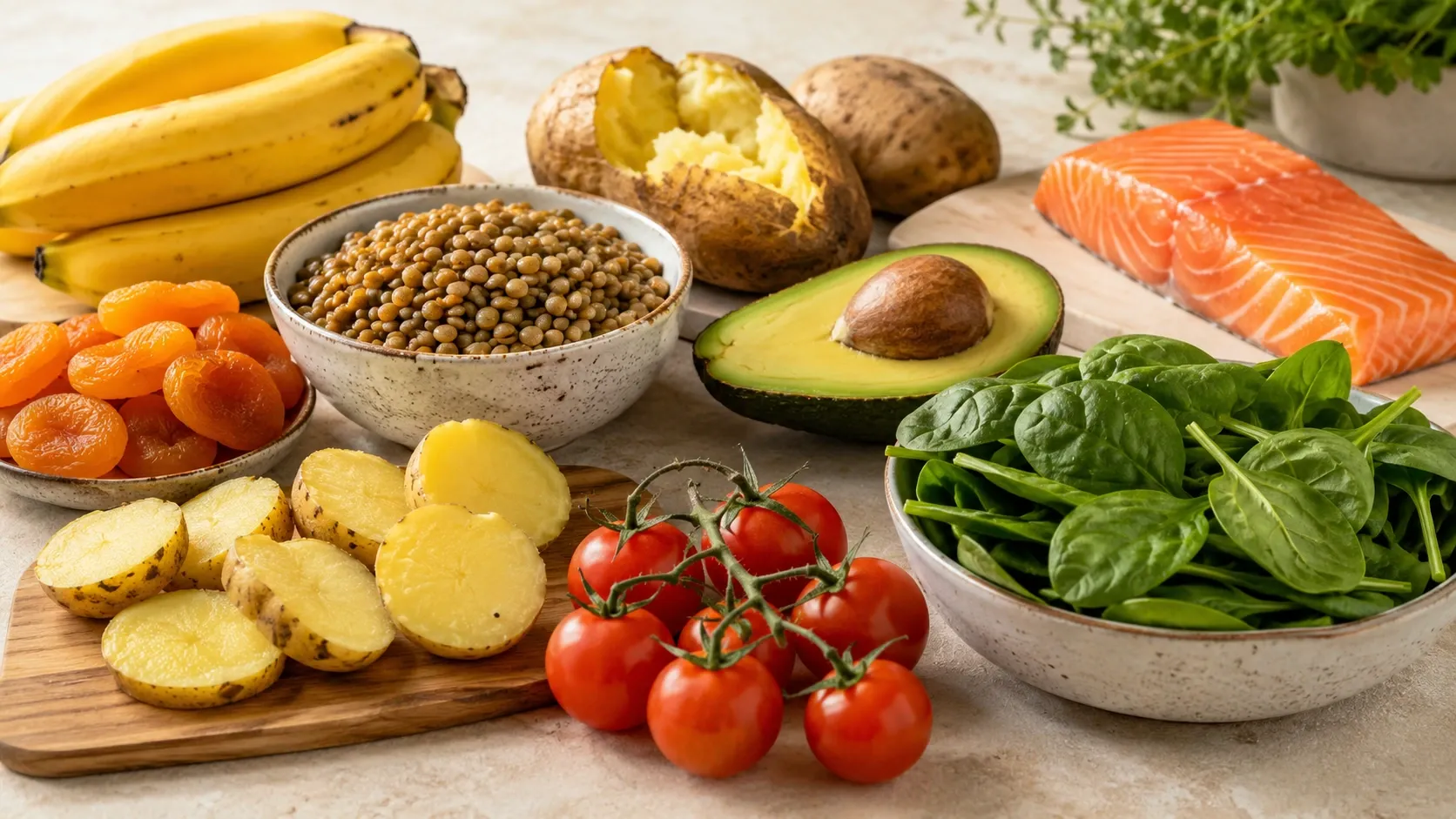
Instead, the overall eating pattern provides more potassium, calcium, magnesium, fiber and protein while keeping sodium and saturated fat relatively low. (NHLBI, NIH)
Sodium reduction is particularly relevant because high sodium intake raises blood pressure, while reducing sodium can lower it. (World Health Organization)
Diet quality and sodium reduction can also work together. In the DASH-Sodium trial, DASH lowered blood pressure across different sodium-intake levels, while reducing sodium further produced additional blood-pressure benefits. (PubMed)
How much can DASH lower blood pressure?
Blood-pressure reduction is the best-established benefit of the DASH diet.
A 2020 systematic review and meta-analysis evaluated 30 randomized controlled trials involving 5,545 adults with and without hypertension. Compared with control diets, DASH reduced systolic blood pressure by an average of approximately 3.2 mmHg and diastolic blood pressure by approximately 2.5 mmHg. The certainty of evidence for both outcomes was rated moderate. (PubMed)
These numbers are averages rather than guarantees. Individual responses vary according to factors including baseline blood pressure, sodium intake, study conditions and adherence. (PubMed)
How much sodium does DASH allow?
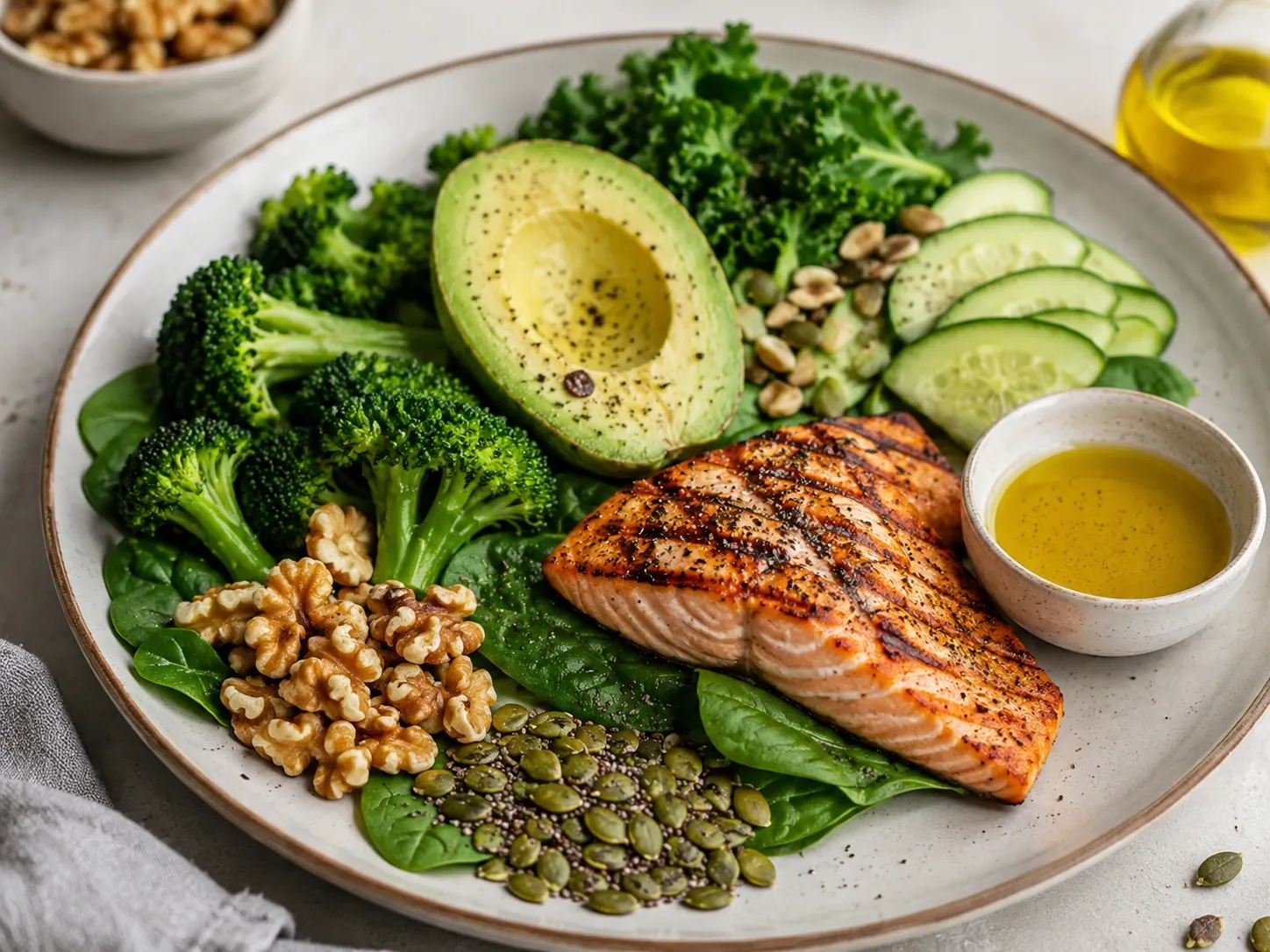
For a reference 2,000-calorie eating plan, the NHLBI lists 2,300 mg of sodium per day and notes that reducing intake to 1,500 mg per day can lower blood pressure further. (NHLBI, NIH)
Sodium and salt are not the same measurement. The World Health Organization recommends that adults consume less than 2,000 mg of sodium per day, equivalent to less than 5 g of salt. (World Health Organization)
These figures come from different reference frameworks and should not be interpreted as a single universal prescription. People being treated for hypertension, kidney disease, heart failure or other medical conditions may require an individualized target.
Cutting sodium is about more than the salt shaker
In many populations, a substantial portion of sodium comes from commercially processed foods rather than salt added at the table. Bread, processed meats, salty snacks, instant foods and sauces can all contribute. (World Health Organization)
Practical strategies include cooking more often with fresh or minimally processed ingredients, comparing sodium content between similar products, using herbs and spices for flavor and reducing highly salted convenience foods.
Potassium-based salt substitutes require additional caution. They can be inappropriate for people with kidney disease or those taking certain medications that affect potassium levels. (American Heart Association)
What foods are included in DASH?
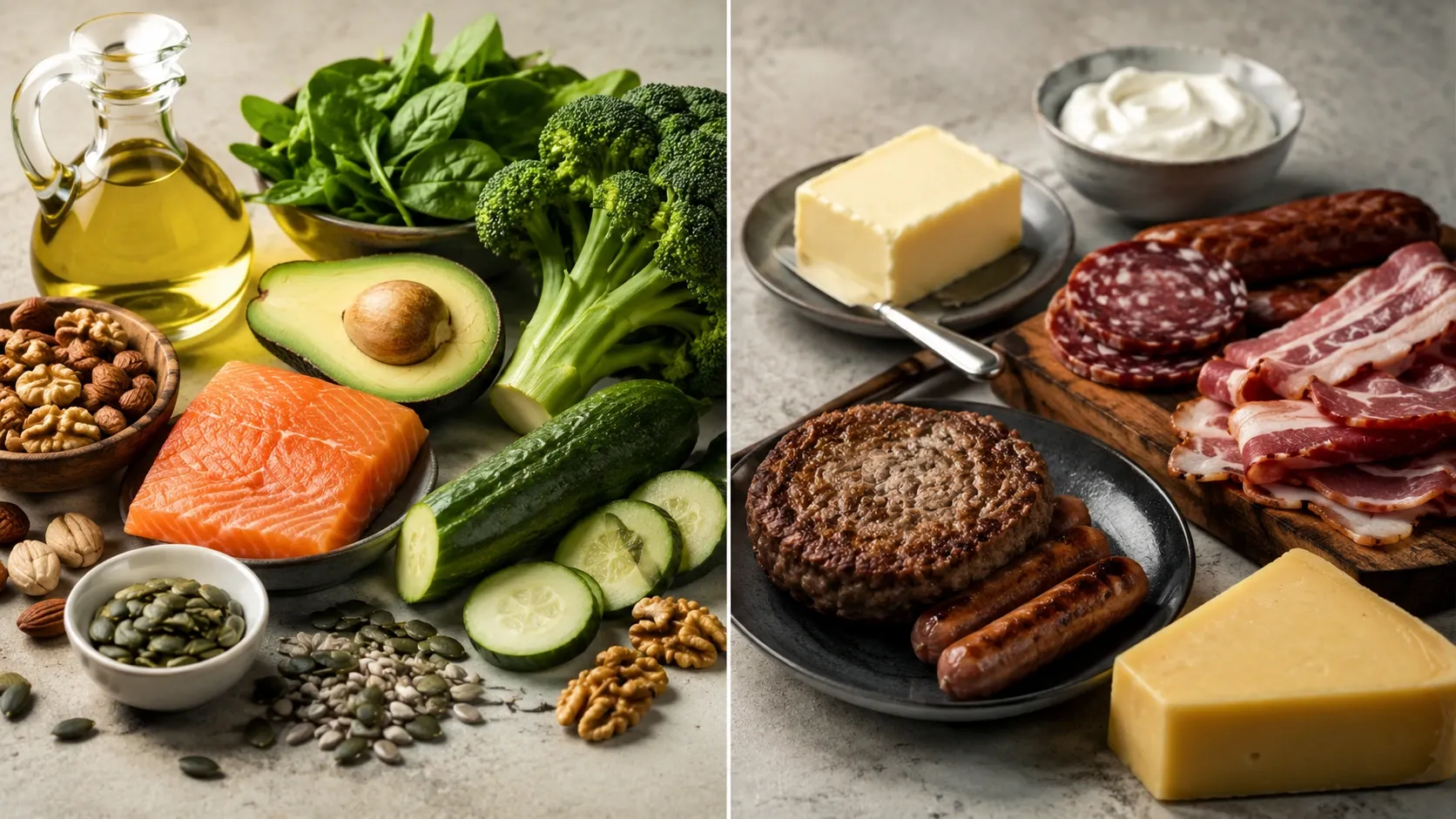
Portion targets vary according to calorie requirements. For an approximately 2,000-calorie daily plan, NHLBI provides the following reference pattern: (NHLBI, NIH)
| Food group | DASH reference |
|---|---|
| Grains | 6–8 servings/day |
| Vegetables | 4–5 servings/day |
| Fruits | 4–5 servings/day |
| Low-fat or fat-free dairy | 2–3 servings/day |
| Meat, poultry and fish | 6 servings/day or less |
| Fats and oils | 2–3 servings/day |
| Nuts, seeds, dry beans and peas | 4–5 servings/week |
| Sweets | 5 servings/week or less |
| Sodium | 2,300 mg/day in the NHLBI reference plan |
This table is a general framework, not a personalized prescription. Energy requirements and portion sizes vary according to body size, activity level, age, health status and individual goals. (NHLBI, NIH)
What might a DASH-style day look like?
A DASH-inspired breakfast might combine oatmeal, fruit, low-fat milk or yogurt and unsalted nuts.
Lunch could include whole grains, beans, plenty of vegetables and a lean protein such as fish or poultry.
A snack might pair fruit with plain yogurt or unsalted nuts, while dinner can revolve around vegetables, legumes, whole grains and an appropriate protein source.
The point is not to reproduce a fixed menu, but to consistently build meals around the food groups emphasized by the DASH pattern. (NHLBI, NIH)
Who may benefit from the DASH diet?

People with elevated blood pressure or hypertension
This is the population most directly connected to the evidence behind DASH.
The 2025 U.S. high blood pressure guideline includes a heart-healthy eating pattern such as DASH among recommended lifestyle strategies for preventing and managing elevated blood pressure. (American Heart Association)
Dietary changes may be combined with physical activity, weight management where appropriate and medication when clinically indicated.
People seeking a heart-healthy eating pattern
A person does not necessarily need to have hypertension to use DASH principles.
Its emphasis on vegetables, fruits, whole grains, legumes, nuts and healthier protein sources makes it a broader heart-healthy eating framework according to NHLBI guidance. (NHLBI, NIH)
People managing excess weight
DASH can also be incorporated into a weight-management strategy, but it is not inherently a weight-loss diet.
A meta-analysis found modestly greater weight loss in DASH interventions, particularly when calorie restriction was part of the program. (PubMed)
Total calorie intake, physical activity, adherence and individual factors remain important in determining changes in body weight.
Does DASH prevent heart attacks and strokes?
This requires an important distinction between improving cardiovascular risk factors and proving that a diet prevents cardiovascular events.
DASH has convincing evidence for reducing blood pressure, an important cardiovascular risk factor. (PubMed)
However, a 2025 Cochrane review found only five eligible randomized trials involving 1,397 participants when assessing medium- and long-term cardiovascular prevention. The evidence was insufficient to determine whether DASH itself reduces heart attacks, strokes, cardiovascular mortality or all-cause mortality. (Cochrane)
The most accurate conclusion is therefore that DASH improves important cardiovascular risk factors, while stronger long-term trials are still needed to establish its direct effects on major cardiovascular events.
Who should be cautious with DASH?
DASH is based largely on ordinary foods, but the standard version is not ideal for every medical condition.
Chronic kidney disease
Many fruits, vegetables, legumes and dairy foods included in DASH are naturally high in potassium.
Guidance for chronic kidney disease notes that DASH-type diets may not be appropriate in advanced CKD or other conditions associated with a high risk of hyperkalemia. (American College of Cardiology)
This does not mean that everyone with kidney disease needs to avoid plant foods. It means that food choices and nutrient targets should be matched to kidney function, laboratory values and the individual’s treatment plan.
Medications that affect potassium
Some medications used for hypertension and cardiovascular disease can increase blood potassium.
The American Heart Association advises people with kidney disease or those taking medicines that affect potassium to speak with their health professional before substantially increasing potassium intake or using potassium-based salt substitutes. (American Heart Association)
Other individual nutritional needs
Food allergies, intolerances, pregnancy, metabolic conditions, eating-disorder history and other medical circumstances may require modifications.
DASH is best viewed as an adaptable dietary framework rather than a mandatory menu that should look identical for everyone.
Can DASH replace blood pressure medication?
No.
Dietary improvements are an important part of hypertension management, but current guidance recognizes that many people also need medication. (American Heart Association)
If blood pressure improves after lifestyle changes, medication adjustments should be made by the clinician responsible for treatment. Antihypertensive medication should not be stopped without medical guidance.
How can you start following DASH?
Changing an entire diet overnight is not necessary.
A practical approach is to identify the largest differences between your current eating habits and the DASH pattern. One person may need to eat more vegetables, while another may benefit most from reducing processed meats, salty convenience foods or sugary drinks.
Possible first steps include:
- adding vegetables to lunch and dinner;
- eating fruit regularly in place of some sweets;
- choosing whole grains more often;
- including beans and other legumes regularly;
- choosing unsalted nuts and seeds;
- gradually reducing high-sodium packaged foods;
- using herbs, spices, garlic and citrus to add flavor with less salt.
A gradual transition can make the eating pattern easier to adapt to personal preferences, culture and everyday routines.
Conclusion
The DASH diet is one of the best-studied dietary patterns for lowering blood pressure. It emphasizes vegetables, fruits, whole grains, legumes, nuts, low-fat dairy and lean protein sources while limiting sodium, saturated fat and added sugars. (NHLBI, NIH)
Evidence supporting its blood-pressure-lowering effect is consistent, and sodium reduction can strengthen that effect. However, current randomized evidence is not sufficient to conclude that DASH alone prevents heart attacks, strokes or cardiovascular death over the long term. (PubMed)
For people with elevated blood pressure or hypertension, DASH can be a valuable part of a broader treatment strategy. People with kidney disease, potassium abnormalities or medications that affect potassium should seek individualized guidance before making major dietary changes or using potassium-based salt substitutes. (American College of Cardiology)
This article is for educational purposes and does not replace individualized medical or nutritional assessment, diagnosis or treatment.