Ketogenic Diet: How It Works and What the Risks Are
The ketogenic diet severely restricts carbohydrates to induce ketosis. Learn how it works, what research says about weight loss, and which health risks deserve attention.

The ketogenic diet severely restricts carbohydrates while making fat the predominant source of dietary energy. Its metabolic goal is to induce ketosis, a state in which the liver increases production of ketone bodies that can be used as an alternative fuel. (Harvard T.H. Chan)
The diet can lead to weight loss and favorable changes in some metabolic markers, but it also comes with trade-offs. Constipation, difficulty maintaining the diet, lower fiber and micronutrient intake, and increased LDL cholesterol in some individuals are important concerns. Questions also remain about the consequences of maintaining a ketogenic diet for many years. (BMC Medicine)
What is a ketogenic diet?
There is no single standardized ketogenic diet. Common versions may derive approximately 70–80% of calories from fat, 5–10% from carbohydrates, and 10–20% from protein. Carbohydrate intake is frequently restricted to under 50 g per day, although protocols differ. (Harvard T.H. Chan)
This is much more restrictive than simply cutting back on soft drinks, sweets, or refined flour. Achieving such a low carbohydrate intake typically also requires limiting nutrient-rich carbohydrate-containing foods such as whole grains, legumes, and many fruits. (Harvard T.H. Chan)
How does the ketogenic diet work?
Under ordinary dietary conditions, glucose from carbohydrates is an important source of energy. When carbohydrate intake becomes extremely low, glycogen stores decline and insulin levels generally fall. The body increases its reliance on fat, and the liver converts fatty acids into compounds called ketone bodies. (Harvard T.H. Chan)
Ketones can then provide fuel for several tissues, including the brain. This metabolic shift is what defines nutritional ketosis.
Ketosis is not ketoacidosis
Detecting ketones does not automatically mean someone is experiencing a medical emergency. In metabolically healthy people, nutritional ketosis is generally regulated, with insulin helping prevent uncontrolled ketone production. (Harvard T.H. Chan)
Diabetic ketoacidosis, however, involves excessive ketone production and metabolic acidosis and can be life-threatening. It is especially relevant to people with type 1 diabetes. The ADA’s 2026 Standards also advise avoiding very-low-carbohydrate eating plans in people taking SGLT2 inhibitors because of the risk of ketoacidosis. (Diabetes Care)
What foods are eaten on a ketogenic diet?
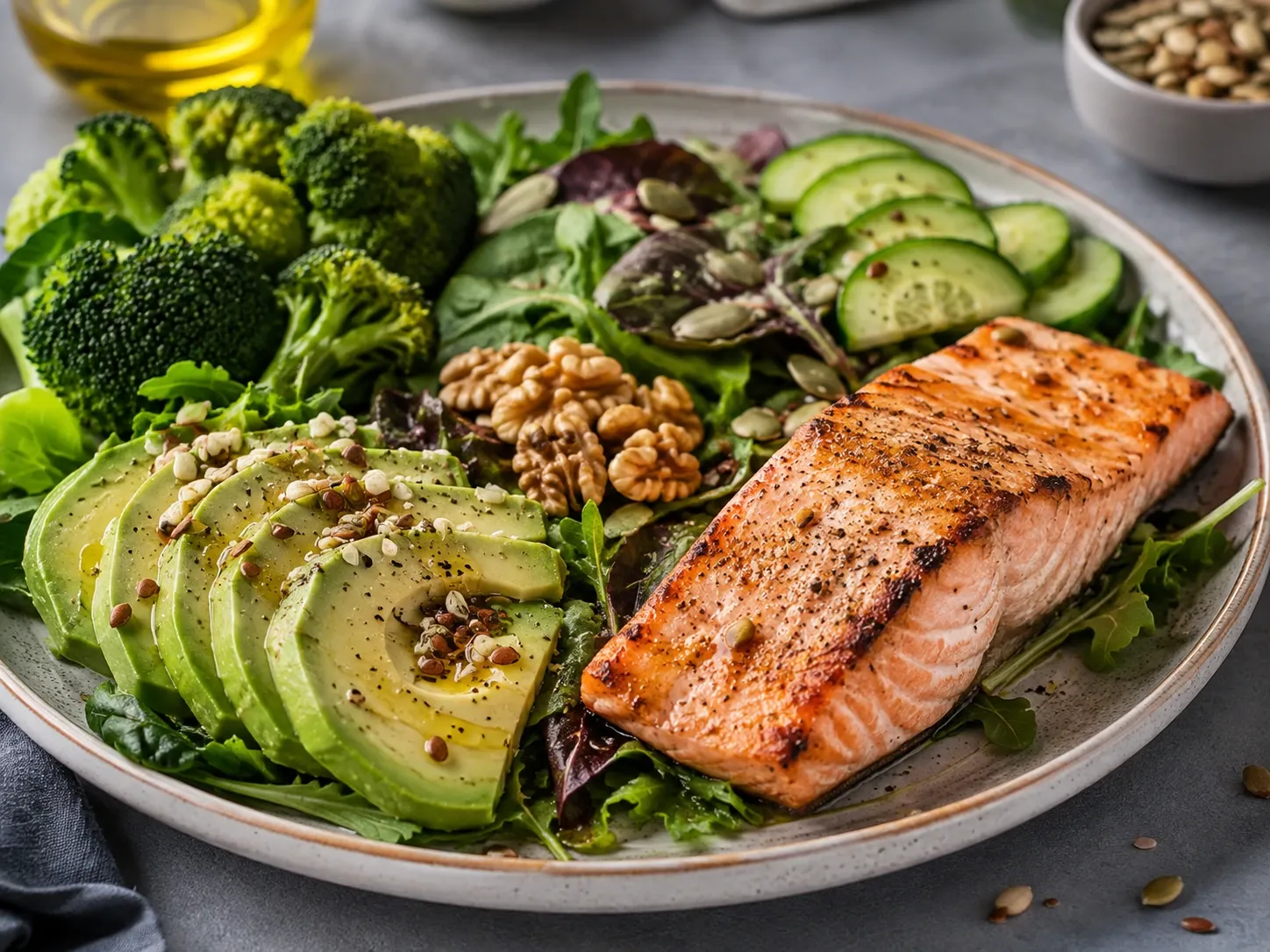
Specific food choices vary, but ketogenic diets commonly emphasize:
- olive oil and other fat sources;
- avocado;
- nuts and seeds;
- fish;
- eggs;
- meat;
- cheese and selected dairy foods;
- leafy greens and non-starchy vegetables;
- small portions of certain fruits, particularly berries.
Bread, pasta, rice, grains, potatoes, sweets, sugary beverages, and most fruits are generally restricted. Beans, lentils, and other legumes may also exceed carbohydrate targets in stricter versions. (Harvard T.H. Chan)
However, not every high-fat food has the same nutritional profile. A ketogenic diet centered on olive oil, fish, avocado, nuts, and seeds is very different from one dominated by butter, processed meat, and other concentrated sources of saturated fat.
Does the ketogenic diet help with weight loss?
Evidence indicates that ketogenic diets can produce weight loss, particularly in the short term. An umbrella review of randomized-trial meta-analyses found reductions in body weight across several populations, while also noting that many trials were small and had relatively short follow-up periods. (BMC Medicine)
This distinction matters because losing weight for several weeks or months is different from maintaining that loss for years. Adherence often declines over time, and participants in ketogenic-diet trials frequently increase their carbohydrate intake as studies progress. (BMC Medicine)
Ketosis therefore should not be viewed as making energy balance irrelevant. Lower spontaneous calorie intake, increased satiety, fewer available food choices, and metabolic adaptations may all contribute to weight loss.
What about type 2 diabetes?
Reducing carbohydrate intake can improve glycemic control for some people with type 2 diabetes, but entering ketosis is not necessarily required to obtain metabolic benefits.
In the Keto-Med randomized crossover trial, 40 adults with prediabetes or type 2 diabetes followed both a well-formulated ketogenic diet and a Mediterranean-style diet for 12 weeks each. HbA1c improved during both diet phases, with no significant difference between the diets for the primary outcome. (AJCN)
The ketogenic diet produced a larger reduction in triglycerides, but LDL cholesterol increased by about 10%, compared with a roughly 5% reduction during the Mediterranean phase. Fiber intake and several micronutrients were also lower during the ketogenic phase, and follow-up data suggested greater sustainability of the Mediterranean pattern. (AJCN)
Does the ketogenic diet have medical uses?
Yes. One of the best-established applications is nutritional therapy for selected cases of drug-resistant epilepsy, particularly in children. This medical use is different from independently following a ketogenic diet for weight loss.
A Cochrane review of 13 studies involving 932 participants found that ketogenic diets could improve seizure control in children. However, the review rated much of the evidence as low or very low certainty because studies were small and had methodological limitations. (Cochrane)
Therapeutic ketogenic diets are implemented with specialist clinical supervision.
What are the risks of a ketogenic diet?

Risks depend on the duration and composition of the diet, the person’s health status, and medications.
| Concern | What may occur |
|---|---|
| Early adaptation | Fatigue, headache, irritability, and difficulty concentrating may occur temporarily. |
| Gut health | Severe restriction of fiber-rich foods can contribute to constipation. |
| Nutrient adequacy | Restricting fruit, whole grains, and legumes can reduce fiber and micronutrient intake if the diet is poorly planned. |
| Cholesterol | LDL-C and total cholesterol can increase in some people. |
| Adherence | The diet is restrictive and may be difficult to maintain. |
| Long-term safety | Evidence remains insufficient for several long-term clinical outcomes. |
The likelihood and magnitude of these effects vary across people and ketogenic-diet protocols. (Harvard T.H. Chan)
LDL cholesterol deserves particular attention
One of the most important current debates concerns LDL cholesterol.
A 2026 systematic review and meta-regression of randomized trials in adults found that ketogenic diets increased LDL-C, HDL-C, and total cholesterol while lowering triglycerides. The authors emphasized that the long-term cardiovascular significance remains uncertain because there are insufficient data on outcomes such as heart attacks and mortality. (BMC Cardiovascular Disorders)
A decrease in triglycerides therefore should not automatically be used to dismiss a substantial increase in LDL. Lipid changes need to be interpreted in the context of an individual’s overall cardiovascular risk.
What about fiber and micronutrients?
To reach extremely low carbohydrate targets, many ketogenic diets substantially reduce fruit, whole grains, and legumes. Doing so can make adequate intake of fiber, vitamins, and minerals more challenging. (Harvard T.H. Chan)
In the Keto-Med trial, for example, participants consumed less fiber during the ketogenic phase and had larger decreases in nutrients including folate, vitamin C, and magnesium than during the Mediterranean phase. (AJCN)
A carefully planned ketogenic diet can still include vegetables, nuts, seeds, and other nutrient-rich foods. Nevertheless, the more restrictive a diet becomes, the more important individualized planning is.
What about kidney-related risks?
Kidney stones and increased uric acid have been described among potential concerns associated with ketogenic protocols, particularly in therapeutic and long-term settings, although individual risk varies substantially. (Harvard T.H. Chan)
People with existing kidney disease should not assume that a diet is safe simply because it is popular. The ADA’s 2026 Standards do not currently recommend very-low-carbohydrate eating plans for people with kidney disease. (Diabetes Care)
Who needs special caution?

A ketogenic diet should not be treated as a universal strategy.
The ADA’s Standards of Care in Diabetes—2026 do not currently recommend very-low-carbohydrate eating patterns for:
- pregnant people;
- people who are breastfeeding;
- children;
- people with kidney disease;
- people with or at risk for disordered eating.
Very-low-carbohydrate diets should also be avoided when using SGLT2 inhibitors because of the potential risk of ketoacidosis. (Diabetes Care)
Anyone with diabetes, another chronic condition, or regular medication use should discuss major dietary changes with the clinicians responsible for their care.
How can risks be reduced if someone chooses keto?
For an adult who chooses a ketogenic diet after appropriate individual assessment, several principles may improve diet quality:
- prioritize unsaturated fats such as olive oil, avocado, nuts, seeds, and fish;
- include a variety of non-starchy vegetables;
- plan adequate fiber sources that fit within carbohydrate targets;
- avoid turning the diet into excessive intake of processed meat and saturated fat;
- monitor lipid and other relevant laboratory markers when clinically appropriate;
- review medications with the treating clinician;
- reassess whether such a high level of restriction remains necessary over time.
Producing ketones does not automatically make a diet nutritionally healthy.
Do you need keto to eat fewer carbohydrates?
No.
There is a substantial difference between cutting sugary drinks, sweets, added sugars, and refined grains and restricting carbohydrates enough to eliminate foods such as beans, lentils, fruit, and whole grains.
The Keto-Med trial helps illustrate this distinction. Both the ketogenic and Mediterranean diets emphasized minimally processed foods and vegetables while avoiding added sugars and refined grains. Both improved HbA1c. The additional restriction required to achieve ketosis did not significantly improve the primary outcome and came with some nutritional and lipid-related disadvantages. (AJCN)
Conclusion
The ketogenic diet works by severely restricting carbohydrate intake, shifting metabolism toward greater fat use and production of ketone bodies.
It can support short-term weight loss and improve some markers such as triglycerides and glycemic control in selected populations. It also has an established clinical role in some people with drug-resistant epilepsy. (BMC Medicine)
However, keto is neither risk-free nor clearly superior to other healthy dietary patterns over the long term. LDL increases in some people, lower fiber and micronutrient intake, gastrointestinal effects, difficulty with adherence, and uncertainty about long-term outcomes all need to be considered. (BMC Cardiovascular Disorders)
For someone interested in weight loss or better nutrition, the most useful question is not simply “How do I get into ketosis?” but which eating pattern is safe, nutritionally adequate, and sustainable for my circumstances?
This article is for educational purposes and does not replace individualized medical or nutritional evaluation, diagnosis, or treatment.