Grapes: Nutrients, Antioxidants and Variety Differences
Grapes provide carbohydrates, water and plant polyphenols. Learn about their antioxidants and the real differences between green, red, purple and black grapes.
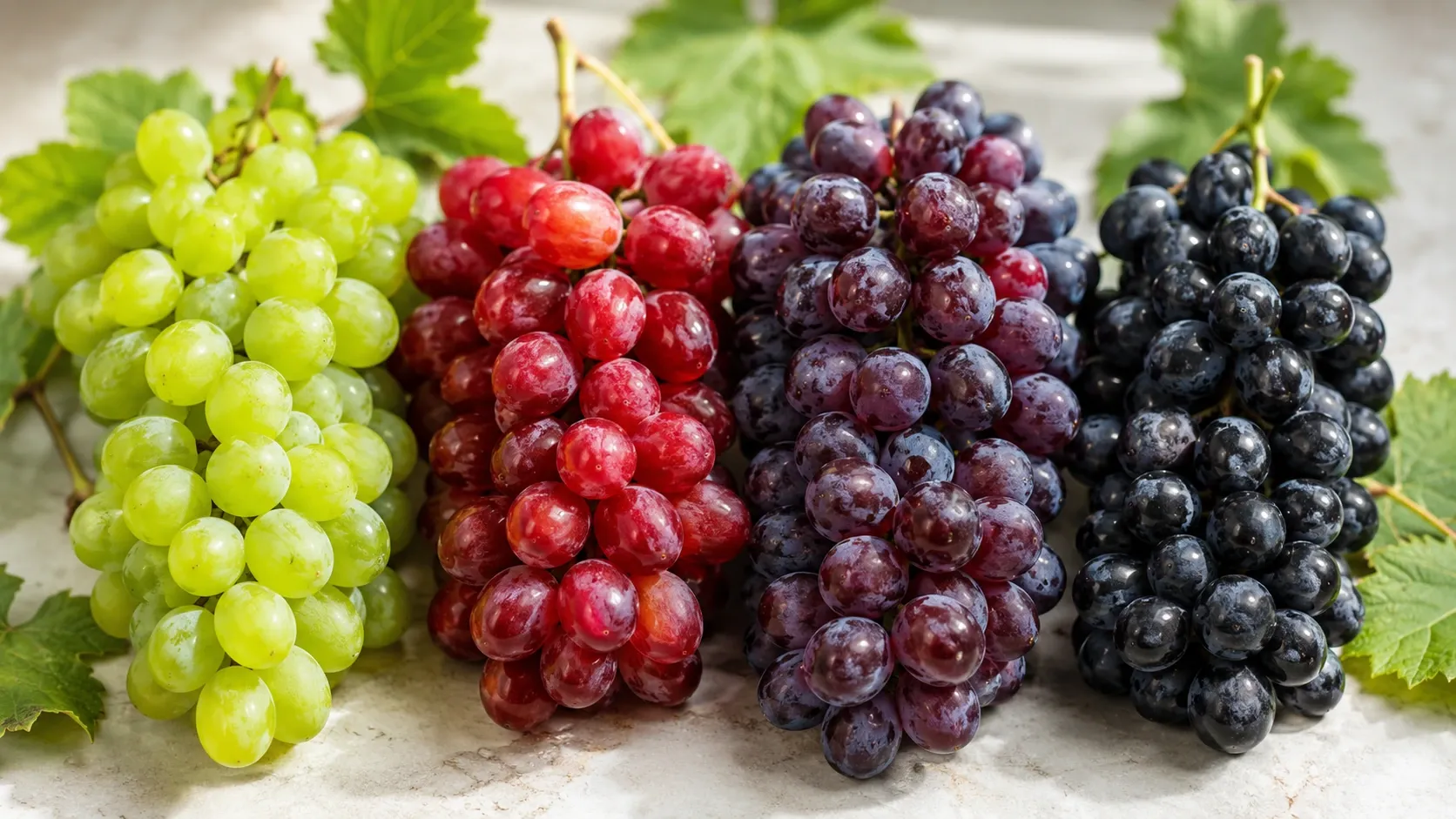
Green, red, purple or almost black, grapes provide water and carbohydrates alongside a diverse collection of plant bioactive compounds. These include flavonoids, anthocyanins, phenolic acids and stilbenes such as resveratrol. (ScienceDirect)
Color can tell us something about grape chemistry, but not everything. Dark grapes usually contain anthocyanins that green varieties have in much smaller amounts, yet total phenolic content and antioxidant capacity can differ substantially from one cultivar to another. (PubMed)
What nutrients do grapes provide?
Fresh grapes consist mainly of water and carbohydrates, with small amounts of protein and fat. Their vitamin and mineral composition varies somewhat by cultivar. USDA FoodData Central maintains separate entries for raw green and red seedless grapes, reflecting measurable differences between varieties. (FoodData Central)
Approximate USDA values per 100 g include:
| Component | Red seedless grapes | Green seedless grapes |
|---|---|---|
| Energy | about 86 kcal | about 80 kcal |
| Carbohydrate | about 20 g | about 19 g |
| Sugars | about 17 g | about 16 g |
| Protein | less than 1 g | less than 1 g |
| Fat | less than 0.5 g | less than 0.5 g |
| Potassium | about 229 mg | about 218 mg |
| Vitamin C | about 3 mg | about 3 mg |
These figures are averages from particular samples rather than fixed values for every grape sold worldwide. Cultivar, ripeness and growing conditions can influence composition. (My Food Data)
What are the antioxidants in grapes?
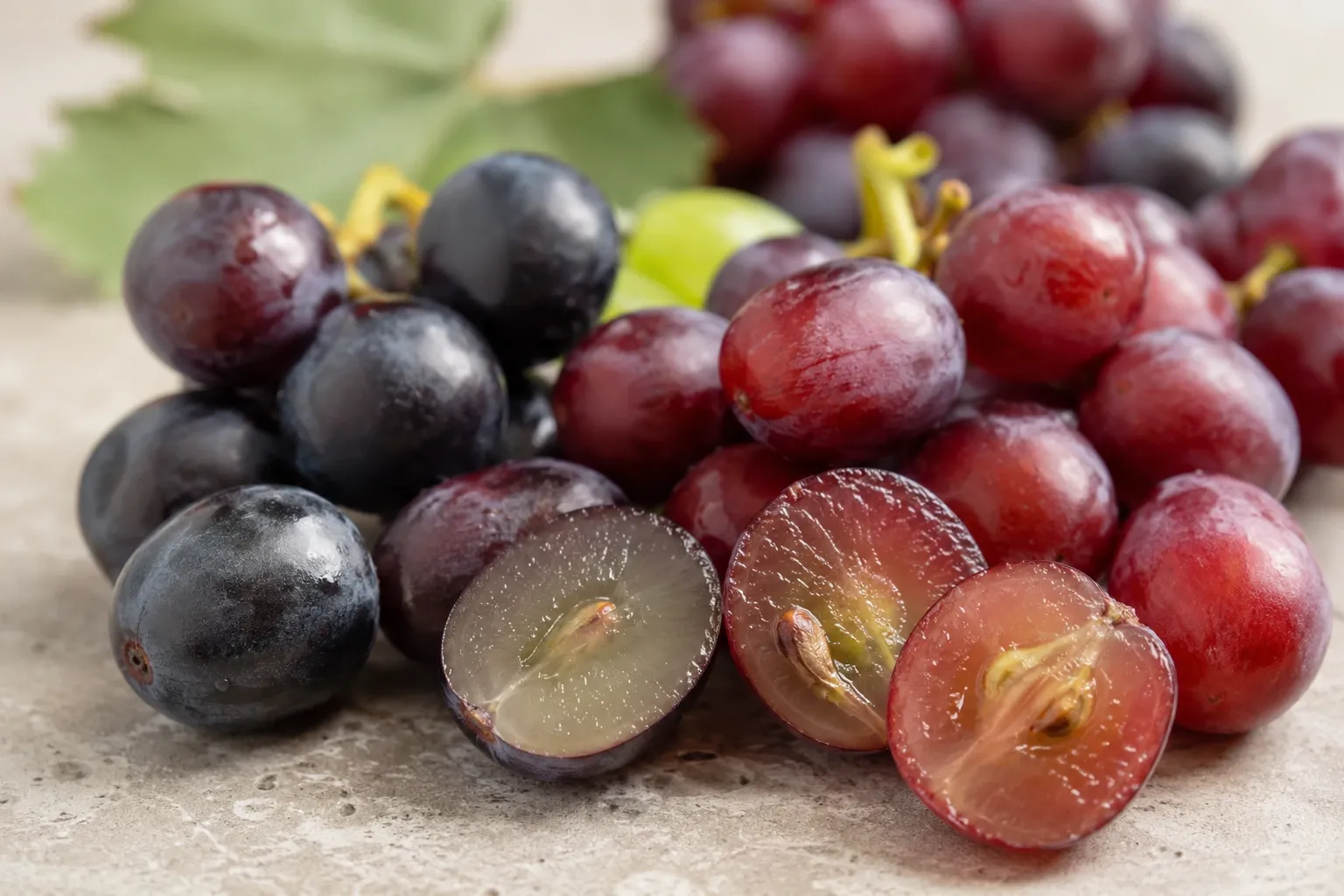
A large part of the scientific interest in grapes involves their polyphenols, a broad group of plant compounds. (ScienceDirect)
Major groups include:
- anthocyanins;
- flavanols;
- flavonols;
- phenolic acids;
- proanthocyanidins;
- stilbenes such as resveratrol.
Their concentration and location within the grape vary. The skin and seeds are particularly important sources of many phenolic compounds. (PubMed)
Why are red and purple grapes different?
Anthocyanins are plant pigments involved in the red, purple and bluish colors of many fruits. In most Vitis vinifera grapes, anthocyanins accumulate primarily in the skin. (PubMed)
This is one reason green and dark grapes have different polyphenol profiles.
Color intensity is not determined by genetics alone. Temperature, sunlight, water availability, ripeness and agricultural conditions can all influence phenolic metabolism. (PubMed)
Green, red, purple or black grapes: which are best?
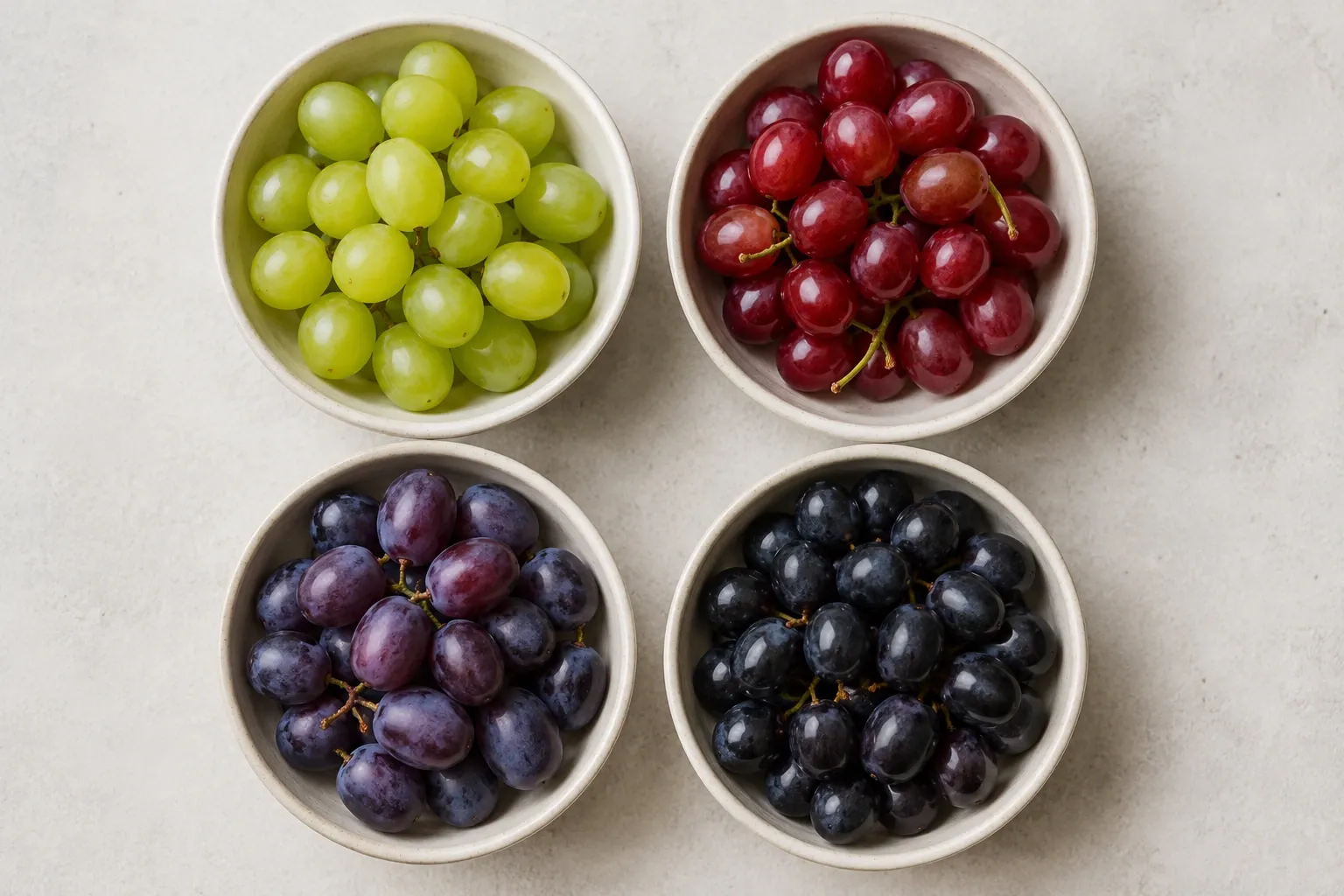
There is no universal winner.
A study analyzing 30 grape varieties found substantial differences in total phenolic content, flavonoids and antioxidant activity. Several dark varieties performed strongly, but some green grapes also showed high antioxidant activity. (PubMed)
| Feature | Green grapes | Red, purple and black grapes |
|---|---|---|
| Anthocyanins | Low or absent in many cultivars | Usually more abundant |
| Other polyphenols | Present | Present |
| Resveratrol | May be present | May be present, with wide variation |
| Sugar content | Depends on cultivar and ripeness | Depends on cultivar and ripeness |
| Antioxidant capacity | Can be high in selected cultivars | Can be high in selected cultivars |
| Proven universal superiority | No | No |
Choosing grapes by color alone therefore oversimplifies their chemistry.
What about resveratrol?
Resveratrol is a stilbene polyphenol naturally found in grapes and has attracted substantial scientific attention. Its concentration differs considerably among varieties and environmental conditions. (ScienceDirect)
Resveratrol is sometimes used to market red or purple grapes as unusually powerful health foods. This framing can be misleading.
Many clinical studies on resveratrol use concentrated supplements that provide doses far beyond those normally obtained from eating grapes. Supplement findings should therefore not be interpreted as proof that a serving of grapes will produce the same physiological effect.
Can grapes support cardiovascular health?
Clinical evidence is interesting but not definitive.
A 2023 systematic review and meta-analysis of 30 randomized controlled trials found a small decrease in systolic blood pressure after grape-product consumption. Whole-grape products such as grape powder and raisins were associated with an average reduction of roughly 2.7 mmHg, but the certainty of evidence was low and several other vascular outcomes did not improve consistently. (PubMed)
Another meta-analysis found modest improvements in measures including LDL and oxidized LDL after grape-product interventions. However, the trials involved a mixture of juices, extracts and whole-grape preparations and showed substantial heterogeneity. (PubMed Central (PMC))
Grapes can therefore fit comfortably into a heart-healthy dietary pattern, but they are not a treatment for high cholesterol or hypertension.
Are grapes anti-inflammatory?
Laboratory research suggests that grape polyphenols can interact with biological pathways involved in oxidative stress and inflammation. Human clinical evidence is less consistent.
A systematic review and meta-analysis of randomized trials did not find significant reductions in IL-6 or TNF-α after grape-polyphenol interventions, while results for high-sensitivity C-reactive protein were not robust. (PubMed)
It is therefore more accurate to describe grape polyphenols as biologically active compounds under investigation rather than claiming that eating grapes has been proven to reduce systemic inflammation.
Should grapes be eaten with the skin?
When the skin is edible and the grapes are properly washed, eating the whole fruit preserves compounds concentrated in the outer tissues.
Grape skins are particularly important sources of phenolic compounds, and in dark cultivars they are the main site of anthocyanin accumulation. Seeds can also contain polyphenols, although many commercial table grapes are seedless. (PubMed)
Seedless grapes are still nutritious fruits; the absence of seeds does not make them an inferior food.
Whole grapes versus grape juice
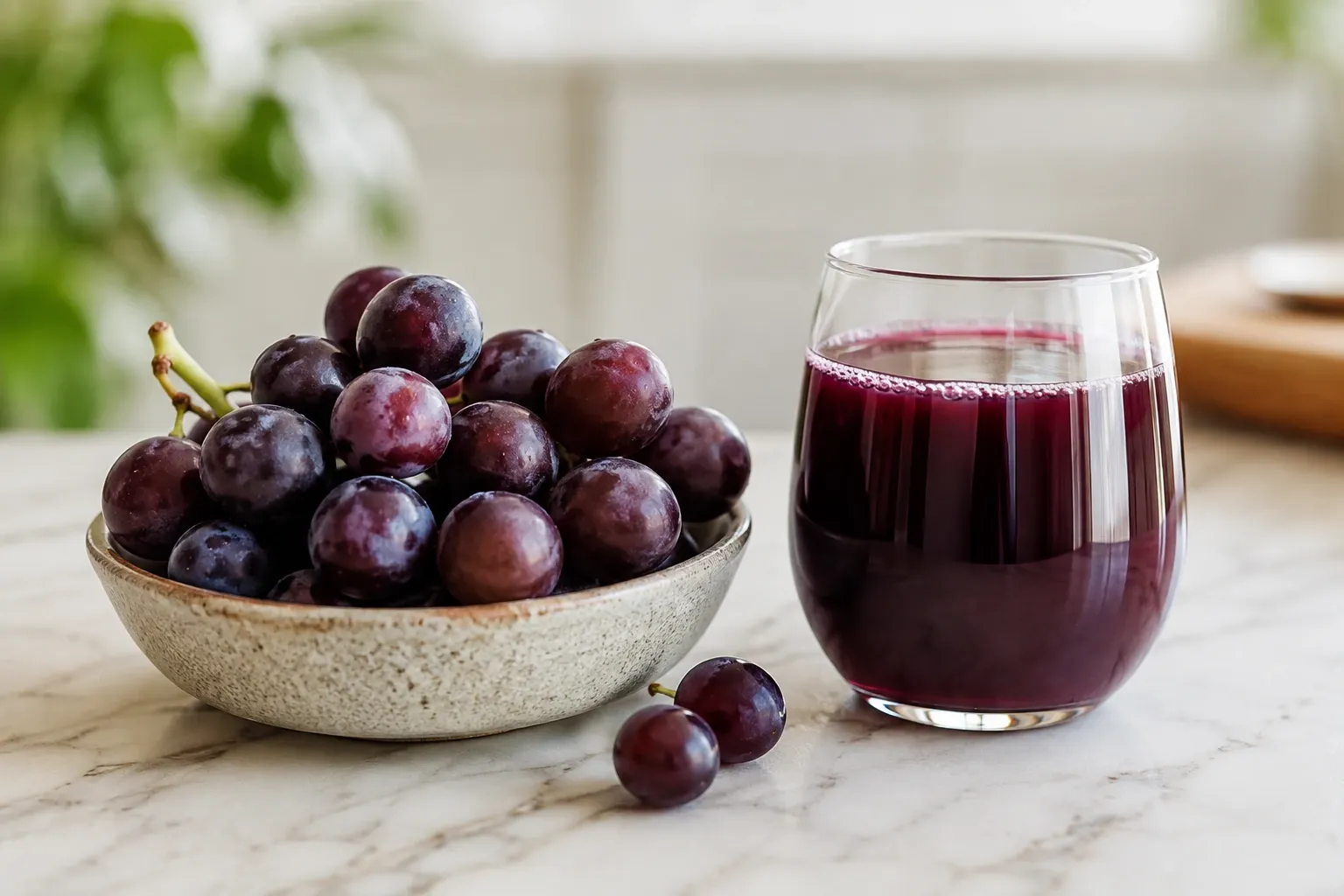
They are not nutritionally identical.
Even 100% grape juice has a different physical food matrix from intact grapes, and it can be consumed much more rapidly.
Clinical studies reinforce the importance of distinguishing grape products. Meta-analyses include whole-grape preparations, juice, extracts and seed products, and their results are not interchangeable. (PubMed)
A finding from a concentrated grape-seed extract, for example, should not be presented as evidence that a handful of fresh grapes has the same effect.
Are grapes high in sugar?
Grapes naturally contain glucose and fructose, and carbohydrates provide most of their calories. (My Food Data)
For most people, the presence of natural sugars is not a reason to avoid fresh grapes.
People with diabetes or those who need to closely manage carbohydrate intake may need to consider portion size as part of their overall eating plan. Individual advice from a qualified healthcare professional can be useful when necessary.
How to choose and store grapes
Regardless of the variety, look for bunches with firm, intact grapes and no obvious signs of spoilage.
Because phenolic compounds vary between cultivars, there is no need to seek out only one specific color. Green, red, and purple grapes can all be part of a balanced diet.
Washing them properly before eating and keeping the fruit refrigerated helps preserve its quality during storage.
Conclusion
Grapes provide primarily water and carbohydrates, together with modest amounts of vitamins and minerals and a diverse range of phenolic compounds. Anthocyanins, flavonoids and stilbenes such as resveratrol account for much of the scientific interest in the fruit. (ScienceDirect)
Red, purple and black grapes generally contain more anthocyanins because of their pigmentation, but they are not automatically superior to green grapes. Studies comparing many cultivars show substantial variation in antioxidant activity and phenolic content. (PubMed)
Rather than searching for a single “healthiest grape,” a more evidence-based approach is to enjoy different grape varieties as part of an overall varied diet.