Walnuts: Nutrients and Potential Heart Health Benefits
Walnuts provide unsaturated fats, ALA, fiber, and minerals. Learn what research shows about cholesterol, blood vessel function, and cardiovascular health.
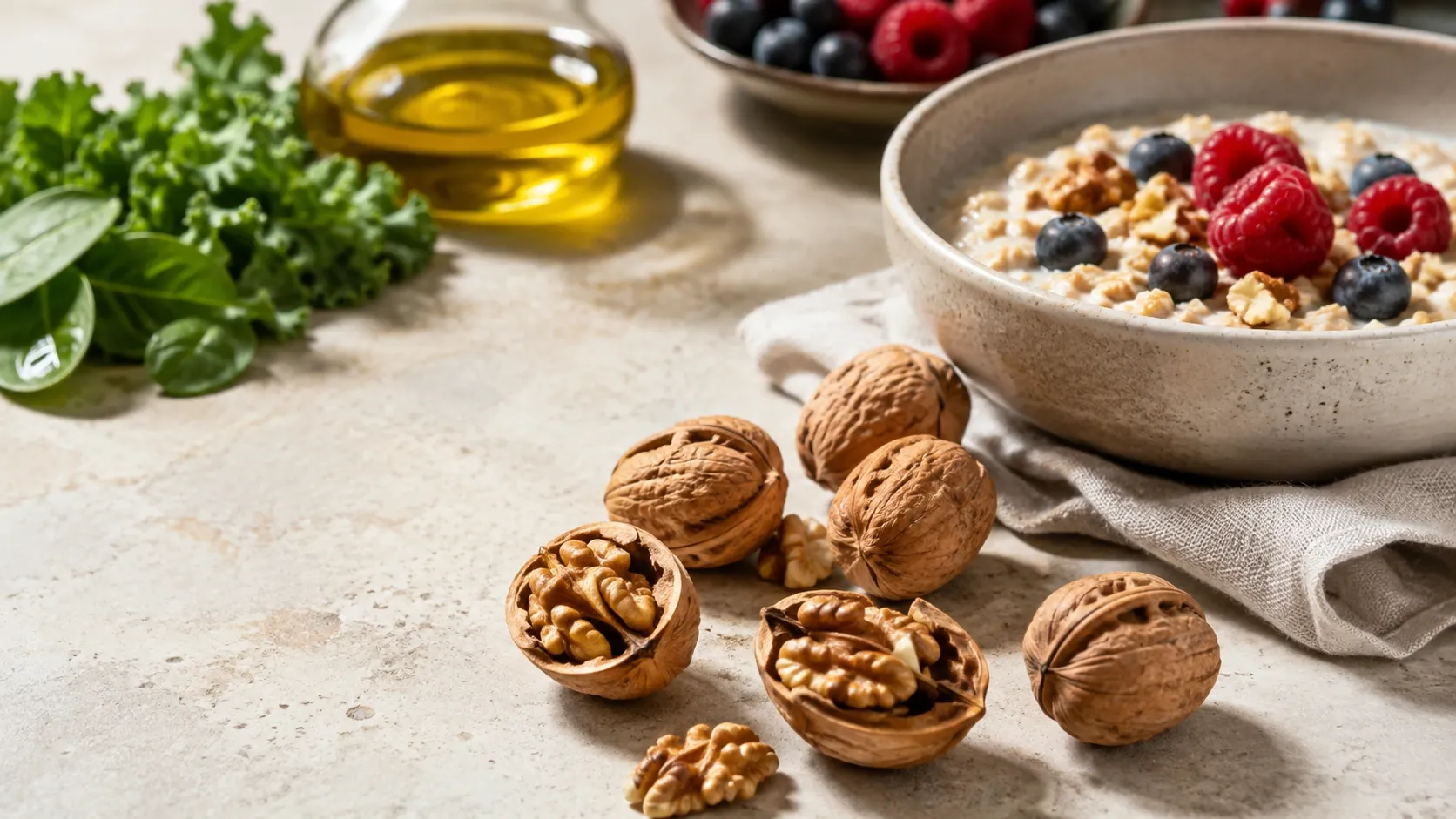
Walnuts are frequently included in healthy dietary patterns because they provide unsaturated fats, plant protein, fiber, minerals, and naturally occurring bioactive compounds. One particularly distinctive feature is their substantial content of alpha-linolenic acid, or ALA, a plant-based omega-3 fatty acid. (ODS)
When it comes to cardiovascular health, the research is encouraging but should be kept in perspective. Controlled trials indicate that eating walnuts can produce modest improvements in LDL cholesterol and other blood lipids, while observational studies associate regular nut intake with a lower incidence of cardiovascular disease. Walnuts, however, are not a treatment for heart disease and cannot compensate for an otherwise poor dietary pattern. (PubMed)
What Nutrients Do Walnuts Provide?
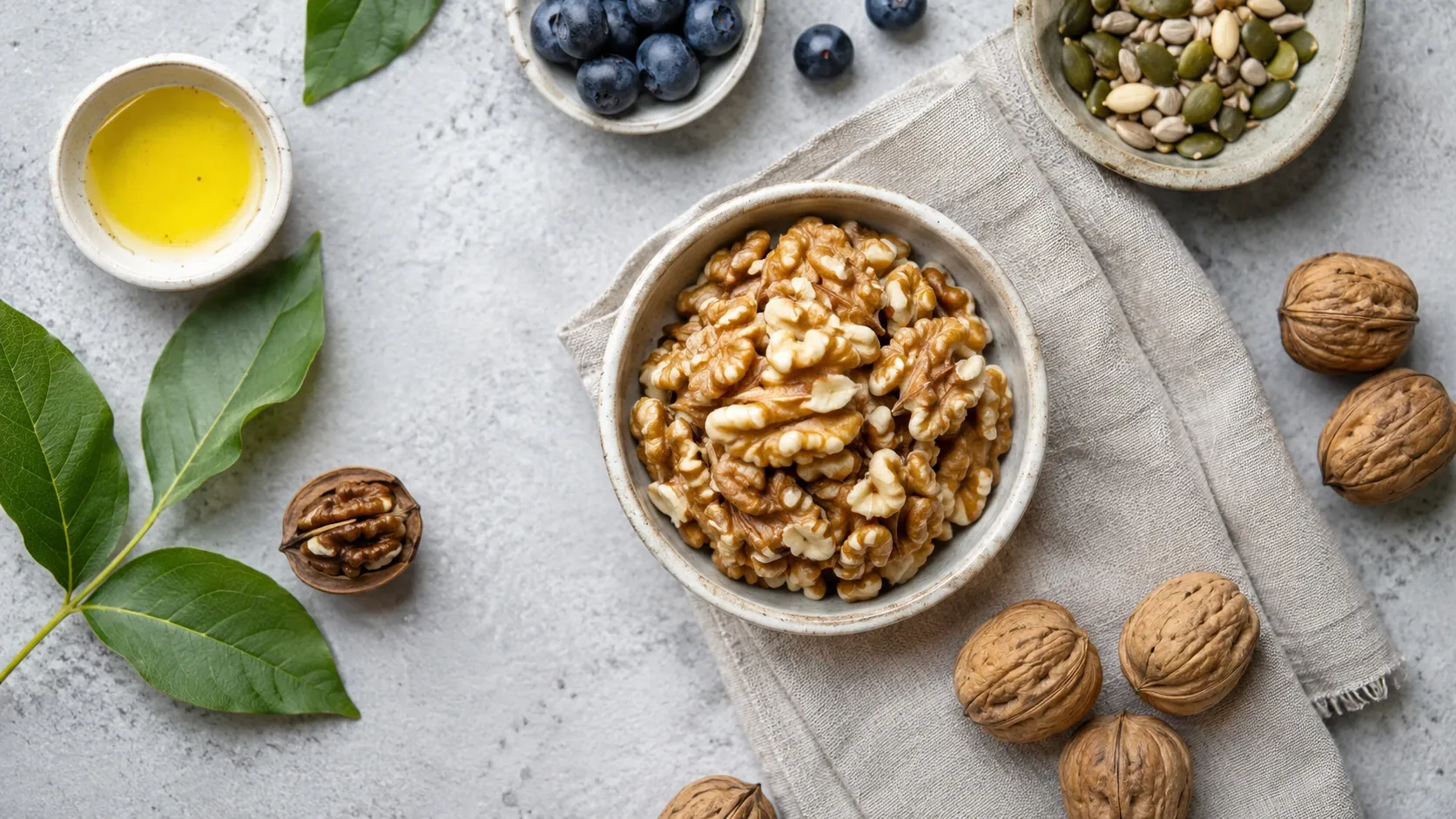
Walnuts are energy-dense, with most of their calories coming from fat. Importantly, much of that fat is unsaturated. They also provide plant protein, dietary fiber, and minerals. A serving of approximately 28 g, or 1 ounce, contains around 185 calories. (FoodData Central)
| Nutrient | Approximate amount per 28 g |
|---|---|
| Energy | 185 kcal |
| Protein | 4.3 g |
| Total fat | 18.5 g |
| Dietary fiber | 1.9 g |
| ALA omega-3 | 2.57 g |
Nutrient values vary slightly by variety and database. The NIH Office of Dietary Supplements lists approximately 2.57 g of ALA per ounce of English walnuts. (ODS)
Why Is the Fat in Walnuts Important?
Walnuts contain substantial amounts of polyunsaturated fat. Unsaturated fats from plant foods such as nuts and seeds are generally favored in heart-healthy dietary patterns, particularly when they replace sources of saturated fat. (www.heart.org)
The word replace matters. Adding walnuts on top of an already excessive energy intake is different from using them instead of foods rich in saturated fat, refined carbohydrates, or excess sodium.
What Kind of Omega-3 Is in Walnuts?
The main omega-3 in walnuts is alpha-linolenic acid, or ALA. ALA is an essential fatty acid, meaning it must be obtained from food. (ODS)
This is different from the EPA and DHA found primarily in fish and seafood. The human body can convert ALA to EPA and subsequently DHA, but the conversion is limited. Therefore, walnuts should not be considered nutritionally identical to direct dietary sources of EPA and DHA. (ODS)
Can Walnuts Lower LDL Cholesterol?
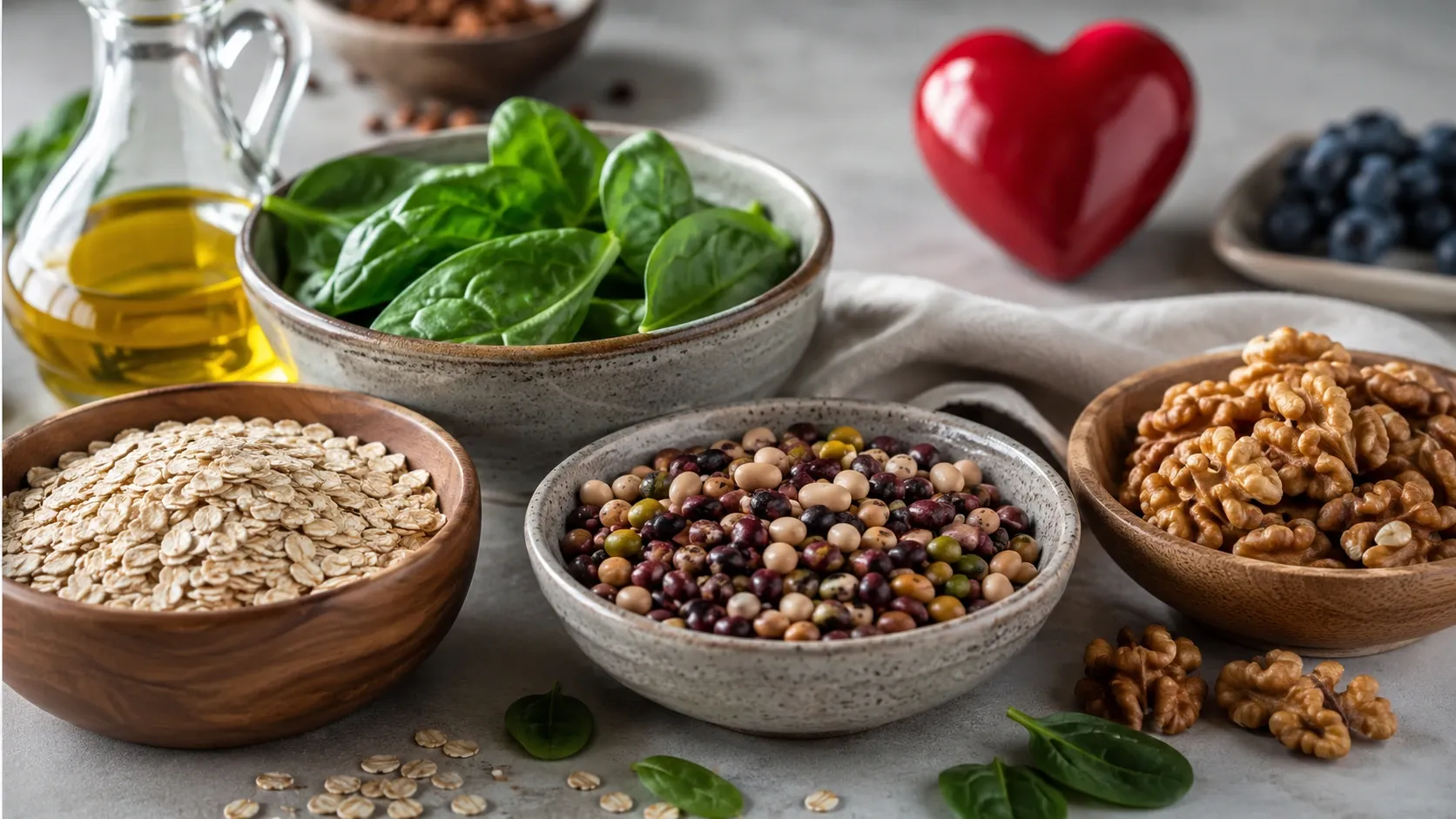
This is one of the better-supported potential cardiovascular benefits.
A systematic review and meta-analysis of 26 controlled trials involving 1,059 participants found that walnut-enriched diets produced an additional average reduction of approximately 5.5 mg/dL in LDL cholesterol compared with control diets. Total cholesterol fell by approximately 7 mg/dL, and triglycerides also decreased modestly. (PubMed)
Apolipoprotein B was also significantly reduced in the analysis. These findings suggest a genuine biological effect, although its magnitude is relatively modest. (PubMed)
Walnuts can therefore contribute to dietary cholesterol management, but they should not replace prescribed lipid-lowering treatment when medication is medically indicated.
How Might Walnuts Support Heart Health?
There probably is not a single responsible nutrient.
Walnuts provide a food matrix containing polyunsaturated fats, ALA, fiber, plant protein, minerals, and other compounds. Their cardiovascular effects may reflect the combination of these nutrients as well as the foods they displace in a person’s diet. (The Nutrition Source)
The American Heart Association includes unsalted walnuts and other nuts among nutritious sources of healthy fats and plant-based protein within a broader heart-healthy dietary pattern. (www.heart.org)
What About Blood Vessel Function?
Researchers have also studied how walnut intake affects the endothelium, the layer of cells lining the inside of blood vessels.
A 2024 meta-analysis of randomized controlled trials found that walnut intake increased flow-mediated dilation, or FMD, by an average of approximately 0.94 percentage point. FMD is commonly used in research as a marker of blood vessel function. (PubMed)
Other endothelial markers included in the same meta-analysis did not significantly improve, so the evidence should not be interpreted as showing that walnuts can “clean” or unblock arteries. (PubMed)
Can Eating Walnuts Prevent Heart Attacks?
That cannot be stated with certainty.
Large prospective cohort studies have associated regular nut consumption with lower rates of cardiovascular disease. Harvard researchers analyzing more than 210,000 health professionals followed for as long as 32 years found lower cardiovascular risk among regular nut consumers, with walnut intake also showing favorable associations. (The Nutrition Source)
Because these studies are observational, they cannot prove that walnuts themselves caused the lower risk. People who regularly eat nuts may differ in exercise habits, smoking, diet quality, healthcare use, and other characteristics.
Controlled trials add credibility by demonstrating improvements in risk factors such as LDL cholesterol, but the evidence still supports walnuts as one component of a healthy dietary pattern, not as a guaranteed method of preventing cardiovascular events. (PubMed)
Do Walnuts Lower Blood Pressure?
The evidence is less convincing.
The large meta-analysis of controlled walnut trials found no significant change in either systolic or diastolic blood pressure. A separate systematic review specifically focused on blood pressure likewise concluded that walnut intake should not be considered a proven blood-pressure-lowering strategy. (PubMed)
Unsalted walnuts may still be part of a diet designed to support cardiovascular health, but people with hypertension should continue following established medical and nutritional treatment.
Are Walnuts Too High in Calories?
Walnuts are energy-dense, providing roughly 185 kcal per 28-g serving. (The Nutrition Source)
However, controlled trial evidence does not show that adding walnuts to studied diets necessarily increases body weight. In the 2018 meta-analysis, walnut-enriched diets produced no significant difference in weight compared with control diets. (PubMed)
A useful practical approach is substitution: replace a less nutritious snack with a modest portion of walnuts rather than automatically adding them on top of everything else you already eat.
How Much Is a Reasonable Serving?
About 28 g, or 1 ounce, is a common reference serving used in research and educational materials. The American Heart Association also uses a small handful of nuts and seeds as a practical serving example when discussing sources of healthy fats. (www.heart.org)
This is not a universal daily prescription. Appropriate intake depends on total energy needs, dietary pattern, health conditions, and individual preferences.
Should You Choose Salted or Unsalted Walnuts?
Plain or roasted unsalted walnuts generally fit more easily into a heart-healthy diet.
The American Heart Association recommends limiting sodium-rich foods and specifically includes unsalted walnuts among healthier plant-food choices. (www.heart.org)
Sugar-coated, heavily salted, or chocolate-covered walnuts still contain nutrients from the nut itself, but their overall nutritional profile can be very different.
Simple Ways to Include Walnuts in Your Diet
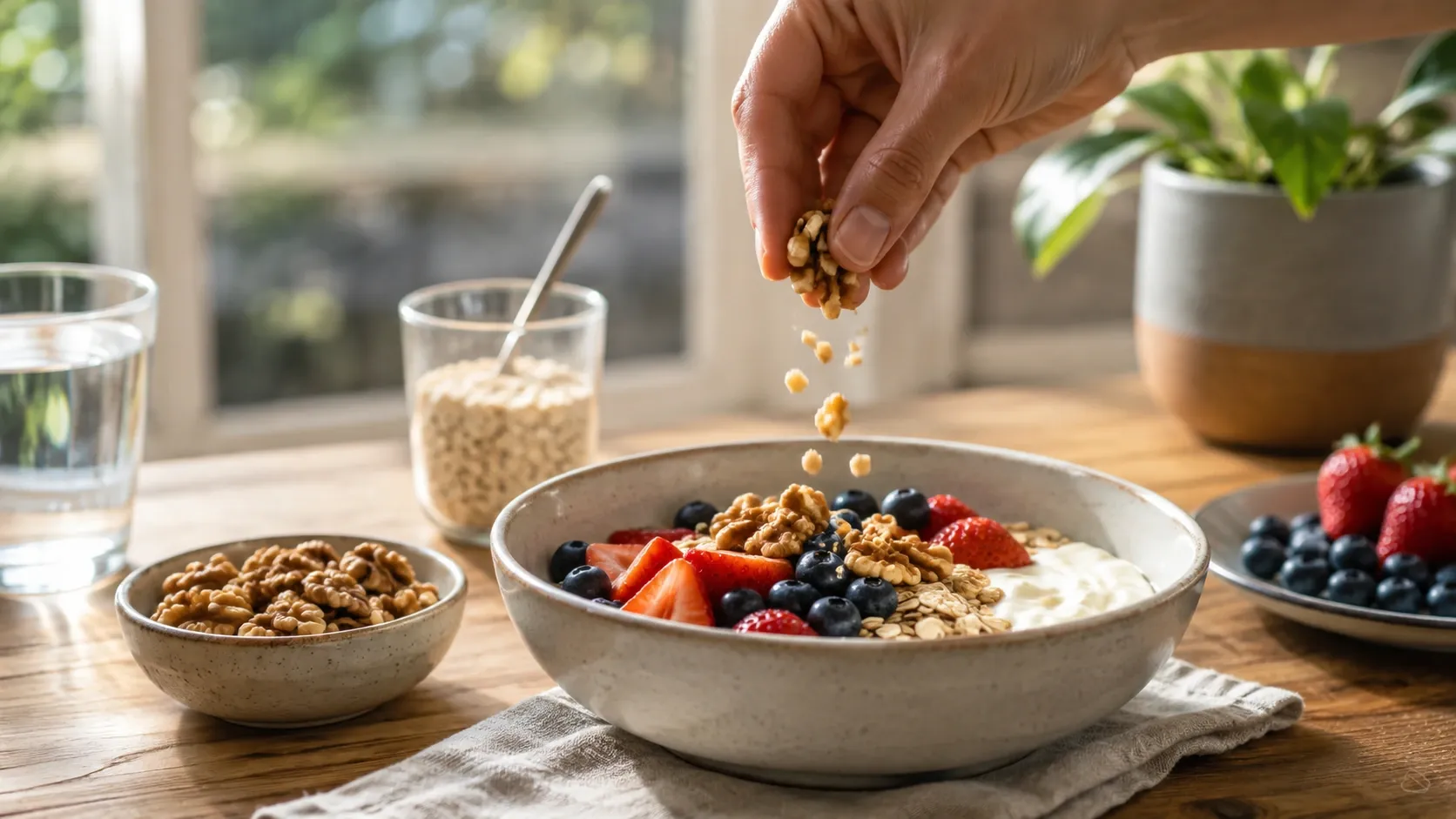
Walnuts can be used:
- with fruit;
- over oatmeal;
- with plain yogurt;
- in salads;
- in vegetable dishes;
- in sauces and spreads;
- as a small snack portion;
- in place of less nutritious ingredients.
Using them as a replacement is especially consistent with the concept of a heart-protective dietary pattern advocated by institutions such as Harvard and the American Heart Association. (The Nutrition Source)
Who Should Avoid Walnuts?
Food allergy is the main safety concern.
The FDA recognizes walnuts as an important tree-nut allergen. In susceptible individuals, reactions can range from skin or gastrointestinal symptoms to severe, potentially life-threatening anaphylaxis. (FDA)
Anyone with a diagnosed walnut allergy should follow professional medical advice and carefully check packaged-food labels for walnut ingredients and allergen warnings.
Conclusion
Walnuts are nutrient-dense foods particularly notable for polyunsaturated fats and ALA, a plant-based omega-3 fatty acid. Approximately 28 g provides about 2.57 g of ALA. (ODS)
The strongest cardiovascular evidence relates to modest improvements in blood lipids, including LDL cholesterol. Research also suggests potential benefits for endothelial function, while long-term observational studies associate regular nut intake with lower cardiovascular risk. (PubMed)
Walnuts are not a medicine or a stand-alone way to prevent heart disease. Their greatest value is likely to come from including them in an overall healthy dietary pattern, particularly when they replace foods higher in saturated fat, sodium, added sugars, or refined carbohydrates. (www.heart.org)