Chia Seeds: Benefits, Nutrients, and How Much to Eat
Chia seeds are rich in fiber, unsaturated fats, and plant-based omega-3s. Learn about their nutrients, potential benefits, serving size, and practical ways to eat them.
Chia seeds pack a substantial amount of fiber, unsaturated fat, protein, and minerals into a very small serving. About two tablespoons, or 28 g, provide roughly 140 calories, 4 g of protein, and 11 g of fiber. They are also an unusually concentrated plant source of alpha-linolenic acid, or ALA, a type of omega-3 fat. (Harvard T.H. Chan)
That nutritional profile makes chia a useful addition to a balanced diet. However, its well-established nutritional value should be separated from claims that chia alone causes weight loss, controls diabetes, or substantially lowers cholesterol. Clinical research does not consistently support those stronger claims. (Springer)
What are chia seeds?
Chia seeds come from Salvia hispanica L., a plant with a long history as a food crop in Central America. (Harvard T.H. Chan)
Their nutritional appeal comes primarily from a combination of fiber, polyunsaturated fats, ALA, protein, and minerals. Chia contains all nine essential amino acids, although a typical serving provides only about 4 g of protein, so it generally should not be viewed as the main protein source in a meal. (Harvard T.H. Chan)
What nutrients do chia seeds contain?
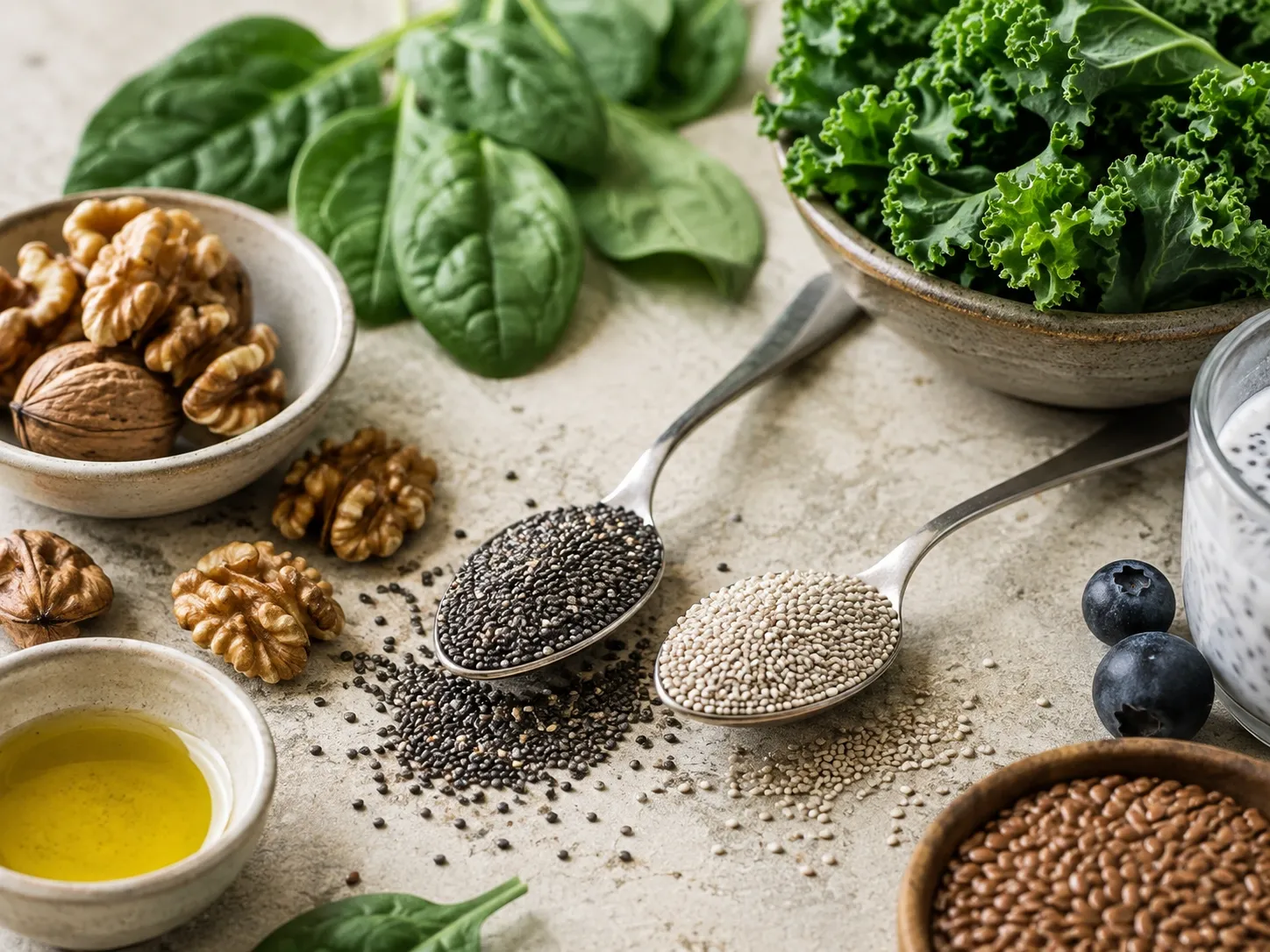
A useful reference serving is 28 g, or approximately two tablespoons. According to Harvard and the NIH, that amount provides approximately: (Harvard T.H. Chan)
| Nutrient | Approximate amount per 28 g |
|---|---|
| Energy | 140 kcal |
| Protein | 4 g |
| Fiber | 11 g |
| Unsaturated fat | 7 g |
| ALA plant omega-3 | 5.06 g |
Chia also provides minerals including calcium, phosphorus, zinc, and copper. Exact values can vary somewhat with variety, origin, and food analysis. (Harvard T.H. Chan)
Chia is particularly high in fiber
The approximately 11 g of fiber in a 28 g serving makes chia an efficient way to add fiber without adding a large volume of food. Its fiber is largely insoluble, while its mucilage produces the characteristic gel that forms when the seeds are exposed to liquid. (Harvard T.H. Chan)
Insoluble fiber helps food move through the digestive system and can support regular bowel movements. Adequate fluid intake is also important when dietary fiber increases. (Harvard T.H. Chan)
Chia is rich in plant-based omega-3
One ounce, or roughly 28 g, of chia provides about 5.06 g of ALA, according to the NIH. U.S. reference values list an adequate ALA intake of 1.6 g per day for adult men and 1.1 g for adult women, with separate values for pregnancy and lactation. (NIH ODS)
This does not mean everyone needs 28 g of chia every day, nor does it mean chia provides the same type of omega-3 found in fish.
ALA must first be converted into EPA and then DHA. That conversion is limited, with reported rates below 15%. Chia, flaxseed, and walnuts are therefore useful sources of ALA, whereas fish and algae play a different nutritional role as sources of EPA and DHA. (NIH ODS)
What are the potential benefits of chia seeds?
1. An easy way to increase fiber intake
This is one of chia’s clearest nutritional advantages. Adding a relatively small amount to a meal can substantially increase its fiber content. (Harvard T.H. Chan)
Higher-fiber diets support bowel regularity. For people whose usual diet is low in fiber, increasing fiber gradually and consuming enough fluids can improve tolerance. (Harvard T.H. Chan)
2. May help with fullness
When chia is combined with liquid, its mucilage forms a gel-like structure. Its fiber can slow digestion and contribute to feelings of fullness after a meal. (Harvard T.H. Chan)
Greater fullness, however, does not automatically translate into weight loss.
A 2024 meta-analysis of 10 randomized trials in adults with overweight found no significant reduction in BMI. A separate systematic review and meta-analysis also found no significant effects on overall body weight, BMI, body-fat percentage, or waist circumference in its pooled analysis. (Springer)
3. A concentrated source of essential ALA
With about 5 g of ALA per 28 g serving, chia is a concentrated dietary source of this essential plant omega-3. (NIH ODS)
ALA must be obtained from food because the body cannot synthesize it. Still, most clinical research into omega-3 and cardiovascular outcomes has focused on EPA and DHA rather than plant-derived ALA. (NIH ODS)
4. Possible modest effects on blood pressure
The evidence on chia and cardiovascular markers is still mixed.
A 2024 meta-analysis of 10 randomized trials involving 424 participants with overweight found an average reduction of about 3.3 mmHg in systolic blood pressure but no statistically significant reduction in diastolic pressure. It also found no significant changes in LDL, HDL, total cholesterol, or triglycerides. (Springer)
Another meta-analysis published in the March 2025 issue of Nutrition Reviews reported larger reductions in both systolic and diastolic blood pressure. However, its authors emphasized that relatively few studies were available and that the findings should therefore be interpreted cautiously. (Nutrition Reviews)
The most appropriate conclusion is that chia may have a favorable effect on blood pressure in some settings, but the evidence is not strong enough to treat it as an antihypertensive therapy.
5. Fits well into a heart-healthy dietary pattern
Chia provides fiber and unsaturated fats, but its value should be considered as part of the overall diet.
Harvard notes that research is more supportive of diets containing a variety of plant foods and omega-3-rich foods than of the idea that chia alone prevents chronic disease. (Harvard T.H. Chan)
Do chia seeds control blood sugar?
Chia’s fiber can slow digestion, which helps explain scientific interest in its effect on post-meal glucose. Short-term physiological effects, however, are not the same as treating or controlling diabetes. (Harvard T.H. Chan)
In the 2024 meta-analysis of adults with overweight, chia did not significantly change fasting glucose, HbA1c, or insulin. The Nutrition Reviews meta-analysis likewise found no significant overall effect on the glycemic outcomes it evaluated. (Springer)
People with diabetes should not replace medication, clinical follow-up, or recommended dietary changes with increased chia consumption.
Can chia lower cholesterol?
It cannot be assumed that eating chia will lower cholesterol in everyone.
Although chia’s fiber and unsaturated-fat profile are nutritionally useful, the 2024 meta-analysis found no statistically significant changes in LDL, HDL, total cholesterol, or triglycerides. (Springer)
Chia can still fit within a heart-healthy eating pattern, but it should not be described as a food that “cleans the arteries” or replaces treatment for abnormal cholesterol levels.
How much chia should you eat per day?
There is no official guideline requiring adults to eat a specific amount of chia every day. Nutrient authorities establish reference intakes for nutrients such as ALA rather than a mandatory dose of chia seeds. This is an inference from the official reference material reviewed. (NIH ODS)
As a practical food amount, 1 to 2 tablespoons per day — approximately 14 to 28 g — can be a convenient range for many healthy adults.
The upper end corresponds to the two-tablespoon serving Harvard uses to describe chia’s nutritional composition. It is a practical reference, not a required daily target. (Harvard T.H. Chan)
Anyone who is not accustomed to a high-fiber diet may prefer to start with a smaller amount and increase gradually according to digestive tolerance.
How can you eat chia seeds?
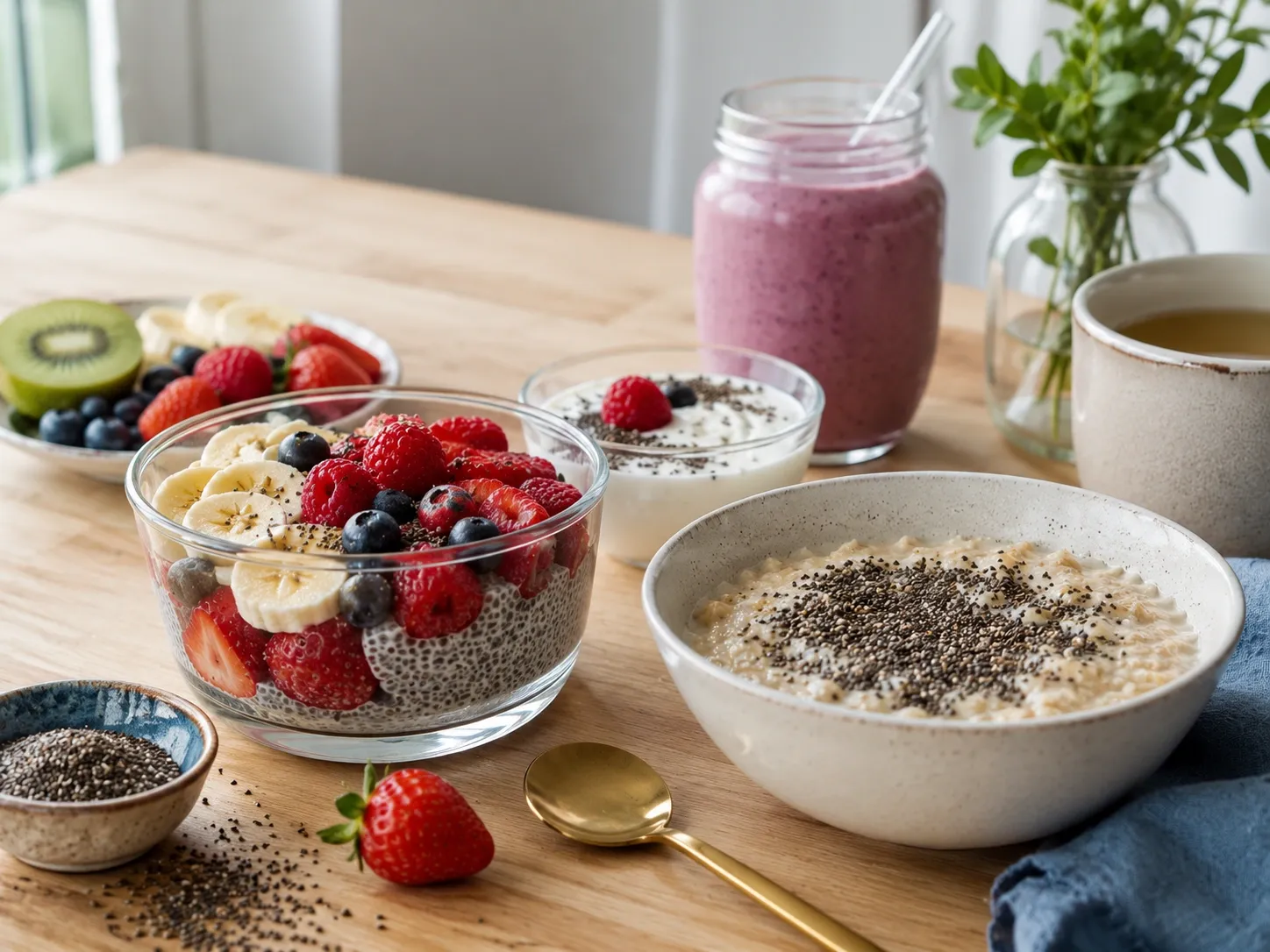
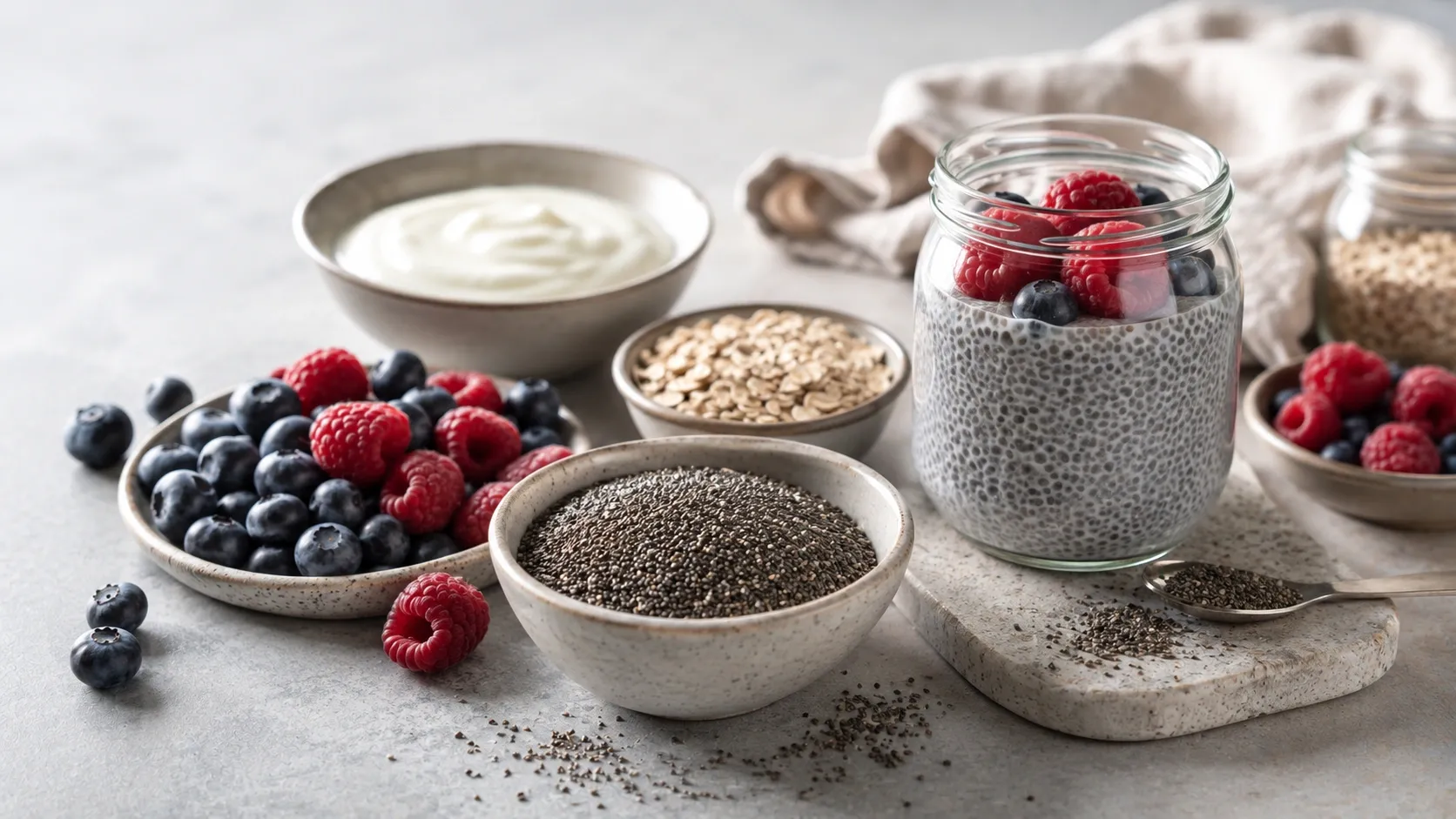
Chia has a mild flavor and works especially well in foods that contain some moisture. (Harvard T.H. Chan)
Practical options include:
- stirring it into yogurt;
- adding it to oatmeal;
- making chia pudding;
- blending it into smoothies;
- adding it to salads;
- mixing it into bread or muffin batter;
- making chia gel with water or milk;
- using it to thicken selected recipes.
Do chia seeds need to be soaked?
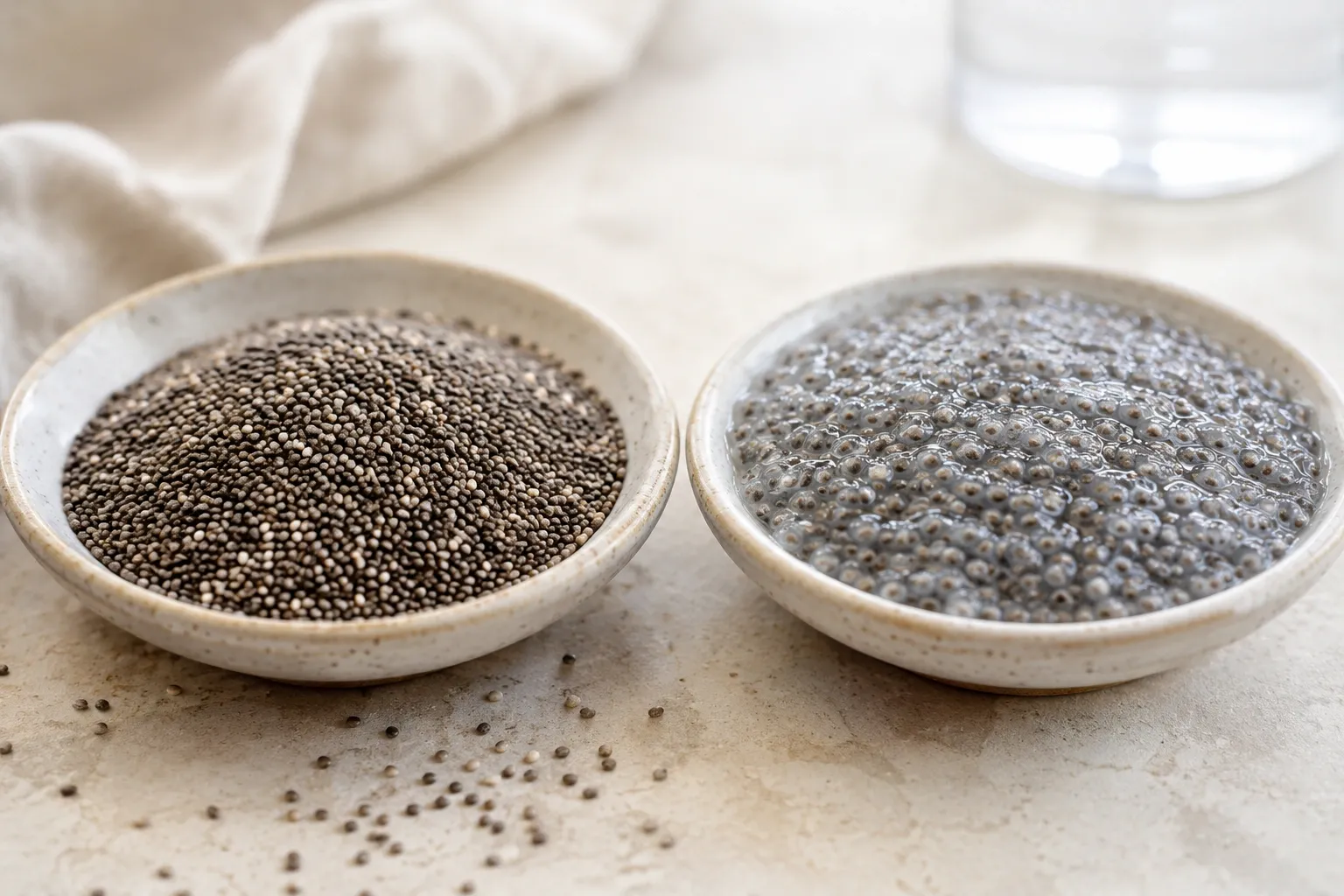
Not necessarily.
Whole chia can be digested when consumed with liquid or moist foods. Its outer surface breaks down readily when exposed to moisture, unlike whole flaxseed. (Harvard T.H. Chan)
Soaking can be useful for texture and recipe preparation, but every serving of chia does not need to become a gel before it is eaten.
Are there any safety considerations?
One simple precaution is worth remembering: avoid swallowing a large amount of completely dry chia seeds and drinking water only afterward.
Harvard cites a rare case in which dry chia expanded in the esophagus and caused a blockage. Because the seeds absorb liquid rapidly, the institution advises consuming them after they have been mixed with liquid or in moist foods. People with dysphagia, or difficulty swallowing, require particular caution. (Harvard T.H. Chan)
A sudden large increase in dietary fiber can also cause digestive discomfort for some people. Gradually increasing fiber and maintaining adequate fluid intake can improve tolerance. (NIDDK)
People with swallowing problems, digestive conditions, or specific nutritional needs should discuss substantial dietary changes with an appropriate healthcare professional.
Are black and white chia seeds different?
There is no established meaningful nutritional difference between black and white chia seeds. Harvard notes that the two varieties have comparable nutritional content. (Harvard T.H. Chan)
That means the choice can generally be based on price, availability, and culinary preference.
Conclusion
Chia deserves a place in a healthy diet for a reason that is less dramatic — and better supported — than many online claims: it is a nutrient-dense food that supplies substantial fiber and is a concentrated source of ALA plant omega-3. (Harvard T.H. Chan)
About 1 to 2 tablespoons, or 14 to 28 g, can serve as a practical amount for incorporating it into meals, but this should not be interpreted as an official daily dose.
Research suggests possible benefits for selected outcomes such as blood pressure, but current evidence does not justify presenting chia as a stand-alone solution for weight loss, diabetes, high cholesterol, or cardiovascular disease. Its strongest role is as one useful component of a varied, balanced dietary pattern. (Springer)