Does Citrulline Malate Improve Exercise Performance?
Citrulline malate may provide small performance benefits in some workouts, particularly muscular endurance. Learn what the evidence says about dosage, strength, fatigue, and safety.

Citrulline malate is a common ingredient in pre-workout supplements and is often marketed for greater strength, a better muscle “pump,” improved endurance, and reduced fatigue. The scientific evidence paints a more restrained picture: citrulline malate may provide a small performance benefit in certain settings, particularly during repeated resistance exercise, but the effect is not consistent across every type of exercise. (MDPI)
The most comprehensive meta-analysis available, published in 2026, included 30 randomized controlled trials, 138 effect sizes, and 644 participants. It found a small overall improvement in exercise performance (g = 0.16), although prediction intervals were wide. (MDPI)
In practical terms, citrulline malate may help in some circumstances, but the likely effect is much smaller than many marketing claims imply.
What Is Citrulline Malate?
Citrulline is an amino acid involved in several metabolic pathways. Oral supplementation can increase circulating citrulline and arginine, with arginine serving as a substrate for nitric oxide production. (PubMed)
Nitric oxide contributes to vascular regulation, which has led researchers to propose improved blood flow as one mechanism through which citrulline could influence exercise performance. However, evidence that acute supplementation consistently increases skeletal-muscle blood flow during exercise remains limited and inconsistent. (PubMed)
Citrulline malate combines citrulline with malate, a molecule involved in energy metabolism. Improved ammonia handling and greater ATP availability through malate-related pathways have also been proposed, although their practical contribution to human performance remains uncertain. (PubMed)
Can Citrulline Malate Improve Resistance Training?

This is where the evidence appears most promising.
A 2021 systematic review and meta-analysis of double-blind, placebo-controlled studies found that 6–8 g of citrulline malate taken 40–60 minutes before resistance exercise increased total repetitions by approximately 3 repetitions, or 6.4%, on average. The effect size was small. (PubMed)
This could matter to someone trying to add a little more training volume within a session. However, it does not mean everyone will gain three repetitions on every set. The figure represents an average across the exercise protocols included in the analysis.
What Did the 2026 Evidence Add?
The 2026 meta-analysis found a small overall benefit of citrulline malate. Acute single-dose studies also showed a small statistically significant effect. In contrast, outcomes specifically related to strength and power remained trivial. (MDPI)
Exploratory analyses suggested possible benefits for some aerobic-endurance and short-duration anaerobic tasks, but those findings became less robust in sensitivity analyses. (MDPI)
Overall, the latest evidence supports the possibility of a small, context-dependent effect rather than a strong universal improvement in athletic performance.
Does Citrulline Malate Increase Strength?
Muscular strength and muscular endurance are different outcomes.
Maximal strength refers to the greatest force or load a person can produce, whereas muscular endurance involves sustaining effort or completing repeated contractions before fatigue.
A systematic review and meta-analysis focused on resistance-trained adults included four studies and 138 assessments. It found no significant overall effect on muscular strength (SMD = 0.13, 95% CI -0.21 to 0.46). (PubMed)
| Goal | Current evidence |
|---|---|
| More repetitions | Possible small benefit |
| Greater maximal strength | No consistent benefit demonstrated |
| Greater power | Weak/inconsistent evidence |
| Better aerobic performance | No consistent overall benefit |
| Lower perceived exertion | Possible small benefit |
| Less muscle soreness | Possible benefit in some recovery periods |
This distinction helps explain why a supplement might slightly increase work capacity during repeated sets without meaningfully increasing a one-repetition maximum.
What About Running, Cycling, and Endurance Exercise?
The evidence is less convincing.
A 2022 systematic review and meta-analysis of 10 studies assessed aerobic performance and related outcomes. Overall, citrulline supplementation did not significantly improve aerobic exercise performance, oxygen-uptake measures, lactate, or perceived exertion. (PubMed)
This does not mean that no person or protocol can respond positively. Rather, when the available trials are pooled, the evidence is not consistent enough to consider citrulline an established endurance aid.
Can It Reduce Fatigue or Muscle Soreness?
There is some supportive evidence, with important limitations.
A meta-analysis including 13 studies and 206 participants reported reductions in perceived exertion and some measures of post-exercise muscle soreness. Blood lactate, however, was not significantly reduced. The most frequently used protocol in those studies involved 8 g of citrulline malate. (PubMed)
Feeling slightly less fatigued or sore is therefore plausible, but it should not be expected in every athlete.
How Much Has Been Studied?
A commonly studied resistance-training protocol is:
- 6–8 g of citrulline malate;
- approximately 40–60 minutes before training;
- usually as a single pre-exercise dose. (PubMed)
These numbers describe research protocols and should not be interpreted as a personalized supplementation recommendation.
There is another complication: citrulline malate is not pure L-citrulline. Commercial products may use different ratios of citrulline and malate, and scientific reviews have raised concerns about whether some tested products accurately matched their claimed ratios. (PubMed)
For that reason, comparing two products solely by the total grams listed on the front label can be misleading.
Citrulline Malate vs. L-Citrulline
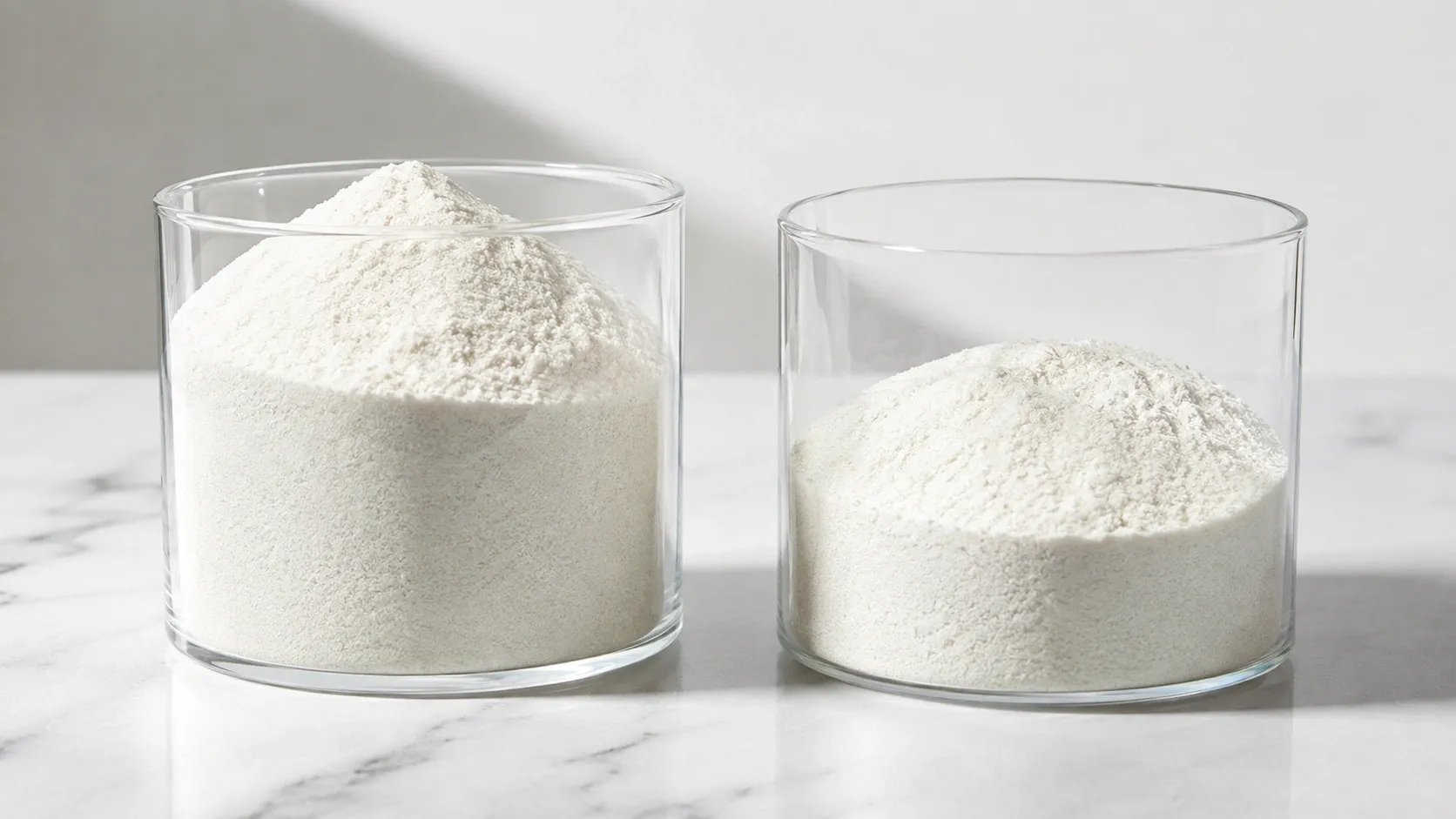
The two forms should not be treated as interchangeable.
Pure L-citrulline contains the amino acid alone. Citrulline malate combines citrulline with malate, so each gram of the mixture contains less citrulline than a gram of pure L-citrulline.
Different commercial formulations may also contain different citrulline-to-malate ratios. As a result, a citrulline-malate research dose cannot automatically be converted into an equivalent L-citrulline dose without knowing the actual formulation. (NIH ODS)
Is Citrulline Malate Safe?
Short-term studies have generally not identified frequent serious adverse effects, but long-term supplemental use has not been adequately studied. The NIH Office of Dietary Supplements notes that safety data are insufficient for use over extended periods. In one trial involving 41 male weightlifters taking 8 g of citrulline malate, six reported stomach discomfort. (NIH ODS)
People with medical conditions, those regularly taking medication, and anyone considering long-term supplementation should discuss its use with a qualified healthcare professional.
Is Citrulline Malate Worth Taking?
That depends on the goal.
For a resistance-trained person who has already addressed training quality, nutrition, recovery, and sleep, citrulline malate could be considered a secondary strategy that may provide a small improvement in muscular endurance or training volume during certain workouts. (PubMed)
It should not be expected to produce large increases in maximal strength, power, muscle mass, or endurance performance.
The size of the effect also matters. A statistically significant result can still be small in practical terms, which is an important part of interpreting the current citrulline-malate literature. (MDPI)
Conclusion
Citrulline malate may modestly improve certain aspects of exercise performance, particularly the ability to complete repeated resistance-training work, but the expected effect is small.
Current evidence does not demonstrate a consistent improvement in maximal strength, while results for power and aerobic exercise remain uncertain or unconvincing. The 2026 meta-analysis found a small overall performance benefit, supporting the idea that citrulline malate may work in some contexts without justifying claims of dramatic performance enhancement. (MDPI)
Product composition, the actual amount of citrulline provided, individual tolerance, and the athlete’s goal should therefore be considered before focusing solely on the number of grams listed on a supplement label.