Beans: Why They Still Matter in the Brazilian Diet
Beans are a cornerstone of Brazilian food culture and a source of fiber, plant protein and micronutrients. Learn why rice and beans remain a valuable part of a balanced diet.
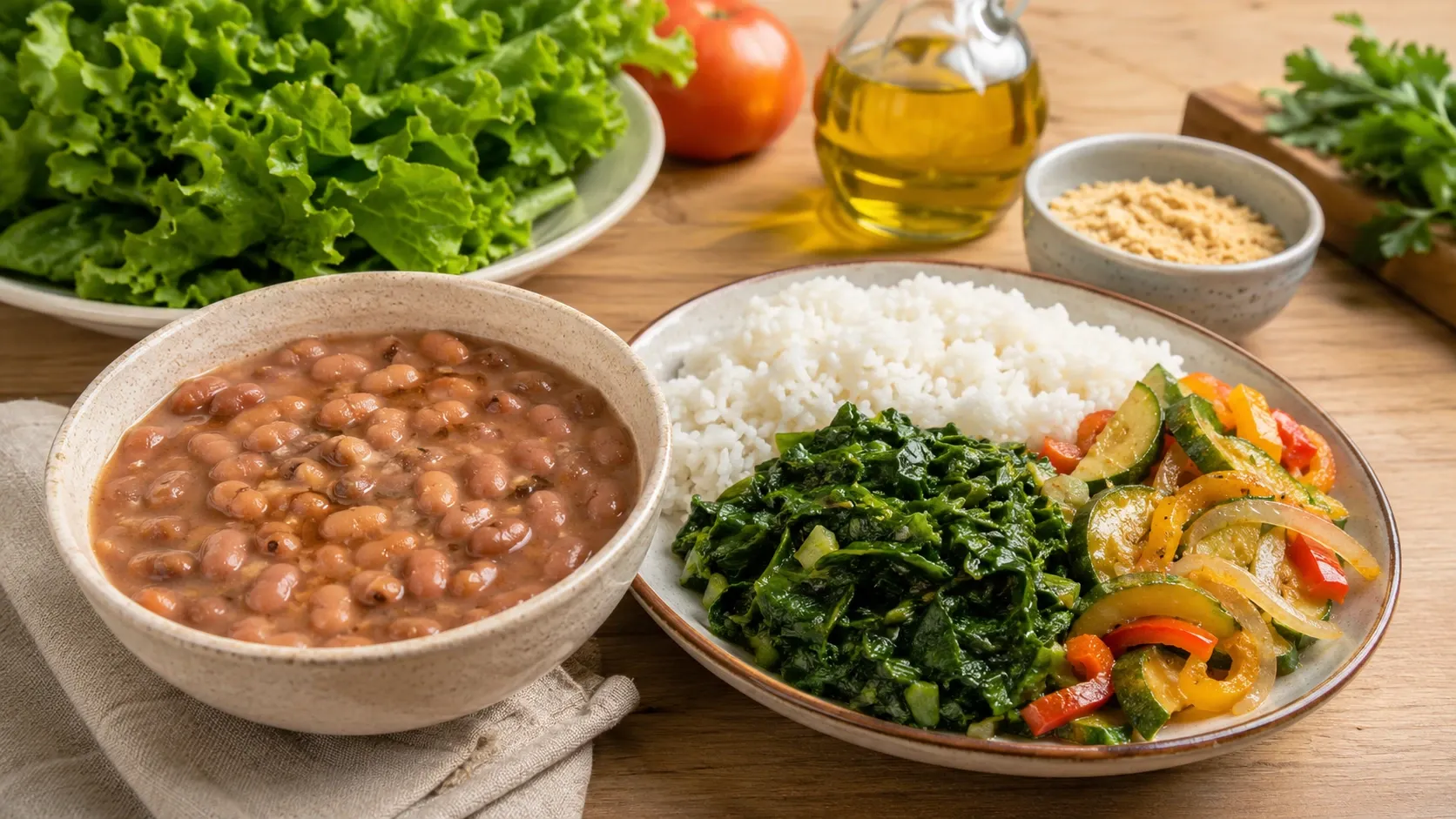
Few foods are as closely connected to everyday Brazilian cooking as beans. Carioca, black, black-eyed, white and regional varieties are used in countless dishes across the country, and for many families they remain a familiar part of lunch and dinner. Brazil’s Dietary Guidelines devote an entire section to beans and highlight both their culinary diversity and their nutritional role.
Their importance is not simply cultural. Beans provide fiber, plant protein and several micronutrients while fitting naturally into a dietary pattern centered on unprocessed or minimally processed foods. (Serviços e Informações do Brasil)
At the same time, national surveys and recent time-trend research indicate that bean consumption has been declining in Brazil. That makes a familiar food worth looking at again: why do beans still deserve a place on the Brazilian table? (Agência de Notícias IBGE)
What nutrients do beans provide?
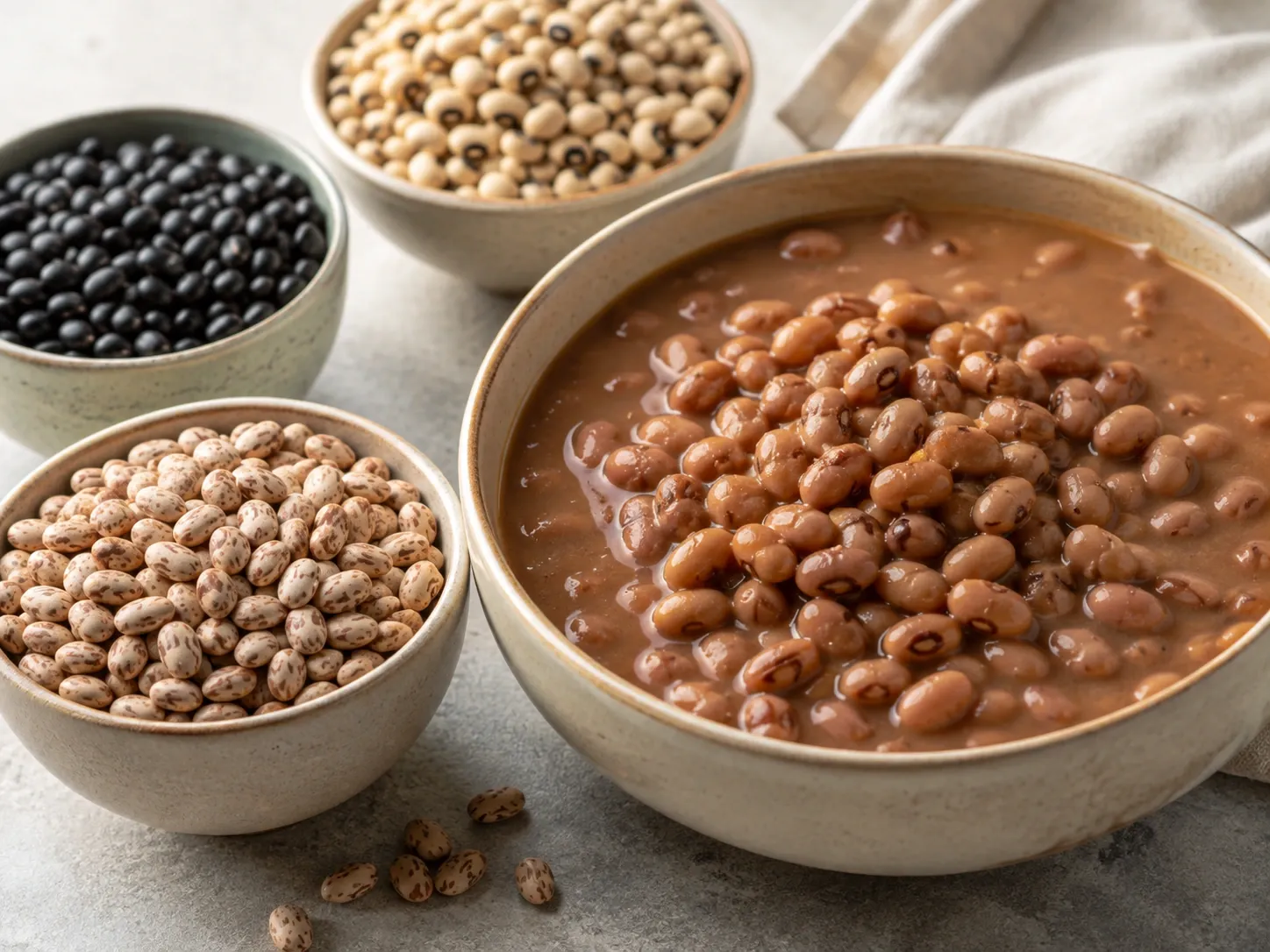
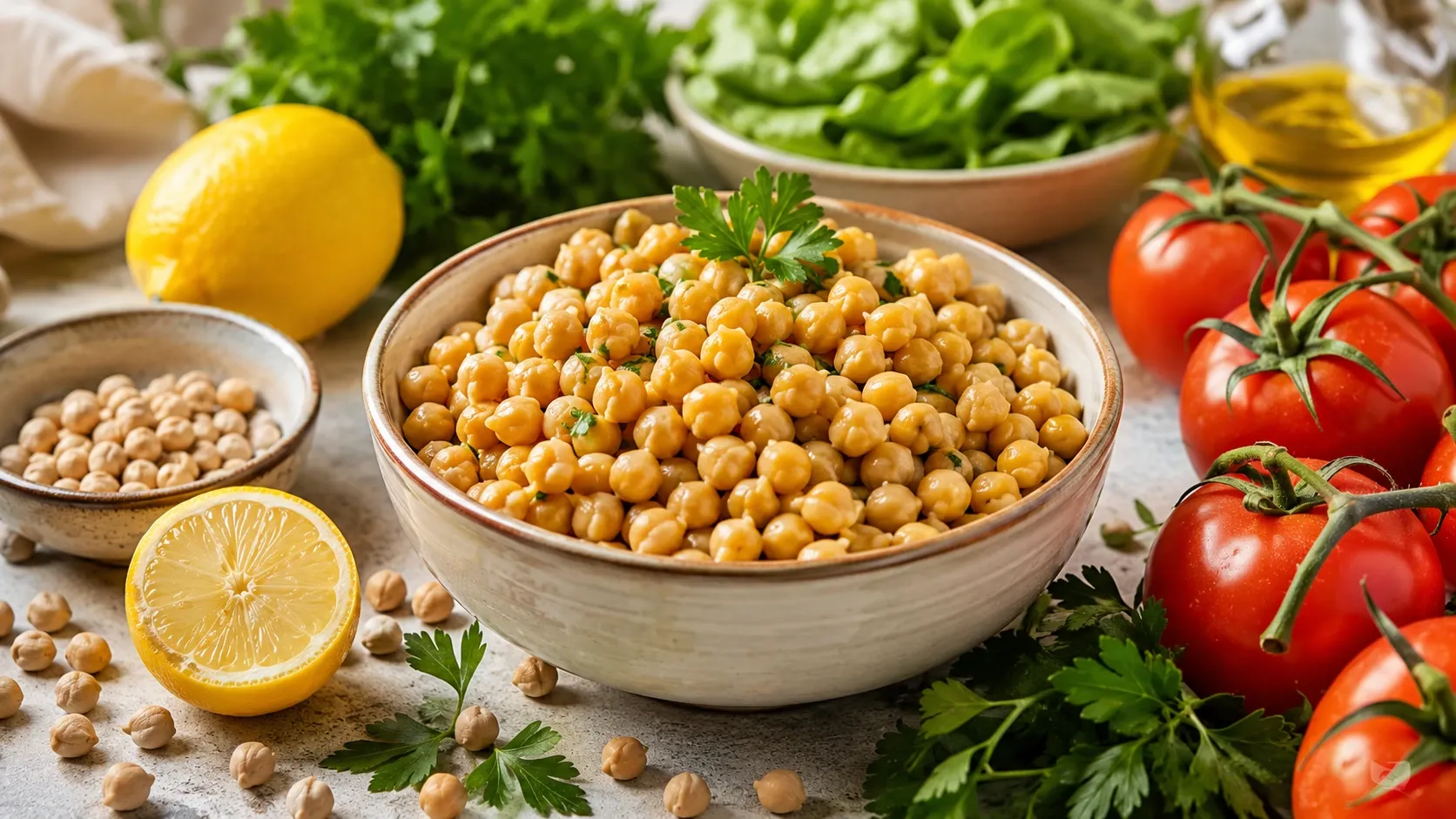
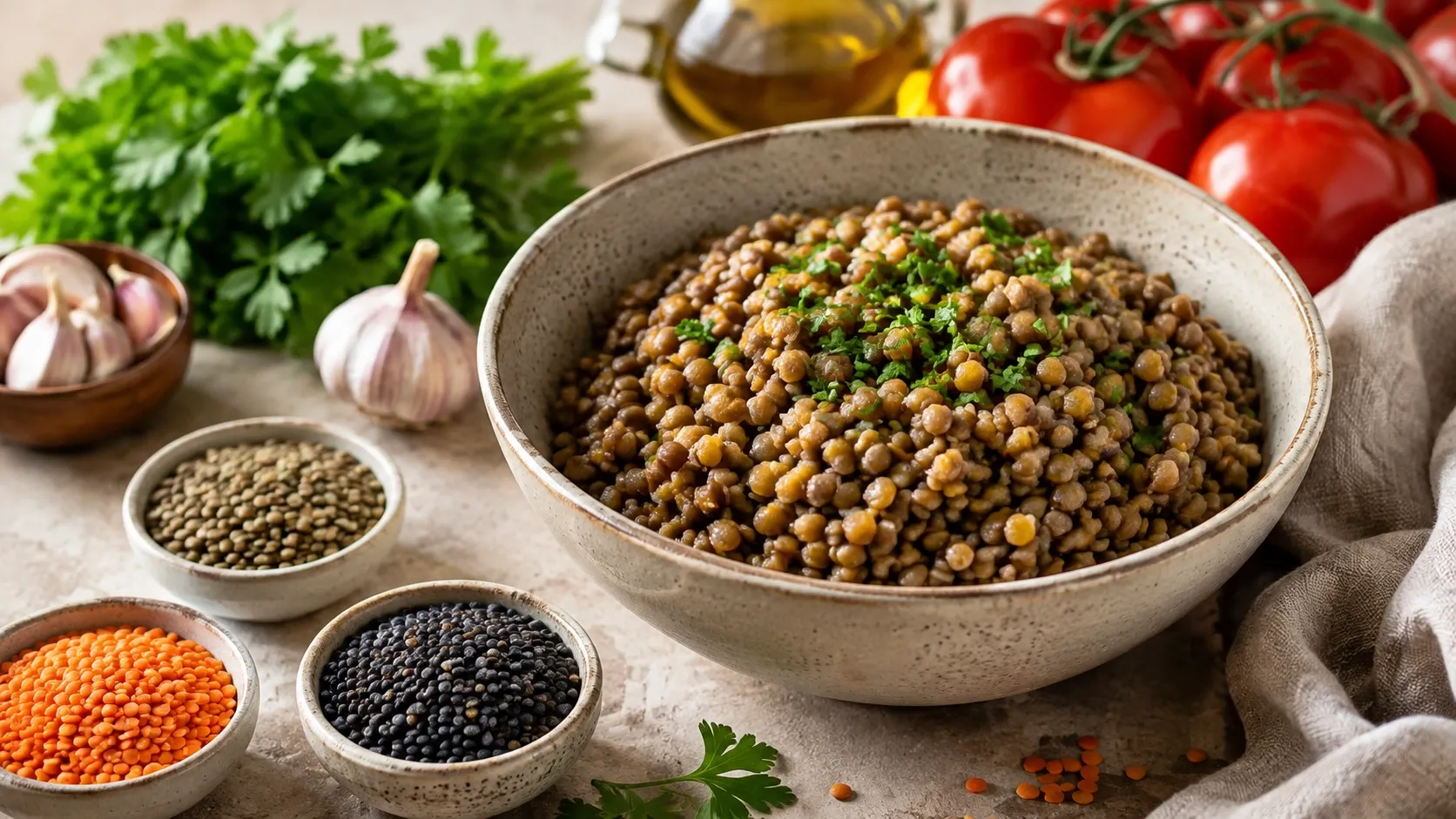
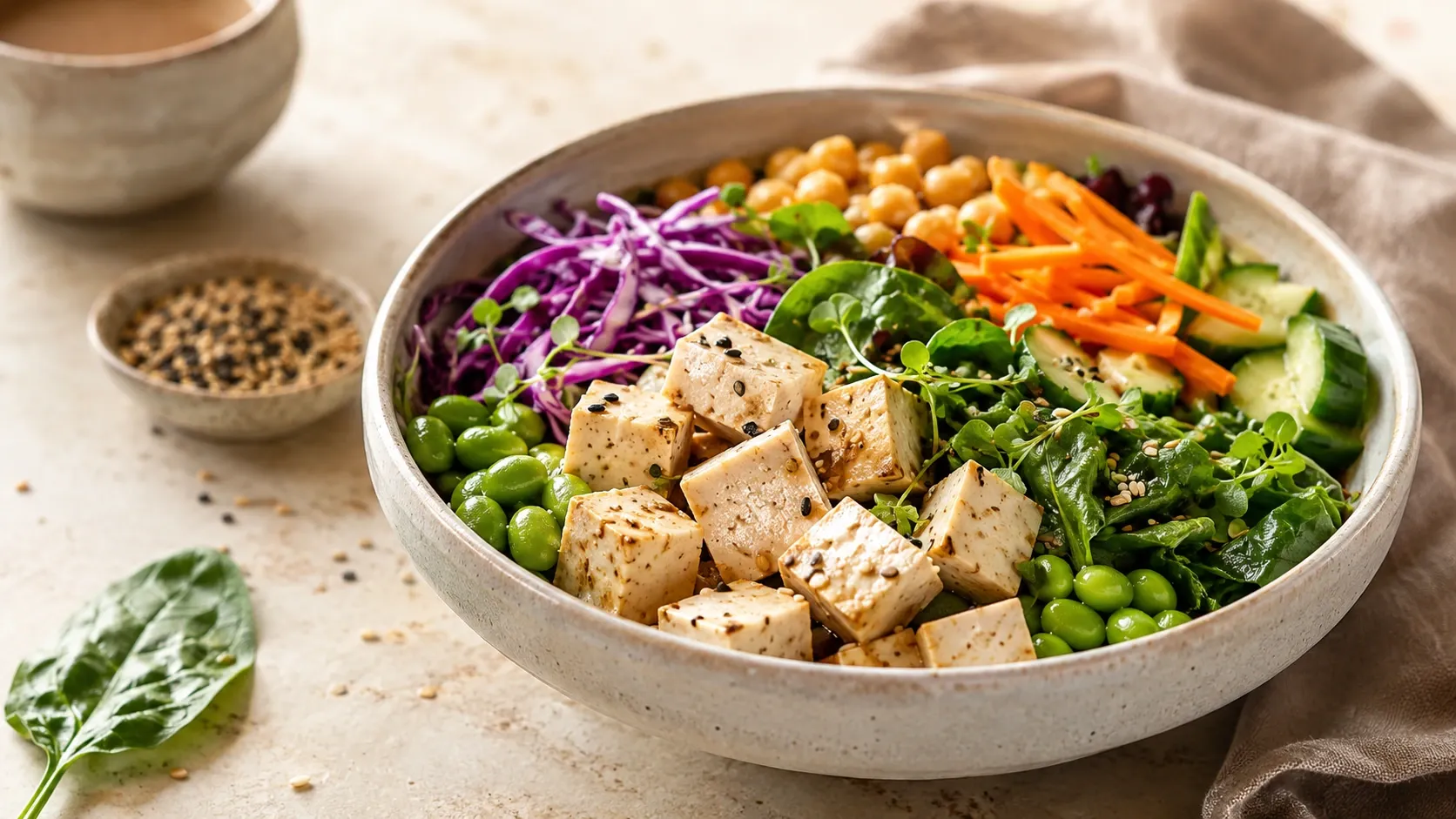
Beans are legumes, a food group that also includes lentils, peas and chickpeas. Brazil’s Ministry of Health describes beans as sources of protein, fiber, B vitamins and minerals including iron, zinc and calcium.
Their exact nutrient composition depends on the variety, the proportion of beans to cooking liquid and the ingredients used during preparation. Data from the Brazilian Food Composition Table provide a useful example of what a common serving can contain. (TBCA)
A shallow ladle containing about 80 g of a prepared carioca bean recipe provides approximately:
| Nutrient | Amount per 80 g shallow ladle |
|---|---|
| Energy | 64 kcal |
| Protein | 3.74 g |
| Dietary fiber | 5.46 g |
| Iron | 1.07 mg |
| Folate equivalent | 75.5 µg |
| Potassium | 218 mg |
These figures refer specifically to TBCA preparation BRC0091T and should not be assumed to represent every bean variety or recipe. (TBCA)
Fiber is particularly noteworthy. It contributes to the bulk of the diet and is involved in digestive function and satiety. This does not make beans a miracle food, but it helps explain why they fit so comfortably into balanced meals.
Beans contribute plant protein, too
Protein is often associated primarily with meat, eggs and dairy products, but beans also contribute to daily protein intake. The amount in a typical ladle is lower than in a standard serving of many animal-source protein foods, yet it can still make a meaningful contribution across the day’s meals. (TBCA)
Protein is also only one part of the picture. In beans, it comes within a food matrix that includes fiber, folate, iron, potassium, magnesium and other nutrients. (TBCA)
That helps explain why replacing beans with an ultra-processed product containing a similar number of calories is not nutritionally equivalent. Brazil’s Dietary Guidelines recommend making unprocessed and minimally processed foods the foundation of the diet. (Serviços e Informações do Brasil)
Why are rice and beans such a classic pairing?
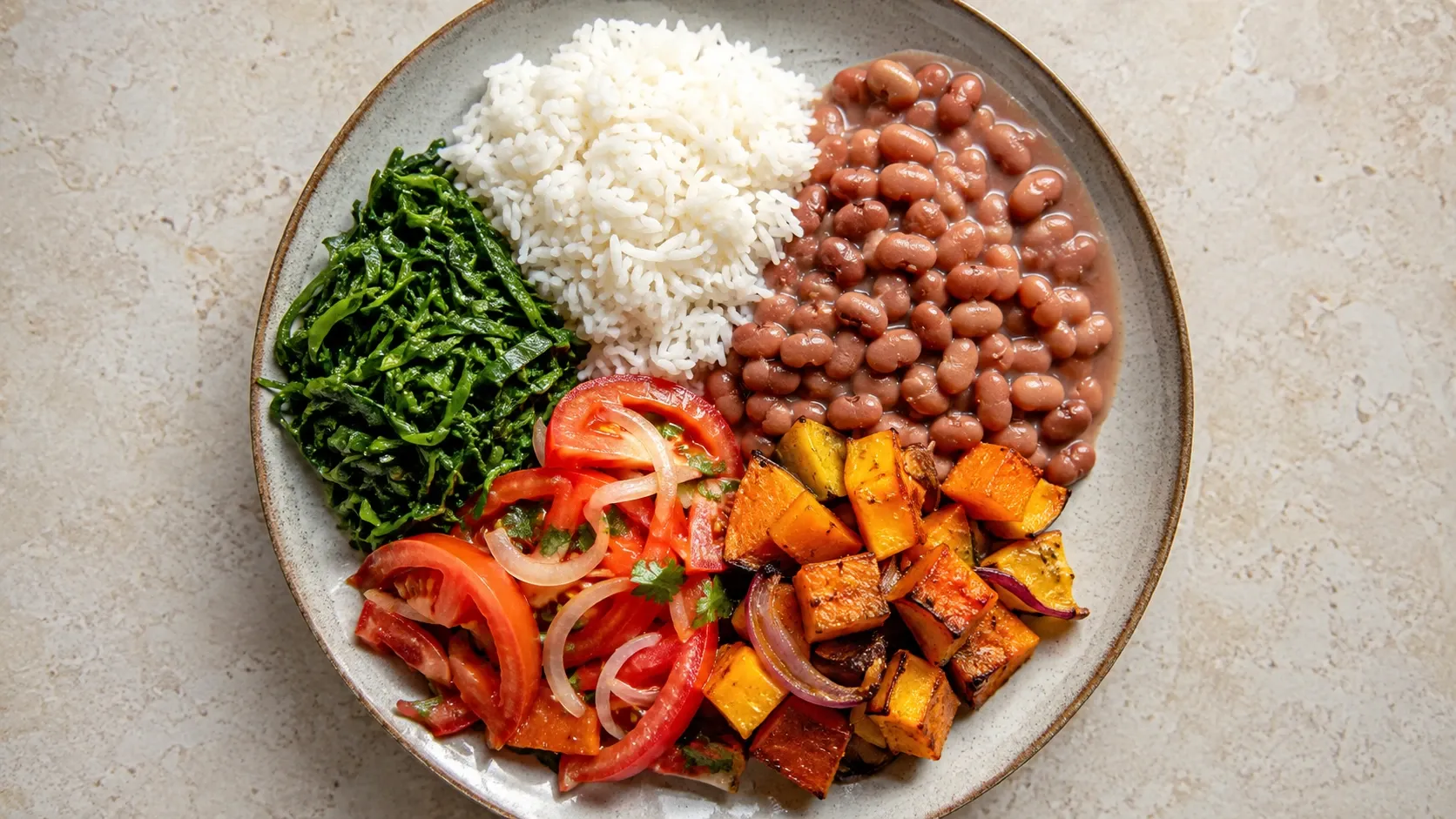
Rice and beans did not become a Brazilian staple solely because they taste good together. The Brazilian Ministry of Health also describes them as nutritionally complementary plant foods. (Serviços e Informações do Brasil)
Rice belongs to the cereal group, while beans are legumes. Together, they create a versatile foundation that can be accompanied by vegetables, eggs, fish, meat or other foods according to individual preferences and needs. Rice and beans appear repeatedly in the healthy meal examples presented in Brazil’s Dietary Guidelines. (Serviços e Informações do Brasil)
The combination also illustrates an important point: a nutritionally sound meal does not necessarily require unusual or expensive ingredients. Familiar staples can play an important role when they are part of a varied diet based largely on minimally processed foods. (Serviços e Informações do Brasil)
What about the iron in beans?
Beans contain iron, but the iron in plant foods is nonheme iron. Its absorption is generally lower and more affected by other foods eaten in the same meal than the heme iron found in animal foods. (ODS)
Including vitamin C-rich foods in the same meal can improve the absorption of nonheme iron. Citrus fruits, tomatoes, bell peppers and other vitamin C sources can therefore complement meals containing beans. (ODS)
Fiber is another major reason beans stand out
Fiber is one of the defining nutritional characteristics of beans. In the carioca bean preparation listed in the TBCA, an 80 g shallow ladle provides just over 5 g of dietary fiber. (TBCA)
The benefit should still be understood within the wider diet. Fruits, vegetables, whole grains, seeds and different legumes increase both the amount and the variety of fiber-containing foods consumed.
People who currently eat very little fiber may find it more comfortable to increase beans gradually. Individual gastrointestinal tolerance and preparation methods can also affect how the food feels after a meal.
Are beans good for cardiovascular health?
The research on legumes is encouraging, but it should not be oversimplified.
A 2023 systematic review and dose-response meta-analysis found that higher legume intake was associated with lower cardiovascular disease and coronary heart disease risk, although the same association was not observed for stroke. Because much of the evidence came from observational research, the result cannot prove that legumes themselves caused the difference in risk. (PubMed)
Another systematic review published in 2023 reached a more cautious conclusion. After examining cohort studies and clinical trials, the researchers considered the overall evidence insufficient to conclude that legume consumption directly lowers cardiovascular disease or type 2 diabetes risk in healthy adults. Some randomized trials did, however, report favorable changes in markers such as LDL cholesterol and fasting glucose. (Pesquisa Alimentar e Nutrição)
The most evidence-aligned conclusion is therefore straightforward: beans and other legumes make sense as part of a healthy dietary pattern, but they should not be marketed as foods that prevent disease on their own.
Bean consumption in Brazil has been declining
Beans remain a powerful symbol of Brazilian food culture, but consumption patterns have changed.
Comparing Brazil’s 2008-2009 and 2017-2018 Household Budget Surveys, the reported frequency of bean consumption fell from 72.8% to 60.0%. Beans nevertheless remained among the foods with the highest average daily per-capita intake in the 2017-2018 survey. (Agência de Notícias IBGE)
A 2025 study using Vigitel data also reported a downward trend in regular bean consumption, defined as eating beans on five or more days per week, among adults living in Brazilian state capitals between 2006 and 2023. (SciELO Saúde Pública)
These sources use different survey methods, so their percentages should not be treated as directly interchangeable. Together, however, they point toward a gradual loss of space for one of Brazil’s traditional staple foods. (Agência de Notícias IBGE)
Why does that decline matter?
There is nothing inherently unhealthy about changing a food tradition. The more important question is what foods replace traditional staples when they disappear from everyday meals.
Brazil’s Dietary Guidelines specifically warn about the replacement of unprocessed or minimally processed foods and freshly cooked meals—including rice and beans—with ready-to-eat industrial products. Their central recommendation is to make unprocessed or minimally processed foods the basis of the diet and to avoid ultra-processed foods. (Serviços e Informações do Brasil)
Preserving beans does not mean that everyone must eat the same bean recipe every day. Lentils, chickpeas, peas and different bean varieties can all add diversity, and the Brazilian guidelines explicitly encourage variation among legumes. (Serviços e Informações do Brasil)
Do beans have to be cooked with a lot of fat or meat?
No. Brazilian bean dishes vary considerably, and some traditional recipes contain meat, added fats or substantial amounts of salt. Those preparations should not be assumed to represent every way of eating beans.
Brazil’s Ministry of Health recommends moderation with added oil and salt and suggests using ingredients such as garlic, onion, bay leaves, parsley, scallions, peppers and cilantro to build flavor.
Preparation makes a measurable difference. In the TBCA, carioca beans cooked without added oil or salt contain very little sodium, whereas a seasoned recipe containing salt has a substantially higher sodium content. (TBCA)
How can beans be made easier to prepare?
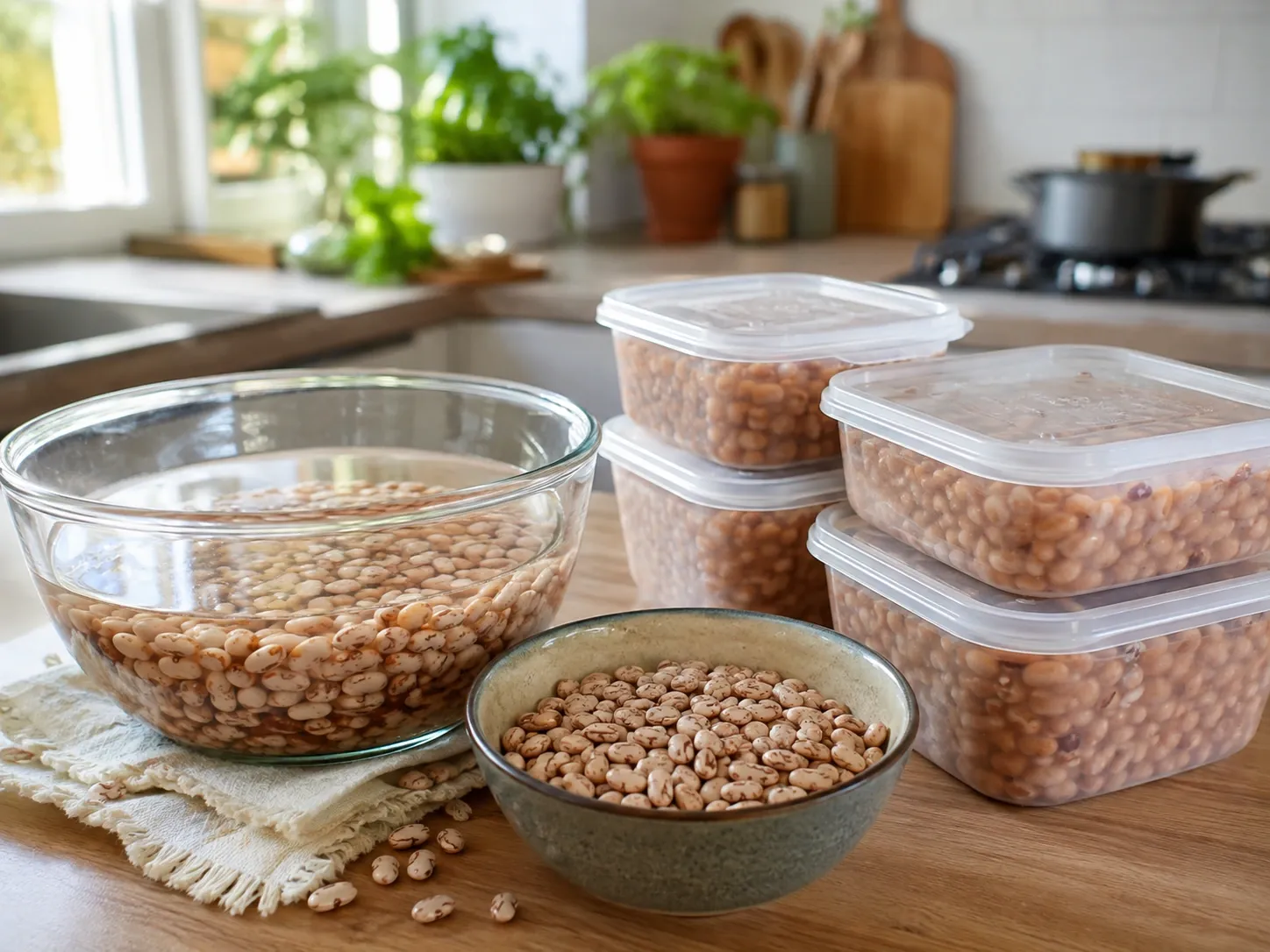
Time is one practical barrier to cooking dried beans. Brazil’s Dietary Guidelines offer several strategies to make the process easier.
Useful approaches include:
- washing and soaking dried beans for several hours;
- discarding the soaking water and using fresh water for cooking;
- using a pressure cooker to shorten cooking time;
- cooking a larger batch at once;
- freezing portions for later meals;
- rotating among carioca, black, black-eyed, white and other bean varieties or legumes. (Serviços e Informações do Brasil)
The goal is not to make healthy eating complicated. It is to make familiar minimally processed foods easier to keep in the everyday routine.
Does everyone need to eat beans?
There is no single healthy menu that suits every person or culture. Plant protein, fiber and micronutrients can also come from foods such as lentils, peas and chickpeas.
In Brazil, however, beans have an unusually strong combination of advantages: they belong to the country’s food culture, work well in familiar meals, supply several important nutrients and fit the dietary pattern promoted by the national guidelines.
Their value therefore does not depend on calling them a “superfood.” In fact, the opposite may be more meaningful: beans are an ordinary everyday food that can make a substantial nutritional contribution without extraordinary claims.
Conclusion
Beans remain important in the Brazilian diet because they bring together nutrition, culture and everyday practicality. They provide fiber, plant protein, iron, folate and other nutrients, while rice remains their most familiar culinary partner. (TBCA)
Scientific evidence also supports including legumes in healthy dietary patterns, although it would be an exaggeration to claim that beans alone prevent cardiovascular disease, diabetes or other conditions. (PubMed)
At a time when Brazilian surveys indicate that bean consumption has been declining, making room for beans again can be a remarkably simple idea: keeping a familiar, minimally processed and nutritionally valuable food at the center of everyday meals. (Agência de Notícias IBGE)