Is Brown Rice Really Better Than White Rice for You?
Brown rice contains more fiber and retains more of the grain's nutrients, but that does not make white rice automatically unhealthy. Here's what the evidence shows.
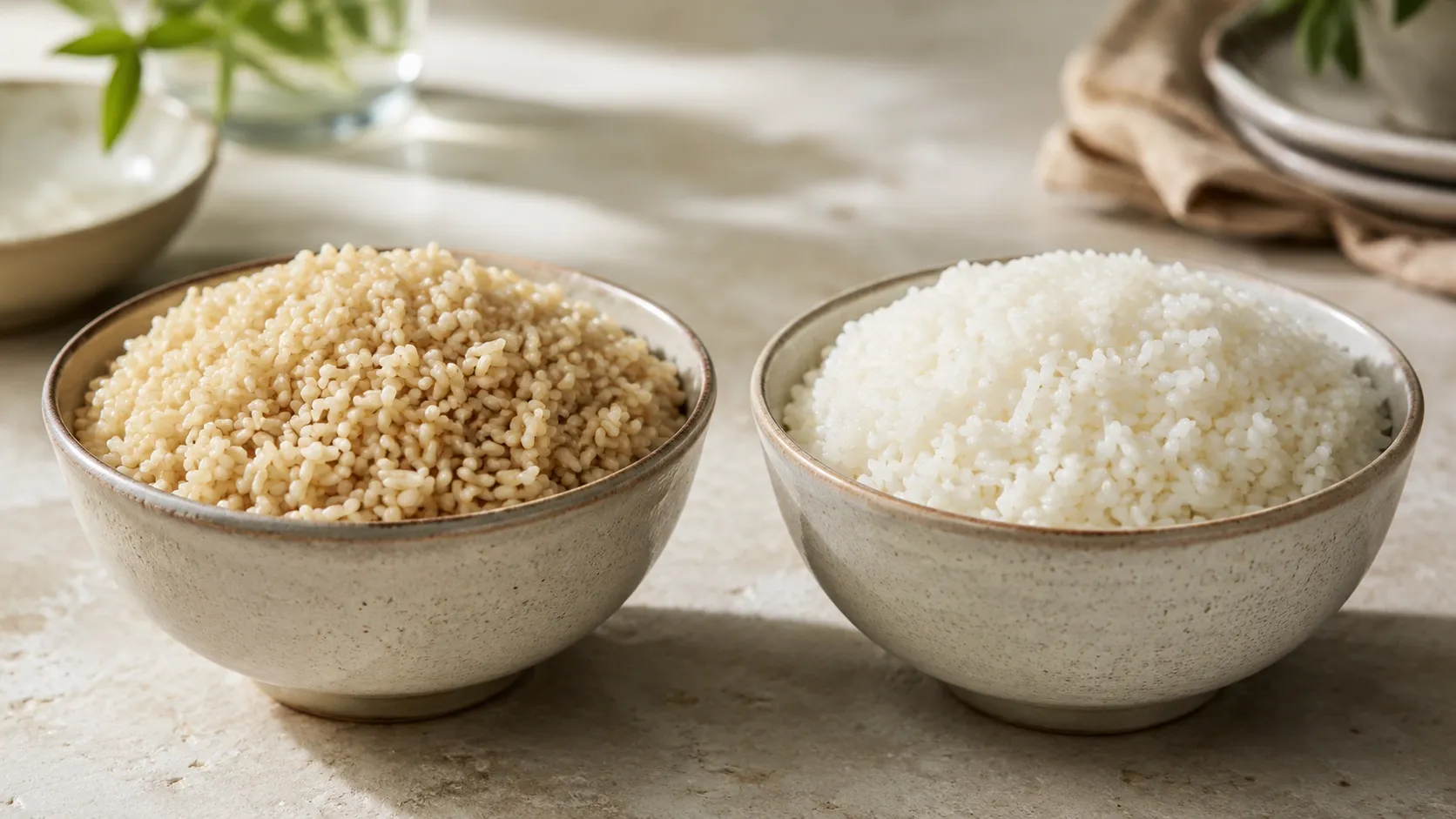
Brown rice is often portrayed as the unquestionably healthy choice, while white rice is treated as something people should avoid.
The evidence is more nuanced.
Nutritionally, brown rice generally has an advantage. It retains parts of the grain that are removed during white-rice processing, which means more fiber and a broader range of naturally occurring nutrients remain in the food. But this does not mean white rice is inherently unhealthy or that switching from one to the other will automatically produce major health changes. (BMJ Open)
What is actually different about brown and white rice?
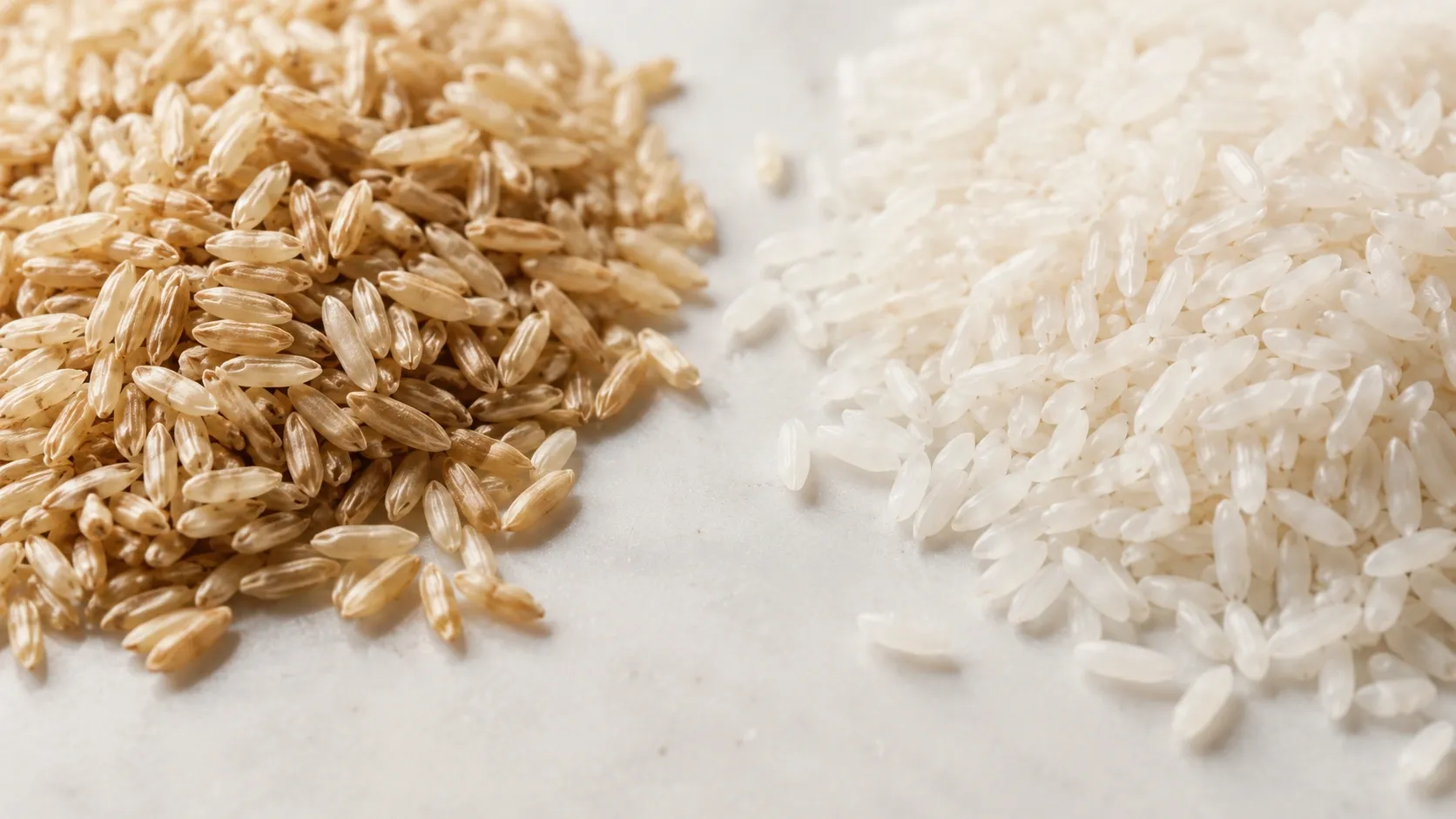
A whole rice grain includes the starchy endosperm, germ and outer bran layers.
Brown rice retains these layers. White rice is milled and polished, removing the bran and germ and leaving primarily the starchy endosperm. (BMJ Open)
That relatively simple processing difference explains many of their nutritional differences.
| Feature | Brown rice | White rice |
|---|---|---|
| Fiber | Higher | Lower |
| Bran and germ | Retained | Removed during milling |
| Minerals | Generally retains more of several minerals | Some are reduced during processing |
| Vitamins | Naturally retains more components of the whole grain | Enriched varieties may have selected nutrients added back |
| Calories | Similar to white rice | Similar to brown rice |
| Carbohydrates | Similar | Similar |
| Texture | Firmer and chewier | Softer |
| Cooking time | Usually longer | Usually shorter |
In other words, brown rice is not dramatically lower in carbohydrates or calories. Its main advantage is the nutritional quality that comes from keeping more of the original grain intact. (USDA FoodData Central)
Brown rice contains more fiber
Because its bran remains intact, brown rice contains more dietary fiber than white rice. USDA food-composition data consistently show this difference. (USDA FoodData Central)
This can make brown rice one way to increase the proportion of whole grains and fiber in the diet.
The World Health Organization recommends that carbohydrates come primarily from whole grains, vegetables, fruits and pulses. For people older than 10, it also recommends at least 25 grams of naturally occurring dietary fiber per day. (WHO)
Still, changing the type of rice is only one piece of the picture. Beans, lentils, oats, fruits and vegetables can make an even larger contribution to daily fiber intake.
What about the glycemic index?
This is where simple comparisons become less useful.
Brown rice often has a lower glycemic response than some forms of white rice, partly because of its intact structure and fiber. But glycemic index varies considerably among different rice varieties and processing methods. (BMJ Open)
And rice is rarely eaten by itself.
A meal containing rice, beans, vegetables and protein may have a different metabolic effect from the same rice eaten alone.
The color of the grain therefore cannot tell you everything about how an entire meal will affect blood sugar.
Brown rice, white rice and diabetes
Observational research generally favors brown rice.
A 2022 systematic review and meta-analysis found that higher white-rice consumption was associated with higher type 2 diabetes risk, while brown-rice intake was associated with lower risk. (BMJ Open)
But observational associations cannot prove that the rice itself caused those differences.
When the researchers examined randomized trials that actually substituted brown rice for white rice, results for cardiometabolic risk factors were inconsistent. (BMJ Open)
A separate meta-analysis in adults with prediabetes or type 2 diabetes similarly found no significant improvement in HbA1c or fasting blood glucose with brown rice versus white rice. The overall quality of evidence ranged from low to moderate. (PubMed)
The key distinction is important: a food can have a better nutritional profile without producing a dramatic measurable health effect when it is the only part of the diet that changes.
Is white rice unhealthy?
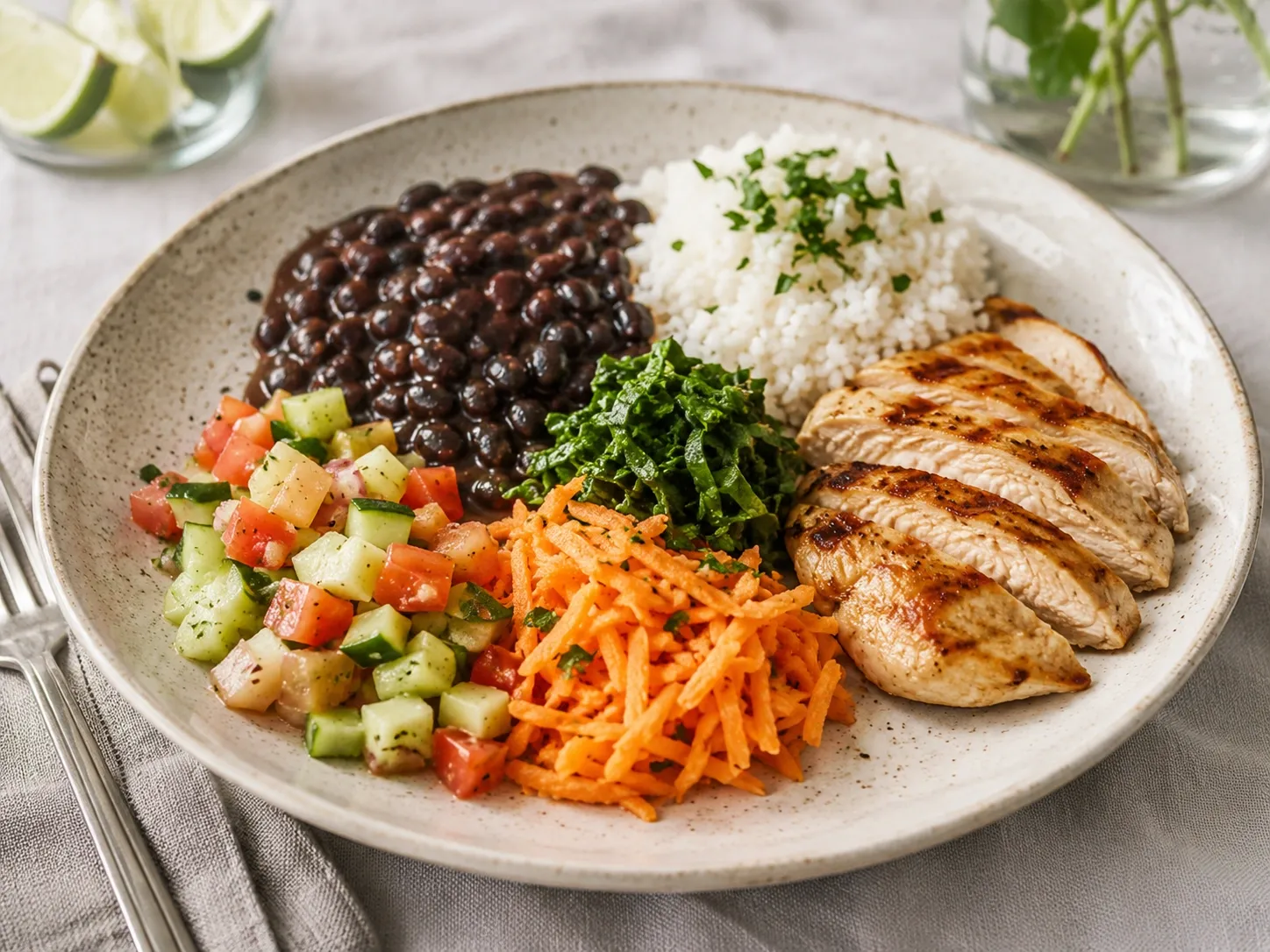
The available evidence does not support such a simple label.
A large systematic review found an association between higher white-rice consumption and type 2 diabetes. However, it did not find significant associations with cardiovascular disease, cardiovascular mortality, cancer or metabolic syndrome in the evidence analyzed. (PubMed)
Dietary context matters enormously.
A diet dominated by large amounts of refined grains is very different from a balanced meal containing white rice alongside beans, vegetables and an appropriate protein source.
Food choices should be evaluated as part of an overall dietary pattern.
Is brown rice better for weight loss?
Its higher fiber content can contribute to overall diet quality and may improve satiety in some meals.
That does not make brown rice a weight-loss food.
Brown and white rice have broadly similar calorie contents, so simply replacing one with the other does not guarantee weight loss. Total energy intake, overall food quality, physical activity and long-term adherence remain much more important.
The arsenic question
Brown rice has one disadvantage that receives much less attention.
Rice can absorb arsenic from the environment. Because arsenic tends to concentrate in the outer portions of the grain, brown rice generally contains more arsenic than polished white rice. A 2025 U.S. analysis reported higher arsenic concentrations and greater estimated exposure among regular brown-rice consumers. (PubMed)
That finding does not mean brown rice is unsafe for everyone. The same analysis did not identify an acute public-health risk for the general U.S. population from rice-related arsenic exposure. (PubMed)
Variety is a reasonable strategy. Oats, corn, wheat, quinoa, potatoes and other carbohydrate-rich foods can all rotate with rice rather than relying on the same grain at every meal.
Cooking method can reduce arsenic
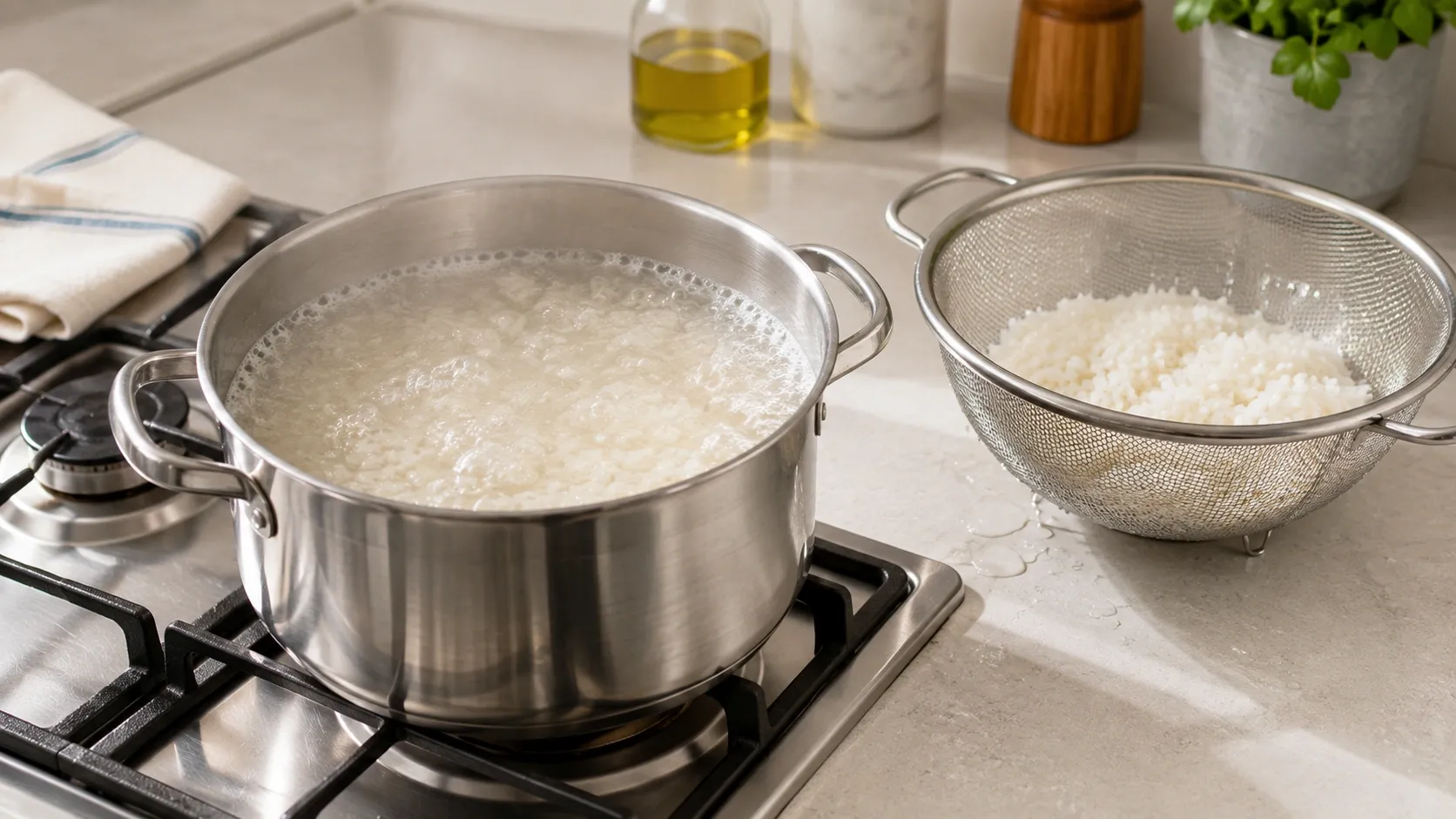
The FDA reports that cooking rice in excess water, similar to pasta, and draining the remaining water can reduce inorganic arsenic by roughly 40% to 60%, depending on the rice. (FDA)
There is a tradeoff. This method can also remove some nutrients, particularly nutrients added to enriched polished or parboiled white rice. (FDA)
When might white rice be the better practical choice?
Not everyone needs to choose the same rice.
White rice may make sense for people who:
- strongly prefer its taste and texture;
- have temporarily been advised to follow a lower-fiber diet;
- find brown rice less comfortable to digest;
- need a faster or more affordable option.
A healthy dietary pattern also needs to be realistic enough to maintain.
You do not have to choose only one
The decision does not need to be all or nothing.
You can combine brown and white rice, alternate between them or simply use whole grains elsewhere in your diet.
It is also worth paying attention to everything around the rice. A plate containing rice, beans or lentils, vegetables and an appropriate protein source will usually tell you more about the nutritional quality of the meal than the color of the rice alone.
Much of the difference between the two comes down to fiber, which deserves its own article:
Fiber: why is it so important?
Conclusion
Brown rice is nutritionally superior to white rice in several respects, particularly because it retains the bran and germ and therefore contains more fiber and preserves more of the original grain’s nutrients. WHO dietary guidance also favors whole grains as preferred carbohydrate sources. (WHO)
But better does not mean mandatory.
Clinical studies do not show that simply replacing white rice with brown rice produces large or universal health improvements. White rice can still fit into a healthy diet when portions and the overall meal are appropriate. (BMJ Open)
If you enjoy brown rice and it works for your routine, it is an excellent way to include more whole grains.
If you prefer white rice, what you eat with it still matters enormously.