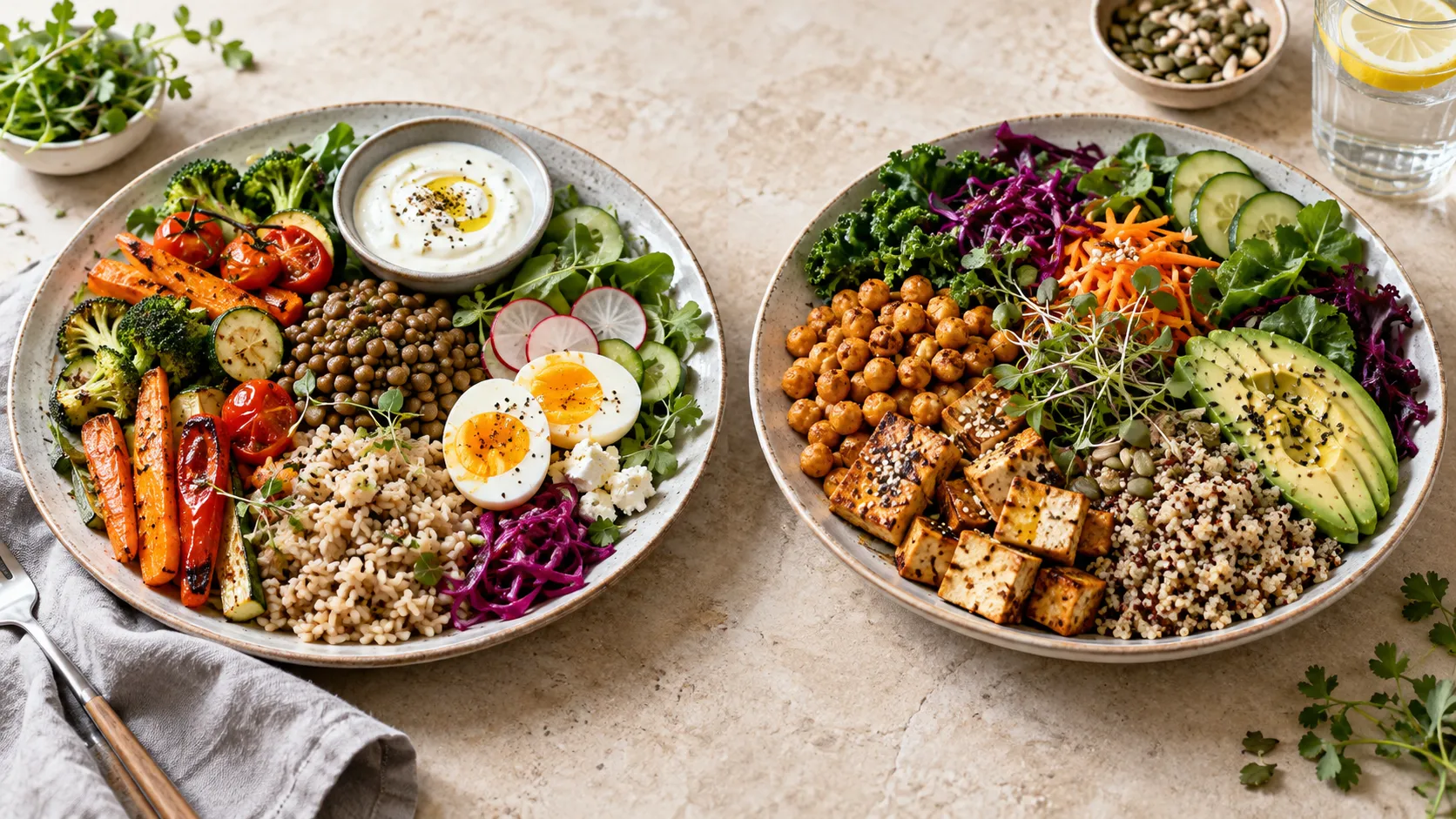
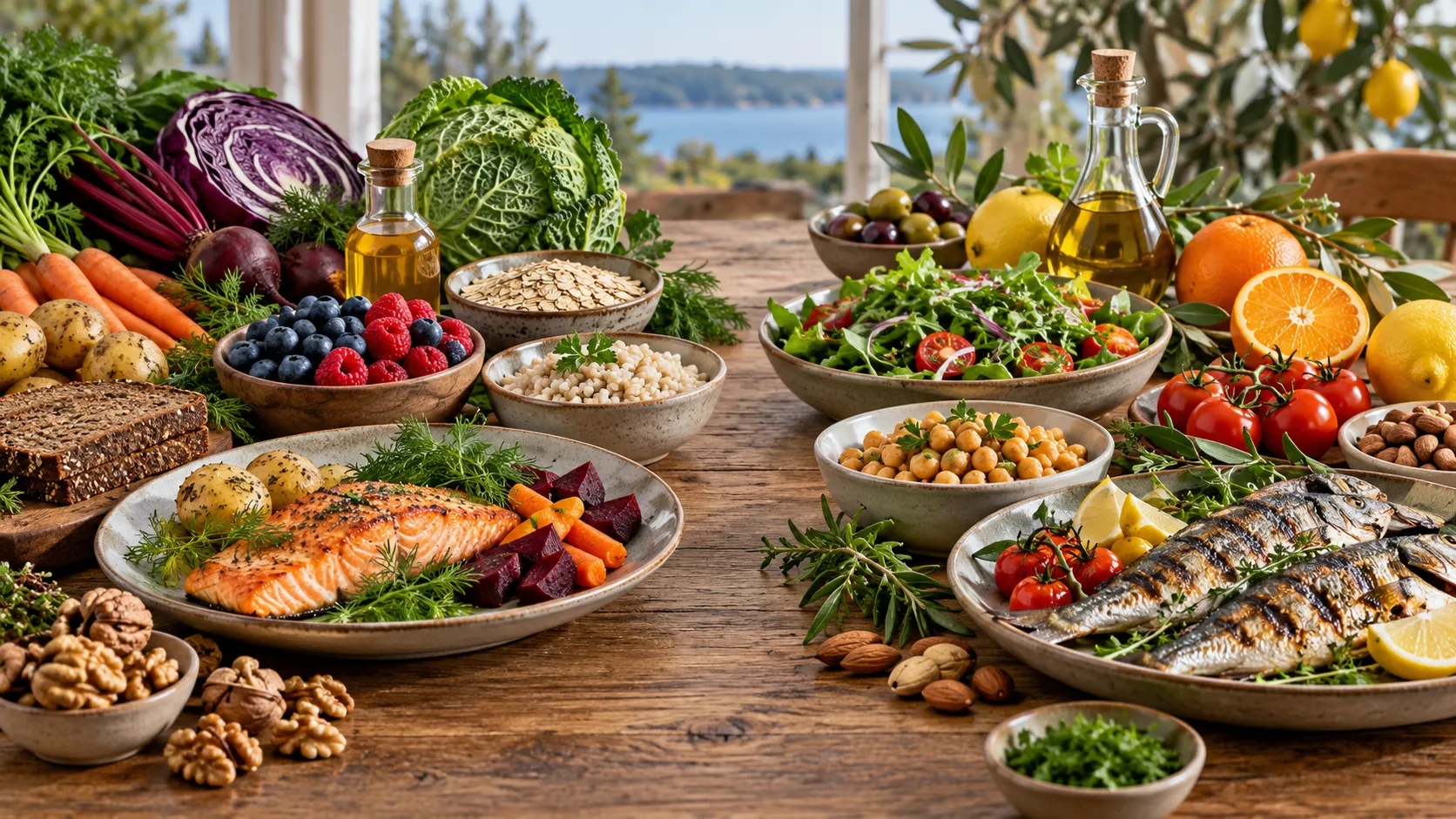
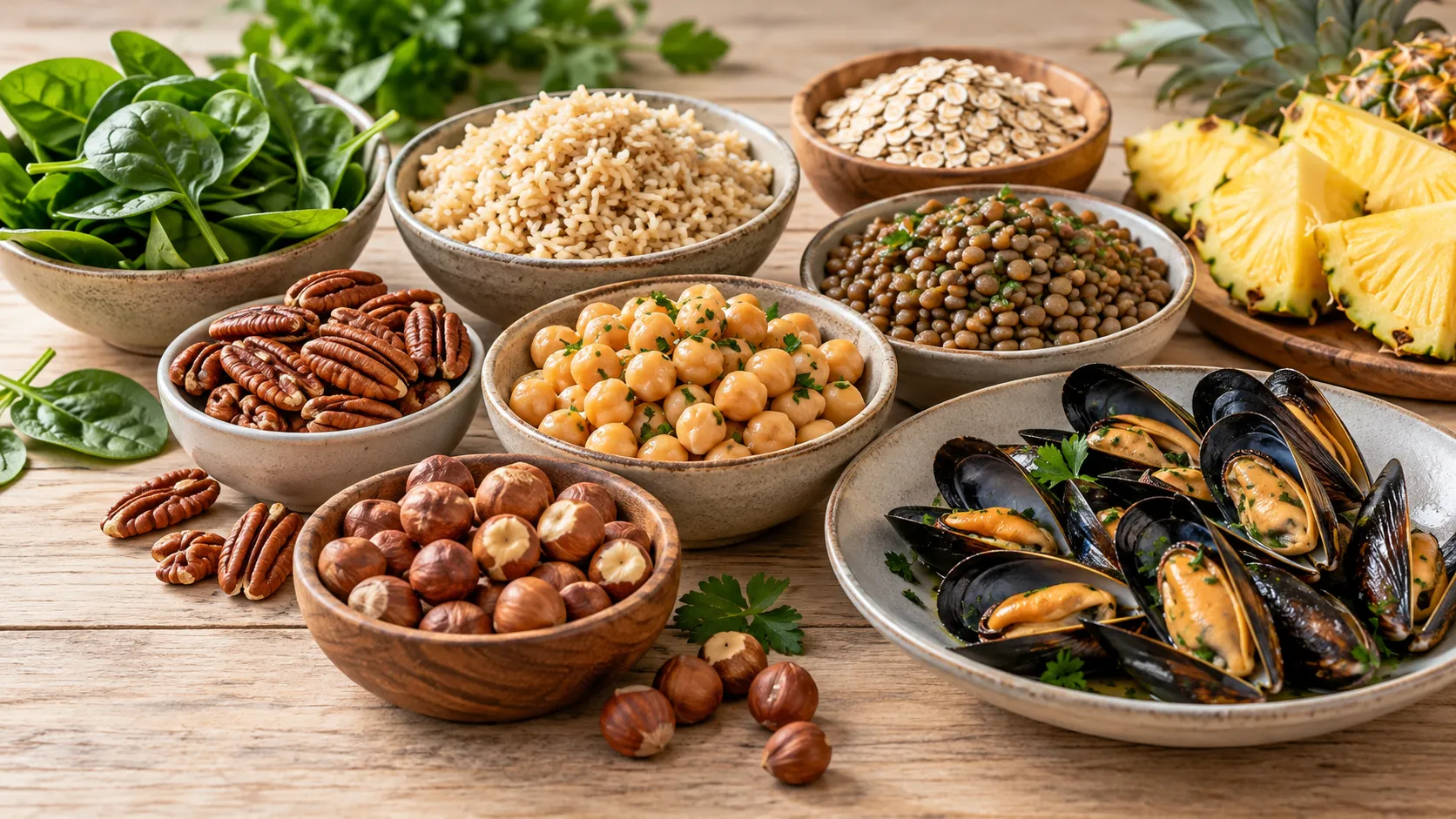
Flexitarian Diet: Does Eating Less Meat Benefit Health?
A flexitarian diet emphasizes plant foods without completely eliminating meat. Learn what evidence says about heart health, nutrients, weight, and healthier food swaps.
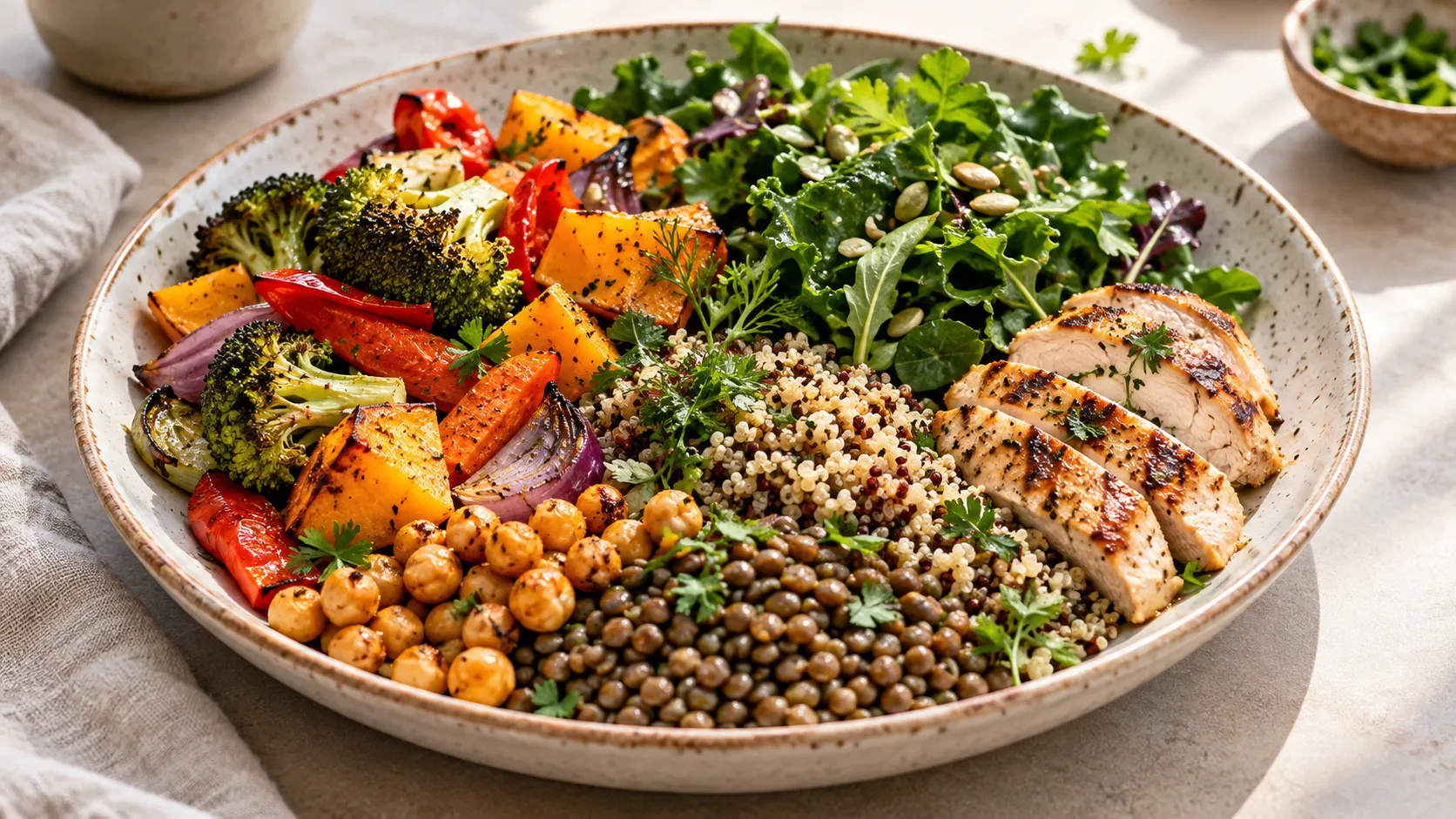
Current evidence suggests that it can — particularly when red and processed meat are reduced and replaced with high-quality plant foods. At the same time, not every diet labeled “flexitarian” is nutritionally equivalent, and direct long-term evidence on flexitarian diets remains more limited than evidence on plant-forward eating patterns in general. (PubMed)
Between eating meat every day and completely eliminating animal foods lies a wide range of dietary patterns. The flexitarian diet sits within that space: plant foods take center stage, while meat and other animal products remain optional rather than forbidden.
That raises an important question: Can simply eating less meat provide meaningful health benefits, even if you do not give it up entirely?
What is a flexitarian diet?
There is no universally accepted rule stating how many meat-free days a flexitarian must follow or exactly how much meat is allowed.
A 2023 review examining definitions of vegetarian and plant-based diets proposed that flexitarian patterns can fit within the broader plant-based category because they substantially emphasize plant foods without necessarily excluding all animal products. (PubMed)
In practice, flexitarian eating usually means:
- eating more beans and other legumes;
- increasing vegetables and fruit;
- including nuts, seeds, and whole grains;
- using soy foods such as tofu when desired;
- reducing the frequency or portion size of meat;
- emphasizing minimally processed foods;
- retaining flexibility around animal foods.
The central idea is not prohibition. It is changing the proportion of foods that make up the overall diet.
Can eating less meat actually make a difference?
The most relevant evidence comes from research in which some animal protein is deliberately replaced with plant protein.
A 2026 systematic review examined randomized controlled trials in healthy adults. Diets with a greater proportion of plant protein showed improvements in several cardiovascular risk biomarkers, including LDL cholesterol and total cholesterol, while some interventions also showed improvements in body weight. (PubMed)
However, the review included only four dietary interventions reported across seven articles. That is a relatively small body of direct experimental evidence.
What replaces the meat matters
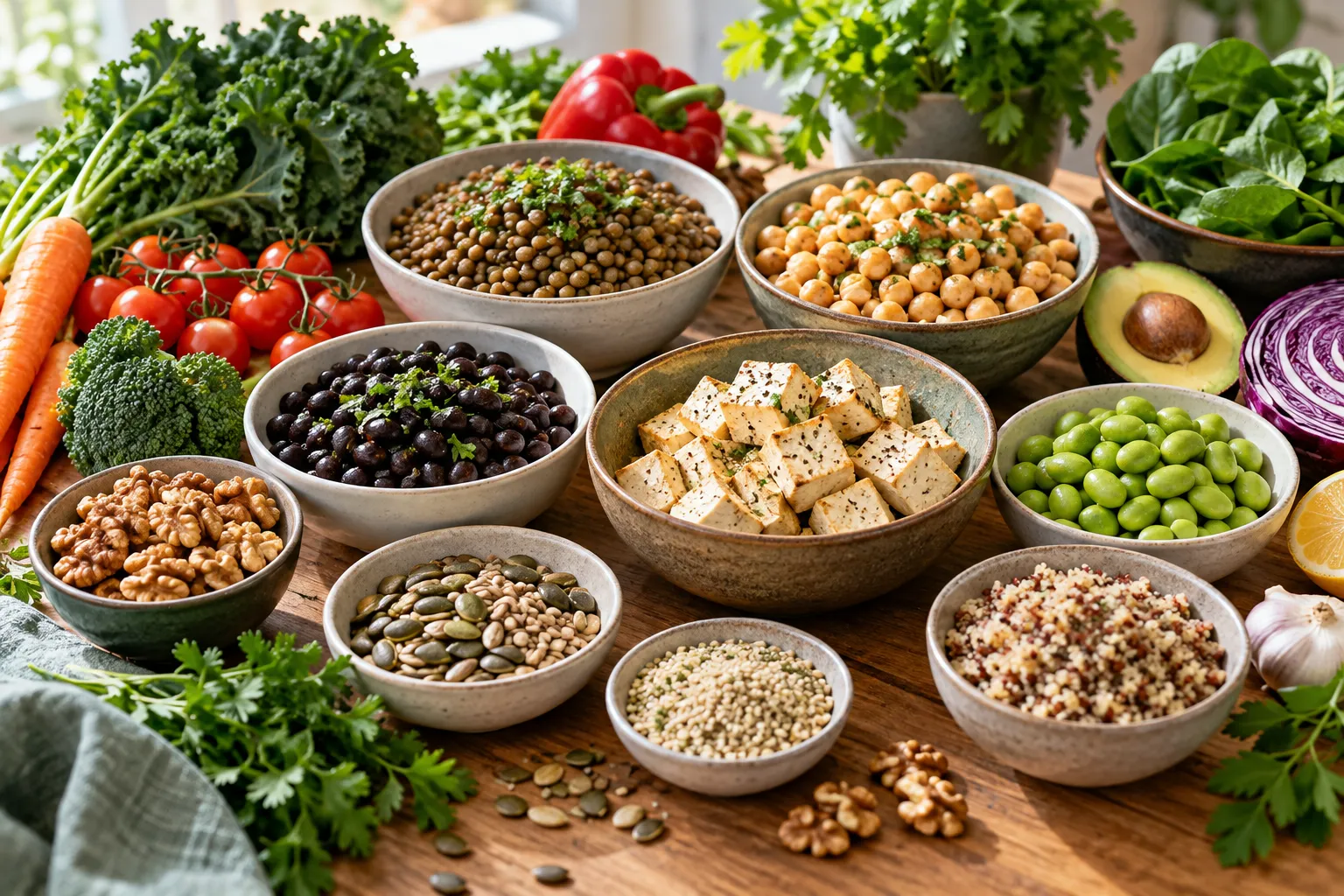
This is one of the most important concepts behind healthy flexitarian eating.
Consider two people who both reduce their meat intake.
One starts eating more beans, lentils, chickpeas, tofu, nuts, vegetables, and whole grains.
The other replaces meat mostly with white bread, cookies, fries, refined pasta, and highly processed snacks.
Both may technically be eating less meat, but their diets are not nutritionally equivalent.
A 2025 network meta-analysis of 36 randomized controlled trials found that plant proteins produced more favorable reductions in total and LDL cholesterol than red-meat interventions. Importantly, the certainty of evidence was rated low to very low. (PubMed)
The takeaway is straightforward: the replacement food is part of the effect.
What about cardiovascular health?
This is one of the areas where flexitarian research has produced encouraging findings.
A 2024 study compared 94 healthy adults aged 25 to 45 who were classified as vegan, flexitarian, or omnivorous. For the purpose of that study — not as a universal flexitarian definition — flexitarians consumed no more than 50 g of meat and meat products per day, while omnivores consumed at least 170 g per day. (Springer)
Flexitarians and vegans had more favorable levels of several markers, including insulin, triglycerides, total cholesterol, and LDL cholesterol, compared with the high-meat omnivore group. Flexitarians also performed favorably on some measures related to metabolic syndrome and arterial stiffness. (Springer)
But the study was cross-sectional. It cannot prove that eating less meat caused those differences, because participants were not randomly assigned to their diets and may have differed in other lifestyle behaviors.
The results nevertheless fit with findings from randomized dietary-substitution trials.
Why reducing red and processed meat may matter
Different types of meat should not automatically be treated as nutritionally identical.
Processed meat is particularly relevant. This category includes many products preserved or modified through methods such as curing, smoking, or the addition of preservatives.
WHO currently identifies diets high in processed and red meat among risk factors for colorectal cancer. (WHO)
This does not mean that an occasional serving determines whether someone will develop cancer. Long-term risk is influenced by overall exposure and many other factors, including age, body weight, physical activity, smoking, and alcohol use.
For someone moving toward flexitarian eating, reducing the routine use of processed meats and increasing legumes and other plant proteins is consistent with current evidence.
Can a flexitarian diet help with weight management?
It can, but flexitarian eating should not be marketed as a guaranteed weight-loss diet.
The 2026 systematic review found improvements in body weight in some interventions with higher proportions of plant protein. (PubMed)
However, eating little meat does not prevent someone from consuming large amounts of calories from sweets, fried foods, refined carbohydrates, sugary drinks, and highly processed products.
WHO emphasizes that healthy diets should be based on a variety of minimally processed foods and should maintain an appropriate balance between energy intake and expenditure. (WHO)
So a better question than “How much meat did I remove?” is:
What did I put in its place?
What should replace meat?
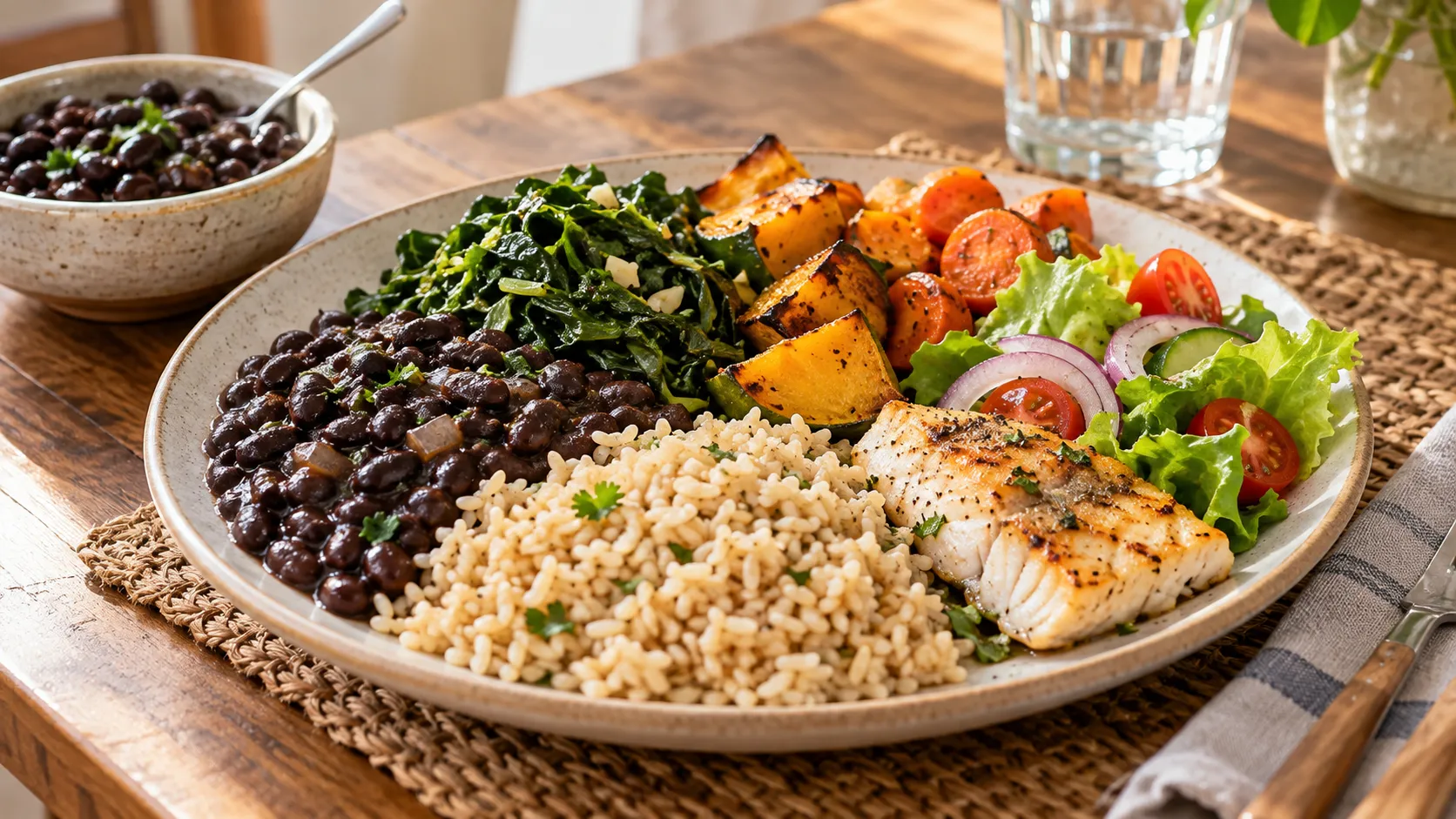
For many people, building meals around familiar foods is easier than relying on specialized meat substitutes.
Useful options include:
| Instead of making meat the main protein | Increase the role of |
|---|---|
| Ground meat in most meals | Beans, lentils, peas, or soy-based foods |
| Large meat portions | Whole grains, legumes, vegetables, plus a smaller meat portion if desired |
| Processed sandwich meats | Hummus, bean spreads, eggs, or other minimally processed fillings |
| Meat-based soups | Lentils, peas, beans, and vegetables |
| Meat-heavy fillings | Beans, chickpeas, lentils, mushrooms, or combinations of these |
The goal is not necessarily to reproduce meat in every dish. Many traditional cuisines already contain satisfying meals centered on legumes, grains, and vegetables.
Can a flexitarian diet provide enough protein?
Yes, with appropriate food choices.
Beans, lentils, peas, chickpeas, soy foods, nuts, and seeds all contribute protein. Whole grains provide additional amounts. Flexitarians may also include eggs, dairy, fish, poultry, or meat.
Rather than focusing on whether every plant-based meal perfectly imitates the nutrient profile of meat, it is more useful to consider adequacy across the entire diet.
What about vitamin B12?
The amount of animal food in the diet becomes important here.
Vitamin B12 naturally occurs in foods such as meat, fish, poultry, eggs, and dairy. Plant foods do not naturally contain meaningful amounts, although some foods are fortified. (ODS)
A person who regularly consumes some animal foods may have a very different B12 intake from someone whose “flexitarian” diet is almost completely vegan.
The 2026 systematic review also observed reduced vitamin B12 status in participants following the intervention with the highest proportion of plant protein, while findings for other evaluated micronutrients were less consistent. (PubMed)
Plant-based does not automatically mean healthy
A meat-free burger, fries, and a sugary drink form a plant-heavy meal, but they do not have the same nutritional characteristics as beans, whole grains, vegetables, fruit, nuts, and seeds.
WHO emphasizes variety and minimally processed foods while recommending limits on foods high in sodium, free sugars, and unhealthy fats. (WHO)
This is why flexitarian eating works best as an overall dietary pattern, not simply as a count of meat-free meals.
How to start eating more flexibly
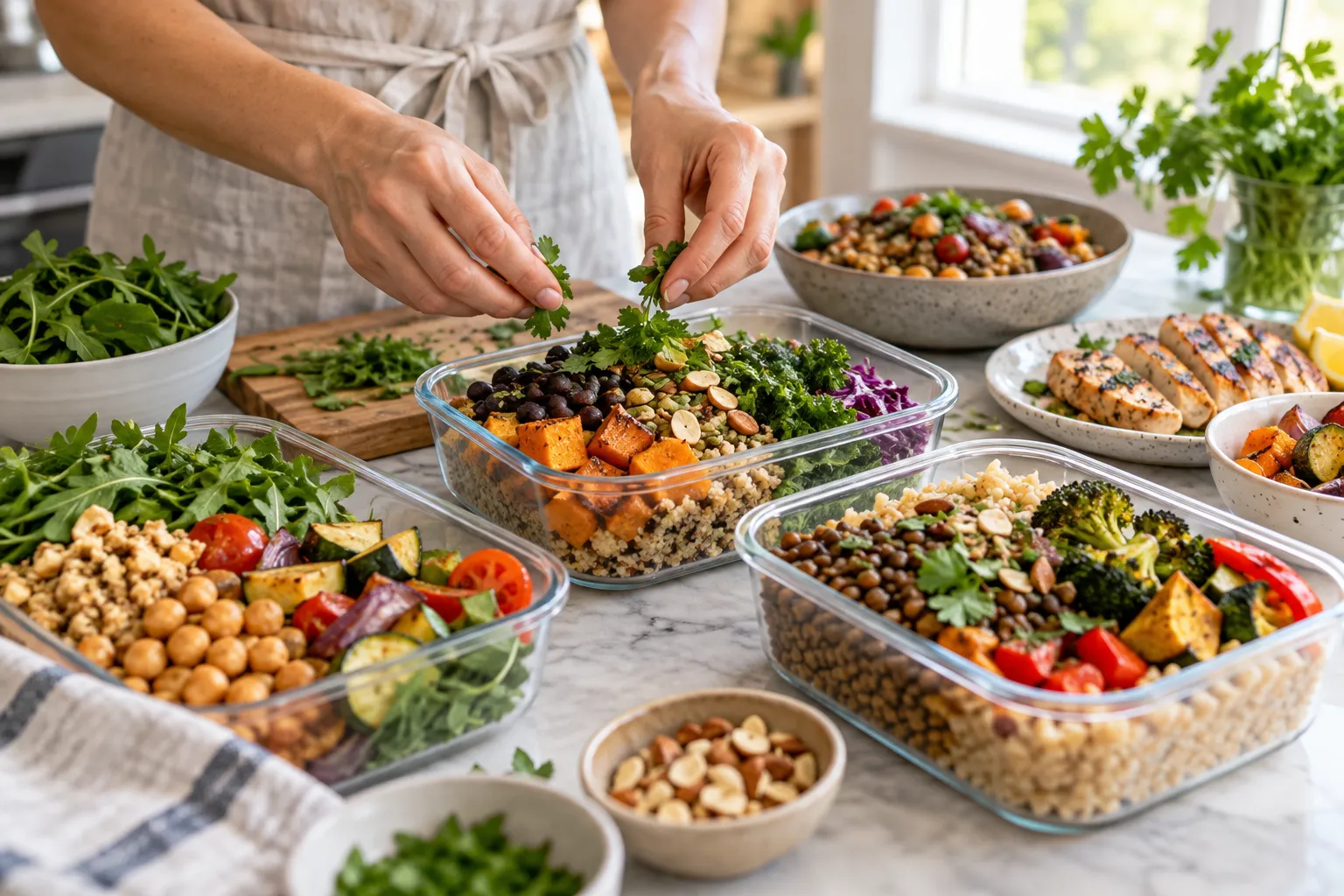
There is no need to create a rigid list of forbidden foods.
Start by identifying meals in which meat appears automatically and experiment with making plant foods the foundation instead.
Make legumes a central part of meals
Beans, lentils, chickpeas, peas, and soy foods can be used in stews, soups, salads, fillings, spreads, patties, and one-pot meals.
Reduce the least helpful meat choices first
If processed meats are routine foods, they are a logical place to begin. From there, you can reduce dependence on large portions of red meat.
Increase variety
Rotate foods such as:
- beans;
- lentils;
- chickpeas;
- peas;
- tofu and other soy foods;
- nuts and seeds;
- vegetables;
- whole grains.
Keep the animal foods that fit your preferences
Flexitarianism does not require complete exclusion.
Someone may continue to eat fish, eggs, dairy, poultry, or occasional red meat while still maintaining an overall pattern that is predominantly plant-based.
Do you need to become vegetarian to improve your diet?
No.
Current research does not support the idea that complete meat avoidance is the only path to dietary benefit.
A systematic review specifically examining partial replacement found favorable changes in several cardiometabolic markers. WHO likewise notes that, for many adults, shifting toward more plant sources of protein may offer health benefits, particularly when replacing red meat. (PubMed)
That flexibility may be one of the main practical strengths of the approach.
Conclusion
Eating less meat without eliminating it can be beneficial, particularly when the change reduces red and processed meat and increases foods such as beans, lentils, chickpeas, soy, nuts, seeds, vegetables, and whole grains.
Research suggests favorable changes in several cardiovascular risk markers, especially total and LDL cholesterol. However, evidence specifically labeled as “flexitarian” remains limited, and there is no universally established meat intake that defines the diet. (PubMed)
The most important issue is replacement quality.
Reducing a serving of meat to make more room for legumes, vegetables, and whole grains is very different from replacing it with refined or highly processed foods.
In that sense, flexitarian eating may be best understood not as a restrictive diet but as a practical shift: make nutritious plant foods the foundation of the diet while keeping animal foods in smaller amounts when desired.