Manganese: What It Does and the Best Food Sources
Manganese supports metabolism, antioxidant defenses, and bone formation. Learn how much you need, which foods contain it, and why supplements require caution.
Manganese is needed only in small amounts, but it participates in several important processes in the human body. This essential trace mineral acts as a cofactor for enzymes involved in metabolism, antioxidant defenses, and bone formation. (ODS)
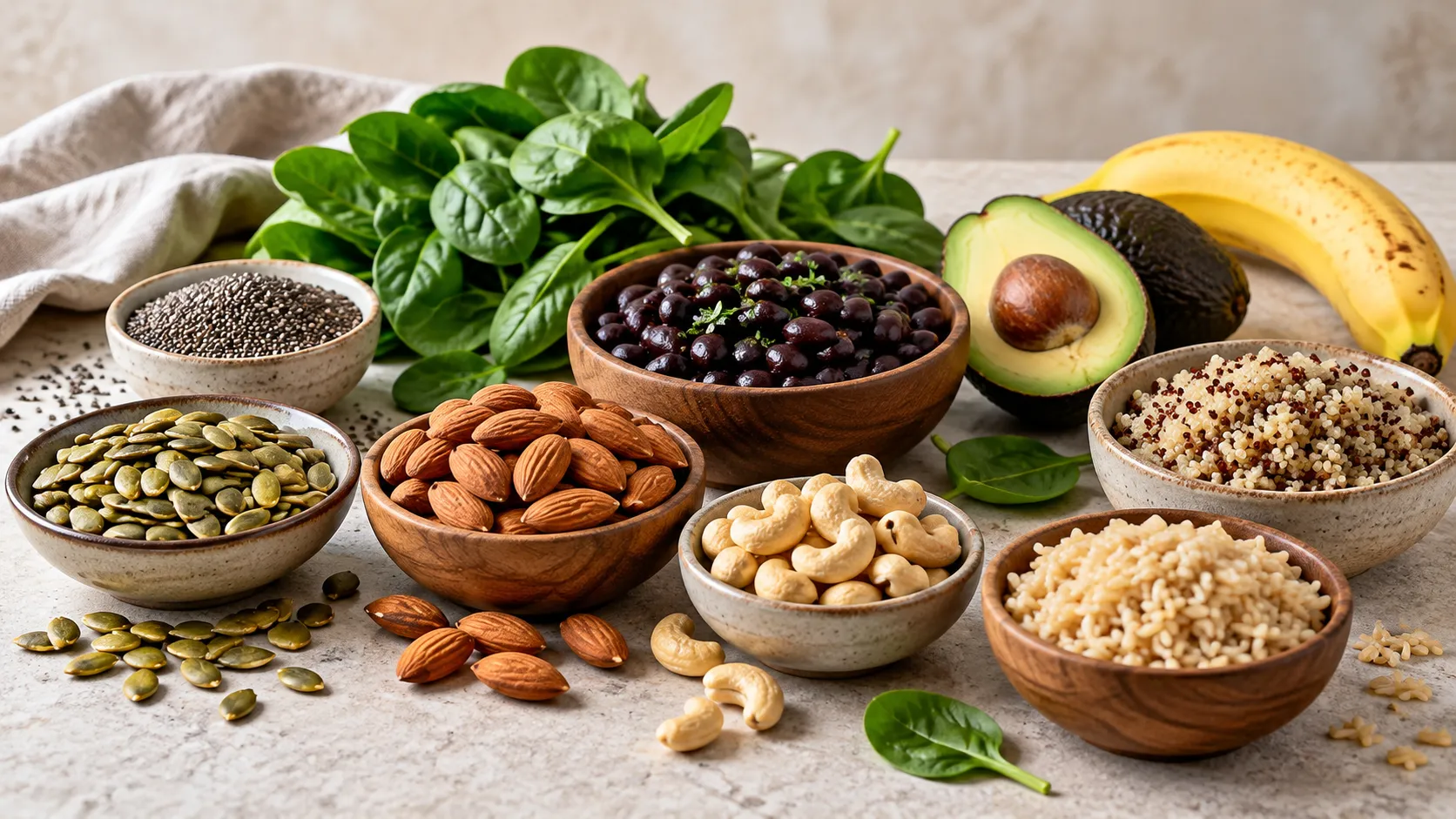
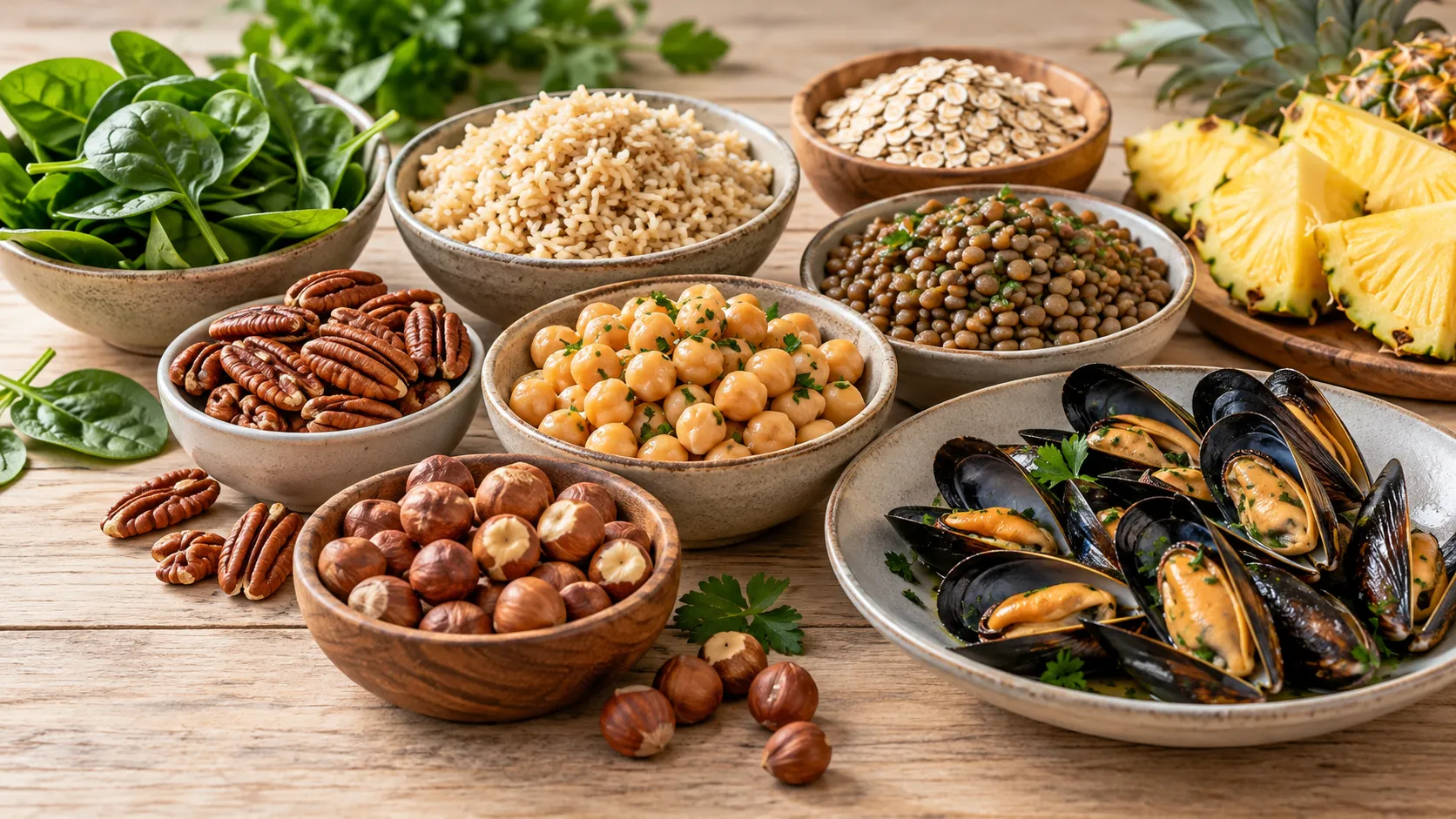
Fortunately, manganese is widely available in food. Whole grains, legumes, nuts, leafy vegetables, and certain shellfish are among its major sources, and true manganese deficiency is considered rare in humans. (ODS)
What is manganese?
Manganese is an essential trace mineral, meaning the body requires it for normal function but only in relatively small amounts.
One of its major roles is helping enzymes work properly. Manganese-dependent or manganese-containing enzymes include manganese superoxide dismutase, arginase, and pyruvate carboxylase. Through these and other enzymes, manganese participates in nutrient metabolism and several physiological processes. (ODS)
Only a small amount of manganese is present in the human body. A substantial proportion is found in bone, with smaller amounts present in the liver, pancreas, kidneys, and brain. (ODS)
What does manganese do?
It supports nutrient metabolism
Manganese helps enzymes involved in the metabolism of carbohydrates, glucose, amino acids, and cholesterol. In other words, it contributes to biochemical reactions that allow the body to process nutrients from food. (ODS)
This does not mean that consuming extra manganese will speed up metabolism. Once nutritional requirements are met, increasing the dose has not been shown to provide additional metabolic benefits.
It contributes to antioxidant defenses
Manganese is required by manganese superoxide dismutase, or MnSOD, an enzyme involved in neutralizing reactive oxygen species, particularly within mitochondria.
This makes manganese part of the body’s normal antioxidant defense system. However, the physiological importance of manganese does not mean that manganese supplements provide extra protection from disease in people who already get enough. (ODS)
It is involved in bone formation
Several enzymes involved in building bone require manganese. Animal studies clearly show that severe deficiency can affect bone formation, but the evidence in humans is much less certain.
Human studies investigating manganese status and bone health have been small or inconsistent, and there is no strong evidence that manganese supplementation alone improves bone density in people with adequate intake. (ODS)
It also contributes to blood clotting and immune function
Manganese participates in biological processes related to reproduction and immune responses. The NIH also notes its role in blood clotting and hemostasis together with vitamin K. (ODS)
How much manganese do you need?
In the United States, manganese does not have an established Recommended Dietary Allowance, or RDA. Because researchers did not have enough evidence to calculate an average requirement, the Food and Nutrition Board established Adequate Intake, or AI, values instead. (ODS)
| Group | Adequate manganese intake |
|---|---|
| Adult men | 2.3 mg/day |
| Adult women | 1.8 mg/day |
| Pregnancy | 2.0 mg/day |
| Lactation | 2.6 mg/day |
| Boys ages 14–18 | 2.2 mg/day |
| Girls ages 14–18 | 1.6 mg/day |
Source: NIH Office of Dietary Supplements. (ODS)
The numbers differ in Europe. EFSA established an adequate intake of 3 mg/day for adults, including pregnant and lactating women. This difference reflects different approaches to the available evidence rather than a biological disagreement about an exact amount every person must consume. (EFSA)
Which foods contain the most manganese?
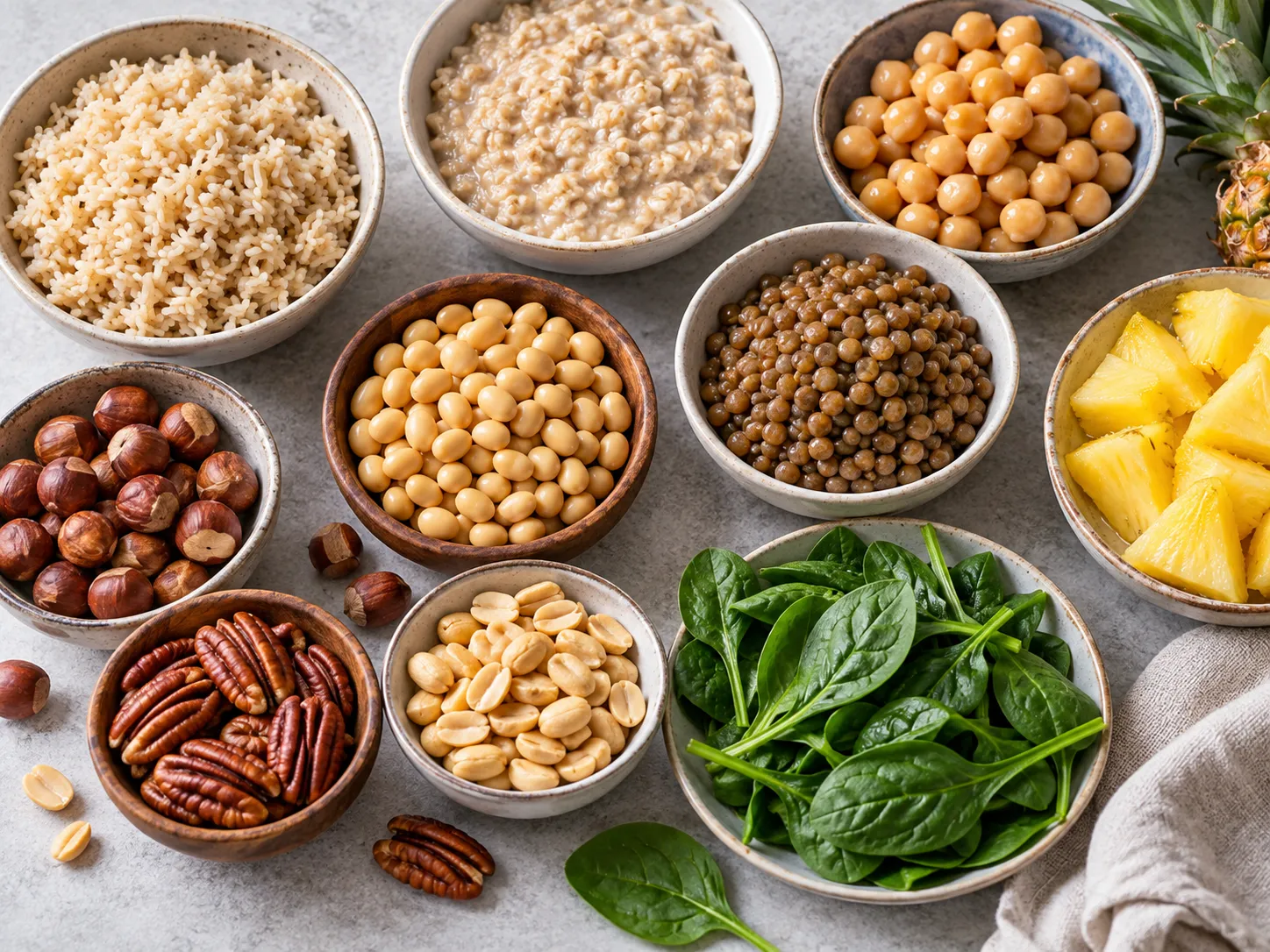
Manganese is especially common in plant foods, including whole grains, nuts, and legumes. Certain shellfish can also provide substantial amounts. (ODS)
Examples from the NIH food table include:
| Food | Serving | Approximate manganese |
|---|---|---|
| Cooked mussels | about 3 oz / 85 g | 5.8 mg |
| Roasted hazelnuts | about 1 oz / 28 g | 1.6 mg |
| Roasted pecans | about 1 oz / 28 g | 1.1 mg |
| Cooked brown rice | 1/2 cup | 1.1 mg |
| Cooked oysters | about 3 oz / 85 g | 1.0 mg |
| Cooked chickpeas | 1/2 cup | 0.9 mg |
| Cooked spinach | 1/2 cup | 0.8 mg |
| Pineapple | 1/2 cup | 0.8 mg |
| Cooked soybeans | 1/2 cup | 0.7 mg |
| Cooked oatmeal | 1/2 cup | 0.7 mg |
| Brewed black tea | 1 cup | 0.5 mg |
| Cooked lentils | 1/2 cup | 0.5 mg |
Actual manganese content can vary with food variety, origin, processing, and preparation. (ODS)
Whole grains
Brown rice, oats, and whole-wheat products can make substantial contributions to manganese intake. Much of the manganese in grains is found in the bran, so whole grains generally contain more than highly refined grains. (EFSA)
Nuts and legumes
Hazelnuts, pecans, and peanuts provide manganese, as do chickpeas, lentils, and soybeans. Including these foods regularly makes it relatively easy to obtain manganese as part of a balanced diet. (ODS)
Vegetables, fruit, and tea
Spinach and other leafy greens contribute manganese, as do fruits such as pineapple. Tea can also be an important source, particularly among frequent tea drinkers. (ODS)
Do we absorb all the manganese we eat?
No. The NIH estimates that humans absorb only about 1% to 5% of dietary manganese. Absorption is regulated: efficiency tends to increase when manganese intake is low and decrease as intake rises. (ODS)
Iron status also appears to influence manganese absorption. Iron and manganese may share intestinal transport pathways, which helps explain why higher iron status can be associated with lower manganese absorption. (ODS)
After absorption, manganese balance is controlled largely through biliary excretion. More than 90% of absorbed manganese is eventually excreted through bile into the feces, while very little leaves through urine. (ODS)
Is manganese deficiency common?
No. Manganese deficiency is considered very rare in humans, and a clearly defined deficiency syndrome has not been established. There are also no known groups routinely considered at risk of inadequate intake. (ODS)
Very limited human evidence suggests that severe deficiency could affect bone mineralization, growth, and carbohydrate or lipid metabolism. These observations are not specific enough to diagnose manganese deficiency based on symptoms alone. (ODS)
Assessing manganese status is also difficult. Blood manganese levels do not consistently reflect usual dietary intake, and there is no simple, widely validated biomarker for routine assessment. (ODS)
Can too much manganese be harmful?
Yes. Manganese is essential, but excessive exposure can mainly affect the central nervous system.
The best-documented cases involve occupational exposure to manganese-containing dust, including some mining and welding environments. High concentrations in contaminated water and certain medical circumstances can also increase exposure. (ODS)
These situations are very different from consuming manganese naturally present in a varied diet.
Is there an upper limit?
Different authorities have reached somewhat different conclusions.
The U.S. Food and Nutrition Board established a Tolerable Upper Intake Level of 11 mg/day for adults, including manganese from food, beverages, and supplements. (ODS)
EFSA reassessed the evidence in 2023 and concluded that the available human and animal studies were not suitable for defining the dose-response relationship required to establish a formal UL. Instead, EFSA set 8 mg/day as a safe level of intake for adults, including pregnant and lactating women. (EFSA)
| Authority | Adult safety reference |
|---|---|
| U.S. Food and Nutrition Board | UL: 11 mg/day |
| EFSA | Safe intake level: 8 mg/day |
Neither number should be treated as a recommended intake target.
Do you need a manganese supplement?
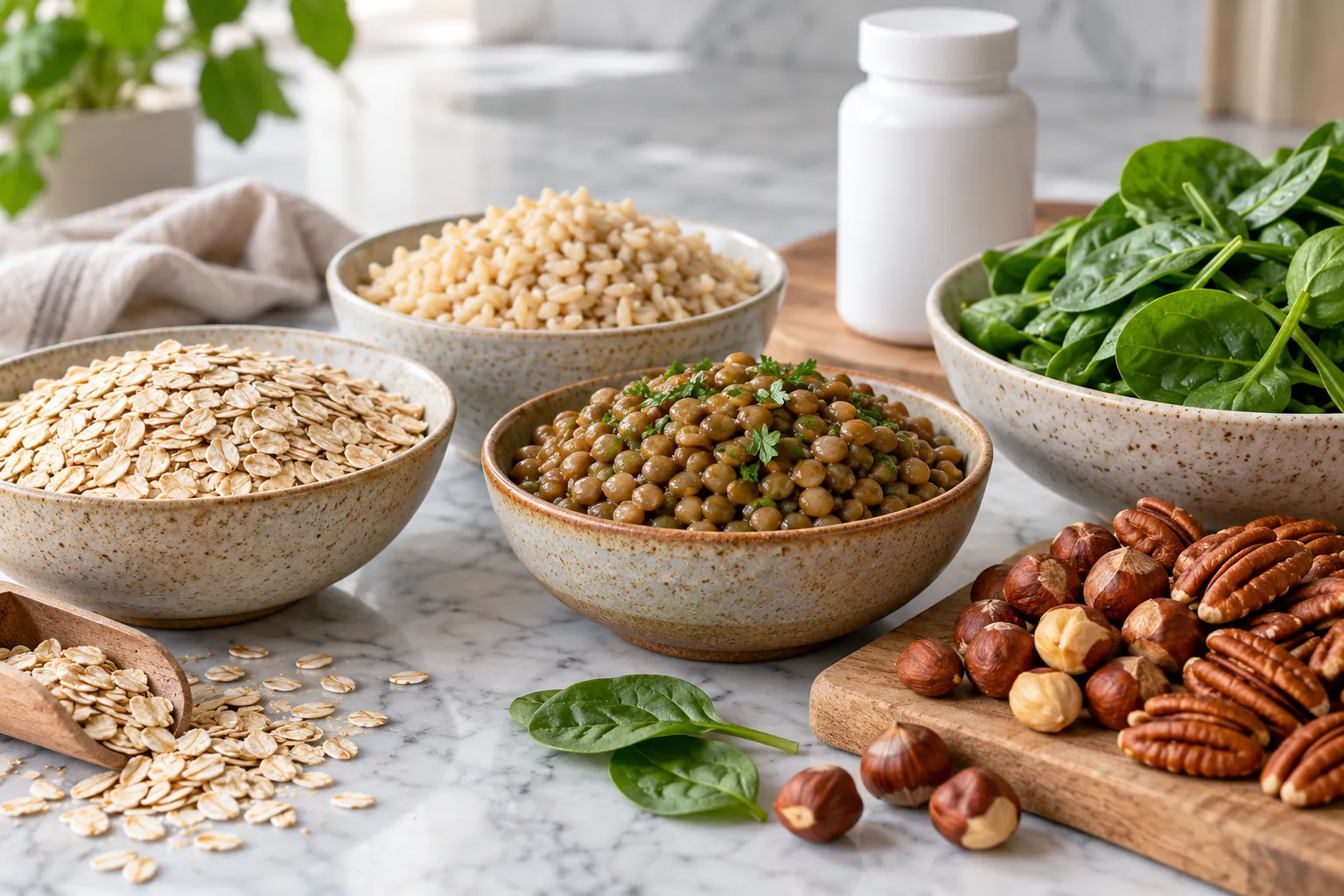
Most healthy people eating a varied diet do not need routine manganese supplementation.
According to the NIH, multivitamin-mineral supplements containing manganese commonly provide around 1 to 4.5 mg, while standalone or limited-ingredient manganese supplements may provide 5 to 20 mg. Those amounts can substantially exceed the adequate intake needed by adults. (ODS)
There is also insufficient evidence to establish that one supplemental form of manganese is better absorbed than another. (ODS)
Does manganese prevent diabetes or osteoporosis?
Manganese is involved in glucose metabolism and bone formation, but its physiological role should not be confused with evidence that supplementation prevents disease.
Human research on diabetes has been inconsistent. Observational studies have reported associations involving both low and high manganese concentrations, while other studies found no meaningful association. Clinical trial evidence demonstrating that manganese supplementation prevents diabetes is lacking. (ODS)
The same caution applies to bone health. Manganese is necessary for normal bone biology, but evidence that taking manganese alone improves bone density in manganese-replete people is insufficient. (ODS)
How to get manganese naturally
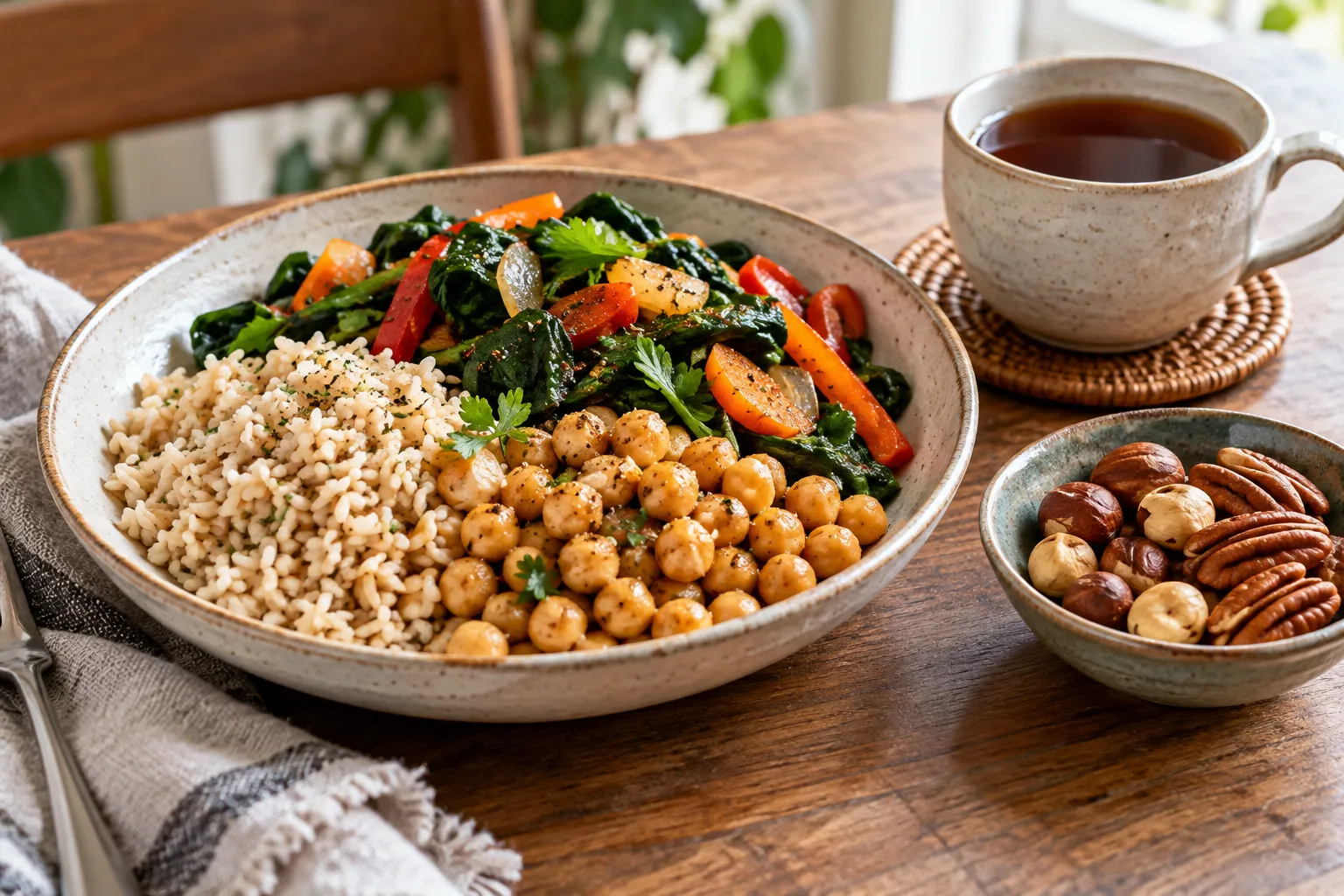
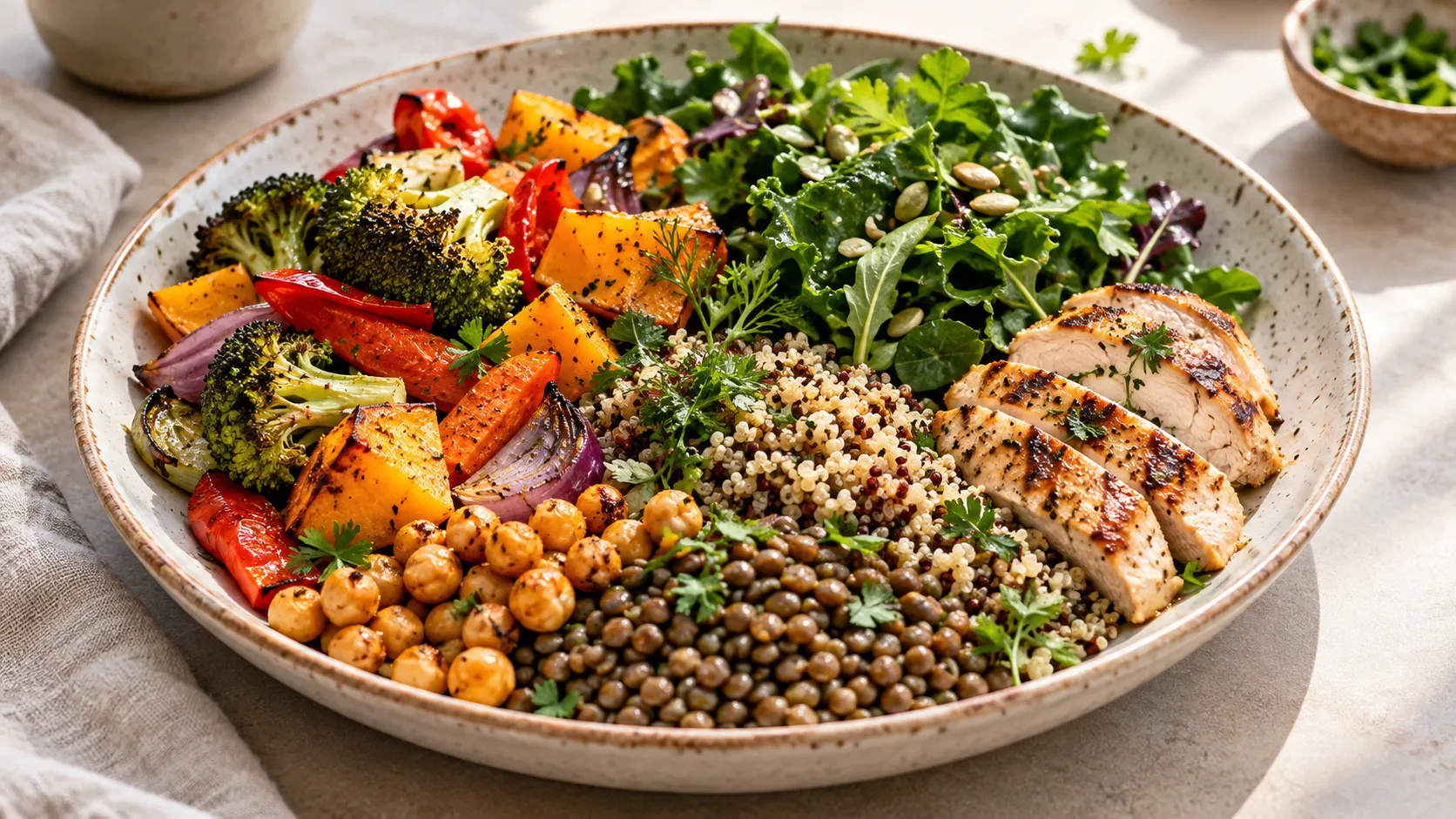
There is usually no reason to design an entire diet around one trace mineral. A more practical approach is to regularly eat a variety of foods such as:
- whole grains, including oats and brown rice;
- beans, lentils, chickpeas, and soy;
- nuts and peanuts;
- leafy green vegetables;
- a variety of fruits;
- shellfish when appropriate for your dietary pattern.
Together, these foods provide manganese along with fiber, protein, vitamins, other minerals, and numerous bioactive compounds.
Conclusion
Manganese is an essential trace mineral involved in metabolism, antioxidant defenses, bone formation, and several other physiological processes. Despite its importance, the body needs only small amounts.
Whole grains, legumes, nuts, leafy vegetables, tea, and some shellfish make it relatively easy to obtain manganese from food. Because deficiency is rare and excessive exposure can become harmful, more manganese is not necessarily better.
For most people, a varied diet is the most appropriate way to obtain enough manganese. Supplements are best reserved for situations in which there is a clear reason to use them, particularly when higher doses are involved.