Vegetarian vs Vegan: Key Nutritional Differences
Vegetarian vs vegan: learn how these diets differ nutritionally and why vitamin B12, iron, calcium, iodine, protein and omega-3 deserve attention.
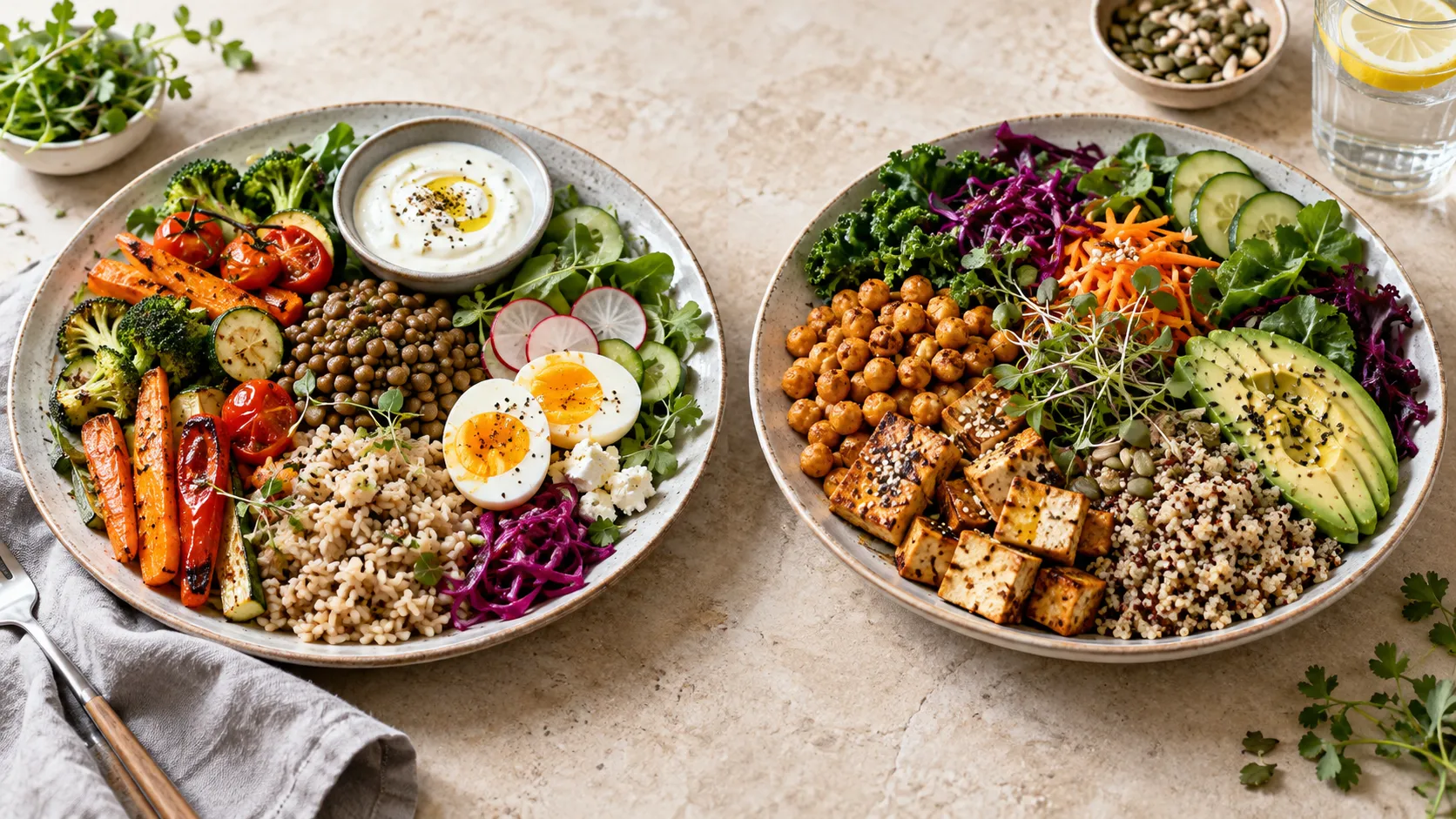
Vegetarians may eat eggs and dairy; vegans exclude all animal-derived foods. Both patterns can be nutritionally adequate for adults when well planned, but vegan diets require reliable B12 sources and attention to calcium, iodine, and other nutrients. The label alone does not determine dietary quality. (Academy of Nutrition and Dietetics)
In general, vegetarian diets exclude meat, poultry, fish, and seafood. Many vegetarians still eat eggs and dairy products. A vegan diet excludes all foods of animal origin. (Academy of Nutrition and Dietetics)
That does not make one pattern automatically healthy and the other unhealthy. Food quality, variety, energy intake, fortified products, and appropriate supplementation can matter much more than the dietary label itself.
What is the difference between vegetarian and vegan?
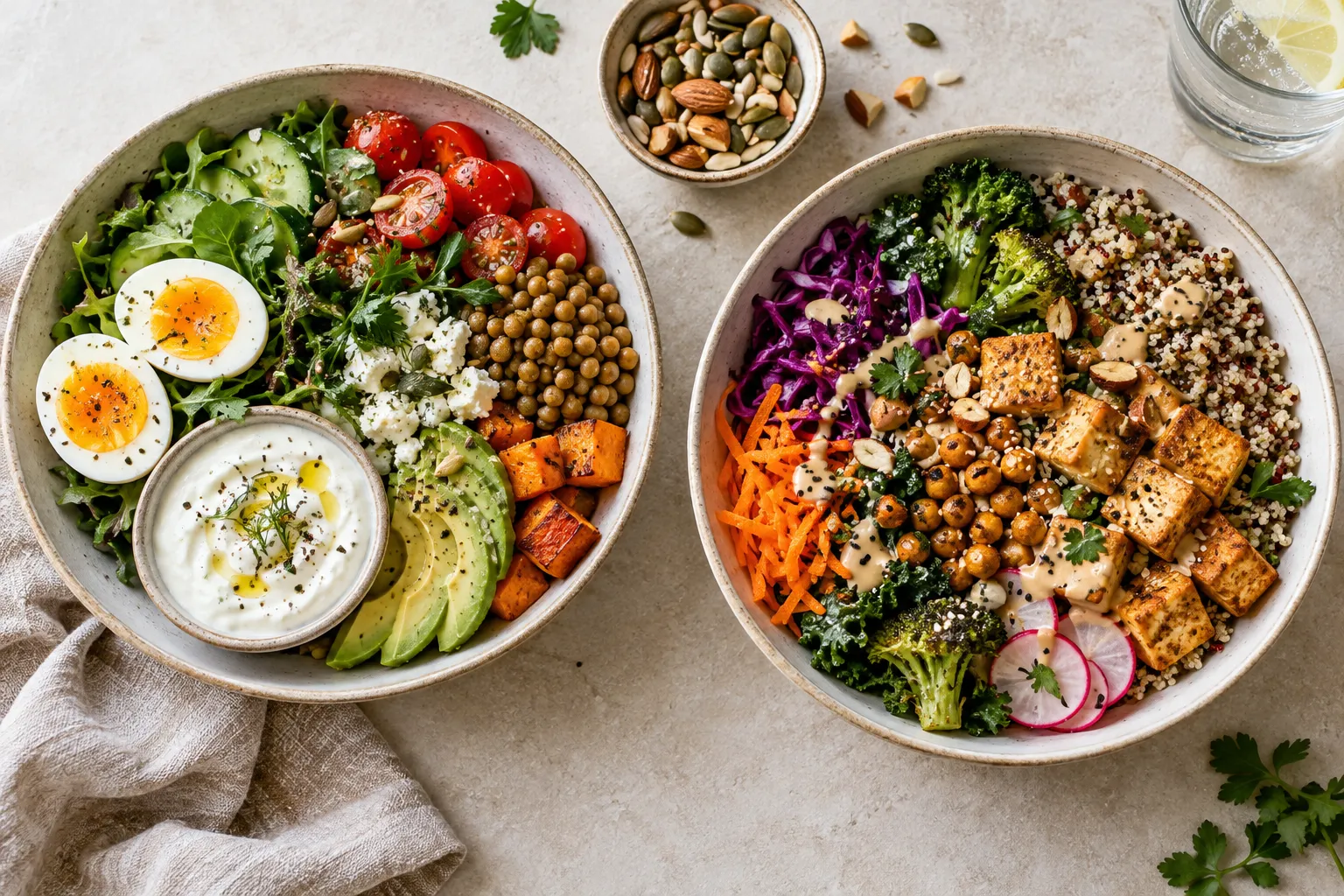
There are several types of vegetarian diets.
Lacto-ovo vegetarians eat both eggs and dairy but avoid meat, poultry, fish, and seafood. Lacto-vegetarians include dairy but not eggs, while ovo-vegetarians include eggs but not dairy. (NHS — The vegetarian diet)
A vegan diet excludes all of these animal-derived foods.
This matters nutritionally because eggs and dairy can provide protein, vitamin B12, calcium, and other nutrients. Once they are removed, alternative sources become necessary.
| Nutritional aspect | Lacto-ovo vegetarian | Vegan |
|---|---|---|
| Meat and poultry | Excluded | Excluded |
| Fish and seafood | Excluded | Excluded |
| Eggs | May be included | Excluded |
| Dairy | May be included | Excluded |
| Animal protein | Available from eggs and dairy | None |
| Vitamin B12 | Some may come from eggs and dairy | Reliable fortified foods and/or supplements are needed |
| Calcium | Dairy can make intake easier | Plant and fortified sources require attention |
| Iodine | Eggs and dairy may contribute depending on the country | Requires greater attention |
| EPA and DHA | Usually low without seafood | Direct non-animal sources include microalgae-derived products |
Does a vegan diet require more nutritional planning?
Generally, yes.
A systematic review involving 141 studies found that people consuming vegetarian and vegan diets tended to have higher intakes of several beneficial dietary components, including fiber, folate, vitamin C, vitamin E, and magnesium. At the same time, some nutrients were more likely to be inadequate. (Neufingerl and Eilander)
For vegans, nutrients deserving particular attention included:
- vitamin B12;
- vitamin D;
- calcium;
- iodine;
- iron;
- zinc;
- EPA and DHA.
This does not mean every vegan will become deficient, nor does it mean vegetarian or omnivorous diets are automatically nutritionally complete.
Nutrient inadequacies occur across different dietary patterns. The practical goal is to recognize the strengths and potential gaps of the particular diet being followed.
Vitamin B12 is one of the biggest differences
Vitamin B12 is arguably the most important nutritional distinction between a vegetarian diet containing eggs and dairy and a completely vegan diet.
Natural food sources of vitamin B12 are largely animal-derived. The NIH therefore identifies vegetarians — particularly vegans — as being at greater risk of inadequate B12 intake. (NIH ODS — Vitamin B12)
Vegetarians who regularly consume eggs and dairy may obtain B12 from these foods, although this does not guarantee adequate intake.
Vegans need a dependable B12 strategy, typically involving fortified foods, supplementation, or both.
Can vegetarians and vegans get enough protein?
Yes.
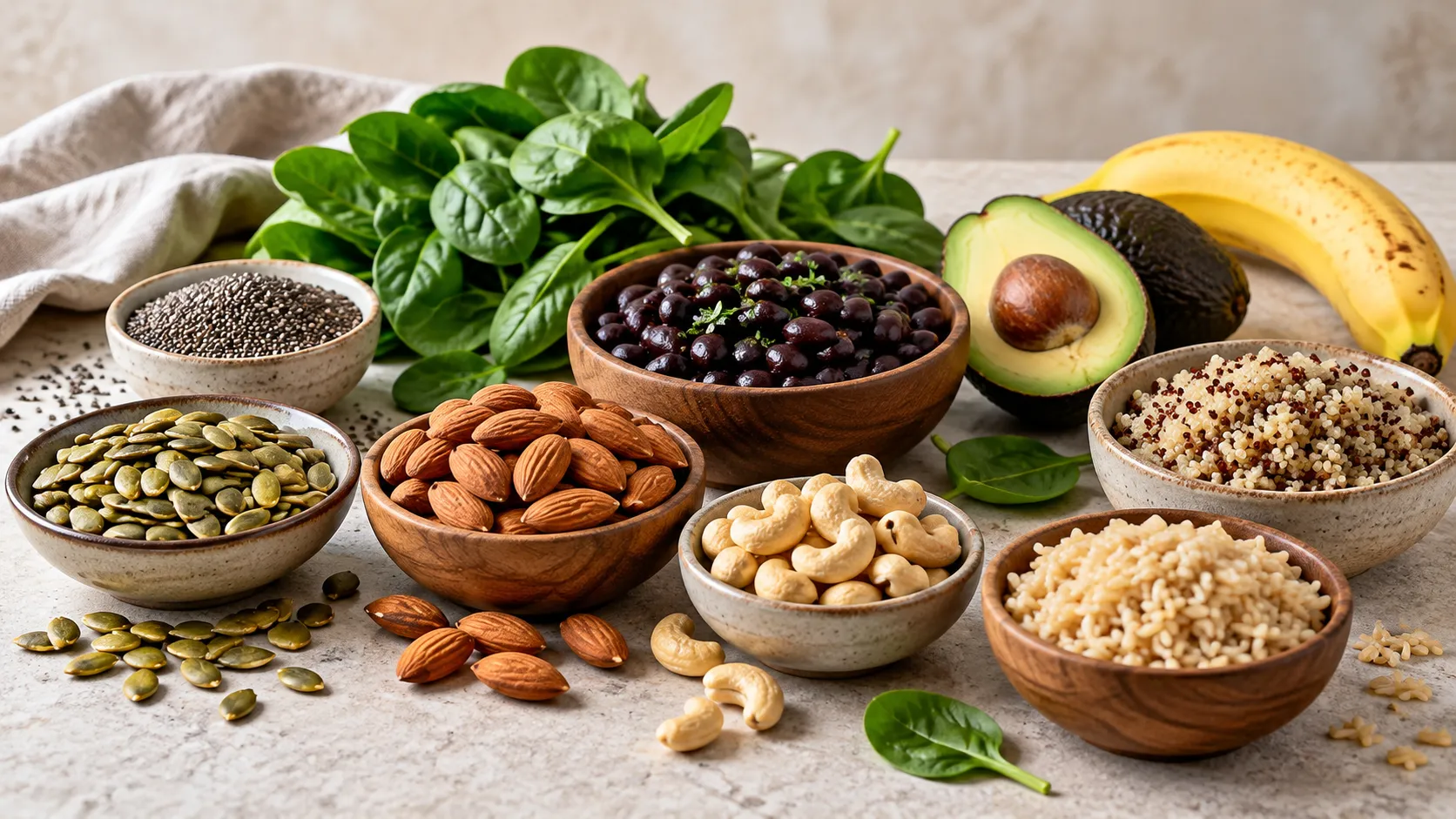
Beans, lentils, peas, chickpeas, soybeans, tofu, tempeh, edamame, nuts, seeds, and grains all contribute protein to plant-based diets.
Vegetarians who consume eggs and dairy have additional options.
In a large systematic review, average protein intake was lower among vegetarians and vegans than among people who ate meat, but average intake remained within the recommended ranges evaluated by the researchers. (Neufingerl and Eilander)
The absence of meat by itself is therefore not enough to predict protein deficiency. Extremely restrictive diets, poor variety, or inadequate calorie intake are more relevant concerns.
Do plant proteins need to be combined at every meal?
For most people, there is no need to carefully pair complementary plant proteins at every meal.
Eating a varied selection of protein-rich foods over the course of the day can supply the necessary amino acids.
A meal might include beans, another tofu, and another lentils, chickpeas, grains, seeds, or nuts. Overall dietary variety is more important than trying to create a perfect amino acid combination on every plate. (Academy of Nutrition and Dietetics)
Iron: amount is not the only consideration
Both vegetarians and vegans can obtain substantial amounts of iron from plant foods.
Sources include:
- beans;
- lentils;
- chickpeas;
- soy foods and tofu;
- seeds;
- nuts;
- green vegetables;
- fortified cereals.
The main nutritional difference involves bioavailability.
Iron in plant foods is predominantly nonheme iron, which is less efficiently absorbed than heme iron from animal foods. The NIH specifically notes this difference for people who do not consume meat, poultry, or seafood. (NIH ODS — Iron)
Eating vitamin C-rich foods — such as citrus fruit, guava, kiwi, tomatoes, or peppers — alongside iron-rich plant foods can improve absorption.
People with anemia, pregnancy, substantial blood loss, or other factors that increase iron needs should receive individualized guidance rather than attempting to treat a possible deficiency through diet alone.
Calcium changes when dairy disappears
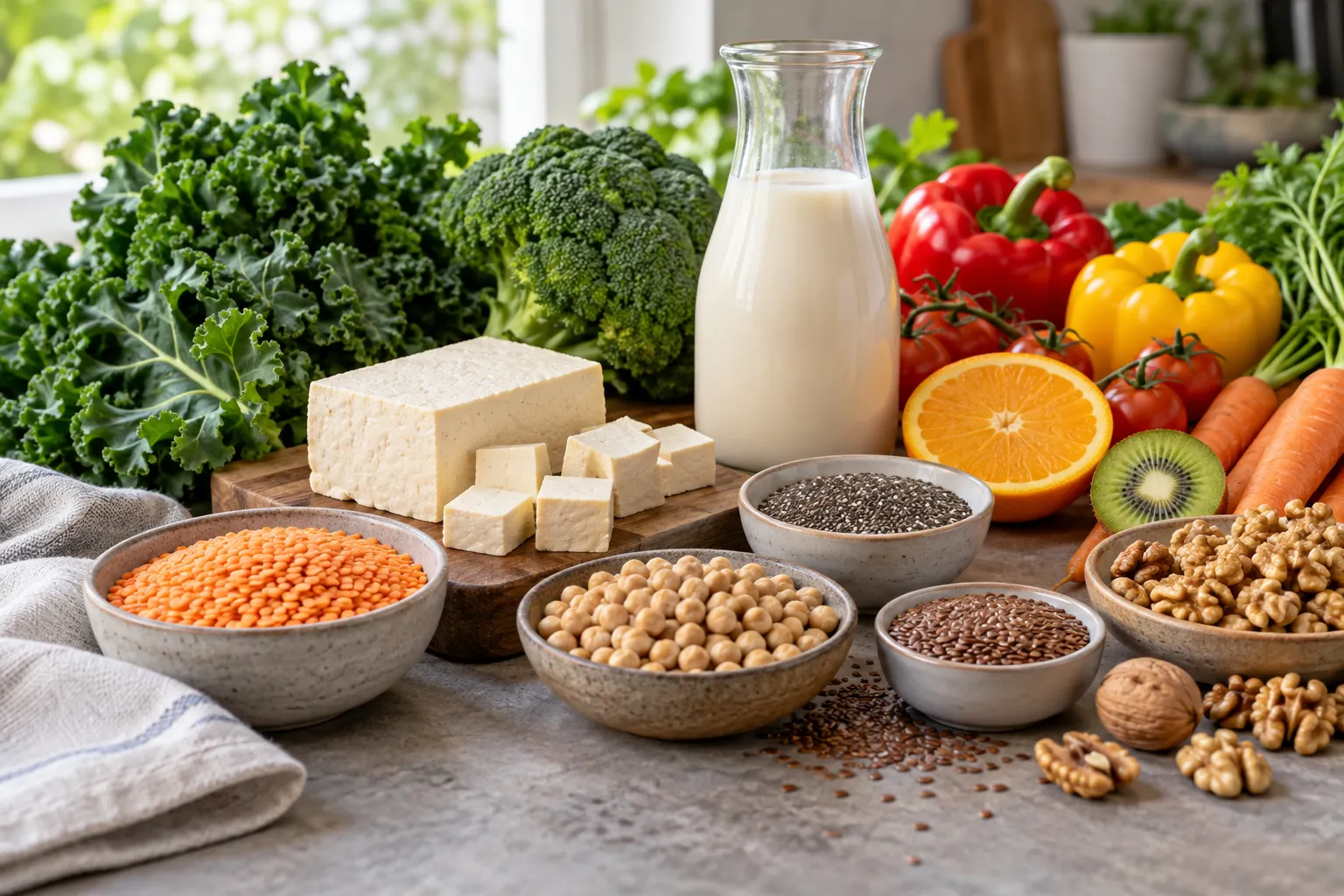
For many lacto-ovo vegetarians, milk, yogurt, and cheese make a substantial contribution to calcium intake.
Vegans need alternatives.
Useful options can include:
- calcium-fortified plant beverages;
- calcium-set tofu;
- kale;
- broccoli;
- certain legumes;
- other calcium-fortified foods.
The NIH notes that people who avoid dairy products, including vegans, need to obtain calcium from alternative sources and that fortified foods can play an important role. (NIH ODS — Calcium)
A useful practical point is that plant milk is not automatically nutritionally equivalent to dairy milk.
Protein, calcium, vitamin D, and vitamin B12 content can vary considerably across products. Checking the nutrition label is therefore valuable.
Iodine is easy to overlook
Iodine receives much less attention than protein, iron, or B12, yet it can be particularly relevant for vegans.
Dairy products, eggs, and seafood are important sources in many countries. Their contribution varies according to agricultural practices and national food-fortification policies.
A systematic review and meta-analysis published in the British Journal of Nutrition found lower iodine intake and poorer iodine status among vegan groups, although results were influenced by country and iodization programs. (Eveleigh et al.)
The NIH also lists people who eat little or no seafood, dairy, or eggs among those who may not obtain enough iodine. (ODS)
Omega-3: ALA, EPA, and DHA are not the same
Omega-3 is a family of fatty acids rather than a single nutrient.
Chia seeds, flaxseed, walnuts, and certain vegetable oils provide ALA, an essential omega-3 fatty acid.
The body can convert some ALA into EPA and then DHA, but conversion is limited. (ODS)
Because fish and seafood are excluded from vegetarian and vegan diets, direct dietary intake of EPA and DHA tends to be lower.
A 2026 systematic review covering 45 studies found lower EPA and DHA concentrations in vegetarian diets, particularly vegan ones. It also reported that microalgae-derived DHA could effectively increase DHA status. (Chamorro et al.)
This becomes especially relevant during stages such as pregnancy and breastfeeding, when nutritional planning should be individualized.
Vitamin D deserves attention too
Vitamin D is not exclusively a vegan or vegetarian concern.
Few foods naturally contain substantial amounts. Vitamin D status can also be influenced by sun exposure, geographic location, skin pigmentation, age, and other factors.
Fatty fish are among the richest natural dietary sources. Egg yolks and cheese contain smaller amounts, while some plant beverages and other foods provide vitamin D through fortification. (ODS)
Both vegetarians and vegans may therefore need to pay attention to vitamin D depending on their diet and individual circumstances.
What about zinc?
Zinc is available from plant foods such as legumes, whole grains, seeds, and nuts.
However, compounds such as phytates naturally present in plant foods can reduce the absorption of certain minerals. (Neufingerl and Eilander)
This does not make whole grains or legumes unhealthy. They provide fiber, protein, minerals, and many other valuable components.
Instead, it reinforces the importance of dietary diversity rather than relying on a very limited number of foods.
Vegan diets can also have nutritional strengths
Focusing only on possible deficiencies gives an incomplete picture.
Vegetarian and vegan diets may provide higher intakes of:
- fiber;
- folate;
- vitamin C;
- vitamin E;
- magnesium;
- polyunsaturated fats;
- beneficial compounds naturally found in plant foods.
These differences appeared consistently in the systematic review comparing plant-based dietary patterns with meat-containing diets. (Neufingerl and Eilander)
However, the benefit depends on what people actually eat.
French fries, cookies, sugary drinks, and many highly processed products can all be vegan. The absence of animal ingredients does not automatically make a food nutritionally balanced.
Vegetarian vs vegan: which is healthier?
There is no universal winner.
A 2025 position paper from the Academy of Nutrition and Dietetics concluded that appropriately planned vegetarian and vegan dietary patterns can be nutritionally adequate for adults and may provide long-term cardiometabolic health benefits. (Academy of Nutrition and Dietetics)
The crucial phrase is appropriately planned.
A vegetarian can eat a nutrient-rich diet based on vegetables, fruit, whole grains, beans, nuts, and seeds — or rely heavily on refined starches, cheese, sweets, and highly processed foods.
Likewise, a vegan can build meals around legumes, soy, vegetables, fruits, whole grains, nuts, and seeds — or consume mostly ultra-processed products.
The dietary label mainly describes what has been excluded. It does not tell the whole story of what is actually being eaten.
How to build a more balanced vegetarian or vegan diet
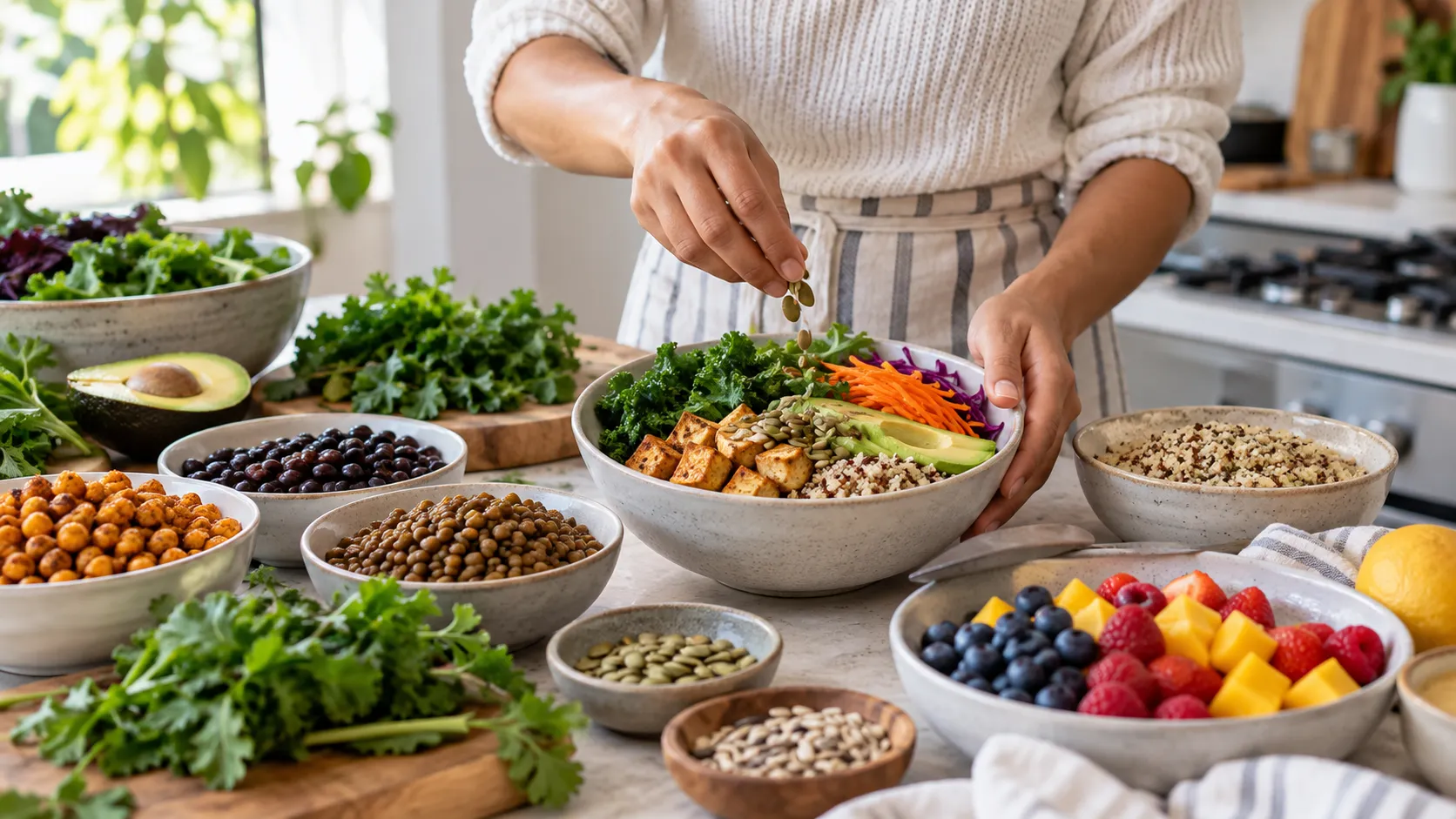
A few principles can help with both eating patterns:
-
Eat a variety of legumes. Beans, lentils, chickpeas, peas, and soy contribute protein, iron, zinc, and other nutrients.
-
Include protein-rich foods regularly. Tofu, tempeh, legumes, nuts, and seeds are valuable for vegans; vegetarians may also include eggs and dairy depending on their chosen pattern.
-
Choose whole grains regularly. Oats, brown rice, quinoa, and other whole grains contribute fiber and nutritional variety.
-
Eat a variety of fruits and vegetables. Different colors and types help diversify vitamins, minerals, and plant compounds.
-
Plan vitamin B12 deliberately. Especially for vegans, B12 should not be left to chance. (NIH ODS — Vitamin B12)
-
Check fortified foods. Plant beverages, breakfast cereals, and other products may provide calcium, vitamin D, B12, or other nutrients, but their labels need to be checked.
-
Include plant sources of omega-3. Chia, flaxseed, and walnuts supply ALA. Situations in which EPA or DHA require specific attention should be assessed individually. (ODS)
-
Do not overlook iron, calcium, and iodine. These nutrients may require more deliberate planning as animal foods are progressively restricted.
Who needs additional attention?
Professional dietary planning is particularly useful for:
- pregnant people;
- people who are breastfeeding;
- children and adolescents;
- older adults;
- athletes with high energy requirements;
- people with anemia or previous nutrient deficiencies;
- people with gastrointestinal disorders;
- individuals following very restrictive diets;
- people using medications or living with conditions that affect nutrient absorption or metabolism.
Nutrition advice for healthy adults should not automatically be extrapolated to these groups.
Conclusion
The main nutritional difference between vegetarian and vegan diets is the degree to which animal-derived foods are excluded.
Vegetarians who eat eggs and dairy retain additional sources of protein, vitamin B12, calcium, and other nutrients. Vegans obtain their nutrition entirely from plant foods, fortified products, and supplements when appropriate.
For this reason, vegan diets require somewhat more deliberate planning, particularly for vitamin B12, calcium, iodine, iron, vitamin D, zinc, and EPA/DHA. (Neufingerl and Eilander)
At the same time, a well-constructed plant-rich diet can provide high amounts of fiber, folate, magnesium, and many other valuable nutrients.
Ultimately, being vegetarian or vegan does not determine dietary quality by itself. What matters most is how the eating pattern is built in everyday life.