How to Hydrate Before, During, and After Exercise
Learn how to plan exercise hydration before, during, and after training using workout duration, sweat rate, heat, and body-mass changes—without overdrinking.
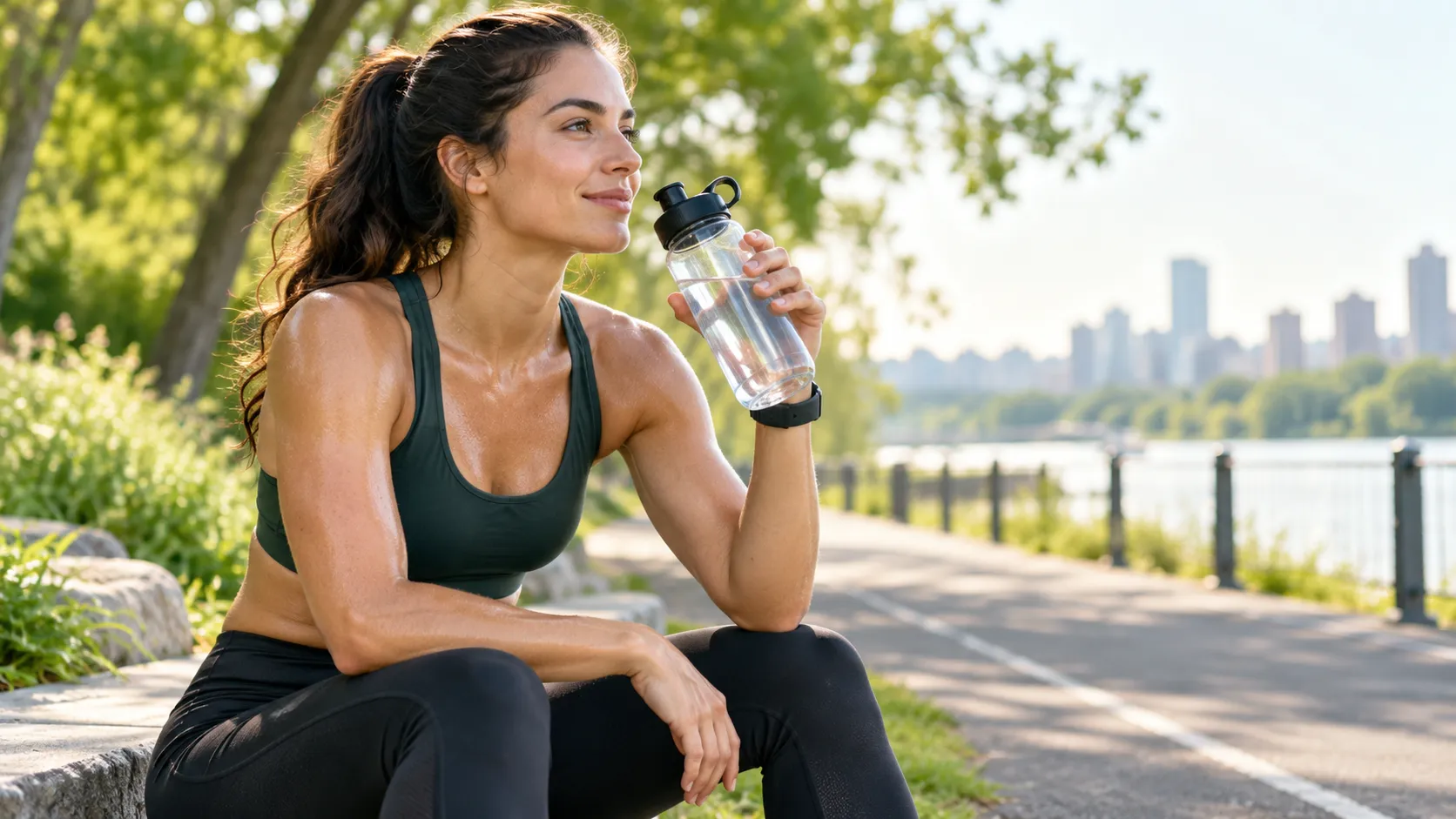
Good exercise hydration is not about drinking as much water as possible. Your actual needs depend on how much you sweat, how long and hard you exercise, environmental conditions, and how quickly you need to recover.
A useful strategy is to start exercise well hydrated, prevent excessive losses during the session, and replace the remaining deficit afterward without overdrinking. Both inadequate and excessive fluid intake can create problems. (PubMed)
| Timing | Practical approach |
|---|---|
| Before | Begin well hydrated; roughly 5–10 mL/kg 2–4 hours beforehand may be used when needed |
| During | Adjust intake to sweat losses and conditions; avoid gaining body mass from fluid |
| After | Replace the remaining deficit; rapid recovery may require about 100–150% |
| Short workouts | Water is usually enough |
| Longer or very hot sessions | Electrolytes and carbohydrates may become useful |
Why hydration matters during exercise
Sweating is one of the body’s major mechanisms for dissipating heat. Sweat contains both water and electrolytes, particularly sodium, and losses can differ considerably between individuals.
As fluid losses increase, cardiovascular strain rises and thermoregulation may become less effective. In prolonged exercise, body-mass losses around 2% or greater have frequently been associated with impaired performance, although the magnitude of the effect varies according to the athlete, event, and environment. (NATA)
Overdrinking is not the solution. Someone who starts exercise well hydrated generally should not finish heavier because of fluid consumed during the session.
How to hydrate before exercise
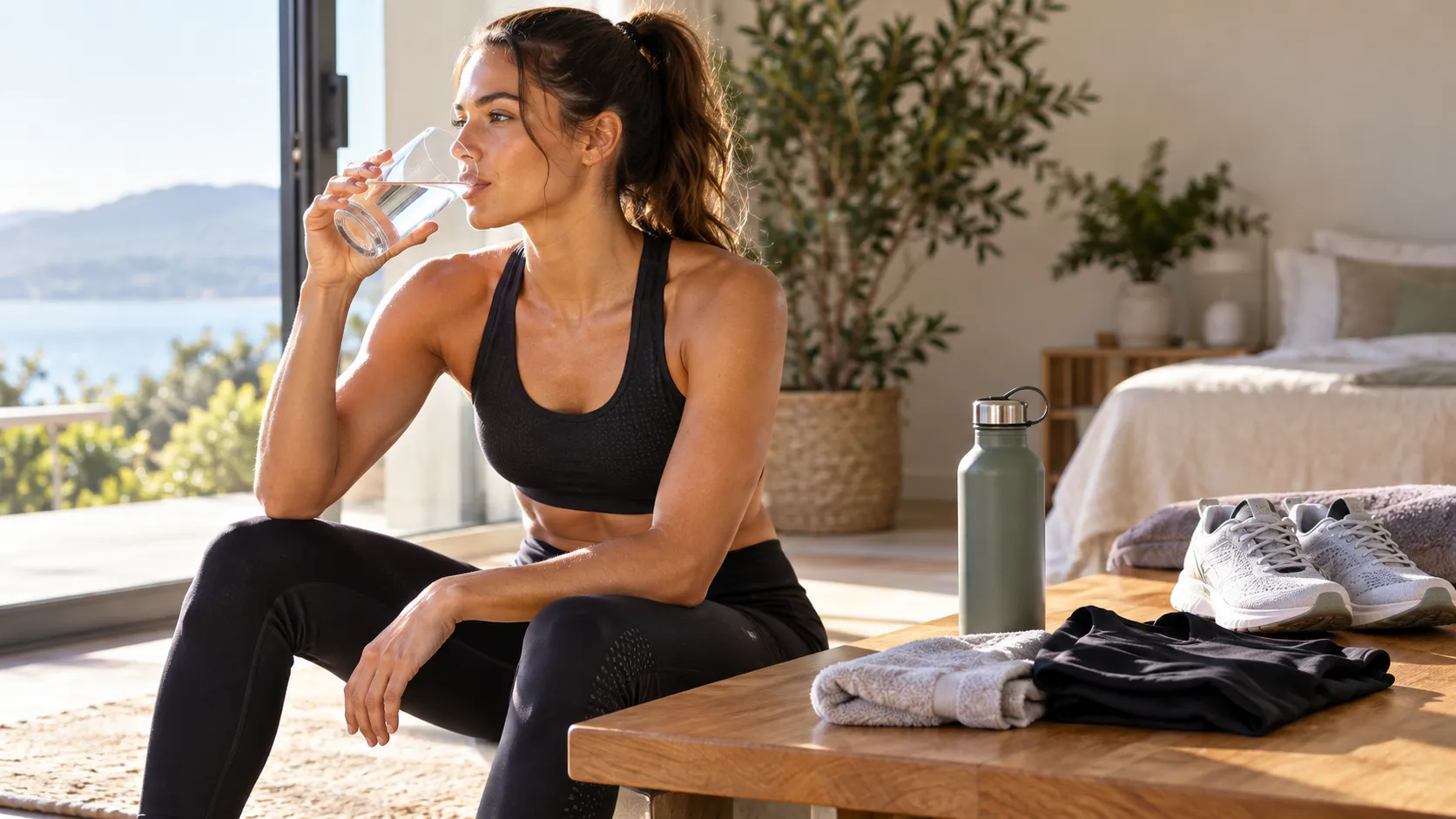
The first goal is to begin exercise close to euhydration — having an appropriate amount of body water.
The 2025 Brazilian sports nutrition guideline uses 5–10 mL of fluid per kilogram of body weight 2–4 hours before exercise as a practical reference when pre-exercise hydration is needed. For a 70-kg adult, that is approximately 350–700 mL. (SciELO Brasil)
This does not mean everyone must drink that volume on top of their normal intake. Someone who has eaten normally, consumed fluids throughout the day, and shows no signs of inadequate hydration may already be in a suitable state.
Thirst, usual body mass, urination frequency, and first-morning urine color can provide useful clues, although urine color alone is not a perfect hydration test. (NATA)
How to hydrate during exercise
Fluid needs during exercise can change dramatically from one situation to another. A hard outdoor run in humid heat is different from a short gym session in an air-conditioned room.
Important factors include exercise duration and intensity, climate, clothing, body size, heat acclimatization, personal sweat rate, and opportunities to drink.
For that reason, individualized recommendations are more useful than a rigid universal target. (NATA)
How much should you drink?
The Brazilian guideline cites 100–200 mL every 15 minutes as one possible reference, which corresponds to roughly 400–800 mL per hour. It should be treated as a starting point rather than a mandatory target. (SciELO Brasil)
Someone who sweats very little may need less. An athlete exercising hard in the heat may lose considerably more.
Body-mass change provides another safeguard. If you started well hydrated and your weight increases during exercise, fluid intake is likely exceeding losses.
Water or sports drink?
For physical activity lasting less than about one hour, water is generally adequate for healthy individuals consuming a balanced diet.
During longer sessions, intense intervals, extreme environments, or substantial sweat losses, beverages containing electrolytes and carbohydrates may provide additional benefits. (NATA)
Electrolyte supplements and salt capsules are not automatically necessary. Sodium losses vary widely, and supplementation beyond individual losses has not shown consistent benefit. (NATA)
How to calculate your sweat rate
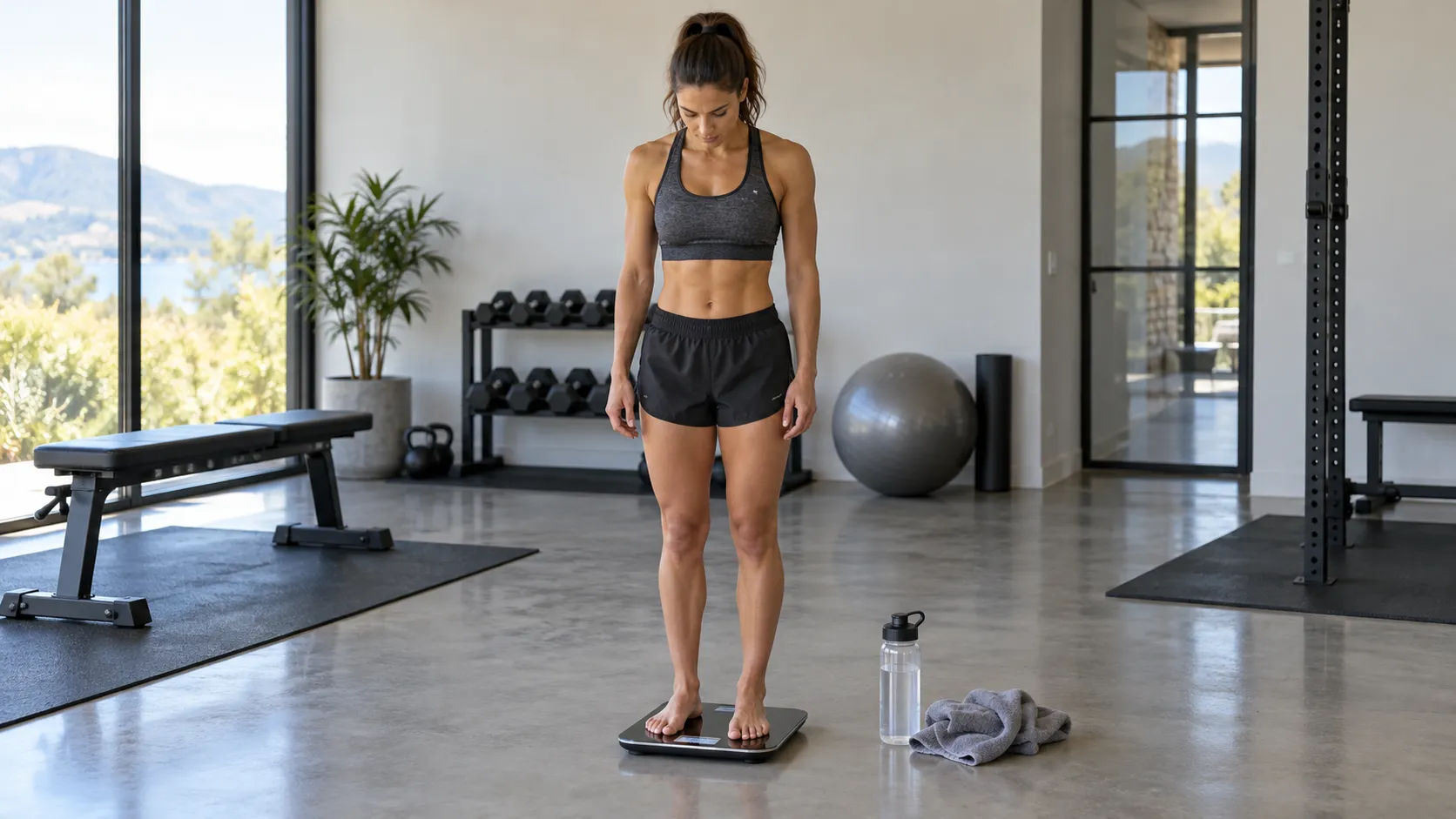
Estimating sweat rate is one of the most useful ways to personalize hydration.
Measure body weight immediately before and after a representative session using similar conditions and minimal clothing. Also record how much fluid you drink and any urine produced.
The NATA equation is:
Sweat loss (L) = pre-exercise weight (kg) − post-exercise weight (kg) + fluid consumed (L) − urine (L)
Then:
Sweat rate (L/h) = sweat loss ÷ exercise duration in hours (NATA)
Example
During a one-hour workout:
- pre-exercise weight: 70.0 kg;
- post-exercise weight: 69.4 kg;
- fluid consumed: 0.5 L;
- urine: 0 L.
Estimated loss:
70.0 − 69.4 + 0.5 = 1.1 L
Estimated sweat rate: 1.1 L/h.
Repeat the measurement under different conditions because sweat rate can change substantially with weather, exercise intensity, and acclimatization. (NATA)
How to rehydrate after exercise

Post-exercise hydration is primarily about replacing the remaining deficit.
If the next workout is not until the following day and fluid losses were modest, normal meals and drinking according to thirst may often be enough.
When rapid recovery is required, recommendations suggest consuming approximately 100%–150% of the estimated fluid deficit over the recovery period. The additional volume helps compensate for continued urine losses. (NATA)
A 1-L estimated deficit could therefore require approximately 1.0–1.5 L of fluid during recovery, depending on the time available, accompanying food, and ongoing losses.
Food matters as well. Meals provide water and sodium, while carbohydrates and protein contribute to broader post-exercise recovery.
A 2025 systematic review found that carbohydrate-electrolyte solutions may improve some rehydration outcomes compared with water, although results varied across studies and the certainty of evidence was low to very low. Sports drinks are therefore useful in some situations, but not mandatory for everyone. (PubMed)
Exercise hydration in hot weather
Hot conditions increase the importance of planning. The CDC notes that athletes exercising on hot days have a greater risk of dehydration and heat-related illness and recommends adapting activity timing and intensity while paying closer attention to fluid intake. (CDC)
For prolonged exercise, knowing your own sweat losses under similar conditions is more useful than relying on a single generic number.
Avoid overdrinking
Hydration does not follow a “more is better” rule.
Excessive fluid intake during prolonged exercise can contribute to exercise-associated hyponatremia, a potentially serious reduction in blood sodium. A key factor is drinking more fluid than the body is losing and can excrete. (NATA)
Sports drinks do not eliminate this risk. Even electrolyte-containing drinks can cause fluid overload when consumed excessively.
People with kidney disease, heart failure, other conditions affecting fluid balance, or medications that alter fluid or sodium regulation should obtain individualized medical advice before following aggressive hydration or electrolyte strategies. (NATA)
Conclusion
Effective exercise hydration is individual rather than universal. Start the session adequately hydrated, pay attention to your own sweat losses during activity, and replace the remaining deficit afterward.
For shorter workouts, water will usually be enough. As exercise becomes longer, hotter, or more demanding, a personalized strategy involving fluids, electrolytes, and sometimes carbohydrates becomes increasingly useful.
The goal is not to drink the most water possible. It is to replace enough — and not too much.