Can the Portfolio Diet Lower LDL Cholesterol? How It Works
The Portfolio Diet combines viscous fiber, plant protein, nuts, plant sterols, and unsaturated fats to help lower LDL cholesterol. Learn what the evidence shows and how the diet works.
Yes. The Portfolio Diet can lower LDL cholesterol, particularly when its different components are combined consistently.
The dietary pattern was developed specifically to bring together foods and nutrients known to influence blood cholesterol instead of relying on a single “cholesterol-lowering” food.
A systematic review and meta-analysis of controlled trials found an approximately 17% reduction in LDL cholesterol among people with hyperlipidemia compared with a low-saturated-fat control diet. The certainty of evidence for LDL cholesterol was rated high. (PubMed)
That does not mean everyone will experience exactly the same reduction, nor does it mean the diet automatically replaces medication. LDL response varies with adherence, baseline cholesterol, the previous diet, and individual biology.
What Is the Portfolio Diet?
The Portfolio Diet was developed in the early 2000s by David Jenkins and colleagues in Canada.
Its name borrows from investing: instead of putting everything into a single asset, a diversified portfolio combines several investments. In this case, the “portfolio” consists of different cholesterol-lowering foods and nutrients.
The traditional pattern includes:
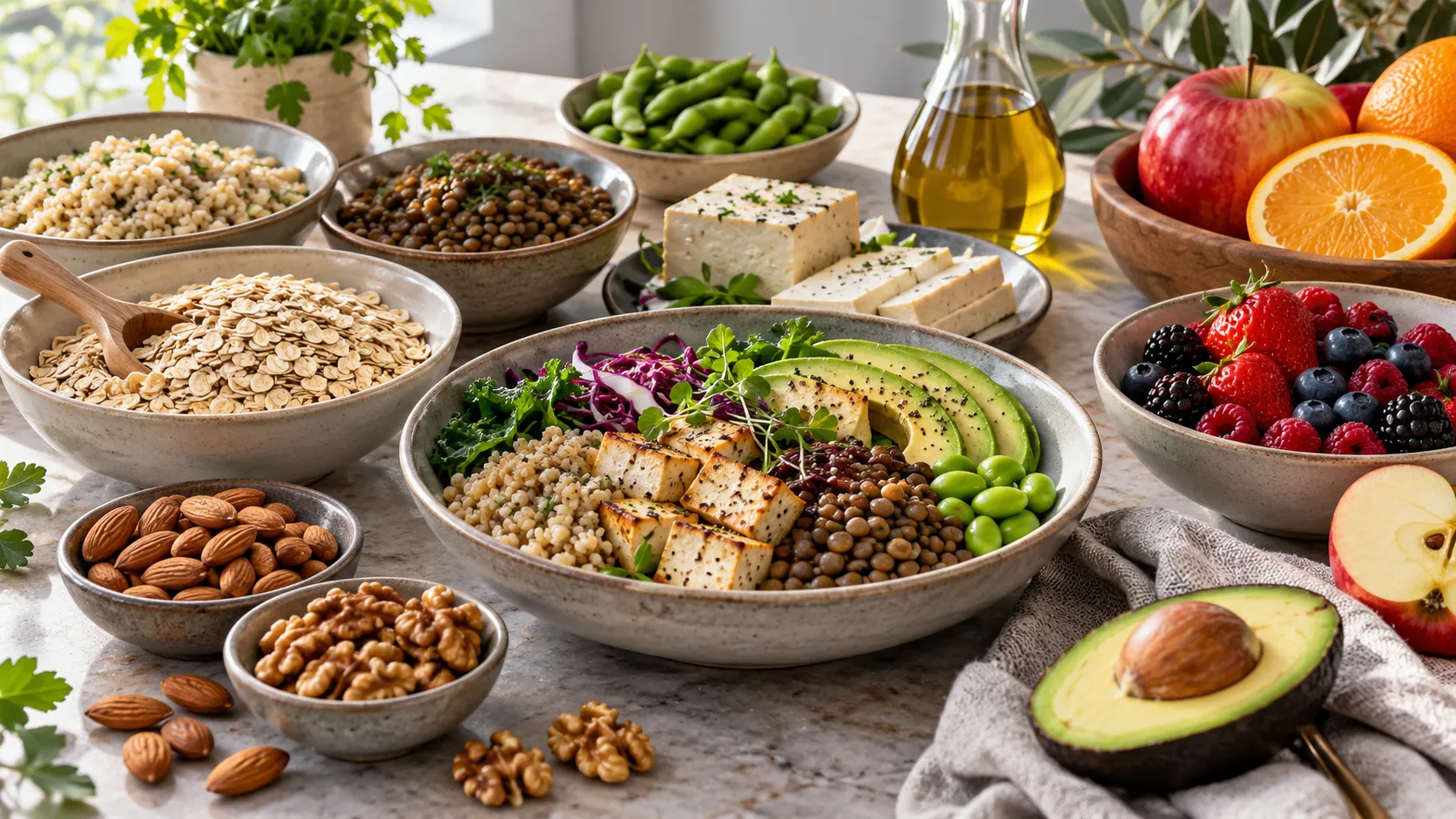
- plant protein, particularly soy foods and pulses;
- viscous or soluble fiber;
- nuts;
- plant sterols;
- plant sources of monounsaturated fat.
The diet also emphasizes reducing saturated fat and replacing it with unsaturated fat. (PubMed)
The key principle is therefore not a single superfood. It is the combined effect of several dietary strategies that target LDL cholesterol in complementary ways.
How Much Can the Portfolio Diet Lower LDL?
The size of the effect depends on how the diet is implemented.
| Evidence | Observed LDL effect |
|---|---|
| Meta-analysis of controlled trials | approximately 17% reduction versus the control diet |
| Six-month free-living randomized trial | approximately 13% to 14% reduction |
| Highly controlled feeding studies | larger reductions, approaching 30% in some protocols |
The 2018 meta-analysis included seven trial comparisons involving 439 participants with hyperlipidemia. The average difference in LDL was approximately 0.73 mmol/L, or about 28 mg/dL, compared with the control diet. (PubMed)
In the six-month JAMA trial, LDL fell by 13.1% with routine Portfolio counseling and 13.8% with intensive counseling, compared with about 3% in the control group. Better adherence to the Portfolio components was associated with greater LDL reductions. (PubMed)
How Does the Portfolio Diet Work?
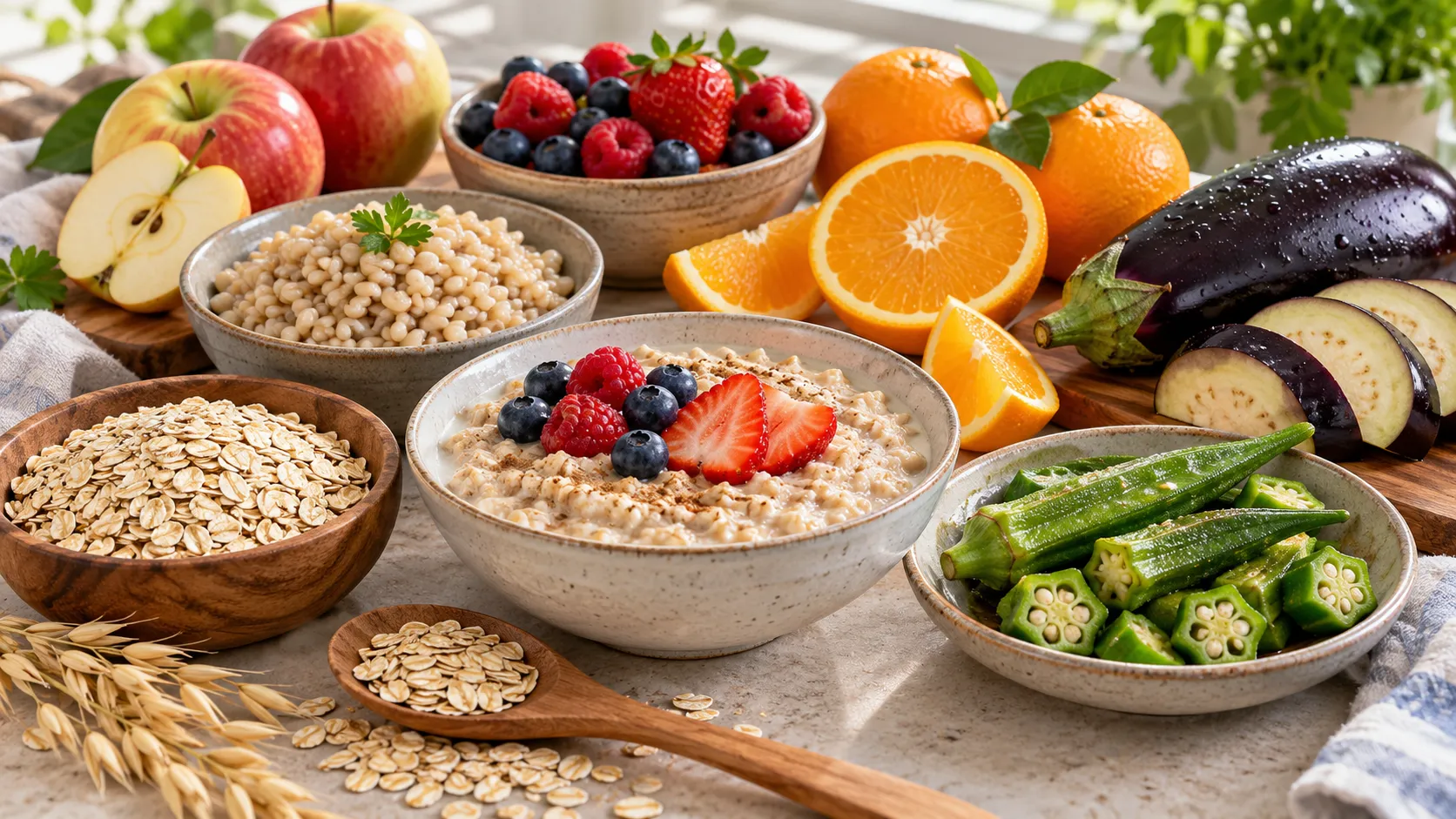
The diet combines several mechanisms rather than depending on one.
Viscous fiber supports LDL reduction
Foods such as oats and barley, along with psyllium, provide viscous fiber that changes the physical environment of the digestive tract and can reduce the amount of cholesterol-related compounds that are reabsorbed.
A systematic review and meta-analysis of 28 randomized trials involving 1,924 people found that psyllium significantly reduced LDL cholesterol, non-HDL cholesterol, and apolipoprotein B. (PubMed)
The Portfolio approach aims to include these fibers regularly across the day rather than relying on an occasional serving.
Plant sterols reduce cholesterol absorption
Plant sterols are structurally similar to cholesterol and compete with it during intestinal absorption. As a result, less cholesterol enters circulation.
A meta-analysis of 124 studies found that plant sterol and stanol intakes across the range of roughly 0.6 to 3.3 g per day lowered LDL by an average of about 6% to 12%, depending on dose. (PubMed)
Traditional Portfolio Diet trials targeted approximately 2 g of plant sterols per day, often using sterol-enriched foods because this amount is difficult to obtain from ordinary plant foods alone. (PubMed)
That does not mean everyone needs a plant sterol supplement. Fortified products or supplements should be considered in the context of an individual’s overall diet and medical situation.
Plant protein changes both what you eat and what you replace
Soy foods, tofu, edamame, beans, chickpeas, peas, and lentils are important protein sources in the Portfolio Diet.
Their value is partly related to the foods they replace. When plant proteins displace foods high in saturated fat, the overall diet becomes more favorable for LDL reduction.
The 2026 ACC/AHA dyslipidemia guideline recommends emphasizing legumes, nuts, whole grains, fruits, vegetables, and fiber while replacing saturated and trans fats with monounsaturated and polyunsaturated fats. (ACC/AHA)
Nuts provide unsaturated fat, fiber, and plant protein
Almonds, walnuts, pistachios, peanuts, and other nuts provide mostly unsaturated fats along with fiber, protein, and other plant compounds.
In the original Portfolio protocols, approximately 45 g of nuts per day were used as part of a roughly 2,000-calorie diet. (PubMed)
Their role is not simply to add a “healthy snack.” They can also replace foods that contain more saturated fat.
Unsaturated fats replace saturated fats
Later versions of the Portfolio pattern explicitly included plant sources of monounsaturated fat such as olive oil, canola oil, and avocado.
This substitution matters. The 2026 ACC/AHA guideline recommends replacing saturated and trans fats with mono- and polyunsaturated fats to lower LDL and cardiovascular risk. (ACC/AHA)
Simply adding olive oil to a diet that remains very high in saturated fat is therefore not equivalent to making a genuine substitution.
What Foods Are Included in the Portfolio Diet?
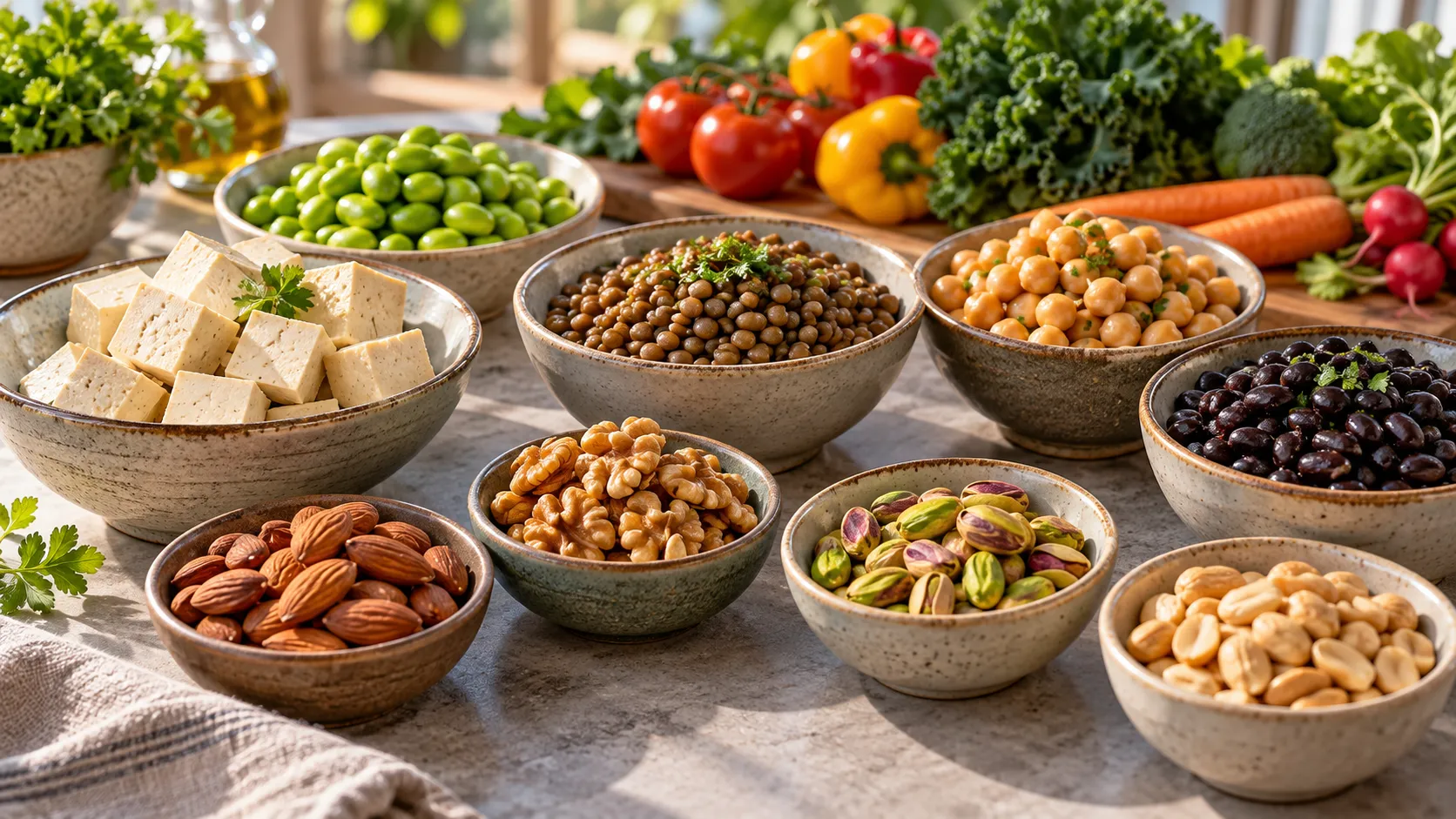
The following targets describe research protocols based on a diet of roughly 2,000 calories. They are scientific reference points, not universal prescriptions. (PubMed)
| Component | Food examples | Target used in research |
|---|---|---|
| Plant protein | tofu, soy foods, beans, lentils, peas, chickpeas | about 50 g plant protein/day |
| Viscous fiber | oats, barley, psyllium, okra, eggplant, apples, citrus | about 20 g viscous fiber/day |
| Nuts | almonds, walnuts, pistachios, peanuts and other nuts | about 45 g/day |
| Plant sterols | plant foods and sterol-enriched products | about 2 g/day |
| Plant MUFAs | olive oil, avocado, canola oil and other plant sources | included in later versions |
| Saturated fat | butter, fatty meats, full-fat dairy and other high-SFA foods | reduced and replaced with unsaturated sources |
The “50 g of plant protein” target means grams of actual protein, not 50 g of tofu or beans.
Likewise, 20 g of viscous fiber refers to the amount of fiber contributed by several foods rather than the weight of a single ingredient.
What Might a Portfolio-Style Day Look Like?
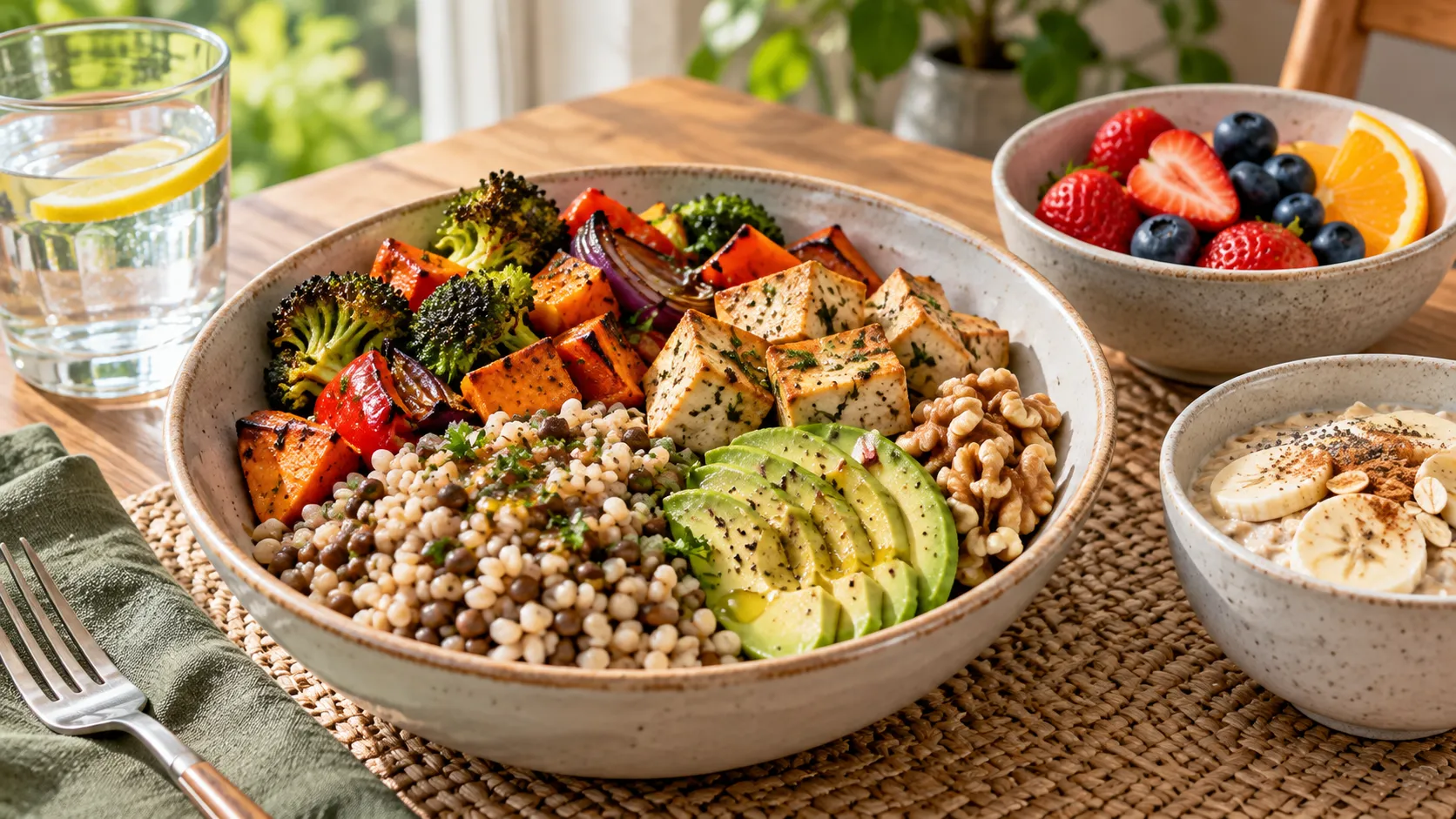
The pattern does not require every meal to be calculated to the gram.
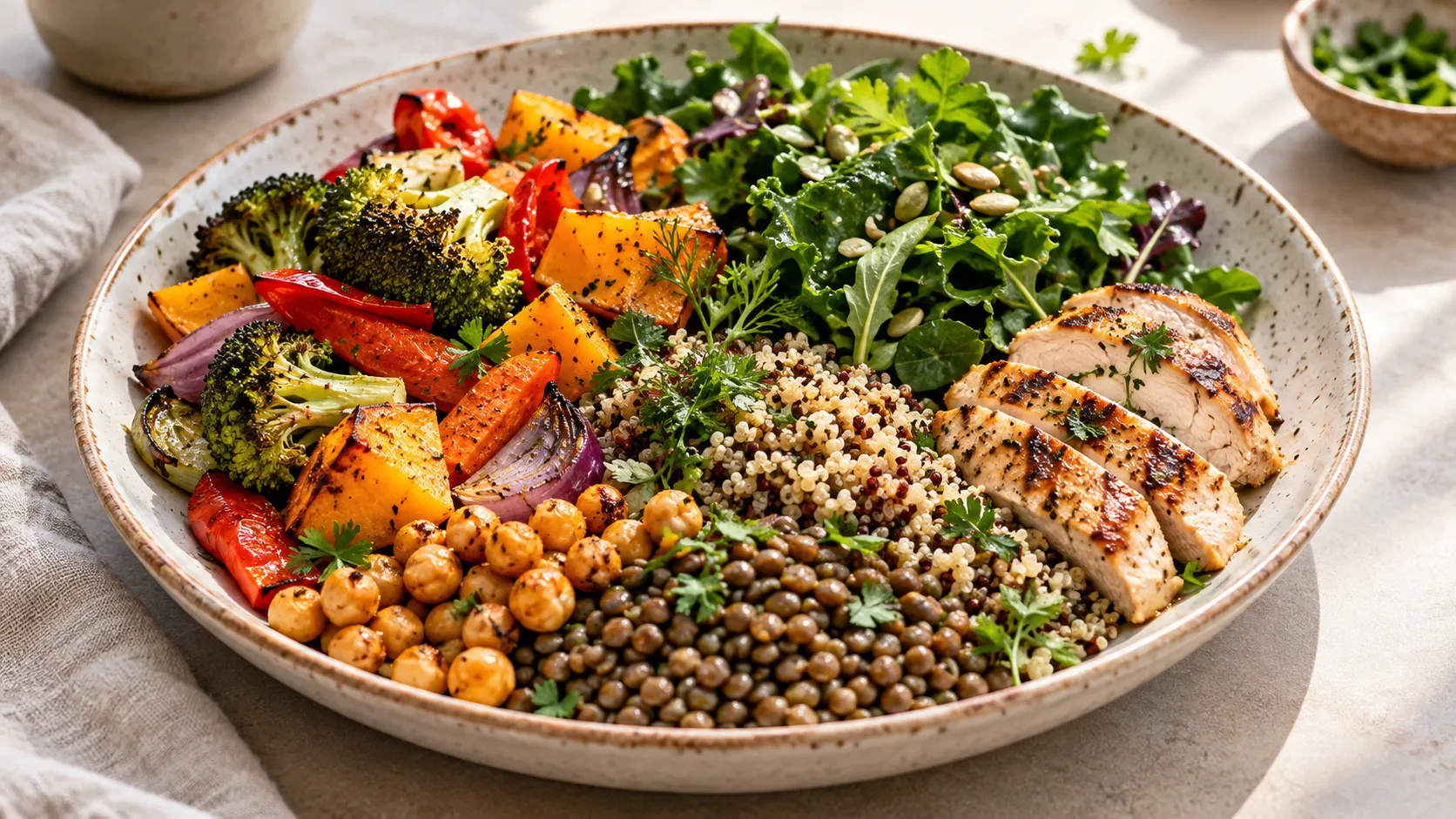
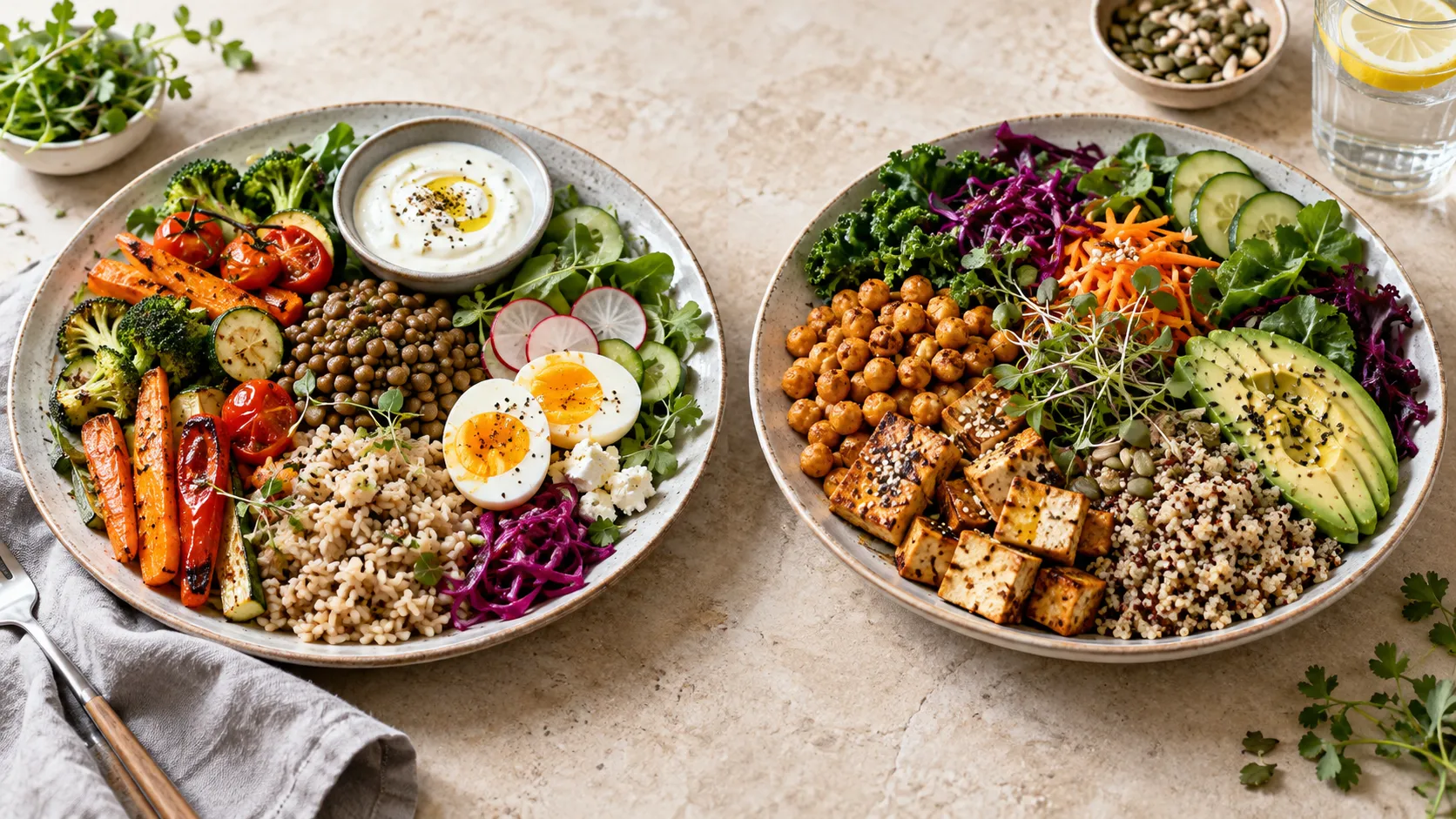
Breakfast might include oatmeal with fruit, an unsweetened soy beverage, and nuts. Lunch could combine lentils or beans with barley or another whole grain, vegetables, and olive oil.
Fruit and nuts can work as snacks. Dinner might feature tofu, chickpeas, lentils, or another plant protein alongside vegetables and whole grains.
The practical goal is for viscous fiber, plant protein, nuts, and unsaturated fat to appear repeatedly throughout the day, while foods high in saturated fat become less prominent.
Do You Have to Be Completely Vegetarian?
The classic Portfolio Diet is strongly plant-based, but research increasingly evaluates adherence as a spectrum rather than a simple yes-or-no category.
The Portfolio Diet Score awards more points for higher intake of plant proteins, nuts and seeds, viscous-fiber foods, phytosterols, and plant monounsaturated fats, while foods high in saturated fat and cholesterol lower the score. (PubMed)
This suggests that partial adoption may still improve overall dietary quality, although more consistent adherence is likely to produce a larger LDL effect.
Does the Portfolio Diet Reduce Cardiovascular Risk Too?
This is where the type of evidence matters.
The LDL-lowering effect is supported by randomized trials. Evidence for heart attacks, strokes, and other long-term cardiovascular outcomes comes primarily from observational research.
In 2023, researchers analyzed three large prospective cohorts with more than 210,000 adults followed for as long as 30 years. People in the highest Portfolio Diet Score group had approximately 14% lower risks of total cardiovascular disease, coronary heart disease, and stroke than those in the lowest group. (PubMed)
A systematic review and meta-analysis published in August 2026 included 10 observational studies totaling 513,284 participants. Across pooled prospective cohorts, each one-standard-deviation increase in Portfolio Diet Score was associated with a 6% lower risk of cardiovascular disease and a 10% lower risk of all-cause mortality. (PubMed)
These are associations, however. Observational research cannot prove that the Portfolio Diet itself caused the lower event rate.
Portfolio Diet vs. Mediterranean Diet: Which Is Better?
They do not have to compete.
The Portfolio Diet was specifically designed to maximize dietary LDL lowering through a combination of cholesterol-lowering components.
The Mediterranean dietary pattern has particularly strong evidence for overall cardiovascular health and clinical cardiovascular outcomes.
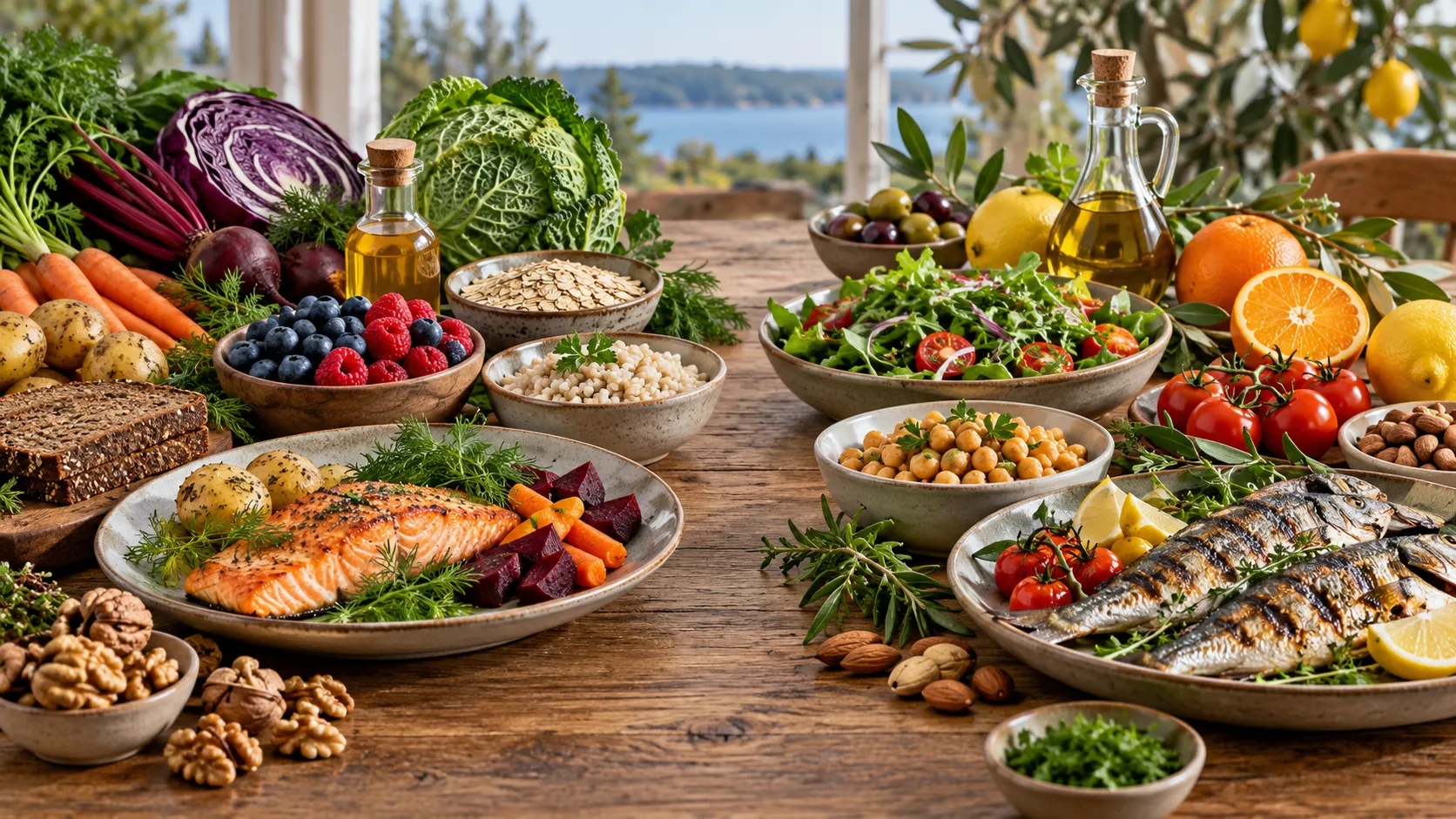
There is substantial overlap: both can include nuts, legumes, whole grains, vegetables, fruit, olive oil, and relatively little saturated fat.
For some people, a practical strategy may be to use a Mediterranean-style eating pattern as the foundation while deliberately increasing specific Portfolio components when LDL reduction is a major nutrition goal.
Can the Portfolio Diet Replace Cholesterol Medication?
That decision cannot be made from the average LDL reductions in dietary trials alone.
Treatment depends on a person’s overall cardiovascular risk, LDL level, existing cardiovascular disease, diabetes, kidney disease, familial hypercholesterolemia, and other clinical factors.
The 2026 ACC/AHA guideline continues to place lifestyle at the foundation of dyslipidemia management while recommending pharmacological treatment when indicated by risk and LDL targets. (ACC/AHA)
The Portfolio Diet may therefore be valuable alongside medical therapy, including for people already taking cholesterol-lowering medication.
Who Might Benefit From the Portfolio Diet?
The pattern may be particularly useful for adults who need to improve their lipid profile and want to increase the proportion of plant foods in their diet.
It can also provide a useful framework for people already eating a vegetarian, Mediterranean, or predominantly plant-based diet who want to target LDL cholesterol more specifically.
People with very high LDL cholesterol, suspected familial hypercholesterolemia, previous heart attack or stroke, or other high-risk medical conditions should seek professional assessment. In these situations, nutrition remains important but is usually only one part of a broader prevention strategy.
Conclusion
Current evidence indicates that the Portfolio Diet can meaningfully lower LDL cholesterol.
Its strength is not a single miracle ingredient. It comes from combining viscous fiber, plant protein, nuts, plant sterols, unsaturated fats, and lower saturated-fat intake.
In free-living trials, LDL reductions of approximately 13% to 14% have been observed, while a meta-analysis of controlled trials found a reduction of roughly 17%. Larger effects have occurred under highly controlled feeding conditions. (PubMed)
For people with high LDL, the broader message is that dietary changes can make a meaningful difference — but their effect depends on consistency and should always be interpreted in the context of total cardiovascular risk.
This article is intended for educational purposes and does not replace individualized medical or nutrition advice.