Vitamin B5: Should You Worry About Deficiency?
Vitamin B5 deficiency is rare, but pantothenic acid is essential for metabolism. Learn how much you need, where to get it and when supplements may deserve attention.
Some B-vitamin deficiencies receive considerable attention. Vitamin B12 deficiency is a familiar example. Vitamin B5, or pantothenic acid, is quite different: it is essential, but nutritional deficiency is remarkably uncommon.
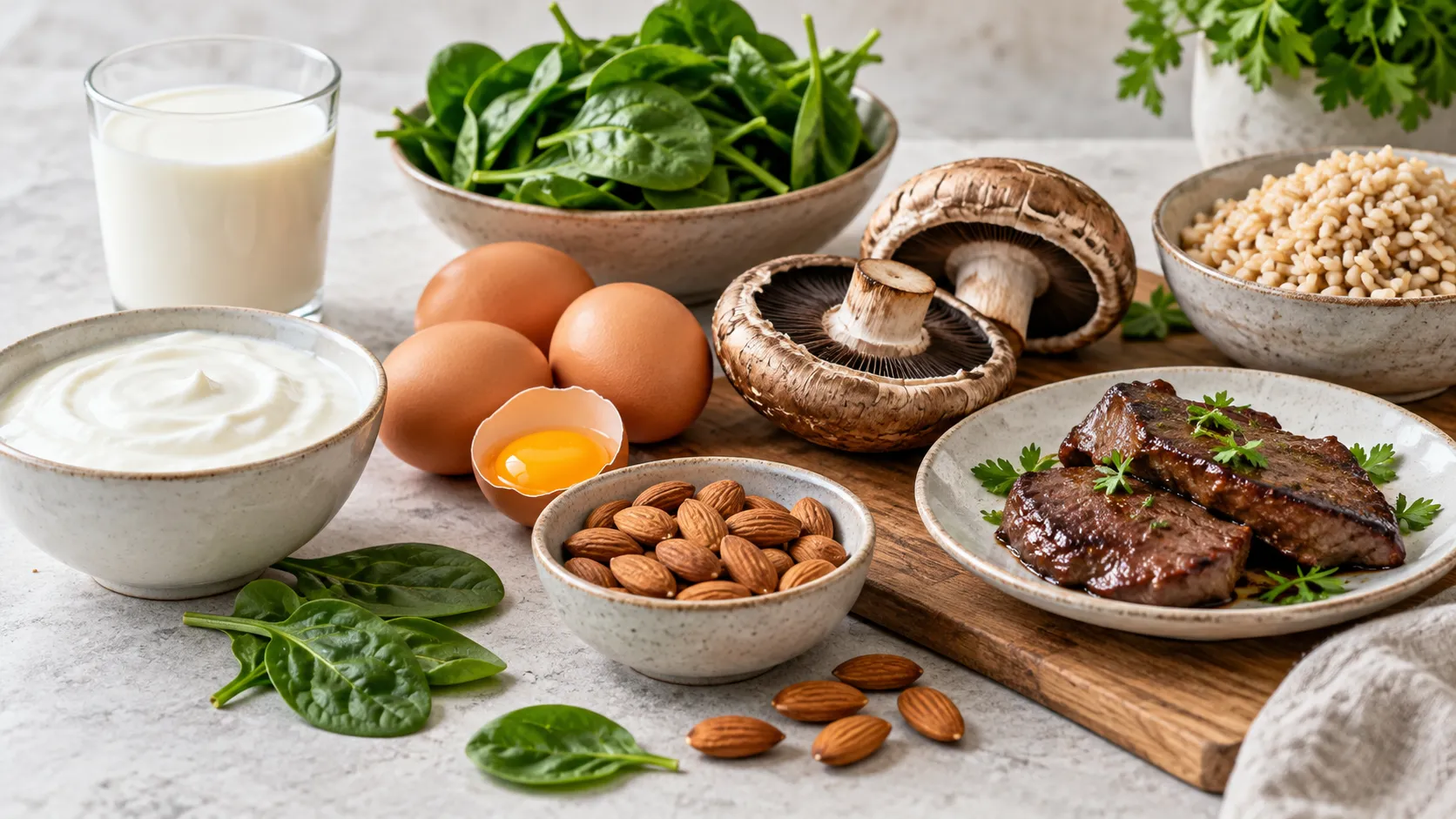
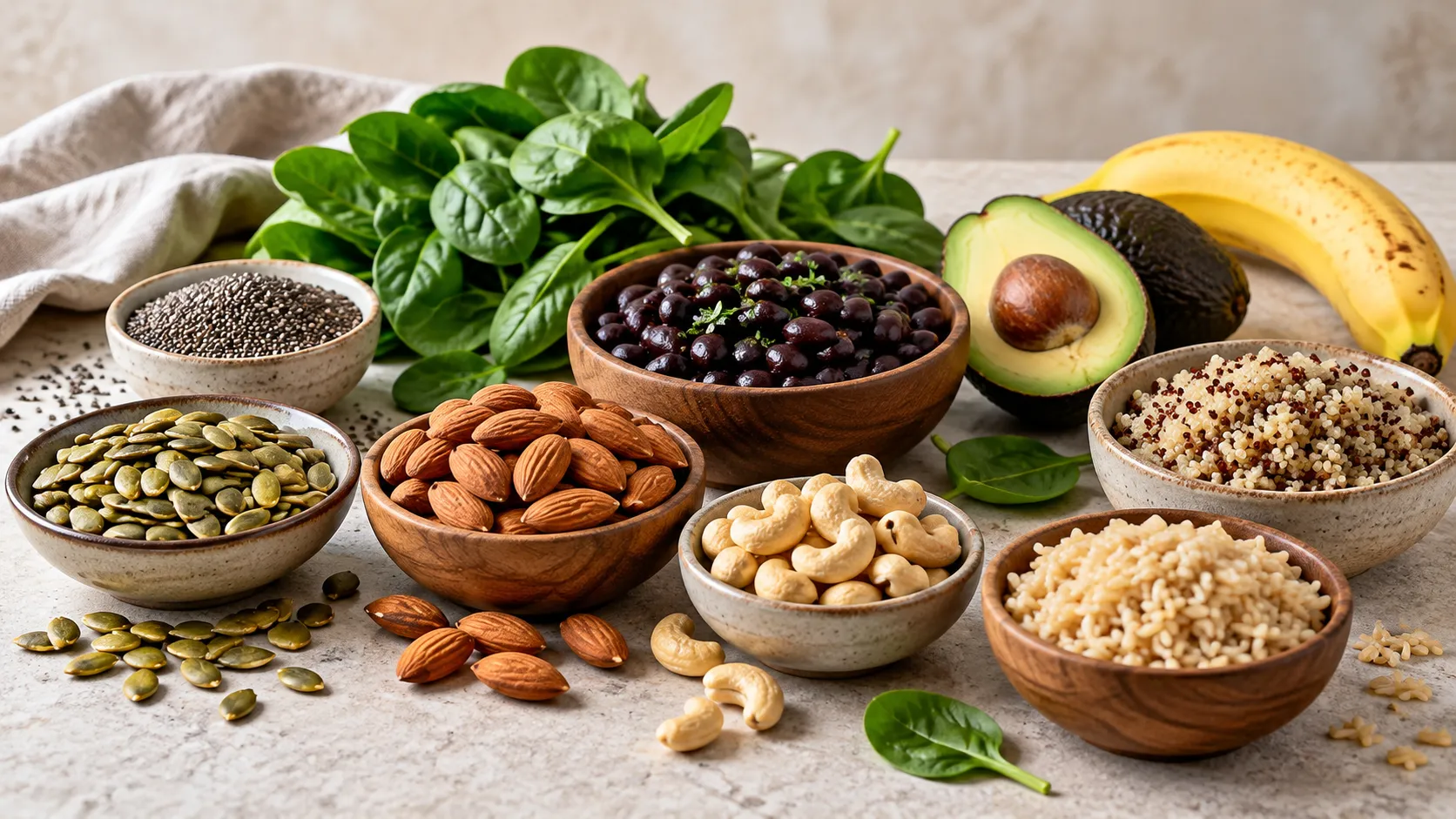
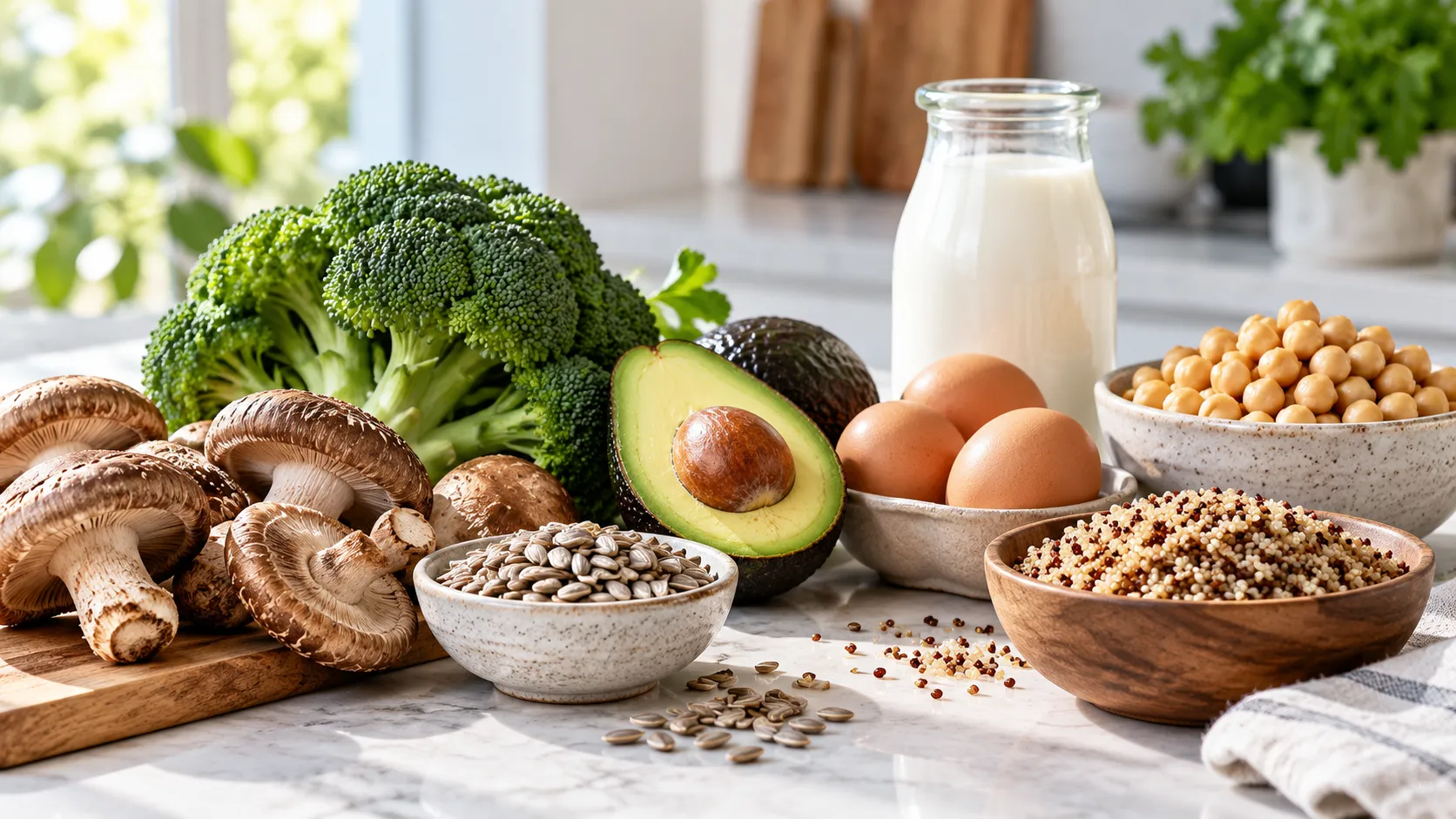
One major reason is that pantothenic acid is widely distributed throughout the food supply. Meat, eggs, dairy products, mushrooms, seeds, legumes, whole grains, avocado and many other foods contribute to daily intake. (ODs NIH)
For most people who eat a reasonably varied diet, vitamin B5 deficiency is therefore not a major nutritional concern.
That does not make the vitamin unimportant. Understanding what B5 actually does helps distinguish a genuine nutritional requirement from claims surrounding supplements that provide doses many times higher than normal dietary needs.
What is vitamin B5 and what does it do?
Vitamin B5 is a water-soluble vitamin better known scientifically as pantothenic acid.
In the body, pantothenic acid is a component of coenzyme A (CoA) and acyl carrier protein. CoA is involved in numerous metabolic reactions, including fatty-acid synthesis and breakdown and other anabolic and catabolic processes. (ODs NIH)
Vitamin B5 is therefore essential to normal metabolism. However, the fact that a vitamin participates in energy metabolism does not mean taking extra amounts automatically increases energy levels when nutritional requirements are already being met.
Is vitamin B5 deficiency rare?
Yes.
According to the NIH, pantothenic acid deficiency is rare because some is present in almost all foods. When deficiency occurs, it is generally associated with severe malnutrition and often accompanies deficiencies of other nutrients. (ODs NIH)
Much of what is known about severe deficiency comes from unusual experimental conditions in which people consumed diets containing virtually no pantothenic acid or received compounds designed to interfere with its metabolism. (NCBI)
A 2023 scoping review prepared for the Nordic Nutrition Recommendations similarly described nutritional pantothenic acid deficiency as rare and found no health concerns related to B5 in the newer evidence it reviewed. (PubMed)
Who may be at greater risk?
The clearest nutritional setting is severe malnutrition, where deficiencies of several vitamins and minerals can occur simultaneously.
The NIH also identifies mutations involving PANK2, associated with pantothenate kinase-associated neurodegeneration (PKAN). This is a rare inherited metabolic disorder and should not be confused with an ordinary dietary lack of vitamin B5. (ODs NIH)
For otherwise healthy people eating a reasonably diverse diet, isolated pantothenic acid deficiency remains unlikely.
What are the symptoms of vitamin B5 deficiency?
Symptoms reported in severe deficiency have included:
- fatigue;
- irritability;
- restlessness;
- sleep disturbances;
- headache;
- loss of appetite;
- gastrointestinal symptoms;
- numbness;
- burning sensations in the hands and feet.
These findings largely come from extreme or experimental circumstances, and none of these symptoms is specific to vitamin B5 deficiency. (ODs NIH)
How much vitamin B5 do we need?

Pantothenic acid has an important limitation in its nutritional evidence base.
There is not enough information to establish an Estimated Average Requirement with the precision available for some other nutrients. Authorities therefore use an Adequate Intake (AI).
| Group | NIH/Food and Nutrition Board | EFSA |
|---|---|---|
| Adults | 5 mg/day | 5 mg/day |
| Pregnancy | 6 mg/day | 5 mg/day |
| Lactation | 7 mg/day | 7 mg/day |
The small difference during pregnancy reflects uncertainty in the underlying data. EFSA explains that its values are largely based on observed intakes in European populations without apparent signs of deficiency. (ODs NIH)
These figures should therefore not be viewed as an exact threshold separating sufficiency from deficiency.
Which foods provide vitamin B5?
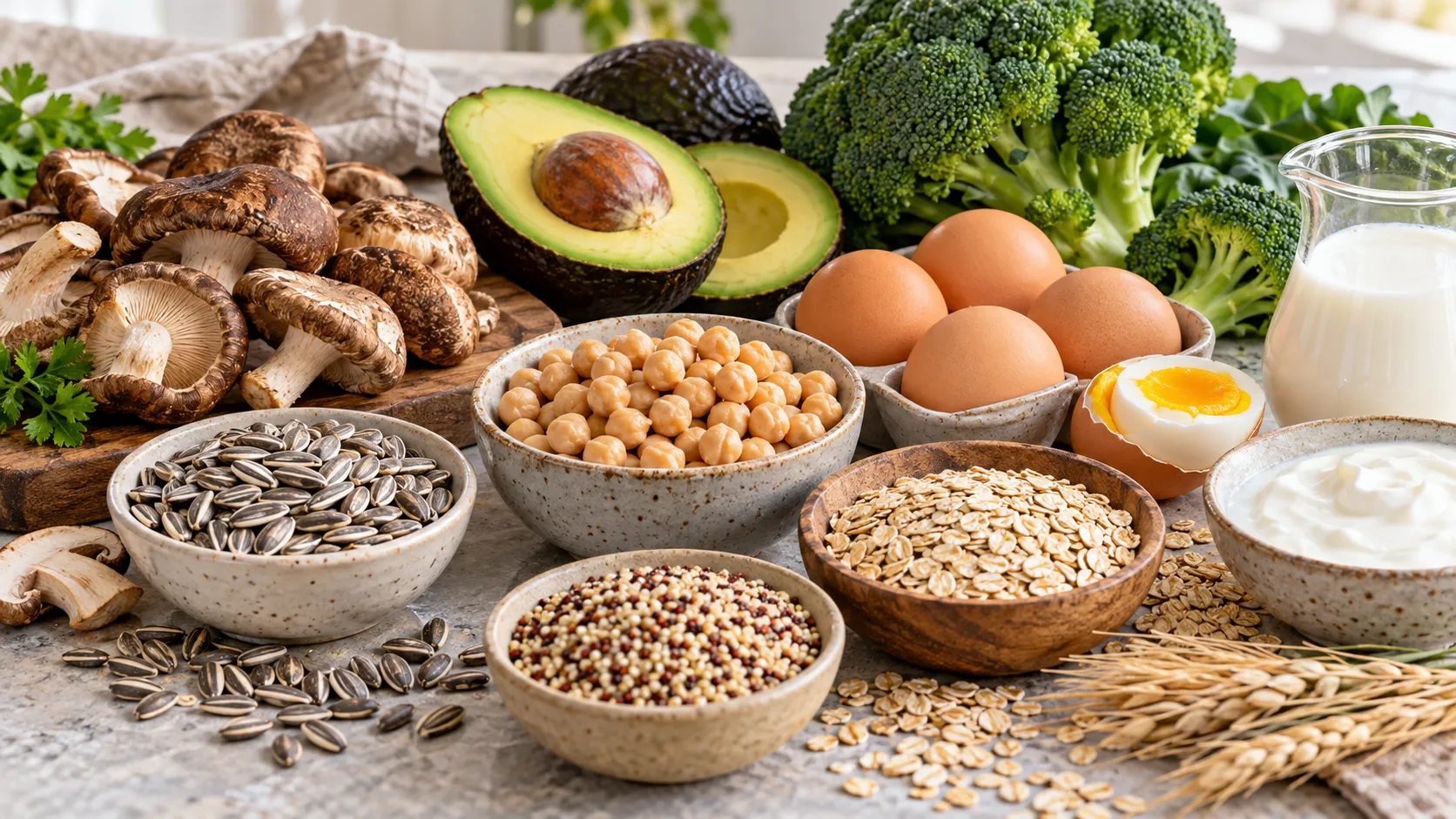
Pantothenic acid occurs in both plant and animal foods. Examples listed by the NIH include:
| Food | Serving | Vitamin B5 |
|---|---|---|
| Cooked shiitake mushrooms | ½ cup | 2.6 mg |
| Sunflower seeds | ¼ cup | 2.4 mg |
| Avocado | ½ avocado | 1.0 mg |
| 2% milk | 1 cup | 0.9 mg |
| Hard-boiled egg | 1 large | 0.7 mg |
| Roasted peanuts | ¼ cup | 0.5 mg |
| Canned chickpeas | ½ cup | 0.4 mg |
This helps explain why one particular “superfood” is unnecessary. Multiple foods in an ordinary diet provide smaller amounts that add up across the day. (ODs NIH)
Meat, fish, whole grains, potatoes, broccoli and many other foods also contribute.
Do we need vitamin B5 supplements?

For most healthy adults, routine vitamin B5 supplementation is not necessary simply to prevent deficiency.
The NIH advises that nutritional requirements should generally be met primarily through food. Supplements may be useful when dietary intake is inadequate or when specific circumstances justify them. (ODs NIH)
Some supplements contain amounts of B5 far above the 5 mg adult adequate intake. B-complex and single-ingredient pantothenic acid products can contain hundreds of milligrams. (ODs NIH)
A larger dose should not automatically be interpreted as a larger benefit.
Pantethine and pantothenic acid are not identical
It is also important to distinguish pantothenic acid from pantethine, a related derivative.
Some clinical studies have investigated high-dose pantethine for effects on blood lipids. Those findings cannot simply be transferred to ordinary pantothenic acid supplementation. The NIH specifically notes that pantothenic acid itself does not appear to have the same demonstrated effects. (ODs NIH)
Can you consume too much vitamin B5?
The Food and Nutrition Board has not established a Tolerable Upper Intake Level (UL) for pantothenic acid because there are insufficient reports of toxicity in humans at high intakes. (ODs NIH)
That does not mean extremely high doses are necessary or entirely free of side effects.
The NIH notes that some people taking around 10 g per day — roughly 2,000 times the adult AI of 5 mg — have developed mild diarrhea and gastrointestinal distress. (ODs NIH)
The absence of an official UL should therefore not be interpreted as an endorsement of megadoses.
Can vitamin B5 status be tested?
Pantothenic acid status is not routinely measured in healthy people.
Blood and urine measurements exist, but plasma pantothenic acid does not correlate particularly well with changes in intake or nutritional status. Urinary measurements are more closely associated with intake, but B5 testing is still not a routine screening procedure. (ODs NIH)
When malnutrition or micronutrient deficiency is suspected, the person’s broader dietary and clinical context is generally more relevant than focusing on a single vitamin in isolation.
So, should we worry about vitamin B5 deficiency?
For most people, not very much.
Vitamin B5 is essential, but its widespread presence in food makes isolated nutritional deficiency very uncommon. A varied diet normally provides multiple sources of pantothenic acid throughout the day.
Greater attention may be warranted in severe malnutrition, extremely restricted diets or specific medical circumstances requiring individualized nutritional assessment.
The practical goal is not to find ways to consume megadoses of vitamin B5. It is to eat a varied diet and remember that “essential” does not mean “the more, the better.”
Conclusion
Vitamin B5 plays fundamental metabolic roles, particularly through coenzyme A. Yet nutritional deficiency is rare because pantothenic acid is widely distributed across the food supply. (PubMed)
For adults, 5 mg per day is the Adequate Intake used by the major references reviewed here. For most healthy people, a varied diet makes both deficiency anxiety and high-dose supplementation unnecessary.
Anyone experiencing severe malnutrition, persistent symptoms, an extremely restricted diet or a medical condition affecting nutritional status should seek individualized guidance from a qualified healthcare professional.