Vitamin B1 (Thiamine): Functions, Sources and Deficiency
Vitamin B1, or thiamine, supports energy metabolism and normal cellular function. Learn about food sources, daily requirements, deficiency symptoms, and risk factors.
Vitamin B1, also known as thiamine, is an essential B vitamin that plays a central role in cellular energy metabolism. Although the body requires only small amounts, severe deficiency can have important neurological and cardiovascular consequences. (ODS)
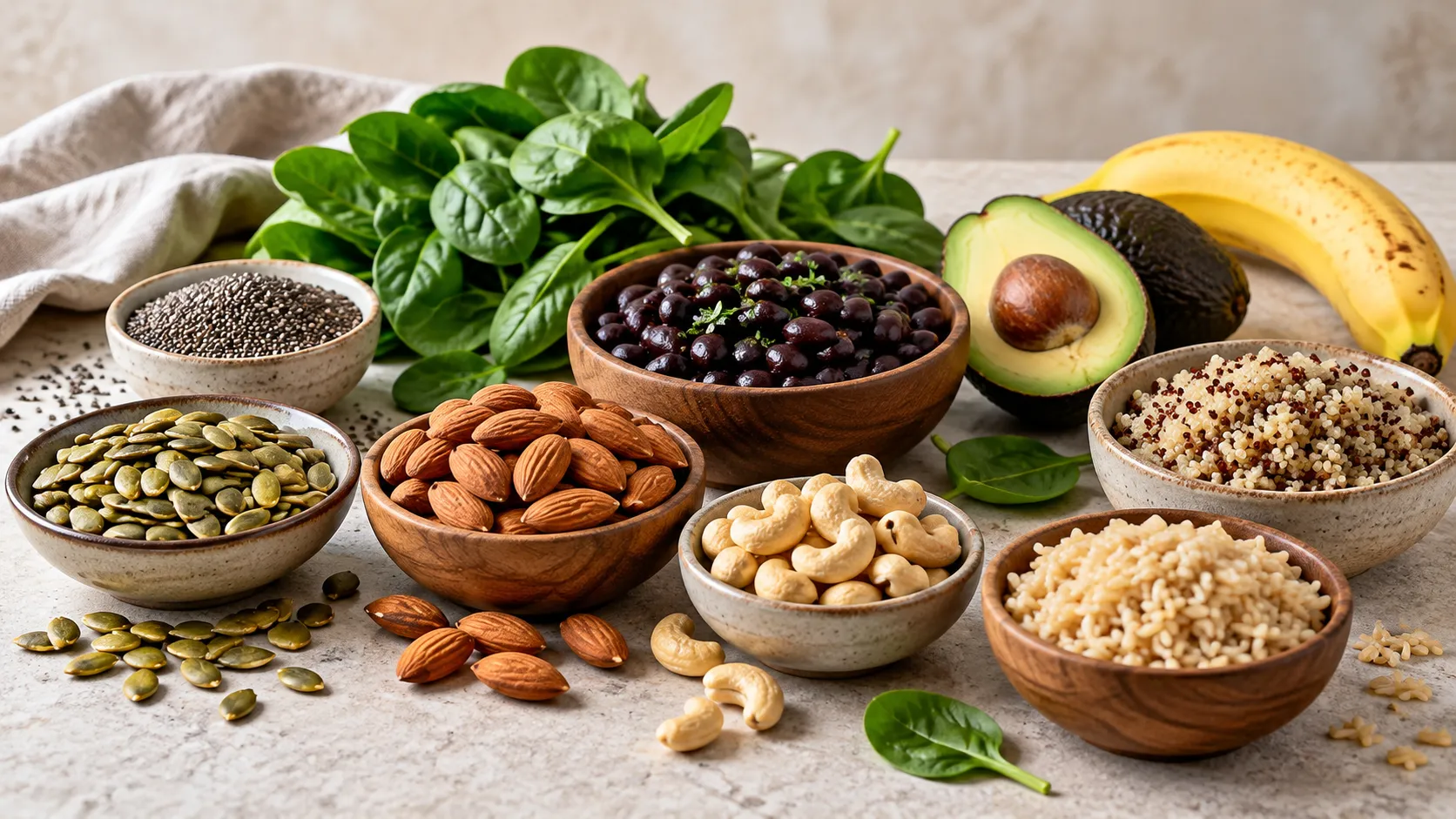
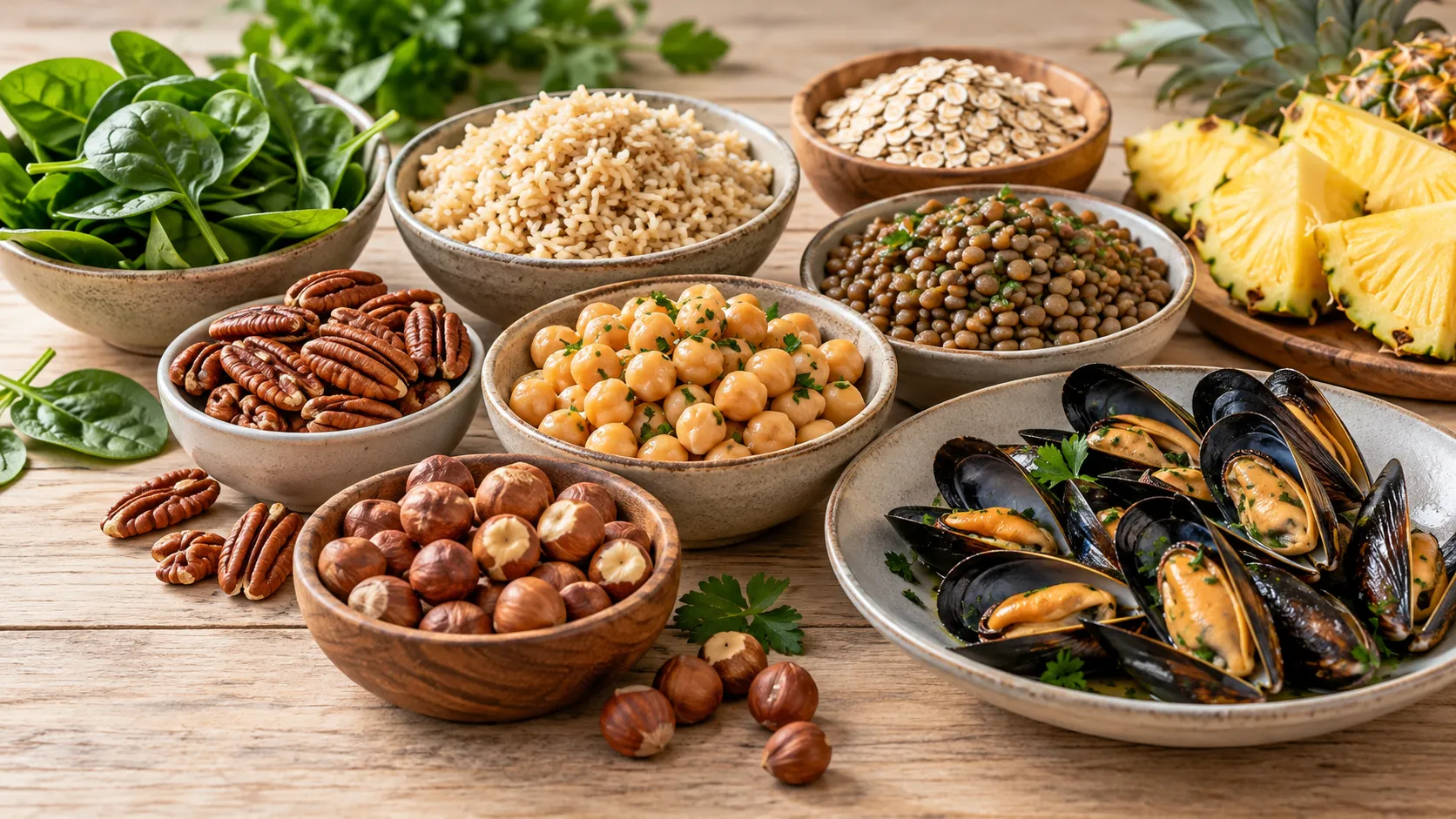
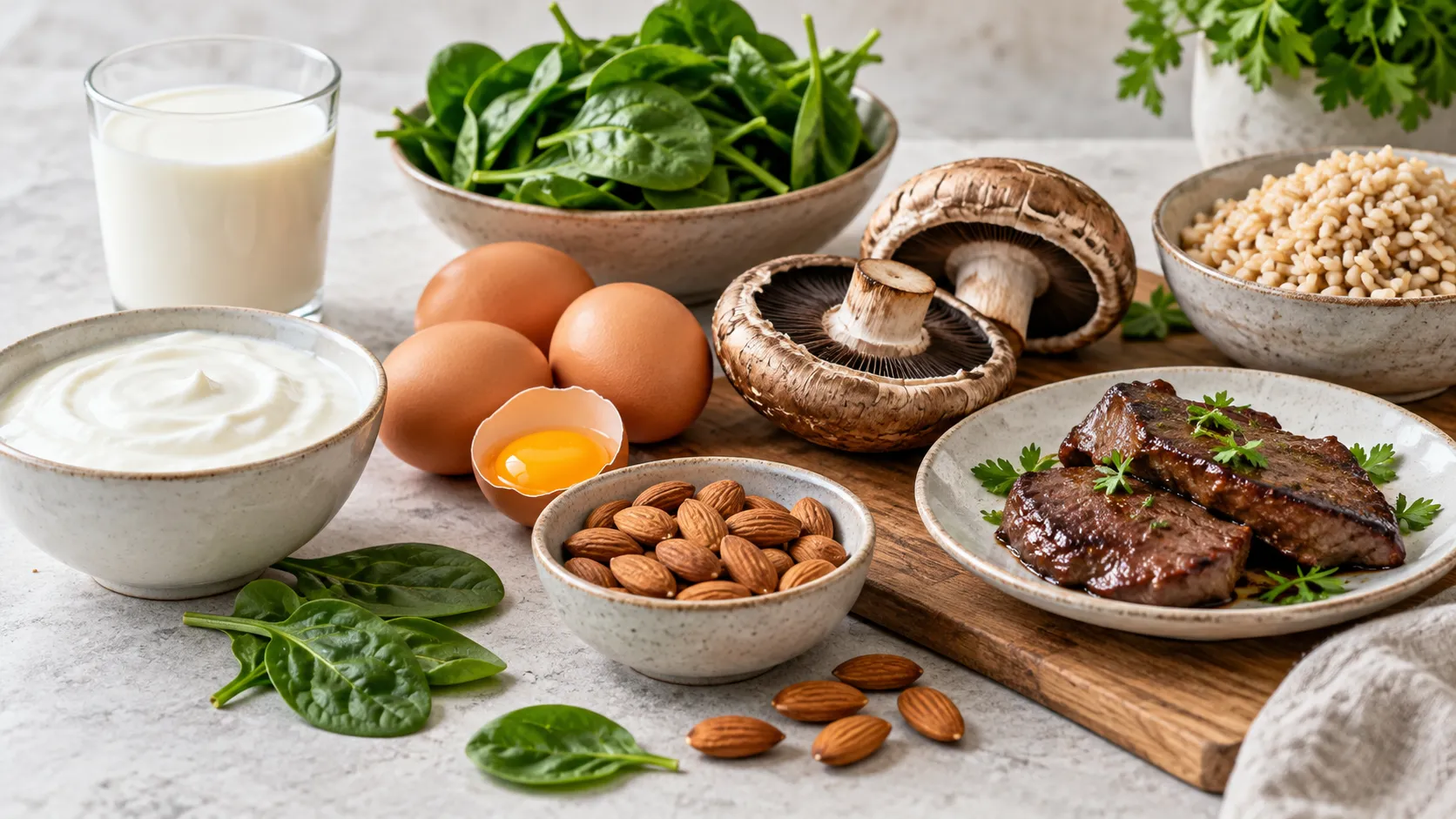
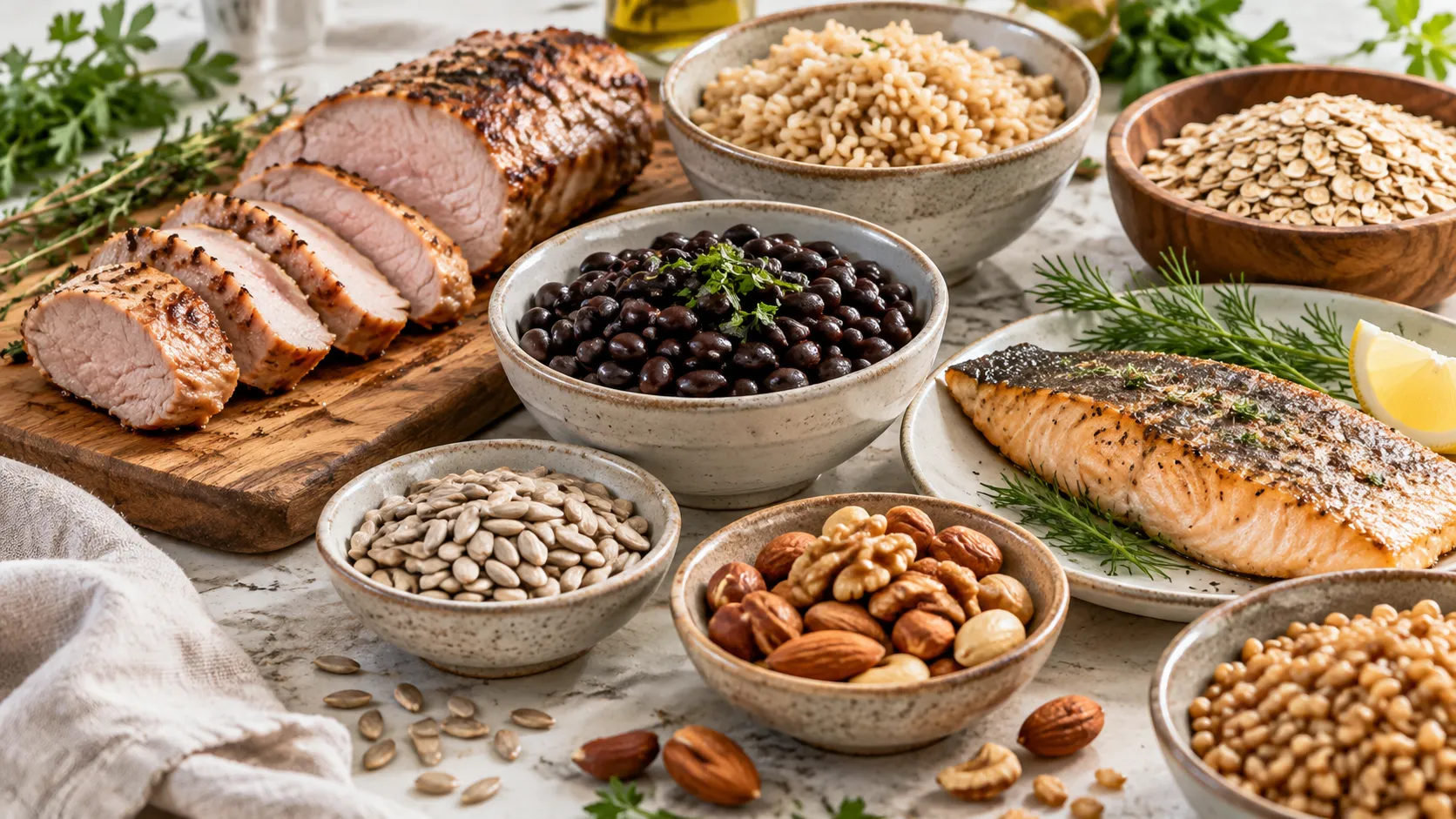
Thiamine is naturally present in foods including pork, fish, legumes, whole grains, seeds, and nuts, and it is also added to some enriched or fortified foods. (ODS)
What is vitamin B1?
Thiamine is a water-soluble vitamin.
After absorption, some thiamine is converted into thiamine diphosphate (TDP), also called thiamine pyrophosphate, which is its major metabolically active form. (ODS)
TDP acts as an essential cofactor for enzymes involved in glucose, amino acid, and lipid metabolism. In practical terms, thiamine helps cells use nutrients in biochemical pathways that produce energy. (ods.od.nih.gov)
The human body stores only relatively small amounts of thiamine, so a regular dietary supply is important. (ODS)
What does vitamin B1 do?

Thiamine’s best-established function is its involvement in energy metabolism.
Its functions include:
- acting as a cofactor for enzymes involved in glucose metabolism;
- participating in the metabolism of certain amino acids;
- supporting biochemical pathways involved in energy production;
- contributing to normal cellular function;
- supporting processes important for the nervous system. (ods.od.nih.gov)
However, consuming more thiamine than the body requires does not automatically provide more energy or improve performance in someone who already has adequate thiamine status.
How much vitamin B1 do we need?
Requirements depend on age, sex, and life stage, and different authorities use somewhat different reference systems.
The U.S. National Institutes of Health lists the following RDAs:
| Group | Thiamine per day |
|---|---|
| Adult men | 1.2 mg |
| Adult women | 1.1 mg |
| Pregnancy | 1.4 mg |
| Lactation | 1.4 mg |
(ODS)
In Brazil, Anvisa uses 1.2 mg as the Daily Reference Value for thiamine on general food nutrition labels. A food-labeling reference value is not the same as an individualized dietary prescription. (AnvisaLegis)
EFSA takes an energy-related approach and established a population reference intake of 0.1 mg per megajoule of energy requirement for people older than seven months. (European Food Safety Authority)
What foods contain vitamin B1?
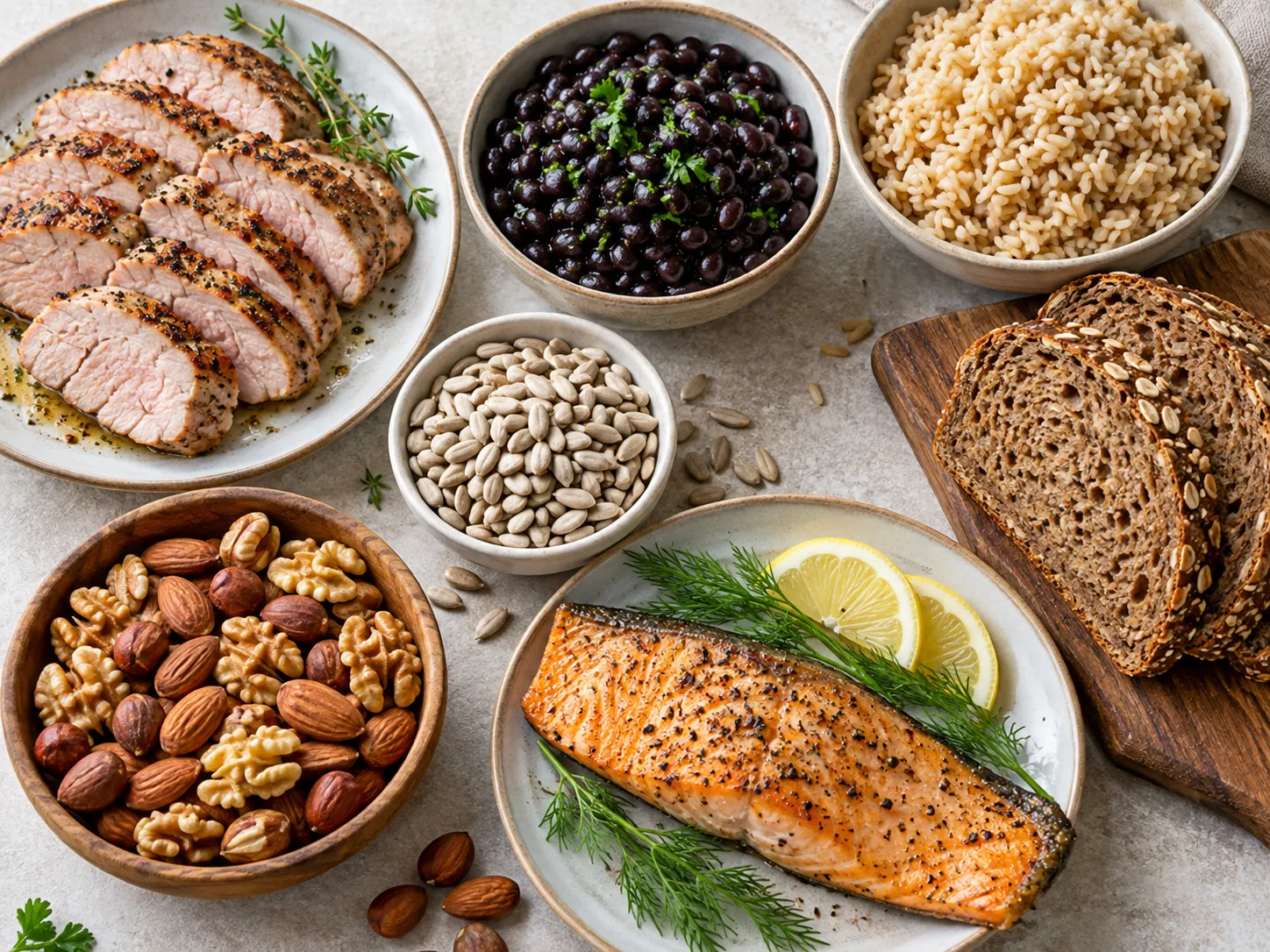
Thiamine occurs naturally in a range of foods and is also added to some enriched or fortified foods.
Important sources include:
- pork;
- fish;
- beans and other legumes;
- whole grains;
- enriched breads and cereals;
- brown rice;
- seeds;
- nuts. (ODS)
Examples listed by the NIH using U.S. food-composition data include:
| Food | Serving | Approximate thiamine |
|---|---|---|
| Cereal fortified with 100% of the Daily Value | 1 serving | 1.2 mg |
| Broiled pork chop | about 3 oz / 85 g | 0.4 mg |
| Cooked trout | about 3 oz / 85 g | 0.4 mg |
| Cooked black beans | 1/2 cup | 0.4 mg |
| Cooked whole-wheat pasta | 1 cup | 0.2 mg |
| Cooked brown rice | 1/2 cup | 0.2 mg |
| Toasted sunflower seeds | about 1 oz / 28 g | 0.1 mg |
Actual values vary with food variety, processing, preparation, and serving size. (ODS)
Can cooking reduce thiamine?
Yes.
Thiamine can be lost during food processing and heating. Because it is water-soluble, some of the vitamin may move into cooking water and be lost when that water is discarded. (ODS)
Refining grains can also substantially reduce their thiamine content. The NIH notes, for example, that unenriched white rice contains much less thiamine than unenriched brown rice. Some countries enrich refined grain products to replace nutrients removed during processing. (ODS)
This does not mean that all foods should be eaten raw. A varied dietary pattern is generally more important than trying to prevent every small nutrient loss during cooking.
What causes thiamine deficiency?

Thiamine deficiency develops when intake, absorption, or retention is insufficient to meet the body’s needs.
Possible contributing factors include:
- inadequate food intake;
- alcohol use disorder;
- gastrointestinal malabsorption;
- bariatric surgery;
- severe malnutrition or certain illnesses;
- increased losses in some clinical situations;
- specific medications in particular circumstances. (ODS)
Chronic excessive alcohol consumption is one of the best-known risk factors because it can combine inadequate dietary intake with impaired absorption and altered thiamine metabolism. (ODS)
People who have undergone bariatric surgery also require appropriate nutritional follow-up because reduced intake, altered absorption, and persistent vomiting may increase the risk of deficiency. (ODS)
What are the symptoms of vitamin B1 deficiency?
Early symptoms may be nonspecific.
Reported manifestations include:
- loss of appetite;
- weight loss;
- muscle weakness;
- memory problems;
- confusion;
- cardiovascular symptoms. (ODS)
As deficiency progresses, neurological symptoms may become more prominent, including tingling, numbness, impaired reflexes, and weakness related to peripheral neuropathy. (ODS)
Because these symptoms have many possible causes, they should not be used for self-diagnosis.
What is beriberi?
Beriberi is a severe manifestation of thiamine deficiency.
Neurological involvement can cause peripheral neuropathy, muscle wasting, weakness, and impaired reflexes. Cardiovascular forms can involve edema and heart failure, and overlapping presentations are possible. (ODS)
Beriberi is uncommon in populations with broad access to varied diets and enriched foods, but it remains clinically important in people with major risk factors.
What is Wernicke encephalopathy?
Wernicke encephalopathy is a severe neurological disorder caused by thiamine deficiency and requires urgent medical attention.
The classic clinical features include:
- altered mental status or confusion;
- abnormal eye movements;
- gait instability or ataxia. (PubMed)
Not every patient develops all three signs. Incomplete or atypical presentations contribute to missed and delayed diagnoses. (PubMed)
Although Wernicke encephalopathy is strongly associated with chronic alcohol misuse, it can also occur in other conditions that severely impair thiamine intake or absorption. (PubMed)
How is thiamine deficiency diagnosed?
Diagnosis can be challenging.
The NIH notes that blood thiamine concentration alone is not considered a reliable indicator of overall thiamine status. Functional tests and other markers may be used in specific settings, but interpretation depends on the clinical context. (ODS)
Wernicke encephalopathy is primarily a clinical diagnosis, and the absence of the complete classic triad does not rule it out. (PubMed)
A professional assessment therefore considers symptoms together with dietary history, alcohol use, surgery, disease, medications, and other relevant risk factors.
Do you need a vitamin B1 supplement?
Not everyone does.
A varied diet containing good sources of thiamine is generally sufficient for healthy people. Supplements may become important when deficiency is present or strongly suspected or when a specific medical condition increases the risk. (ODS)
The NIH has not established a Tolerable Upper Intake Level (UL) for thiamine because available evidence is insufficient to define one. Thiamine absorption also decreases substantially at high intakes. (ODS)
This should not be interpreted as evidence that megadoses are beneficial.
The 2023 review prepared for the Nordic Nutrition Recommendations similarly concluded that available data were insufficient to establish a safe upper intake level. (PubMed)
How can you get enough vitamin B1 from food?
A practical approach is to include different sources throughout the day.
Options include:
- eating beans or other legumes regularly;
- choosing whole grains frequently;
- including seeds and nuts in amounts appropriate for your overall diet;
- eating fish or meat if they are part of your dietary pattern;
- using enriched foods when appropriate.
There is no need to obtain all of your daily thiamine from one food. A varied dietary pattern also helps supply other essential micronutrients.
Conclusion
Vitamin B1, or thiamine, is essential for energy metabolism and normal cellular function. Pork, fish, legumes, whole or enriched grains, seeds, and nuts are among its major dietary sources. (ODS)
Deficiency is uncommon in people with adequate diets but can become serious in individuals with important risk factors. Neurological and cardiovascular complications may occur, and advanced deficiency can result in beriberi or Wernicke encephalopathy. (ODS)
For most people, a varied diet is the most practical way to meet thiamine needs. Suspected deficiency, malnutrition, bariatric surgery, problematic alcohol use, persistent vomiting, or neurological symptoms warrant professional assessment.